
The Water Filter Gap Is Bigger Than You’d Think
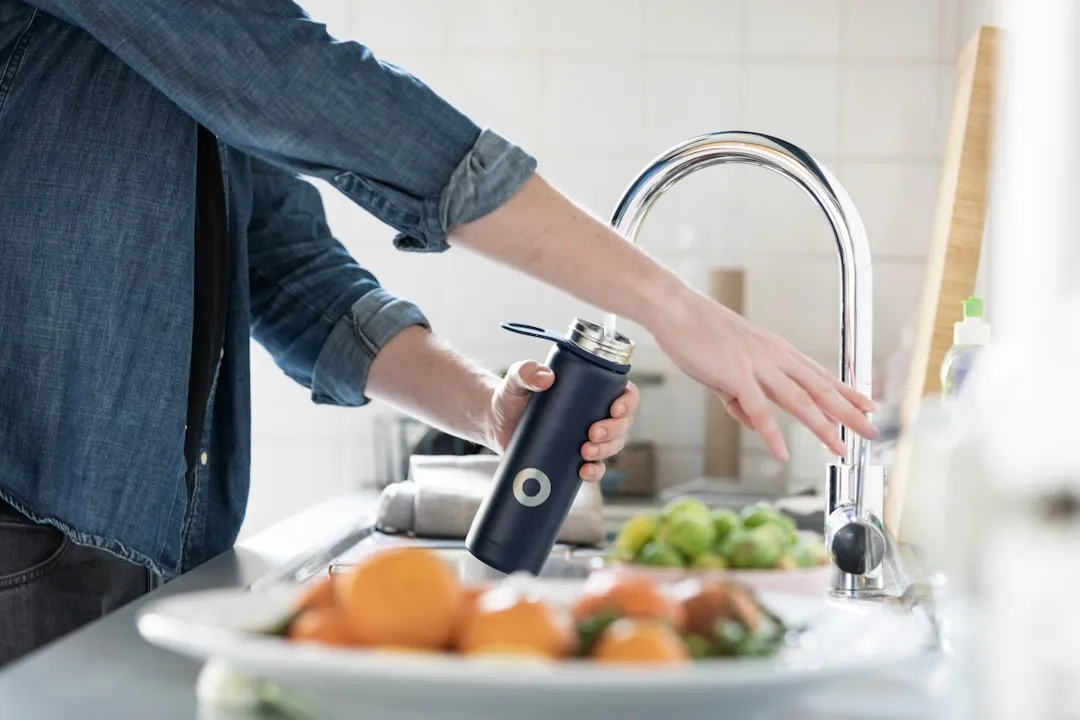
Commercial ice machines rely on clean, filtered water to produce ice that’s safe, clear, and flavorful. The filtration systems used in professional settings are a substantial step above the built-in filters found in most home refrigerators. Commercial water filtration systems trap contaminants before they enter the machine, often using methods like activated carbon or ion exchange to remove deposits like calcium and magnesium, and they lower any chlorine taste that might otherwise seep into the ice.
Pentair’s Everpure Insurice systems, widely used in restaurants, filter particulates down to 0.5 microns and reduce bacteria, slime, and scale, optimizing equipment performance for high-quality ice production. That level of precision is a far cry from a refrigerator filter that many households replace less often than they should. Most refrigerator water filters need regular replacement, and when a filter is overdue, it may stop removing tastes and odors effectively.
Restaurant Ice Machines Freeze Differently

Specific ice machines used by restaurant suppliers offer something called “directional” or “top down” freezing, which means air bubbles settle at the bottom of the tray rather than remaining suspended throughout the cube. This is a controlled process, not an accident of temperature. The result is a structurally different product than anything a standard home freezer tray can produce.
Professional ice machines constantly circulate the water they use for ice, which means there’s less chance for air bubbles to form in the first place, and they also freeze water at a slower rate than home freezers do. That slower process promotes the growth of big ice crystals, which are smoother and clearer, and prevents temperature fluctuations that could lead to either cracks or the cloudiness that comes with melting and re-forming ice.
Why Cloudy Ice Tastes Different From Clear Ice
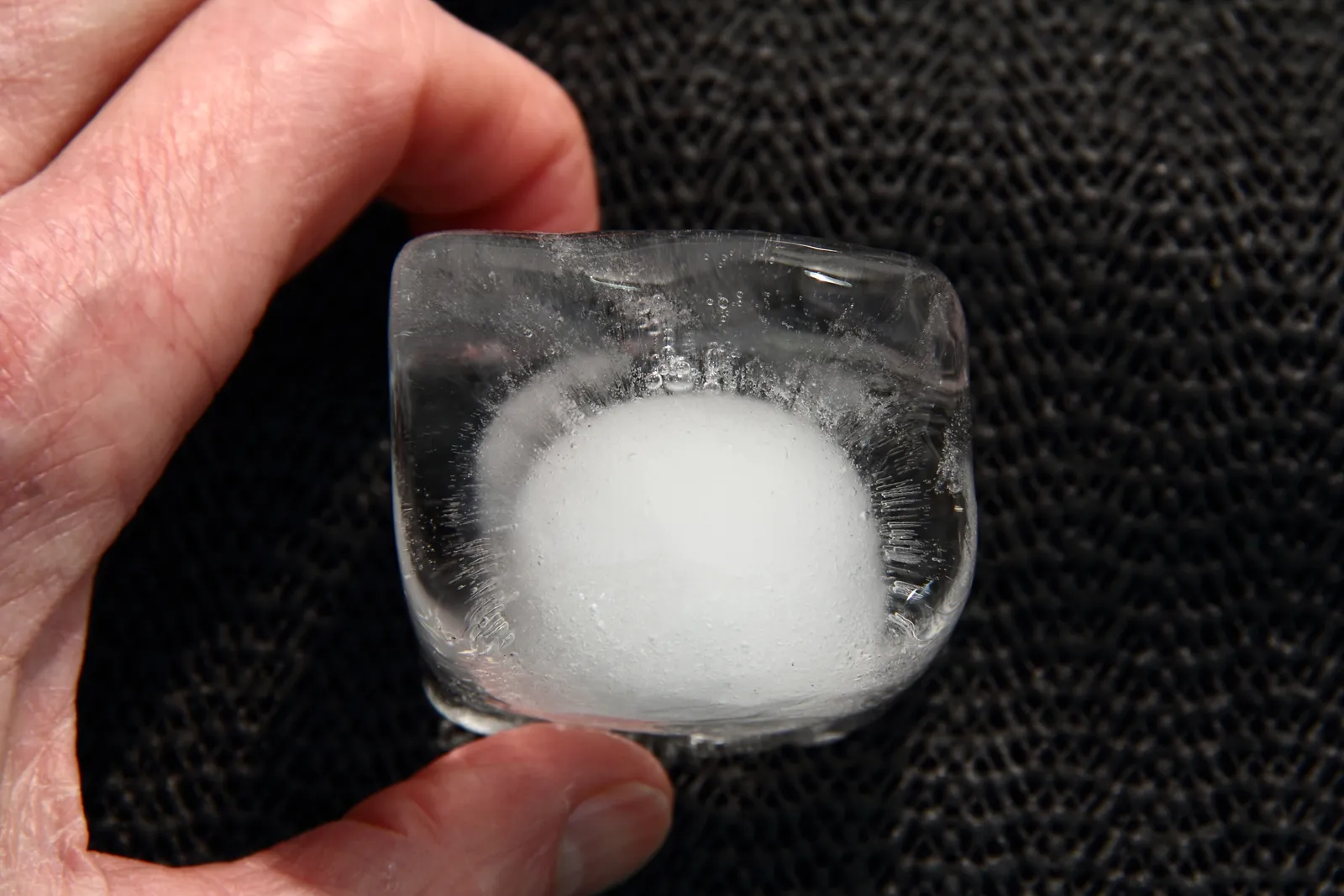
The cloudy, whitish color we associate with homemade ice is actually thanks to the air trapped in the frozen water. That trapped air isn’t just an aesthetic issue. It changes the physical density of the cube, which in turn affects how quickly it melts and how it interacts with a cold drink.
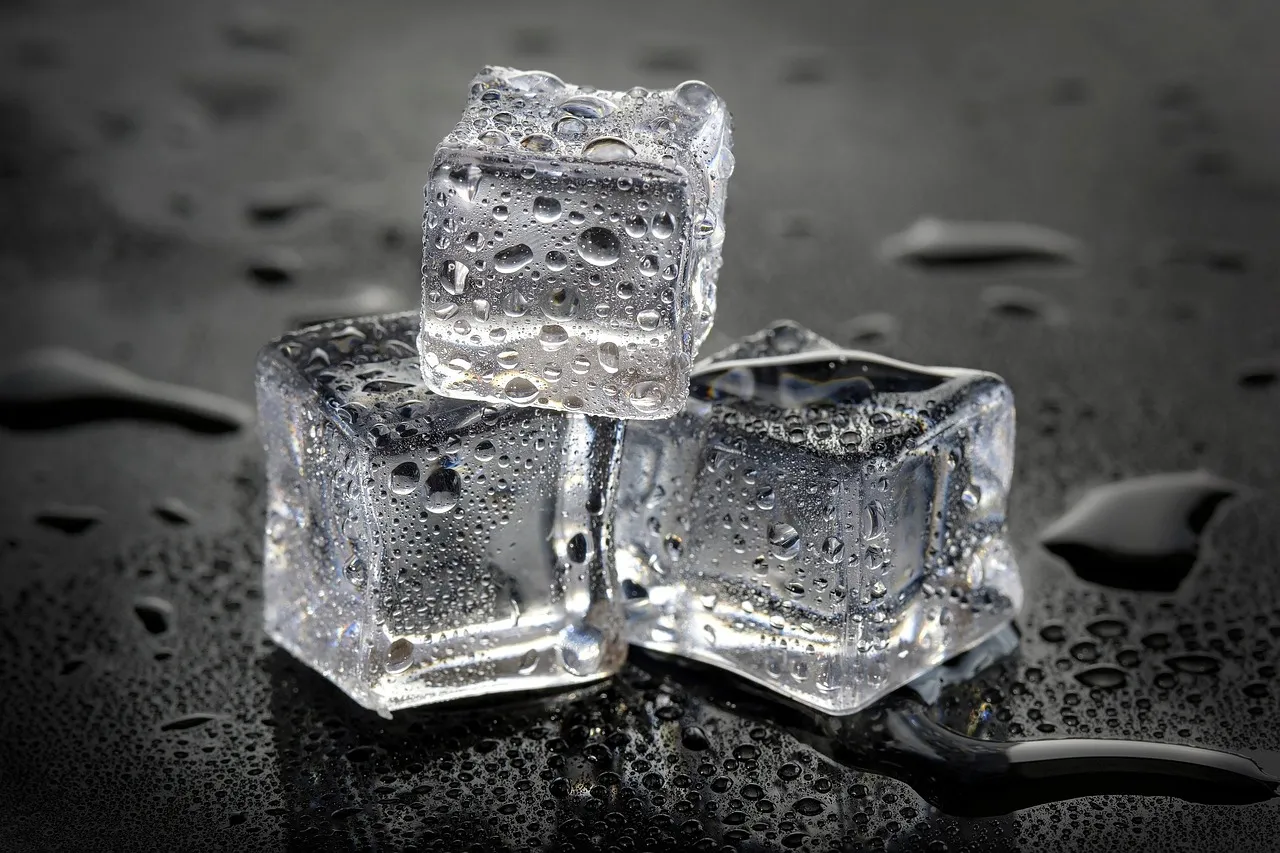
Clear ice is denser thanks to the lack of non-water substances getting in the way, so it looks better and melts more slowly. The reason clear ice melts at a slower rate is because of its higher density and the absence of air or impurities, meaning it can retain a lower temperature for an extended period compared to regular ice. That difference is why your restaurant drink stays cold longer without tasting watered down halfway through the meal.
Your Home Freezer Is Full of Competing Smells
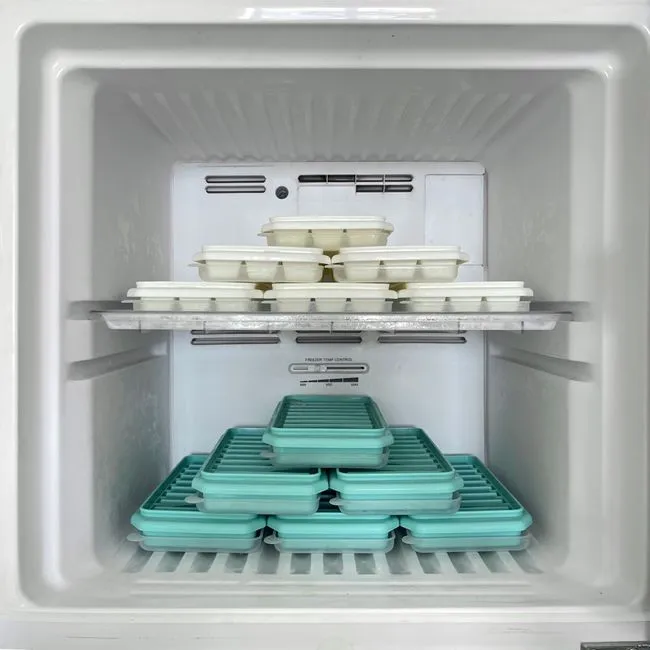
Ice tastes “weird” primarily because it is an incredible absorber of volatile organic compounds, the aromatic chemicals that permeate your freezer environment. This is one of the most underappreciated reasons home ice underperforms. The freezer that holds your ice also holds last week’s leftovers, a bag of frozen fish, and a forgotten pizza box.
Ice absorbs odors from its surroundings, meaning any unsealed food in your freezer is going to waft its way into your ice. That funky taste stems from a funky smell caused by microbes like bacteria, yeasts, and molds, and when food begins to break down, fat and flavor molecules are released into the freezer’s atmosphere, accelerated by spills, open containers, and loose-fitting takeout boxes. Restaurant ice machines are dedicated units, sealed off from food storage entirely.
Cold Temperature Changes How Taste Works

Cold temperatures play a key role in how we experience taste. When a drink is chilled, certain taste receptors on our tongue, especially those that detect bitterness, become less sensitive. At the same time, cooler temperatures can heighten the perception of sweetness and acidity, making flavors feel more balanced and crisp.
A study published in the journal Chemical Senses supports this, showing that our perception of sweetness increases at colder temperatures, while bitterness is suppressed. Restaurant ice, being denser and slower to melt, keeps a drink in that optimal temperature zone for longer. Home ice, which melts faster and often carries mild off-flavors, disrupts that experience before the drink is even finished.
The Way Ice Melts Matters for Flavor
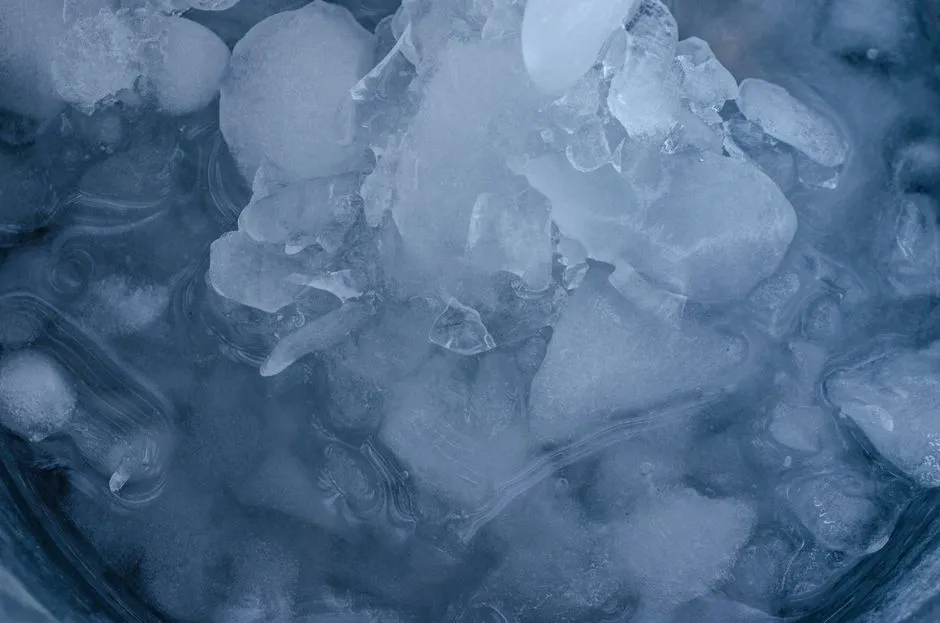
As ice slowly melts into a beverage, it doesn’t just water it down; it can actually improve the flavor by diluting some of the flavors which might be considered overpowering otherwise. The key word there is “slowly.” That gentle dilution is a feature of well-made, dense ice. Fast-melting, airy home ice tips the balance in the wrong direction.
Dilution puts space between flavors, letting them breathe and reveal themselves on your palate, delivering a flavor experience that should travel the length of your tongue with a start, middle, and finish. Without water, flavors remain tight and closed, which puts the whole drink out of balance. Too much dilution too quickly has the same problem, just in the opposite direction.
Nugget Ice and Shape: Why It Actually Matters
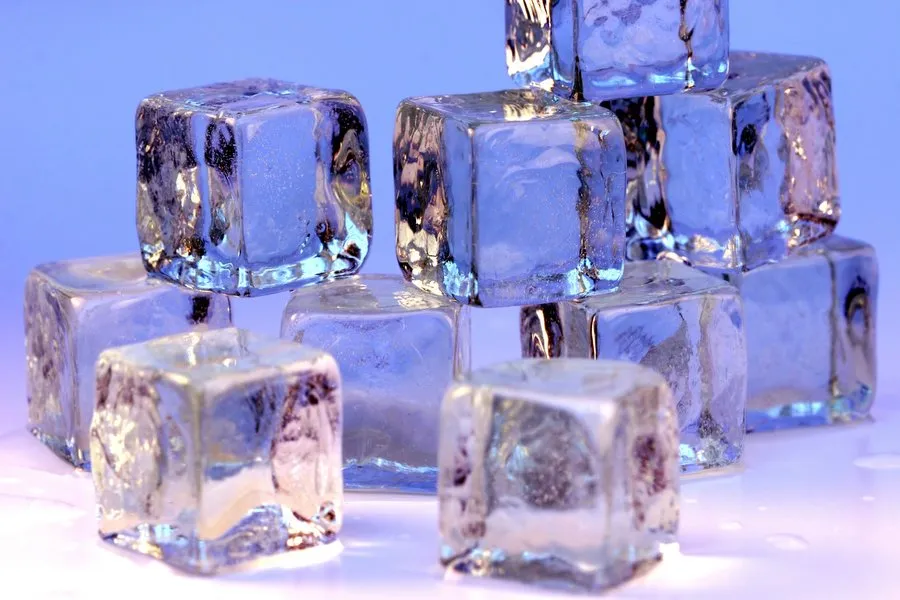
The compressed-flake composition of nugget ice creates air pockets within each nugget, making it much softer and lighter than traditional ice cubes. Many restaurants use this style deliberately, particularly in soft drink service, because of how it interacts with beverages. Because nugget ice is porous, it acts like a tiny, frozen sponge, absorbing some of the liquid into its nooks and crannies as it sits in your beverage.
The small size and greater surface area of nugget ice allow it to cool your drink down much more rapidly than larger, solid cubes, with more points of contact with the liquid meaning a faster transfer of heat, bringing your beverage to the perfect frosty temperature in seconds. Restaurants choose the ice format that fits the drink, whereas at home, everyone works with the same basic tray cube regardless of what’s in the glass.
Old Ice Is a Quiet Culprit
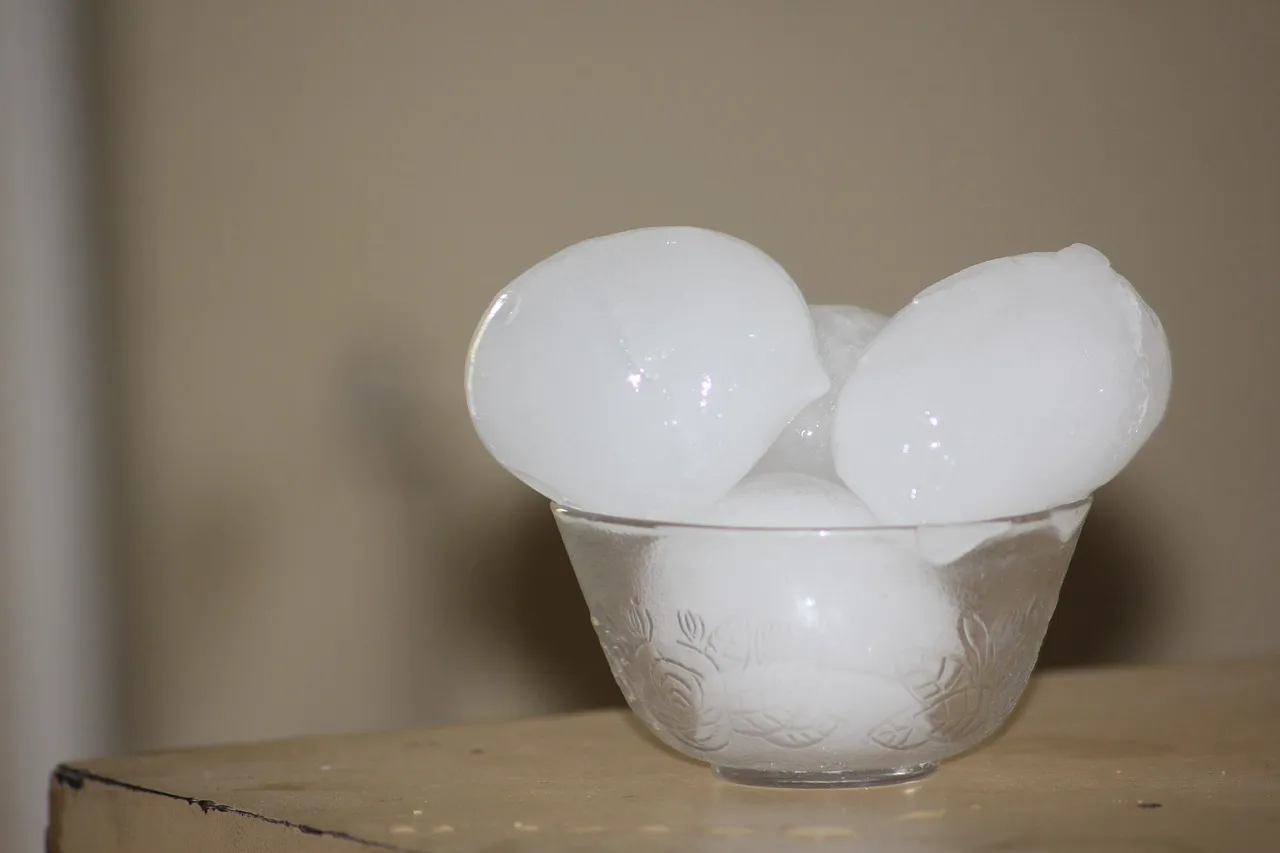
In homes across the country, a tray of ice left undisturbed in the freezer for weeks can begin to carry a faint off-flavor, often described as stale or flat. The water that formed those cubes was once neutral in taste. The change occurs during storage. Ice is not chemically inert, and a household freezer is not an isolated chamber. Odors from other foods, subtle air exchange, and physical changes at the ice surface gradually alter what was once plain frozen water.
In a freezer environment, ice slowly transitions from solid to vapor without melting, a process that reduces cube size and roughens the surface. As water molecules leave the ice lattice, they create tiny cavities and increase surface area, providing additional sites for odor molecules to bind. Restaurants cycle through ice constantly, so it rarely sits long enough for any of this to happen. At home, the same tray can sit for a week or more.
The Mineral Content of Tap Water Is a Factor
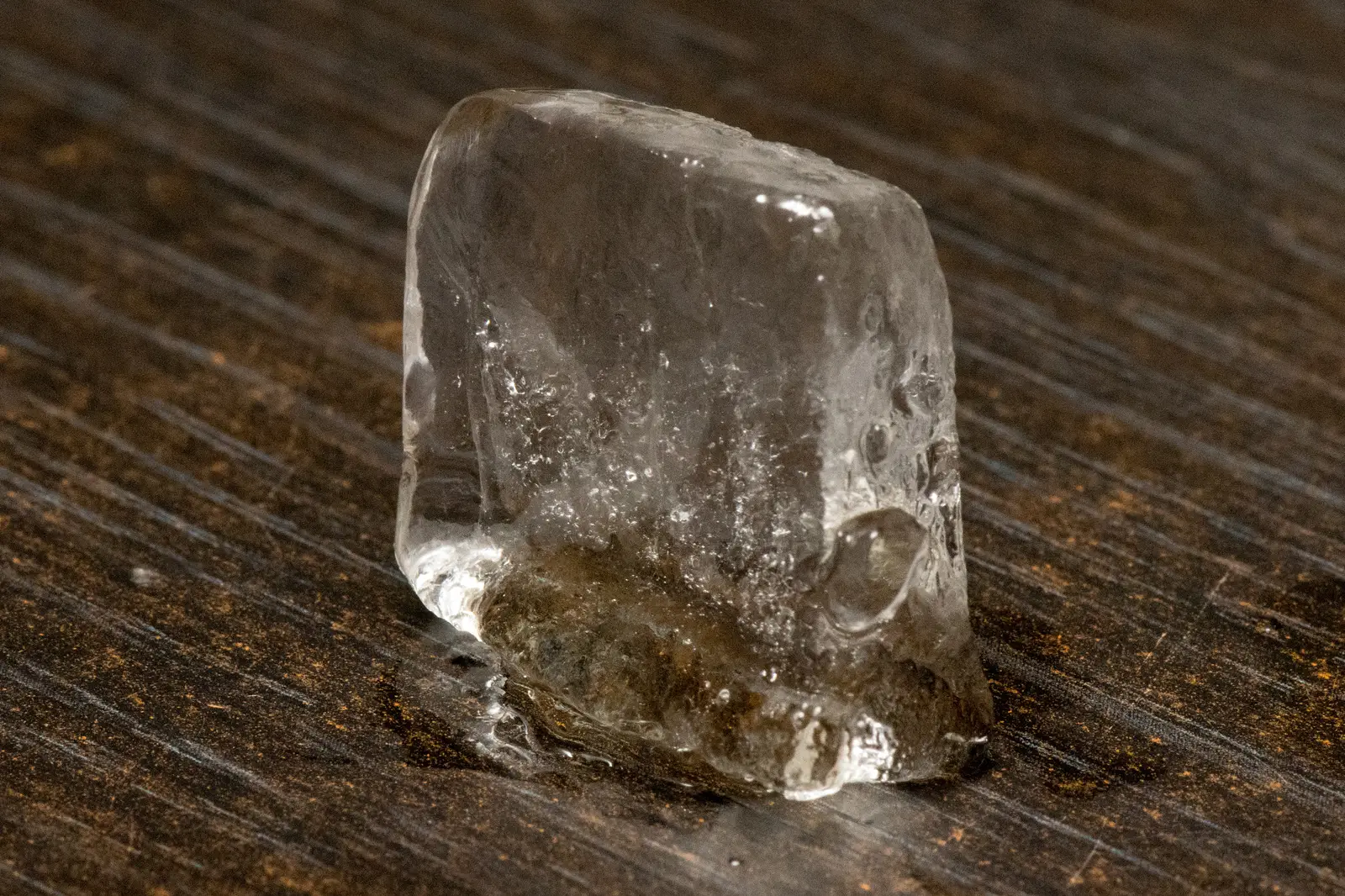
Tiny impurities, dissolved gases, and even microscopic bits of whatever was in the water to begin with can get trapped within ice crystals. As the ice melts, these trapped elements are released back into the liquid water. Tap water varies enormously from city to city, and its mineral load directly affects how the finished ice tastes. Hard water, in particular, tends to produce noticeably cloudier and more mineral-forward ice.
Ice made with hard water absorbs odor faster than ice made with softer water. Commercial filtration systems are specifically calibrated to handle the incoming water supply for a given location. A detailed water quality analysis helps guide the choice of the right type of filtration system to remove any impurities present in the water supply. Home users rarely go that far, which means the mineral profile of local tap water largely dictates the flavor of their ice by default.
Dedicated Machines Versus Shared Space
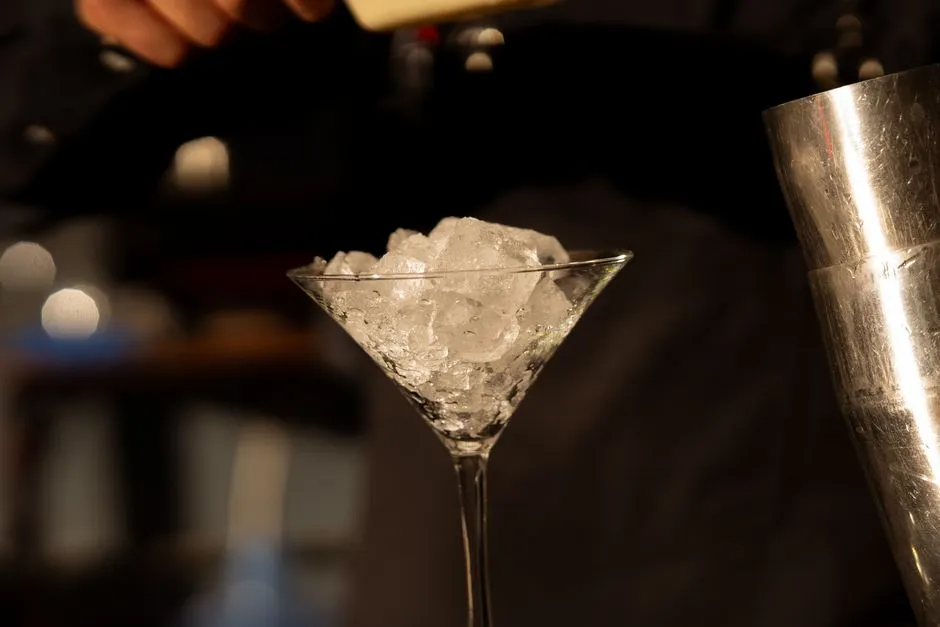
Restaurant bars have equipment that costs more than most people’s monthly rent. Those fancy ice machines don’t just make regular ice cubes; they create crystal-clear, perfectly shaped ice that melts slower and doesn’t water down drinks as quickly. Commercial units are designed to do one thing: produce high-quality ice consistently. They operate in a dedicated environment, away from food smells and temperature swings caused by opening a shared fridge door dozens of times a day.
Home refrigerators, by contrast, are multipurpose appliances managing everything from dairy to leftovers to fresh produce. Ice cubes provide an active surface that naturally attracts odors, and cold surfaces absorb odor compounds faster than warm surfaces. Ice cubes stored in an ice bin will absorb any airborne refrigerator or freezer odors. The physics of odor absorption don’t care that the freezer is also a kitchen workhorse. They just proceed quietly, cube by cube.
The Takeaway
Restaurant ice tastes better for reasons that are genuinely scientific, not imaginary. Cleaner input water, precision filtration, controlled freezing speeds, dedicated storage, and high turnover all add up to a product that’s structurally different from what comes out of a home tray or ice maker bin.
The gap isn’t impossible to narrow at home. Replacing filters on schedule, storing ice in sealed containers, and using a dedicated ice maker rather than a shared freezer bin can all make a noticeable difference. Still, the restaurant version will likely keep its edge. Some things are easier to appreciate than to replicate.
AI Disclaimer: This article was created with the assistance of AI tools and reviewed by a human editor.