
Rice is one of the most eaten foods on the planet, cooked in billions of homes every single day. Most people think of it as harmless, a safe, simple staple that can be made in batches and saved for later. That assumption isn’t entirely wrong, but it comes with a catch that most home cooks don’t fully understand.
The truth is that leftover rice carries a specific, well-documented food safety risk that has nothing to do with the rice itself going “bad” in the way meat or fish does. The danger is quieter, more chemical in nature, and critically, it doesn’t disappear when you run your leftovers through the microwave. Here’s what food science actually tells us.
Meet Bacillus cereus: The Bacteria Behind the Problem
Rice may contain a bacteria called Bacillus cereus, which can survive some cooking processes. This spore-forming, gram-positive rod-shaped bacterium is widely distributed in the environment, notably found in soil, dust, and on various foods, particularly rice and other starchy products. It’s not a sign of poor hygiene or bad-quality rice. It’s simply part of how this organism exists in the world.
Bacillus cereus is capable of surviving extreme environmental conditions due to its ability to form heat-resistant spores, and upon germination under favorable conditions, it produces two distinct groups of toxins: emetic toxin (cereulide) and enterotoxins, each causing different clinical presentations. That two-toxin distinction matters a lot, as the two forms of illness they cause behave very differently.
How Widespread Is This Problem, Really?
The Centers for Disease Control and Prevention estimates Bacillus cereus causes 63,000 annual cases of foodborne illness in the United States and only about 20 hospitalizations. Though many cases go unreported, that’s still a tiny fraction of the 48 million total cases of foodborne illnesses in the U.S. each year.
Bacillus cereus is widely distributed in natural environments and is commonly responsible for foodborne outbreaks, estimated to contribute to roughly one to twelve percent of food poisoning outbreaks globally. The number of B. cereus contaminations is highly underestimated, because foodborne B. cereus disease is mild and self-limiting and is consequently not reported by patients. So the real case count is likely considerably higher than official figures suggest.
Why Cooking Rice Doesn’t Eliminate the Risk
Uncooked rice can contain spores of Bacillus cereus. This bacteria can cause food poisoning, and the spores of Bacillus cereus can survive being cooked. This is the core of the problem. The act of boiling or steaming rice does not destroy the spores. It kills the active bacteria, but the spores remain viable, sitting dormant in the cooked grain.
Rice and other grains can carry spores of the bacterium Bacillus cereus, and like other spores, Bacillus spores will survive the rice-cooking process. If the cooked rice is not properly cooled, then the Bacillus spores can germinate and produce a toxin that can make a person sick. The clock starts ticking the moment rice leaves the heat.
The Danger Zone: What Happens at Room Temperature
When a starch is left out for an extended period of time in the danger zone between 40°F and 140°F, its spores will produce toxins. If rice or any other starch is left out for more than two hours, it should be thrown away and not preserved.
The longer cooked rice is left at room temperature, the more likely it is that the bacteria or toxins will make the rice unsafe to eat. B. cereus is frequently present in uncooked rice, and heat-resistant spores may survive cooking. If cooked rice is subsequently held at room temperature, vegetative forms multiply, and heat-stable toxin is produced that can survive brief heating, such as stir frying.
Why Reheating Doesn’t Fix the Problem
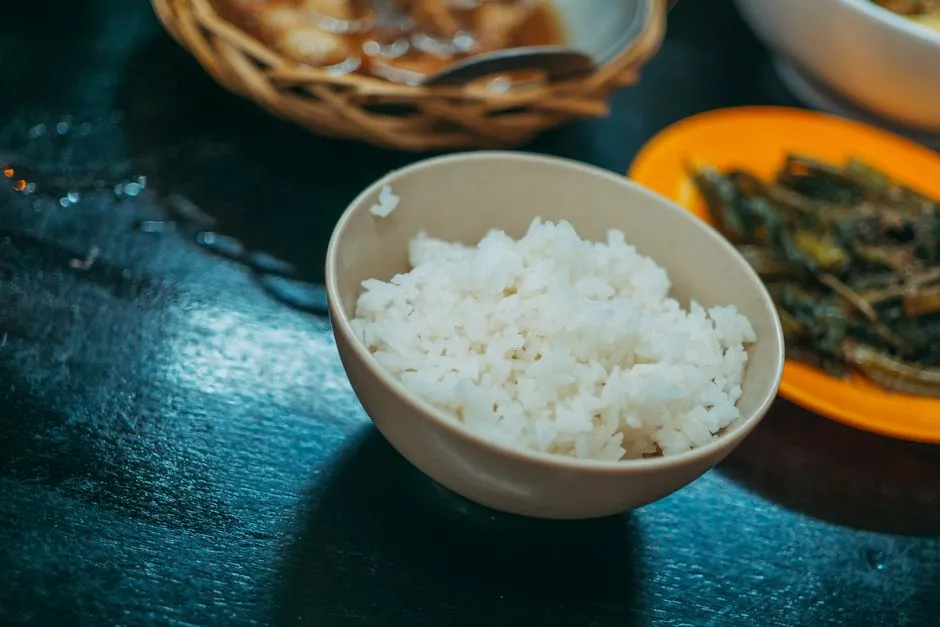
This is where most people get it wrong. They assume that if they reheat rice until it’s steaming, it must be safe. Reheating rice can kill live Bacillus cereus bacteria, but it does not reliably destroy cereulide, the heat-stable toxin those bacteria can make in rice, pasta, noodles, and other starchy leftovers.
What makes cereulide particularly dangerous is its exceptional stability. It can survive temperatures as high as 121°C for 90 minutes and resists breakdown by stomach acid and digestive enzymes. Research published in Trends in Food Science and Technology found that emetic toxin (cereulide) is heat stable up to 121°C (250°F), and if stored at improper temperatures for several hours before serving, hazardous concentrations of bacterial cells or toxins could develop prior to consumption.
Two Types of Illness, Two Different Timelines
The first is the emetic form, which is characterized by nausea, vomiting, and abdominal cramps. The emetic form has a short onset time of about one to six hours after consumption of contaminated foods and is caused by the ingestion of a pre-formed toxin.
The second, the diarrheal form, causes diarrhea, has a longer onset time of about 6 to 15 hours, and can last approximately 24 hours. When cooked rice is left warm for hours, heat-resistant spores that survived cooking germinate, and the growing bacteria produce the emetic toxin cereulide in the rice. Cereulide is heat-stable, so frying or reheating the rice does not destroy it. Eating the rice then delivers preformed toxin, and vomiting begins within a few hours.
Who Is at Greatest Risk?
Most people will recover quickly with no complications. However, people with weak immune systems may be at risk of serious complications, such as sepsis, or blood poisoning. Children, older adults, and those managing chronic illnesses need to be especially careful with leftover rice storage.
A global analysis spanning 50 years identified 6,135 cases of B. cereus infection across 266 studies, with a mortality rate of approximately 0.05% among food poisoning cases. While that figure sounds small, it represents real deaths from what most people dismiss as an upset stomach from leftovers. Although rare, even fatal outcomes due to liver failure have been linked to cereulide intoxication.
The Reheating Rules You Actually Need to Follow
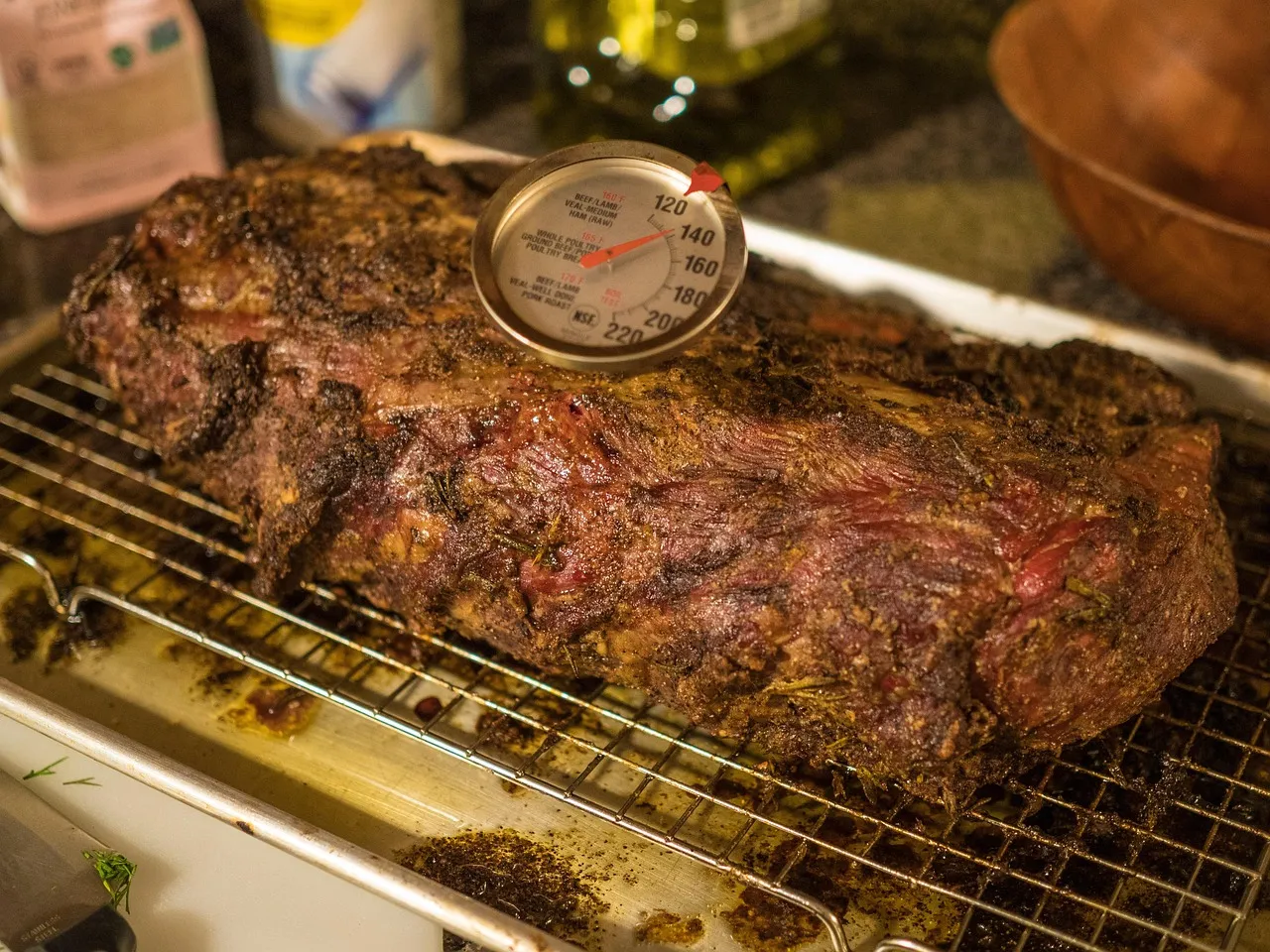
It is possible to reheat rice safely as long as people cool and store it correctly. When reheating rice, use a food thermometer to make sure it reaches 165°F (73.8°C) or higher throughout. Eyeballing it isn’t enough. Steaming in one spot doesn’t mean the center of the batch has reached a safe temperature.
Do not reheat the rice more than once, as this may further increase the risk of food poisoning. Each time cooked rice is cooled and reheated, bacteria that survived previous cycles have another opportunity to multiply. Reheating again does not eliminate toxins already produced during the intermediate holding period. One round only, then discard what’s left.
How to Cool and Store Rice Safely
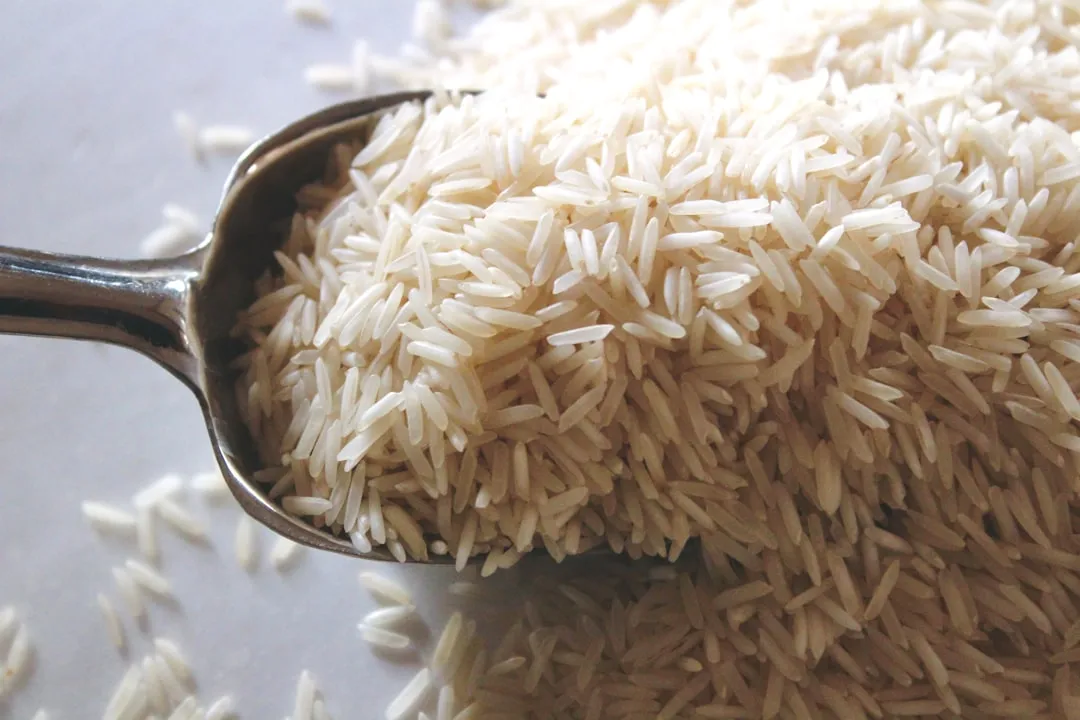
If you have leftover rice, you should chill it as quickly as possible, ideally within one hour. Dividing it into smaller portions can help with this. Don’t leave rice in the rice cooker, steamer, or pan to cool down. Leaving it to cool slowly in a covered pot is one of the most common mistakes people make.
Keep rice in the fridge for no more than one day until reheating. In practice, many households store cooked rice for two to three days without incident, because properly chilled rice held below 5°C limits rather than eliminates bacterial growth. The risk increases with each additional day. Frozen rice stored in individual portions at minus 18°C or below is safe for up to three months and often reheats better than rice refrigerated for two or more days.
Other Starches Face the Same Risk
Although this phenomenon has been dubbed “Reheated Rice Syndrome,” the same dangers can be applied to other starches such as potatoes and pasta. B. cereus is potentially present in a wide range of foods, not just rice. Bacillus cereus is found in about 25% of food products sampled, including cream, pudding, meat, spices, dry potatoes, dry milk, spaghetti sauces, and rice.
The same logic applies each time: cook it, cool it fast, refrigerate it promptly, and reheat it only once to the right internal temperature. The rules don’t change just because the food does. Whether it’s a pasta bake or a bowl of fried rice, the window for safe storage closes faster than most people assume.
The Bottom Line on Leftover Rice
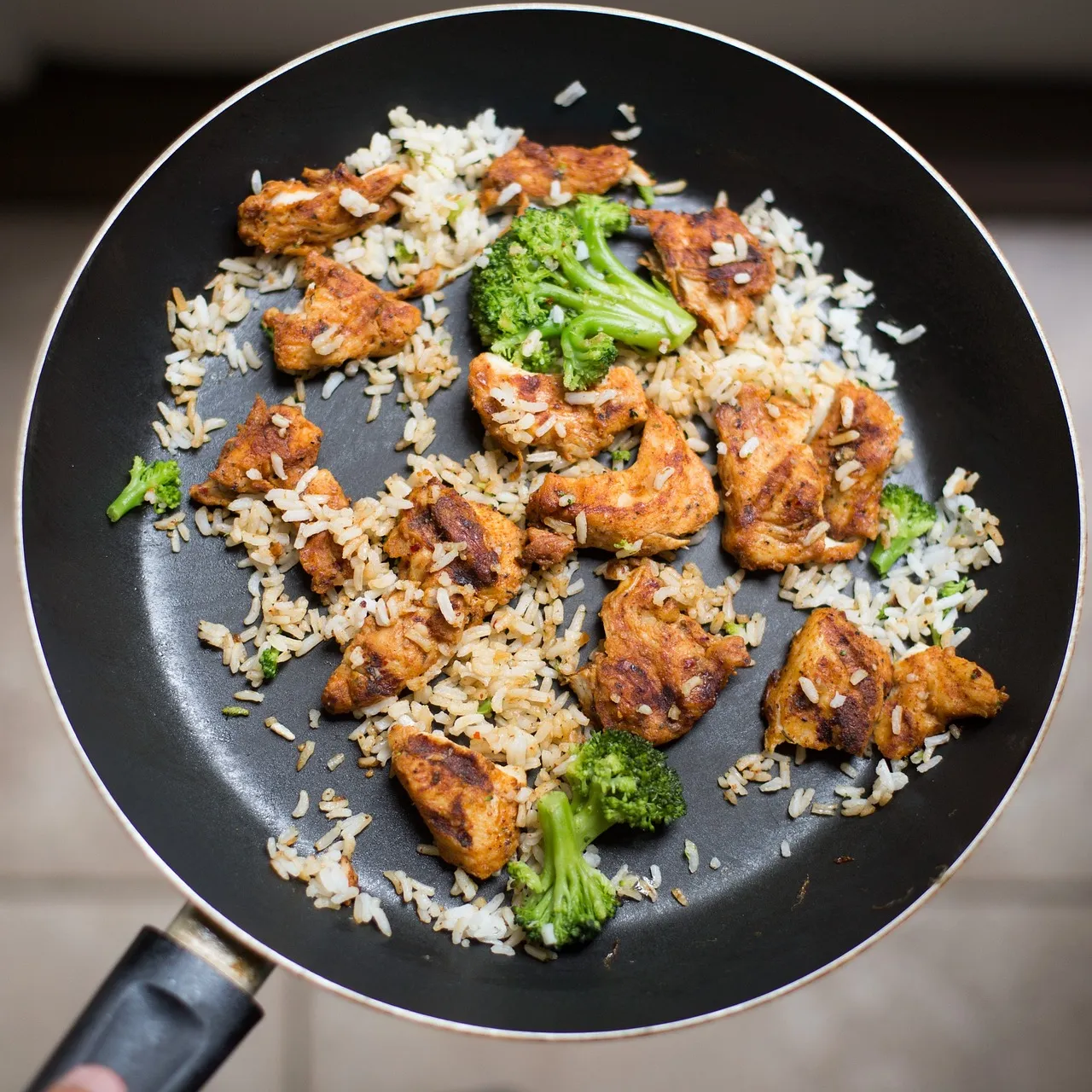
The true danger comes from the improper storage of the rice rather than the reheating itself. The safety step is prevention: cool cooked food quickly, refrigerate it promptly, and do not rely on a microwave to fix leftovers that sat out too long. No amount of extra heating will undo the damage if toxins have already formed.
If you must prepare rice in advance, cool it rapidly by spreading it in a thin layer on a baking sheet before refrigerating. When storing cooked rice, use it within one day and reheat it only once to piping hot temperatures. These aren’t overly cautious rules from food safety bureaucrats. They’re grounded in microbiology, and they actually work.
Rice isn’t dangerous. Careless habits around rice are. The good news is that all of this is entirely preventable with a few simple adjustments that add very little effort to your routine.
AI Disclaimer: This article was created with the assistance of AI tools and reviewed by a human editor.