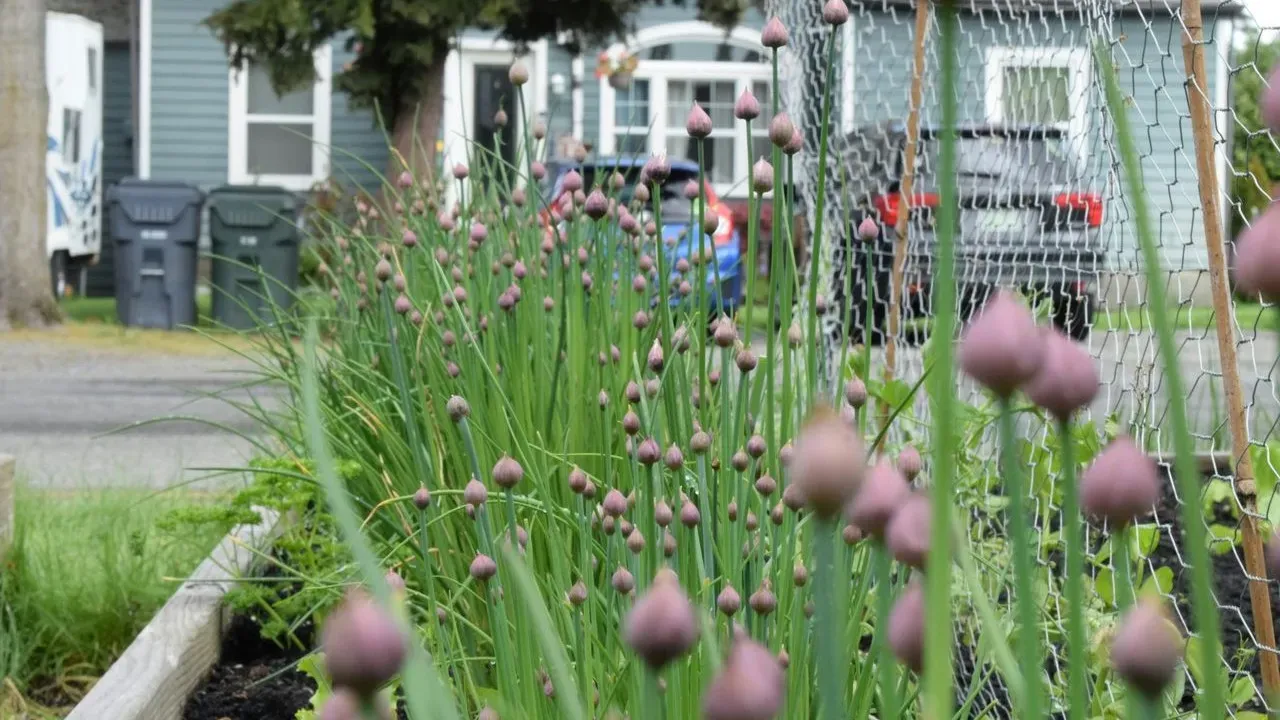

Home gardeners looking for reliable results often find that raised beds deliver stronger yields while cutting the physical demands of traditional in-ground planting. These simple structures give direct control over soil conditions and reduce the daily upkeep that can wear down even experienced growers. The result is a more productive plot that requires less effort from start to finish.
Precise Soil Management Fuels Stronger Plants
Raised beds let gardeners build the exact soil mix their crops need rather than working with whatever lies beneath the lawn or existing beds. This targeted approach improves drainage, aeration, and nutrient balance from the first season onward. Plants establish faster and show fewer signs of stress because roots encounter consistent conditions instead of compacted or depleted ground. The same control also limits the need for synthetic fertilizers. A well-prepared raised bed holds nutrients more effectively, so organic amendments go further and support steady growth through the season. Gardeners report healthier foliage and more consistent fruit set without repeated applications that in-ground plots often require.
Less Bending and Weeding Means Real Time Savings
Working at a comfortable height removes much of the stooping and kneeling that comes with ground-level rows. Tasks such as planting, thinning, and harvesting take less time and leave gardeners with less fatigue at the end of the day. The elevated design also makes it easier to spot problems early and address them before they spread. Weed pressure drops sharply once the beds are filled with quality soil and topped with mulch. Fewer weeds mean fewer hours spent pulling or cultivating, freeing time for other garden activities or simply enjoying the space. Many growers find they can maintain the same area with roughly half the weekly labor once the beds are established.
Earlier Starts and Better Protection Add Up to Bigger Harvests
Soil in raised beds warms more quickly in spring, allowing earlier planting of cool-season crops and extending the overall growing window. The contained structure also makes it simpler to add row covers or temporary protection against late frosts and pests. These small advantages compound into noticeably higher total production over a season. Because the beds are contained, water and nutrients stay where the plants can use them instead of running off into surrounding grass or pathways. Efficient resource use supports denser planting without sacrificing plant health, another factor behind the improved output many gardeners observe.
Key practical gains gardeners notice first:
- Custom soil that matches crop needs
- Reduced daily maintenance time
- Earlier and longer harvest windows
- Lower reliance on outside inputs
Raised bed gardening turns a familiar backyard space into a more efficient growing system without requiring expensive equipment or specialized skills. The combination of better soil conditions and lower labor demands explains why so many home growers make the switch and stay with it season after season.
AI Disclaimer: This article was created with the assistance of AI tools and reviewed by a human editor.