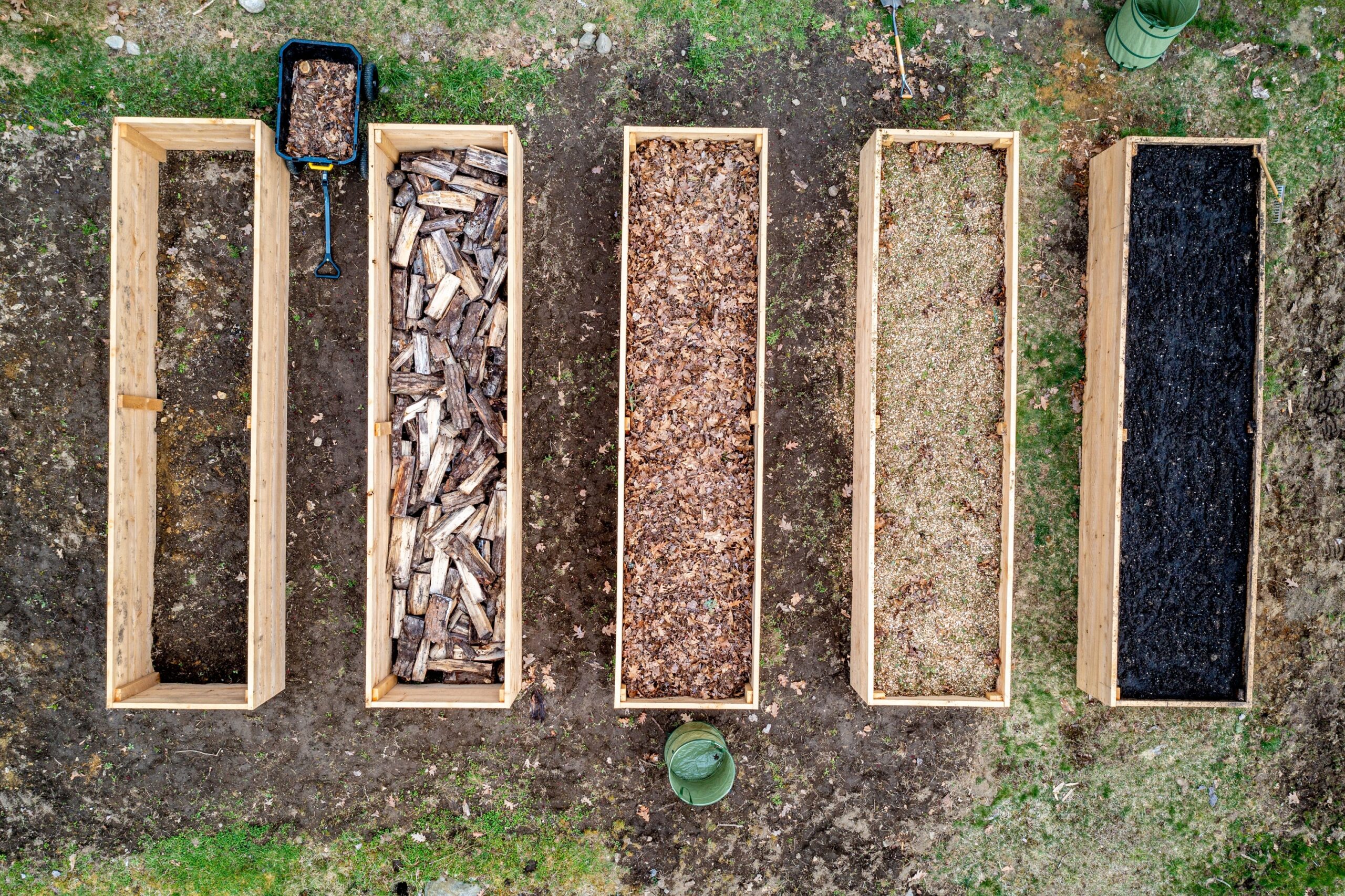

Raised beds have become the dominant visual shorthand for “serious home gardening.” Scroll through any garden content on social media and you’ll see neat cedar frames filled with dark, fluffy soil, sitting in a sunlit yard like a promise of abundance. It’s a compelling image, and the popularity is real. Gardening searches related to raised beds have surged steadily since 2020, and sales of prefab kits continue rising every spring.
The trouble is that an appealing image and a practical solution aren’t always the same thing. There are genuine scenarios where raised beds outperform in-ground growing. There are also plenty of situations where they create more problems than they solve, and where a gardener would honestly be better off just digging into the earth beneath their feet.
The Upfront Cost Is Higher Than Most People Anticipate
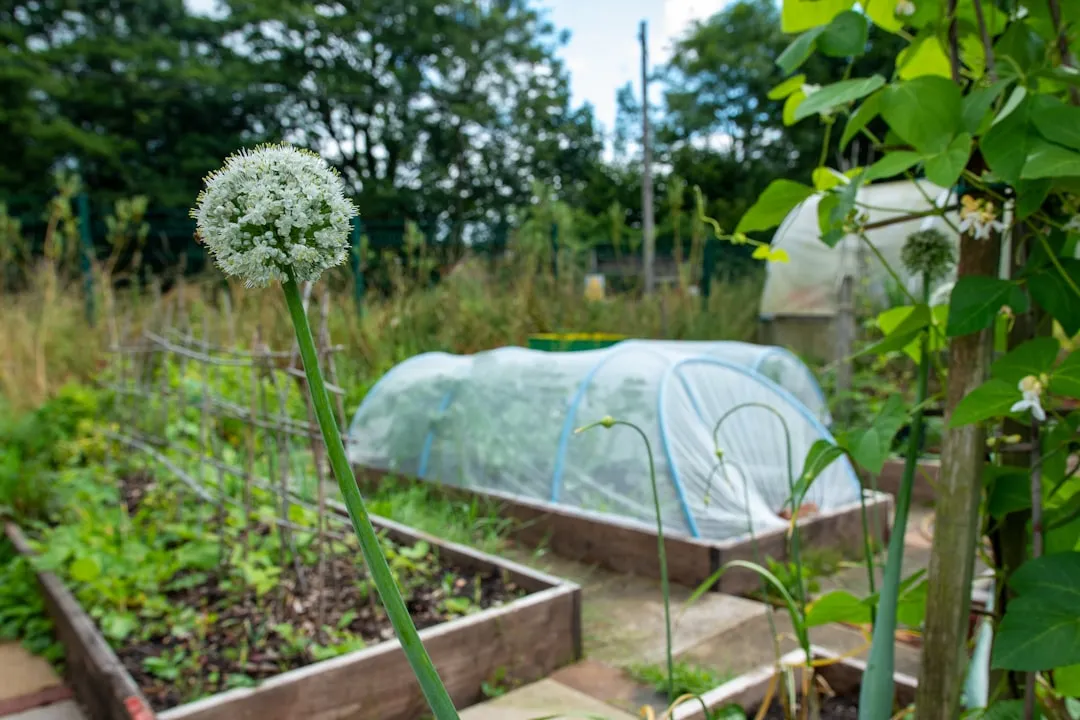
The cost of building and filling a raised bed is a big disadvantage over just gardening in the ground. This isn’t a minor line item. Raised beds require lumber, screws, tools, and a hefty amount of soil to fill them, and the cost can really add up, particularly when building and filling numerous beds at one time.
Soil has to be added to a raised bed garden, and that costs money. A garden that’s 4 feet wide and 8 feet long will need 5 cubic yards of soil, which has to come from somewhere. That volume is easy to underestimate when you’re standing in a hardware store.
If you want a large garden, costs can add up quickly to purchase ready-made raised beds or to buy lumber to build your own. By contrast, in-ground gardens are the more frugal option at startup, requiring no materials for constructing the bed itself, just some elbow grease and the essentials for soil preparation.
The Soil You Buy May Not Be What You Think
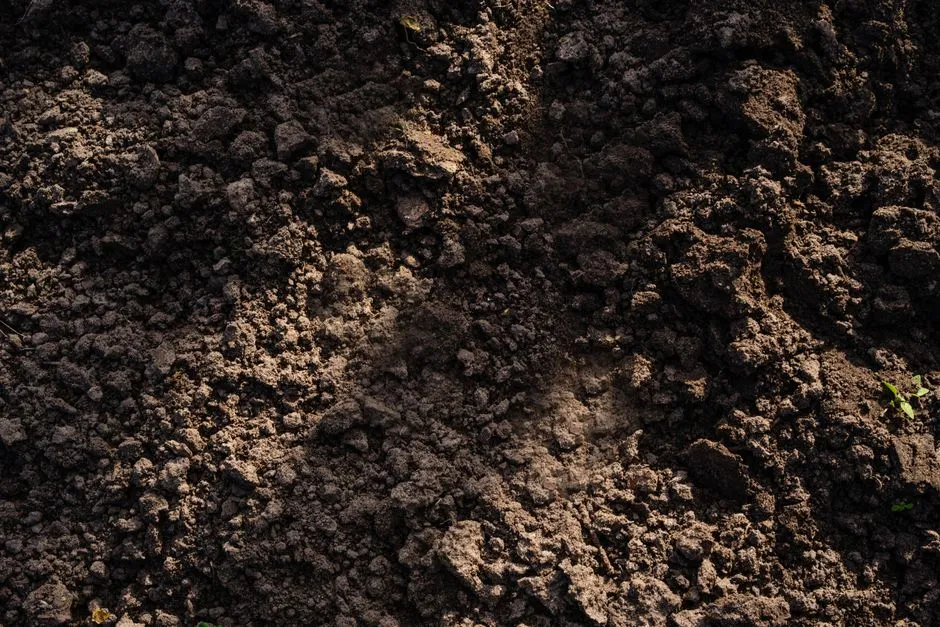
If you buy bulk topsoil, you’ll likely get soil that was scraped away from a poor site. If you’re not careful, you could buy the same soil you didn’t want to plant in to begin with. Topsoil purchased in bags is usually a mix of bark compost and sand, not real topsoil at all.
Raised beds need to be filled with soil, which can become expensive and requires a good understanding of soils and soil amending. That’s knowledge most first-time gardeners haven’t built yet.
Garden soil is often too heavy and compacts in a raised bed, suffocating roots. Raised beds require a lighter, fluffier mix like compost and vermiculite to ensure proper drainage and aeration. Getting that mix right on a first attempt takes research, and getting it wrong means buying more soil to fix it.
Raised Beds Dry Out Much Faster
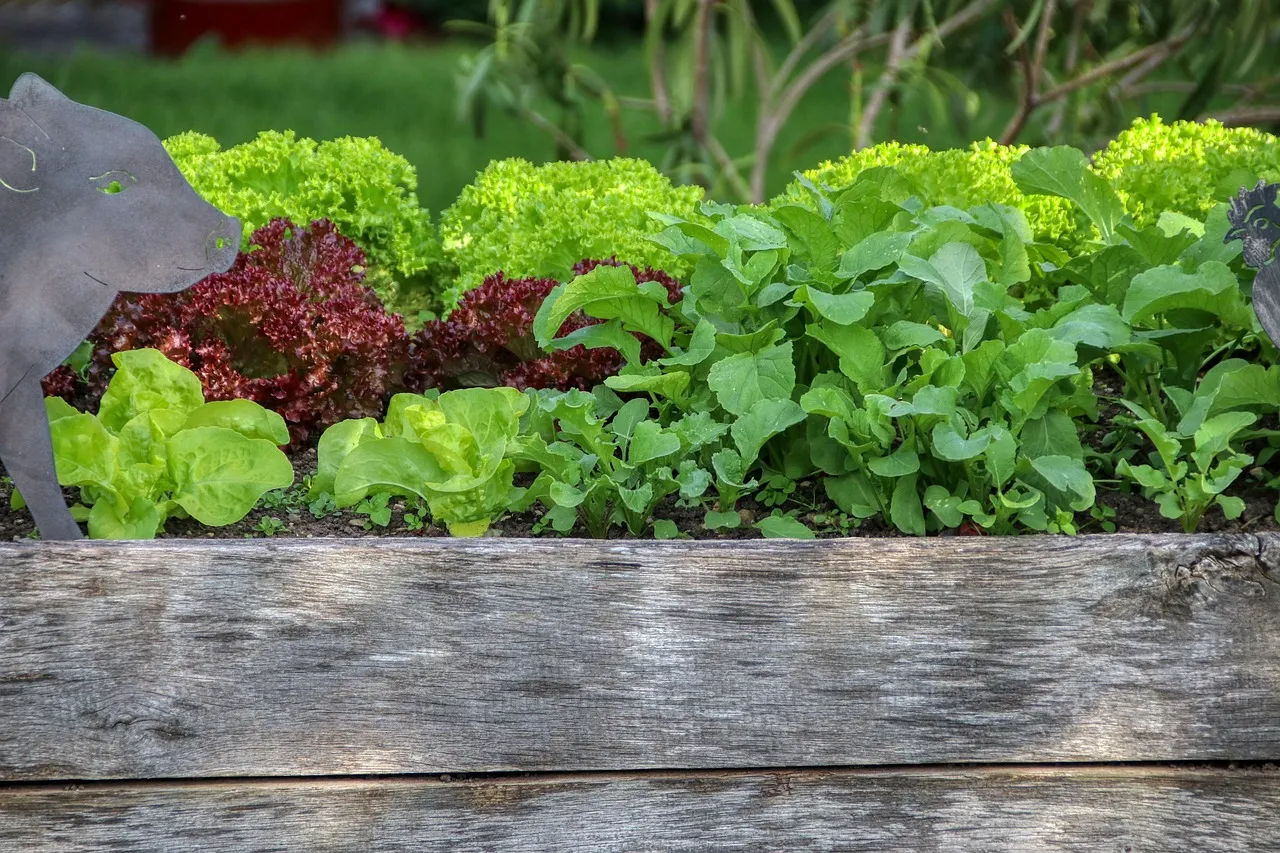
Raised beds have a tendency to dry out more quickly than in-ground gardens, particularly in warm or arid climates. The elevated position exposes the soil to increased airflow and sunlight, accelerating evaporation rates.
A 12-inch raised bed in July can need daily watering, while the same crop in-ground might go two or three days between waterings. If you’re on municipal water, that difference shows up on your bill. If you’re on a well, it matters even more.
In-ground soil retains moisture more reliably than raised beds because it’s in thermal contact with the earth below. In a hot, dry spell, deep roots can chase moisture down beyond the reach of surface drying. That natural buffer simply doesn’t exist when soil is suspended in a frame above ground.
Roots Don’t Care About Your Bed’s Walls
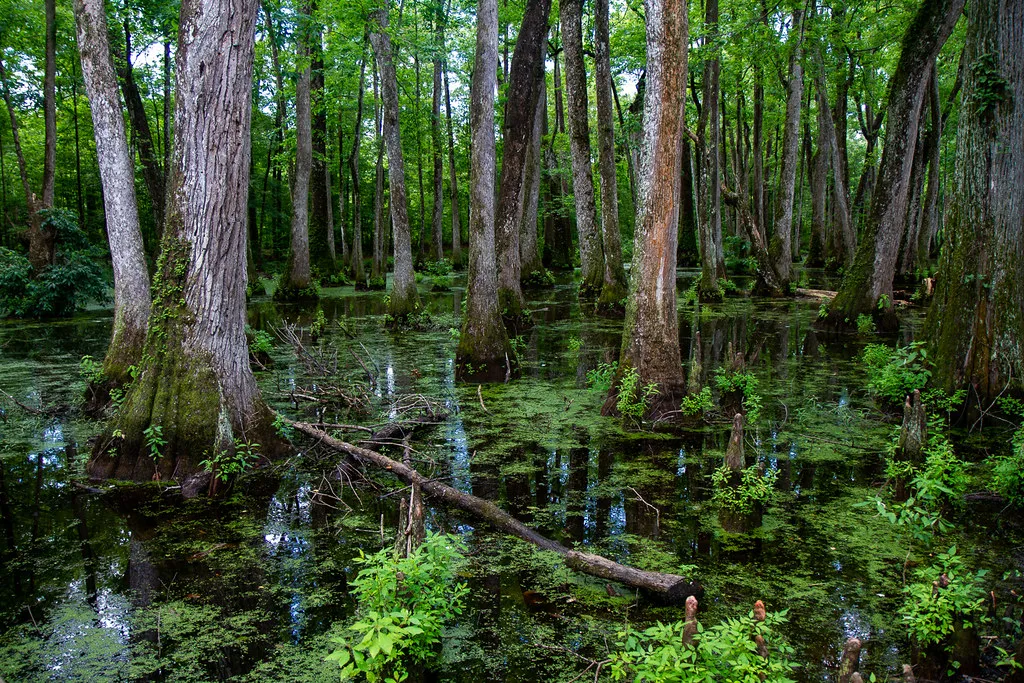
Roots of tomatoes and peppers like to go down 3 to 4 feet at full maturity. If you build 8-inch or 16-inch raised beds, your plants will be easy to plant in the garden, but there is a lot of soil just beneath the raised beds that is the same old stuff you wanted to avoid.
Plants can push their roots as deep as needed to find water and nutrients. This matters most for large plants like globe artichokes, perennial herbs, fruit trees, and sprawling squash or pumpkin plants, which perform better with the freedom to root deeply and widely.
The raised bed itself isn’t growing your plant. The soil below it still is, whether you wanted it to or not. Gardeners who build shallow beds on top of poor, compacted subsoil and expect miracle results are often disappointed by midsummer.
Some Crops Simply Don’t Fit
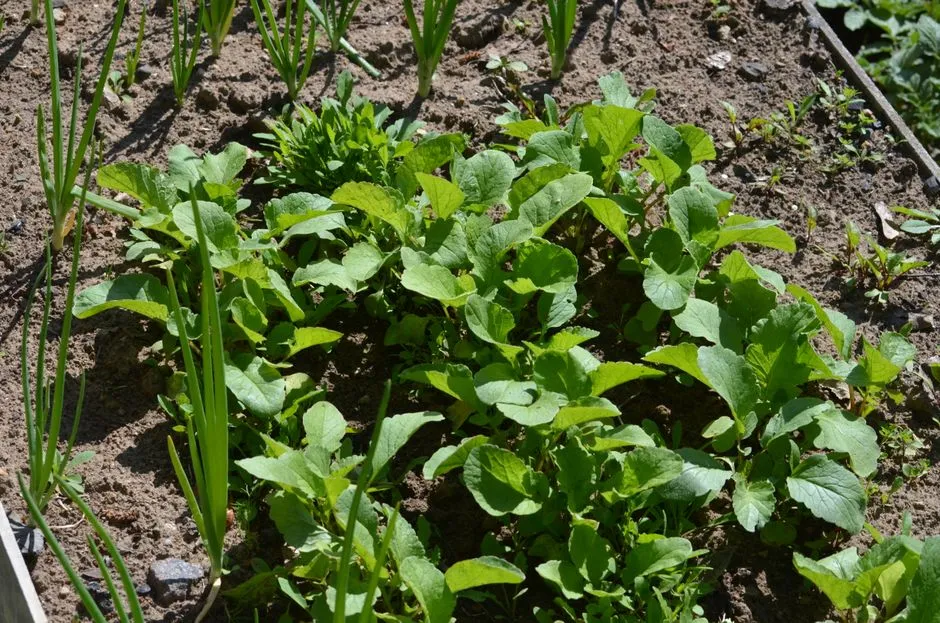
Some crops are not well suited to raised bed production. Sweet corn, for example, requires larger blocks of plants to ensure proper pollination. Watermelons tend to overtake a small raised bed, unless compact varieties are grown and perhaps trellised.
When it comes to larger gardens, crop rotation, and hungry, sprawling plants, in-ground gardens really come into their own. This is where crops like maincrop pumpkins, potatoes, corn, and other edibles that need space, moisture, and room to grow perform best.
Most raised bed gardens rely exclusively on hand labor for all tasks, including planting, fertilizing, and weeding. For anyone wanting to grow at even a modest scale, that labor requirement becomes significant, fast.
The Soil Compacts and Shrinks Over Time
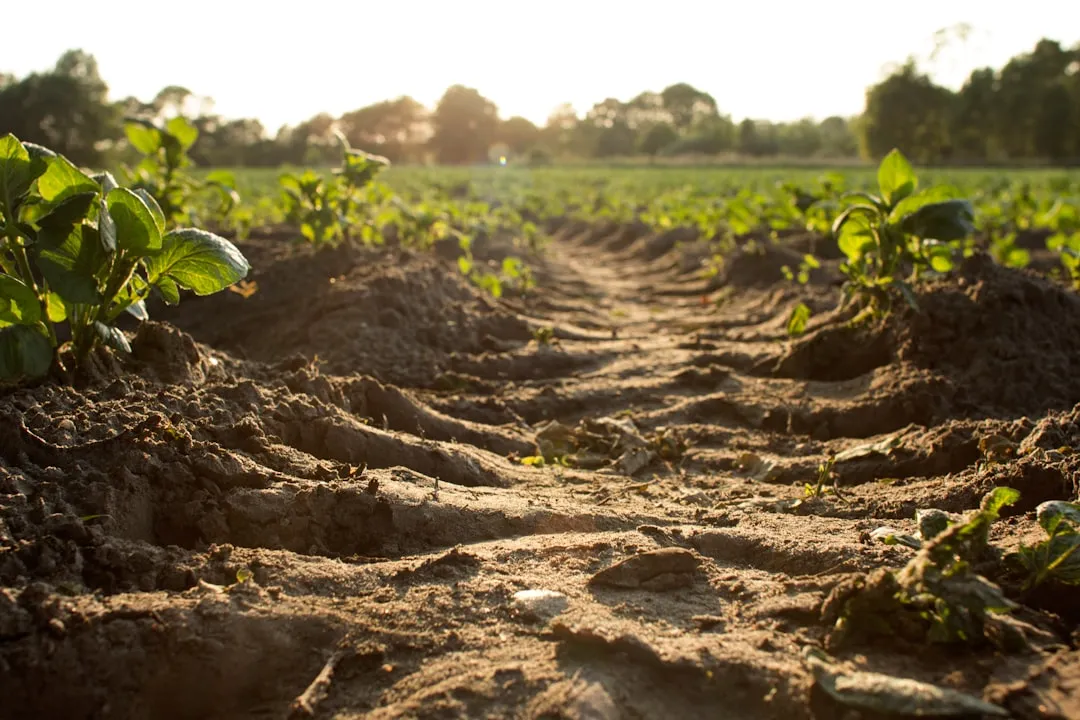
A bed that started fluffy and rich will compact and shrink by roughly 20 to 30 percent in the first two years. You’ll be topping off with fresh compost and amendments annually. That recurring cost and effort rarely makes it into the marketing material.
Over time, rain and watering cause the soil to settle and compact. Since settling reduces volume, it’s usually best to begin with a full or slightly overfilled bed to maintain your desired soil level.
In-ground soil, once built up, holds its structure better because it connects to the deeper soil profile and its microbial networks. That structure develops over years and doesn’t need to be repeatedly purchased and added from a bag.
Wood Rot and Material Lifespan Are Real Concerns
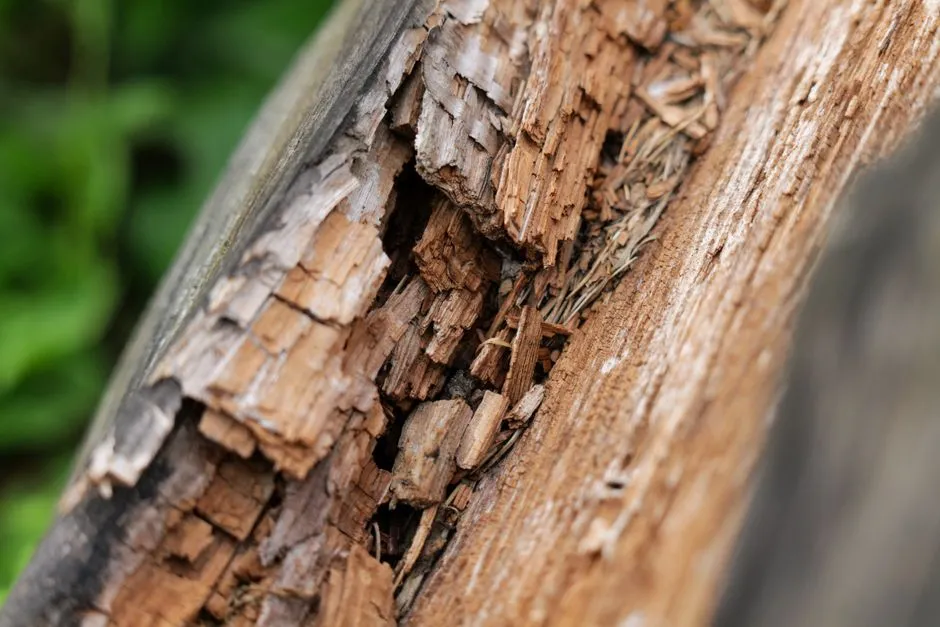
Raised wooden garden beds are popular, but they have disadvantages any gardener should keep in mind before building, like their limited lifespan. Raised beds can, in general, be expensive to build, making lifespan an important consideration.
All types of untreated wood will need to be replaced at some point. The lifespan depends on wood type and your environment. In a hot and muggy area, untreated wood may only last a couple of years. The same wood in an arid climate can last for several years.
If you use rot-resistant wood such as cedar or redwood, you’ll still be making a significant investment, and it will succumb to decay much sooner than a stone or galvanized steel raised garden bed. So the durability question is always tied directly to the budget question.
Material Safety Deserves Closer Attention
Many gardeners fear the chemicals used in pressure-treated wood for raised beds will leach into the soil and the plants. That concern isn’t unfounded. Treated wood has been infused with chemical elements to preserve the wood, and the primary concern is that those elements leach out into the soil.
Studies have shown some leaching of ingredients from treated wood into garden soil and onto foliage, with relatively little found in the plants themselves, and very low concentrations in any event. However, the primary concern seems to be direct contact between a working gardener and the soil, and the risk in both cases is certainly not zero.
Reclaimed wood carries significant unknowns: previous treatments, chemical exposure, mold, and pest residue can all be present. Unless you have complete documentation of a wood’s history, it’s a risky choice for a food garden. Choosing materials for a raised bed thoughtfully matters more than most online guides suggest.
The Soil Ecosystem Is More Isolated
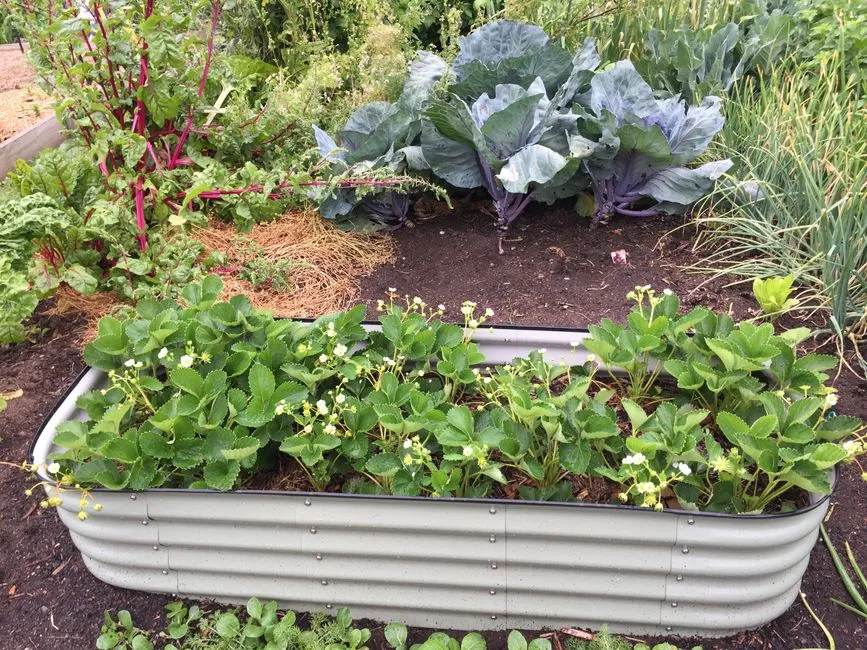
In-ground growing connects your plants to the wider soil ecosystem: earthworms travelling up from depth, beneficial fungi networks, and microbial communities that have established over the years. A raised bed that sits above the native soil can limit that biological connection considerably.
Since plants in an in-ground bed interact with native soil, they benefit from all of the beneficial bacteria and fungi adapted to the local environment. Since these microbes help sequester carbon, in-ground gardening maximizes the amount of carbon garden soil can store. Healthy soil microbiomes like this aid in disease suppression and plant immunity.
A raised bed can develop its own microbiome over time, but it starts from scratch and remains somewhat separated from the deeper soil biology below. For gardeners focused on long-term soil health, that isolation is a real trade-off.
In-Ground Gardening Is Still a Legitimate, Effective Choice

Since no materials are needed for construction, in-ground gardening is cost-effective. If you plan to grow a large vegetable garden, in-ground planting allows for greater flexibility.
The earth’s great thermal mass helps balance temperature swings, meaning the roots of your plants live in a more constant environment that can help reduce stress during heat waves or unexpected cold snaps. That temperature stability comes free with the ground itself.
Raised bed gardens and in-ground gardens each have their own pros and cons, and depending on your situation and priorities, one might be a better choice than the other. Matching the method to the actual conditions in your yard, your budget, and the crops you want to grow will always outperform simply following a trend.
The Takeaway
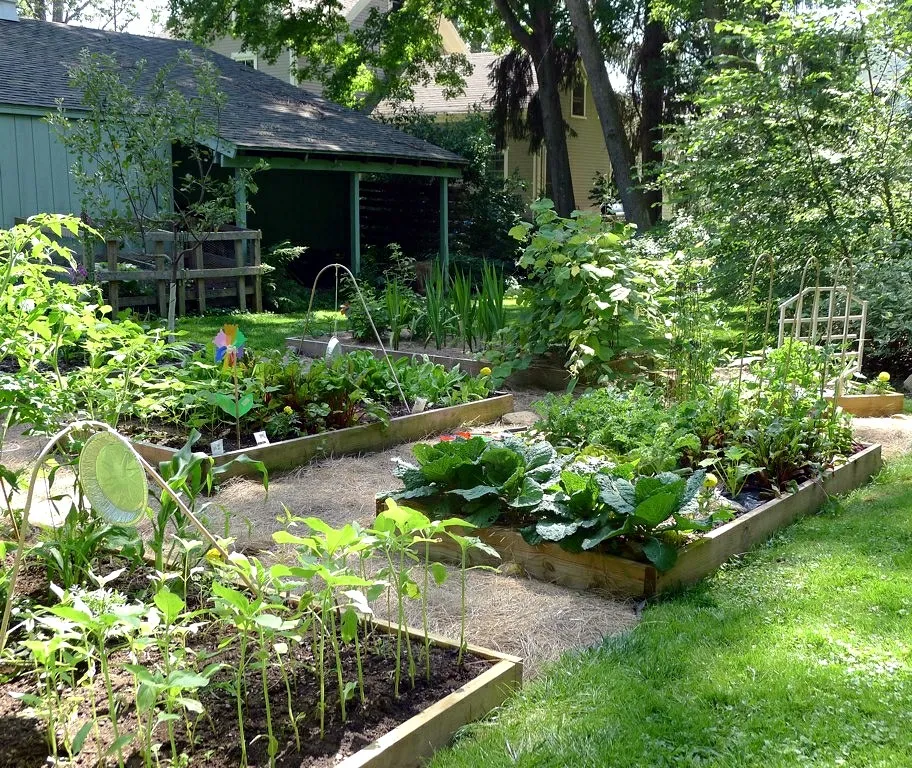
Raised beds genuinely shine in specific contexts: poor or heavily compacted native soil, small urban spaces, gardens managed by people with mobility limitations, or wherever drainage is a persistent problem. Those are real and valid reasons to build one. The issue isn’t raised beds themselves. It’s the assumption that they’re automatically the better option for everyone, every time.
Good gardening has always been about reading the actual conditions in front of you rather than copying a popular format. A well-prepared in-ground plot with amended soil can outperform an expensive raised bed in moisture retention, root depth, scalability, and long-term cost. The soil under your feet may already be closer to what you need than you think.
AI Disclaimer: This article was created with the assistance of AI tools and reviewed by a human editor.