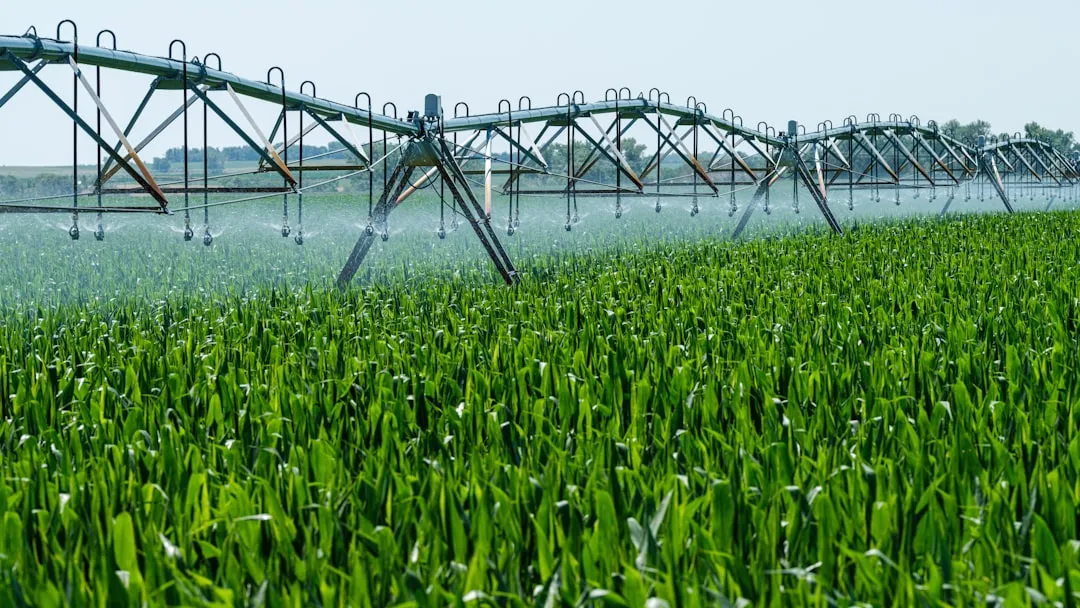

Most homeowners set their irrigation timer once in spring, maybe adjust it slightly in midsummer, and then more or less forget about it. It’s a convenient habit, but convenience and accuracy rarely overlap when it comes to watering your garden or lawn. The problem isn’t laziness. It’s that a fixed schedule treats every week as identical, when in reality no two weeks of weather are the same.
Rain gauge tracking takes the opposite approach. It measures what nature actually delivered and adjusts accordingly. The difference between those two methods, it turns out, is not a small one.
The Scale of the Overwatering Problem
Depending on the region, homeowners use between 30 and 70 percent of their water outdoors. That’s a significant share of a household’s total water budget, and a large chunk of it is not going where it should. Experts estimate that 50 percent of the water we use outdoors goes to waste from evaporation, wind, or runoff due to overwatering.
Some estimates are that lawns and landscapes are overwatered by 30 to 300 percent. That range is striking. Even at the conservative end, it means a lawn receiving 30 percent more water than it needs is still receiving water it doesn’t require. Overwatering not only wastes water, a valuable but limited natural resource, it is also unhealthy for landscape plants.
Fixed Schedules Ignore What the Sky Just Did
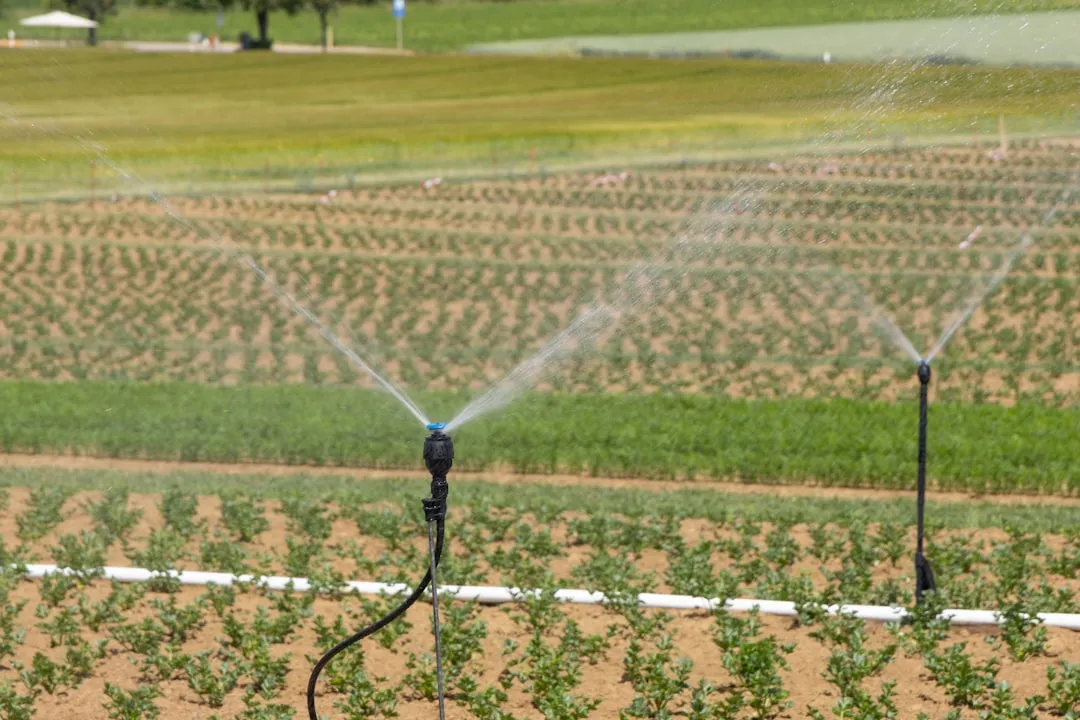
Timer-based controllers operate on a fixed schedule and deliver a fixed amount of water. They don’t know what happened overnight. Lawns and landscapes are also overwatered when automatic irrigation systems are not turned off during rainfall. This is the core flaw of a set schedule: it simply does not account for rain that has already fallen.
The EPA estimates that more than 28 million homes across the United States have in-ground sprinkler systems that typically schedule watering with a clock-based controller. Irrigation schedules are often set to water at the height of the growing season, and the homeowner may not adjust the schedule to reflect seasonal changes or changes in plant watering needs. Season after season, the timer just keeps running.
Hyperlocal Rainfall Varies More Than You Think
Due to the spatio-temporal variability of hyperlocal rainfall, rainfall measured at a nearby weather station can be highly inaccurate. Field experiments show that rainfall measured from a weather station just 1.7 miles away can differ by as much as 54 percent from the actual hyperlocal rainfall, leading to substantial over- or under-irrigation.
Rainfall varies dramatically even within the same suburb. Your backyard might receive 5mm while your neighbor gets 8mm from the same storm. Relying on a regional weather report to calibrate your irrigation is, in that sense, a fairly rough guess. Only an on-site gauge captures what actually landed in your yard.
Rain Gauges Give You a Real Water Budget
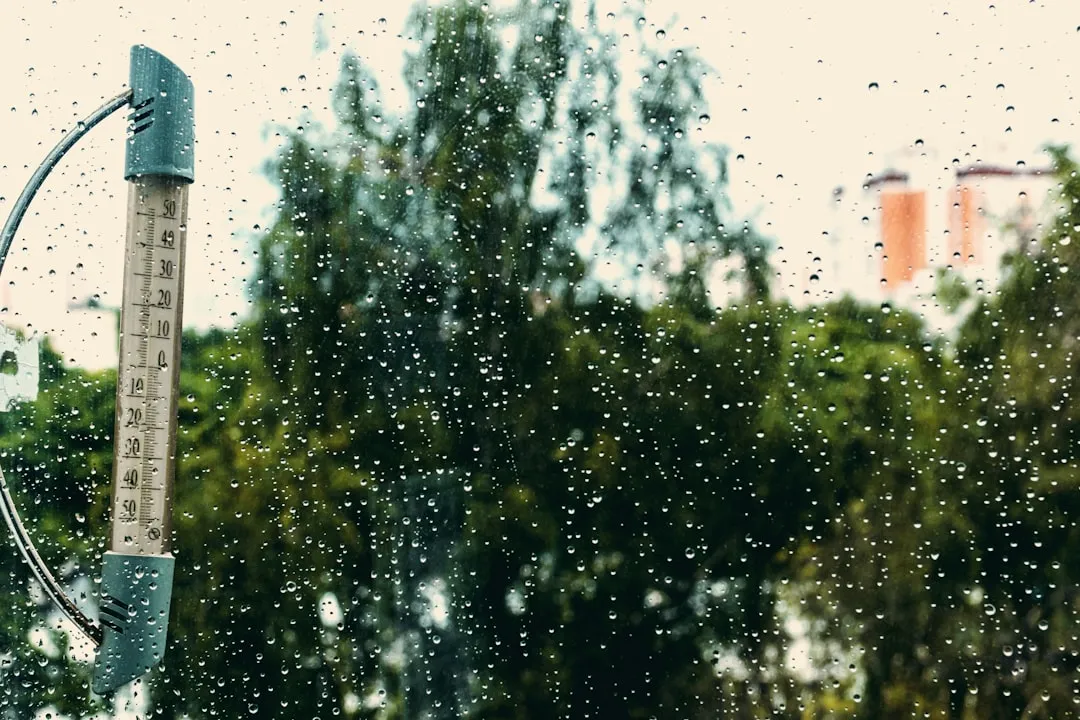
By analyzing rain gauge data, you can make informed decisions about when and how much to water your plants. You calculate your soil moisture deficit by subtracting measured rainfall from your plants’ weekly water requirements. For example, if vegetables need 1.5 inches weekly but your rain gauge shows only 0.7 inches fell, you’ll need to supplement with 0.8 inches of irrigation.
By measuring actual precipitation rather than relying on weather forecasts, which can be off by 0.25 to 0.5 inches for localized rainfall, you avoid the common pitfall of watering already saturated soil. This precision matters – even one unnecessary watering cycle per week wastes up to 2,500 gallons monthly for a typical quarter-acre lot.
The Water Savings Are Substantial and Well-Documented
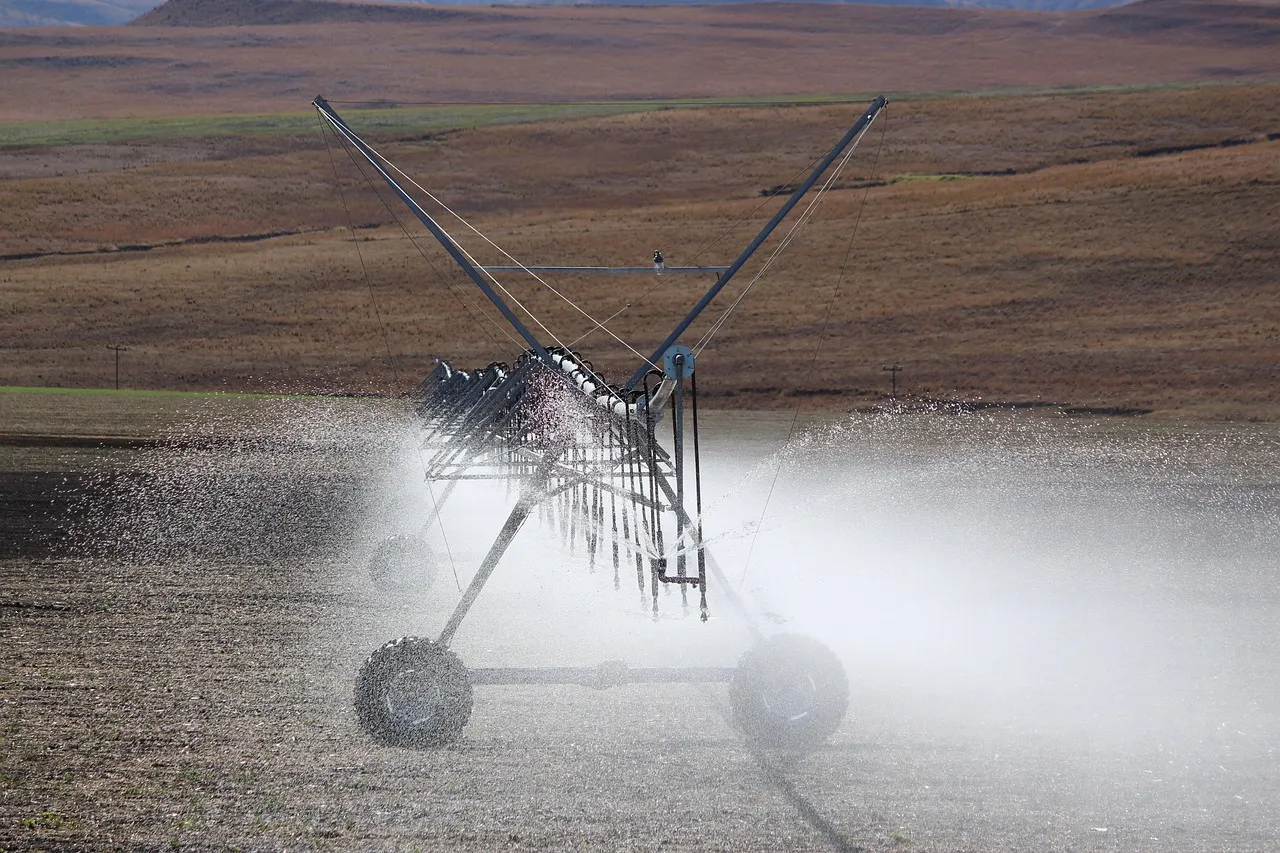
Research has shown rain sensors can save 17 to 24 percent of irrigation water. That’s just from simple shutoff devices. When full rain gauge tracking is combined with smart controllers, the savings climb further. Controlled research studies found an average 50 percent water savings, but case studies on home and commercial landscapes found an average 30 percent water savings.
Replacing a standard clock-based controller with a WaterSense labeled irrigation controller can save an average home up to 15,000 gallons of water annually. If every home in the United States with an automatic sprinkler system installed and properly operated a WaterSense labeled controller, we could save up to $4.5 billion in water costs and 390 billion gallons of water across the country annually from not overwatering lawns and landscapes. These are not projections from fringe studies. They come directly from the U.S. Environmental Protection Agency.
Overwatering Damages Plant Health, Not Just Wallets
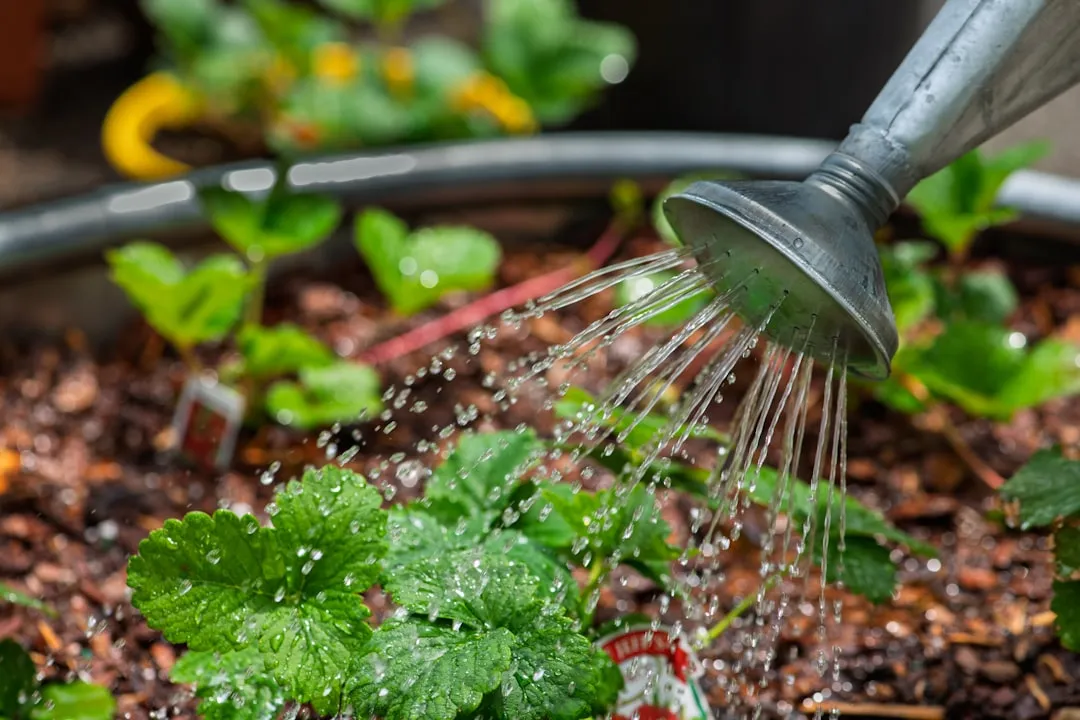
Overwatering may cause fertilizers to penetrate below the root zone. This is not only a waste of water but a waste of fertilizer too, both of which translate into a waste of money. It also enhances the possibility that chemicals may penetrate groundwater.
Overwatering clay soils can result in saturated soils. Plant roots require oxygen and will not grow or function well in saturated soils, hence plants decline. Plants grown under these conditions can even wilt. The plant appears to need more water, when in fact the opposite is true – a confusion that a fixed schedule makes worse.
Gauge-Guided Watering Builds Stronger Root Systems
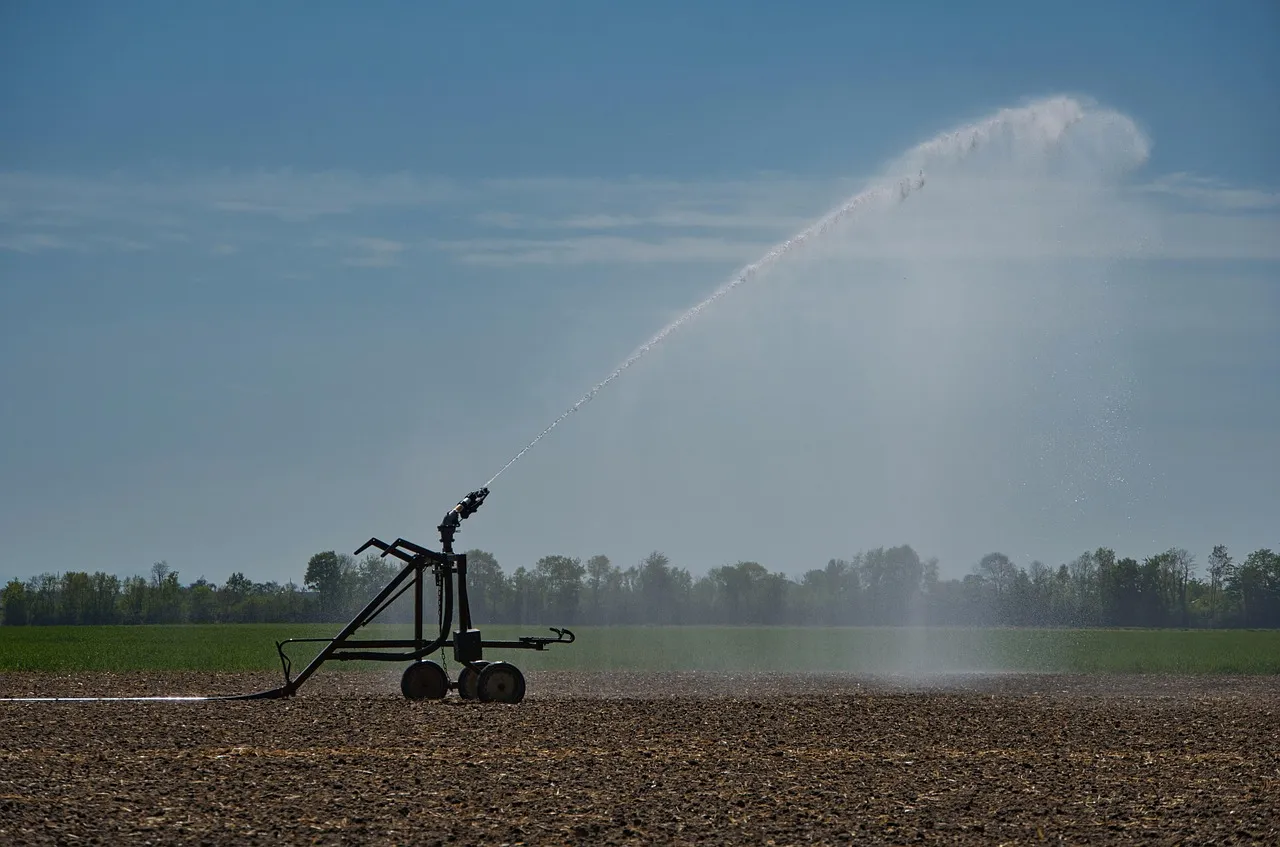
Plants receiving precisely calibrated water develop deeper, more extensive root systems that improve drought tolerance. This creates a positive feedback loop: properly watered plants require less supplemental irrigation over time as their improved root architecture accesses soil moisture more effectively.
Maintaining soil structure by preventing excessive dryness or compaction leads to healthier plant growth. Rain gauge-guided irrigation preserves soil structure by preventing the destructive cycle of saturation and drying. Over a growing season, that translates into visibly stronger, more resilient plants.
The Financial Case for Making the Switch
As an example, if a system irrigates half an acre of turf and is set to run each zone so that half an inch of water is applied per cycle, one can calculate that 13,576 gallons are being applied over the half acre of turf per cycle. Assuming water costs $2.00 per 1,000 gallons, the savings will be $27.15 every time the sensor eliminates an irrigation event. Those savings add up quickly through a long summer.
A WaterSense case study at the 372,000-square-foot Granite Park office complex in Dallas, Texas, found that 12.5 million gallons of water were saved in the first year, a 40 percent reduction. The water reduction resulted in a $47,000 savings within the year, with a simple payback period of 1.5 years. While that’s a commercial example, the underlying principle scales down directly to residential use.
Rain Sensors Are Now Legally Required in Some States
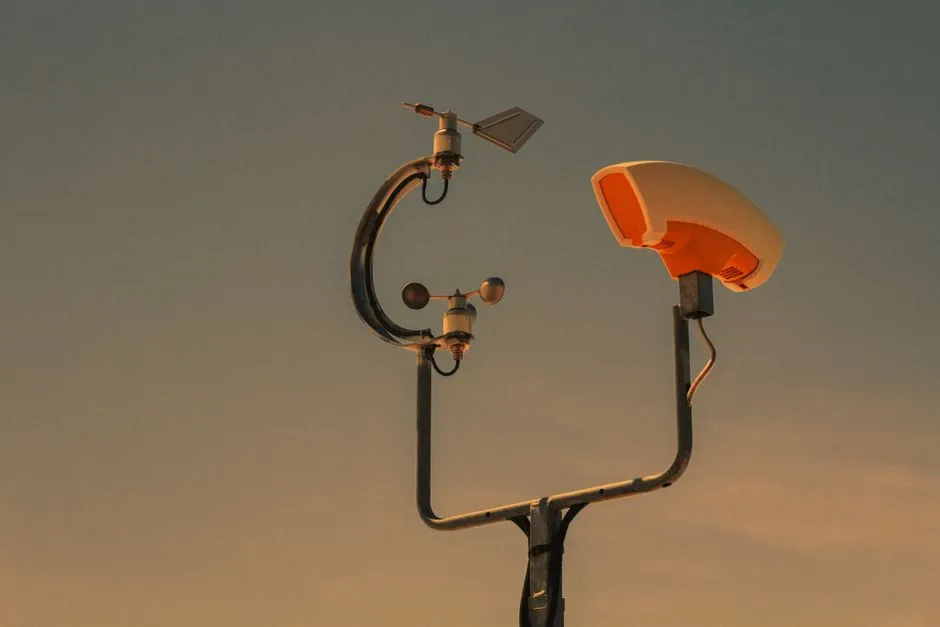
Rain sensors, also called rain shut-off devices, save water in your landscape. These low-cost devices for automatic irrigation systems can detect when recent rainfall has supplied ample water to your landscape and irrigation is not needed. Florida law requires that all new automatic irrigation systems include rain sensors. In some counties, existing sprinkler systems must incorporate these devices.
These can be important components of an efficient irrigation system in many climate regions and multiple states have mandated their inclusion by law. The regulatory trend points in a clear direction: fixed-schedule watering without any rain awareness is increasingly seen as outdated practice, not just inefficient.
Tracking Data Over Time Makes You a Smarter Waterer
Recording rainfall data daily, or integrating with automated weather monitoring systems for continuous tracking, and combining rain gauges with soil moisture sensors and weather stations supports comprehensive management. Analyzing data trends across different months and years helps improve irrigation schedules, predict dry spells, and plan water conservation strategies.
Heavy rainfall can cause nutrient leaching, washing away essential fertilizers from the root zone. By tracking rainfall intensity, farmers and gardeners can adapt fertilization schedules to reduce waste and protect soil health, supporting a healthy microbial ecosystem. A rain gauge, in that sense, is not just a water tool. It informs your entire approach to lawn and garden care.
Conclusion
A fixed watering schedule offers the comfort of routine, but it isn’t actually managing anything. It’s simply repeating a pattern regardless of what the weather has done. Rain gauge tracking, by contrast, grounds your irrigation decisions in real data from your actual yard – not a nearby weather station, not a regional forecast, not a seasonal average.
WaterSense labeled irrigation controllers take the guesswork out of when and how much to water, leaving more time for your other priorities. The technology exists, the evidence is solid, and the savings are real. Switching from a clock to a gauge is one of the simplest ways to grow a healthier yard while meaningfully reducing how much water you send down the drain.
The clock keeps ticking whether it rained or not. A rain gauge actually pays attention.
AI Disclaimer: This article was created with the assistance of AI tools and reviewed by a human editor.