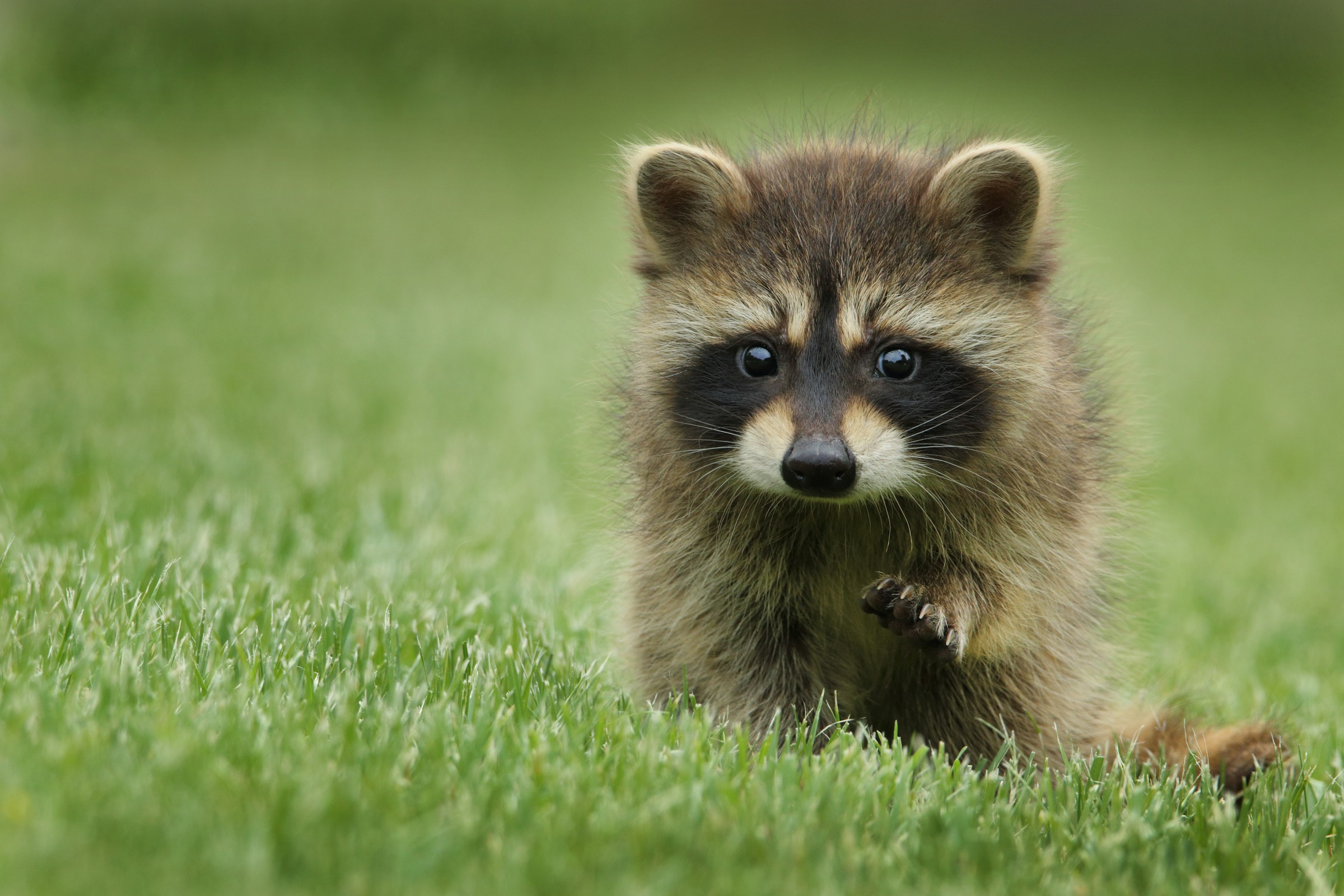

Few animal behaviors spark as much curiosity as watching a raccoon crouch beside a stream, carefully dipping its food into the water . It looks methodical. It looks deliberate. It looks almost human. That’s precisely why so many people assume these masked animals are simply tidying up their meals before sitting down to dine.
The reality is far more interesting. What raccoons are actually doing has very little to do with hygiene, and everything to do with a sophisticated sensory system that scientists are still working to fully understand. Here’s a closer look at what’s really going on.
The Behavior Has a Proper Scientific Name
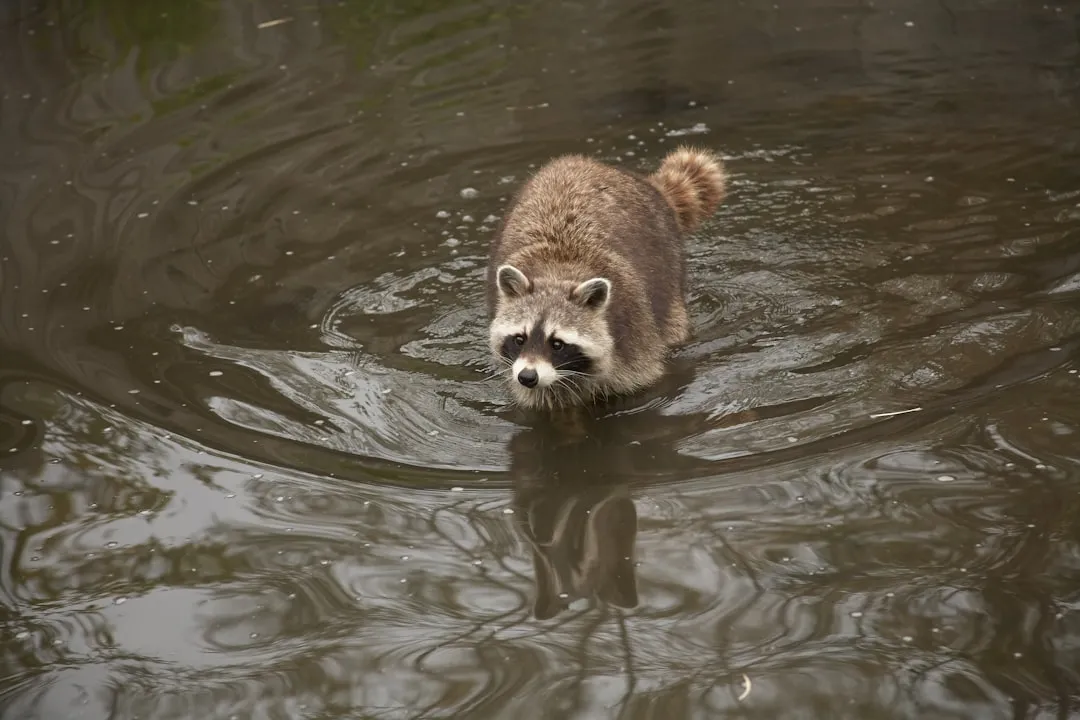
The action of manipulating food in water is technically known as “dousing” or “dabbling,” which more accurately describes the behavior than “washing.” The distinction matters because the word “washing” implies a purpose rooted in cleanliness, which the science simply doesn’t support. Raccoons are known to dip their food in and out of water when they eat near a water source, and this behavior earned them the scientific name Procyon lotor, where “lotor” translates to “washer.”
This behavior led to the widespread belief that the raccoon strives for cleanliness at mealtime, a notion cemented by its scientific name. Scientists more accurately term this action “dousing” or “dabbing,” which is often observed in captive animals given water. The label stuck despite the fact that the behavior tells a very different story up close.
They’re Not Actually Cleaning Anything
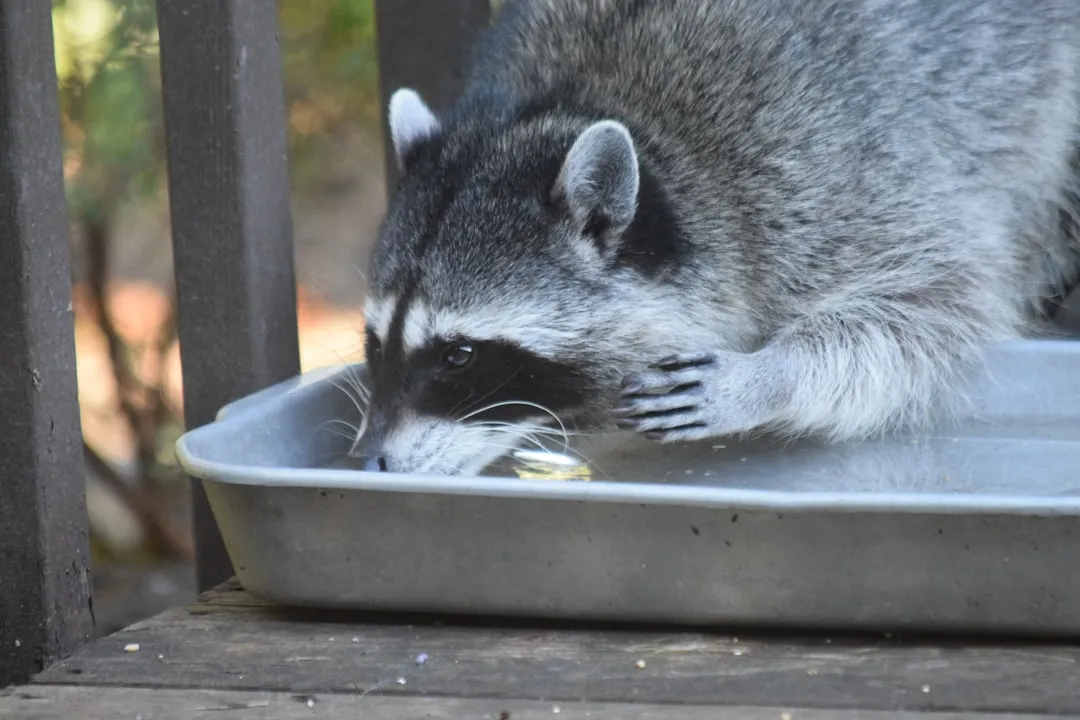
Raccoons were once believed to wash food before eating. However, on closer observation, the water source used was not always clean. In some instances, the water was dirtier than the food being doused with water. This led scientists to look beyond what was seen as fact and revise their hypotheses.
Studies show that raccoons will douse food items regardless of whether they are clean or dirty, suggesting the action is instinctive rather than a practical cleaning step. Raccoons do not really wash their food in the human sense of the word. They don’t do it to remove germs or bacteria and they don’t do it to get rid of dirt. They douse it to give them better sensory information so that they can determine what kind of food is being held and eaten.
It’s All About Touch
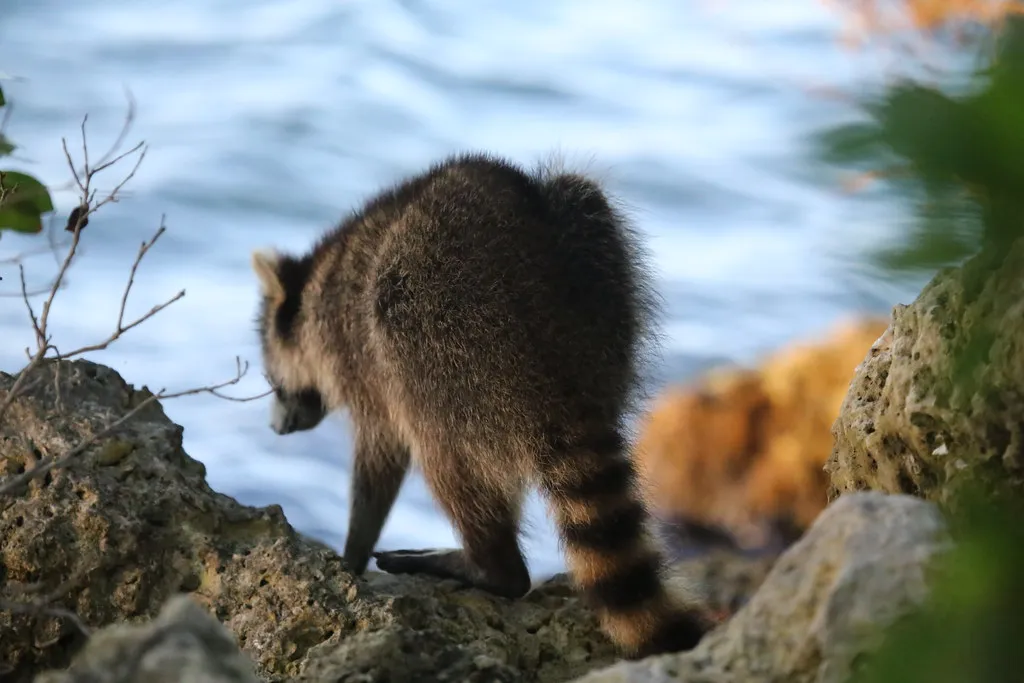
This behavior is rooted in a sophisticated biological need related to their sensory perception. The true purpose of dousing is to enhance the raccoon’s sense of touch, which is its most developed sensory tool for exploring the environment. Raccoons use water in a manner similar to humans’ use of light to enhance vision. Water enhances the tactile nerve responsiveness, allowing the raccoon to glean more information about the food. It does this by increasing the receptiveness of the nerve endings located in the raccoon’s paw.
Raccoons use water similarly to the way humans use light. When light enters the human eye, the optical nerve response is increased. This makes things easier for humans to see. Similarly, when a raccoon touches water with its paw, its tactile nerves’ responsiveness improves. It’s a genuinely elegant parallel.
The 1986 Study That Changed Everything
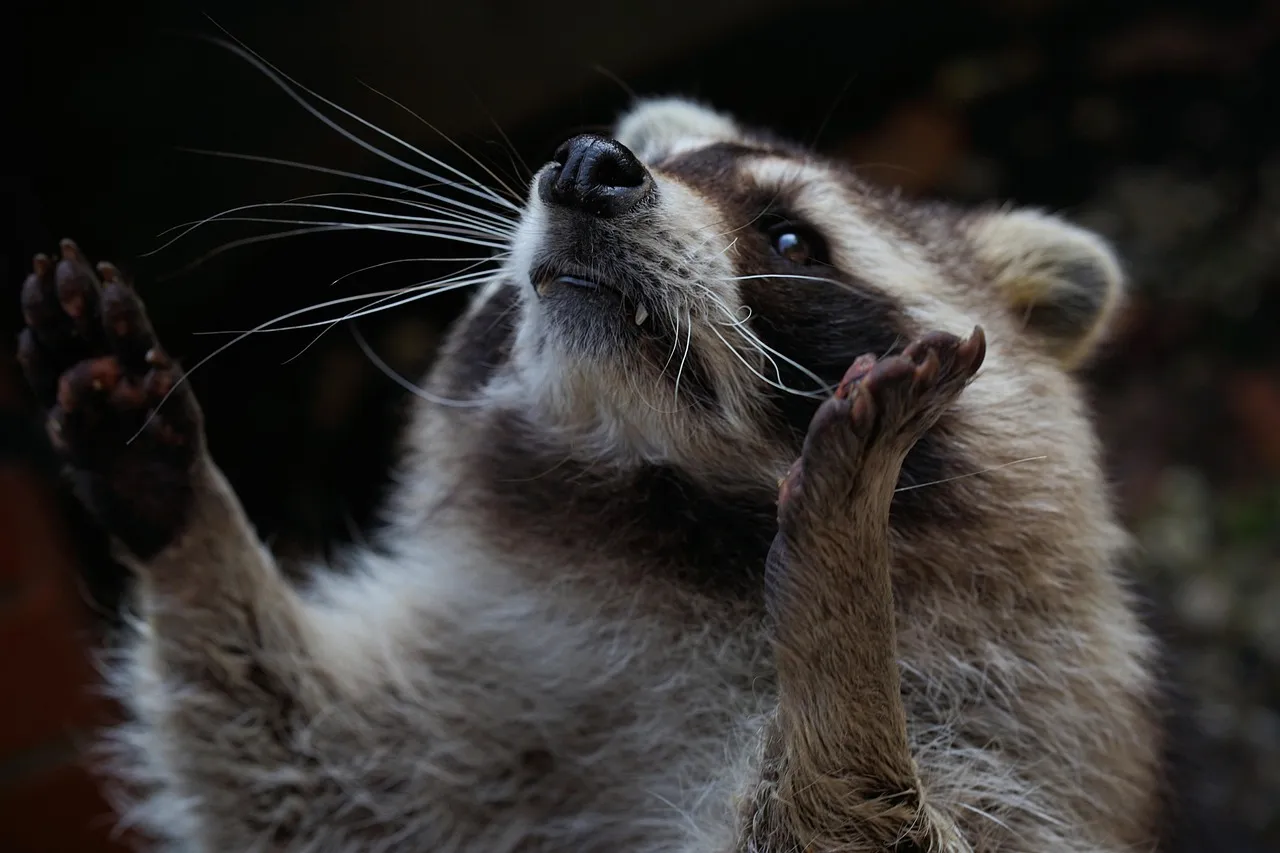
The scientific unveiling of the mystery surrounding this behavior first took place in 1986 through a study published in the Somatosensory Research journal. The study, which focused on 136 raccoons, revealed that when the animals’ paws were wet, their tactile sensory perception increased dramatically.
A 1986 study in Somatosensory Research offered an additional explanation for the dousing behavior. This study found that water is also an important stimulant for the raccoon’s sense of touch. It is well-known that touch is a raccoon’s most important sense and that their front paws are chock full of nerve endings. Before this study, the field had cycled through several competing theories without a strong consensus.
Raccoon Paws Are Extraordinary Sensory Tools
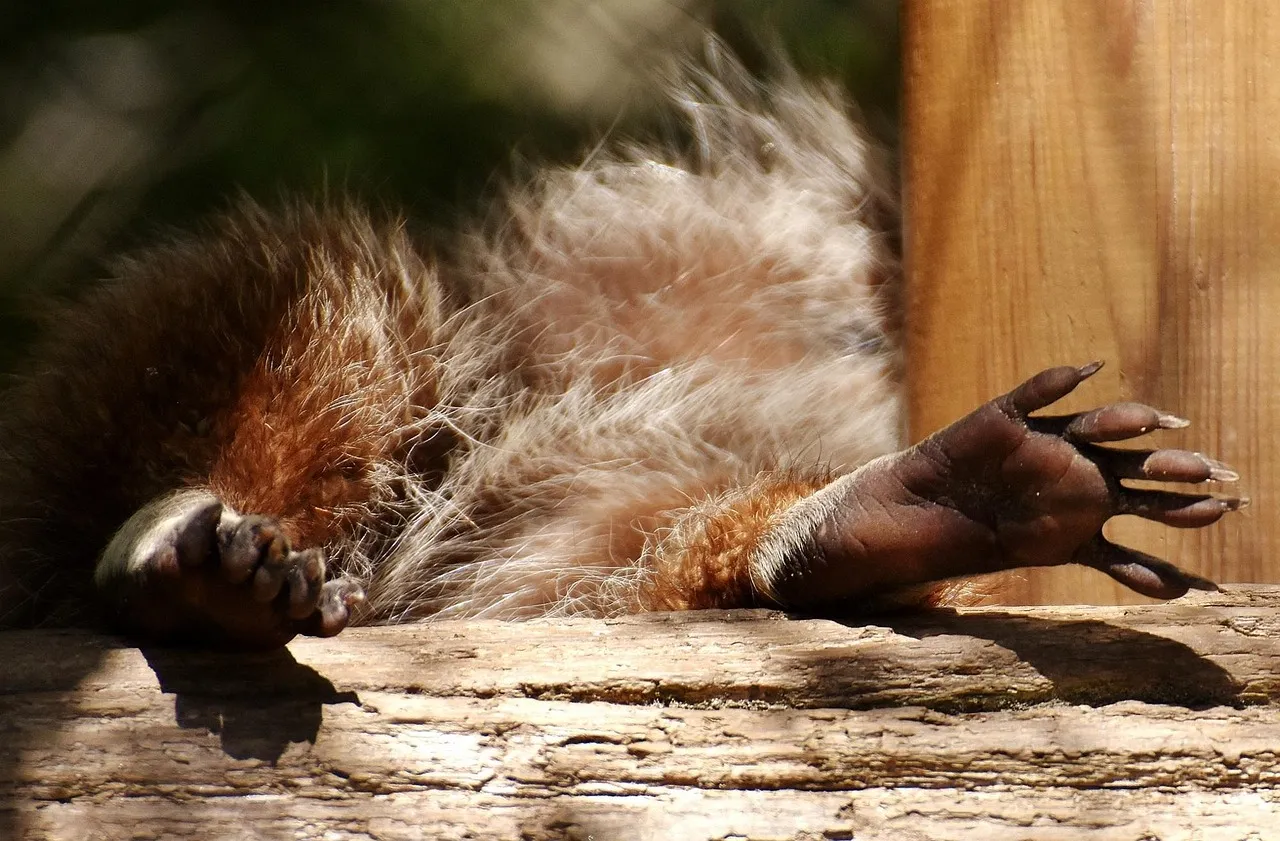
The pads of a raccoon’s paws are thin and hairless, covered with a layer of horn-like cells that enhances their sensitivity. These pads are densely packed with highly sensitive nerve endings, approximately four times more numerous than those found in most mammals’ paws, making them incredibly responsive to tactile information. This specialized sensory apparatus allows raccoons to interpret their surroundings through touch, even in darkness or murky water where vision is limited.
Specialized mechanoreceptors, including rapidly adapting, slowly adapting, and Pacinian fibers, allow them to differentiate texture, shape, and temperature with precision. This tactile information is crucial; approximately two-thirds of the sensory perception area in the raccoon’s cerebral cortex is dedicated to interpreting impulses from its forepaws. That’s a remarkable allocation of brain real estate for a single body part.
Water Physically Changes the Paw’s Sensitivity
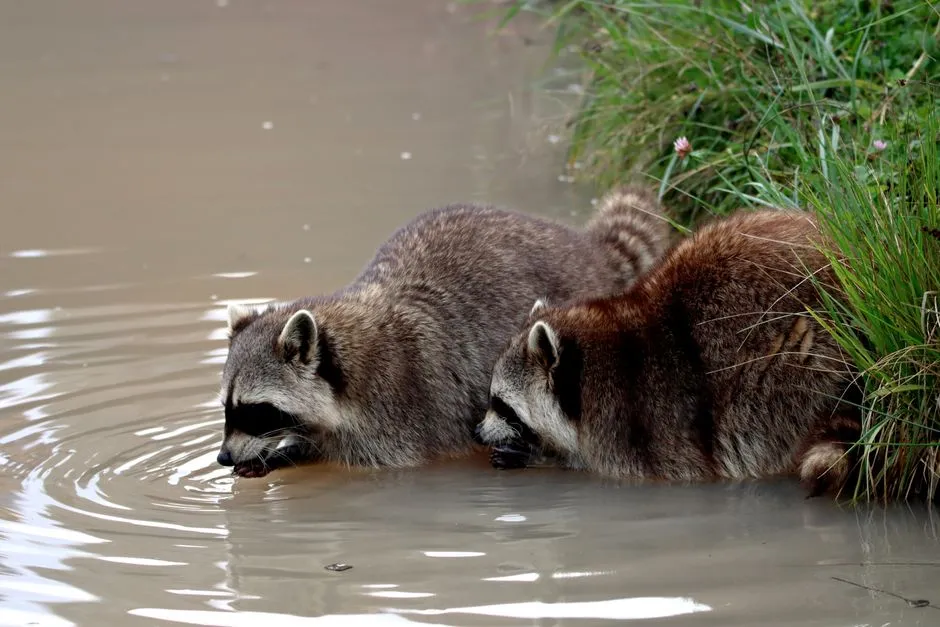
The scientific explanation for the dousing behavior centers on how water enhances the sensory input to the raccoon’s paws. When the hairless pads of the forepaws are dry, their sensitivity is diminished, but wetting the skin dramatically increases the responsiveness of the numerous mechanoreceptors.
Their paws feature protection by a thick outer epidermis. Wetting the skin on the paws makes this layer more pliable. This, in turn, significantly increases the receptiveness of the nerve endings, allowing for even greater sensitivity. When the paws are immersed in water, the keratinized skin of the paw pads softens, which enhances the sensitivity of the nerve endings. Water acts as a sensory amplifier, allowing the raccoon to construct a detailed “tactile map” of a submerged object before consumption.
The Behavior Happens Even Without Water
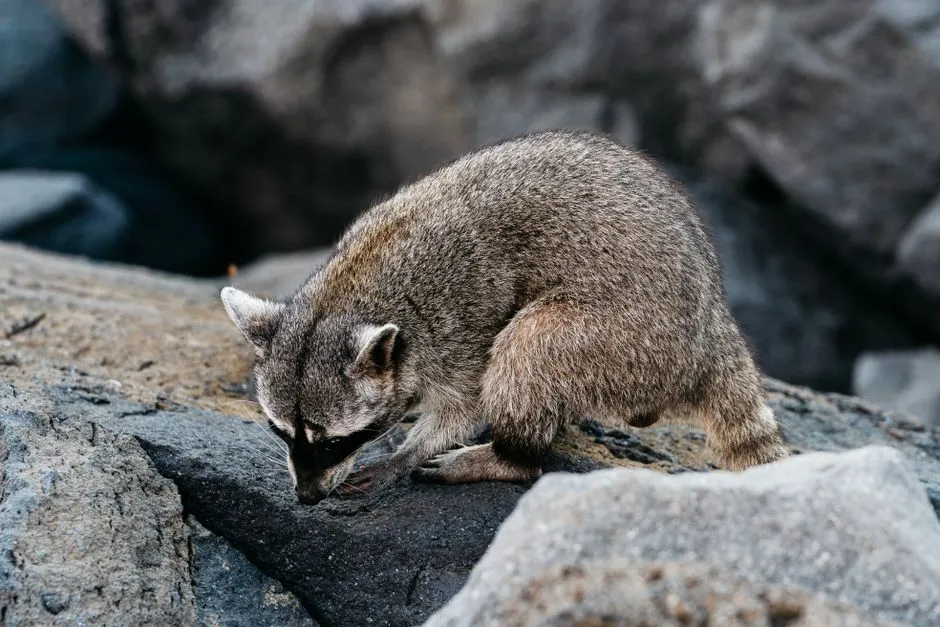
This behavior is not really washing and food preparation but an outlet for a raccoon’s constant need to use their hands to sense the world and look for food. In the wild, raccoons are constantly dabbling in water and searching in nooks and crannies, and in captivity this behavior finds an outlet in food “washing.”
In a captive setting, raccoons have been observed going through the motions of dousing even when no water is available, engaging in what ethologists call a “vacuum activity.” This suggests the behavior is a deeply ingrained motor pattern associated with foraging. The intent is to explore and analyze the object through touch, using their sensitive forepaws to identify the item’s texture, shape, and edibility. The motion itself is the point, not the water.
It’s Rooted in Their Natural Foraging Habitat
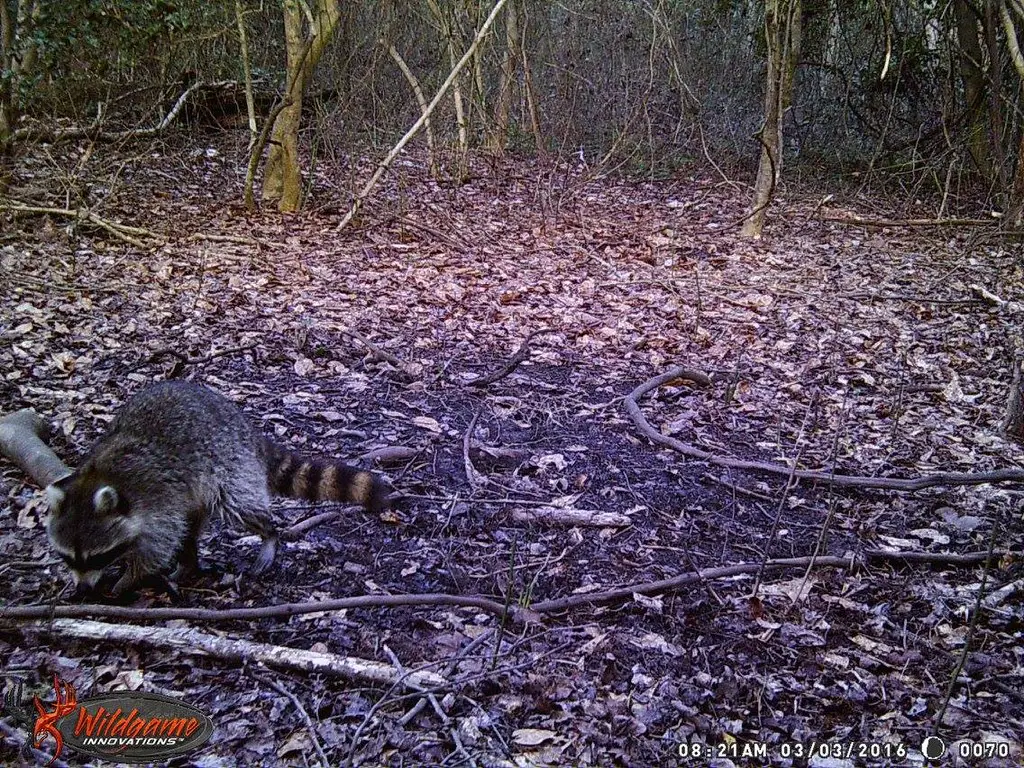
This heightened sensitivity is particularly useful in the raccoon’s natural habitat, as they evolved near streams and rivers. Foraging in murky water or low-light conditions requires them to rely on touch to find aquatic prey like crayfish, frogs, and fish.
The evolution of the raccoon’s highly specialized paws is deeply intertwined with its ecological niche and omnivorous diet. Ancestral raccoons, facing diverse food availability, likely benefited from adaptations that improved foraging efficiency. The development of nimble, sensitive paws allowed them to exploit a wide range of food sources, from small aquatic creatures and insects to fruits, nuts, and human-discarded food, providing a significant survival advantage across various environments.
It Helps Them Navigate a Risky, Varied Diet
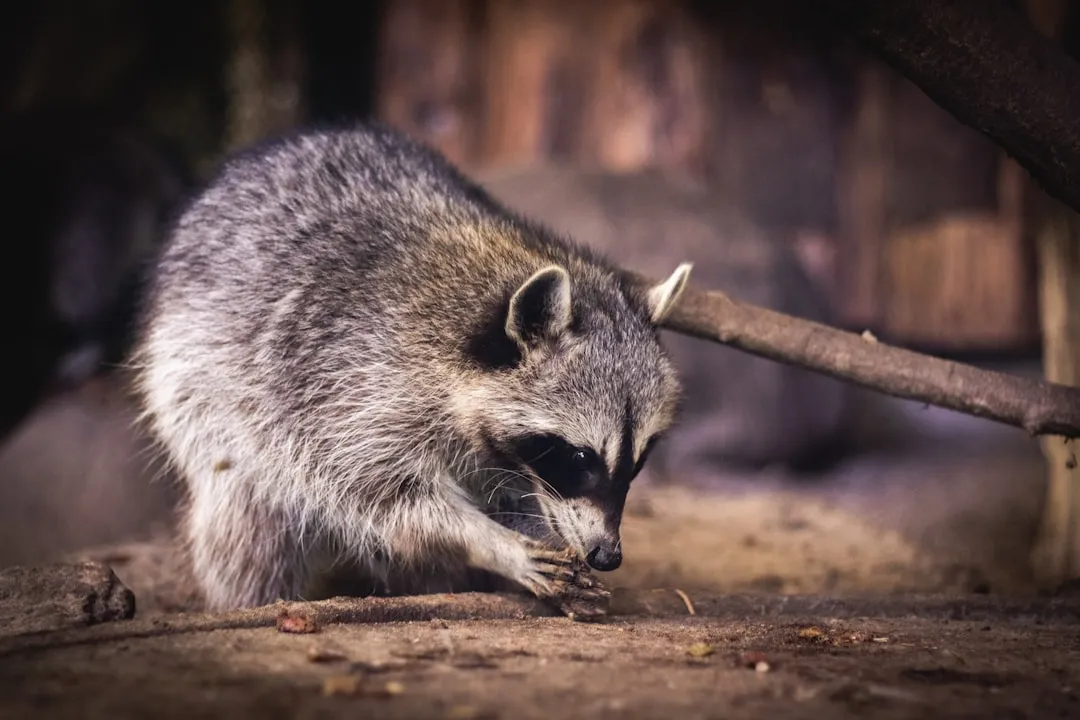
This is very important because raccoons eat a wide variety of things, meaning they need to be able to identify the few things that are not edible or excluded from their acceptable diet list. The information gathered about texture, size, weight, and more is sent to the raccoon’s brain. Once processed, the raccoon can decide whether the food is safe to eat or if it should look for something else.
The “omnivore’s dilemma” refers to the risk taken by animals that eat a wide variety of foods. Because they are not specialists, they are more likely to encounter toxins. The raccoon solves this dilemma by combining tactile inspection with bitter-sensitivity. Dousing is essentially a first-pass safety check before anything reaches their mouth.
Their Intelligence Makes the Behavior Even More Remarkable
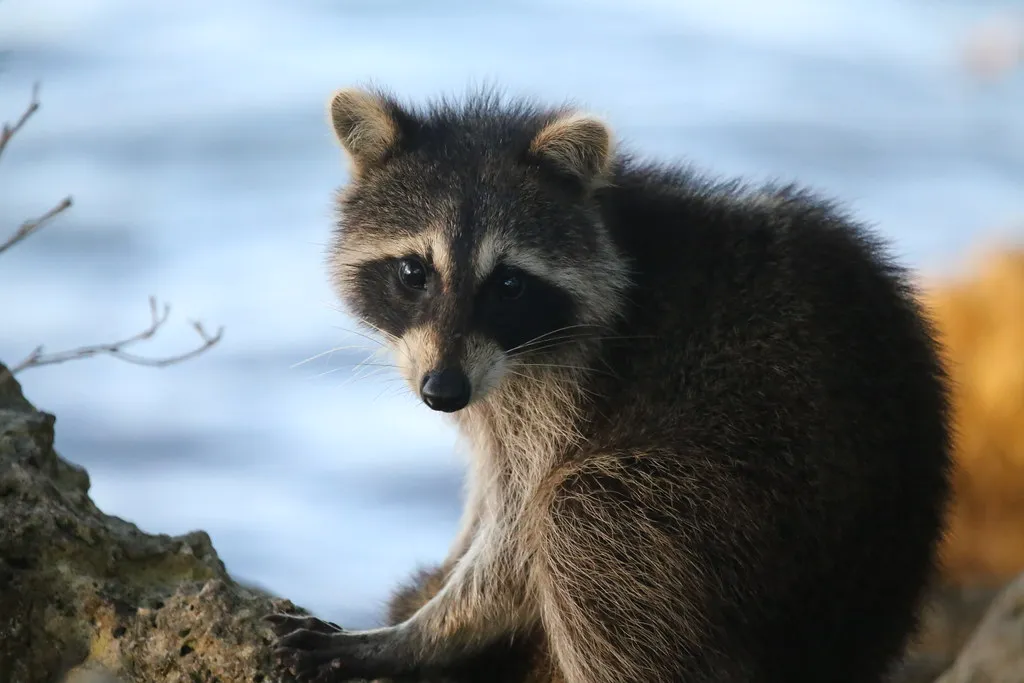
Because raccoons can remember familiar foods, dousing happens more often in the wild than in captivity. If raccoons are fed the same food daily, there is no need to inspect it, as they already know what it is and that it is safe to eat. This selective application of the behavior points to genuine cognitive flexibility rather than pure instinct.
Raccoons can solve complex tasks and remember them for up to three years. Raccoons are remarkable problem solvers with an innate curiosity that intrigues researchers studying animal intelligence. The dousing behavior fits neatly within a broader picture of an animal that is genuinely good at reading its environment and making smart decisions within it.
The Takeaway
The raccoon’s so-called food washing is one of those behaviors that rewards a second look. What appears to be a tidy, almost polite habit turns out to be a sophisticated sensory examination, a way of seeing the world through touch rather than sight. While the exact reasons behind raccoons’ food-washing behavior remain a topic of research, it is clear that water plays a pivotal role in their sensory exploration and food processing techniques. Understanding the sensory benefits of water for raccoons can help us appreciate the complexity of their interactions with their environment.
The raccoon doesn’t douse its food because it’s fastidious. It does so because it’s smart. That’s a much better story than clean paws ever could be.
AI Disclaimer: This article was created with the assistance of AI tools and reviewed by a human editor.