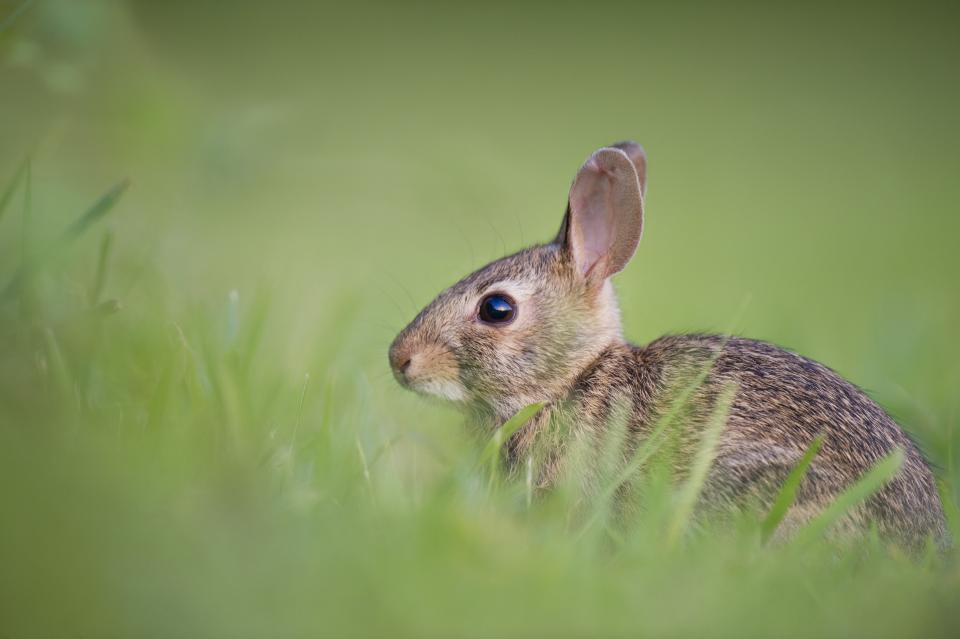

It Starts With the Predator’s Eye, Not the Rabbit’s Fear
The reason freezing works as a defense is that a predator’s attack behavior may actually be triggered by motion. Many predators, from hawks to foxes, have visual systems built to detect movement rather than static shapes. A motionless rabbit blends into its background far more effectively than a running one ever could.
The response to freeze is completely hard-wired, and evolution has caused the freeze strategy to come into existence precisely because it fits in with the way the visual systems of predators operate. In short, rabbits don’t freeze because they’re thinking it through. They freeze because the strategy has been reinforced over countless generations.
Three Options, One Instinctive Hierarchy
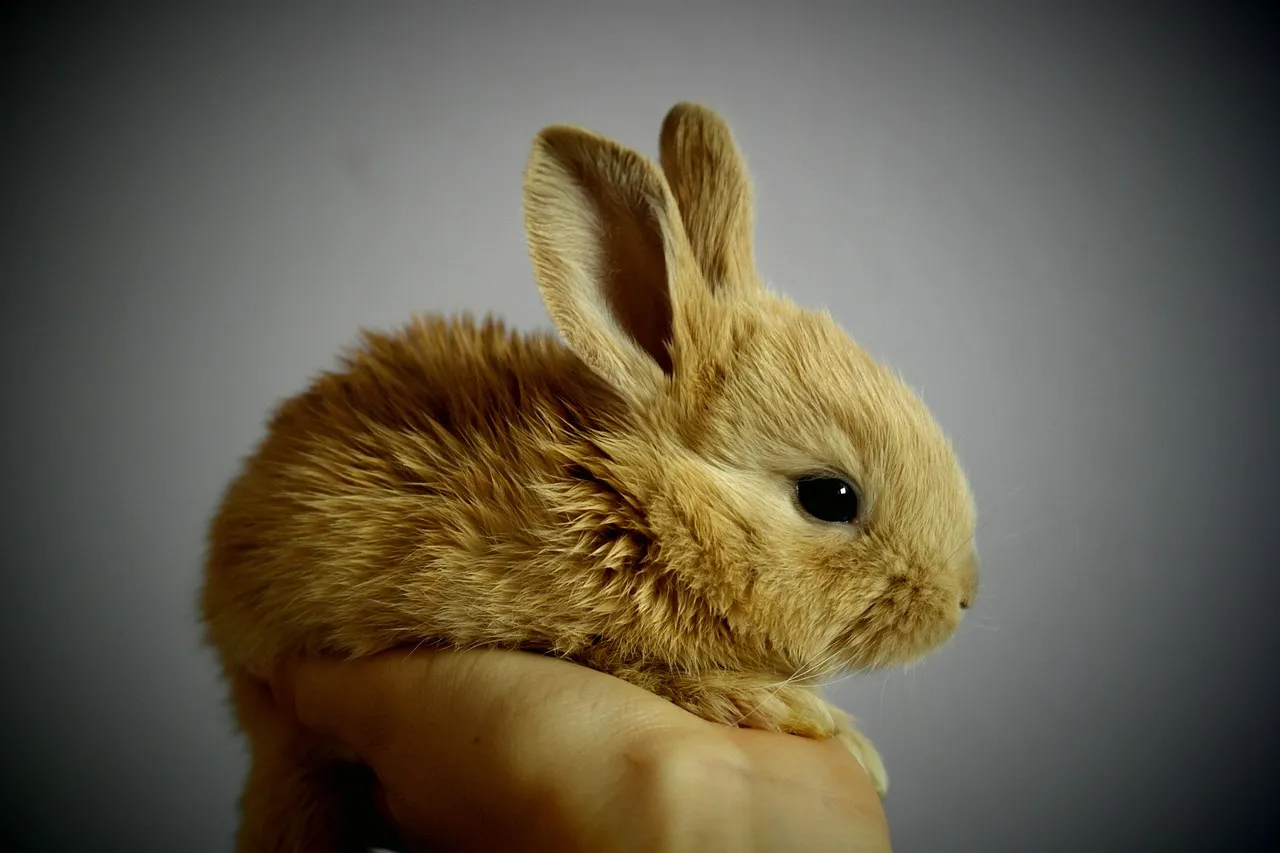
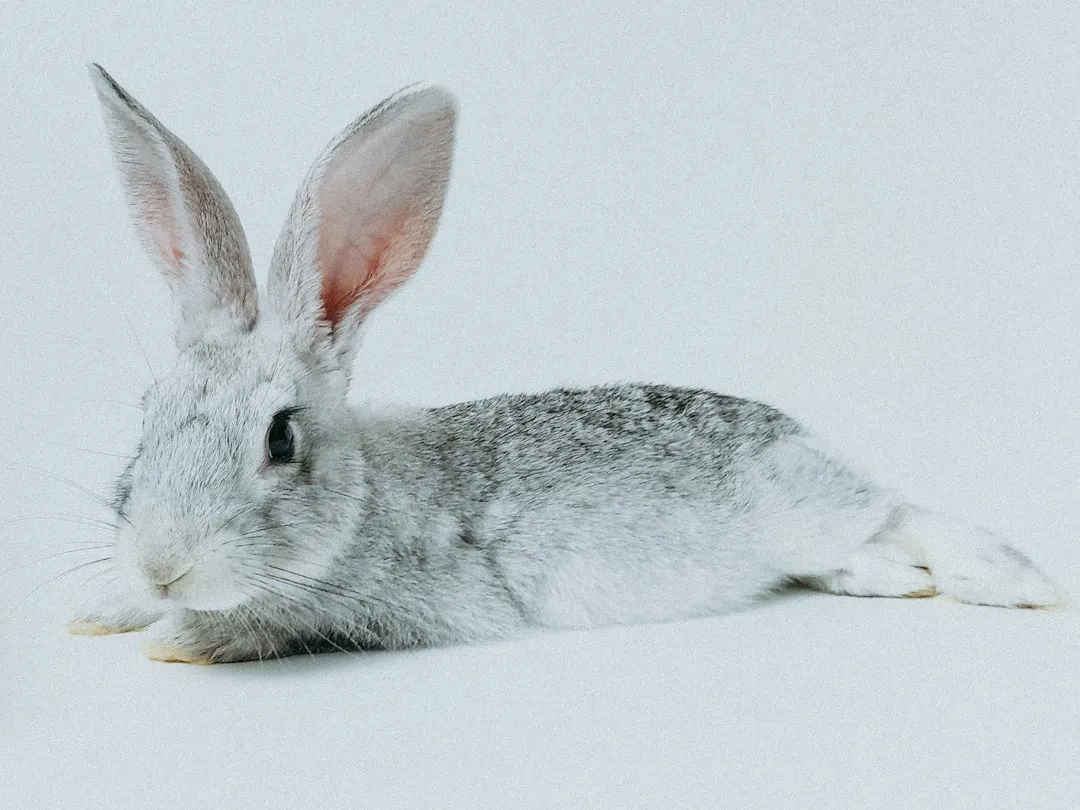
Depending on the situation, rabbits may freeze, flee, or fight. Generally speaking, rabbits will freeze or flee if they detect a predator. These responses aren’t random, though. They follow a rough priority order based on how close and how immediate the threat appears to be.
For many prey animals, the first response is to freeze. This allows the prey to observe the threat and also reduces the chance that they will be noticed. Then, if a predator approaches too closely, their second response is to flee. The freeze comes first because it costs less energy and carries less risk of being spotted. Flight is the backup plan.
What the Rabbit Is Actually Doing While Frozen
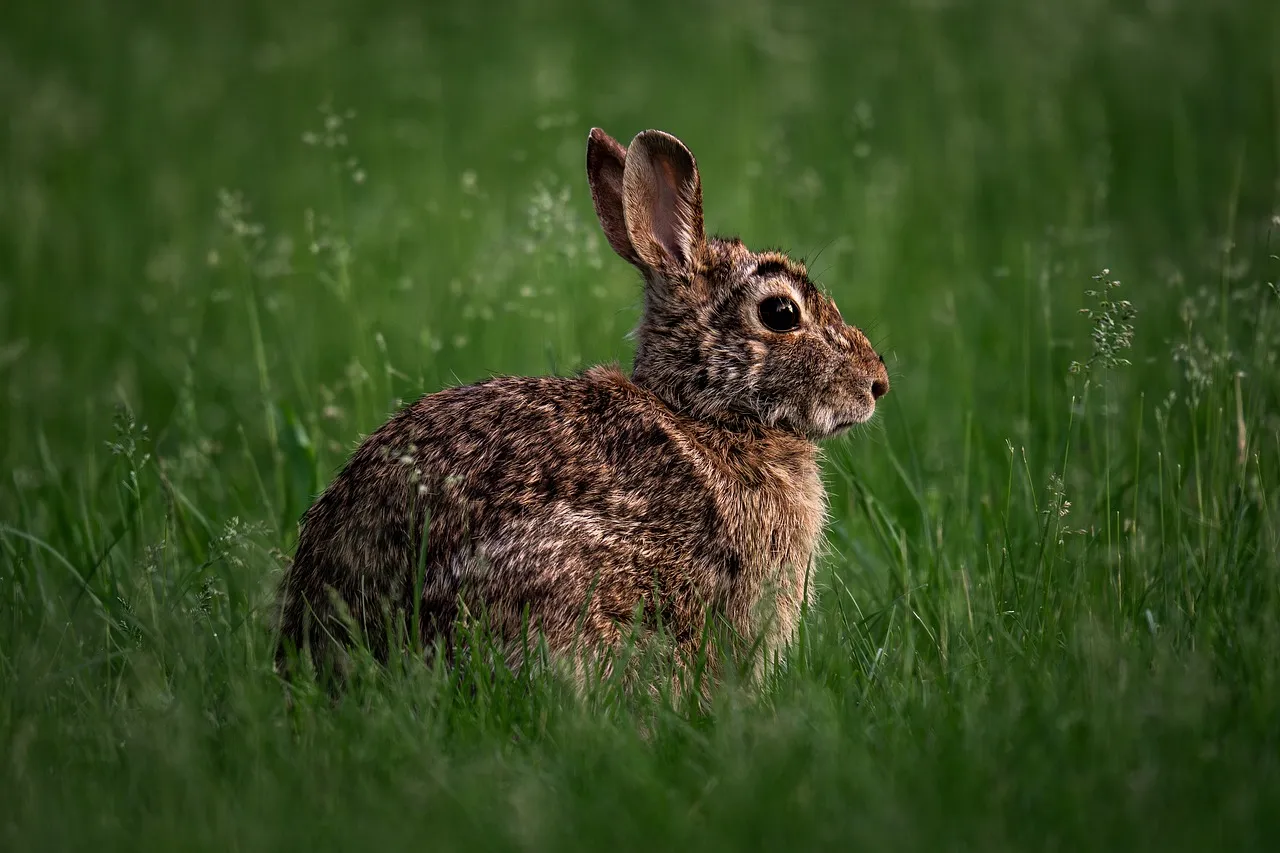
Staying still helps rabbits evade detection by predators. While motionless, they look, listen, and smell intently to assess the possible threat. The rabbit will be on all fours, body tense, ready to run if necessary. So while it may look like a rabbit has simply stopped functioning, it’s actually in a state of heightened alertness, gathering as much information as possible.
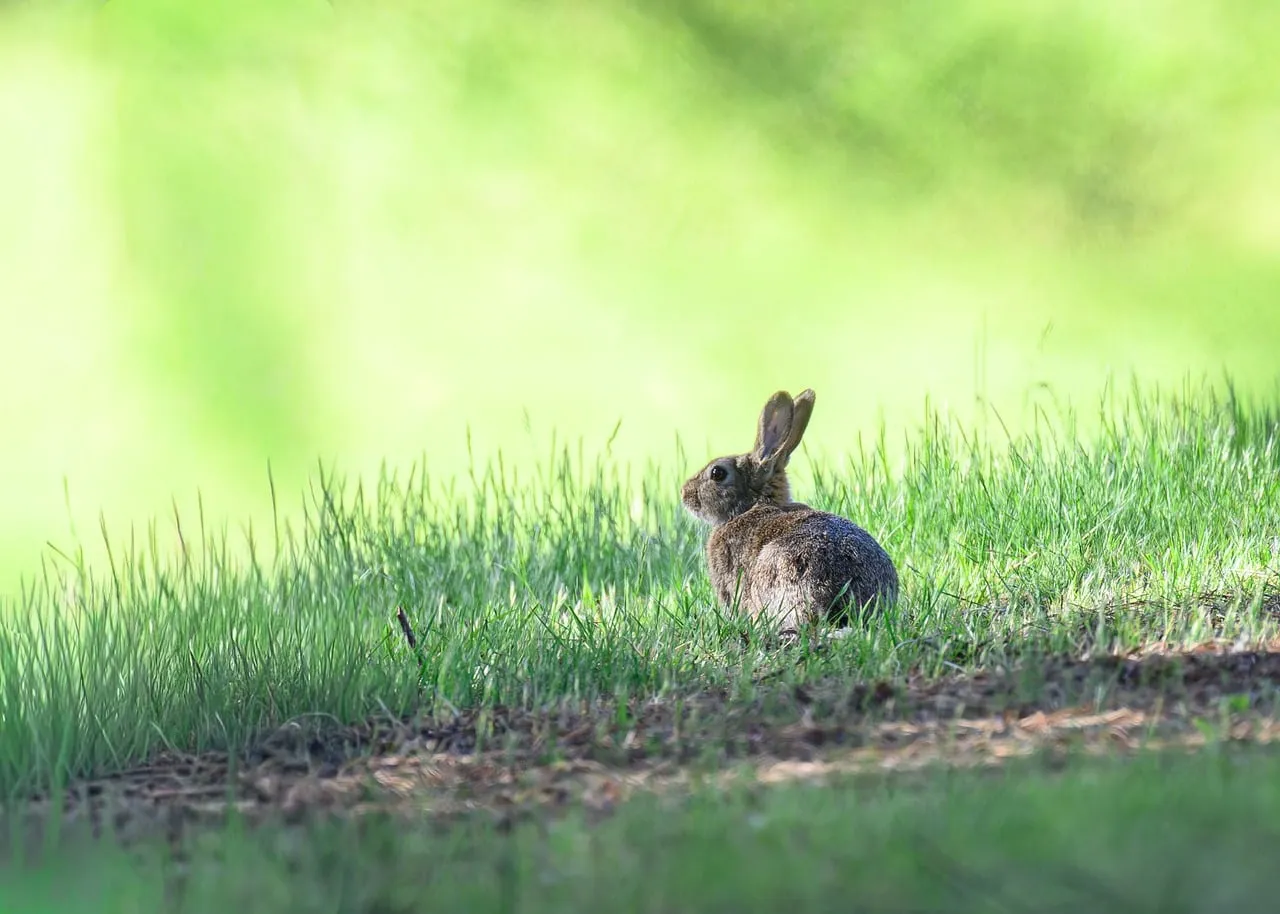
If the predator is at a distance and hasn’t spotted the rabbit yet, the rabbit’s first choice of defense involves freezing. This lack of movement helps the rabbit blend into its surrounding environment, making it difficult to spot. Also, this stillness may help save the rabbit’s life since many predators are attracted by movement. The stillness is a form of active camouflage.
Tonic Immobility: When Freezing Goes Deeper
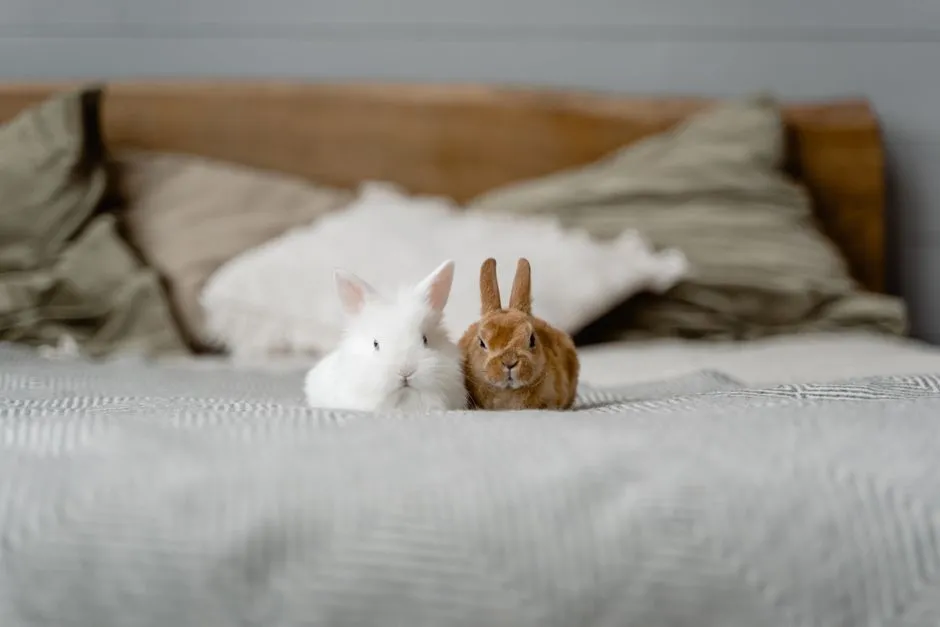
According to the Journal of Comparative Physiology, as a last resort, rabbits freeze completely. This is called tonic immobility. It helps them to hide from predators that are close by. Tonic immobility is a more extreme state than a simple freeze. It’s a deeper, involuntary shutdown that kicks in when flight is no longer perceived as viable.
The immobility response is often described as hypnosis, tonic immobility, the freeze response, or trancing. In rabbits, there is hypotonia of flexor and extensor musculature, abolition of the righting reflex, depression of spinal reflexes, miosis, and a drop in blood pressure, heart rate, and respiratory rate. It’s a profound physiological shift, not just behavioral stillness.
The Brain Behind the Freeze
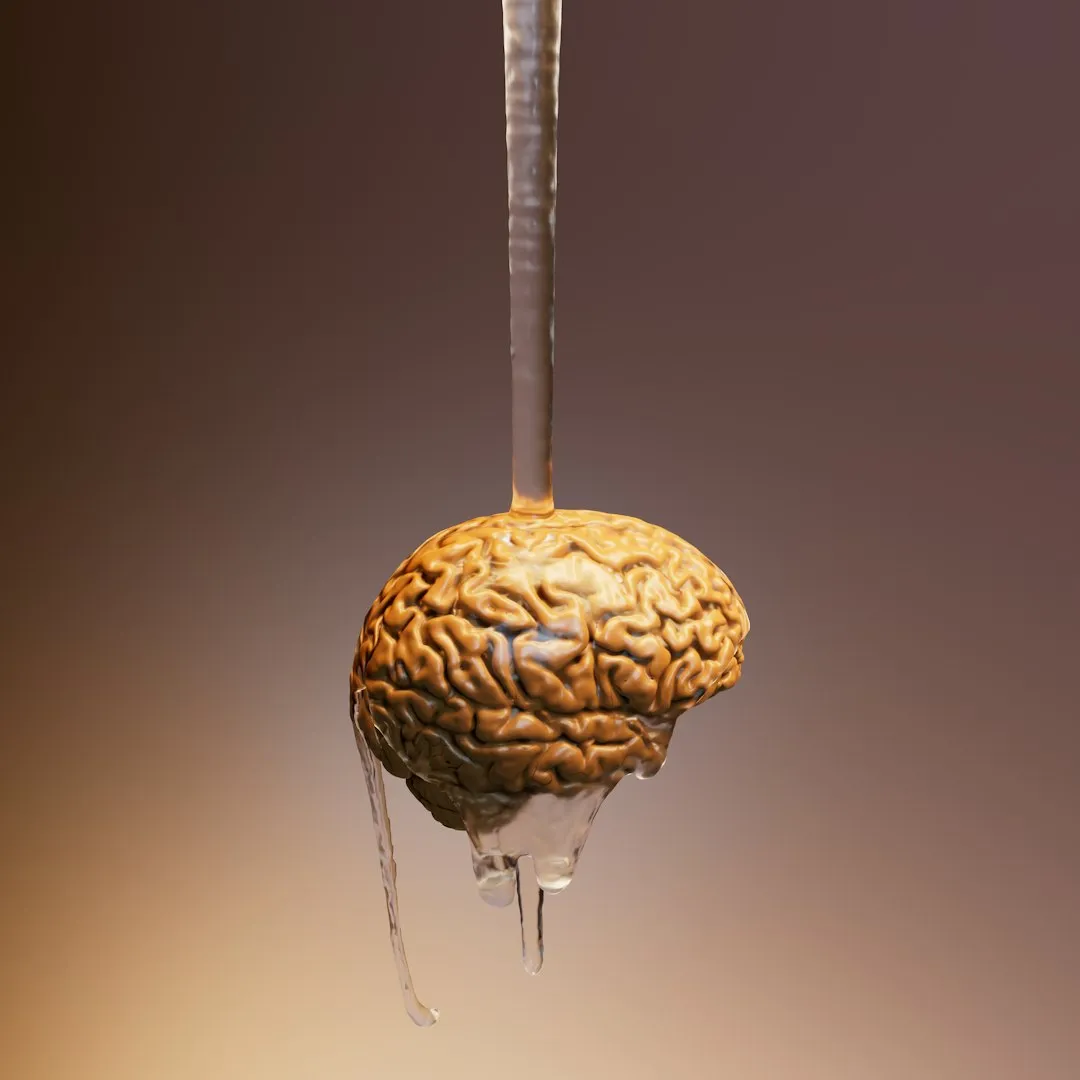
The freeze response is primarily regulated by the amygdala, a brain region involved in processing fear and threats. The amygdala communicates with other brain areas, such as the periaqueductal gray, to initiate the physiological changes associated with freezing. This circuit operates extremely fast, well below the level of conscious thought in any animal.
In mammals, mostly from studies using rodents, multiple brain regions have been implicated in the expression of freezing and escape responses, including the amygdala, hypothalamus, and periaqueductal grey. The freeze is not a decision. It’s a reflex with deep neurological roots, which is why it can happen even when fleeing would seem like the smarter choice to an outside observer.
The Rabbit Is Still Watching the Threat Very Closely
Proximity of either the experimenter or the home cage was found to affect the speed of recovery from tonic immobility in rabbits. The closer the experimenter was to the rabbit during immobility, the slower the rabbit was to right itself. This tells us something important: rabbits are actively monitoring the environment even while frozen.
Conversely, the closer the home cage was to the rabbit, the more quickly the rabbit righted itself. The proximity of a familiar safe space speeds up recovery. The rabbit isn’t simply stuck. It’s calculating the threat in real time and waiting for the right moment to move.
Is Freezing Actually Stressful for the Rabbit?
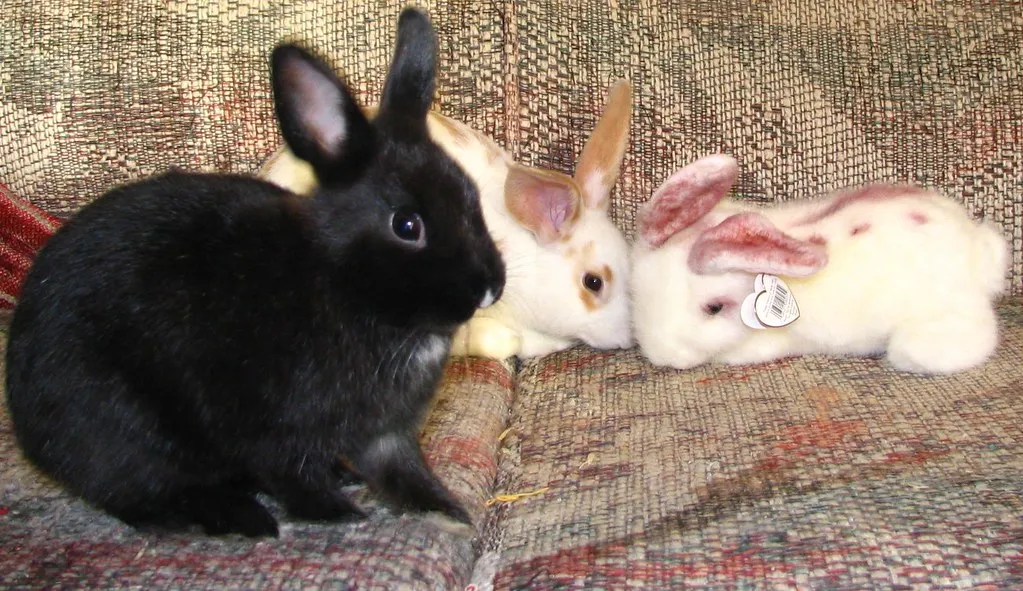
Tonic immobility is a hard-wired, instinctual response to a perceived predatory threat, and the rabbit’s physiological and behavioral response demonstrates that it imparts a degree of distress to the animal. This is an important point that many rabbit owners misread. A frozen rabbit is not a relaxed rabbit.
Rabbits held in a tonic immobility position had elevated respiratory rates, heart rates, and plasma corticosterone concentration. Additionally, they expressed fear behaviors such as widened eyes and flattened ears, and demonstrated more hiding behaviors and fewer grooming behaviors after the event. The outward stillness masks real internal stress. Owners who interpret a frozen rabbit as “calm” may actually be missing a welfare signal.
Why Domestic Rabbits Still Do It Around Humans
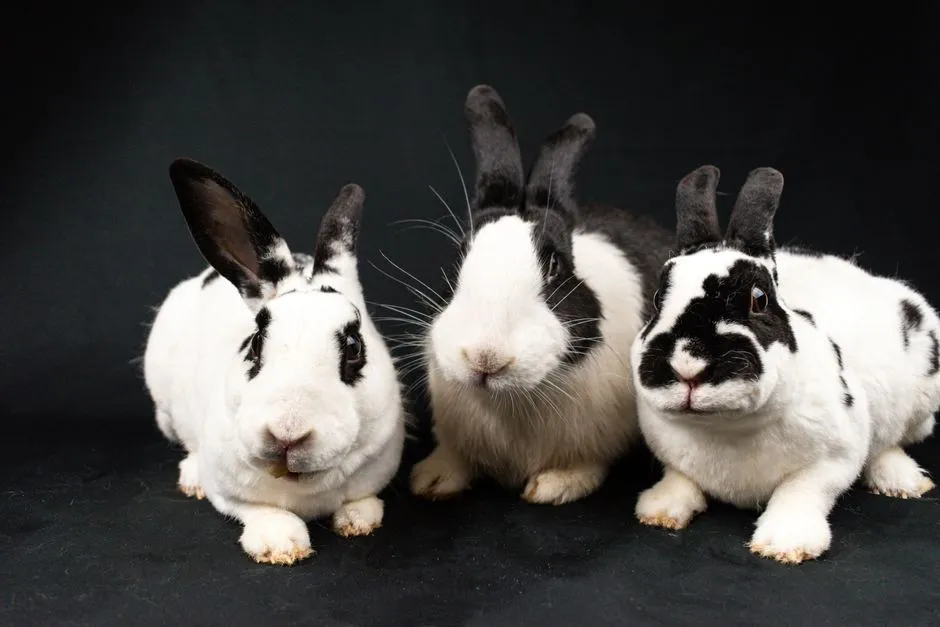
Rabbits in the wild survive by avoiding predators, and pet bunnies have the same instincts. Thousands of years of domestication haven’t rewired the prey animal brain. To a rabbit, a large creature walking nearby still registers on the same threat-detection system that evolved to handle foxes and hawks.
According to Buseth and Saunders (2015), even if rabbits have been socialized from a young age and are used to close contact with humans, they are still small prey animals that can experience high levels of stress during interactions with humans, especially young children. Familiarity helps, but it doesn’t eliminate the reflex entirely. The freeze is simply too deeply embedded to be fully socialized away.
When Freezing Becomes a Liability
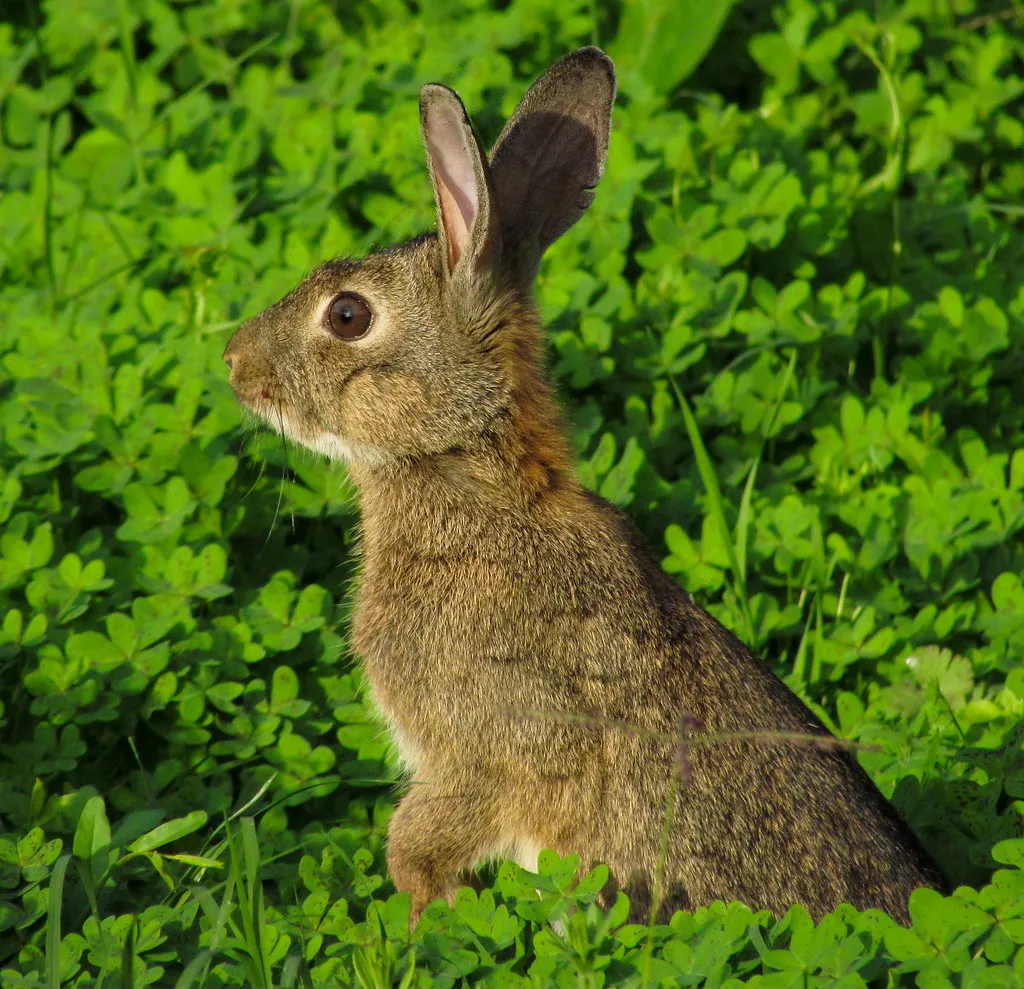
Each of these defenses by itself is rudimentary and probably cannot provide a completely effective means to elude predation. Freezing is efficient only if employed before the prey is spotted by the predator; otherwise the prey becomes a stationary, easy-to-catch target. This is the trade-off built into the strategy. It works brilliantly under the right conditions and can backfire badly when the rabbit has already been seen.
It is probably even more stressful for rabbits during sessions conducted in unfamiliar surroundings with unfamiliar people, who can misinterpret their freeze reaction as a sign of contentedness and therefore continue to pet them. In domestic settings, this misreading is common. The stillness looks cooperative, even affectionate, when it may actually signal the opposite.
What Happens After the Freeze
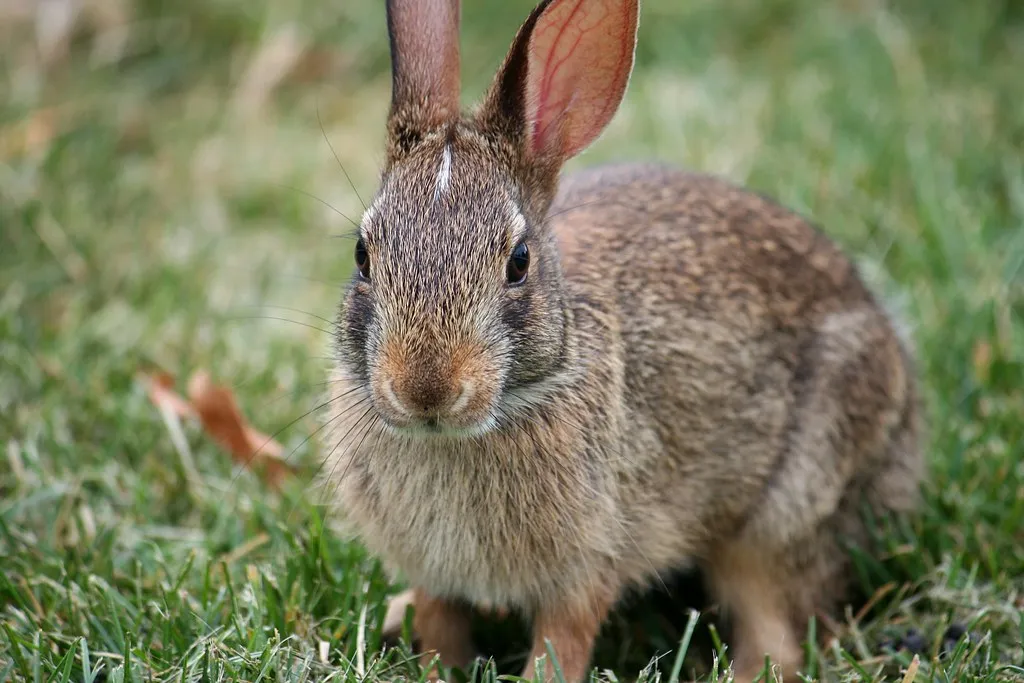
Generally speaking, rabbits will freeze or flee if they detect a predator. Backed into a corner, some rabbits will fight by biting, kicking, and scratching. If a threat doesn’t pass during the freeze phase, the rabbit eventually shifts to one of the other two responses. The freeze is meant to be temporary, not permanent.
Freezing and fleeing constitute together a complex and flexible defensive response, and are probably controlled by different motor systems that are interconnected to allow fast switching between these behaviors, as required for an effective and versatile response. The rabbit’s nervous system is wired for rapid transitions between states, ready to go from statue to full sprint in a fraction of a second the moment the calculation changes.
A Final Thought
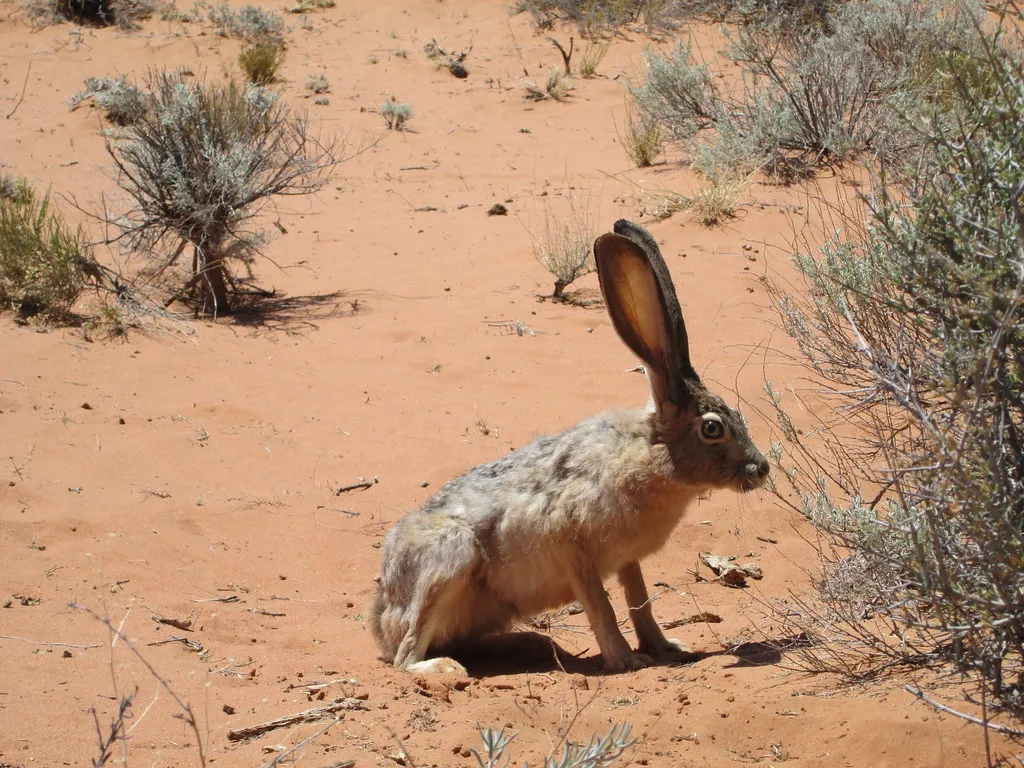
The next time a rabbit locks up as you walk past, it’s worth pausing to appreciate what you’re actually seeing. It’s not stillness born of calm. It’s an ancient survival algorithm running at full speed, reading your movements, your distance, your direction, and your speed, all in real time.
That frozen rabbit is doing exactly what millions of years of predator pressure shaped it to do. The fact that you’re not actually a threat doesn’t matter to the reflex. What matters is that it worked well enough, for long enough, to still be here today.
AI Disclaimer: This article was created with the assistance of AI tools and reviewed by a human editor.