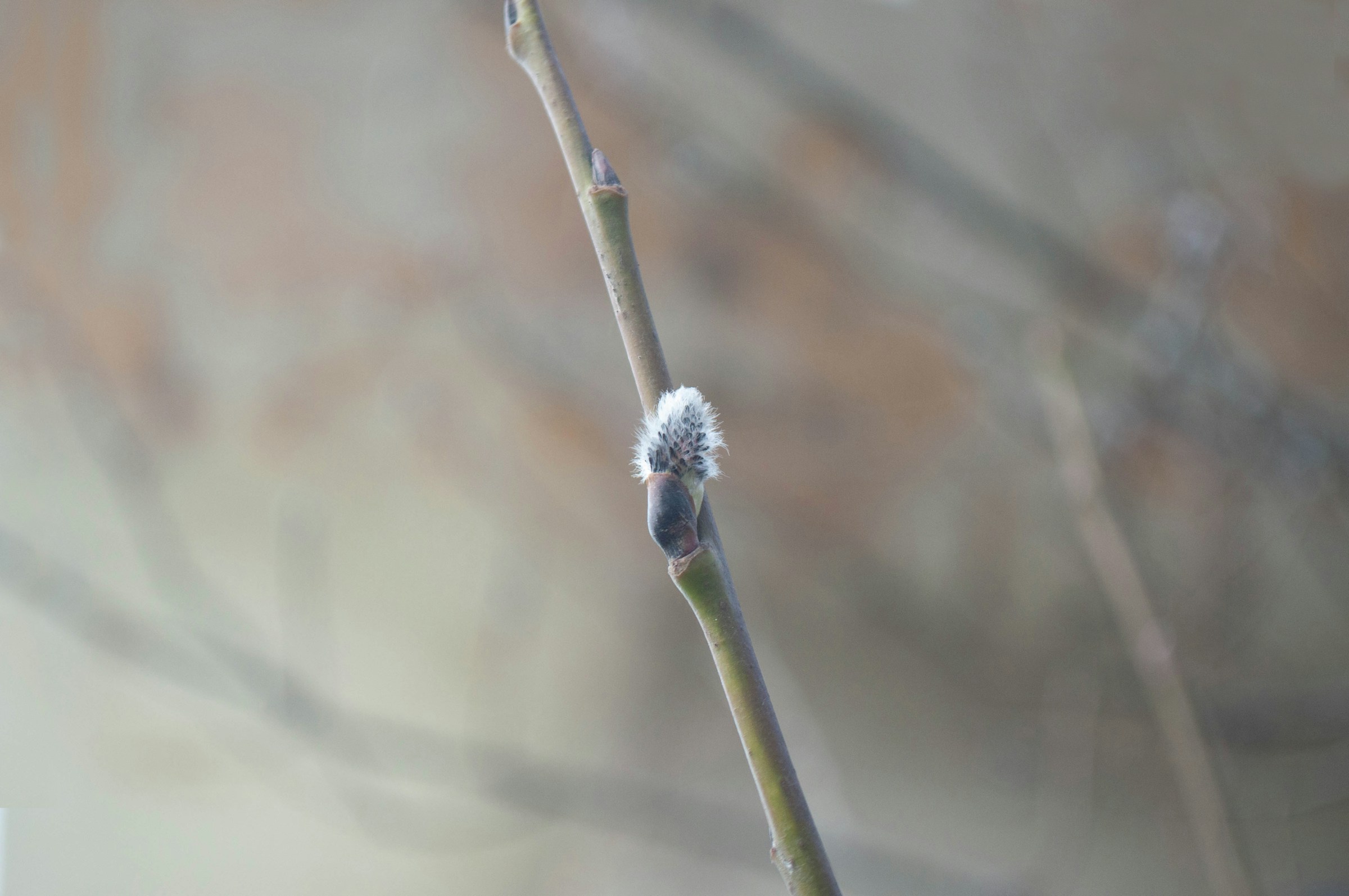

What a Pussy Willow Actually Is
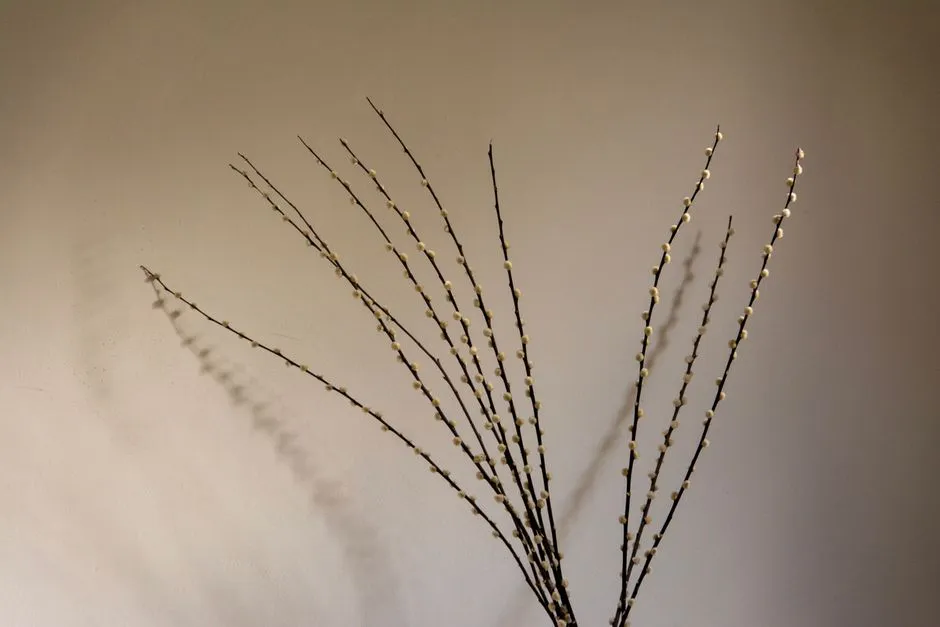
Pussy willow is a name given to many of the smaller species of the genus Salix when their furry catkins are young in early spring. The most familiar in North America is Salix discolor, but several species across the northern hemisphere share this same early-blooming trait. The Salix genus encompasses over 350 different species plus many hybrids, consisting of deciduous trees and shrubs found growing in primarily moist soils in temperate and cold regions.
Pussy willow is a short-lived, fast-growing, native tree or large shrub with a rounded crown. Pussy willows are generally fast-growing and can reach heights up to 25 feet depending on the species. Despite their modest size compared to other trees, their influence on the early spring ecosystem is outsized in ways most people never consider.
The Technical Name for Blooming Without Leaves
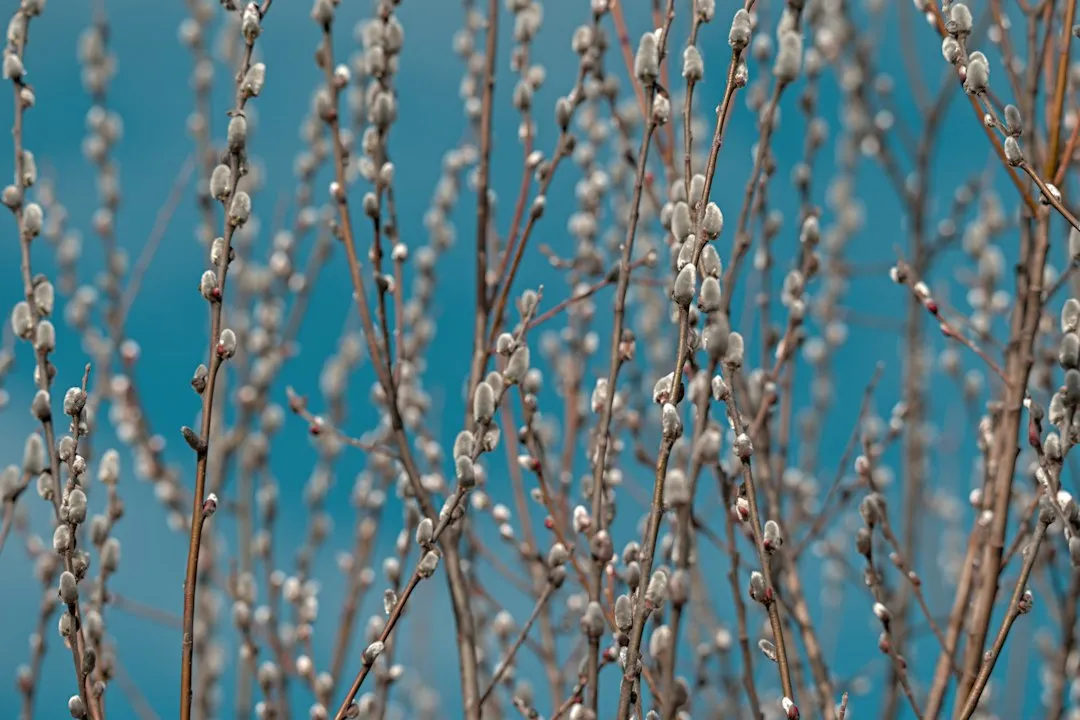
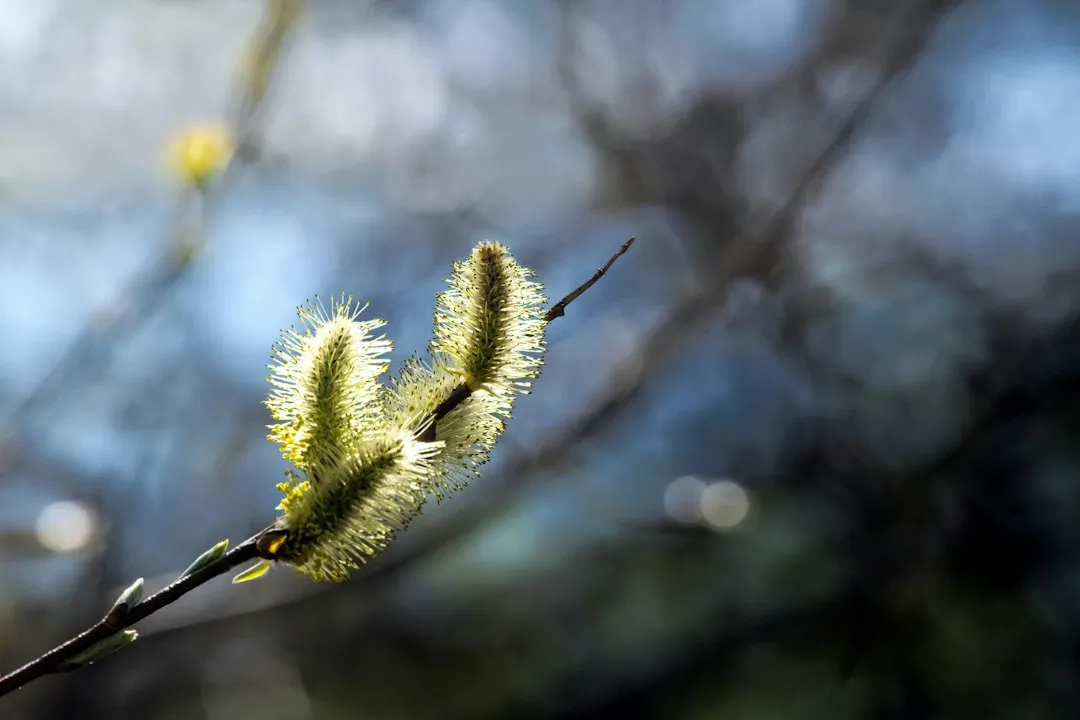
Before the leaves unfold, the silvery, soft, fuzzy, furry buds called catkins will cover the branches. When flowers are produced before the leaves, as is common with the pussy willows, we call them precocious. That word, precocious, is not just a metaphor here. It’s the actual botanical term for this sequence of events.
Flowers appear as catkins and are produced in late winter to early spring before foliage emerges. This flowering-first strategy isn’t unique to pussy willows, but few plants pull it off as visibly or as early. It’s a calculated biological move with real competitive advantages, as we’ll see shortly.
How Dormancy Breaks in the First Place
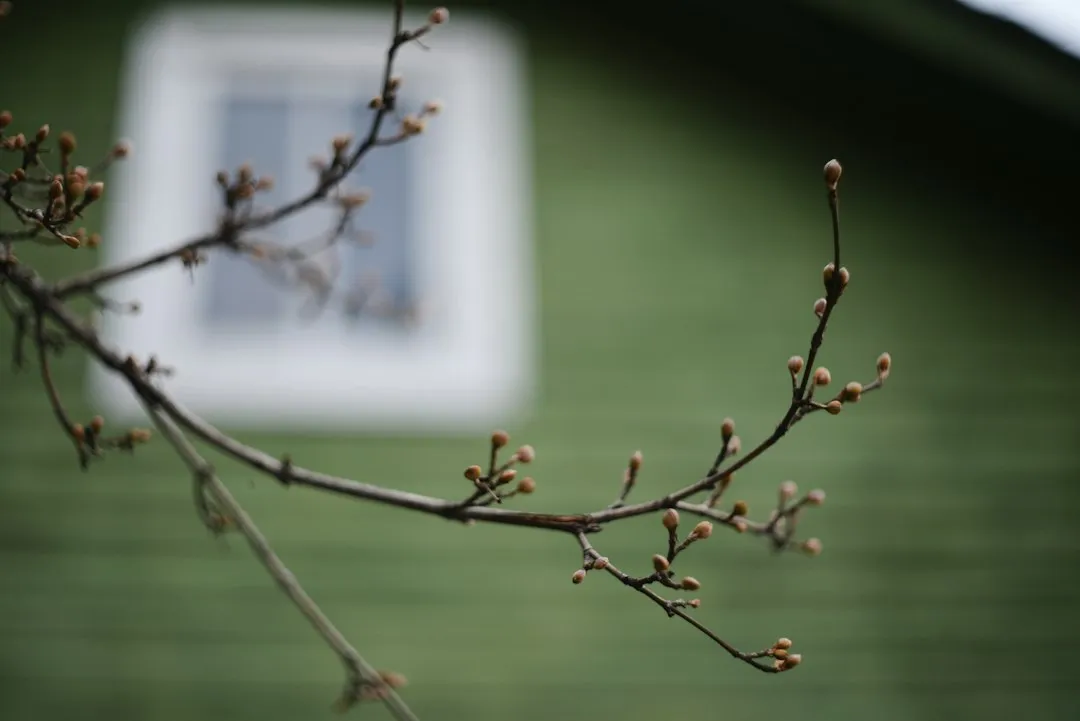
Buds first enter a state of endodormancy, during which physiological conditions prevent growth, and sufficient chilling temperature is required to break endodormancy. In other words, the plant has to get cold before it can respond to warmth. This may seem counterintuitive, but it’s exactly what prevents premature blooming during a random warm spell in December.
This is an adaptive strategy to avoid bursting into bloom during a warm week in midwinter and to synchronize emergence with the pollinators. After the plant has accumulated the required amount of chilling, growth-promoting hormones increase, preparing the plant for the onset of warmer temperatures. The pussy willow’s internal clock is remarkably precise, triggered by winter cold rather than confused by it.
The Fur Coat That Makes Early Blooming Possible
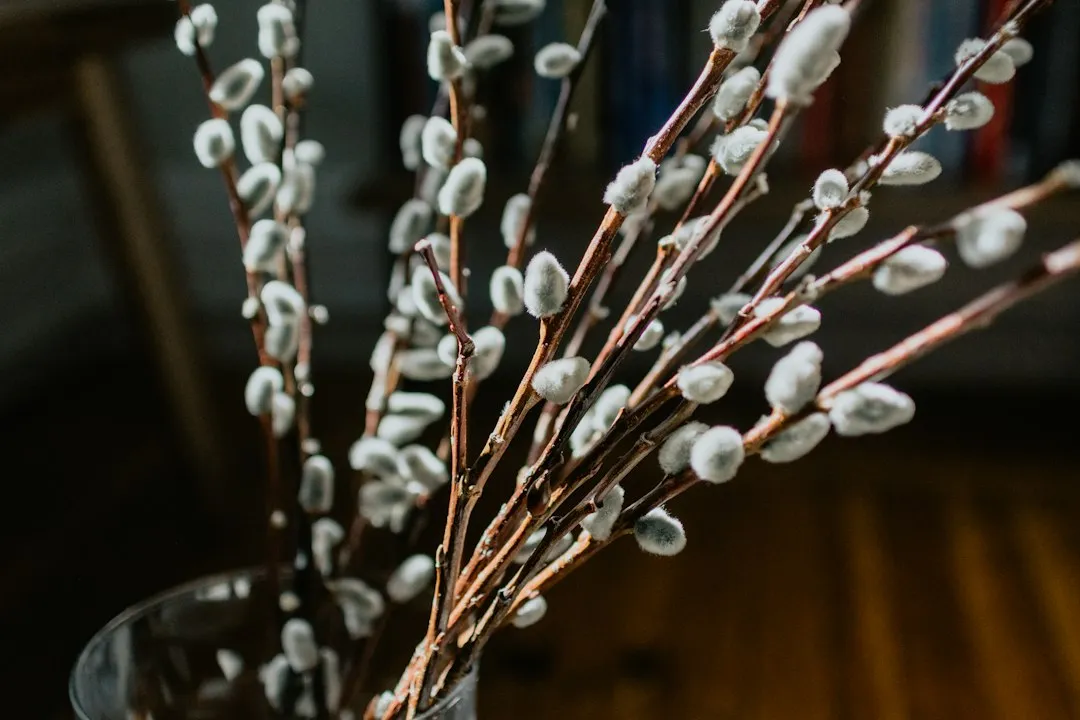
Unlike most flowers, catkins have no petals. Their covering of dense hair is designed to protect delicate flowers from the cold, and inevitably, pussy willows come from cool to cold climates. That familiar silvery fuzz isn’t decorative. It’s functional insulation for the reproductive parts inside.
The soft and fuzzy coating of these catkins acts as insulation, keeping the plant’s reproductive parts protected. The soft fuzzy coat of silvery fur insulates and helps keep the developing flowers warm and protected from the last cold. Think of it as the plant’s answer to a winter coat, worn specifically so it can do its work before anyone else even shows up to the job site.
Male and Female Plants Play Different Roles
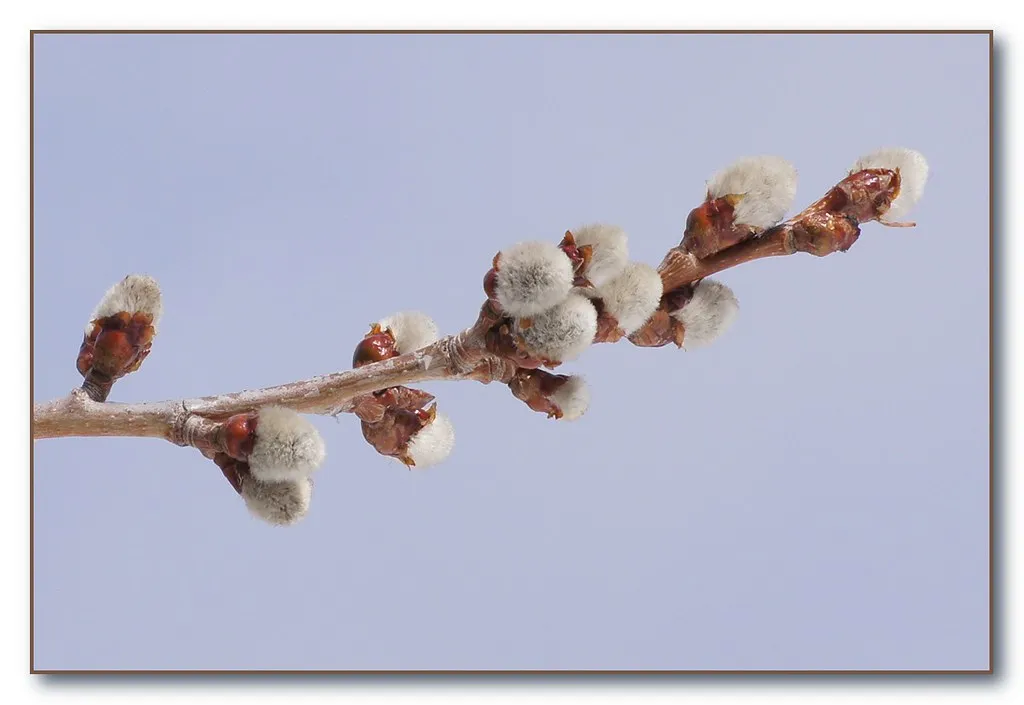
Willows are dioecious, meaning the male (pollen-producing) flowers are on one plant and female (seed-producing) flowers are on another. This separation of the sexes across individual plants makes the pollination process more complex, but also genetically beneficial. The male trees produce white-silver catkins earlier than the female trees, before tiny pollen-laced flowers appear.
The male plant produces pollen, but both sexes produce nectar. The flowers of the male plant produce the soft nubby catkins which are so often used in flower cuttings. Only male plants produce the fuzzy flowers most people recognize. Female plants’ flowers look more like greenish hairy caterpillars. Both are worth observing, though the male catkins get nearly all of the attention.
No Leaves Means No Competition for Pollinators
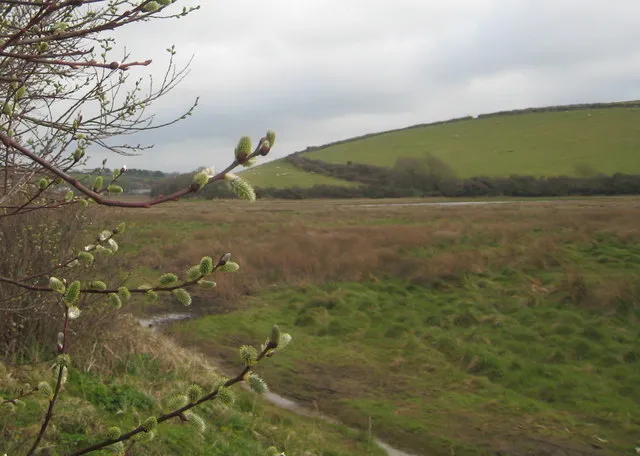
One of the advantages of flowering early in spring is that there is very little competition for pollinators. The willows gain the full attention of the many bees and flies that also awaken early in the spring and are desperate for food. This is strategic, not accidental. By flowering when nothing else has, pussy willows operate in a space of near-zero competition.
Blooming so early in the season, the pussy willow sees no need to advertise with flashy petals or a catchy scent. If any bugs are awake and hungry, Salix discolor is just about the only diner open. That means that the help of early-season pollinators like bumblebee queens are needed to transport pollen from a male plant to a female one.
The Structural Efficiency of the Catkin Itself
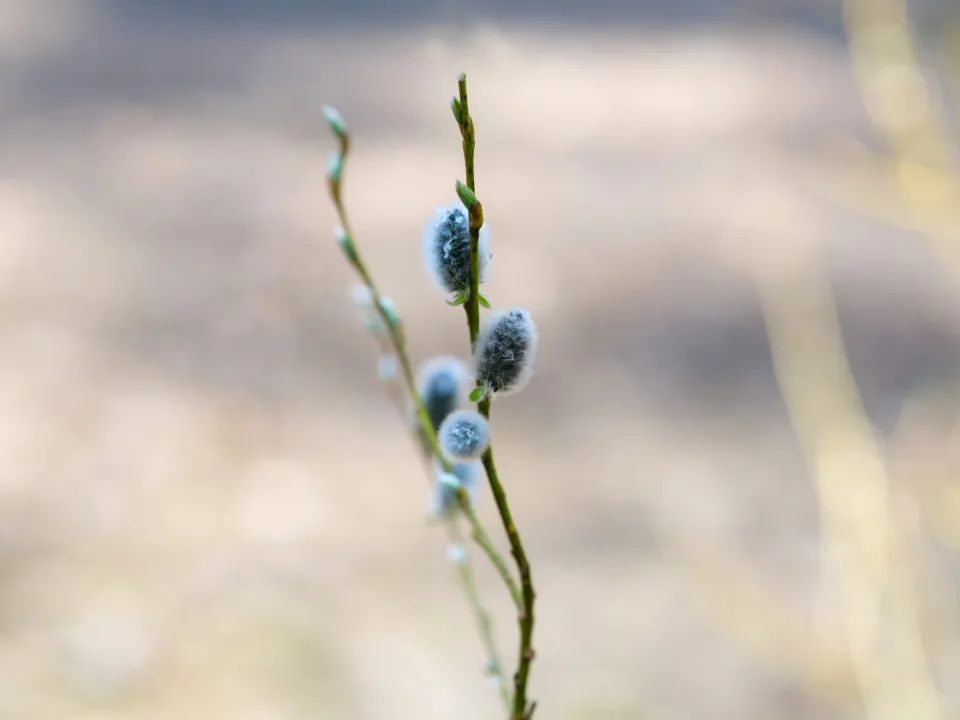
Densely clustering flowers around a single stalk is energetically efficient, so it allows these plants to flower precociously, in other words, they flower early in the spring before any leaves come out. The catkin structure isn’t just visually distinctive. It represents a highly efficient use of the plant’s stored energy during a period when that energy is tightly rationed.
This type of inflorescence is called a catkin, a word derived from old Dutch for kitten. In addition to offering pollen, both the male and female catkins serve up helpings of nectar that is tucked deep between the flowers. So the catkin is simultaneously an energy-efficient structure, a pollinator feeding station, and the plant’s entire reproductive strategy for the season, all in a package roughly the size of your thumb.
Why Leaves Would Actually Get in the Way
Many species that produce catkins are wind-pollinated and there’s a tremendous advantage to flowering early because leaves block the movement of wind-borne pollen grains when they start emerging. Leaves are great for photosynthesis, but during pollination they create obstacles. Bare stems allow pollen and insects to move freely through the plant’s canopy.
Bulbs have to wait for the snow to melt in order to bloom, but pussy willows jump the gun: they’ll bloom right through the snow, as soon as the ground beneath has begun to thaw. Depending on where you live, they can be in bloom from January in the mildest climates to May in the coldest regions. That’s a remarkably wide window, one that reflects how well the plant has adapted to varied climates across the northern hemisphere.
The Ecological Ripple Effect of Early Blooming
Catkins play a significant ecological role because they emerge early and are loaded with proteins and vital nutrients at a time of year when these elements are in short supply. Over 150 species of insects rely on willow catkins alone for their larval development. That number is striking. A single shrubby willow along a stream edge supports a hidden web of insect life that most passersby never consider.
Since the plant is so important to pollinators in spring, including several specialist bee species that will feed their offspring pollen and nectar from no other plants, we recommend harvesting no more than 15 percent of a plant for décor. Catkin-bearing trees like willows, alders, birches, and cottonwoods line nearly every stream and river from timberline to valley floor, dropping their catkins into the water in early spring when the aquatic food chain is in greatest need of nutrients.
What Comes After the Catkins
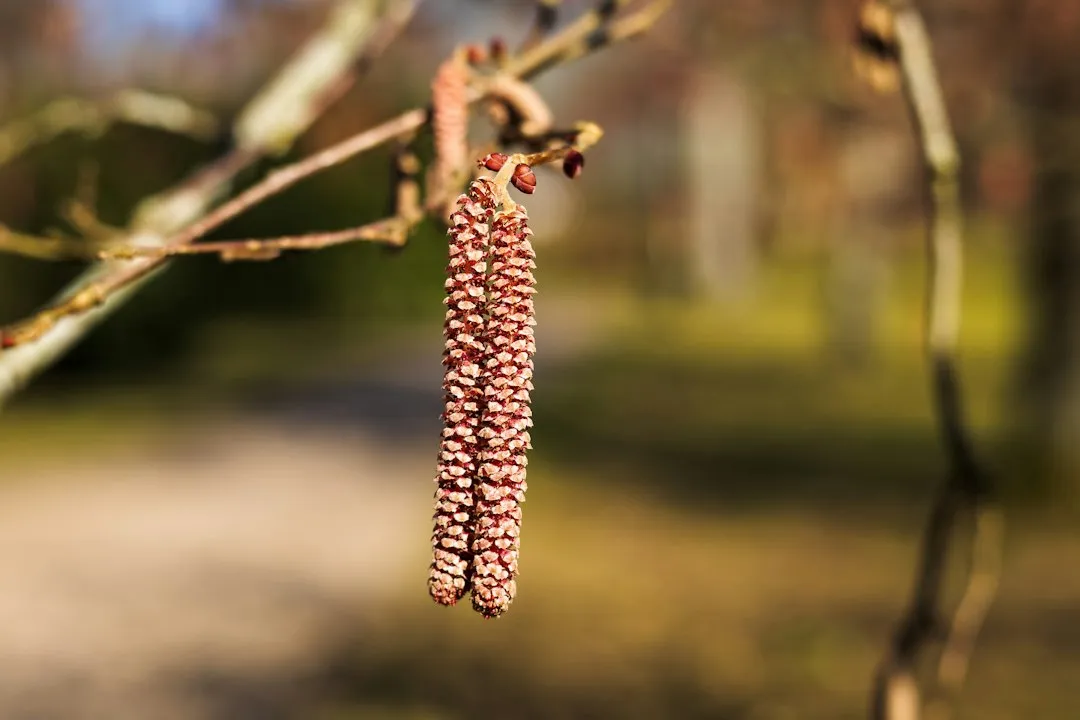
New flower buds cast off shiny brown bud scales that surround the flower. When the flowers mature, scores of yellow stamens emerge to cover each catkin. This is when the catkin transforms from a soft gray bud into something that looks almost radiant in direct sunlight. The fuzz gives way, the pollen appears, and the pollination window is open.
Female plants’ flowers form seed capsules that pop open later in spring with silky tufted seeds. The silk helps transport the seed on the wind. Wait even longer, and pale green, strappy leaves unfurl from the leaf buds. Only then, after all the reproductive work is done, does the plant finally put out its leaves and begin the season the way most other plants started it weeks before.
The Takeaway
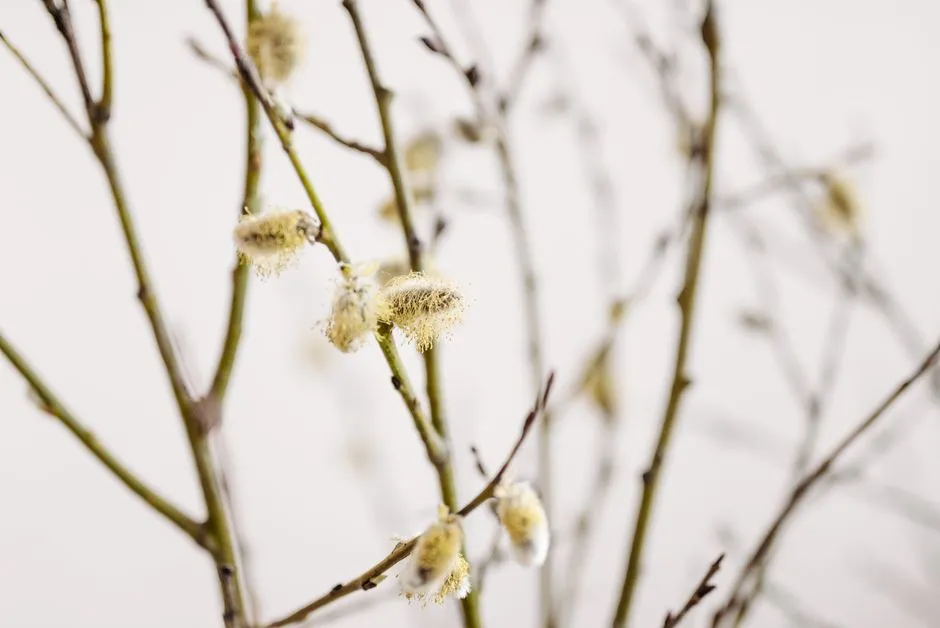
Pussy willows bloom before their leaves appear because, for them, that’s the only sequence that makes biological sense. The catkin’s fuzzy coat handles the cold. The bare stems give pollinators and pollen clean access. The absence of competition means every early bee and fly heads straight for the only food available. Every part of this early-blooming strategy fits together without waste.
What looks like impatience is really precision. The pussy willow has simply figured out that the first mover advantage in spring is real, and it has been acting on that knowledge longer than anyone has been around to notice it.
AI Disclaimer: This article was created with the assistance of AI tools and reviewed by a human editor.