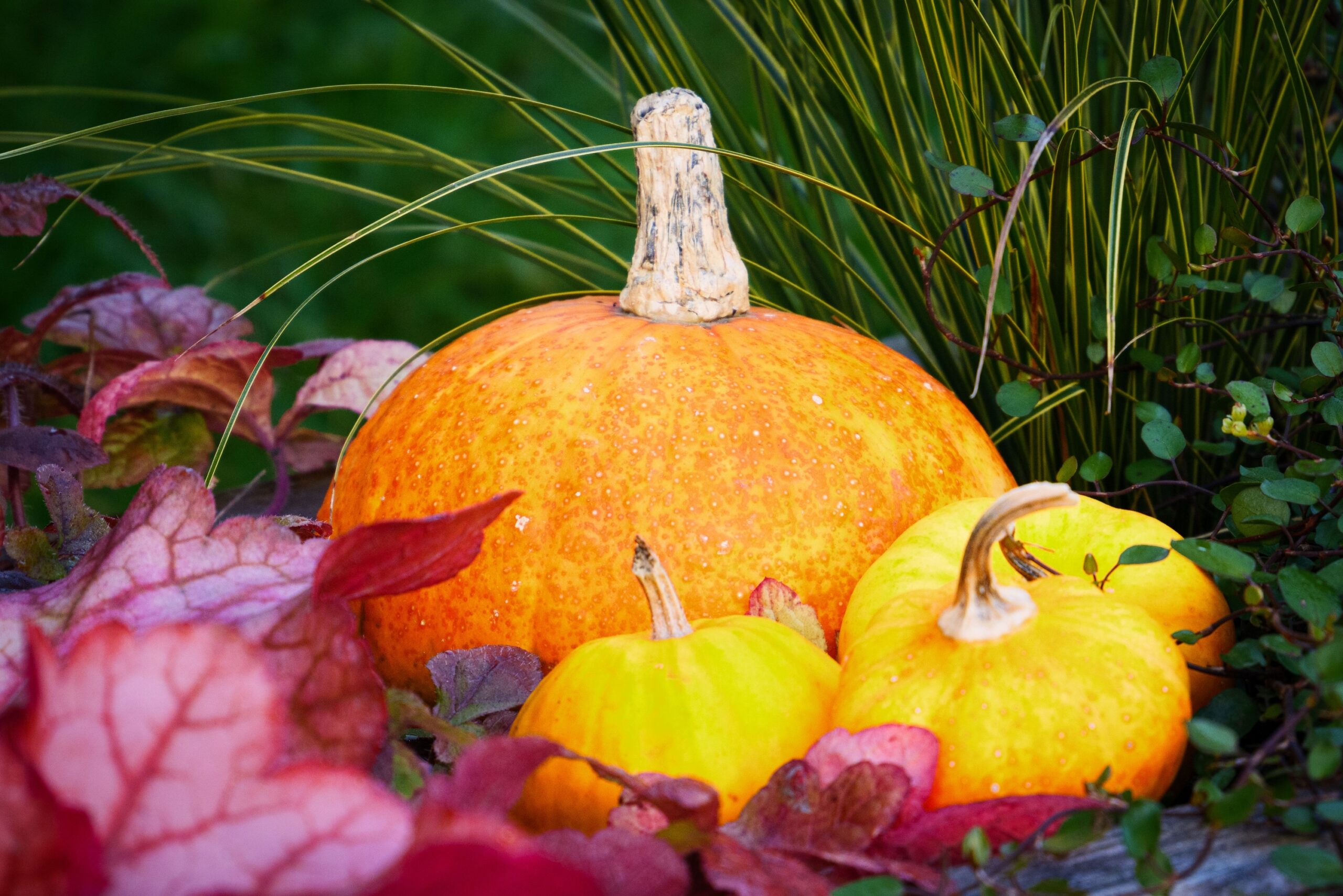

Plants Are Programmed to Grow After Dark
Most plants grow faster in the evening and at night than they do during the day. This is true across a wide range of species, from garden staples to large forest trees. Pumpkins happen to be one of the most dramatic examples of this pattern.
Plants absolutely grow at night. This isn’t occasional or incidental. While photosynthesis halts in darkness, plants shift into an active metabolic mode: they respire, transport sugars from daytime storage, synthesize proteins, and expand existing cells to elongate stems, roots, and leaves.
Most plants, including pumpkins, actually grow faster during the evening and at night than they do during the day. This is because the nighttime growth spurts of plants are controlled by their biological clocks, which are also known as circadian rhythms.
The Internal Clock That Drives It All
Plant growth is regulated by both environmental and internal cues, and plant growth pathways are highly interconnected with the circadian clock regulatory network as well as with light- and temperature-signaling pathways. This means pumpkins don’t just respond to the presence or absence of sunlight. They track time in a far more sophisticated way.
Research on circadian rhythms in plants has shown that the nighttime growth spurts of plants are under the control of the plant’s biological clock. This internal clock coordinates dozens of molecular events that occur only during specific windows of the night.
Research published in Plant Physiology demonstrated that Arabidopsis mutants with disrupted circadian clocks showed up to roughly two-fifths less stem elongation at night, even when supplied with ample sugar, confirming that timing, not just fuel, governs growth architecture. The clock, in other words, is just as important as the energy supply.
Photosynthesis Fuels the Night Shift
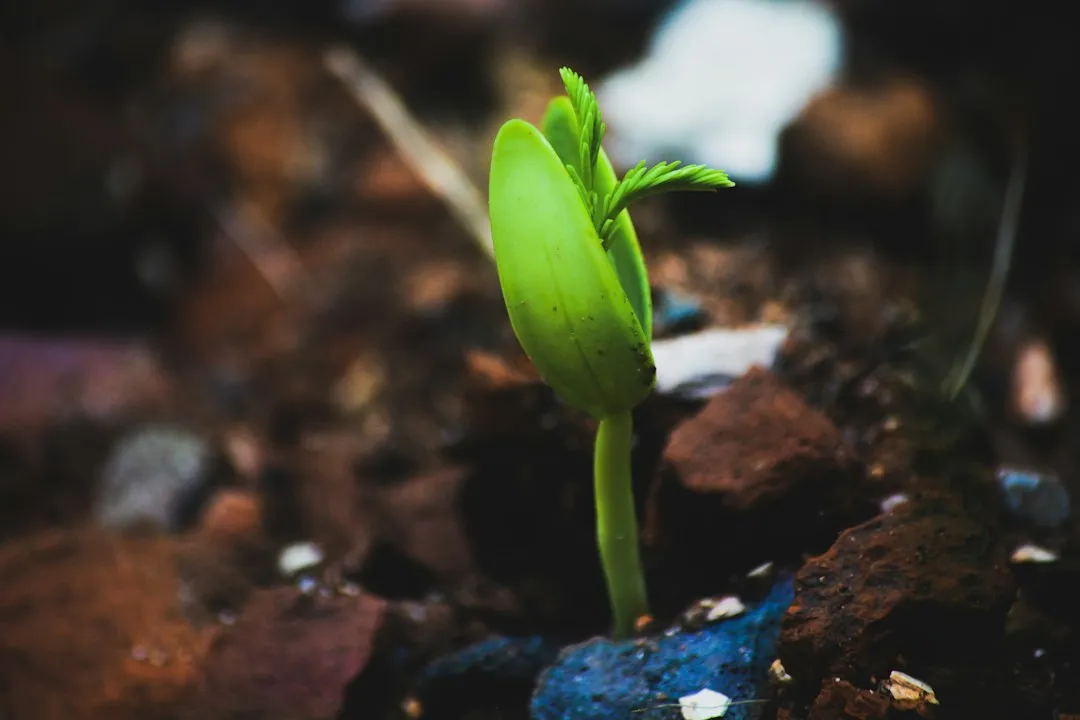
Plants can use the products of the day’s photosynthesis at night to aid in the uptake of water into their cells, which increases the turgor pressure of the cells and drives their enlargement. Daytime sunlight is essentially a preparation phase for the growth work that follows after dark.
Think of it like charging a battery during the day and then running the machinery at night. The sugars produced through photosynthesis become the raw material for cellular expansion once the sun goes down. Pumpkins are particularly efficient at this conversion.
While photosynthesis halts in darkness, plants shift into active metabolic mode: they transport sugars from daytime storage, synthesize proteins, and most visibly, expand existing cells to elongate stems, roots, and leaves.
Turgor Pressure: The Engine of Expansion
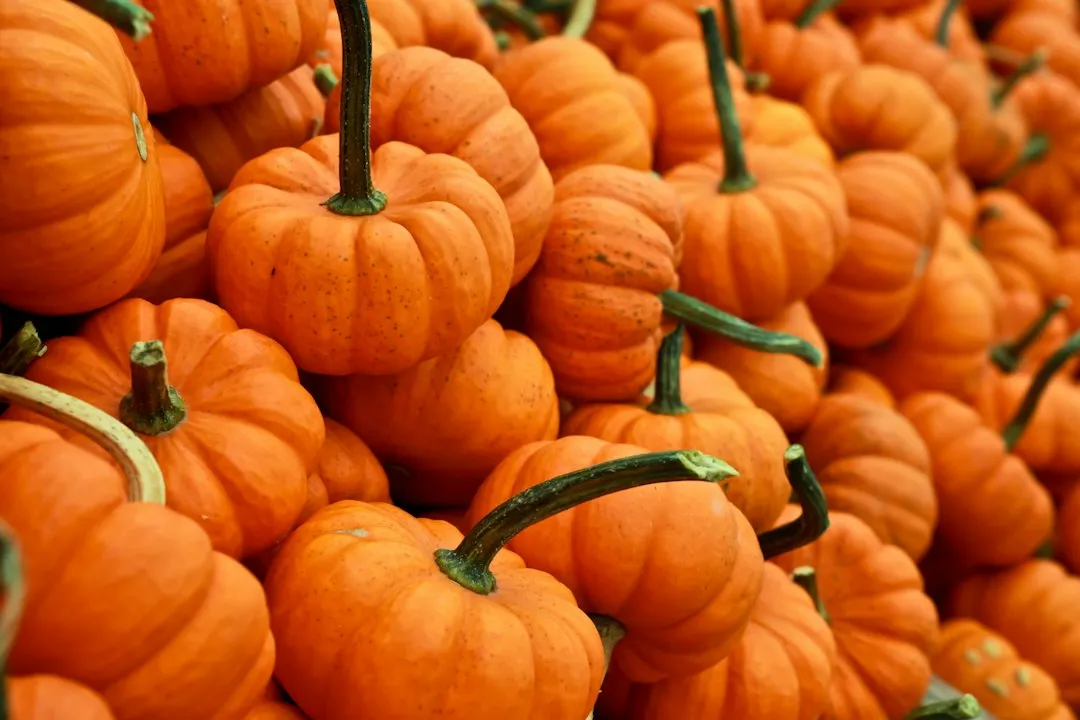
Turgor pressure provides the force needed to stress and deform the cell walls of plants during expansive growth. In pumpkins at night, this is happening on a large and rapid scale across the entire surface of the fruit.
Turgor pressure plays a key role in plant cell growth when the cell wall undergoes irreversible expansion due to the force of turgor pressure as well as structural changes in the cell wall that alter its extensibility. Turgor pressure within cells is regulated by osmosis, and this also causes the cell wall to expand during growth.
It almost appears as though someone is at the end of the vine blowing up the pumpkins at night as if they are balloons. Plants can use the products of the day’s photosynthesis at night to aid in the uptake of water into their cells, which increases the turgor pressure of the cells and drives their enlargement.
Auxin: The Growth Hormone That Prefers the Dark
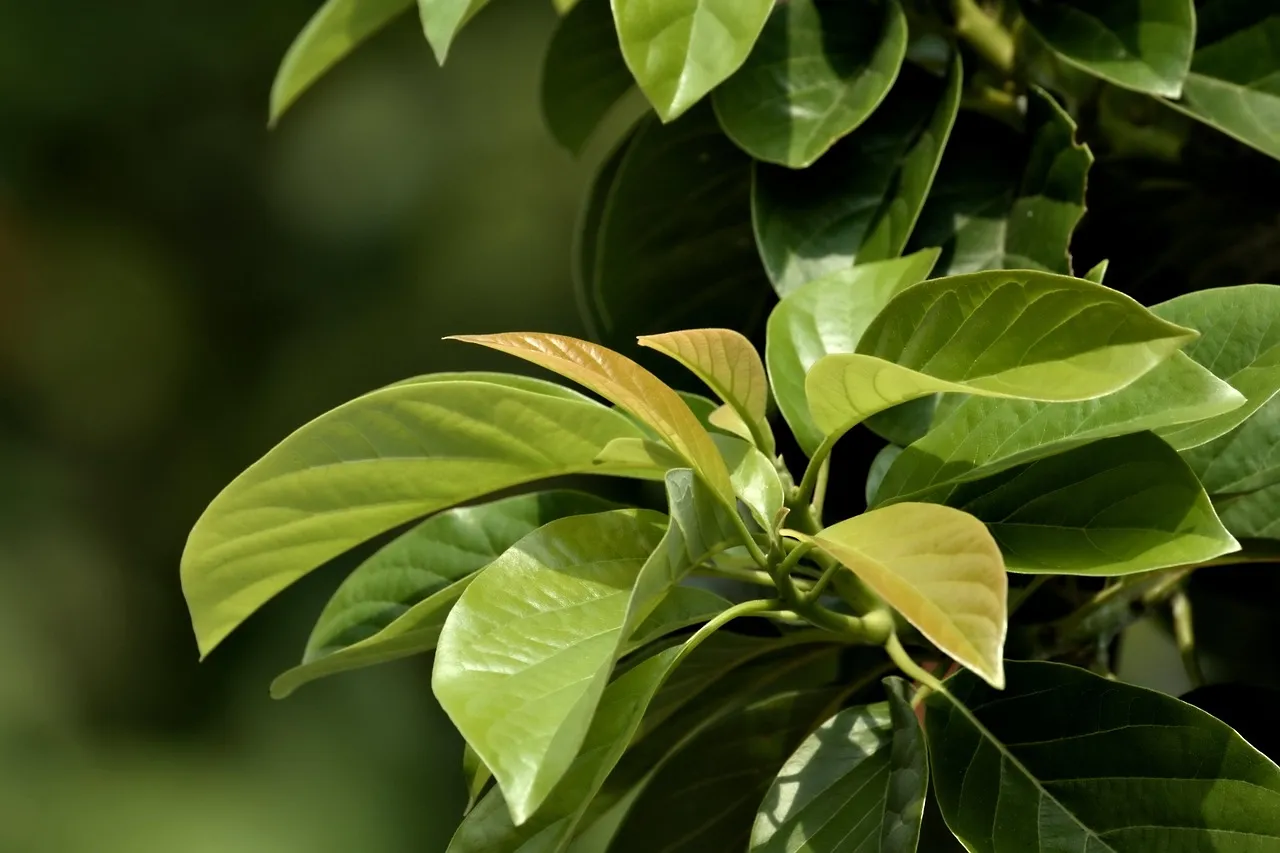
Plants sprout new leaves and roots and grow toward or away from light and gravity, all of which requires the growth hormone auxin. What’s striking about auxin is that its effectiveness is strongly tied to the time of day, or rather, the time of night.
When auxin is given during the day, plants show little if any increase in growth response. When it is given at night, they show a clear response that peaks just before dawn. This differential response confirms that auxin signaling is gated by the plant’s internal rhythms.
Nocturnal growth is regulated by internal circadian clocks, hormone dynamics, especially auxin redistribution and gibberellin activation, and environmental cues like temperature drop and humidity rise. Pumpkins draw on all of these simultaneously.
Vapour Pressure Deficit: Why Daytime Is a Problem
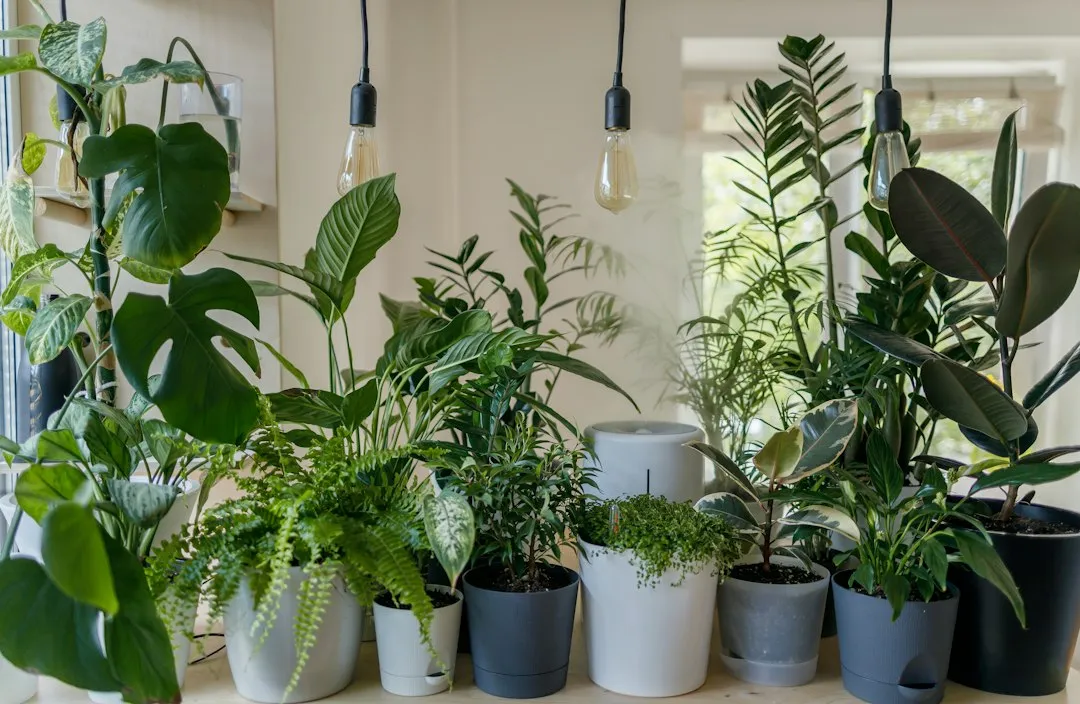
During the day, the air around a plant is warm and dry. That creates what scientists call a high vapour pressure deficit, the difference between the moisture in the air and the maximum moisture the air could hold. For plants trying to expand, this is a significant obstacle.
Trees, and plants more broadly, grow mainly at night, with a peak after midnight, when the vapour pressure deficit is among the lowest. A high vapour pressure deficit strictly limits growth and allows little expansion during daylight hours, except in the early morning.
High temperatures increase evaporation and transpiration rates, which can reduce water availability and lower turgor pressure. Lower turgor pressure means slower or halted expansion, which is exactly why the cool, humid night is a better environment for a pumpkin to grow.
Temperature Drop as a Growth Signal
Cooler nighttime temperatures do more than reduce water stress. They appear to act as a cue that signals cells to begin expanding. The drop in temperature is one part of the environmental “handshake” the plant uses to confirm that it’s time to grow.
A particular soil water potential resulted in higher or lower growth depending on the actual time of day, with nocturnal conditions allowing growth over a much larger range of soil moisture conditions compared to daylight hours. This gives nighttime growth a built-in resilience that daytime growth simply lacks.
Elevated temperatures increase transpiration rates, potentially reducing water content and turgor unless water uptake compensates. Low humidity accelerates water loss, posing similar challenges. At night, both of those problems largely disappear, freeing the pumpkin to expand.
Gibberellins and the Cell Wall Connection
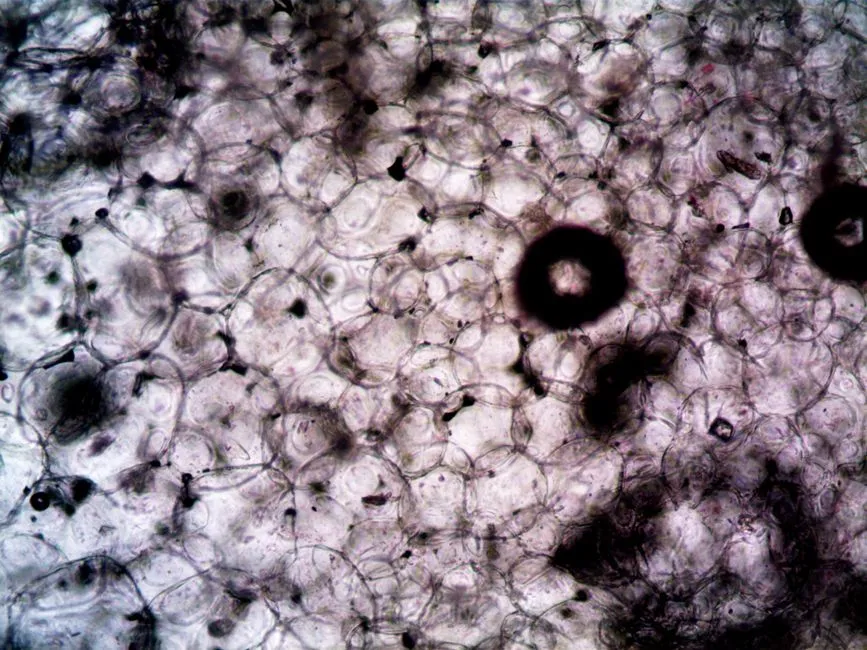
Plant growth exhibits rhythmic characteristics, and gibberellins are involved in regulating cell growth, though how they interact with circadian rhythm to regulate cell elongation has been an active area of study. Recent research has helped clarify this relationship in meaningful ways.
The number of circadian-regulated genes that reached peak expression in darkness was greater than those peaking in light, and the upregulated genes were mainly enriched in cell wall synthesis. The cell wall construction process also exhibits a circadian rhythm, and this process is regulated by the circadian rhythm system.
Cellulose and lignin synthase genes display circadian expression patterns, and lignin synthesis genes exhibit circadian fluctuations at the transcriptional level. This indicates that the expansion and synthesis of cell walls are controlled by the circadian rhythm system. For pumpkins, this means the structural machinery for growth literally turns on at night.
What This Looks Like in Real Time
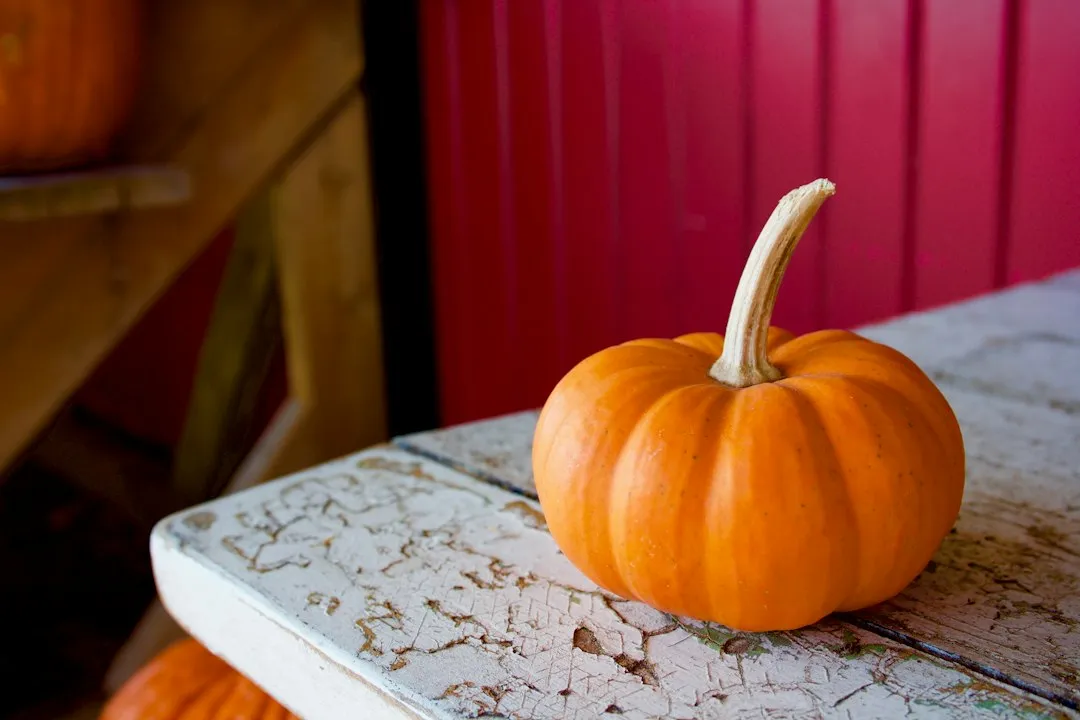
Time-lapse footage of pumpkins growing, studied by researchers at Indiana University’s Plants-In-Motion lab, makes the nocturnal growth rhythm unmistakable. The fruit swells visibly in the dark hours and barely moves during the day. The pattern repeats consistently across each 24-hour cycle.
So much is going on that a plant’s shape actually changes. Scanning with lasers shows that many plants bend and pulse at night. In the case of one magnolia tree, measurements revealed a cycle of movement three times a night, with each cycle taking about four hours. Pumpkin vines show similar, if less dramatic, rhythmic movement.
As botanist Peter Thomas has noted, trees and other plants are not dormant or asleep in the cool of the night. Trees do most of their growing at night, perhaps because water stress is lower. For pumpkins, that observation holds just as well.
What Gardeners Can Take Away From This
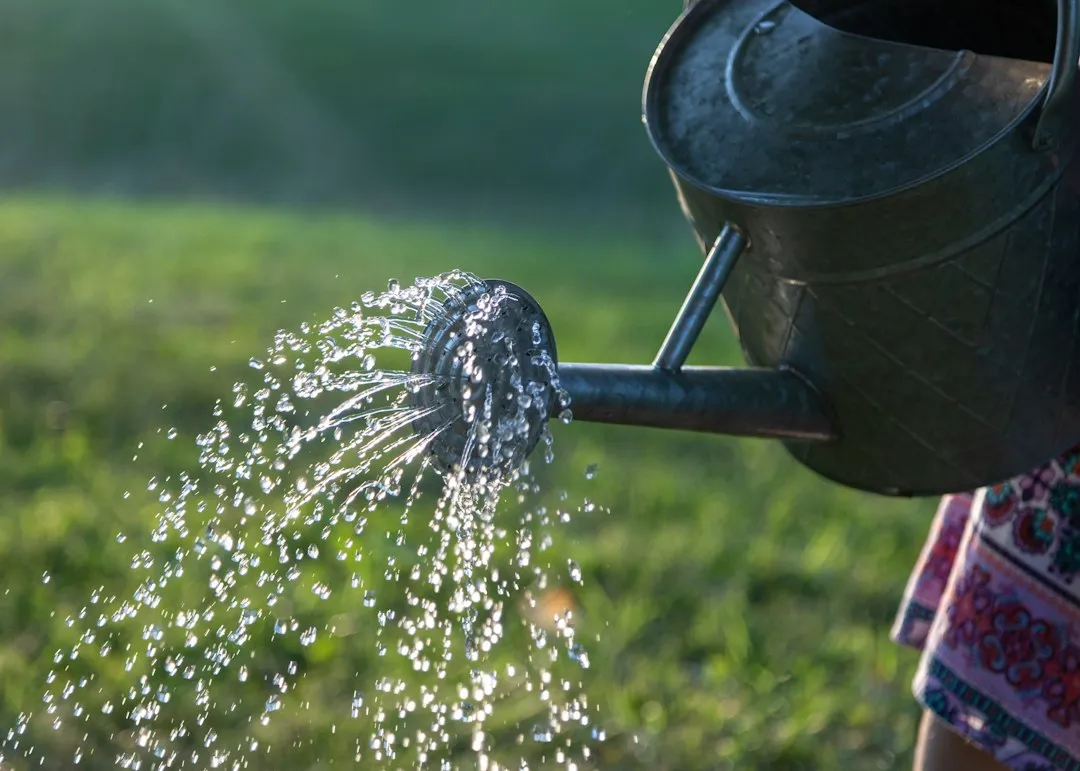
Understanding nighttime growth has practical implications for anyone growing pumpkins. Watering in the evening, for instance, ensures that soil moisture and cell hydration are at their peak exactly when the plant needs it most, during those critical overnight expansion hours.
Root pressure and cell expansion peak overnight, increasing water demand. Evening watering aligns with that demand rather than working against it. Morning watering, by contrast, feeds a period of relatively low growth activity.
Research has shown that the circadian rhythm plays an important role in regulating plant growth and development, and that factors such as light, temperature, and humidity can all affect this process. Gardeners who account for these factors give their pumpkins the best possible conditions to reach their potential size.
The Bigger Picture of Nocturnal Plant Biology
Pumpkins are a vivid example of something that holds true across the plant kingdom. Growth is not a passive, sunlit process. It’s a carefully timed sequence of hormonal signals, water movements, and cellular mechanics, much of which unfolds in the dark.
From an adaptive standpoint, an internal clock allows plants to respond to stimuli such as sun, rain, and being eaten in the context of regular rhythms of the inescapable world around them. Nighttime growth is one expression of that deep evolutionary logic.
The circadian clock coordinates growth by synchronizing phytohormone gene expression, allowing a plant to control growth in a condition-specific manner. For pumpkins, that condition-specific moment is consistently after sundown, night after night, from summer through harvest.
Final Thoughts
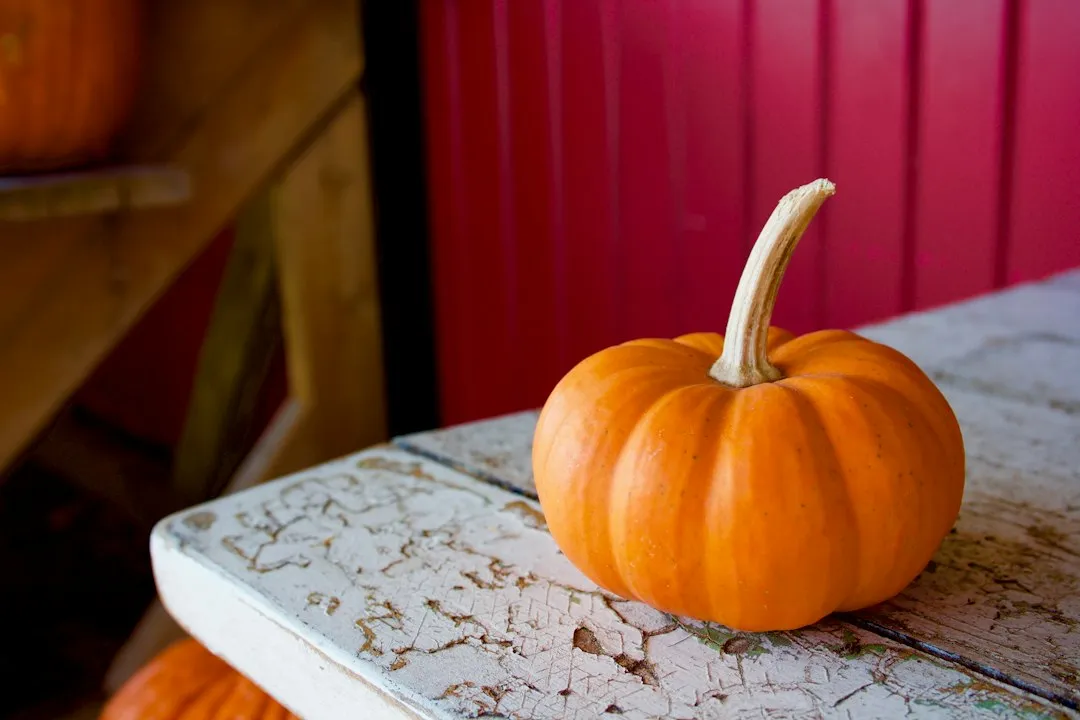
There’s something quietly remarkable about the fact that those large, heavy pumpkins on autumn porches did most of their actual growing in the dark. Every overnight stretch was a coordinated biological event: water rushing into cells, hormones activating, cell walls stretching in sync with an internal clock that no one ever set.
The science here is well established across multiple fields of plant biology, from circadian clock research to turgor pressure mechanics to hormone studies published in peer-reviewed journals. None of it is guesswork. It’s simply how plants work.
Next time you check on a pumpkin patch in the morning and something looks bigger than it did at dusk, you’re not imagining it. You’re just catching up to what happened while the rest of the world was asleep.
AI Disclaimer: This article was created with the assistance of AI tools and reviewed by a human editor.