

Most gardeners plant their tomatoes with high hopes, then watch a perfectly healthy plant turn into an impenetrable wall of green with surprisingly little fruit. The culprit is usually not the soil, the weather, or the variety. It’s the suckers, those small but persistent shoots quietly diverting energy that should be going straight to your harvest.
Sucker pruning is one of the oldest practices in kitchen gardening, yet it’s also one of the most misunderstood. Understanding when to do it, how to do it, and why it works can genuinely transform what comes out of your garden each season.
What Exactly Is a Tomato Sucker?
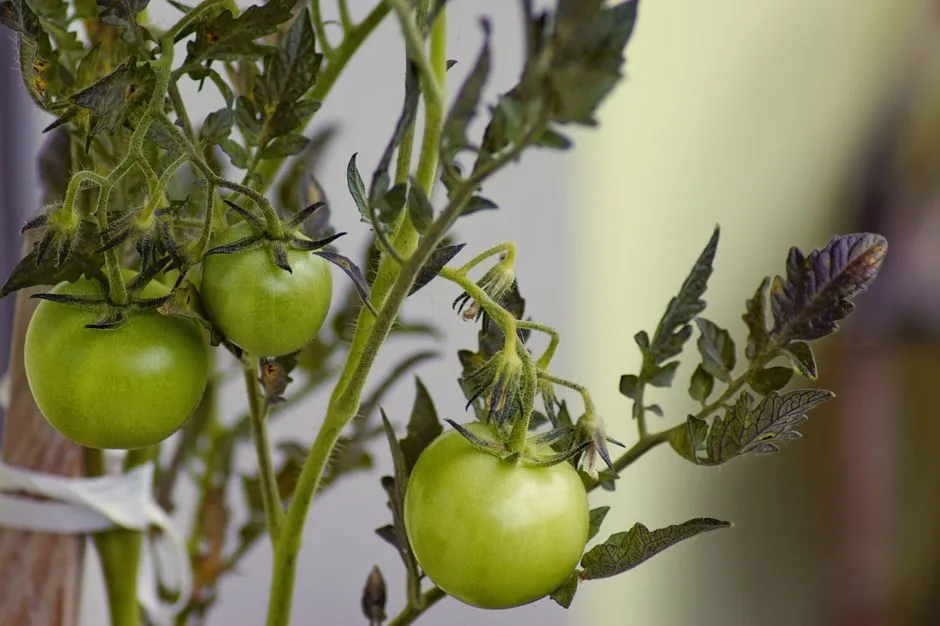
Tomato suckers, also known as side shoots or axillary shoots, are small branches that grow in the leaf axils of tomato plants. They emerge as new growth points from the main stem, often between the main and leaf stems.
A tomato “sucker,” more accurately, is a secondary stem or side-shoot, and it will eventually produce flowers and fruits. So the name is a little misleading. These shoots are capable of becoming full stems, even whole plants. They’re actually capable of becoming an entirely new plant if you were to root them, just another incredible way that plants have to multiply themselves.
Suckers that emerge in mid- to late season are nearly always weak, produce inferior fruit, and drain energy from the main stem. Suckers near the bottom of the plant are stronger than those near the top, because the plant’s sugar concentration decreases up its height.
The Energy Diversion Problem
Pruning indeterminate tomatoes improves fruit production by removing extra growth that diverts energy away from developing fruits. It’s a simple equation: the more stems and leaves a plant supports, the less concentrated its resources are per fruit.
Most of the sugar produced is directed to the developing fruit since the only competition is a single growing tip. The result is large fruits that are steadily produced until frost. In general, more stems means more but smaller fruits, which are produced increasingly later in the season.
With less available light, the older leaves can reach a point where they draw more sugars from the plant than they can produce themselves, having a negative impact on fruit production. Unchecked sucker growth pushes a plant rapidly toward that tipping point.
What the Research Actually Shows
Maximum yield per hectare was found in the treatment combining sucker pruning and old leaf removal, while minimum yield was found in the control treatment. Similar results reported that pruned plants were higher in yield than non-pruned plants of the same variety.
Sucker pruning of tomato plants generally improves the health of the plants and the quality of the fruit they produce. When properly pruned, tomato plants produced earlier fruit that were larger and higher in yield than non-pruned plants of the same variety.
A Purdue study found that there was a roughly one quarter increase in fruit size when suckers are pruned. It’s worth noting, though, that scientific evidence does suggest that pruning can have specific benefits, but the extent of its impact on yield can vary based on factors like tomato variety, growing conditions, soil nutrients, and pruning techniques.
Determinate vs. Indeterminate: The Rule That Changes Everything
Determinate varieties grow to a fixed height and set all their fruit within a two to three week window, making them self-limiting. Indeterminate types grow continuously until frost, producing fruit throughout the season on new growth.
Research shows that over-pruning determinate tomatoes can reduce yields by roughly a third to nearly half, because you’re removing fruit-bearing branches. This is one of the most common and costly mistakes home gardeners make without realizing it.
Determinate tomatoes need no pruning other than removing all suckers below the first flower cluster, because pruning won’t affect their fruit size or plant vigor. If you do any pruning at all above the first flower cluster on determinate tomatoes, you’ll only be throwing away potential fruit.
Airflow, Disease, and Why Density Is the Enemy

Pruning allows for more airflow within a plant, which reduces humidity and speeds the drying of any remaining leaves. This drier environment is less favorable for fungal and bacterial disease development.
Good airflow prevents the humidity buildup that fuels fungal diseases like early blight, septoria leaf spot, and powdery mildew. Research shows that proper spacing and selective pruning can reduce disease incidence by between a third and half.
Fungal spores like septoria leaf spot naturally reside in garden dirt. When heavy rain hits bare earth, it splashes mud and microscopic spores onto the lowest tomato leaves. The infection starts at the bottom and slowly travels upward, eventually killing the entire vine. Keeping the canopy open is the simplest defense available to any gardener.
The Single-Stem and Double-Stem Methods Compared
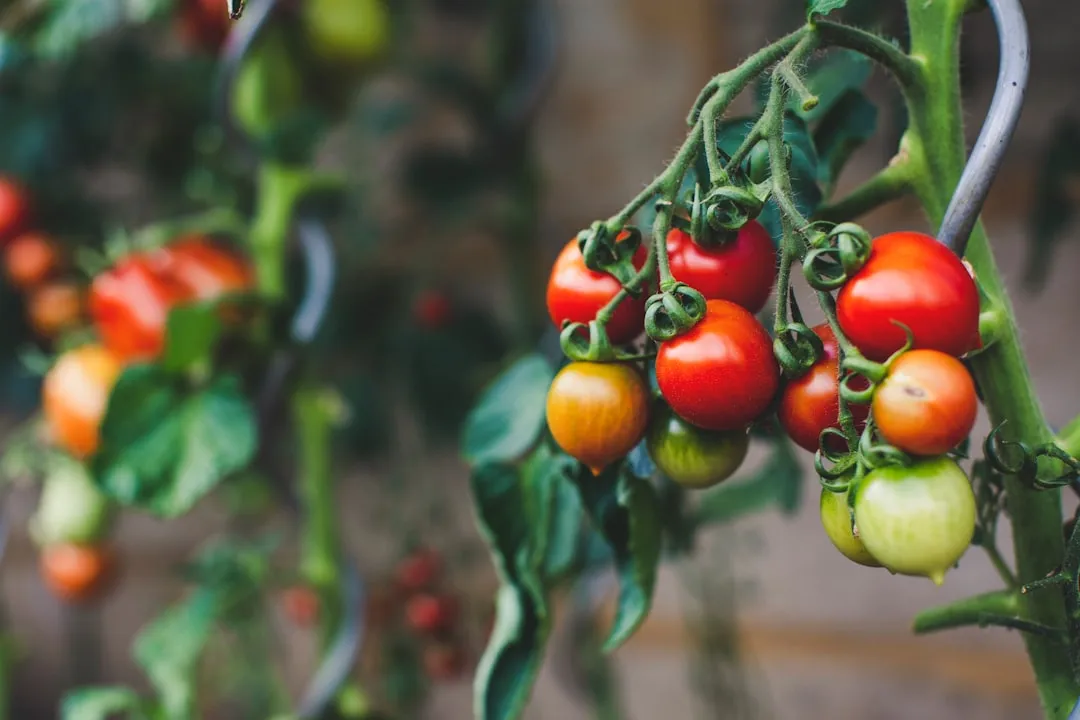
Single-stem pruning, which means removing all suckers, produces the largest individual fruits. Double-stem pruning, keeping one main sucker, increases total yield while maintaining good fruit size.
The two-stem technique involves keeping one main stem and one strategic sucker positioned below the lowest fruit cluster. This balances disease prevention with yield by directing energy to two productive stems instead of many.
Remove every sucker from the plant except for the first one below the lowest flower or fruit cluster. That sucker is the strongest one on the plant and should be left to grow and bear fruit as a second stem. This approach is widely recommended and suits most home garden setups.
When and How to Remove Suckers Correctly
Start pruning in late June or early July when the first tomato flowers are open and easy to identify. Continue with a second and third pruning every ten to fourteen days following the first pruning.
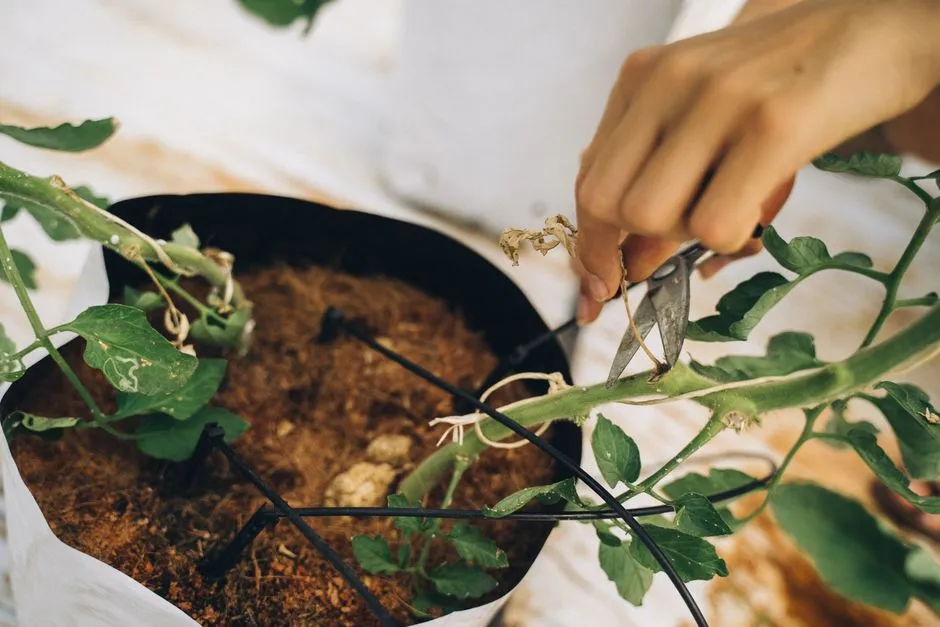
Remove suckers when they’re two to four inches long by pinching with your fingers as they’ll snap cleanly at this size. Performing this task when the suckers are under two inches long prevents massive wounds. Small snaps heal almost instantly.
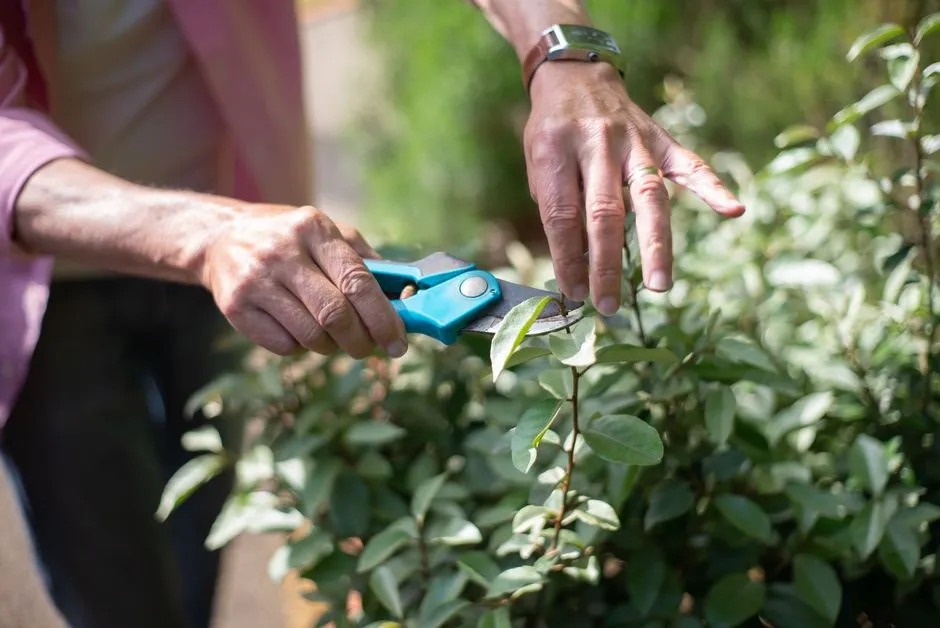
Decontaminate scissors or pruners before pruning and between each plant by treating them for at least thirty seconds with rubbing alcohol. Decontamination will help prevent the spread of disease-causing fungi, bacteria, and viruses.
Missouri Pruning: The Smart Alternative for Hot Climates
The University of California, Davis recommends “Missouri pruning,” where you allow two leaves to remain on the sucker and snip off the rest. It’s a middle path that suits gardeners who’ve fallen a little behind on their schedule.
Missouri pruning reduces shock to the plant. It’s especially helpful for those in hot, sunny climates or when suckers have gotten large. The remaining leaves contribute to photosynthesis, boosting the plant’s energy production. They also provide shade for the fruit, helping to prevent sunscald in sunny climates.
The downside of Missouri pruning is that the remaining suckers will grow new suckers. Carefully monitor plants when you prune sucker tips only. The method calls for more frequent follow-up, but it protects fruit from heat damage in warmer regions.
The Lower Leaf Removal Strategy That Completes the Picture

Begin removing the lower six to twelve inches of leaves once your tomato plants reach twelve to sixteen inches tall, typically shortly after transplanting. This critical practice prevents soil-borne diseases like early blight and septoria leaf spot from splashing onto foliage during rain or irrigation.
Defoliation is a common practice in tomato production that makes crops more manageable, prevents conditions conducive to fungal attack, and increases the exposure of the fruit to light, especially in winter conditions.
As plants get taller, you can continue removing lower leaves up to eighteen inches from the ground, to help keep disease from spreading. Pairing lower leaf removal with regular sucker pruning is a genuinely effective one-two defense against the most common tomato problems.
Common Mistakes That Undermine the Whole Effort
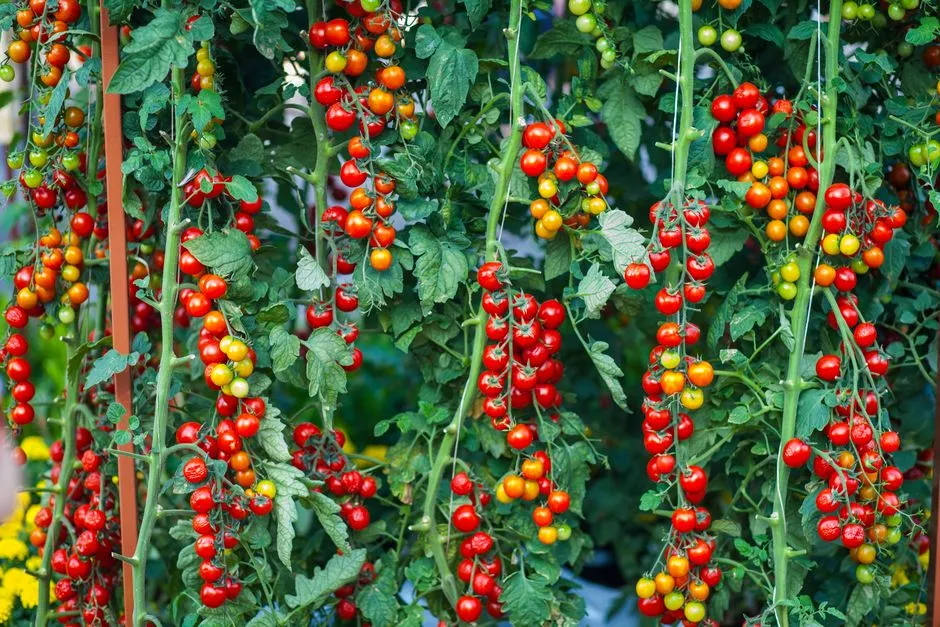
If you put off pruning tomato plants too long, those little suckers will grow into large, heavy branches that can weigh down the plant and prevent sunlight and air from reaching its stem. Those suckers-turned-branches also use up a lot of the plant’s energy that could have been diverted to producing more and bigger fruit.
If you discover suckers eight to twelve inches long with their own branching structure, removing them entirely creates a large wound that’s vulnerable to disease. At that point, Missouri pruning is the safer call. If your tomato plant is overgrown and full of large grown suckers, don’t remove more than thirty percent of the plant’s greenery in one shot.
Avoid pruning immediately after transplanting or during periods of stress like heat waves or drought, since fresh cuts can slow recovery. Timing matters almost as much as the cut itself. Prune when the plant is settled, the weather is dry, and the shoots are still small enough to pinch cleanly.
A Closing Thought on Control and Patience
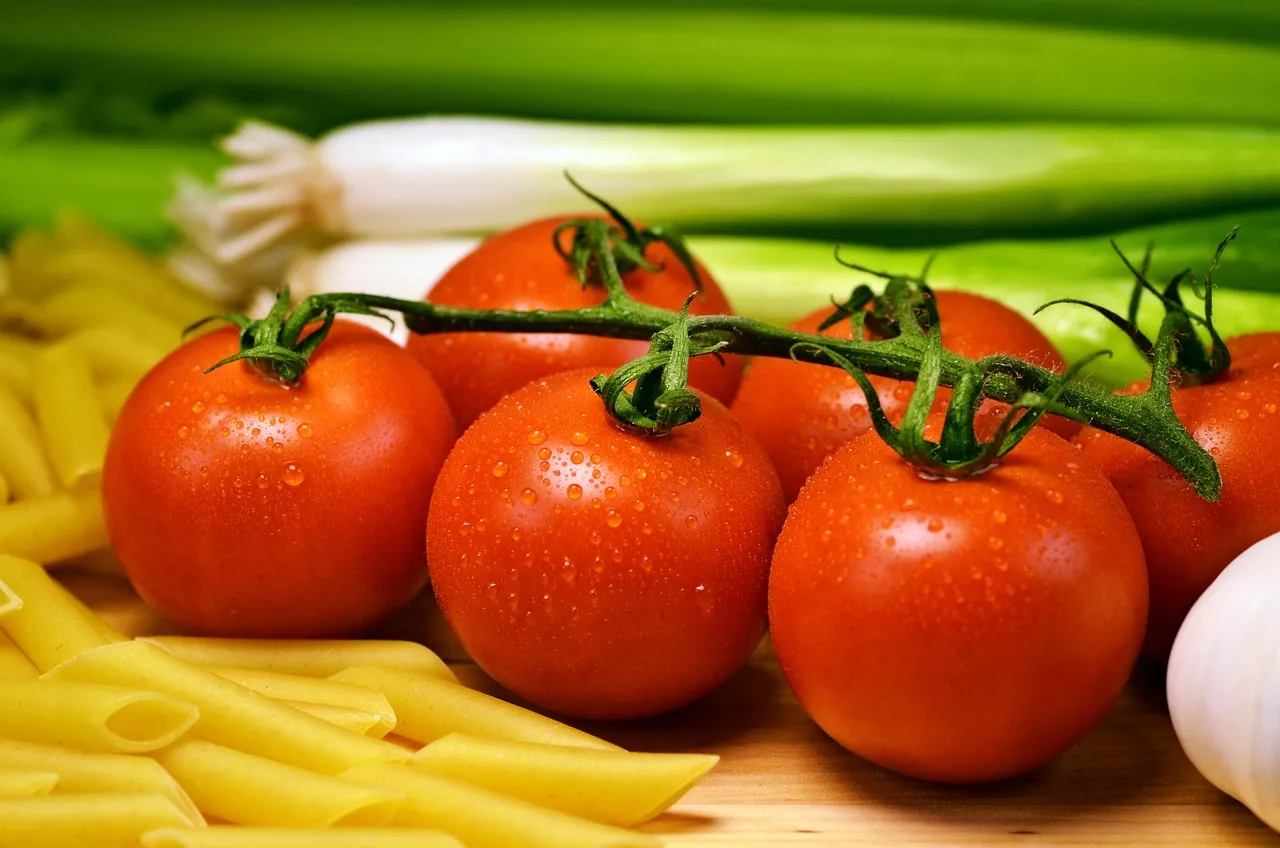
Pruning tomato suckers isn’t a dramatic intervention. It’s a quiet, consistent discipline, repeated every week or two through the growing season, that gradually shapes what your plant prioritizes. By removing those suckers, your tomatoes have no option but to continue growing upwards from the main stem and produce trusses of flowers and fruit. By concentrating the plant’s energy onto flower and fruit production, you’ll get those first tasty tomatoes a lot sooner.
The gardeners who see the biggest results aren’t necessarily doing anything dramatic. They’re just showing up regularly, pinching early, and giving their plants one clear direction. That kind of steady attention, it turns out, is exactly what a tomato plant rewards.
AI Disclaimer: This article was created with the assistance of AI tools and reviewed by a human editor.