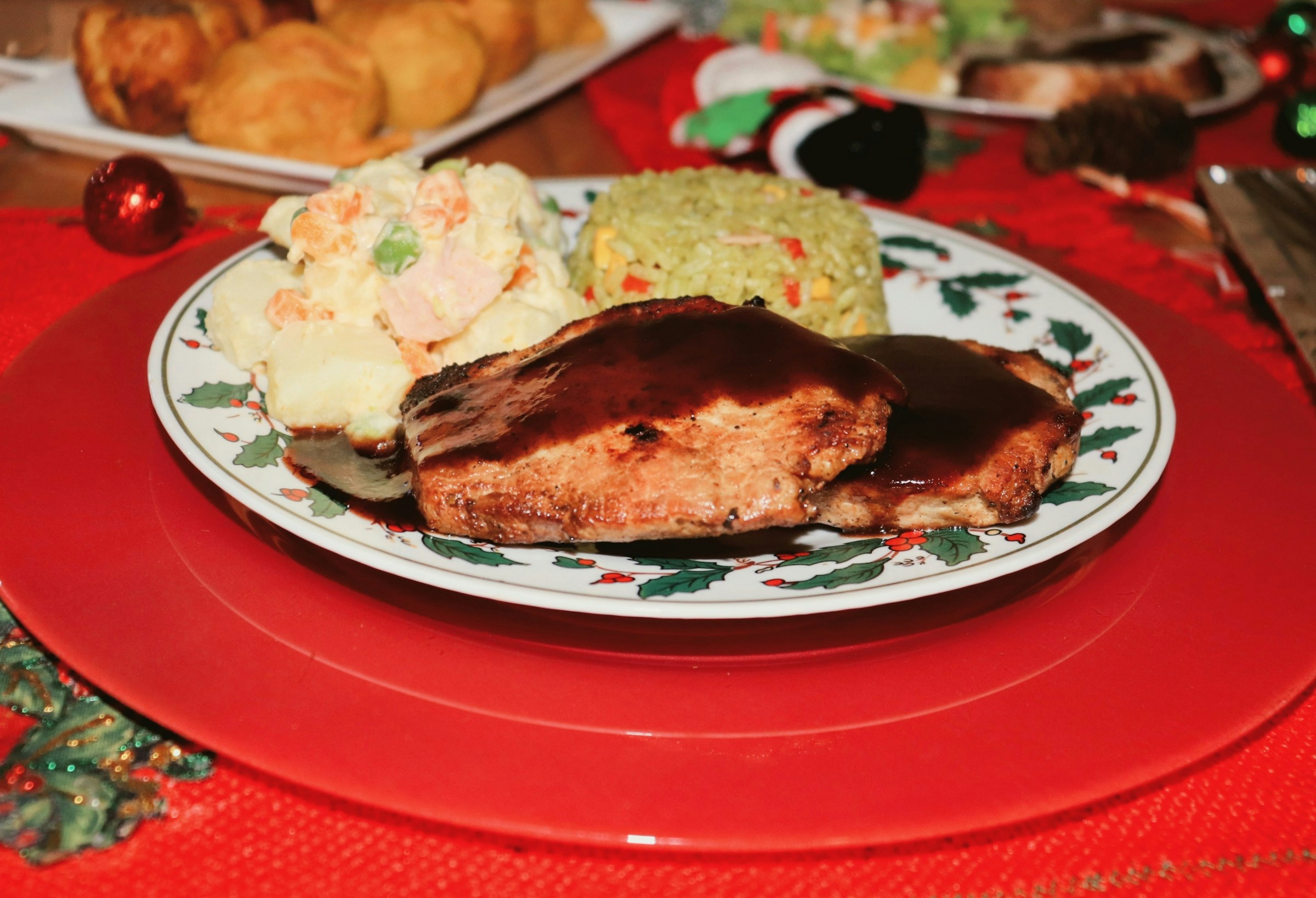

It Started in England, Long Before It Was an American Tradition
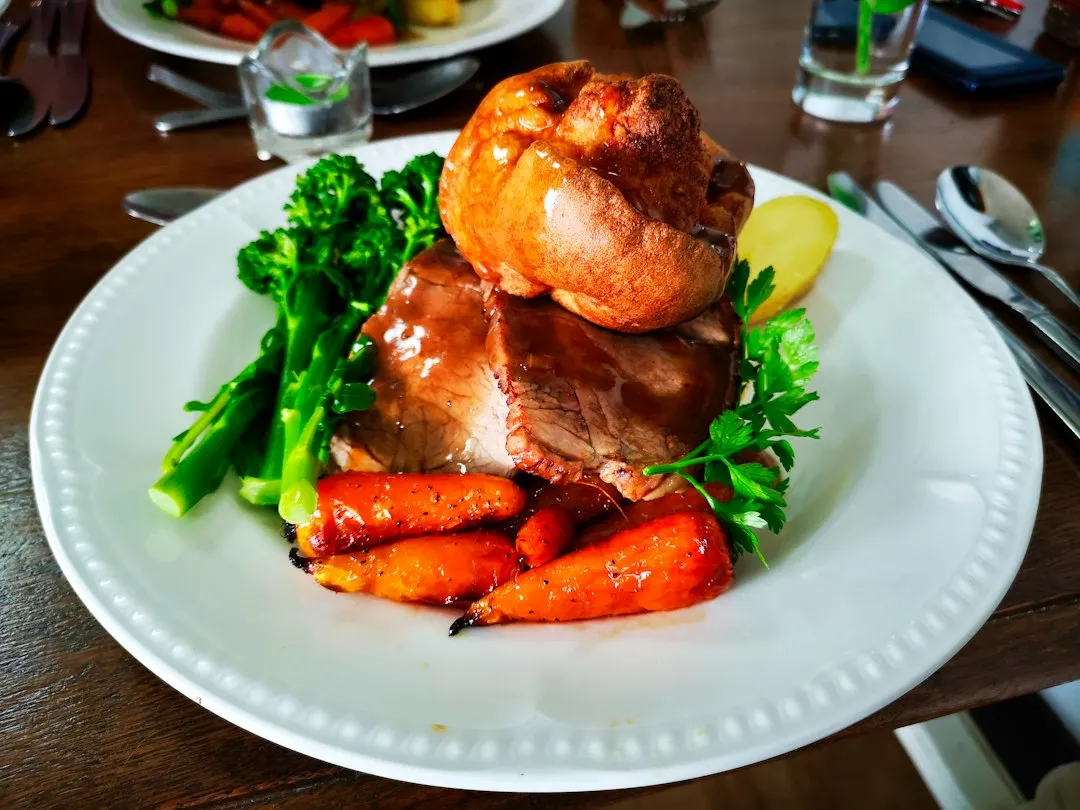
The origin of prime rib is believed to lie in Great Britain, where households recognized the standing rib roast as a traditional “Sunday Roast,” serving it with potatoes, stuffing, gravy, and vegetables. The meat would cook for long hours in the oven as the family attended church services, making it a deeply practical ritual as much as a festive one.
The tradition of serving prime rib during Christmas dates back to the Victorian era in England, where large roasts were associated with festive gatherings. British immigrants in the 19th century introduced these roasting traditions to North America, where they blended with local customs to become part of holiday and special occasion meals.
The Industrial Revolution Made It Possible for Ordinary Families
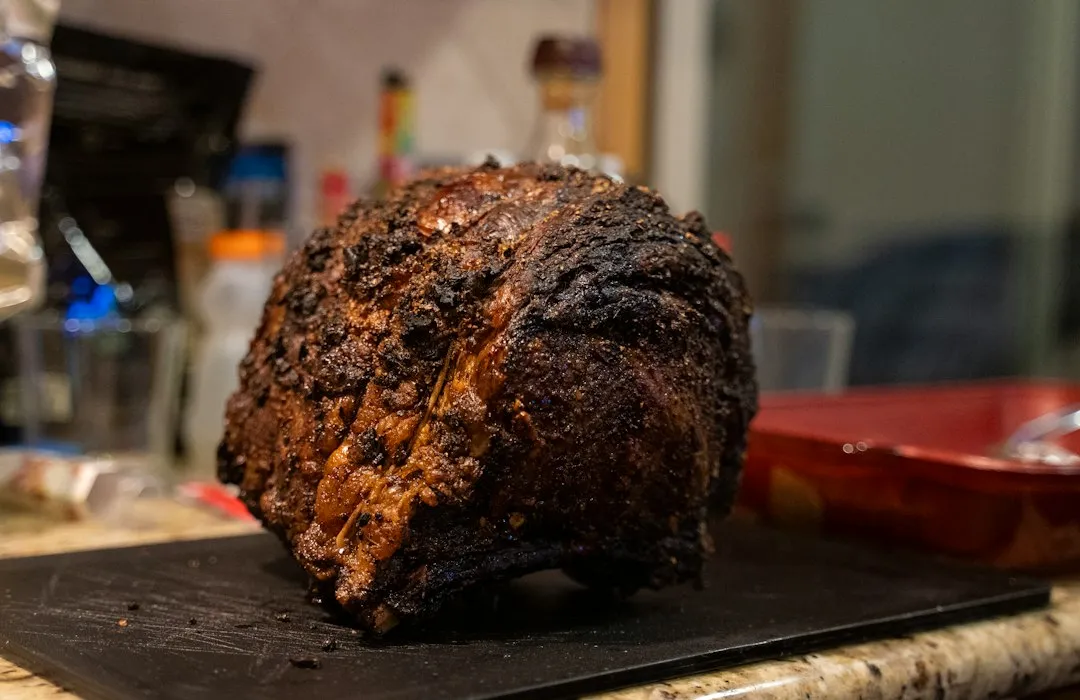
A prime rib as the Christmas centerpiece first became popular during the Industrial Revolution, a time when meat butchering standards improved to the point where more families could enjoy high-quality beef dinners. Before that shift, a cut this large and this rich was largely out of reach for most households.
The commonly held reason for this is that the Industrial Revolution is when the standards around butchering meat improved, which allowed a greater number of families residing in the United States, Australia, Ireland, and the United Kingdom access to more cuts of beef. An additional reason prime rib became popular was that, prior to the 1940s, it was considered an economical option for a holiday meal.
Post-War Prosperity Turned It into a Symbol of Success
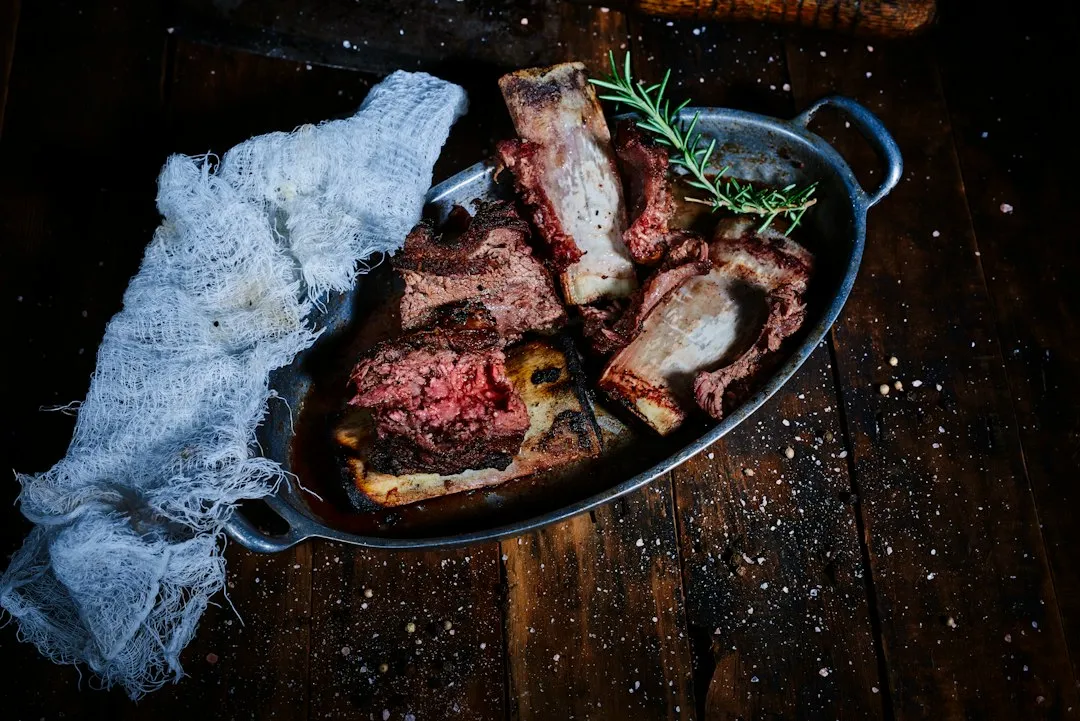
After World War II, holiday entertaining blossomed, and prime rib became associated with Christmas, New Year’s Eve, and cold-weather celebrations, when a warm oven and good smells made a house feel alive.
In the 20th century, the standing rib roast gained prominence in the United States as “prime rib,” particularly in steakhouses following World War II during the 1940s and 1950s, when economic prosperity and a booming beef industry elevated it to a symbol of celebration. The standing rib roast became a signature dish in chophouses, such as Lawry’s The Prime Rib restaurant in Beverly Hills, which opened in 1938. Sunday prime rib dinners became a thing of comfort and luxury, the kind of slow-cooked home meal that embodied the rising middle class.
Cookbooks and Magazines Brought It Into the Home Kitchen
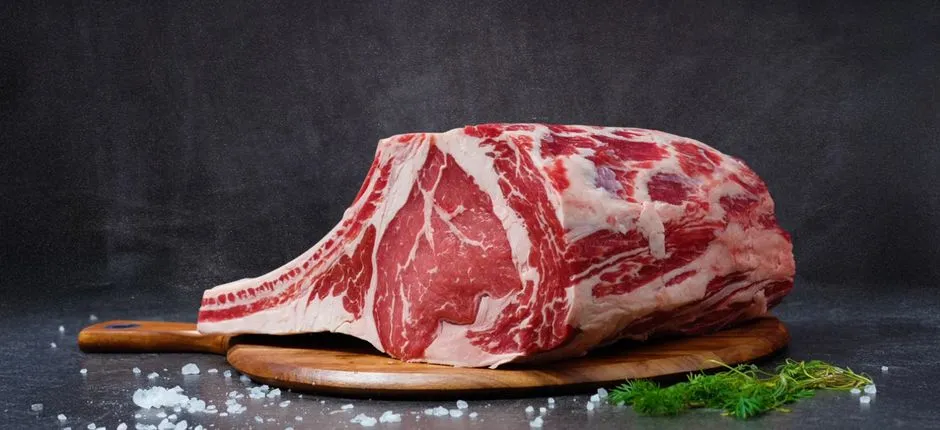
Cookbooks including Betty Crocker’s Picture Cook Book, published in 1950, and updated editions of The Joy of Cooking, along with magazines like Ladies Home Journal and Good Housekeeping, touted “company-worthy dinner roasts,” and prime rib entered its modern renaissance. It was associated with Christmas, New Year’s Eve, and cold-weather celebrations when a warm oven and good smells made a house feel alive.
These publications did something important: they translated a restaurant-style centerpiece into something a home cook could realistically pull off. Once the method was demystified on the printed page, the roast moved from the chophouse to the kitchen table.
It’s the Perfect Answer to the Turkey Problem
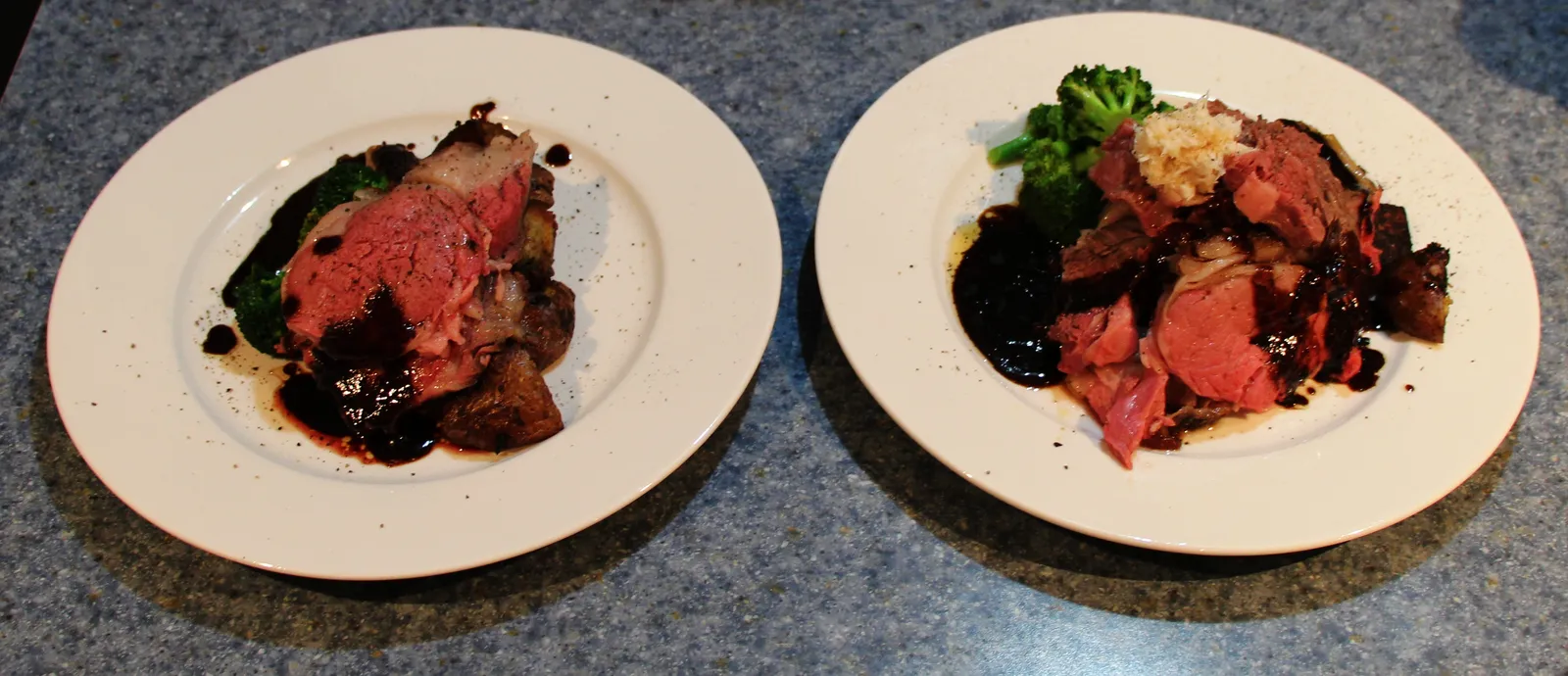
Here in the States, people eat so much turkey at Thanksgiving that for many, it’s hard to imagine doing it all over again a month later. When you consider that the country’s wide-open plains produce some of the finest beef in the world, this cultural swap makes a lot of sense.
Prime rib soon became a traditional Christmas meat, adorning the holiday tables of families in Australia, New Zealand, Ireland, Canada, the United States, and many other parts of the world. The logic is almost too simple: if Thanksgiving belongs to turkey, Christmas needed its own answer. Beef, it turned out, was a very good one.
What “Prime” Actually Means – and What It Doesn’t
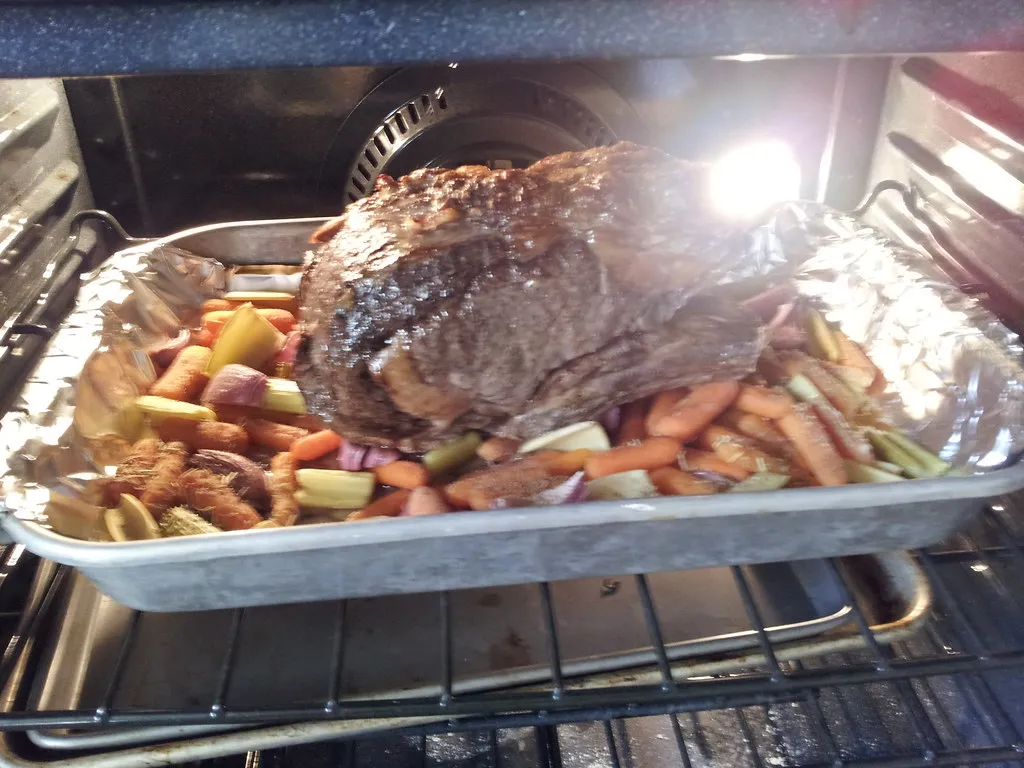
While the cut is often referred to as “prime rib,” the USDA does not require the cut to be derived from USDA Prime grade beef. The word “prime” is somewhat misleading. It does not reflect the official USDA grading system regarding the fat content, or “marbling,” of beef. It only means that it is the most desirable part of the rib section of the beef.
In the United States, the USDA has made it easy to grade prime rib as Prime, the best, followed by Choice, then Select. The grading is largely based on the fat marbling and taste. Less than two percent of all cattle receive this top grade, which is part of why a true USDA Prime roast feels like such an event.
The Science of Why It Tastes So Good
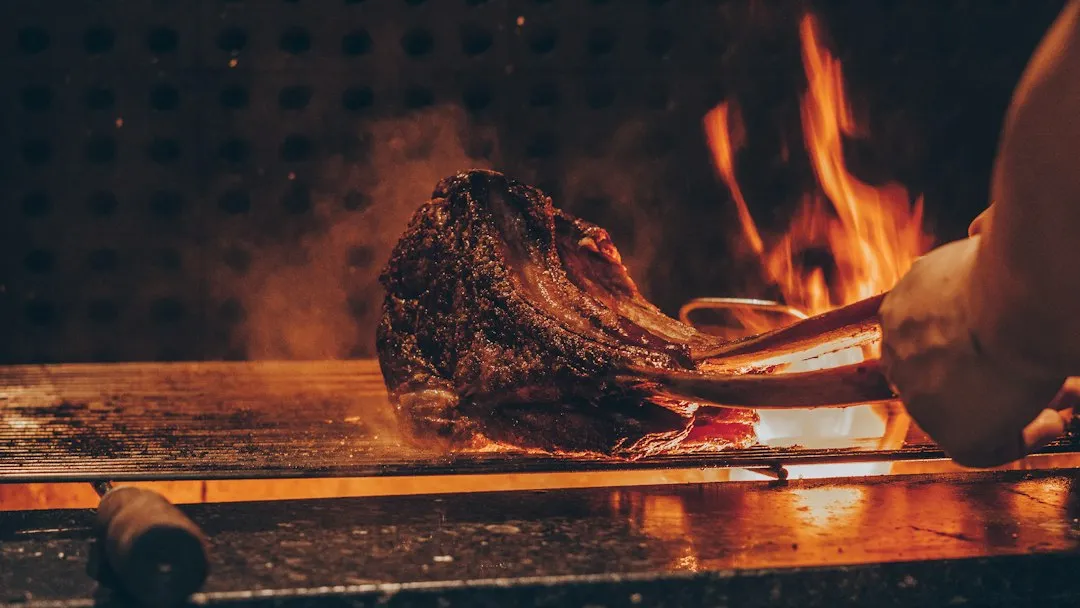
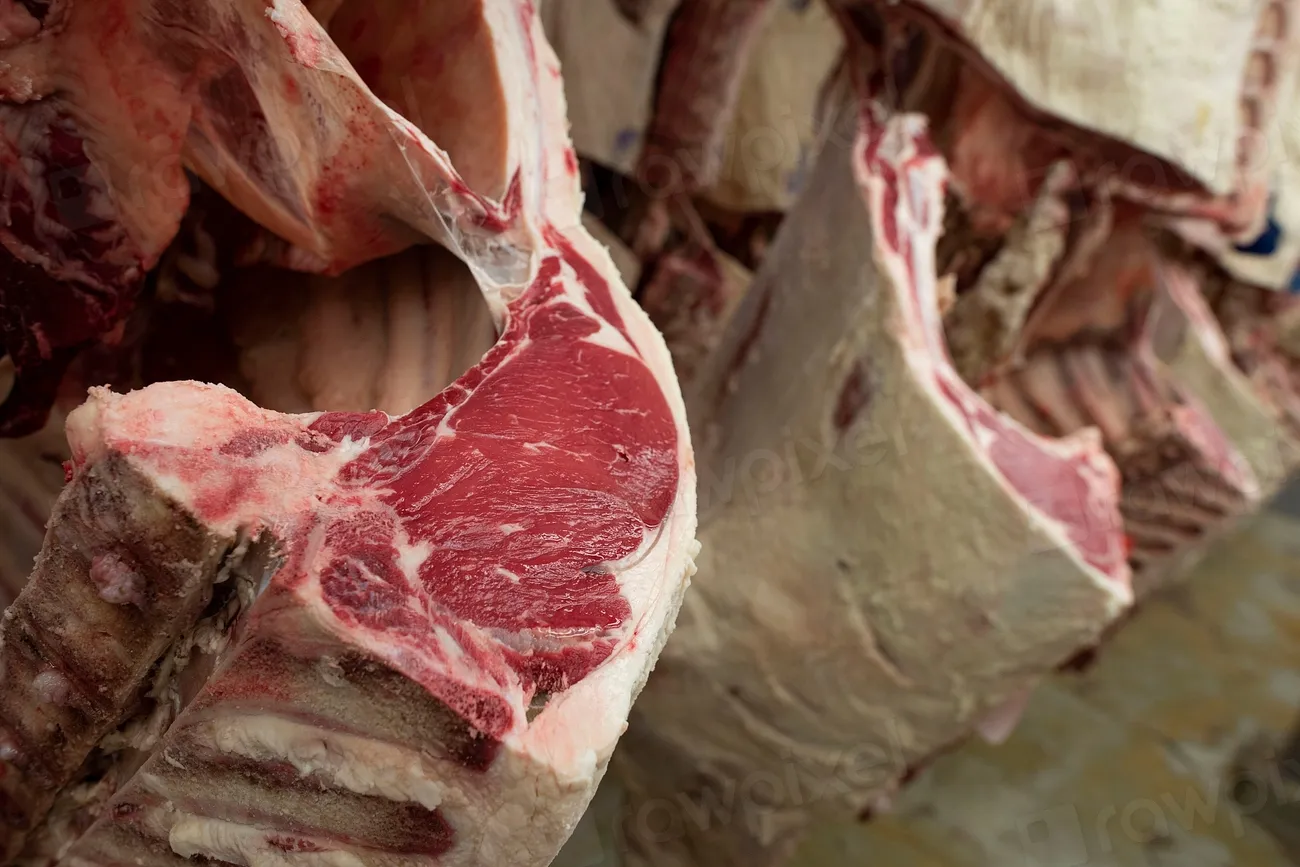
This popular cut of beef is derived from the animal’s primal rib, the area located behind the shoulder and above the lower back. The cut comes from ribs six through twelve and offers ample marbling, which contributes to its flavor and juiciness. In fact, the primal cut holds some of the most tender muscles.
Prime roasts have abundant marbling, which melts during the roasting process to baste the meat from the inside out. If your budget allows, Prime is the gold standard for a holiday roast. Prime rib is a classic cut from the beef rib primal, celebrated for its marbling, tenderness, and deep, beefy flavor. Traditionally roasted slowly to medium-rare, prime rib is considered an impressive holiday centerpiece thanks to its size and richness.
The Numbers Tell a Clear Holiday Story
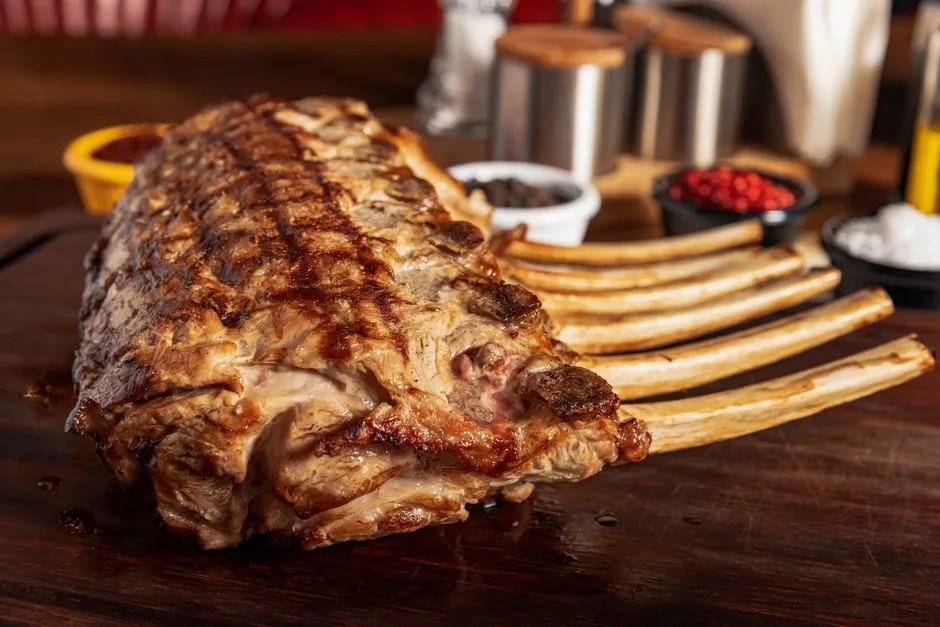
Consumers buy roughly seventy percent of all prime rib sold in the United States in a given year during the Christmas and holiday window, according to the National Cattlemen’s Beef Association. The stockpiling and flash-freezing of these cuts starts back in May. All summer, as grocery stores are selling mostly burgers for the backyard grill, the beef industry is already thinking about the biggest-ticket sale of the year: December’s standing roast.
According to Instacart data from 2024, the share of purchases for Ribeye Roasts surged over two thousand percent, while Prime Rib purchases climbed nearly two thousand percent, two days before Christmas compared to the yearly average. At Christmas in particular, the magnetism of a rib roast is real, with about 33 million pounds sold during one recent holiday season.
Rising Prices Haven’t Slowed Demand
Retail beef roasts averaged about $9.04 per pound in September 2025, compared to roughly $7.72 per pound in December 2024, representing about a seventeen percent increase year over year, according to national average price data via FRED and BLS. During the holiday period, wholesale prices for the rib primal can spike by thirty percent or more as grocery stores and restaurants compete for the limited supply.
Even as steak prices have climbed to an all-time high, and as serious climate and health concerns around beef have arisen, the demand for prime rib has grown over the past twenty years. That kind of resilience says something real about how attached people are to this particular tradition.
Presentation Is Part of the Point
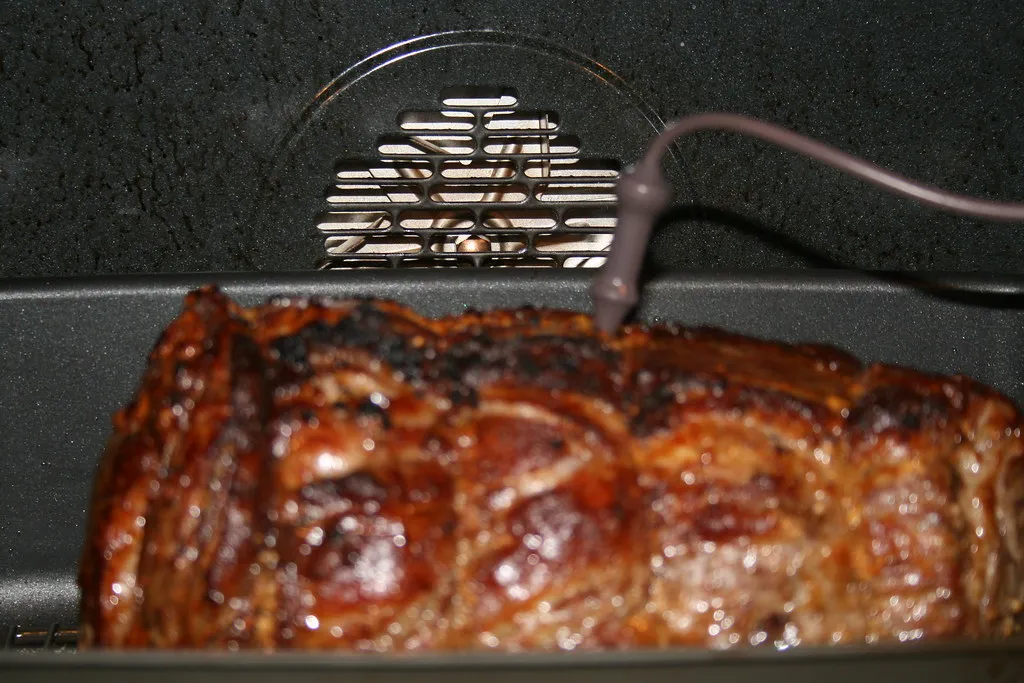
As meat processing improved and high-quality cuts became more available, families across the United Kingdom, the United States, and beyond began roasting standing rib roasts for their holiday feasts. It was a meal that symbolized celebration, prosperity, and gathering.
A bone-in standing rib roast provides a rich flavor and showy presentation, but a boneless roast cooks more evenly and is easier to carve. Prime rib, also known as a standing rib roast, became synonymous with luxury and celebration due to its rich flavor and impressive presentation. Setting it on the table uncarved, still on the bone, is a moment that no chicken breast or sliced ham can quite replicate.
The Takeaway
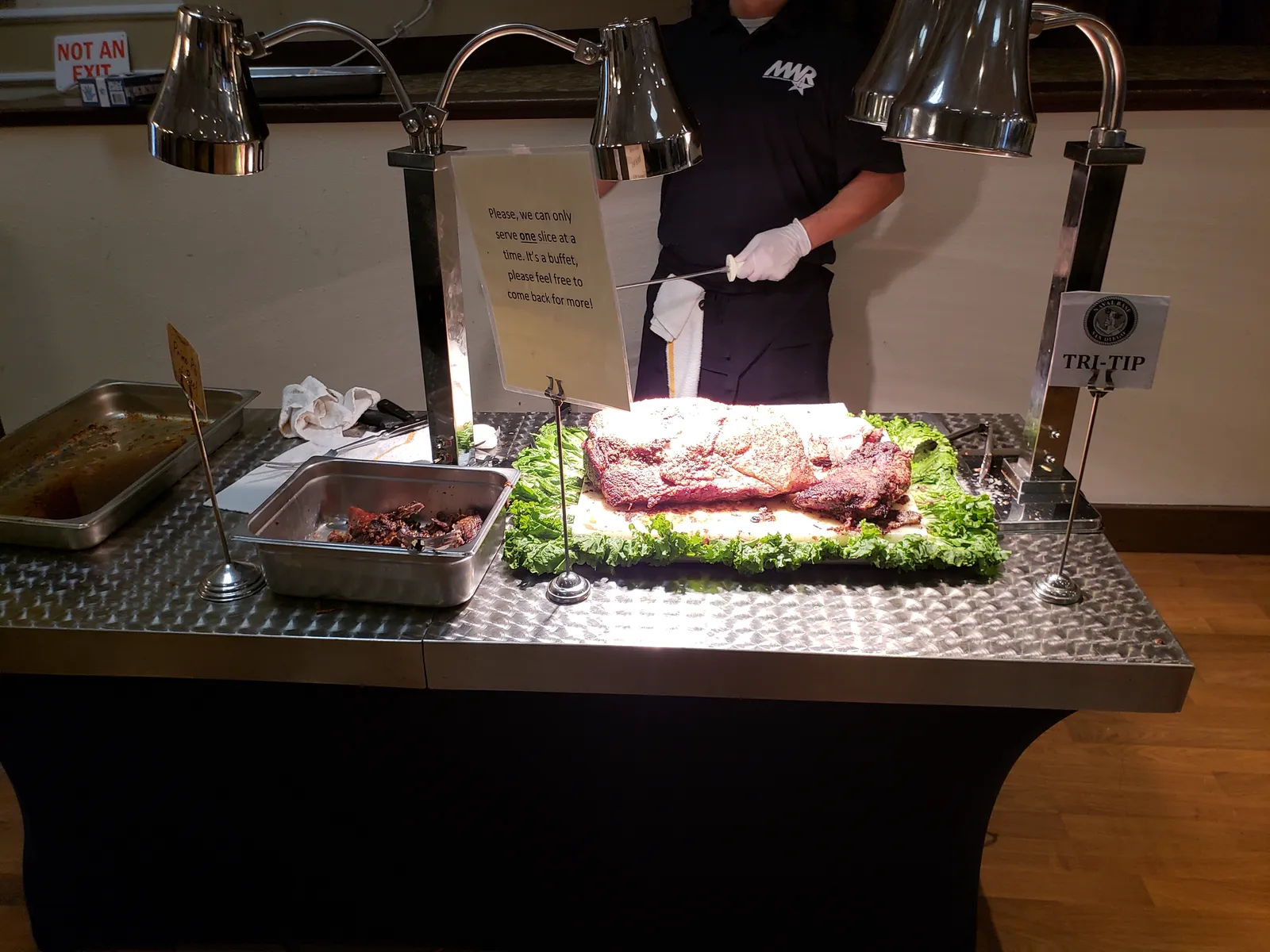
The story of prime rib at Christmas isn’t really about beef. It’s about what a family decides to signal when everyone gathers around the same table once a year. The cut carries history from British kitchens and Victorian feast days, traveled through the Industrial Revolution and America’s post-war prosperity, and arrived in the modern kitchen with its reputation intact. The American Christmas centerpiece has quietly moved away from turkey and toward beef, and that shift didn’t happen by accident.
It happened because a standing rib roast looks like effort, tastes like reward, and fills a house with exactly the kind of smell that makes people feel like they’re somewhere worth being. Some traditions earn their place, and this one has had over a century to do just that.
AI Disclaimer: This article was created with the assistance of AI tools and reviewed by a human editor.