
The Name Behind the Color: What “Haint Blue” Actually Means
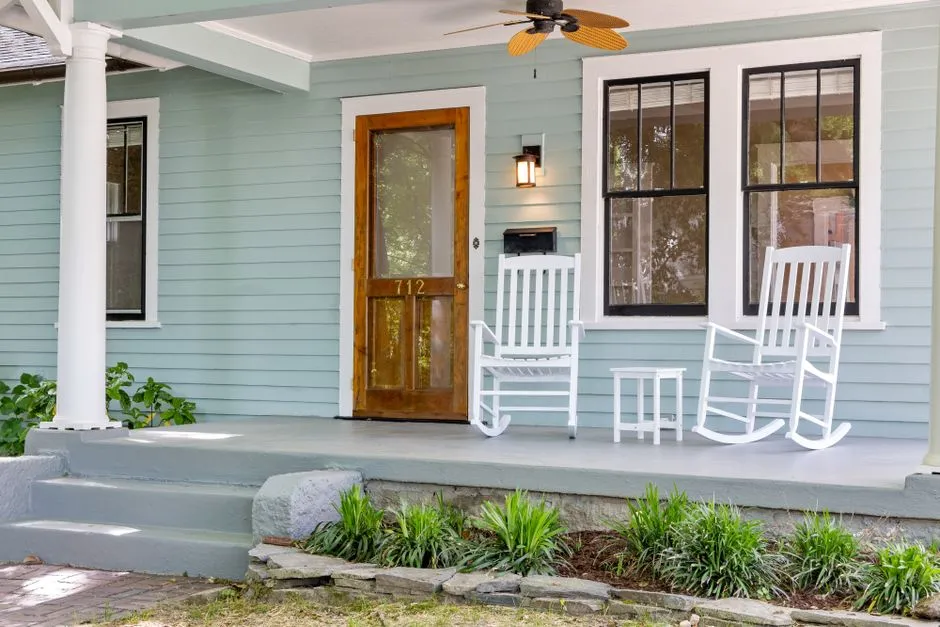
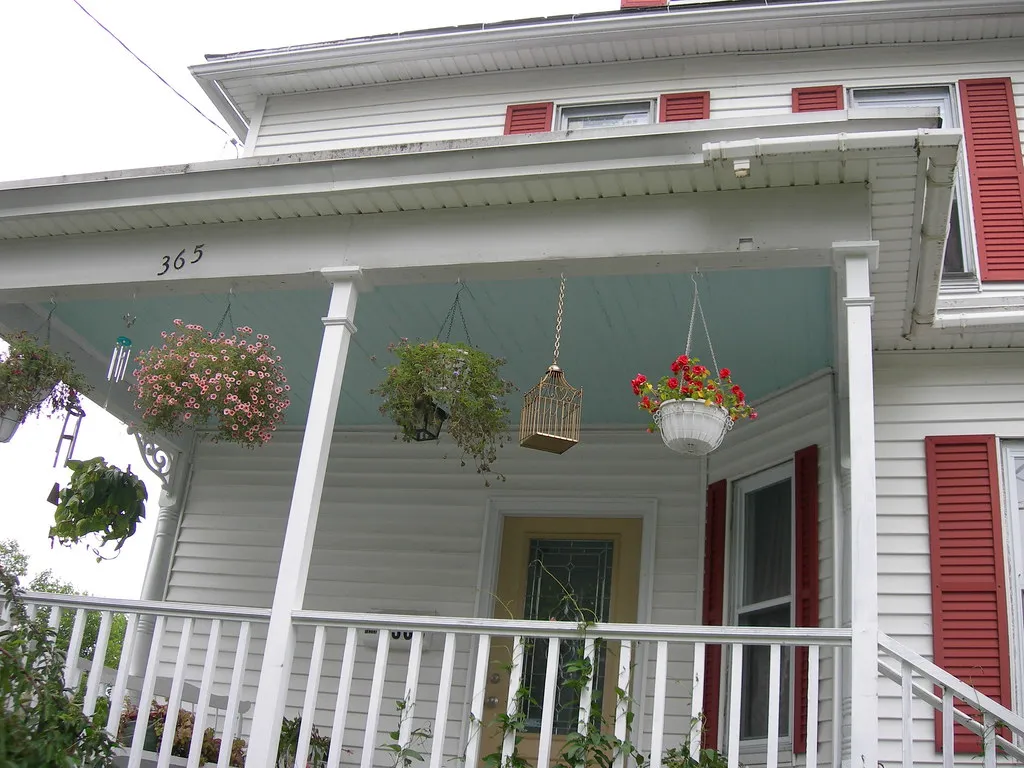
Haint blue is a tradition, not a single paint color. It refers to a family of soft, light blue-green shades historically painted on porch ceilings and door frames by the Gullah Geechee communities of the Lowcountry, who believed restless spirits known as “haints” could not cross water.
In Gullah Geechee cultural folklore, “haints” is a variation of the word “haunts,” referring to malevolent spirits known to wreak havoc. The color’s name, then, is literally named after the thing it was meant to repel. That’s a rare piece of folk etymology that most homeowners painting their porch ceiling today probably don’t realize they’re carrying forward.
The Gullah Geechee People: Where It All Began

Most historians attribute blue porch ceilings to the traditions of the Gullah Geechee people, descendants of Africans enslaved on rice, indigo, and cotton plantations of North Carolina, South Carolina, Georgia, and Florida. Over the centuries, Gullah Geechee culture, language, and traditions, including the use of “haint blue,” developed from a blending of West and Central African ethnic groups.
The distinctive hue is known as “haint blue,” and painting porch ceilings this color is a practice that dates all the way back to the 18th century. People of this time were influenced by spiritual traditions that included wearing blue beads and clothing, because it was thought to offer protection. The color wasn’t arbitrary. It was woven into a wider worldview about safety and spirit.
The Spirit World Connection: Haints and Water
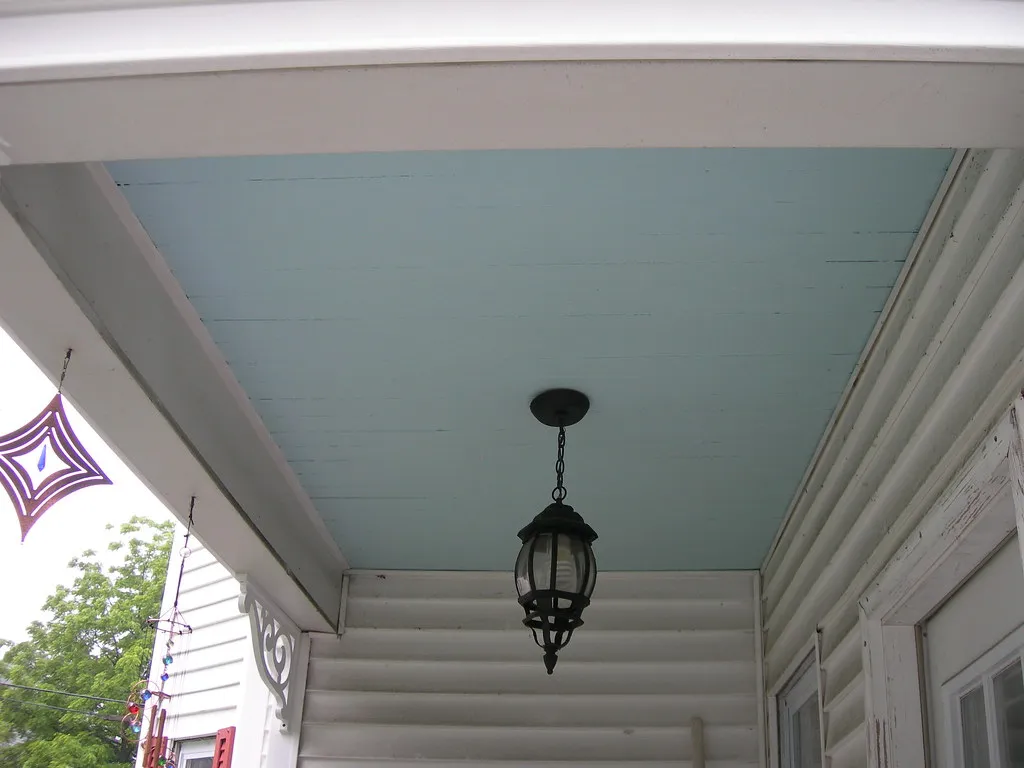
Gullah folklore held that ghosts, known as “haints” in the Creole dialect, could not cross water, and because blue resembles water, ceilings were painted this color to repel evil spirits.
Enslaved Africans and their Gullah Geechee descendants used blue pigment to ward off haints and “boo hags,” wandering, vengeful spirits they believed were unable to cross water. Painting doors, window frames, and porch ceilings a watery blue could confuse or repel those spirits, making the home safer.
Their beliefs often went beyond simply a blue porch ceiling, meaning that they also painted shutters, doors, and window frames using the same color to be on the safe side. The whole exterior of a home could become a kind of protective boundary.
How the Original Paint Was Made
To make the paint, they mixed the dregs from the indigo vats with lime, milk, and other pigments, producing a shade of robin’s egg blue that would eventually carry the name haint blue.
The original haint blue paints weren’t modern latex but milk paint or lime wash concoctions. Lye, or sodium hydroxide, is indeed a natural insect repellent and was even used in old cleaners and pesticides. Thus, a porch ceiling painted with an indigo-tinted mixture of lime, milk, and perhaps crushed oyster shells would create a surface bugs found unpleasant.
The Practical Side: Did It Actually Keep Bugs Away?
According to paint experts at Sherwin-Williams, the warding-off properties are an unproven legend based on other contributing factors. These include the fact that the popular shade was historically a variety of milk paint made with lye, which does have a proven deterrent factor with insects.
Lye is a known insect repellent, which would explain why insects and spiders would avoid nesting on a painted porch ceiling or ledge. As milk paint has a tendency to fade over time, people would usually need to repaint quite often, covering the existing coat with a new coat of paint, and the refreshed lye resulted in continued replenished repellence.
Original haint blue was milk paint mixed with lye, a genuine insect repellent, so old porches saw fewer nests. Modern acrylic haint blue contains no lye, and the color itself does not deter wasps or mud daubers. So the bug-repelling reputation has roots in chemistry, not color.
The Sky Illusion: Tricking the Eye and the Mind
Many thought the insects and birds mistook the light blue porch ceiling for the sky and would not build their nests there. Whether or not that’s literally true, it’s a compelling idea that stuck around for generations and reinforced the habit of painting overhead blue.
Other homeowners felt that the paint color helped to extend the last light of day, making the porch feel bright even once the sun had begun to set. Looking up to see a light porch ceiling tricks a person into thinking it is still light out, especially when viewed against a darkening sky.
The paler the blue, the more light reflection, which brightened the porch and further enhanced the effect of a longer day. For people who spent long evenings on their porches, that extra sense of brightness was genuinely appreciated.
How the Tradition Spread Across the Country
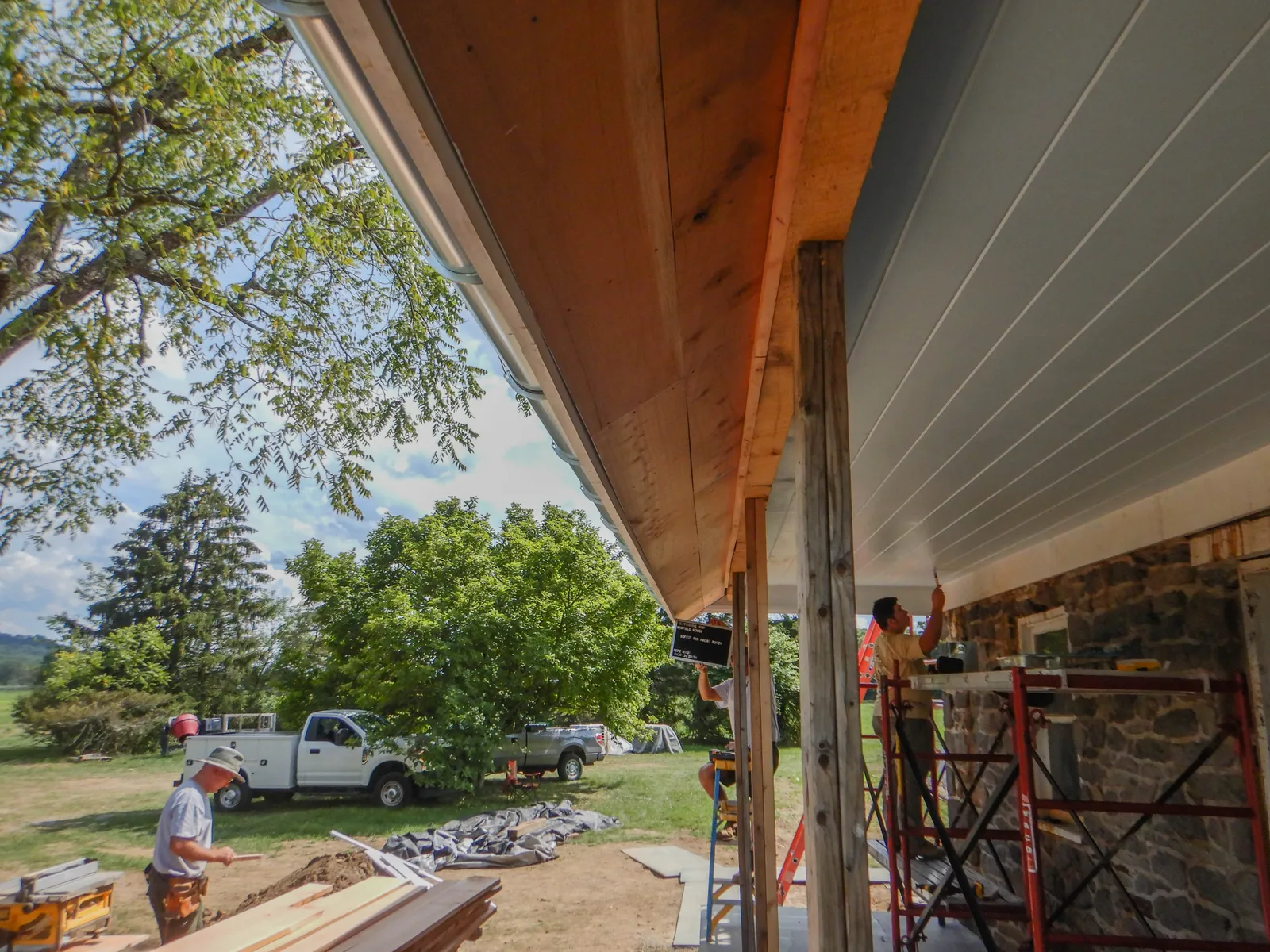
Over time, the tradition spread far beyond the Gullah Geechee community, blending spiritual belief with architectural style. Today, homeowners across the South still paint their porch ceilings, shutters, and even entire houses in shades of haint blue, preserving a vibrant cultural practice that remains both decorative and symbolic.
What began as a Gullah Geechee tradition is now a trend across the nation. Although today’s paint retailers carry a specific “Haint Blue,” historically, the Gullah Geechee people would have used varying shades.
While more prevalent in the southern states, examples of the blue ceiling can be found throughout New England, including at Historic New England’s own Lyman Estate in Waltham, Massachusetts. The idea migrated quietly, carried by travelers, architects, and homeowners who simply liked the look.
Architectural Roots: Where You’ll See It Most
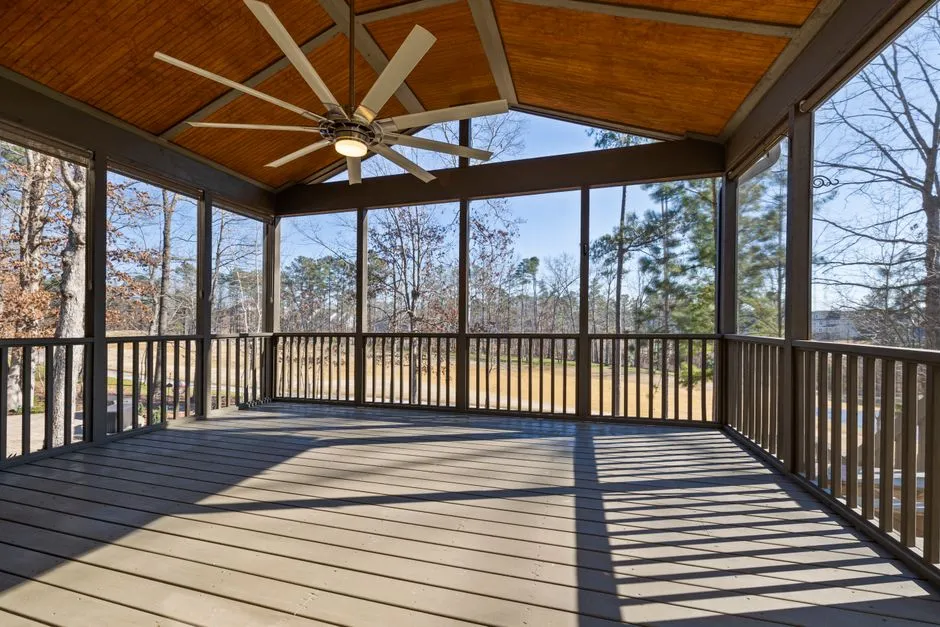
The tradition of blue porch ceilings gained popularity in the early 19th century and remained a prominent architectural feature throughout the antebellum and Victorian eras. Many grand Southern homes, especially those with Greek Revival or Charleston-style architecture, boasted elegant front porches adorned with blue ceilings.
The tradition first took root in the Gullah Geechee communities of coastal South Carolina and Georgia, then gradually spread to neighboring areas. In cities like Charleston, South Carolina, haint blue porch ceilings are just as ubiquitous as in Savannah.
Federal Recognition of the Gullah Geechee Legacy

The Gullah Geechee Cultural Heritage Corridor, recognizing the historical and cultural contributions of the Gullah Geechee people, was designated by an act of Congress on October 12, 2006, through the National Heritage Areas Act of 2006.
If a house historically had a haint blue porch, restoration efforts will preserve that. The Gullah Geechee Cultural Heritage Corridor, a multi-state initiative, actively educates the public about cultural remnants like haint blue, indigo dyeing, and bottle trees. This federal recognition reflects how seriously the tradition is now taken as part of American cultural history.
Choosing a Shade Today: What the Paint Market Offers
If haint blue is a good fit for your porch, you won’t find an exact shade called that for sale. A few options on the modern market that match the traditional uses of the color include Atmospheric by Sherwin-Williams, the aptly named Porch Ceiling by Sherwin-Williams, plus Charismatic Sky by Behr.
Modern interpretations often involve various shades of blue, from pale sky blue to vibrant turquoise, allowing homeowners to personalize their porch while still paying homage to the timeless tradition. There’s no exact haint blue color; just about any light blue will work.
Why It Still Matters: Tradition as Living Culture
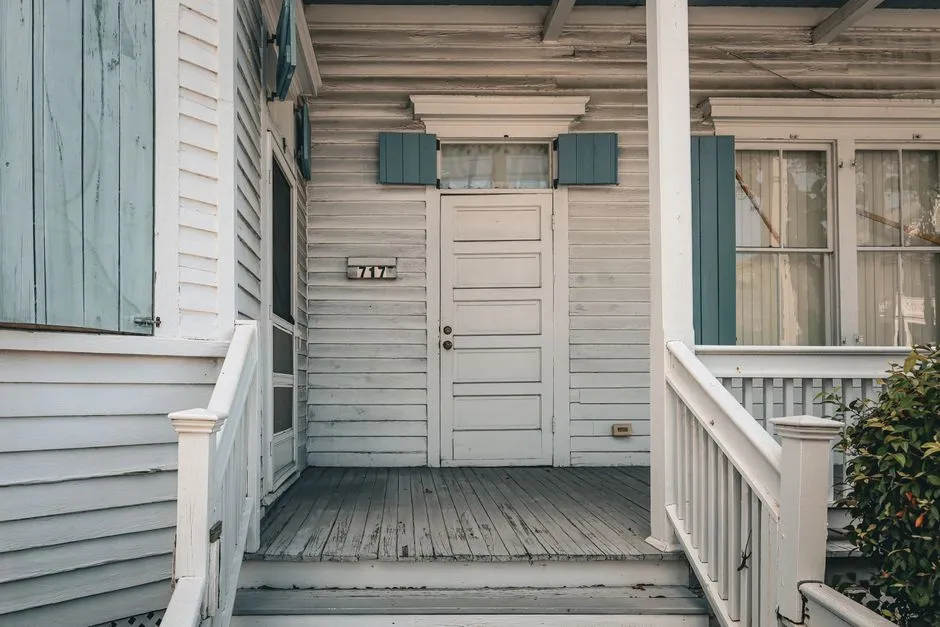
Even for families who do not know the history of haint blue, tradition is strong in the South. Many people grew up in houses with a blue porch ceiling and then went on to paint the ceilings of their own porches blue.
Though few modern homeowners paint their ceilings to ward off spirits, the haint blue tradition carries symbolic weight, a quiet nod to centuries-old cultural heritage and craftsmanship rather than just a decorative flourish.
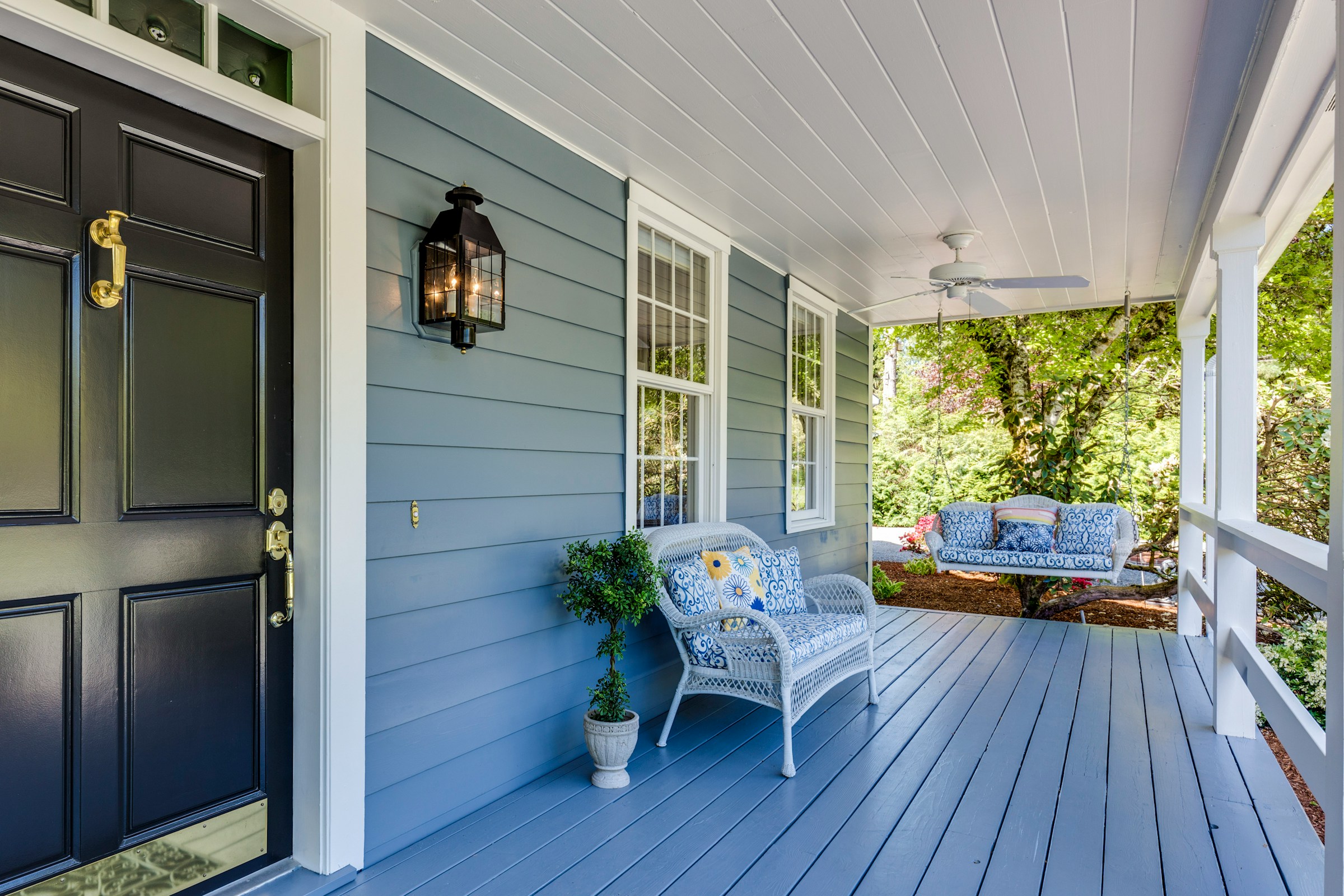
These pale blue-hued ceilings, commonly referred to as haint blue, are more than just a decorative choice. They’re steeped in cultural folklore, practical logic, and timeless charm. The soft hue mimics the sky, enhances natural light, and complements a classic Southern porch setting: white trim, wicker furniture, and leafy potted plants.
The Takeaway
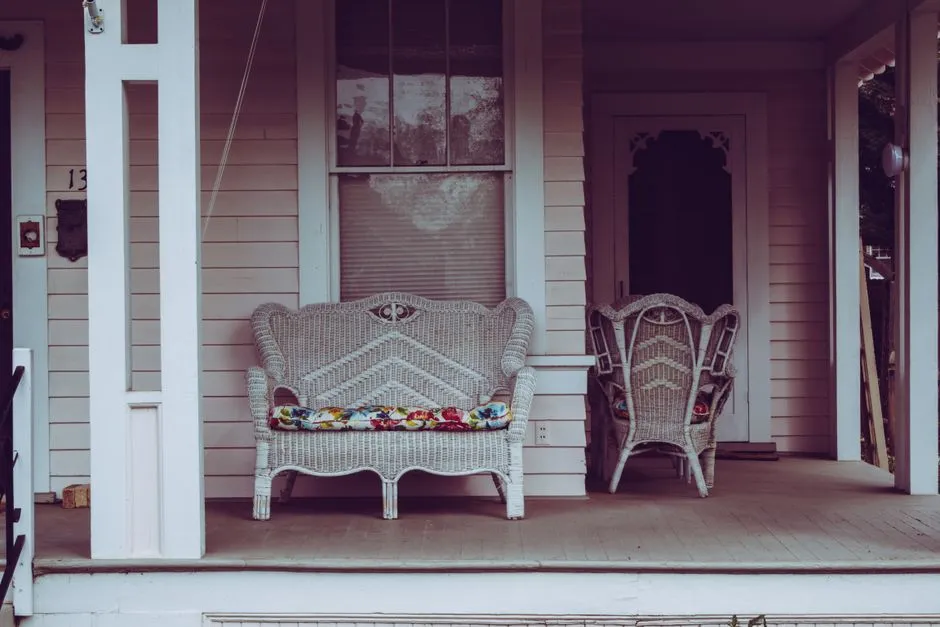
A porch ceiling painted light blue is never just a color choice. It carries the weight of a community’s spiritual life, a clever workaround for insects using materials close at hand, and a way of extending the warmth of a long summer evening just a little further into the night.
What began among the Gullah Geechee people of the coastal Southeast has quietly become one of the most enduring decorating traditions in American domestic life. The fact that most people painting their porch today don’t know its origins doesn’t diminish it. If anything, that’s how living traditions work: they persist because they feel right, long after the original reasons have faded from memory.
AI Disclaimer: This article was created with the assistance of AI tools and reviewed by a human editor.