

Most growers understand the pressure to get seeds in the ground. A warm week in early spring, a break in the rain, a neighbor already running a planter down the road – the temptation is real. Yet the assumption that earlier always means better is one of the most expensive habits in modern agriculture.
The science on this is consistent and worth taking seriously. Soil conditions in those first weeks of spring are rarely as forgiving as the calendar suggests. What follows is a clear-eyed look at why patience, backed by data, is usually the more profitable choice.
Cold Soils Stall Germination Before It Starts
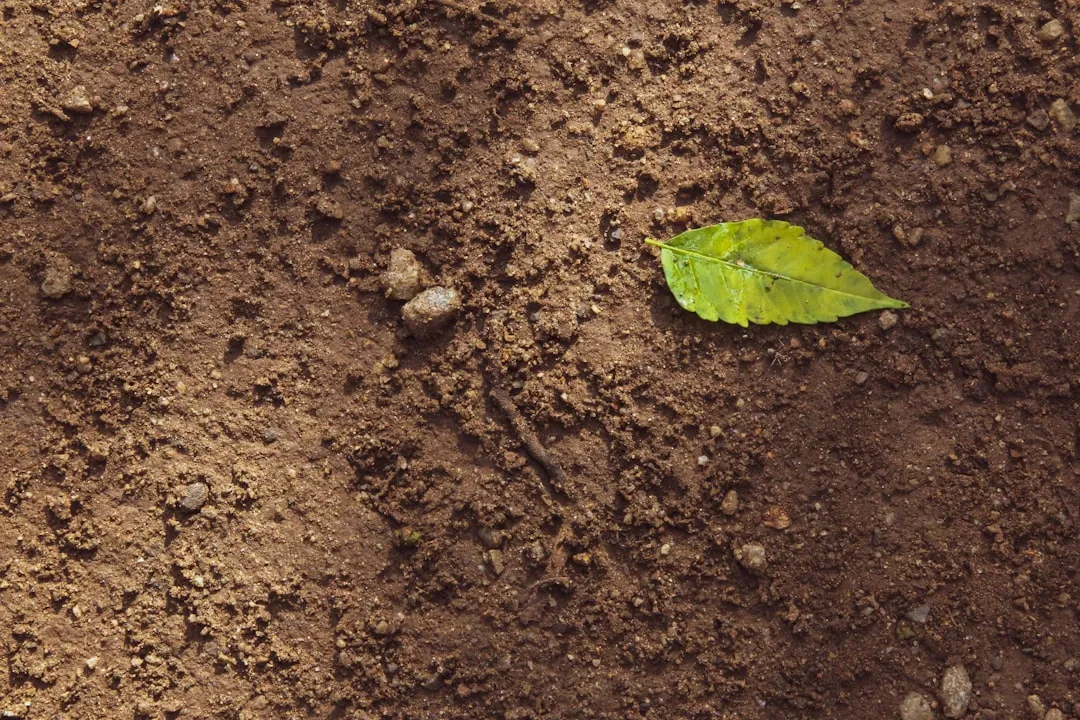
Research has shown that the three-day average soil temperature for corn to germinate must be at least 50°F. Push seeds into ground that hasn’t reached that threshold and the results aren’t dramatic – they’re quietly damaging. Temperatures of 60 to 70 degrees typically allow for more uniform germination across a given field, while corn planted before soils reach the minimum 50°F threshold may germinate much more slowly and come up less uniformly.
Germination and emergence are optimal when soil temperatures are approximately 85 to 90°F, and cool conditions during planting impose significant stress on corn emergence and seedling health. Uneven emergence translates directly into uneven canopies, which means some plants shade others out during critical growth periods. That kind of competition within a row costs yield in ways that are never fully recovered.
The Hidden Danger of Chilling Injury
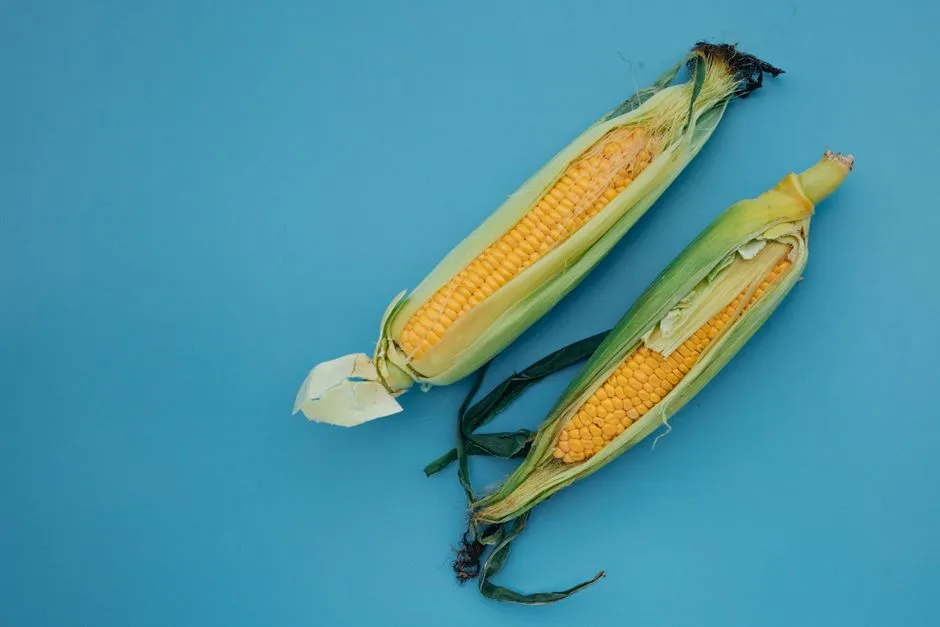
One of the biggest concerns for row crops planted into cool soils is chilling injury. Corn and soybeans both go through an imbibition period, which occurs when moisture hits the seed right after planting, and they tend to be quite susceptible to cold, wet soils during this time. Most growers don’t realize how narrow this vulnerability window actually is.
If that initial water is colder than 50°F, seeds may become swollen and non-viable due to cell rupture, and roots and shoots may also be aborted. This risk is heightened when seeds are planted into dry, cool soils and a cold rain occurs afterward. You can plant into what looks like a decent seedbed, only to have a single cold rain event undo everything – and there’s often no visible signal until emergence fails.
Stand Loss Is More Common Than Most Realize
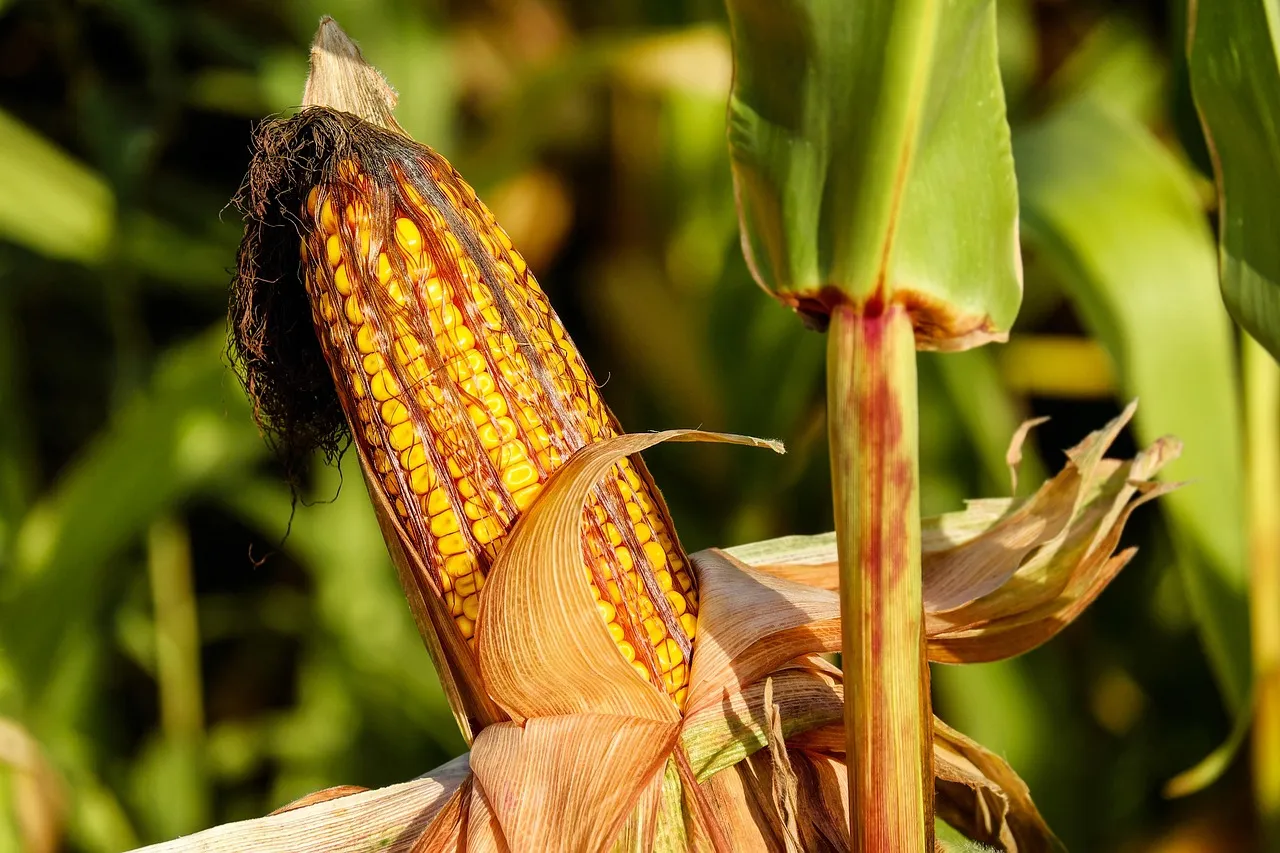
An average 16% stand loss was observed at one research location, suggesting that day-night temperature fluctuation after planting can cause added stress to germinating corn. Losing one in six plants before the season truly begins is a significant setback, one that rarely gets fully compensated by the plants that do survive.
In lighter-textured soils, spring nighttime temperatures can drop significantly below 50°F, even after warm days, inflicting extra stress on corn emergence. Daytime readings can be misleading. Farmers should be aware of expected night temperatures when choosing a planting date. A single warm afternoon is not the same as a stable, safe seedbed.
Soilborne Pathogens Thrive in Cold, Wet Conditions
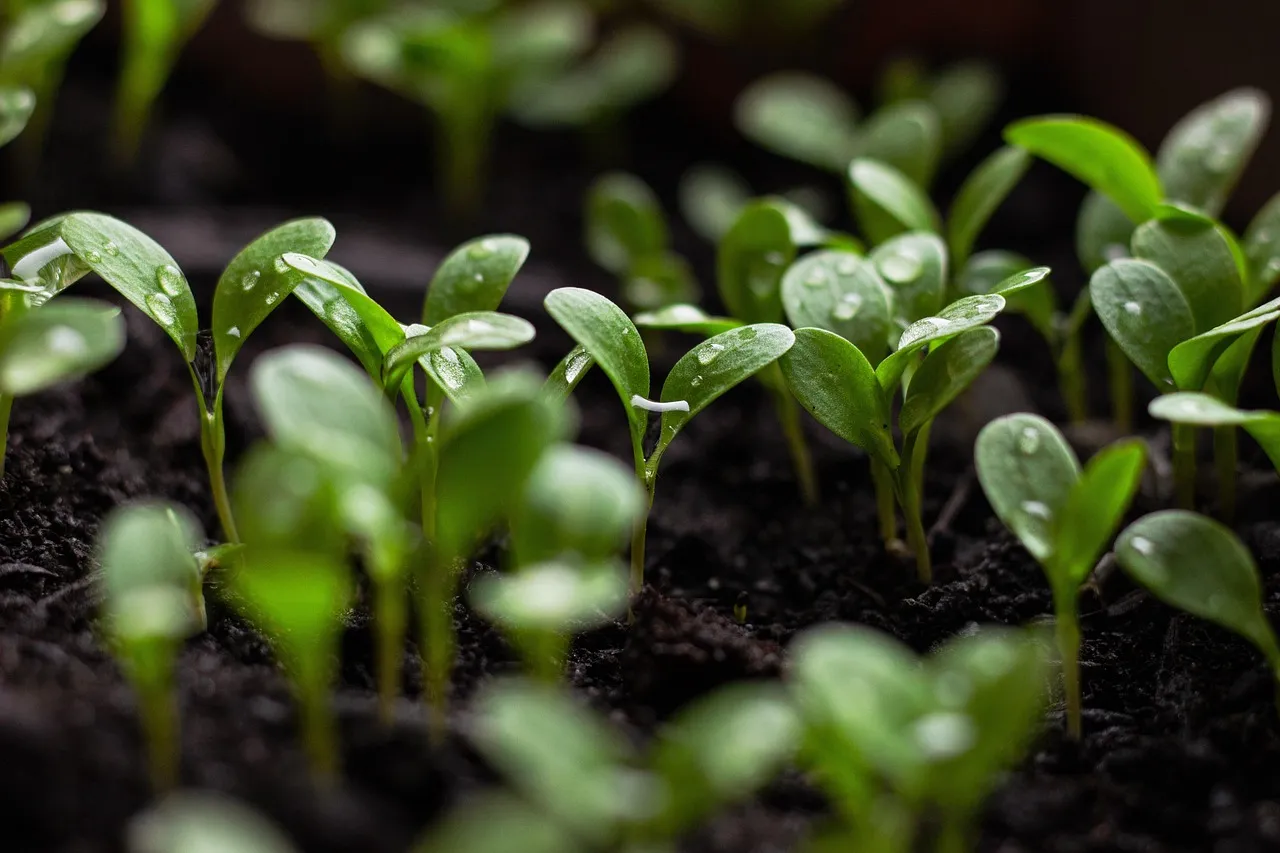
Planting early could mean planting into colder soil, which slows germination and seedling emergence, giving soilborne pathogens like Pythium and Rhizoctonia more time to infect seeds and seedlings. While both pathogens are active at a broad temperature range, cool soil temperatures of 41 to 54 degrees can favor severe infections.
Across many farming regions, acres were planted into acceptable conditions only to turn cold and wet shortly afterward, with seed sitting in the ground longer than normal and increasing exposure to soilborne pathogens like Pythium, Phytophthora, Fusarium, and Rhizoctonia. Injury may be subtle or severe enough to require replanting, and surviving stands may have reduced yields due to low plant population, uneven plant growth, and reduced plant fitness.
Late Spring Frosts Can Wipe Out Early Stands

Early planting may increase yield potential in some years but also puts crops at risk for damage caused by early-season or late spring low temperatures. A late frost that would be merely inconvenient for a crop not yet in the ground becomes a costly emergency when seedlings are already emerged.
Corn is more likely than other summer crops to be affected by a hard freeze after emergence if planted too early, and the impact of a hard freeze will vary depending on how low the temperature gets, the intensity and duration of the low temperatures, field variability, residue distribution, tillage systems, soil type, and moisture conditions. In 2024, widespread frost events in the Riverina region of Australia caused yield losses of up to 90% in canola, wheat, and barley crops, compounding drought-related stress and prompting growers to cut affected crops for hay.
Soil Compaction Causes Long-Term Damage
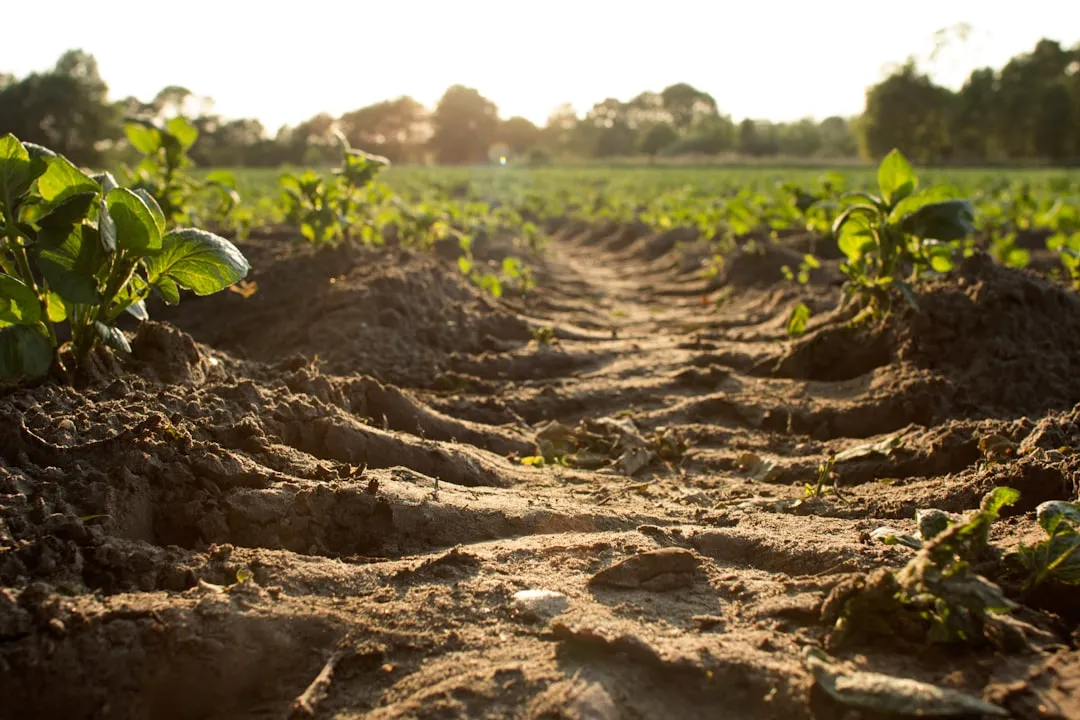
Soil compaction from agricultural equipment can be long lasting in the soil and lead to reduced yields, crop emergence, root growth, and water and nutrient uptake of plants. When growers push into wet fields too early, they’re not just risking this season’s crop – they’re potentially compromising future seasons as well.
Extension research from South Dakota State University indicates that long-term yield losses from compaction can range from 10 to 20%, particularly when compaction occurs below the normal tillage depth, where natural recovery is slow or nonexistent. In all cases of compaction, it could take months or even years to remedy the damage. That is a steep price to pay for shaving a few days off the planting calendar.
Replanting Costs Add Up Fast
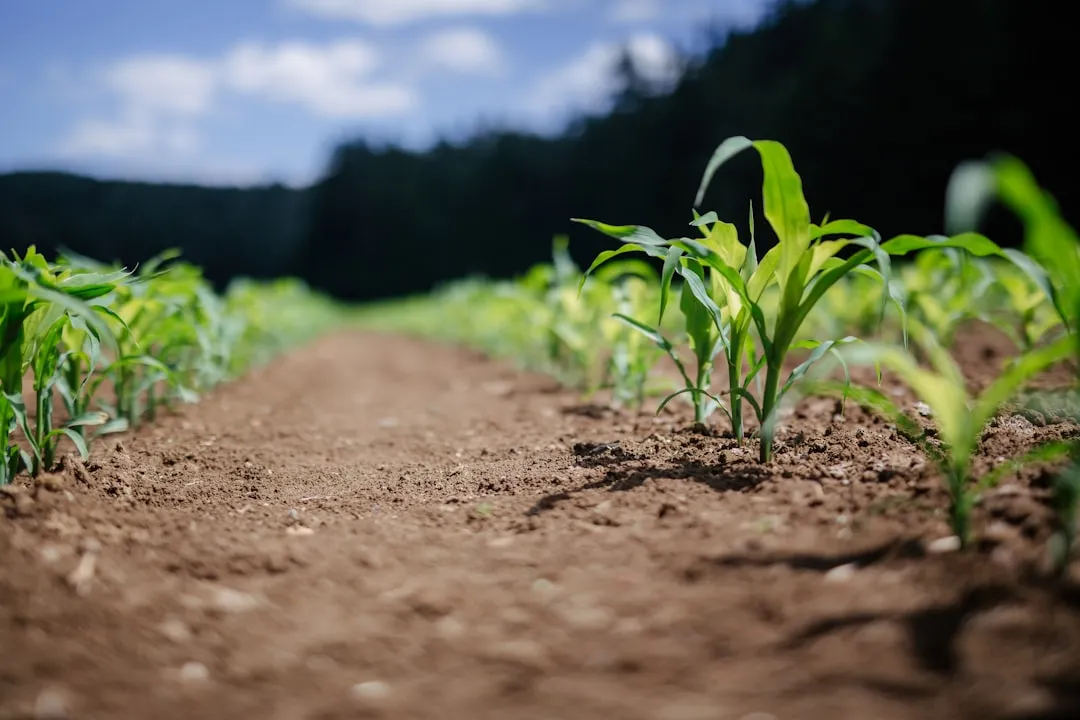
Replanting is an investment, and farmers must consider the costs of seed, fertilizer, pesticides, and labor. When an early planting fails – whether from cold stress, pathogen pressure, or a late freeze – every one of those line items gets charged twice. The second planting also typically goes into a later window, which carries its own yield penalty.
For the 2025 crop year, the RMA set the projected price for corn at $4.70 per bushel and for soybeans at $10.54 per bushel, with a standard Missouri replant rate of 8 bushels per acre for corn and 3 bushels per acre for soybeans, meaning a qualifying corn producer would receive $37.60 per acre and a soybean producer $31.62 per acre. Insurance payments help, but these payments are standardized and do not vary based on actual replanting costs or yields. Gaps in coverage are common.
Insurance Eligibility Dates Are There for a Reason
Planting during early soil-warming windows, especially in irrigated fields, can maximize yield potential but must be balanced with crop insurance eligibility dates. Growers who plant ahead of USDA Risk Management Agency guidelines can find themselves in a gray zone when it comes to coverage after a loss.
For soybeans, the early planting date set by the USDA RMA is April 10 for the southern third of Iowa and April 15 for the northern two thirds, a threshold that takes into consideration the risk of late spring frosts and freezes. Pushing past these dates might feel productive in the moment, but it shifts financial risk in ways that aren’t always obvious until it’s too late.
The Science Consistently Favors Soil Conditions Over Speed
Decades of research at Iowa State University and other Midwestern universities consistently show that planting into the right soil conditions is more important than rushing to plant early, and waiting for soils to reach appropriate temperatures and avoiding wet planting conditions almost always pays dividends in emergence uniformity and stand quality.
Minimum air temperature and frost forecast are often seen as a reference for starting to plant, rather than looking at soil temperature at seed planting depth, which could lead to a delay in planting and yield potential losses. The flip side is also true – relying on air temperature alone to justify early planting misses what’s happening where the seed actually lives.
The Yield Window Is Narrower Than It Appears
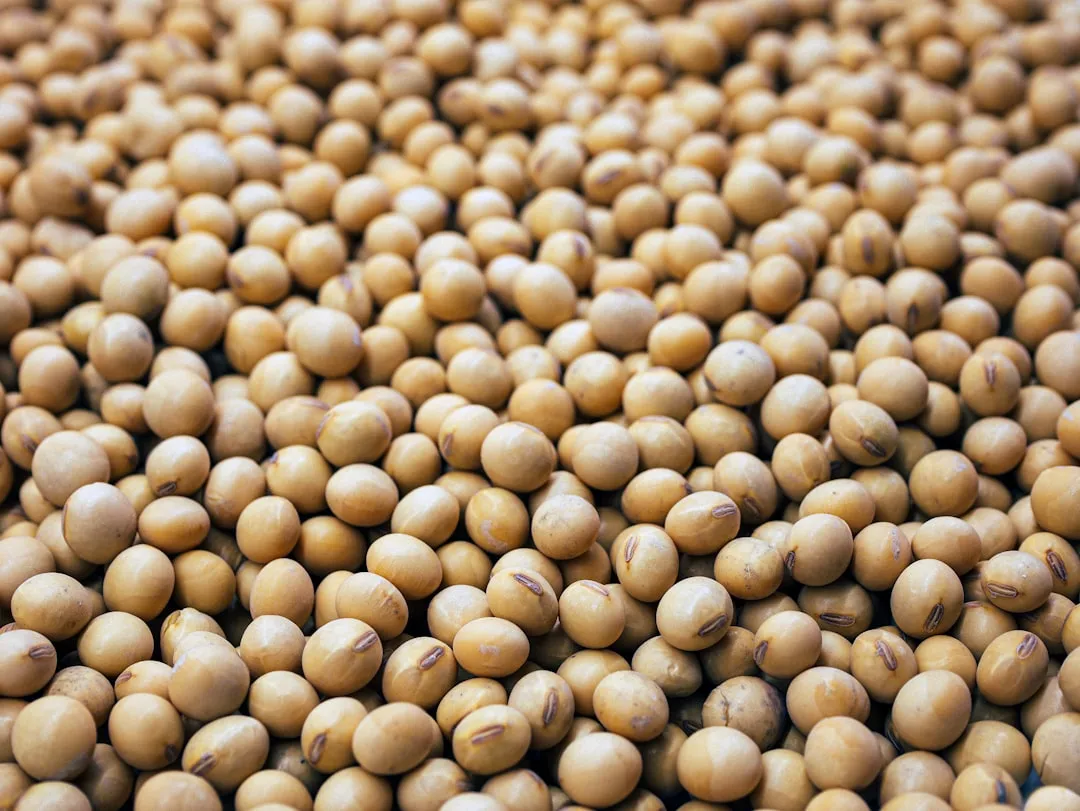
It is critically important for soybean and corn to be planted before May 15 to May 20, as beyond mid-May, yield losses become more significant. This gives growers a window that is genuinely wide enough to be strategic. Waiting one or two weeks for soil conditions to improve rarely pushes a field past that threshold.
If air temperature drops into the 40s for several days after early planting, emergence will likely be significantly slowed, meaning crops may take two weeks or longer to emerge depending upon accumulated growing degree days. A two-week delay in emergence from a too-early planting can effectively cost more time than simply waiting for better conditions would have.
Final Thoughts

The pressure to plant early is understandable. Equipment is ready, the fields look dry enough from the road, and the season feels like it’s slipping away. But as the research from Iowa State, South Dakota State, Nebraska, and peer-reviewed journals published through 2025 and 2026 consistently shows, the soil doesn’t care about the calendar.
Stand losses, pathogen damage, compaction, late frost exposure, and the hard cost of replanting are all real consequences of acting before conditions are ready. The growers who tend to come out ahead each season aren’t necessarily those who plant first – they’re the ones who plant smart.
AI Disclaimer: This article was created with the assistance of AI tools and reviewed by a human editor.