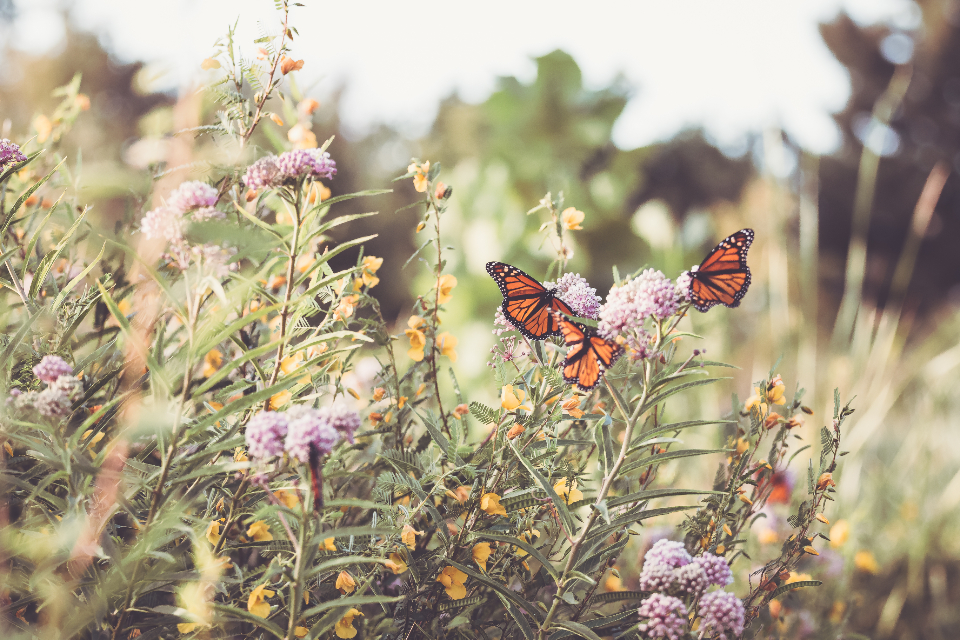

A Species Pushed to the Edge
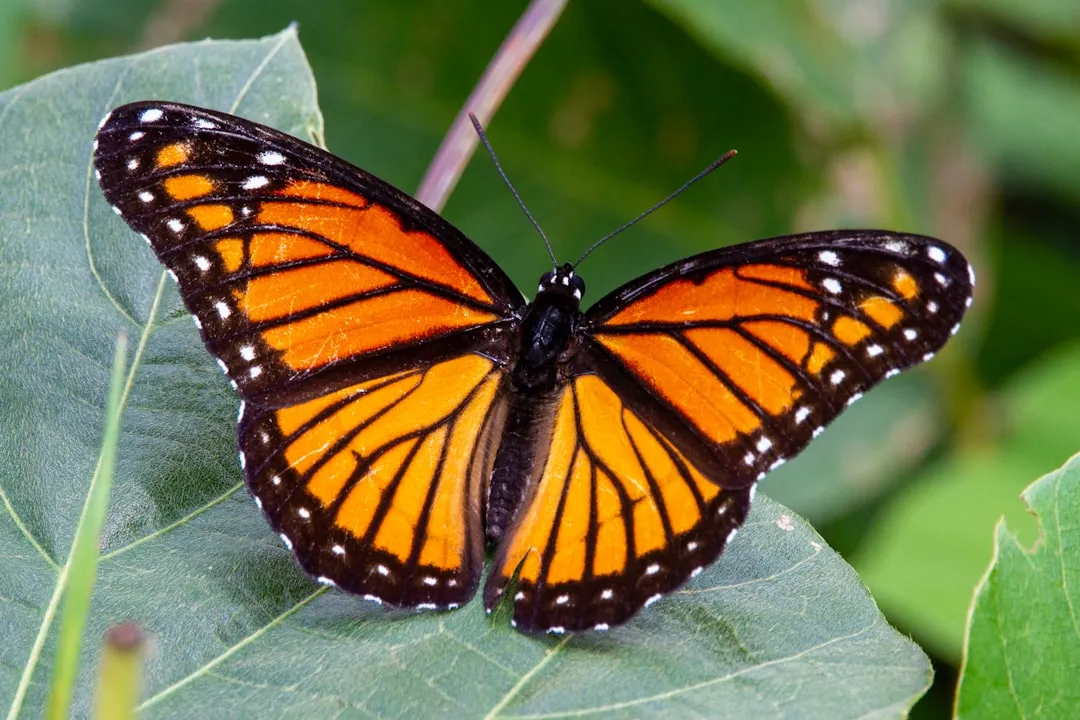
The winter of 2024 to 2025 was the second worst on record for the western monarch since population surveys began in 1997. Researchers and community scientists counting western monarchs overwintering in California found their numbers had declined by 96 percent compared to the previous year, dropping dramatically from 233,394 monarchs in 2023 to just 9,119 in 2024.
This number represents a sharp decline from the past three years, when more than 200,000 overwintering western monarchs were observed each year. It is only slightly above the all-time low of fewer than 2,000 monarchs recorded in 2020, and well below the millions of butterflies observed in the 1980s that scientists consider a stable population level.
Despite occasional good news years, the eastern monarch’s population is still far lower than it needs to be for the long-term recovery of the species and has declined by roughly 80 percent over the last few decades. The latest species status assessment states that the eastern monarch population’s extinction probability ranges from 48 to 69 percent within the next 60 years.
The Milkweed Connection Is Not Optional
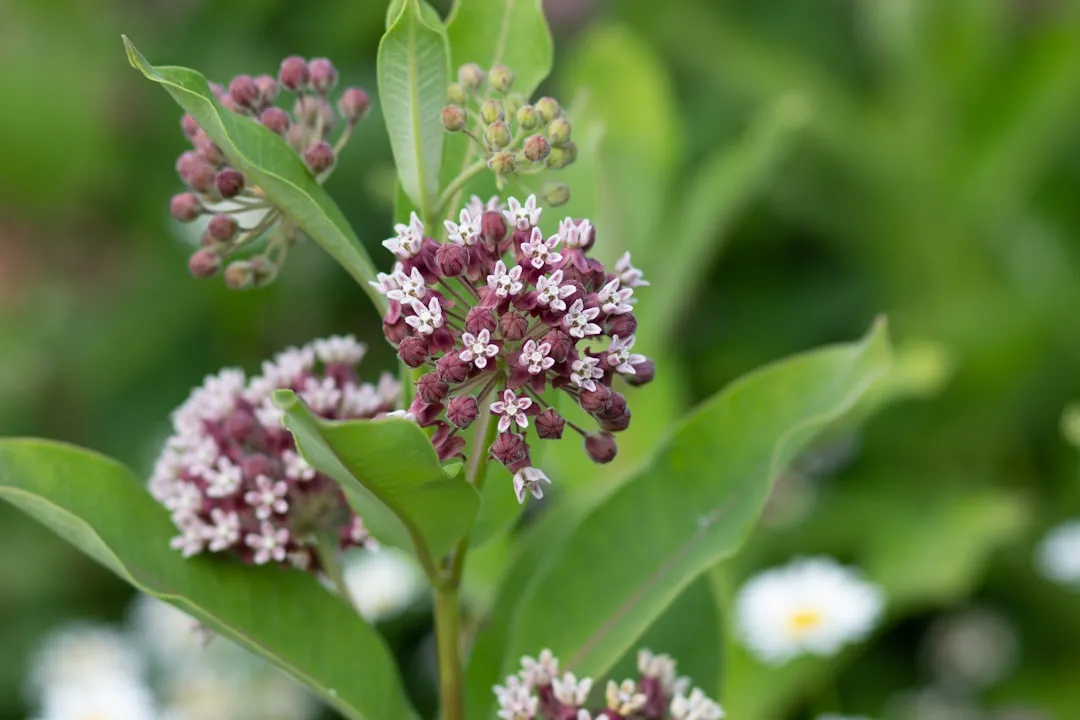
Monarch caterpillars can only eat the leaves of milkweed, a native wildflower. As milkweed has disappeared, so have the monarchs, to the point that they are at risk of extinction.
Milkweed plants, primarily from the genus Asclepias, are the only food source of the monarch’s distinctively striped caterpillars. Natural chemicals the caterpillars ingest from milkweed also protect them and the adult butterflies they will later become from predation.
The biggest threat facing monarchs across North America is the vanishing milkweed, which serves as the host plant for caterpillars that metamorphose into butterflies. Experts say a combination of drought, wildfires, agriculture, and urban development have caused the plants to disappear. Pesticides have contaminated many of those that remain.
How Herbicide-Tolerant Crops Erased Milkweed from the Midwest
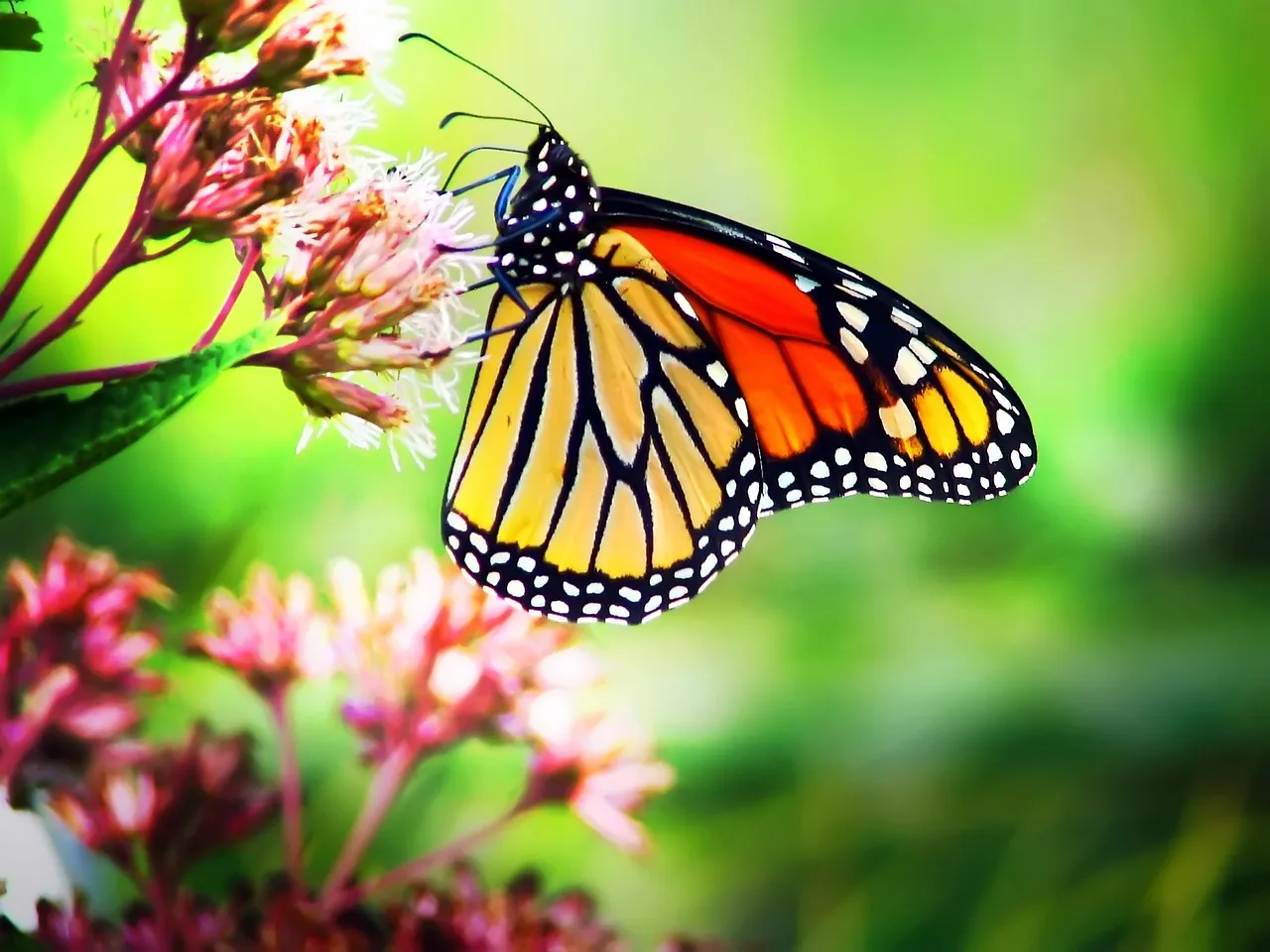
Even with the growing predominance of large cultivated fields after the middle of the twentieth century, weed control methods such as disking did not eliminate milkweed. On the contrary, early farming practices in the U.S. probably benefited monarchs, since the land disturbance that accompanied agriculture promoted the growth of what became the eastern monarch’s most important food source, common milkweed.
In the late 1990s, the development of genetically modified herbicide-tolerant crops allowed farmers to spray their fields with herbicides after crop plants emerged, and milkweed quickly disappeared from these fields.
The amount of breeding habitat available for monarchs essentially sets an upper limit for the size of the monarch population. Numbers vary under and up to that ceiling depending on weather conditions. In other words, restoring milkweed is not a nice-to-have. It directly determines how many monarchs can even exist.
Even Small City Gardens Make a Real Difference
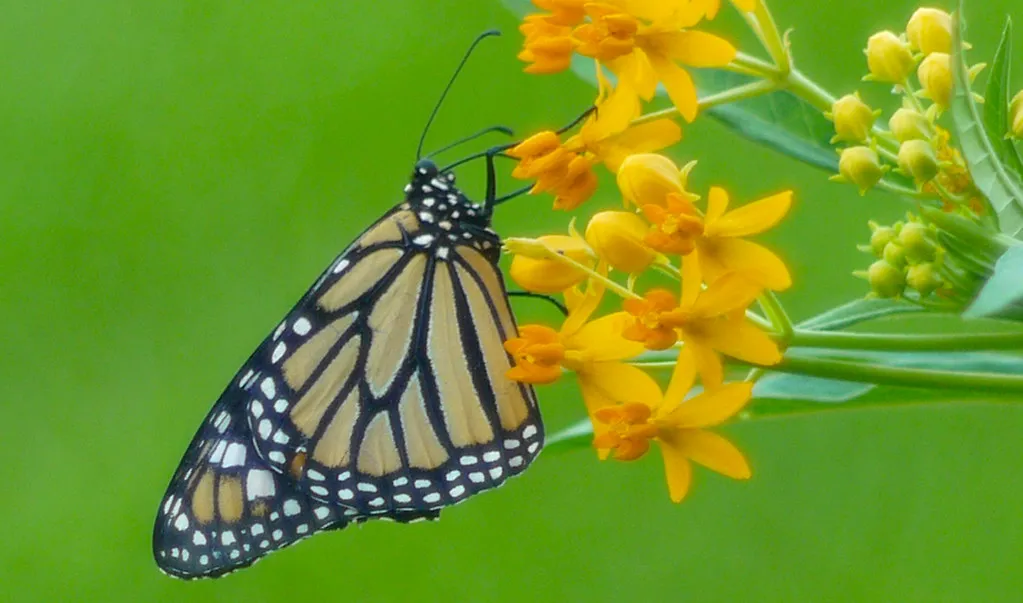
In a 2024 study published in the journal Frontiers in Ecology and Evolution, urban milkweed plants were monitored to learn what makes city gardens hospitable to monarchs.
Researchers trained more than 400 community scientist volunteers on how to monitor their milkweed plants for monarch eggs and caterpillars and report back to the team. Over the course of four years, the team collected 5,905 observations of monarch activity on 810 patches of milkweed in Chicagoland.
That 2024 Frontiers in Ecology and Evolution study found that monarchs can locate milkweed wherever it is planted, even if it is in planters on balconies and rooftops. While a garden with lots of native milkweed and other flowering plants left to grow year after year may be the ideal scenario, the researchers noted that every little bit helps.
Native Milkweed Species: Choose What Belongs in Your Region
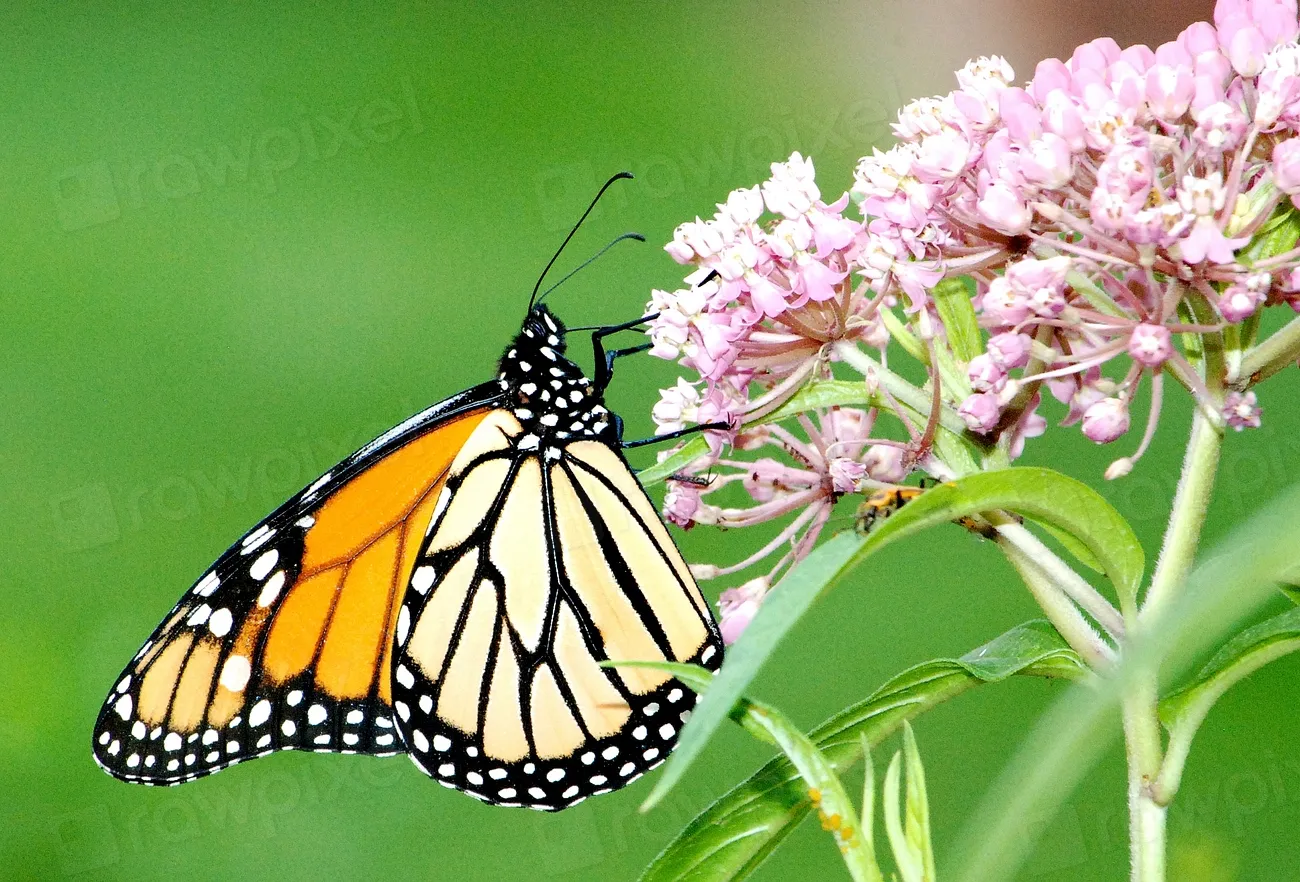
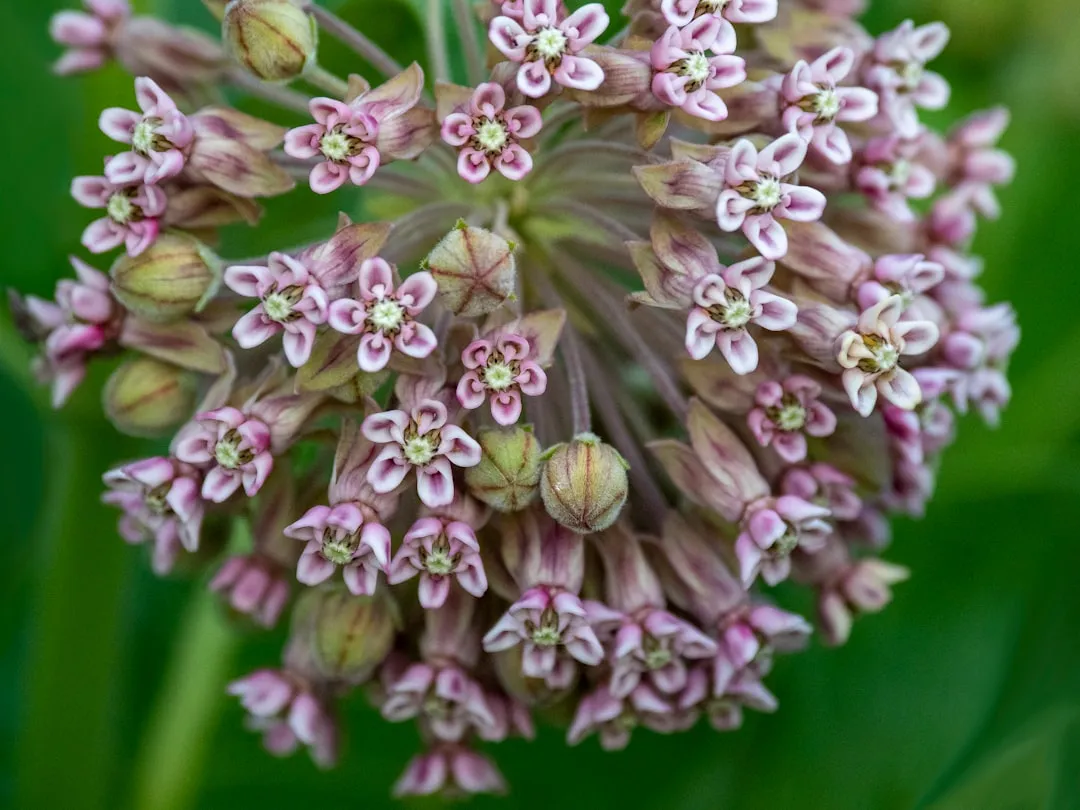
There are over 100 species of milkweed that naturally occur throughout North and Central America, but not all of them will be native to where you live. Four milkweed species are native to much of the United States, making them a good choice for many regions, and they are readily available at many plant nurseries.
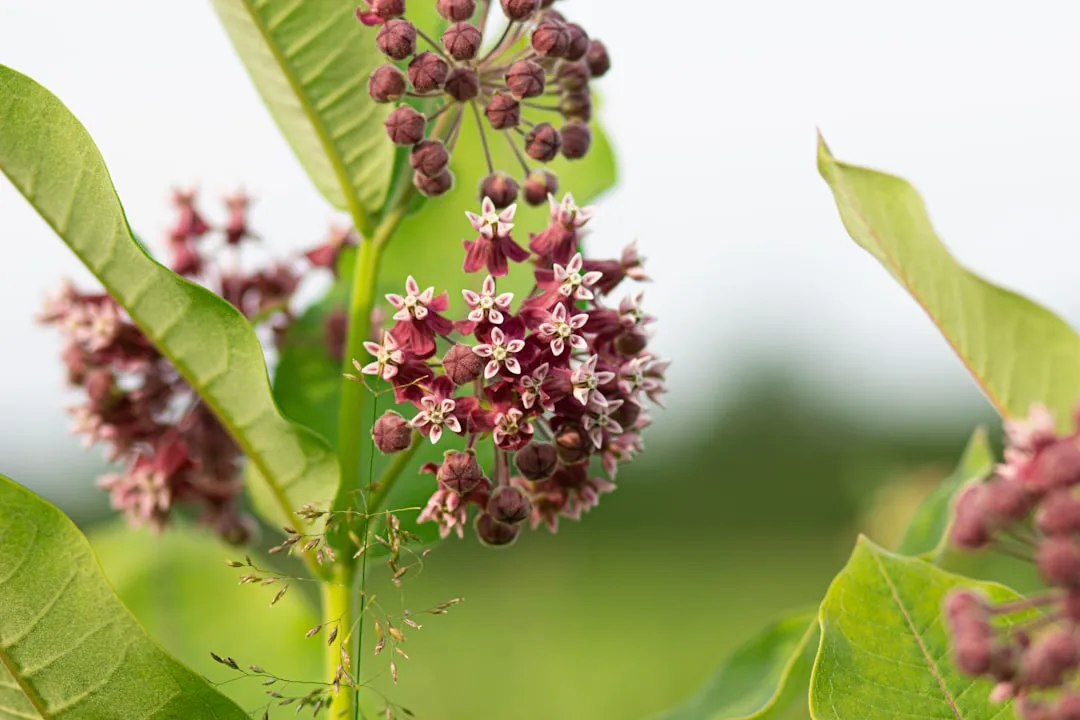
The main monarch host plant in the Midwest and Northeast is Asclepias syriaca, or common milkweed. Other species used by monarchs, in order of their abundance and preference, include swamp milkweed, butterfly weed, whorled milkweed, and poke milkweed.
According to an Agricultural Research Service and Iowa State University study of nine milkweed species native to Iowa, female monarch butterflies laid eggs in all nine milkweeds, but swamp and common milkweed averaged the highest number of eggs. Researchers caution against focusing restoration efforts on a single preferred species. Instead, conservationists should consider supplementary plantings of multiple species, especially in habitat areas subject to variable climates or soil types.
The Tropical Milkweed Problem: Good Intentions, Real Harm
Tropical milkweed (Asclepias curassavica) is a non-native plant that has exploded in popularity in response to consumer demand for milkweed. It is simple to propagate, allowing growers to rapidly produce it for quick sale. The plant is attractive to both humans and monarchs, but it becomes a serious problem when planted in temperate areas where it does not die back in winter.
A protozoan parasite of monarch butterflies, known as OE (Ophryocystis elektroscirrha), can travel with monarchs visiting the plants and become deposited on leaves. When caterpillars hatch and start eating the plant, they ingest the OE. High OE levels in adult monarchs have been linked to lower migration success in the eastern monarch population, as well as reductions in body mass, lifespan, mating success, and flight ability.
When native milkweeds die back after blooming, the parasite dies along with them so that each summer’s monarch population feeds on fresh, parasite-free foliage. In contrast, tropical milkweed that remains evergreen through winter allows OE levels to build up on the plant over time, meaning successive generations of monarch caterpillars can be exposed to dangerous levels of the parasite.
Tropical Milkweed Also Disrupts Migration
Research found that monarchs exposed to tropical milkweed as larvae were more likely to be reproductively active compared to monarchs exposed to native milkweed. Among wild-caught fall migrants, females exposed to tropical milkweed showed greater egg development than females exposed to native or no milkweed. The study provides evidence that tropical milkweed can increase monarch reproductive activity, which could promote continued residency at year-round breeding sites and decrease migratory behavior.
As of June 2025, tropical milkweed is now listed as a category II invasive species. Unlike native milkweeds that go dormant in the fall, tropical milkweed grows year-round in most parts of Florida, which encourages monarchs to stay all winter instead of migrating to Mexico.
For these reasons, conservation organizations recommend avoiding tropical milkweed and instead opting for milkweed species that are native to your region. The distinction between native and non-native milkweed is one of the most practically important things a home gardener can learn.
Practical Tips for Planting a Successful Milkweed Garden
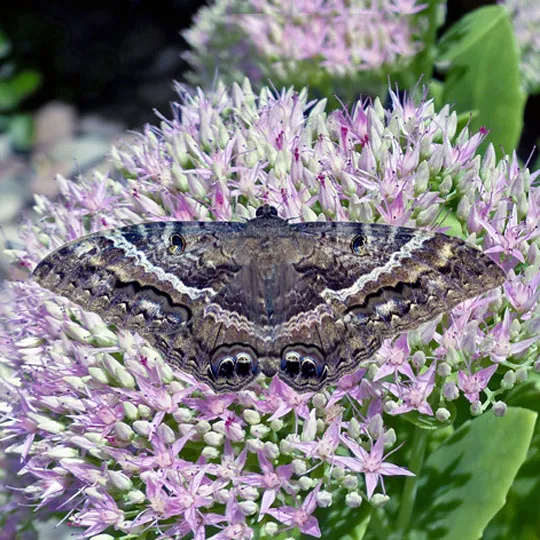
A good target is to make your garden roughly 70 percent native plants. Plant milkweed in clumps so that monarch caterpillars can crawl between them to forage. Pair milkweed with native plants that bloom across multiple seasons, so that monarch butterflies have nectar sources throughout the growing season.
Butterfly weed (Asclepias tuberosa) thrives in dry, well-drained soil and full sun. Swamp milkweed (A. incarnata) prefers consistently moist soil and tolerates heavier conditions. Common milkweed (A. syriaca) adapts to a wide range of soils but does spread vigorously over time.
Planting milkweed alongside other native wildflowers, especially late-season nectar plants such as goldenrod and asters, increases survival chances for visiting monarchs and other pollinators. You can create a basic monarch habitat in a backyard space of around 100 square feet with sunny, well-draining soil. Plant at least ten plants of two or more flower species native to your region that flower at different times, including some milkweed.
Milkweed Benefits Far Beyond the Monarch
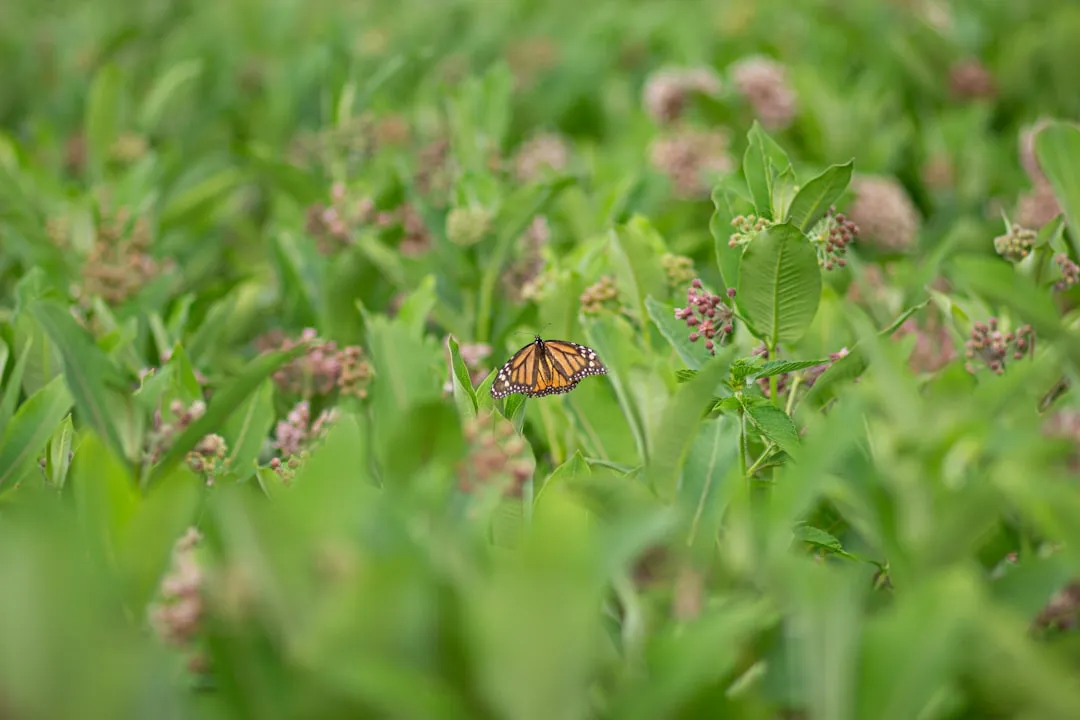
Milkweed is the only host plant for monarch butterfly caterpillars, and it is also a great source of nectar for adult monarchs and many other native bees and bumble bees.
Many other animals benefit from milkweed in a garden. Insects like the milkweed tussock moth and milkweed beetles depend on milkweed as a food source much like the monarch caterpillar does. The blooms on milkweed benefit a wide range of pollinators.
Monarchs are indicative of the big-picture health of the ecosystems they inhabit. Because they cross a vast landscape from Mexico to Canada, monarchs are an important indicator of what is happening across an enormous geographic area. When you plant milkweed, you are feeding an indicator species that reflects the health of your entire local ecosystem.
A Federal Listing and Why Your Garden Now Matters More Than Ever
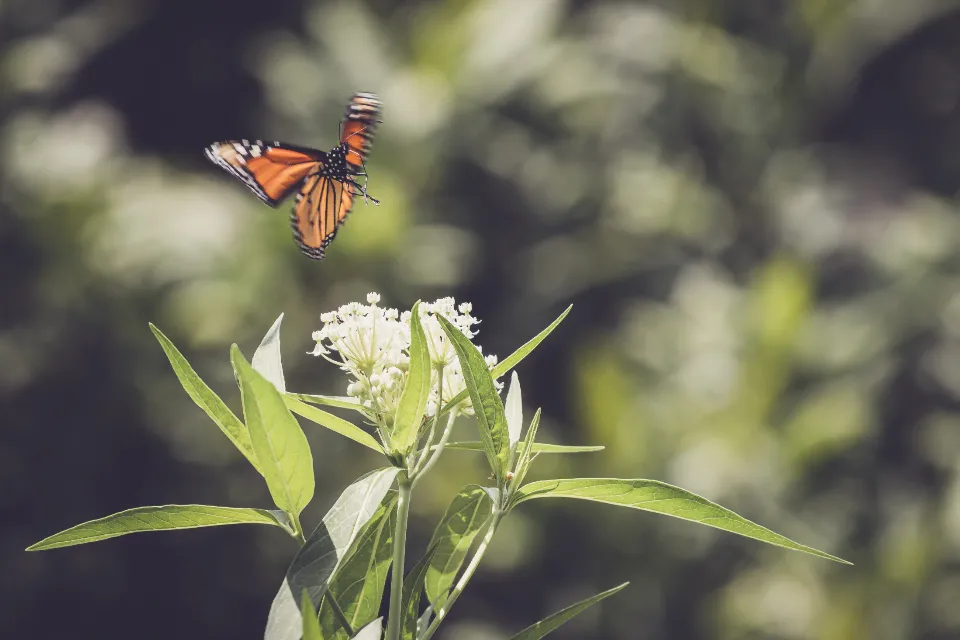
In December 2024, the U.S. Fish and Wildlife Service announced the proposed listing of the monarch butterfly as a threatened species under the Endangered Species Act. There are two populations of monarchs in the U.S. separated by the Rocky Mountains, and both the western and eastern populations would be protected if the listing goes through.
The latest species status assessment states that the eastern monarch population’s extinction probability ranges from 48 to 69 percent within the next 60 years. The predictions for the western monarch are even more dire, with a 98 to 99 percent probability of extinction within the same timeframe.
Listing the monarch as threatened would provide tailored conservation initiatives that prioritize protections for overwintering habitat and allow for restoration of critical breeding grounds. While that decision is finalized, efforts to provide habitat for monarchs can begin at home and in communities right now. A garden with native milkweed is one of the most direct ways a private citizen can contribute.
The Takeaway
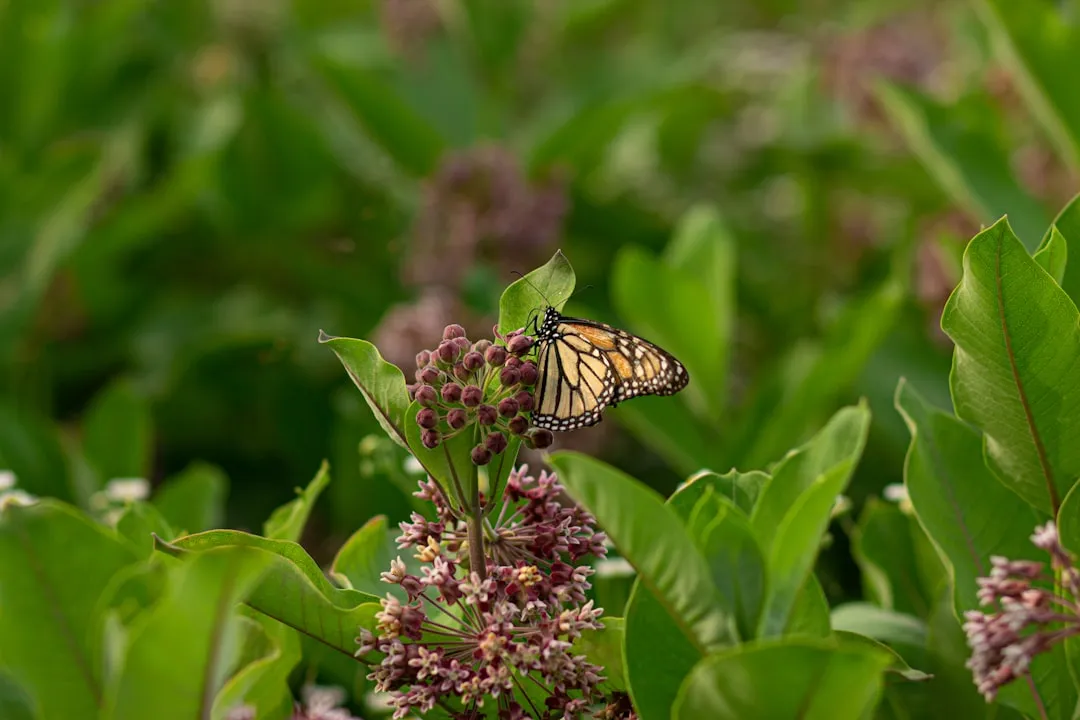
The monarch’s survival is not abstract. It is tied to something as immediate and manageable as a patch of native plants in a sunny corner of your yard. Research shows that planting milkweed in home gardens can add significant monarch habitat to the landscape.
Turning your yard into a butterfly sanctuary by planting milkweed and other native plants, and eliminating pesticide use, can contribute meaningfully to recovery efforts. These simple actions, taken up by individuals across the country, help lace together wildlife habitat and create viable biological corridors for monarchs to move through as they migrate.
No conservation strategy is complete without large-scale policy change and habitat restoration at scale. Still, the single most direct lever available to any individual homeowner today remains a native milkweed plant in open ground. The monarchs will find it. All the research says so.
AI Disclaimer: This article was created with the assistance of AI tools and reviewed by a human editor.