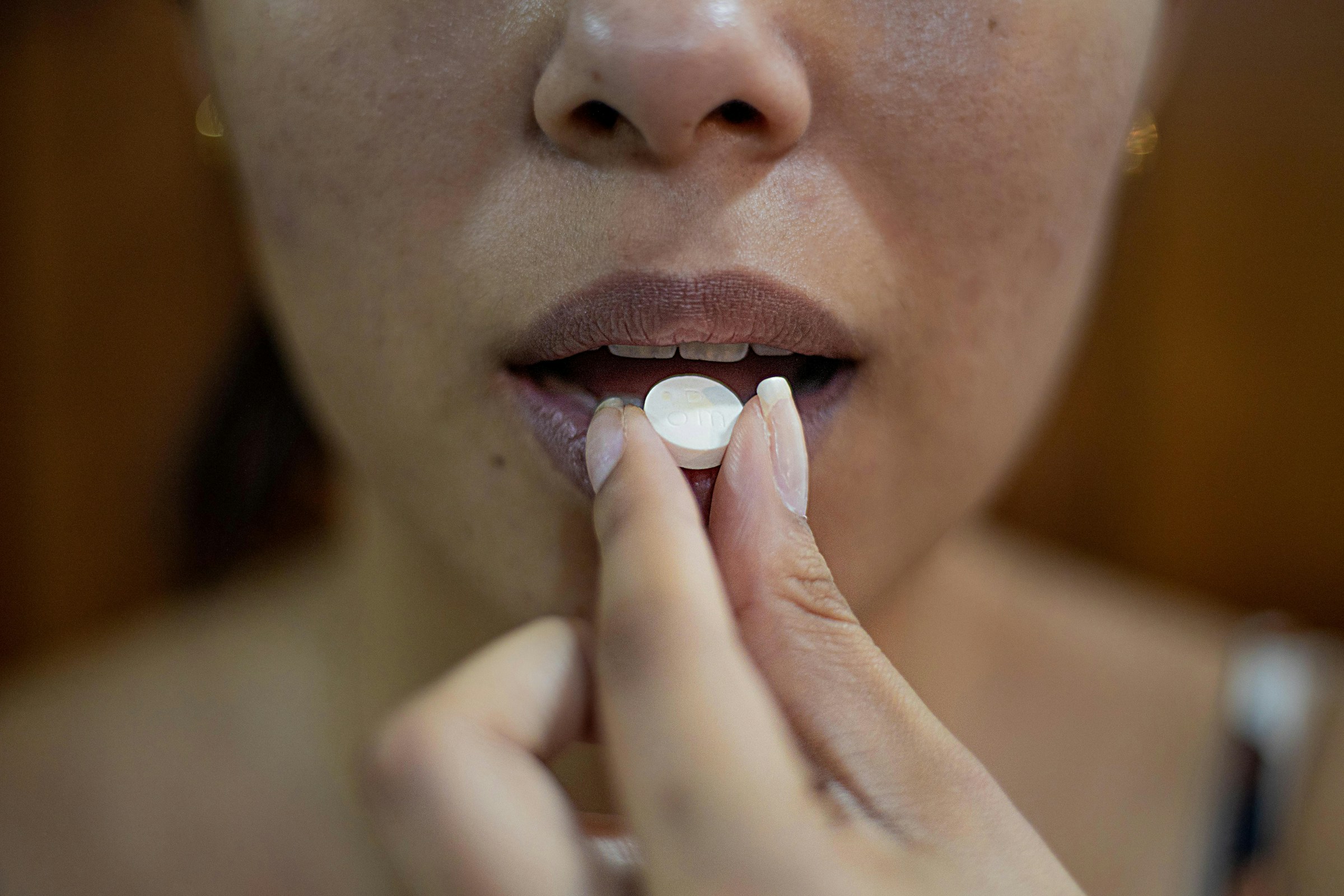

The Esophagus Is More Fragile Than You Think

Your esophagus is a muscular tube roughly 25 centimeters long, and it moves food and pills downward through rhythmic contractions called peristalsis. When everything works as it should, a swallowed pill reaches the stomach within seconds. When it doesn’t, things can go wrong quickly.
This tube, which connects your throat to your stomach, is sensitive to irritation if pills don’t pass through quickly. When a tablet or capsule gets stuck or dissolves too slowly, the chemical compounds can damage the delicate mucosal lining, leading to severe discomfort and injury.
The middle portion of the esophagus is a common site of injury because natural areas of narrowing can slow a pill’s passage. The result may be anything from mild irritation to a painful ulcer.
Gravity Is Actually Doing Important Work
The best position for taking oral medications is sitting upright or standing, as lying down significantly increases the risk of the medication becoming lodged in your throat or esophagus. This allows gravity to help the medication travel down to your stomach.
Lying down removes this gravitational assistance, increasing the time the pill spends in the tube. That extra contact time is where the damage begins. The pill starts to dissolve against the esophageal wall rather than in the stomach, where it belongs.
StatPearls calls taking pills with too little water while lying back “probably the most important” risk factor for pill-induced esophageal injury, a designation that reflects just how often this combination causes problems.
What Exactly Is Pill-Induced Esophagitis?
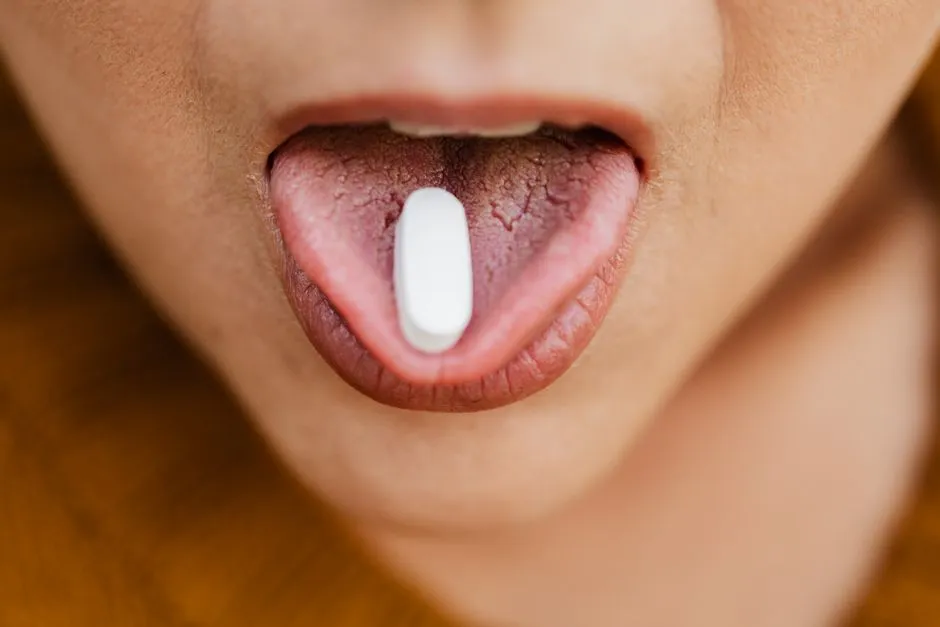
Medications can directly damage the esophageal mucosa by producing a caustic acidic or alkaline environment. This condition, known as pill-induced esophagitis, is distinct from the heartburn most people are familiar with.
This damage is caused by the direct contact of the drug itself, not stomach acid splashing upward. That distinction matters, because people often assume their symptoms are just reflux and continue taking the medication, which can make the injury significantly worse.
Pill-induced esophagitis may be underreported by patients when symptoms are mild and unrecognized, and/or underdiagnosed by clinicians as a cause of retrosternal pain, odynophagia, or dysphagia due to a lack of clinical awareness and suspicion.
The Medications Most Likely to Cause Trouble
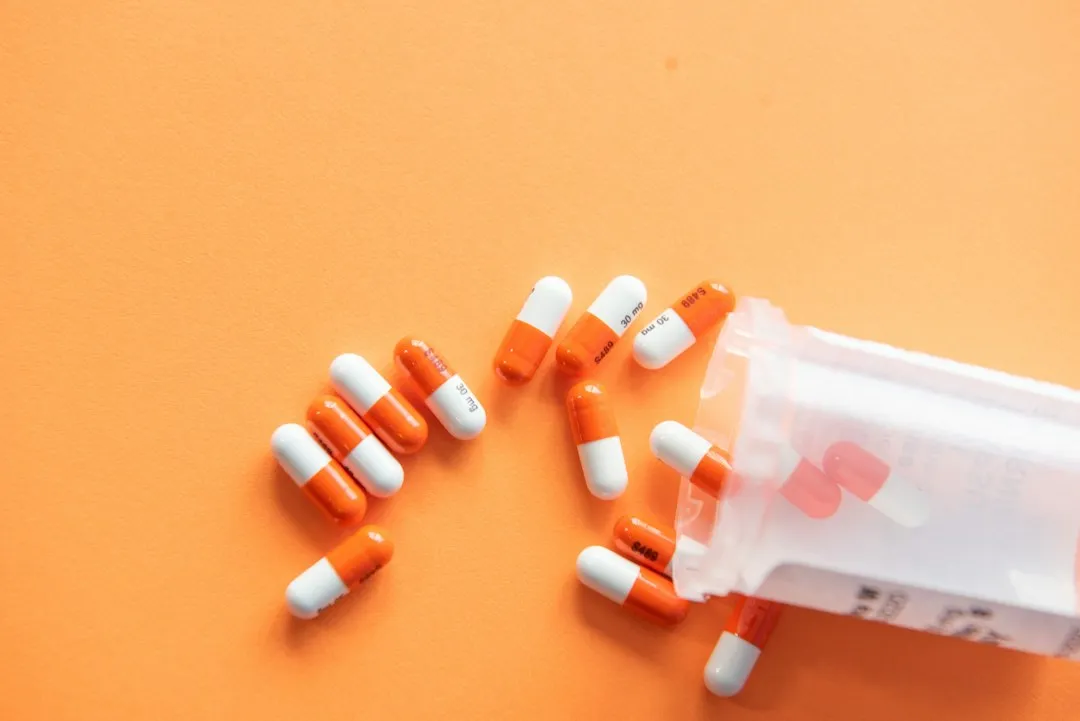
Not all pills carry the same risk, and certain drug classes come up repeatedly in clinical reports. Antibiotics are among the most common causes of pill-induced esophagitis. Nonsteroidal anti-inflammatory drugs such as aspirin and diclofenac can cause esophageal mucosal injury. Bisphosphonates, including alendronate, ibandronate, and risedronate, are also firmly on this list.
Medications with a low pH, such as doxycycline, ferrous sulfate, and ascorbic acid, cause pill-induced esophagitis through a similar mechanism. Reports have also described local tissue destruction and vascular injury due to the hyperosmolar properties of potassium chloride.
In a December 2024 study, the causative pills were nonsteroidal anti-inflammatory drugs in roughly four in ten patients, tetracyclines in about one in five, potassium chloride tablets in around one in ten, and alendronate in nearly one in ten, with other drugs accounting for the rest.
Doxycycline: A Particularly Well-Documented Offender
Tetracyclines, particularly doxycycline, are notorious culprits in medication-induced esophageal injury because they create an acidic solution upon contact with water. This chemical reaction can begin before the pill even reaches the stomach if it stalls partway down.
A 2024 case report documented esophageal ulceration following a single dose of doxycycline. A follow-up endoscopy after two months reported completely healed esophageal ulcers. The authors concluded that doxycycline-induced esophageal injury is often an underdiagnosed and underreported condition.
If you take doxycycline as doxy-PEP, a dose after sex to prevent STIs, CDC guidance says to avoid lying down for one full hour. That’s a notably longer window than the advice given for many other medications, reflecting how seriously clinicians treat this particular drug.
Bisphosphonates Carry Especially Strict Instructions

Oral bisphosphonates such as alendronate, risedronate, and ibandronate must be swallowed whole with a full glass of plain water, right after waking and before any food, drink, or other medication. Patients should stay fully upright for at least 30 minutes (60 minutes for ibandronate) and never take it at bedtime or lie down afterward, since pill contact with the esophagus is what triggers ulcers, erosions, and strictures.
The risk of severe esophageal adverse experiences appears to be greater in patients who lie down after taking oral bisphosphonates including alendronate and/or who fail to swallow it with the recommended full glass of six to eight ounces of water.
Endoscopic studies of patients who developed esophagitis while taking alendronate found erosions, ulcers, and inflammation of the esophageal wall. The injury was associated with swallowing the tablet with little or no water, lying down during or after taking it, and continuing the medication after symptoms began.
The Role of Water: More Than Just Helping You Swallow

Drinking little or no water when swallowing a pill is another factor that can slow down a medication’s progression through your esophagus and increase the chances of irritation. The two risks, lying down and inadequate fluid, often appear together, which is why bedtime dosing is considered especially problematic.
In one case series of 48 patients with drug-induced esophageal ulcers, approximately the vast majority had taken medication with insufficient water, while lying down, or both.
StatPearls advises at least eight ounces of water with pills, unless the label sets a different amount. That’s a full glass, not the small sip that most people actually use. The difference in outcome can be meaningful.
When Pill Esophagitis Mimics Something Far Worse

In a December 2024 case report, a patient underwent an endoscopy revealing a large, necrotic lesion highly suspicious for a tumoral mass. However, a second endoscopy the next day showed multiple deep ulcerations, suggesting severe pill-induced esophagitis rather than a neoplasm.
The esophagitis was suspected to be attributed to tramadol, which can impair esophageal motility and prolong medication transit time. This case underscores the importance of considering pill-induced esophagitis in patients with painful swallowing, difficulty swallowing, retrosternal chest pain, or vomiting blood, and to rule out malignancy.
Pill-induced esophagitis has an excellent prognosis after conservative treatment, which is reassuring. The harder challenge is getting the diagnosis right in the first place, something that is more likely to happen when both patients and clinicians understand how common this condition actually is.
How Long Should You Stay Upright?
The answer depends on what you’re taking. At least ten minutes upright after any pill is the guidance from Poison Control, and at least 30 minutes is recommended for pills that can injure the esophagus, according to StatPearls.
The ibandronate label specifies 60 minutes, and the CDC says one hour for doxycycline taken as doxy-PEP. These aren’t arbitrary numbers. They reflect how long it takes for specific medications to clear the esophagus and begin absorbing safely.
Taking pills right before sleep is particularly risky because salivation drops and you naturally lie down, both of which promote pill retention. This is worth keeping in mind for anyone who takes a nightly medication without thinking much about timing.
Practical Steps That Actually Reduce the Risk

When taking oral medications, position yourself correctly by sitting upright or standing. Never lie down when taking oral medications, as this increases the risk of choking and can cause the medication to stick in your throat. Use at least half a glass of water to help the medication travel down your esophagus to your stomach.
If you routinely struggle with a particular supplement or medication, asking your pharmacist whether a coated or oval version exists is a reasonable first step. Some formulations are specifically designed to reduce esophageal contact and irritation.
When possible, discontinuing potentially caustic oral medications is part of treatment. Proton pump inhibitors may also be used because they reduce gastric acid exposure, which may otherwise worsen esophageal injury. These are clinical decisions, but they reinforce why early reporting of symptoms matters so much.
The Takeaway

The pharmacist’s warning to stay upright after taking certain pills isn’t just cautious advice filling out a medication leaflet. It’s grounded in real clinical evidence, and the consequences of ignoring it range from uncomfortable to genuinely serious.
The fix is simple, though it requires changing a deeply ingrained habit for many people. Sit up, use a full glass of water, and wait the recommended time before lying down. For most medications, that’s the difference between the drug doing its job and it doing harm instead.
If you’re unsure whether something you take regularly falls into a higher-risk category, your pharmacist is exactly the right person to ask. That conversation takes about two minutes and could spare you something that takes weeks to heal.
AI Disclaimer: This article was created with the assistance of AI tools and reviewed by a human editor.