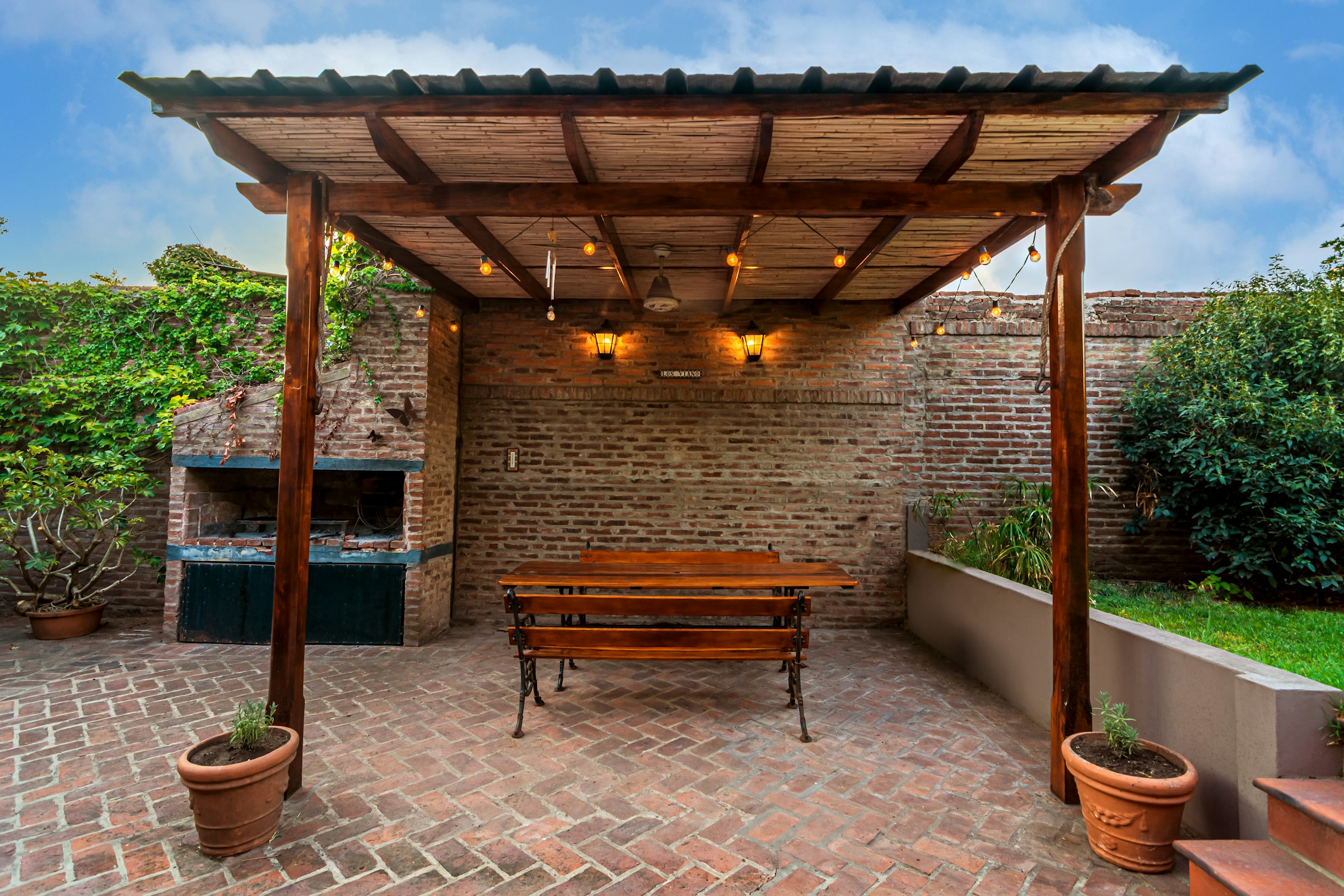

The Open-Rafter Problem: Why a Bare Pergola Falls Short
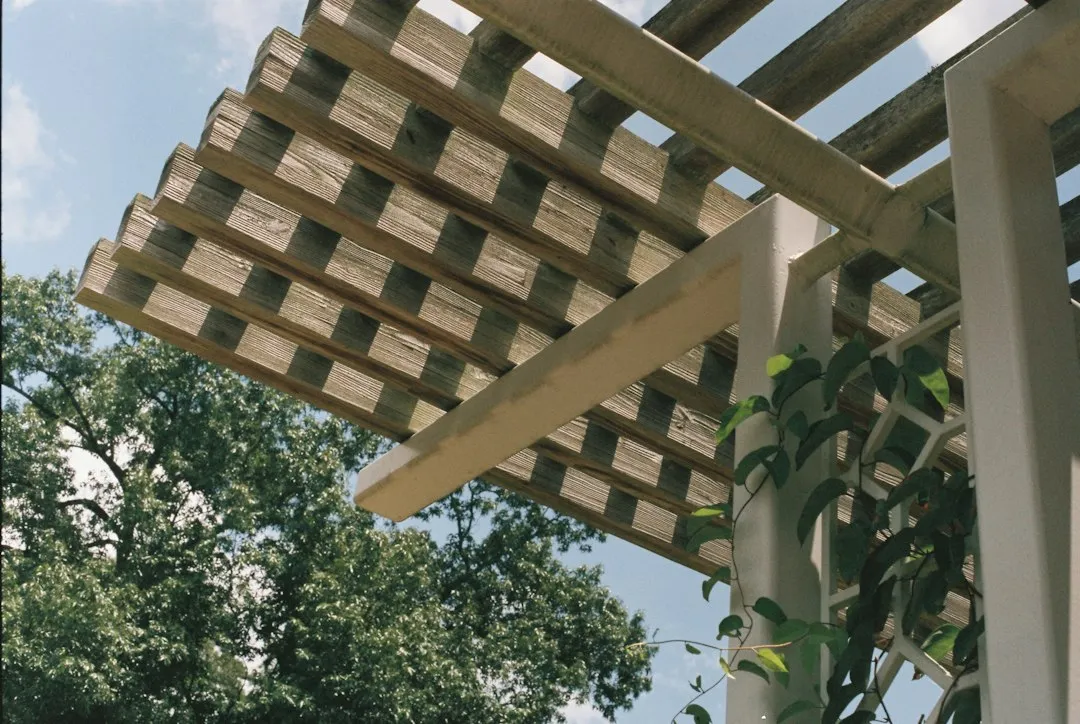
A standard pergola with open rafters provides approximately 40 to 60 percent shade. That sounds decent until you do the math. A pergola knocks down about 30 to 50 percent of UV depending on how densely the rafters are spaced – but 105-degree direct sun minus 40 percent is still roughly 95 degrees of misery.
The reality is that a pergola’s primary function is to create a defined outdoor room with dappled or filtered light. Filtered light is pleasant on a mild spring day. On a hot summer afternoon, dappled shade is barely a step above standing in full sun. The structure defines a space without truly defending it.
What Actually Happens to Surface Temperatures Without Cover
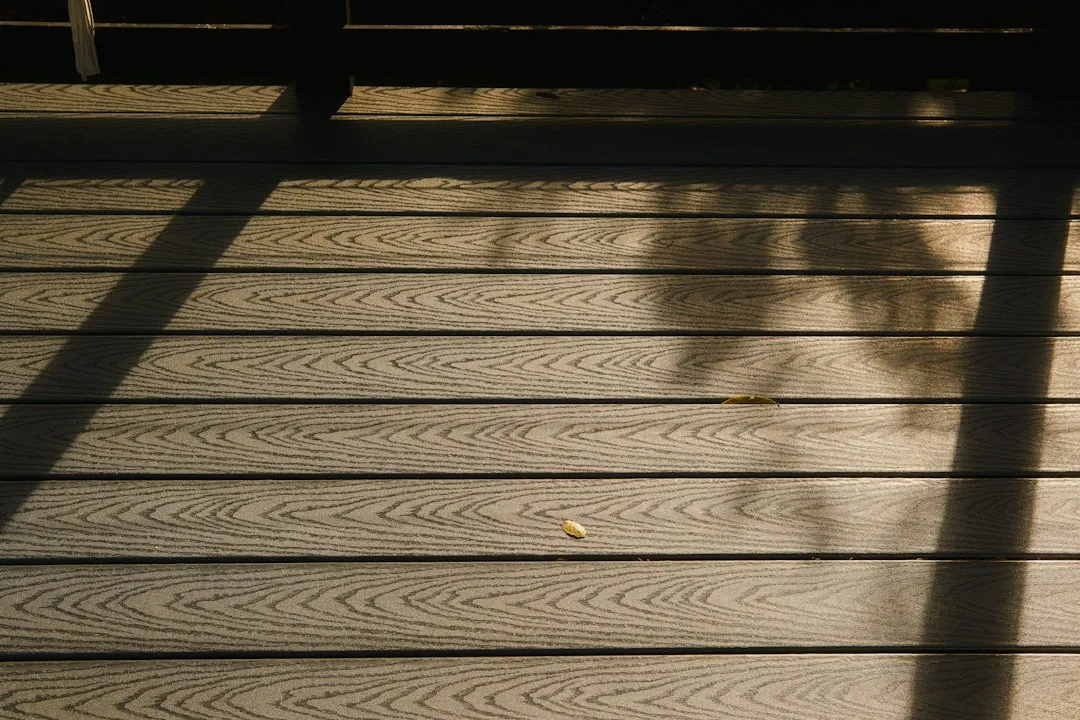
By 2 p.m. on a typical July afternoon, surface temperatures on unshaded pergola decking can exceed 140°F, according to Texas A&M AgriLife Extension data from 2022. That’s not a surface you want to touch, let alone sit near for an hour.
The most dramatic effect of shade is seen in the reduction of radiant heat, where surfaces like soil, containers, and metal can experience a temperature reduction ranging from 20 to 40 degrees Fahrenheit depending on the shade percentage used. Radiant heat from a sun-baked deck or concrete patio floor is often what makes an outdoor space feel truly unbearable, even when the air temperature alone seems manageable.
How Shade Cloth Intercepts Heat at the Source
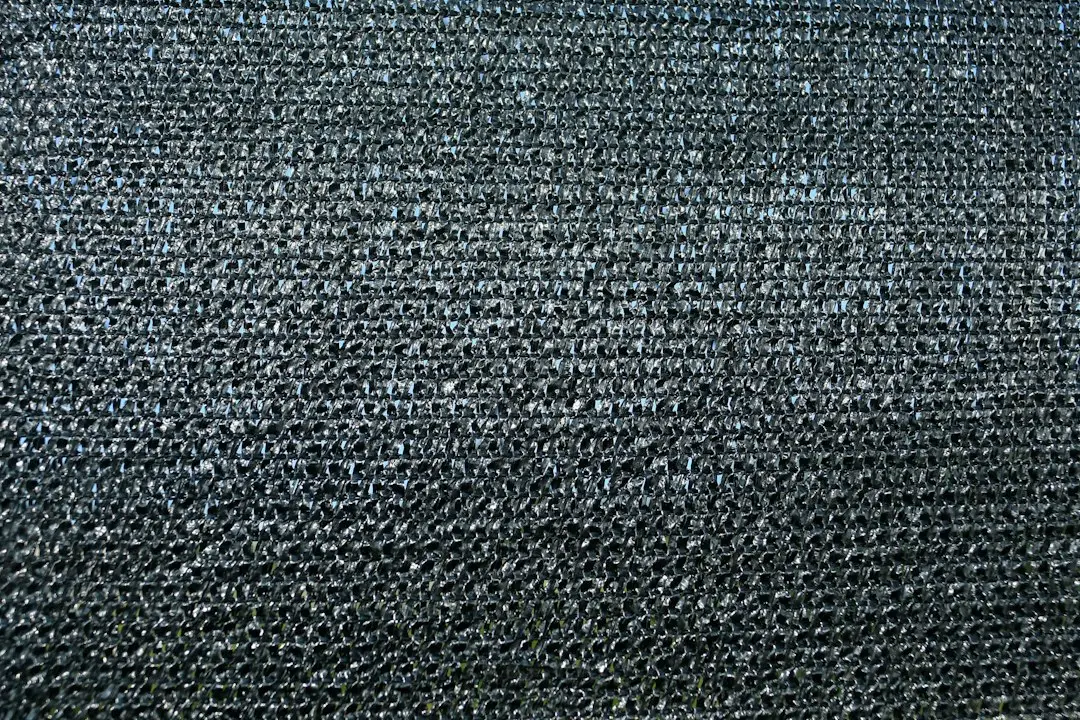
Shade cloth works by intercepting and diffusing solar radiation, significantly reducing radiant heat transfer. This is fundamentally different from just casting a shadow. The cloth absorbs and scatters incoming radiation before it ever contacts the surfaces below, which is what makes it more effective than simply spacing rafters more tightly.
Shade structures reduce backyard temperatures by blocking direct sunlight before it reaches surfaces. This prevents heat from being absorbed and radiated back into the space. As a result, shaded patios and outdoor areas stay cooler, more consistent, and more comfortable during peak sun hours.
The Real Numbers: How Much Cooler Does It Actually Get?
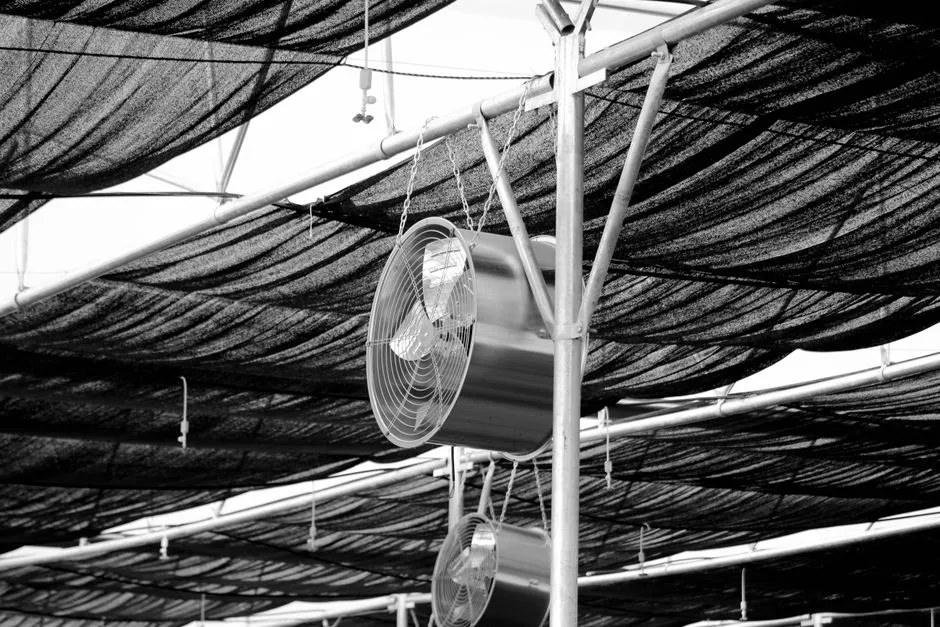
In well-ventilated, open environments like a patio, the air temperature can be lowered by 10 to 15 degrees Fahrenheit under a 50 to 70 percent shade cloth. That’s a meaningful shift. Studies show shaded outdoor areas measure 10 to 15°F cooler than adjacent sunny spaces, according to Lawrence Berkeley National Laboratory urban heat island research from 2023.
A published study in Building and Environment found that pergola shade provided an environment cooler by 16.2°C compared with direct sunlight. That research was conducted in a humid subtropical region, measuring actual thermal comfort indices rather than simple air temperature, which makes it one of the more rigorous data points available on pergola performance.
University of New Hampshire Cooperative Extension research documents that shade can reduce ambient air temperature by as much as 15 to 20°F, and that shaded surfaces run 20 to 45°F cooler than unshaded ones.
Shade Percentage: Choosing the Right Density for a Patio

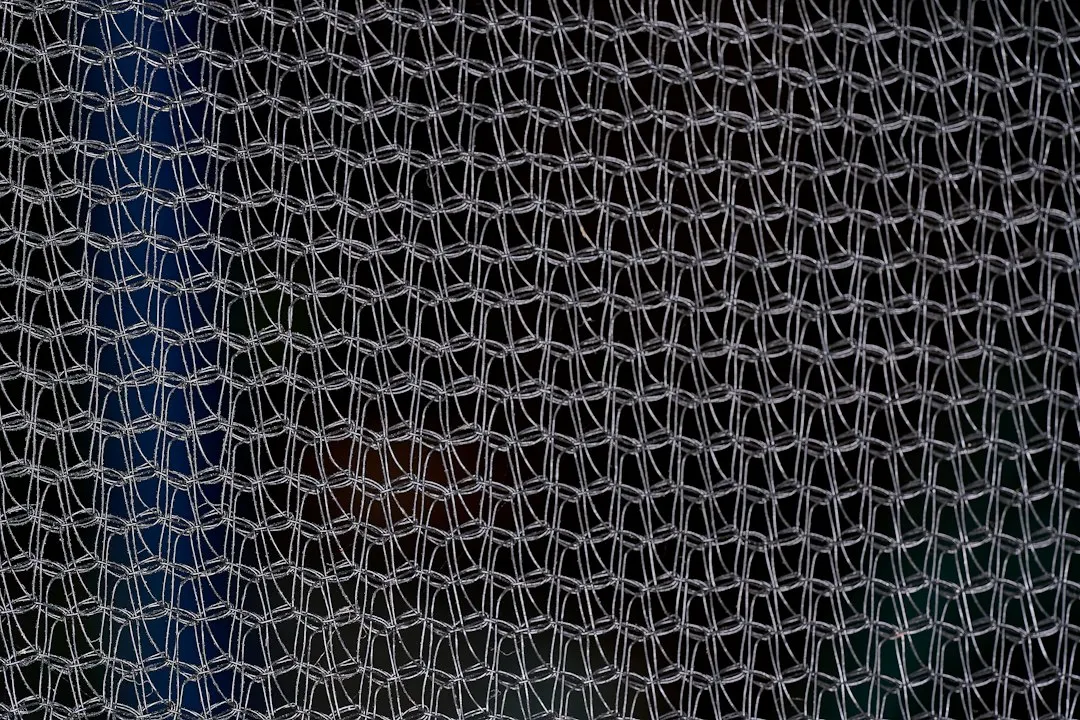
The shade percentage is the amount of sunlight the fabric blocks. A 70 percent shade cloth blocks 70 percent of direct sunlight and transmits 30 percent. The shade percentage is determined by the density of the knit, specifically how tightly the HDPE strands are packed together.
For patios and outdoor dining, the recommended shade percentage is 50 to 70 percent. Going much higher than that starts to restrict airflow, which is one of the key advantages a pergola has over a solid roof. At 90 percent shade cloth, temperature reductions can exceed 22°F. That level of density makes sense for intense sun exposure, but for most residential patios, a moderate density keeps things both cool and breezy.
Material Matters: HDPE and Why It Dominates
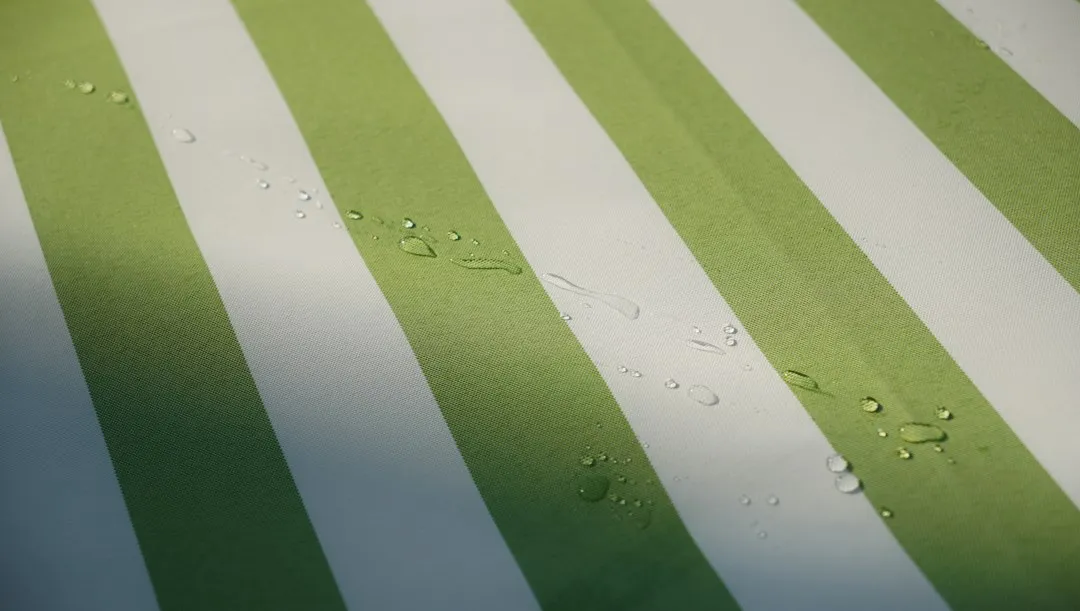
HDPE stands for high-density polyethylene, a thermoplastic polymer. When knitted into shade cloth, it creates a lightweight, UV-resistant fabric that blocks a precisely controlled percentage of sunlight. It’s the material you’ll find in most quality shade cloths today, and for good reason.
HDPE provides windproof and breathable performance to help keep outdoor spaces cooler. The fabric balances blocking capability with airflow, making it ideal for pergolas, balconies, and carports where you want substantial shade without a stuffy feel. Breathability is especially important on a pergola because the whole appeal of that structure – over a solid patio cover – is the ability to feel air movement.
Standard commercial-grade HDPE shade cloth contains 2 to 3 percent UV stabilizer by weight and carries a rated lifespan of 5 to 8 years. That’s a reasonable return for a relatively modest investment in outdoor comfort.
Color and Reflectivity: It’s Not Just About Looks
Aluminet shade cloth reduced air temperature by 5.6°F more than black shade cloth, according to comparative testing. The reflective aluminum-coated surface bounces incoming radiation away rather than absorbing it, which is a genuinely different mechanism from standard woven cloth.
Temperature reduction can vary based on the color of shade mesh. White shade cloth reflects sunlight and is effective in reducing temperatures. Black shade cloth absorbs some of the heat but provides uniform shade, and can lead to a temperature reduction of around 10°F under the cloth. White or reflective options tend to outperform darker ones when the goal is maximum cooling rather than maximum UV block alone.
Airflow Is the Pergola’s Advantage – Don’t Kill It

While solid covers block more sunlight, they can also trap some heat if airflow is limited. Open structures like pergolas allow air to circulate, helping reduce heat buildup while still limiting direct exposure. This balance is exactly what shade cloth preserves when chosen well.
Shade alone is not sufficient if there is trapping of hot air. Buildings with solid roofs, fabric canopies, or low ceilings will act as heat reservoirs, with the warm air rising and being trapped. A breathable knitted shade cloth avoids this trap almost entirely, since air passes through the weave even as radiation is blocked above it.
Tensioned shade cloth systems installed at a height of 7 to 8 feet can reduce patio temperatures by 10 to 15°F. Installation height matters as much as material density – too low and you restrict airflow, too high and you lose shade density at seat level.
UV Protection Beyond Just Comfort
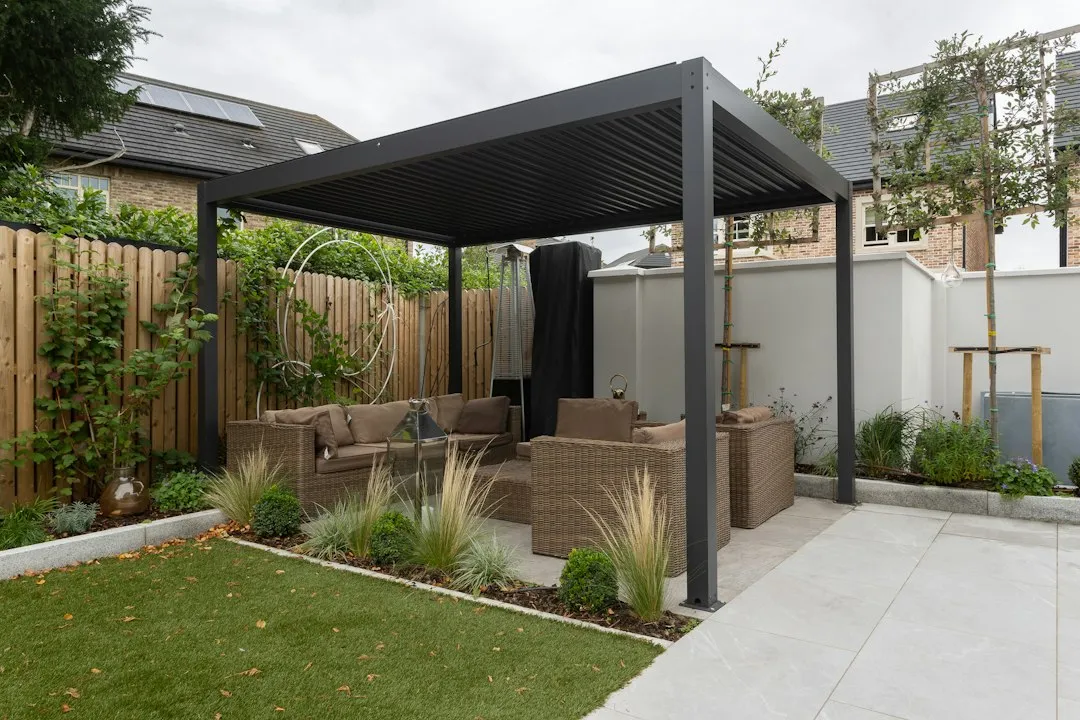
Quality outdoor pergola covers block 90 to 99 percent of harmful UV radiation, according to Skin Cancer Foundation Seal of Recommendation standards from 2024. That’s a significant health consideration, not just a comfort one. Spending two or three hours on an open patio adds up quickly in terms of cumulative UV exposure, even on days that don’t feel scorching.
High-quality sun shades for pergolas can block up to 95 percent of UV rays, significantly reducing the chances of skin and eye damage. For families with children who use the patio regularly through summer, this is as compelling a reason to add shade cloth as the temperature reduction itself. When evaluating shade cloth options, look for fabrics offering around 90 percent UV blocking, most of which use HDPE with GSM ratings around 200 for best durability.
Installation Height and Positioning: Getting It Right
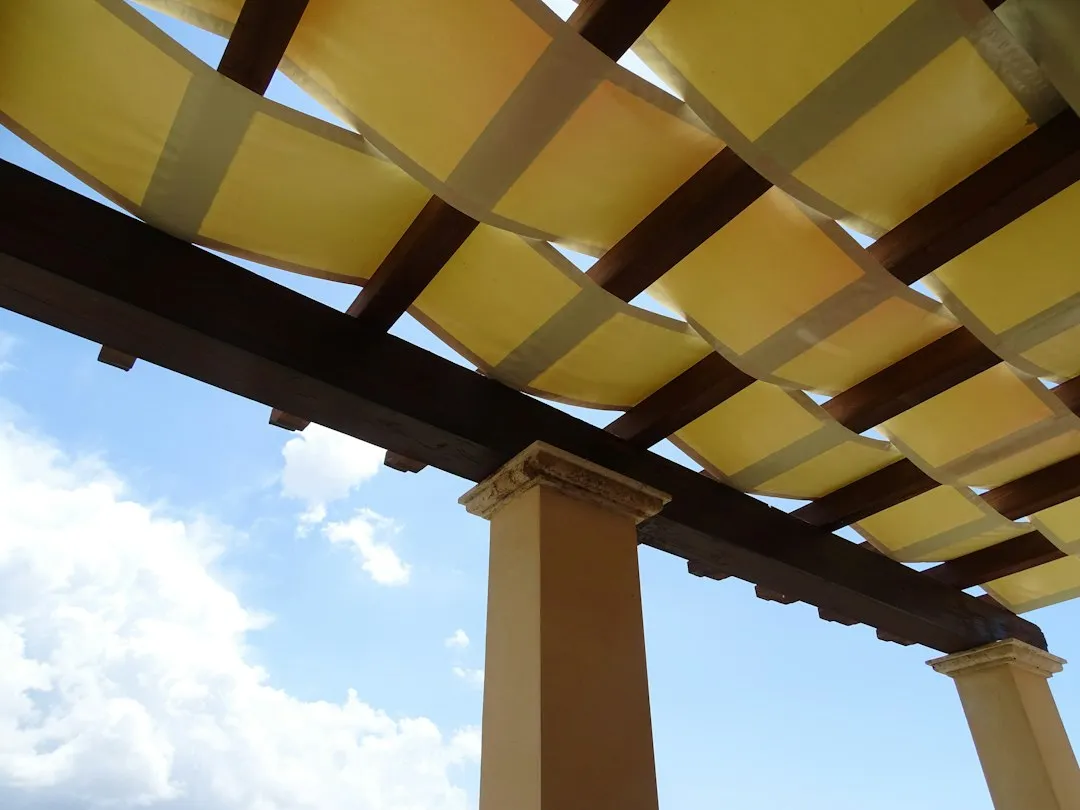
Position your shade cloth 2 to 3 feet above the area for optimal air circulation and cooling effect. This allows warm air to escape upward without accumulating directly under the cloth, which dramatically improves the felt temperature in the seated zone below.
A pergola height of 8 to 10 feet is generally recommended. Lower traps heat; higher loses shade density. That sweet spot keeps the structure functional year-round without compromising the airflow that makes a pergola feel different from sitting under a solid roof. Orientation matters too. A north-facing pergola gets the least direct sun and stays the coolest all day, so placement planning before installation can reduce how hard the shade cloth has to work once it’s fitted.
The Takeaway
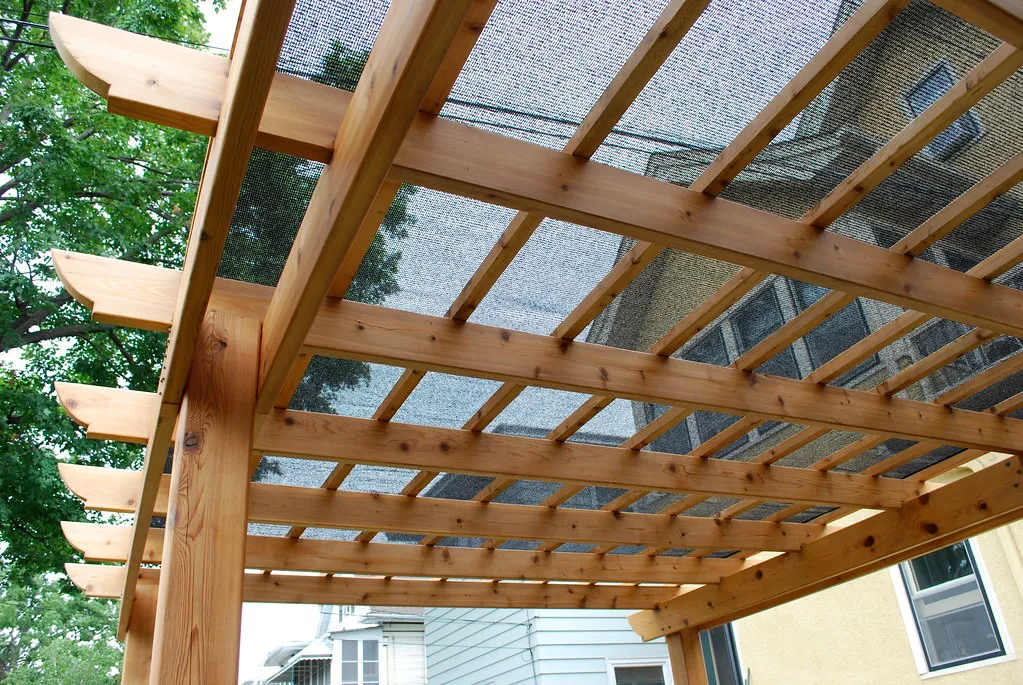
A pergola without shade cloth is an aesthetic feature. With shade cloth, it becomes a usable outdoor room for most of the year. The difference isn’t subtle – it’s the difference between a space that sits empty through summer and one that becomes a genuinely comfortable part of daily life.
The evidence from university research, thermal comfort studies, and real-world testing consistently points in the same direction: blocking radiation at the top changes everything below. The structure gives you the frame. The cloth does the actual cooling work.
AI Disclaimer: This article was created with the assistance of AI tools and reviewed by a human editor.