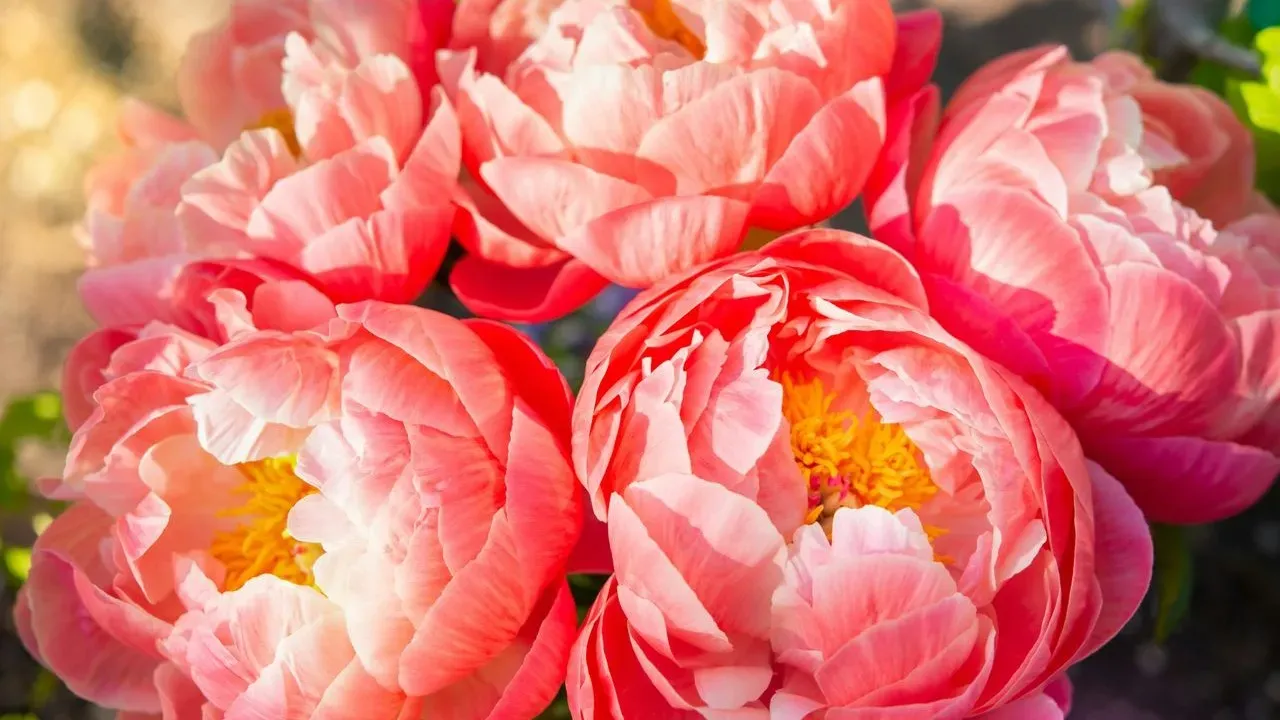

Peonies remain a staple in many home gardens because of their reliable spring display and long-lived plants. Yet the shape of the bloom itself often determines how well a variety holds up season after season. Structural differences among single, Japanese or semidouble, full double, and tree peonies influence everything from stem strength to maintenance needs, sometimes outweighing the appeal of any particular cultivar name.
Structural Forms That Shape Garden Results
Gardeners encounter four primary bloom structures when selecting peonies. Single forms feature one row of petals surrounding a center of stamens. Japanese and semidouble types add more petal layers while still showing prominent centers. Full double blooms pack numerous petals into a dense, rounded flower. Tree peonies, distinct from the herbaceous kinds, grow on woody stems that persist through winter. ([1])
These categories are not merely botanical distinctions. They directly affect how the plants behave in typical garden conditions, from soil drainage to exposure levels. Selecting primarily by name without regard to form can lead to disappointment when stems flop or flowers fail to repeat reliably.
Practical Consequences for Everyday Gardeners
The choice of bloom type carries real implications for time and effort required each year. Full double peonies, for instance, often produce the most dramatic flowers yet can demand staking or careful siting to prevent stems from bending under the weight. Lighter single and Japanese forms tend to stand more independently, reducing the need for additional supports.
Tree peonies bring a different set of considerations. Their woody framework allows them to reach greater heights and persist across seasons without the annual dieback seen in herbaceous types. This difference changes how and where they fit into mixed borders or foundation plantings.
Performance Patterns Across Types
Experience in home landscapes shows that bloom structure frequently predicts long-term satisfaction more accurately than any individual variety label. Plants with simpler petal arrangements generally weather wind and rain with fewer issues. Denser doubles, while visually striking, sometimes require more intervention to maintain their appearance.
Tree peonies add another layer of permanence. Once established, they can continue blooming for decades with minimal division or replanting. This longevity appeals to gardeners planning for continuity rather than frequent redesigns.
Selecting With Performance in Mind
Focus first on the structural category that aligns with available space, maintenance tolerance, and desired effect. Single and Japanese forms suit informal settings where natural habit is preferred. Full doubles reward sites with good air circulation and sturdy companions. Tree peonies work well as permanent specimens in sheltered locations.
Matching the right form to local conditions reduces future adjustments and increases the chance of consistent spring displays. Over time, this approach yields more satisfying results than chasing the latest named introduction without considering its underlying structure.
AI Disclaimer: This article was created with the assistance of AI tools and reviewed by a human editor.