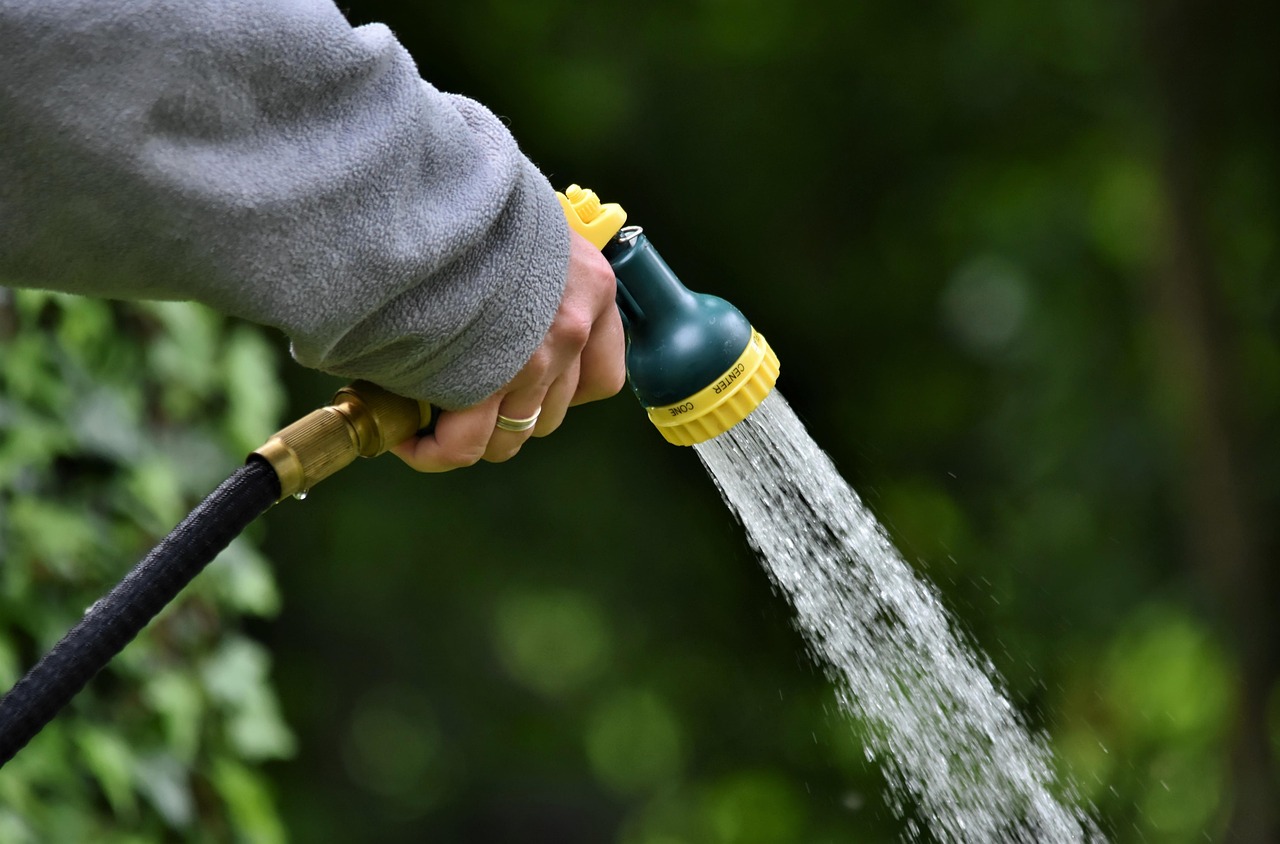

Drought gets all the attention. News coverage, water restrictions, and alarmed neighbors with crispy lawns all point the finger at too little water. Yet quietly, steadily, and in backyards across the country, the real killer is doing its work in the other direction.
Improper irrigation is probably the most common cause of plant damage. More specifically, the damage leans heavily toward excess rather than scarcity. Overwatering is actually the number one way we kill houseplants, while forgetting to water ranks second. That gap is worth pausing on.
The Surprising Numbers Behind a Common Mistake
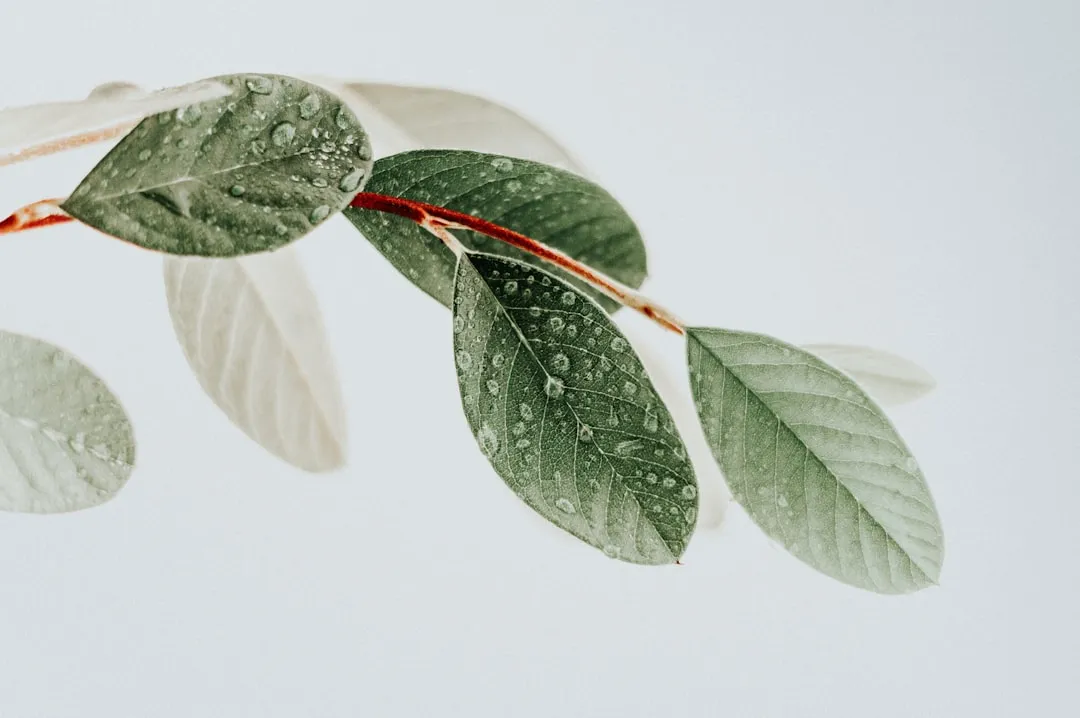
Nearly nine in ten Americans have overwatered or underwatered a plant, and while roughly half blame a lack of knowledge, the majority simply admitted they forgot to stop. The instinct to water more when a plant looks troubled is deeply human. It is also frequently wrong.
It is estimated that up to roughly four in five cases of plant death are due to over-watering. That figure stands in stark contrast to the widespread assumption that drought poses the greater everyday threat. Most people garden with the best intentions, but good intentions and a garden hose can be a dangerous combination.
What Happens Underground When You Water Too Much
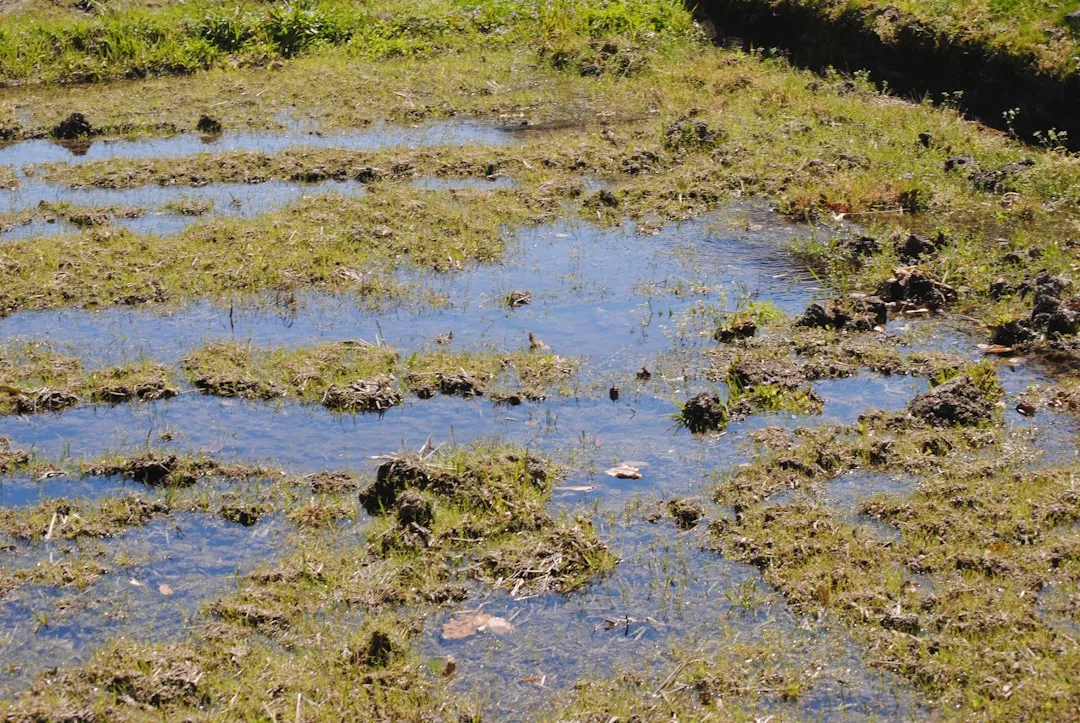
Soil needs air pockets to provide oxygen to plant roots, and when soil is oversaturated with water, those air pockets fill completely, drastically reducing the oxygen available to the roots. It is essentially suffocation from below, invisible until real damage has already set in.
Over-watering severely limits or even cuts off the supply of oxygen that roots depend on to function properly, and furthermore can lead to root rotting and the irreversible decay of roots. Once that decay begins, the clock is ticking. Roots can’t breathe and start dying within days of sitting in waterlogged soil.
How Root Rot Takes Hold
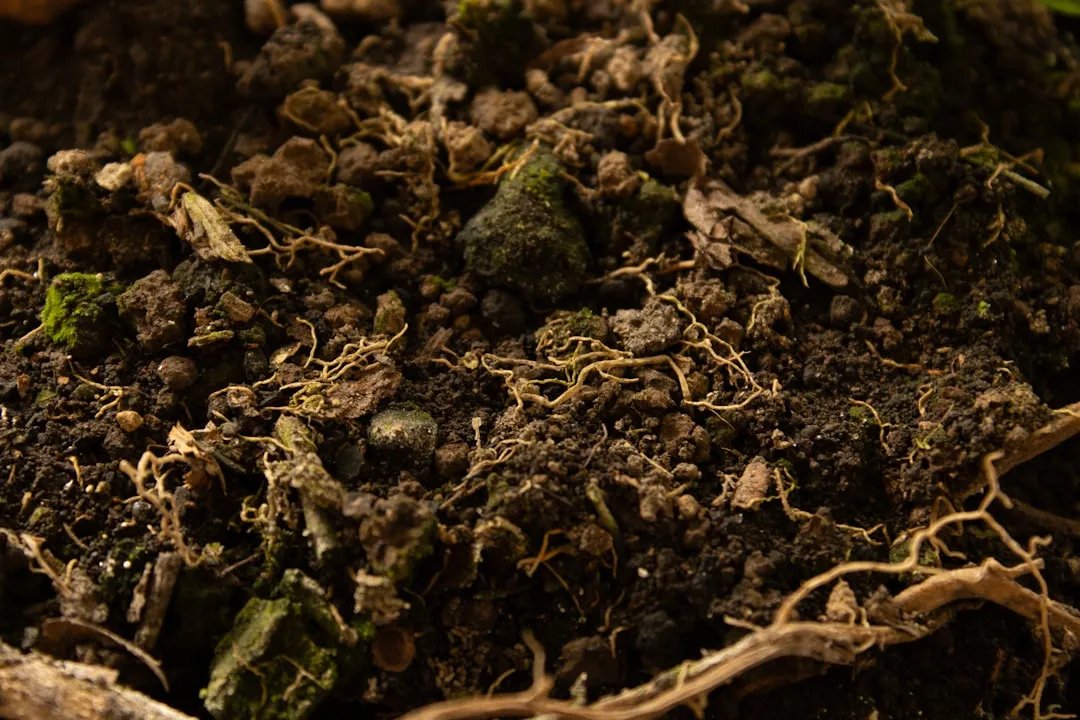
Root rot usually develops when soil stays too wet for too long, and in saturated soil, plant roots can’t breathe. Most garden and houseplant root rot problems are caused by water molds such as Phytophthora and Pythium, as well as a few true fungi, including Rhizoctonia and Fusarium.
Low oxygen triggers the overgrowth and multiplication of fungi that naturally occur in the soil, including Pythium, Phytophthora, Rhizoctonia, Botrytis, Alternaria, and Fusarium. These fungi cannot harm healthy roots, but weak, oxygen-starved roots become easy targets, and the rot spreads fast once it starts.
Root rot starts below the surface, which means visible leaf symptoms such as yellowing, midday wilting, and stunting appear only after significant root damage has already occurred. By the time a gardener notices anything, the situation underground is often already severe.
The Wilting Paradox That Fools Everyone
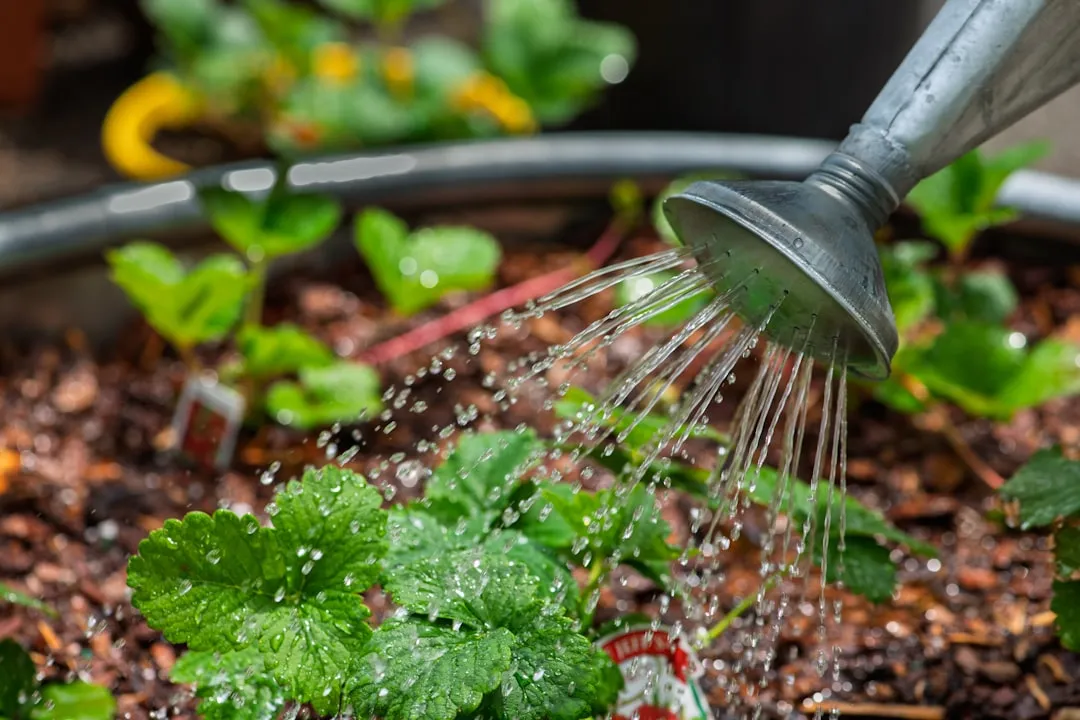
In the middle of a severe and lengthy drought, garden centers report that customers return large numbers of dead plants, and closer inspection reveals that the cause of death is drowning. Facing sustained high temperatures and the lack of rainfall, gardeners overreact by watering in excess.
Overwatering can be tricky to diagnose because it mimics the signs of underwatering. As roots rot away, plants lose their ability to take up water and nutrients, which is why plants with root rot often wilt, yellow, or decline even when the soil is moist and nutrients are available. Gardeners who see wilting and immediately reach for the hose are often making the problem dramatically worse.
How Overwatering Invites Disease and Pests
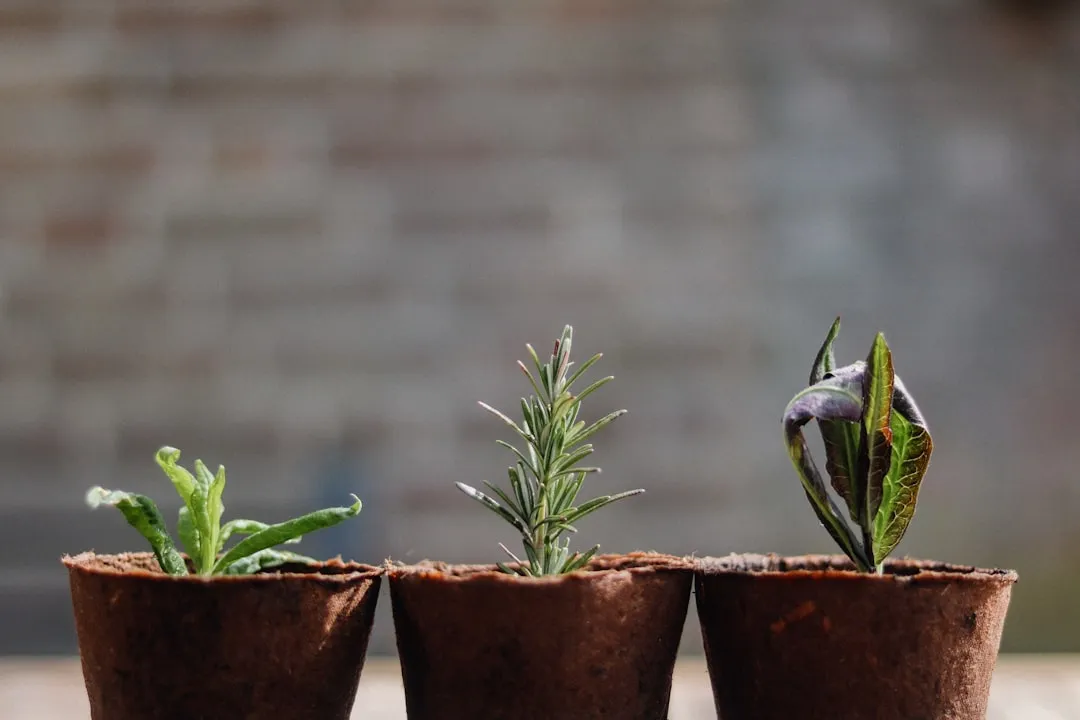
An inappropriate amount or frequency of irrigation predisposes plants to attack by mites and certain insects, and most pathogenic bacteria and fungi require moisture to infect plants, making good water management critical to effective pathogen control.
Overwatering can also wash away essential nutrients from the soil, leading to nutrient deficiencies, and excess moisture can weaken the structural integrity of the plant, making it more susceptible to diseases and pests. Long periods of soaking rain or irrigation reduce soil oxygen content, making even healthy plants susceptible to Phytophthora diseases. The damage is rarely from one cause alone but from a cascading chain of them.
Frequency Matters More Than Volume
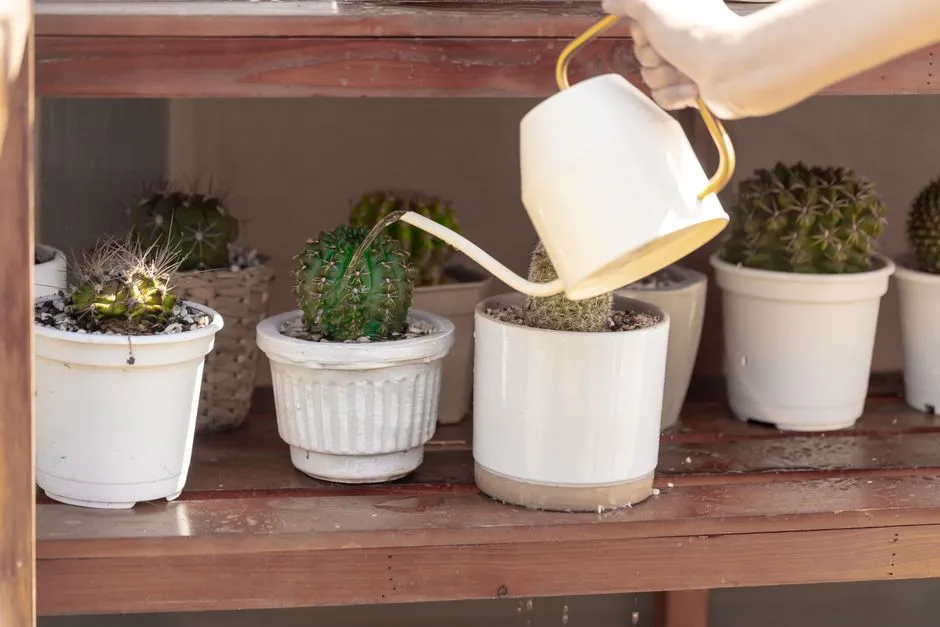
Overwatering problems occur primarily because water is applied too frequently rather than too much being applied during a single irrigation. This is a critical distinction. A generous deep watering session followed by adequate time to dry out is far less harmful than light, daily watering that keeps the soil perpetually damp.
During the growing season, watering deeply ensures that moisture penetrates into the root growth below, and once or twice a week is enough for most plants, but checking the soil first is always the best approach. One inch of rain per week is typically sufficient, with most plants not needing much more, though shallow-rooted plants like lettuce and radishes need considerably less than deep-rooted ones like tomatoes.
The Enormous Hidden Water Waste Problem
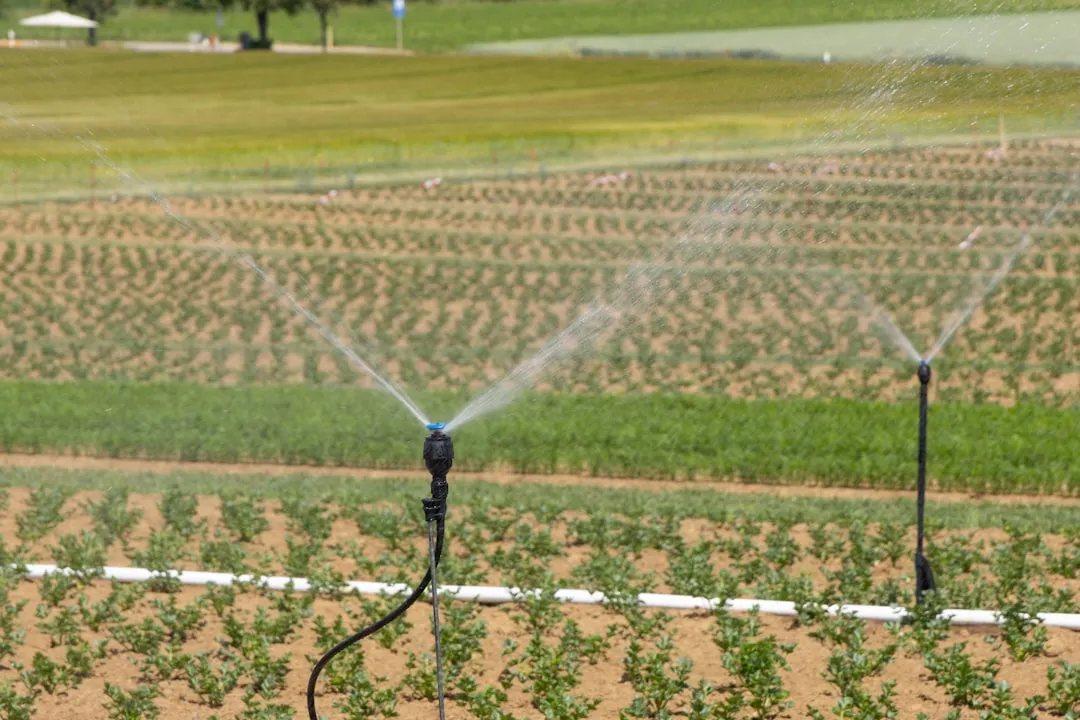
The damage from overwatering goes beyond dead plants. It carries a significant environmental and financial cost that most people never think about.
As much as half of the water used outdoors is lost due to wind, evaporation, and runoff caused by inefficient irrigation methods, and a household with an automatic landscape irrigation system that isn’t properly maintained can waste up to 25,000 gallons of water annually. Between thirty and sixty percent of irrigation water is wasted due to common system issues like leaks, broken sprinkler heads, and poor scheduling.
If every home in the United States with an automatic sprinkler system installed and properly operated a smart irrigation controller, it could save up to $4.5 billion in water costs and 390 billion gallons of water annually from not overwatering lawns and landscapes. That is a staggering figure, and it points directly at overwatering as a systemic, not just a personal, problem.
Drainage: The Factor Most Gardeners Underestimate
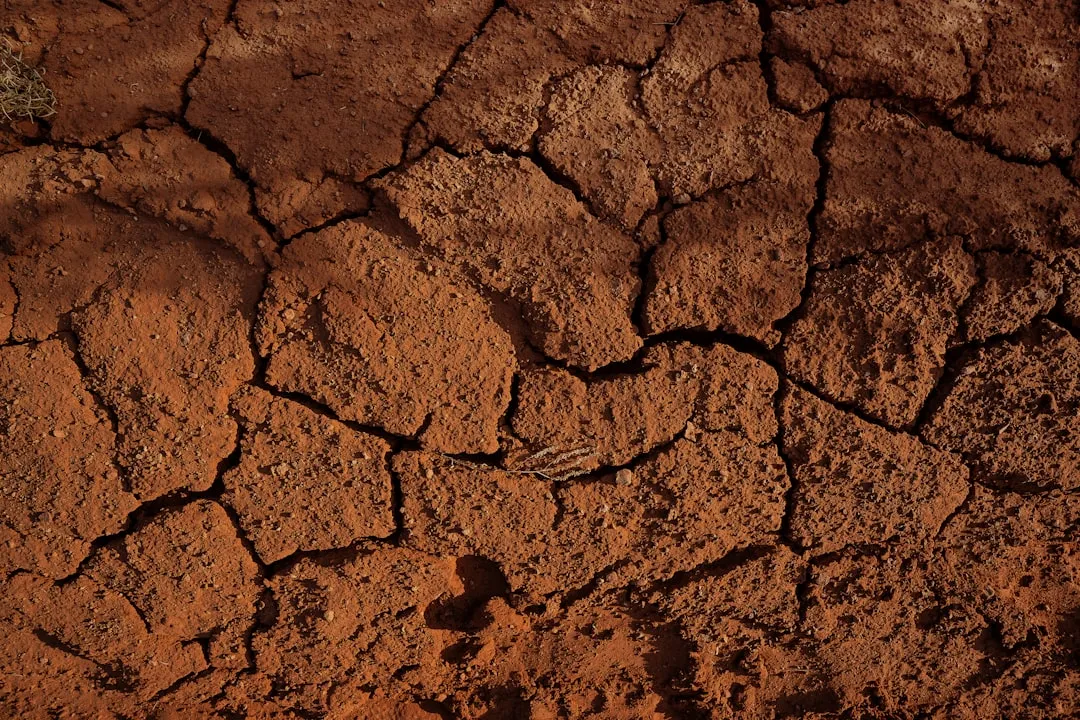
Overwatering is especially damaging when drainage is poor. Even a reasonable watering schedule can produce root rot conditions if the soil has no path for excess water to escape. Container plants are particularly vulnerable.
Poor drainage is compounded when the growing media doesn’t drain well, allowing excess water to occupy all the pore space, and the problem worsens when a container lacks adequate drainage holes, the potting soil is compacted, or an incorrect substrate is used. The type of soil has a strong influence on drainage, with good soil high in organic content draining faster, while clay soils hold more water and sandy soils hold considerably less. Knowing your soil type is not optional knowledge, it is the foundation of proper watering.
Even Drought-Tolerant Plants Are Vulnerable
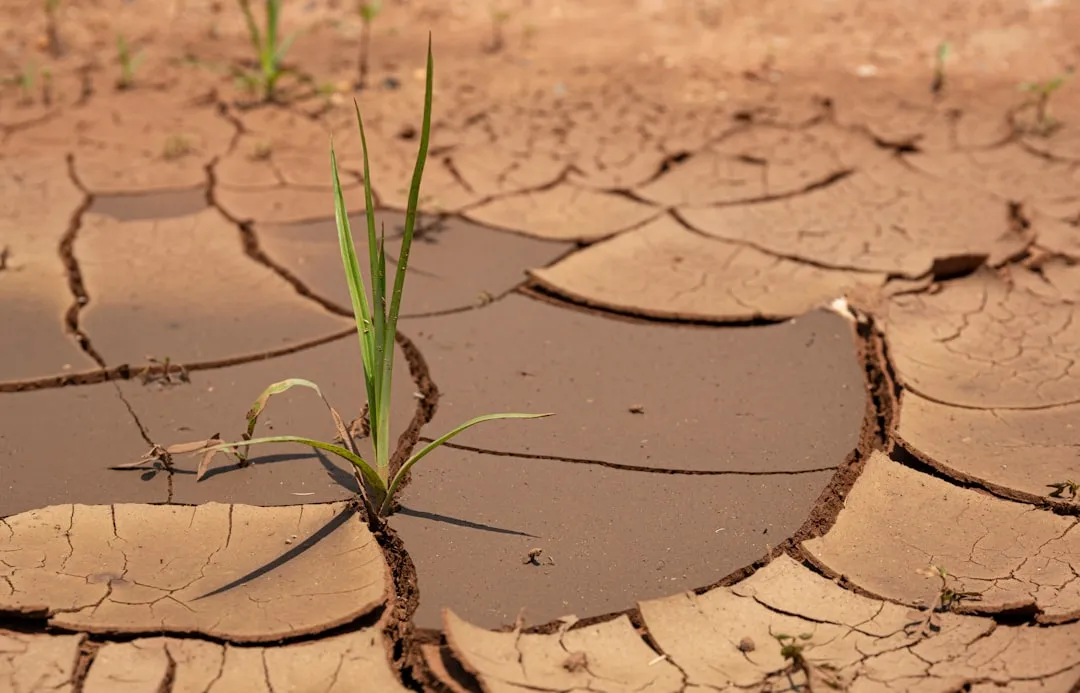
There is a common assumption that drought-tolerant or native plants are essentially indestructible. That assumption is wrong.
Over time, excess water on xeric landscapes can significantly affect the health of drought-tolerant plants. Plants evolved to handle dry spells simply lack the mechanisms to push excess moisture out of their root zones. They may actually be more sensitive to waterlogged conditions than plants from wetter climates, precisely because their root systems are adapted for scarcity, not surplus.
Root systems of container-grown plants are frequently subjected to extremes of soil moisture, and overwatering causes oxygen deficiencies in root systems, with both forms of stress implicated in the development of Phytophthora root rots. Choosing drought-tolerant species is only half the battle. Watering them correctly completes the equation.
How to Water Smarter Starting Now
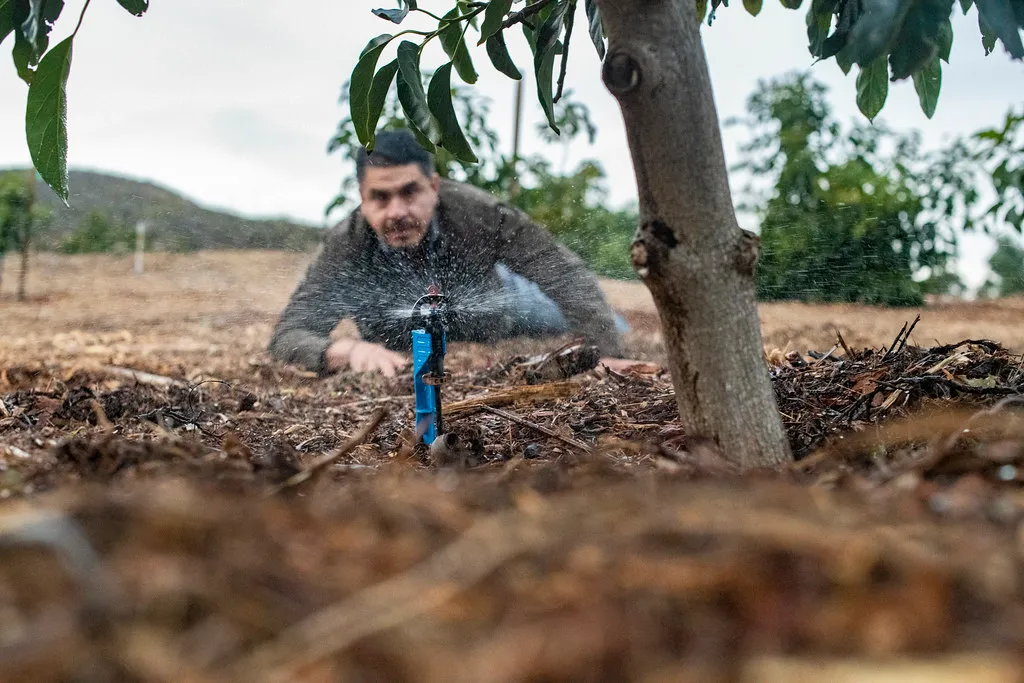
Feel the soil an inch or so beneath the surface, and if it is still moist from the last watering session, it may be oversaturated, so delaying the next watering event is advisable. A simple finger check costs nothing and can save a plant’s life.
Smart watering systems can help conserve water by automatically adjusting watering schedules based on weather conditions and soil moisture levels. Replacing a standard clock-based controller with a smart irrigation controller can save an average home up to 15,000 gallons of water annually. For anyone with an automatic system, this upgrade pays for itself quickly in both healthier plants and a lower water bill. If a plant has not reached a critical point, it will usually recover as long as it receives only the water it actually needs going forward.
The Takeaway
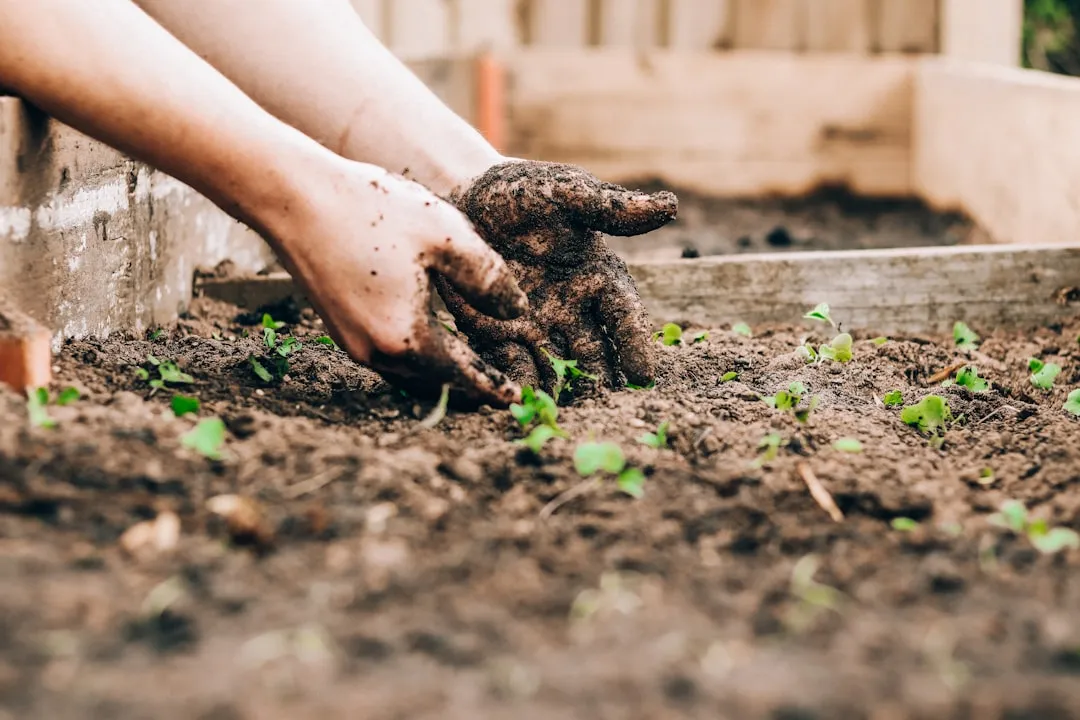
Drought is a real threat, and no one is arguing otherwise. Entire ecosystems depend on adequate rainfall, and climate projections make water scarcity a genuine long-term concern. Still, in the immediate, practical world of the home garden, the evidence consistently points in the same direction.
Excessive watering is one of the leading causes of issues in the home landscape, and the problem compounds itself because the symptoms are so easily misread. A wilting plant, a yellowing leaf, a stem that looks limp: each of these triggers more water when the actual fix is restraint.
The most powerful tool in a gardener’s kit is not a watering can. It is patience. Check the soil before you water, understand the drainage beneath your plants, and trust that most plants, in most conditions, need less water than you think. That single habit shift will save more gardens than any rain gauge ever will.
AI Disclaimer: This article was created with the assistance of AI tools and reviewed by a human editor.