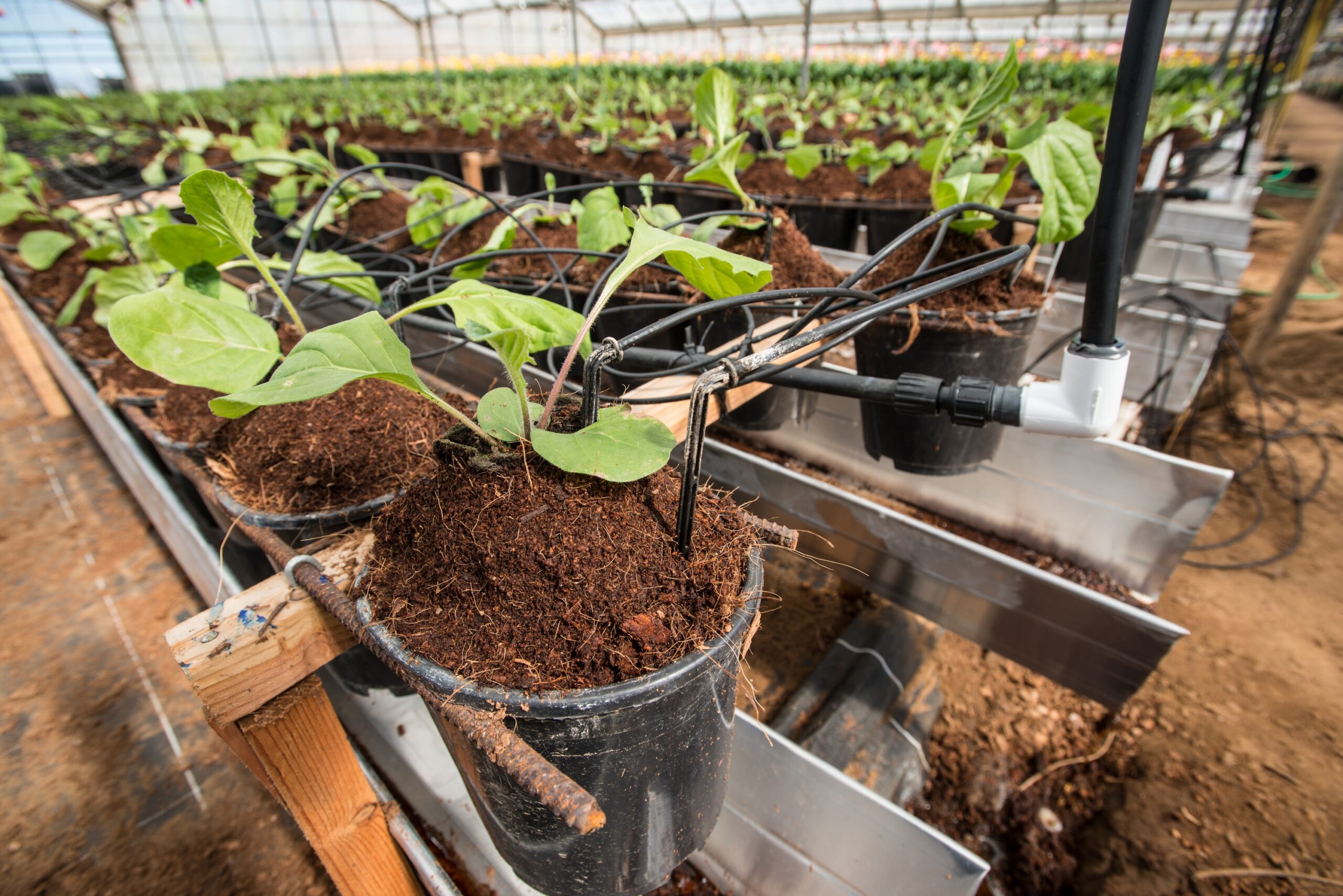

Most people who lose a houseplant assume they simply weren’t paying enough attention. The real story is usually the opposite. Across millions of living rooms, offices, and kitchen windowsills, plants are dying not from neglect, but from too much care, specifically too much water.
The numbers tell a clear story. The most common issue with houseplants is overwatering, accounting for nearly half of all plant failures. In 2026, over half of houseplant owners reported they do not know how to properly care for their plants, according to Gitnux statistics. Understanding why water, something so essential to life, becomes a killer is where good plant care actually begins.
The Scale of the Problem
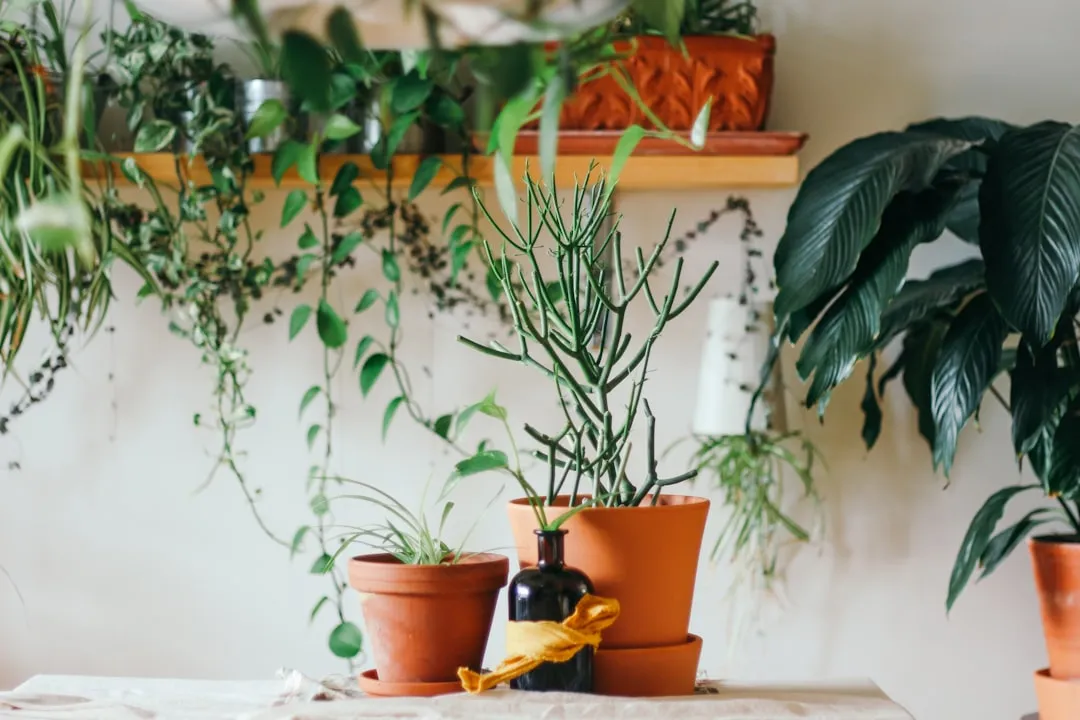
Houseplants have never been more popular. The global indoor plant market was valued at roughly 21 billion dollars in 2025, with projected compound annual growth of around four to five percent through 2030. More plants in more homes means more people making the same mistakes. The most common reason people fail to keep houseplants alive is overwatering, cited by around six in ten plant owners.
The average plant parent has killed seven houseplants. That’s not a sign of bad luck. It’s a pattern, and overwatering sits at the center of it. The instinct to water generously feels like good stewardship, but for most common houseplants, it’s the fastest route to failure.
What Actually Happens Underground
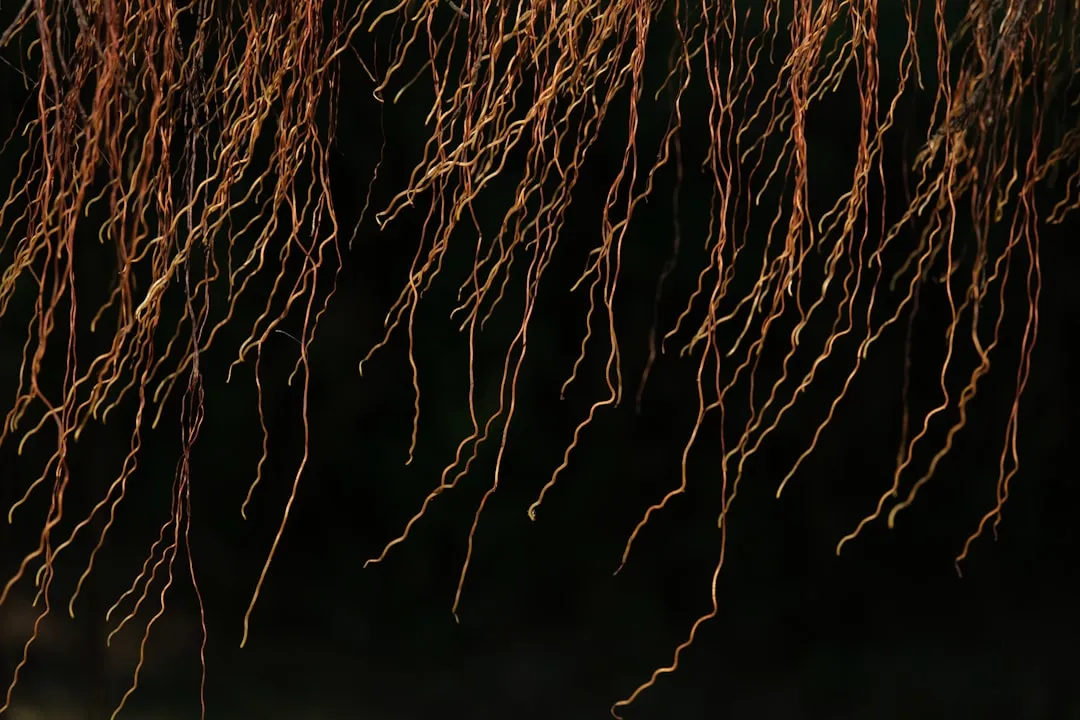
Plants need water, but they also need oxygen around their roots. Healthy soil contains tiny air pockets that allow roots to breathe. When soil stays constantly wet, those air pockets fill with water and roots begin to suffocate. This process is invisible until it’s too late.
Without oxygen, root cells switch to anaerobic metabolism, producing ethanol and other toxins that damage tissue and can eventually kill the plant. Even a few hours of saturation can begin to stress roots, while prolonged waterlogging, typically 24 to 48 hours, leads to irreversible cell death. What looks like a simple watering routine can quietly destroy a root system over days or weeks.
Root Rot: The Hidden Consequence
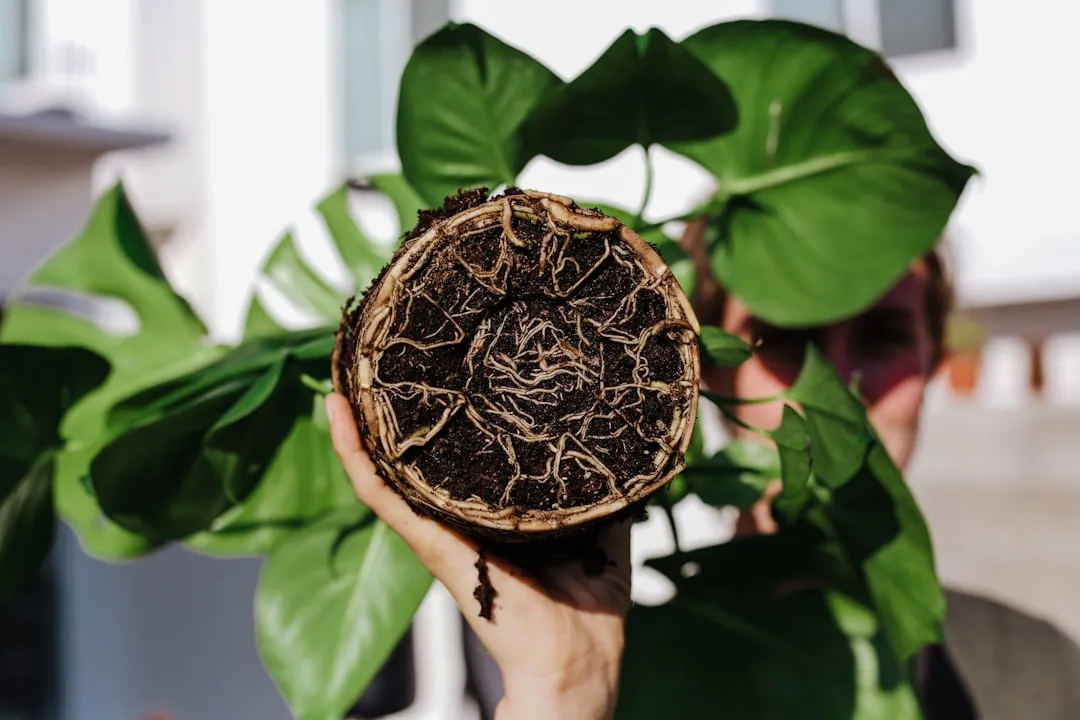
Root rot is essentially the rotting of roots, typically caused by waterlogging or poor drainage. Certain fungi cause this condition, including phytophthora, pythium, and rhizoctonia. These pathogens thrive specifically where oxygen is low and moisture is persistently high.
Once roots are deprived of oxygen, they weaken and become vulnerable to fungal infections. This is when root rot begins. Root rot spreads silently beneath the surface, and by the time leaves turn yellow or stems feel soft, the damage is already advanced. As there is no reliable way to reverse root rot, it’s generally recommended to water a plant only when the surrounding soil becomes dry.
Why Symptoms Get Misread
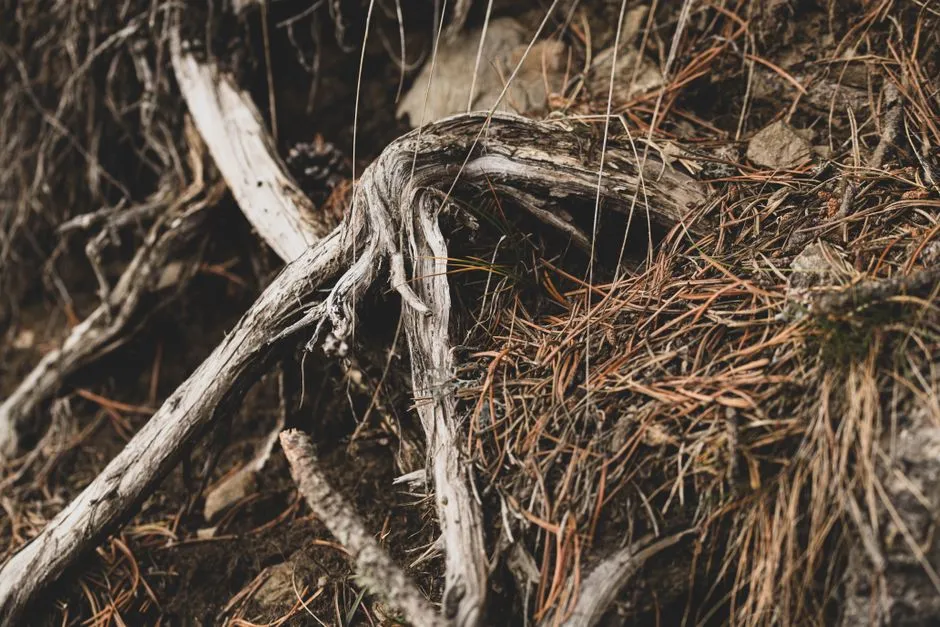
When plants sit in waterlogged soil for too long, their roots suffocate, unable to absorb vital nutrients. This leads to a cascade of symptoms, including wilting, yellowing leaves, and a general appearance of thirstiness. Many people misinterpret these signs as a need for more water, watering even more.
Plants often send clear distress signals long before collapse, but many gardeners misread them as dryness. Yellowing leaves combined with consistently wet soil often signal oxygen starvation rather than thirst. This feedback loop is one of the most common and costly errors in houseplant care. The well-meaning plant owner waters again, and the decline accelerates.
The Signs You’re Overwatering
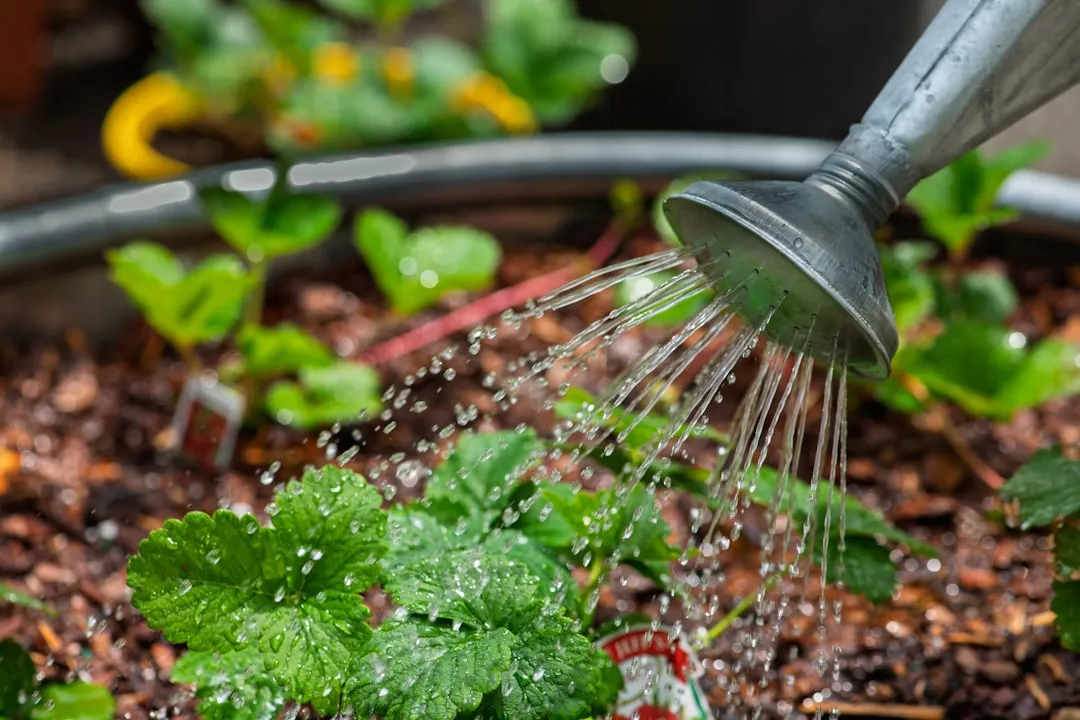
One of the first signs of overwatering is yellowing leaves and soft, limp plants. This happens because overwatering can cause the roots to rot, which leads to a lack of oxygen and nutrients. Other signs include mold or fungus on the soil, a foul odor coming from the soil, and wilting or drooping leaves.
A sour or musty smell rising from the soil often points to low oxygen levels and microbial imbalance. Mushy stems near the soil line also indicate excess moisture around the root crown. Leaves may yellow even when watering continues, which confuses many gardeners into adding more water. Checking soil moisture before reaching for the watering can is a habit that pays off immediately.
The Fungus Gnat Connection
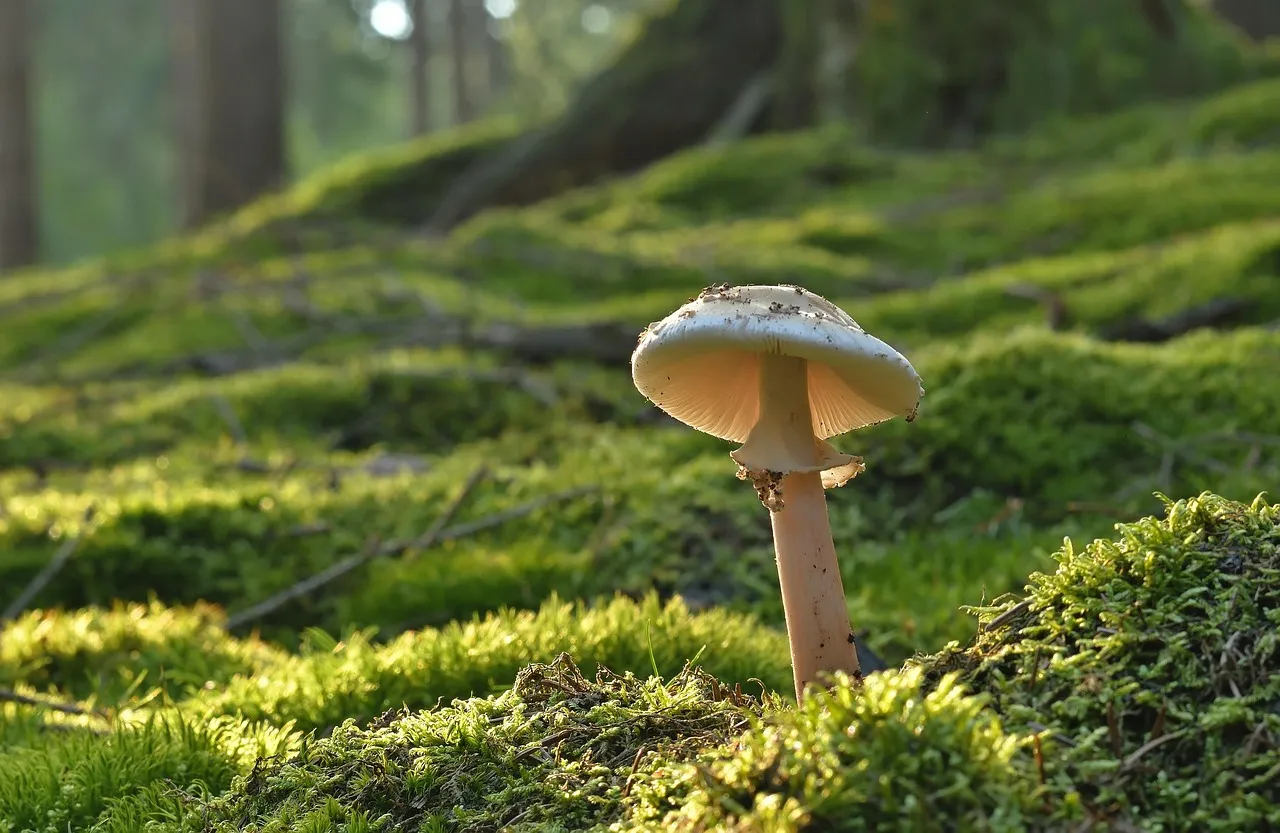
Fungus gnats are small flies that infest soil, potting mix, and other container media. Their larvae primarily feed on fungi and organic matter in soil, but also chew roots. Their presence is almost always a signal that the soil has been staying wet for too long.
Fungus gnat larvae can be a serious problem in potted plants and interior plantscapes when populations grow large. Many infestations happen as a result of overwatering. They are drawn to moist conditions and feed on fungus and other organic matter. In their larval form, they eat plant roots, which can make them a potentially lethal infestation for young or vulnerable plants. What starts as a watering mistake can quickly become a pest problem.
How Pot Choice and Drainage Make It Worse
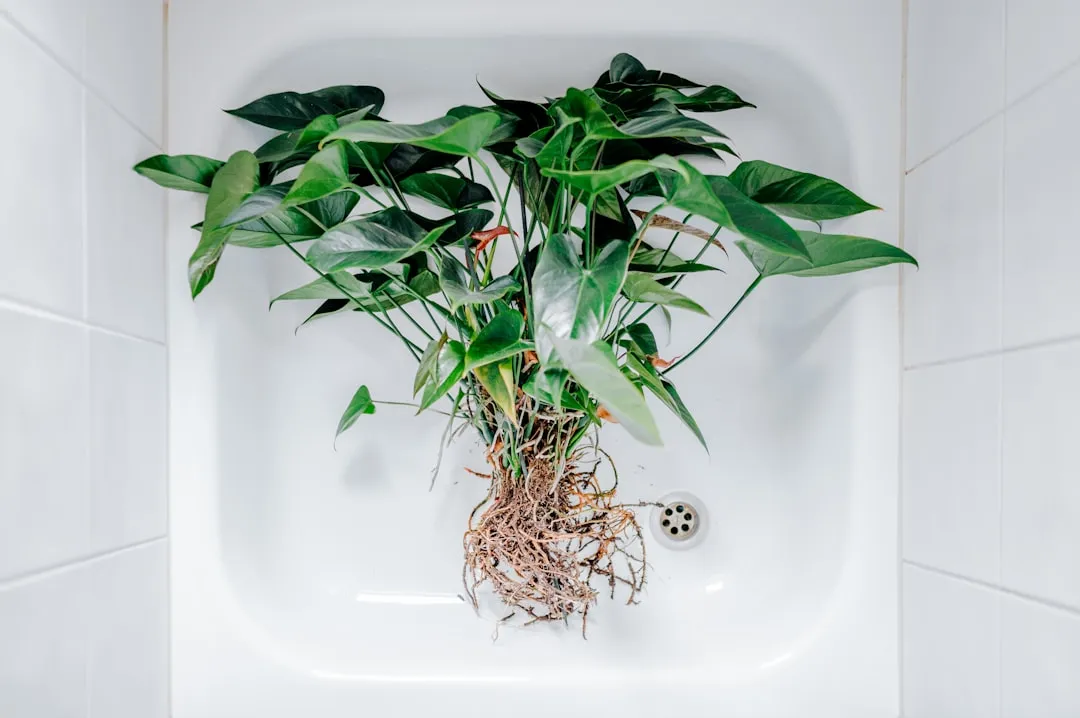
Overwatering is a phenomenon that often happens in houseplants due to excessive watering, and excess water can deplete oxygen from the soil and encourage the growth of harmful bacteria and fungi. Pot design plays a major role in how quickly this damage takes hold. Making sure a pot has drainage holes is essential. Decorative pots without drainage are one of the fastest ways to cause root rot.
Higher ambient temperatures and compacted or dense potting mixes accelerate the depletion of oxygen because warm water holds less dissolved oxygen and tight soils limit any remaining air pockets. A beautiful ceramic pot with no drainage hole is essentially a slow trap for any plant sitting inside it. Form and function need to work together.
The Nutrient Loss Nobody Talks About
Waterlogged conditions wash away essential nutrients, leaving plants both hungry and drowning at the same time. This is a side effect that rarely gets discussed alongside root rot, yet it compounds the damage significantly. A plant struggling with rotting roots also can’t take up what little nutrition remains in the soil.
Overwatering creates a hidden chain reaction that spreads through the entire system. Soil microbes shift, beneficial organisms decline, and root structures weaken under constant moisture stress. Plants lose their ability to absorb nutrients properly, which leads to stunted growth and sudden collapse. By the time this chain reaction becomes visible, reversal is rarely straightforward.
How to Water Correctly
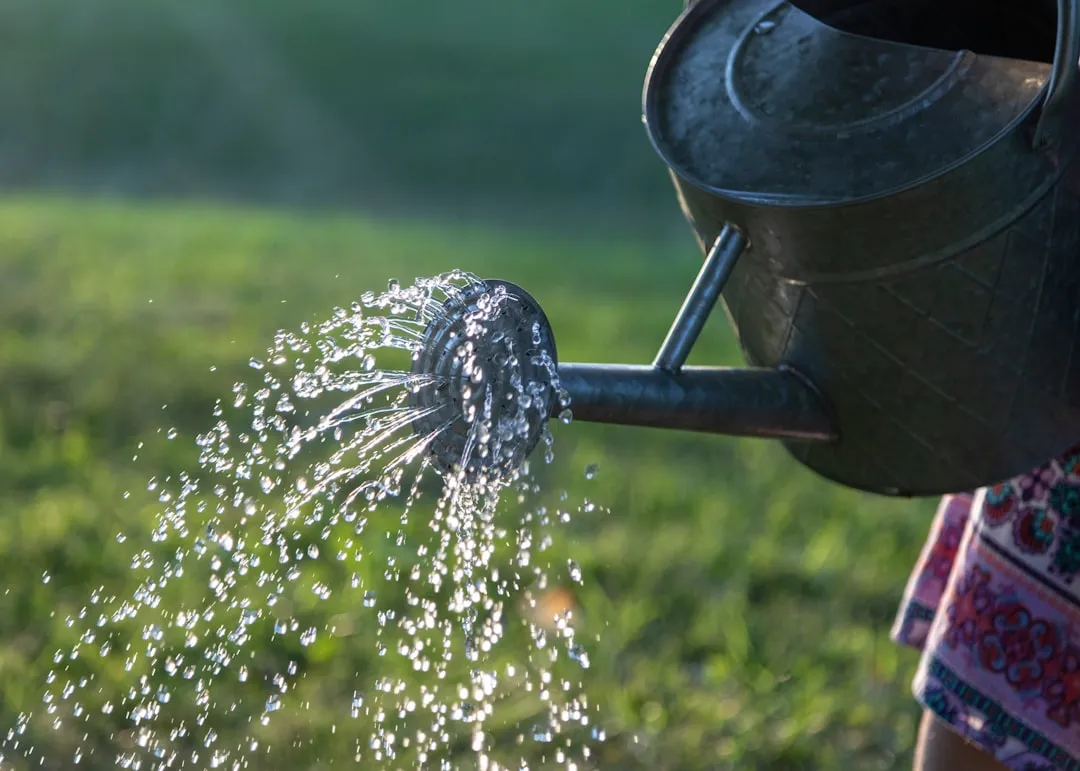
Before watering, always check the soil. Insert your finger two inches down. If it feels damp, wait. For larger pots, use a wooden skewer or moisture meter to test deeper. This simple physical check takes a few seconds and prevents most overwatering damage entirely.
Most common houseplants prefer a “soak and dry” cycle. Water thoroughly, then allow the top portion of soil to dry before watering again. Healthy watering habits rely on observation rather than fixed schedules. Seasons change, temperatures shift, and the plant’s actual needs vary. No calendar reminder replaces checking the soil with your hand.
Recovering an Overwatered Plant
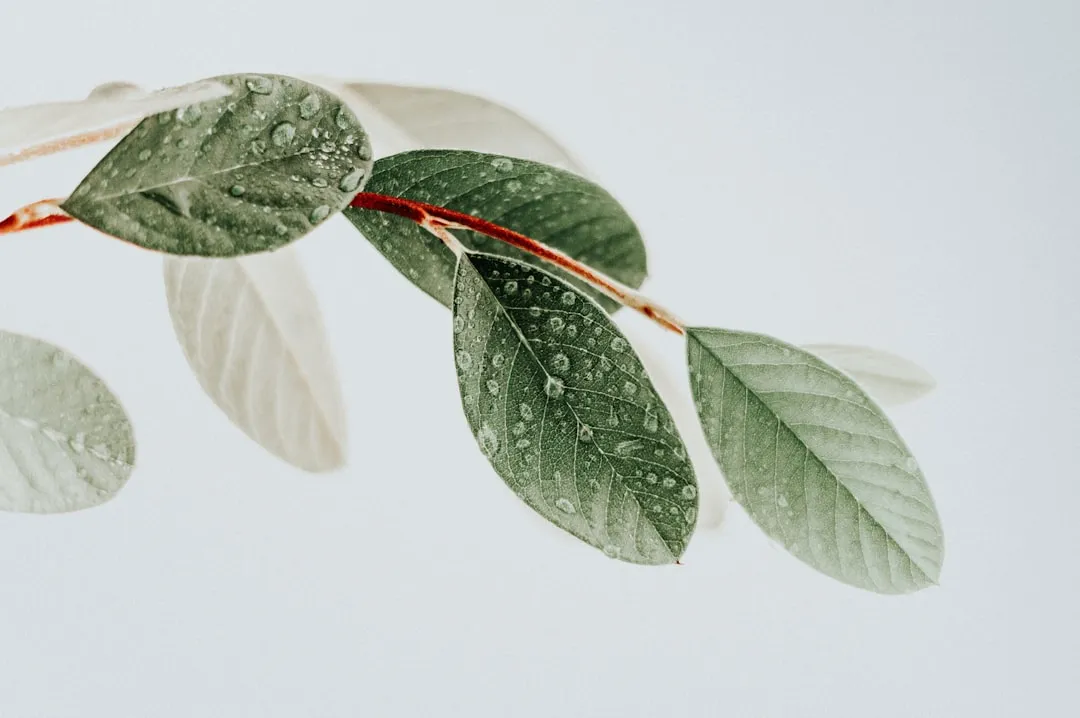
First, hold off on giving it any more water. If you continue to water an already overwatered plant, this can make it waterlogged and increase the chances of root rot. You’ll need to allow the soil to dry out first, and then adjust your watering schedule. If there is standing water at the bottom, pour it out and be sure the pot is draining well.
The main method of fixing a plant that has been overwatered is to ensure there are enough drainage holes in the pot to let excess water out of the soil. It is also recommended to trim off any leaves or roots that are dead, mushy, or wilting. Acting quickly and decisively gives the plant its best chance. Reducing water becomes more important than adding nutrients or fertilizers at this stage. Quick adjustments can still save many plants if action starts early.
A Quieter Way to Care
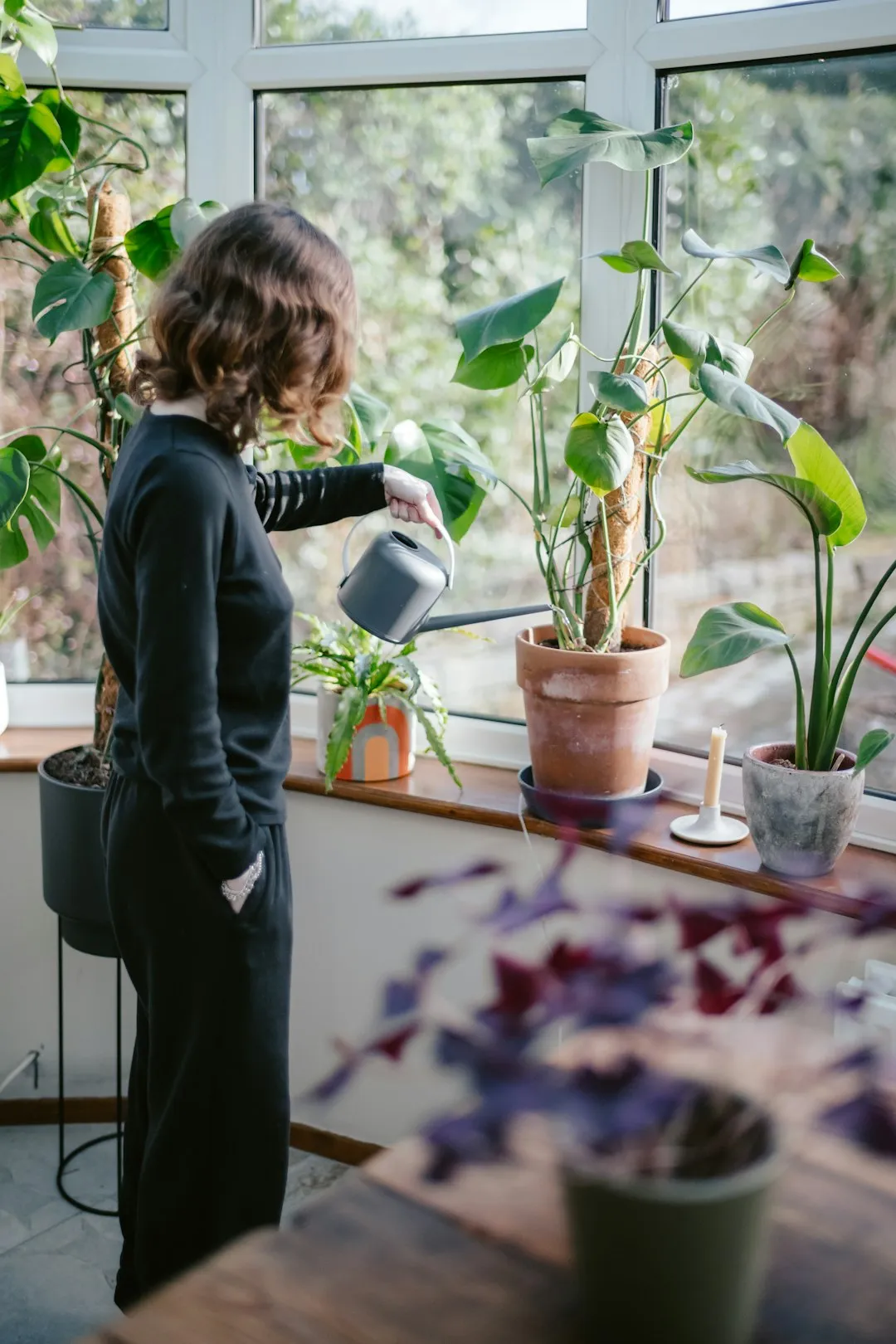
Overwatering is, at its core, a problem born from good intentions. People water because they care, because they want their plants to thrive, and because water feels like the most obvious form of plant care. The science, however, is consistent: roots need air just as much as they need moisture.
Overwatering often feels like a loving gesture, but plants interpret it very differently. The plants that tend to live longest in homes are not the ones that get watered most frequently. They’re the ones whose owners learned to wait, to check, and to resist the urge to do more than necessary. Sometimes the best thing you can do for a plant is simply leave it alone for a few more days.
AI Disclaimer: This article was created with the assistance of AI tools and reviewed by a human editor.