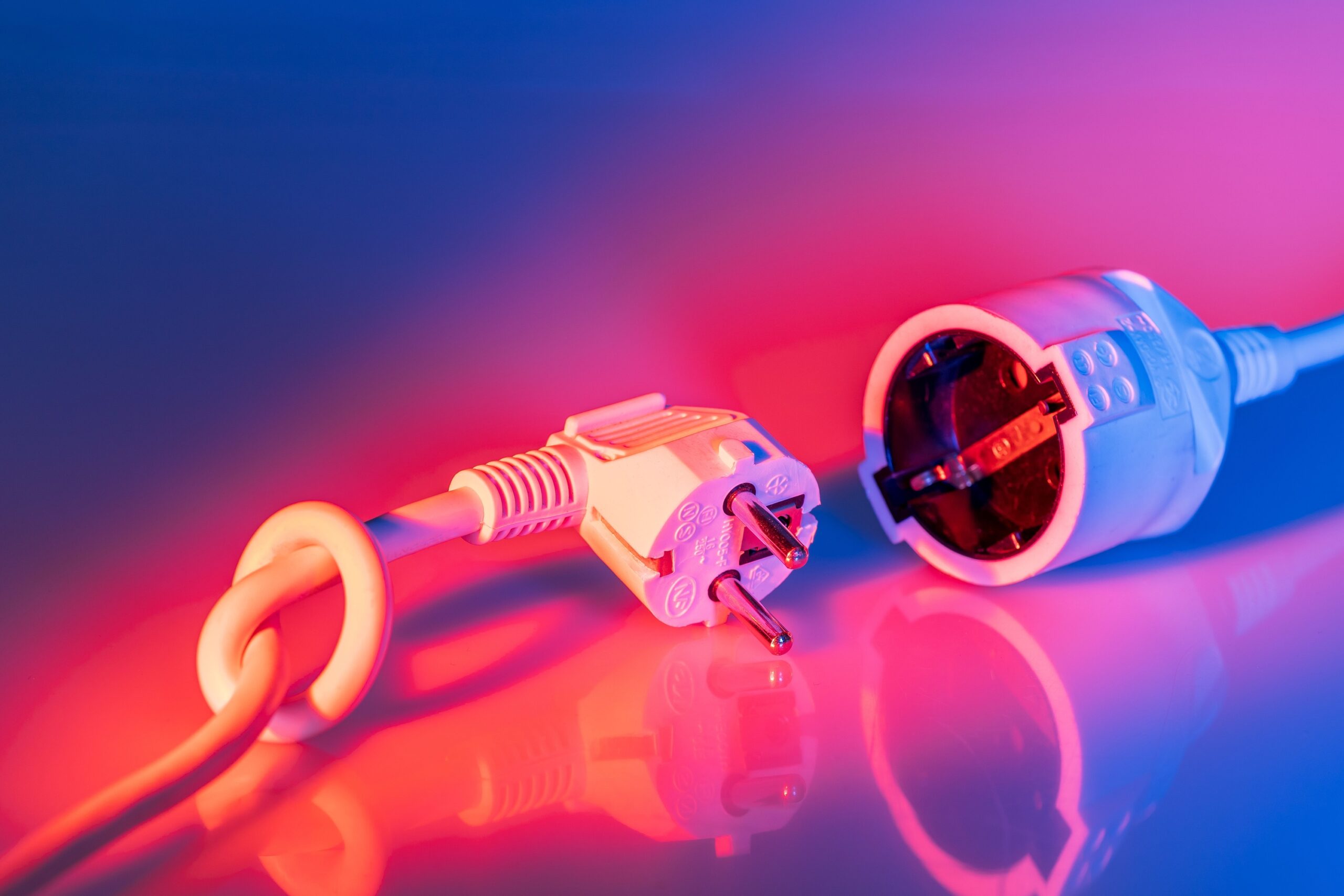

Most people treat power strips as something between furniture and a convenience tool. You plug one in, fill up the outlets, and forget about it. The device sits quietly behind a couch or under a desk, and that’s precisely the problem. The danger it creates is invisible until it isn’t.
The scale of harm tied to overloaded power strips is genuinely surprising. Nationwide, fires caused by overloaded power strips are responsible for roughly 46,000 fires a year and nearly 500 deaths. Those aren’t abstract numbers. They represent houses reduced to ash, families displaced, and injuries that didn’t have to happen.
The Scale of the Problem Is Larger Than Most Realize
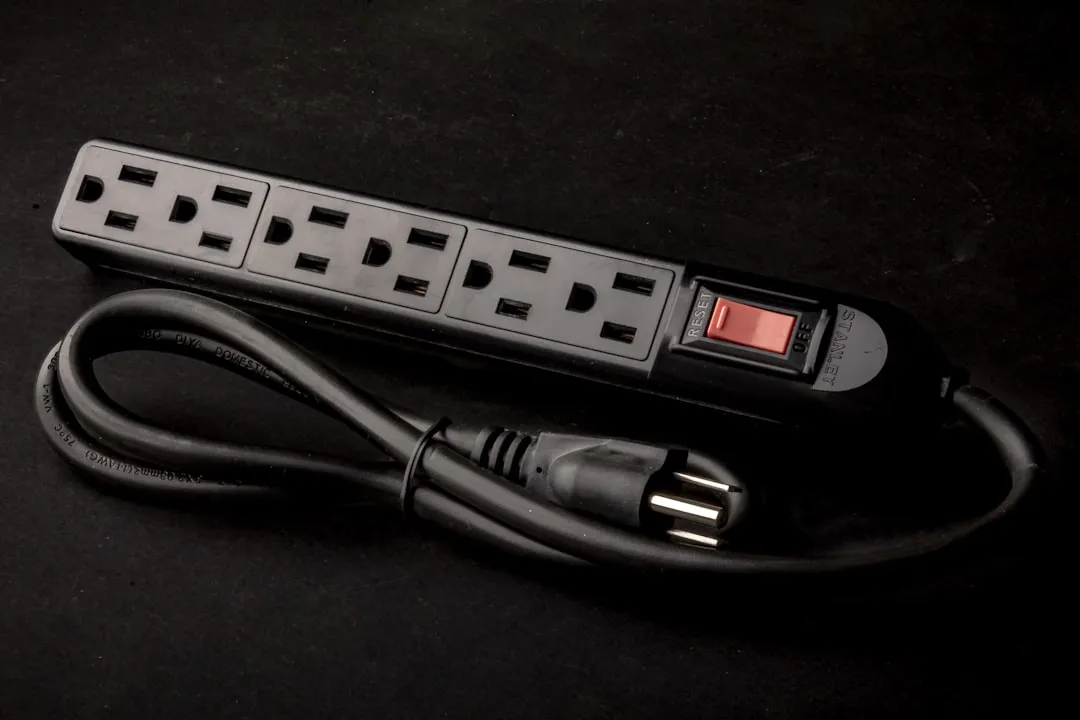
According to the Electrical Safety Foundation International, more than 3,300 home fires originate from power strips and extension cords each year. That figure alone underscores how routine misuse of these devices has become. They’re in nearly every bedroom, office, and kitchen in the country.
According to the U.S. Fire Administration, electrical malfunctions including those from power strips are responsible for nearly 51,000 home fires yearly, resulting in approximately 500 deaths, over 1,400 injuries, and almost 1.3 billion dollars in property damage. The financial toll compounds quietly across millions of insurance claims, repairs, and total losses each year.
A study by the National Fire Protection Association found that electrical distribution and lighting equipment, which includes power strips, accounted for roughly ten percent of all home fires, with many incidents stemming from improper use including overloading the strip, using it with high-wattage appliances, or connecting multiple strips together.
A Power Strip Does Not Add Power, Only Outlets
One of the most persistent misconceptions is that a power strip “adds” power. It only adds sockets. The total power available is still limited by the circuit and the single receptacle on the wall. This misunderstanding is at the root of most overload incidents.
Every circuit is designed to carry only so much current. When too many devices draw power at once, wires, outlets, and cords heat up behind walls and furniture. That hidden heat is what ignites fires.
A typical power strip can handle a maximum of 1,500 to 1,875 watts in the United States, assuming it’s connected to a standard 15-amp or 20-amp household circuit, but the exact wattage limit depends on several factors including its own design and the electrical circuit it’s plugged into. People rarely check that number before loading up every available slot.
Heat Is the Real Mechanism of Destruction

When a power strip is overloaded, the electrical current flowing through its internal wiring and components becomes excessive, generating heat. A little heat is normal, but too much can cause melting, smoke, and sparks, or even an electrical fire.
When the total power demand exceeds the strip’s or the circuit’s capacity, overheating becomes the primary issue. As more current flows through the power strip’s wiring and components than they are designed to handle, resistance causes them to heat up. That heat builds in places you can’t see or feel until something fails.
Hazardous conditions are also created when extension cords are used to energize power strips in locations far from outlets, because electrical resistance increases as power cord length increases, and connecting cords together multiplies the total resistance and results in heat generation.
Daisy-Chaining: A Habit That Violates Federal Safety Standards
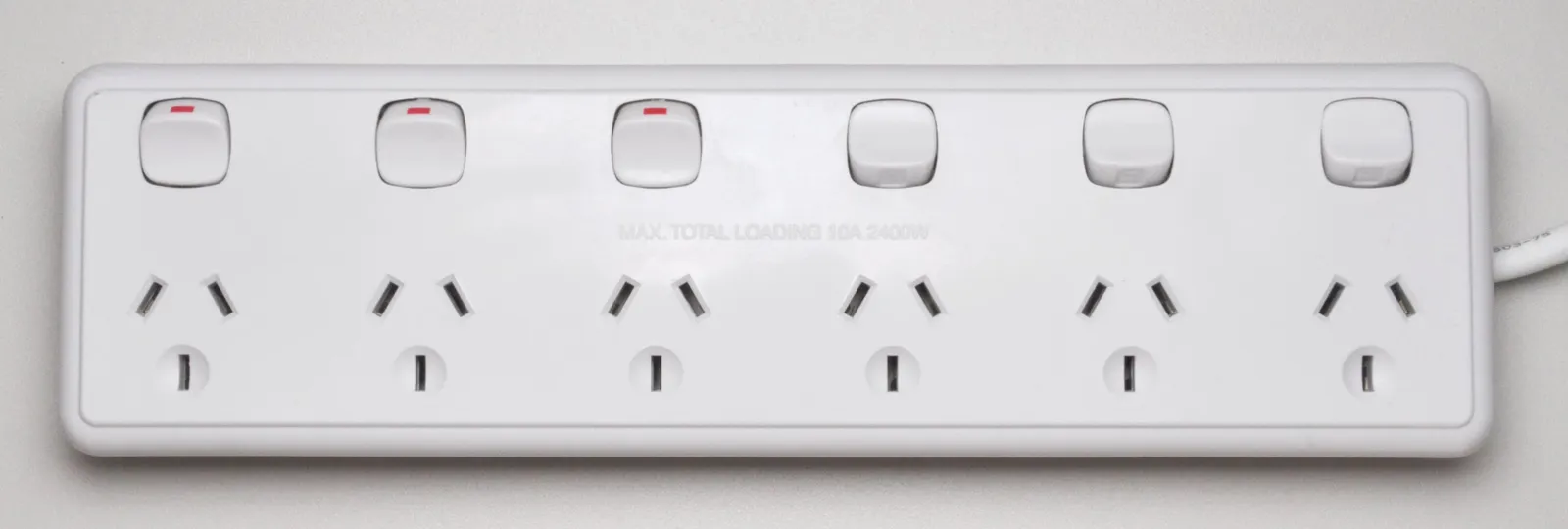
Daisy-chaining power strips or extension cords violates federal workplace safety regulations, most local fire codes, and the National Electrical Code. Between 2019 and 2023, electrical distribution equipment caused an average of 31,650 home structure fires per year, killing 430 people and causing 1.6 billion dollars in property damage annually.
Plugging a power strip into another power strip or into an extension cord violates OSHA’s general industry electrical standards and most manufacturer instructions. OSHA treats this practice as using listed equipment outside the conditions of its safety certification, which can trigger penalties of up to 16,550 dollars per violation for a serious citation and up to 165,514 dollars for a willful one.
Two strips with six-foot cords in series behave like a single twelve-foot cord of the thinner of the two conductors, and the connection points in the middle add contact resistance of their own. That plug-and-socket joint is where most power strip overload fires start: not inside either strip, but at the seam between them.
High-Wattage Appliances Are the Worst Offenders
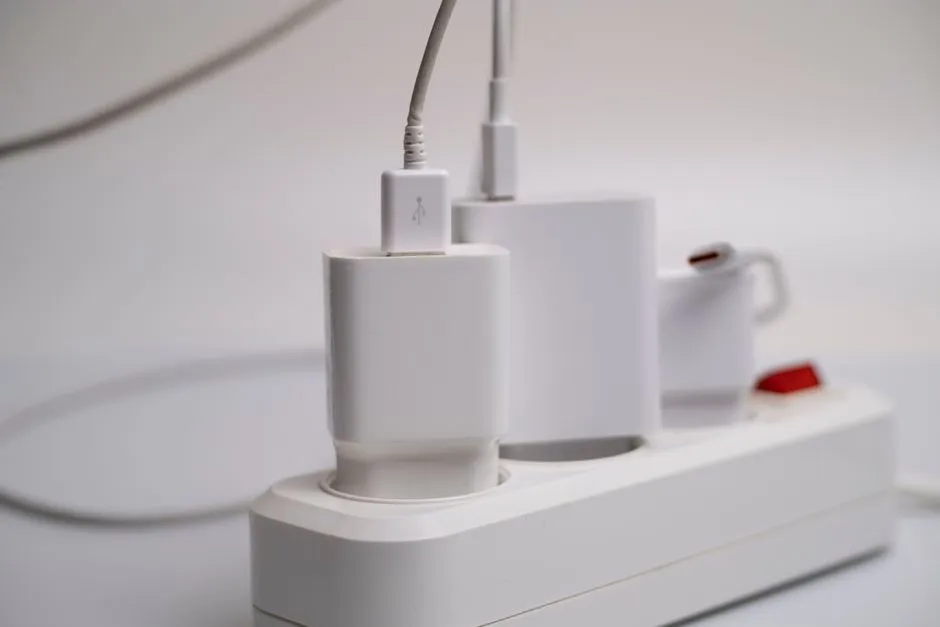
To reduce fire risk, experts consistently advise never using power strips or surge protectors to plug in high-amp appliances or motors. Microwaves, air fryers, space heaters, washers and dryers, air conditioners, sump pumps, and other major household equipment must be directly plugged into the wall or hard-wired for safety.
Microwaves often pull between 1,000 and 1,500 watts, which is far more than a standard power strip can handle safely. Using a microwave on a strip can melt wires, trigger circuit trips, or start an electrical fire.
High-amperage start-up surges from powerful motors can cause the power strip to overheat, fail, or catch fire. This is especially common with refrigerators and air conditioning units, which cycle their compressors on and off repeatedly throughout the day.
Most People Don’t Know the Wattage Limit of Their Strip
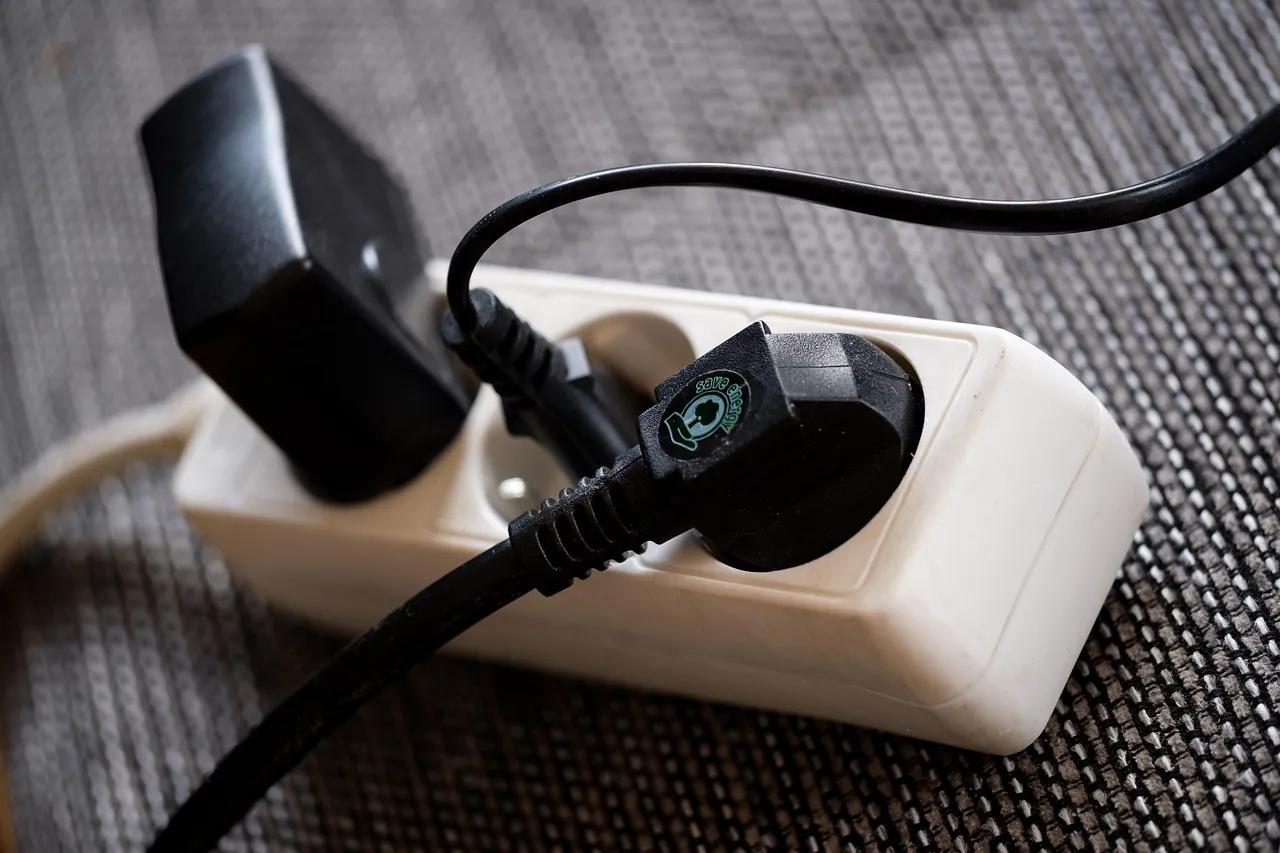
Most household power strips are rated for 15 amps at 120 volts, which equals a maximum of 1,800 watts. However, to stay safe, it is strongly recommended not to exceed 960 watts on any single power strip, since going above that threshold increases the risk of overheating, circuit breaker trips, or even an electrical fire.
How many things you can safely plug in depends entirely on the strip’s rated capacity. The combined wattage of connected devices should be checked against the total capacity of the strip, and overstepping that rated capacity should be an absolute no-go. Staying within about 80 percent of the power strip’s maximum capacity is the recommended approach.
The label is there, but almost nobody reads it. That gap between what the device can safely do and what people assume it can handle is exactly where accidents happen.
Basic Strips Offer No Protection Against Power Surges
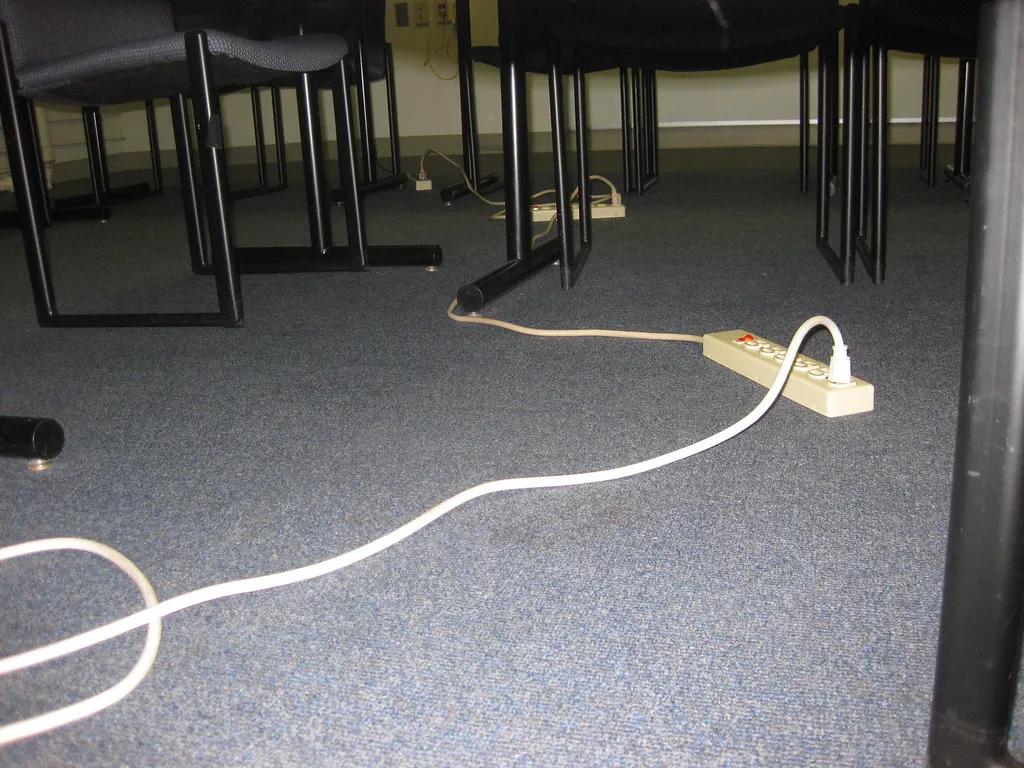
Many people mistakenly believe that all power strips offer surge protection, but this is not always true. Basic power strips do not protect against power surges. That distinction matters enormously when lightning strikes nearby or a large appliance switches on.
A surge protector is a device that protects electronics from sudden voltage spikes by diverting excess electricity away from connected devices, preventing damage from power surges caused by lightning, outages, or large appliances switching on. Unlike a regular power strip, it adds a layer of safety to keep sensitive equipment like computers, televisions, and routers from being damaged.
The two products look almost identical side by side on a store shelf, which is part of why the confusion persists. Checking the packaging for surge protection ratings before purchase is a simple step that most buyers skip entirely.
Electronics Connected to Overloaded Strips Suffer Quietly
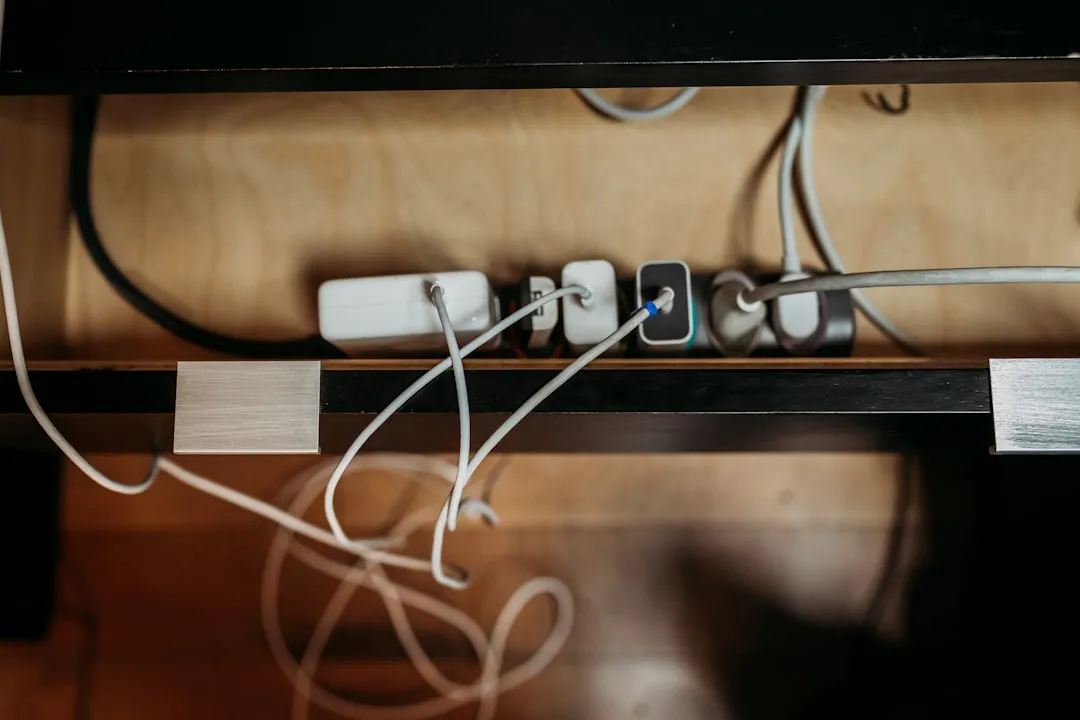
Beyond the risk to your home, overloading a power strip can also damage the very electronics you’re trying to power. This kind of slow-burn degradation rarely gets traced back to the strip itself.
Excess electrical load can lead to intermittent performance, data corruption, or even permanent damage to sensitive electronics. Laptops, external drives, and smart home hubs are particularly vulnerable because they process data continuously and draw inconsistent power loads.
Frequent tripping of a circuit breaker when using a power strip is a clear sign of overloading, and ignoring this warning can lead to more serious issues. Most people reset the breaker and keep going, not realizing the warning was meaningful.
The CPSC Is Still Issuing Active Warnings in 2026
In March 2026, the U.S. Consumer Product Safety Commission warned consumers to stop using CCCEI Power Strips immediately because the power strips do not contain supplementary overcurrent protection, which creates a risk of fire if overloaded. The resulting fire can cause serious injury or death from smoke inhalation and burns.
The products were sold on Amazon.com from April 2024 through January 2026 for between 25 and 30 dollars. That price point is typical of the budget strips that fill online marketplaces and discount stores, often with no meaningful safety testing behind them.
Regulatory agencies don’t issue these warnings casually. When the CPSC moves to pull a product from circulation in 2026, it reflects a pattern of incidents serious enough to require immediate public action.
Insurance Companies May Deny Claims Tied to Overloaded Strips
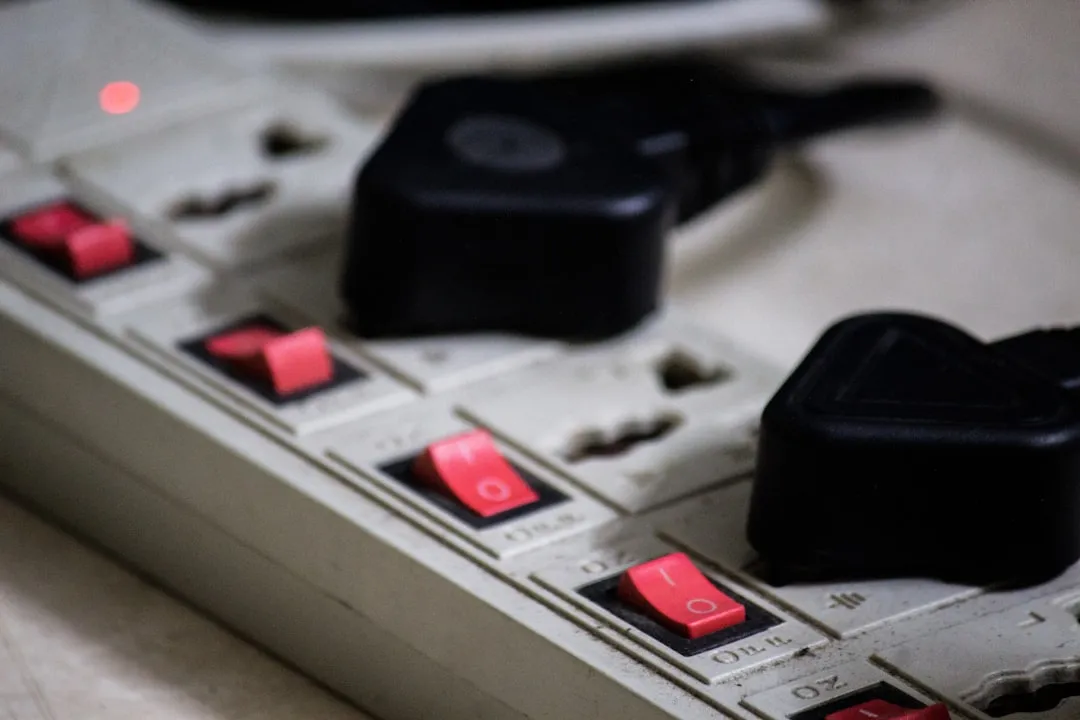
Workplaces caught daisy-chaining face OSHA fines up to 165,514 dollars per violation, and property owners risk denied insurance claims if an investigation traces a fire back to chained power strips. That financial exposure extends well beyond the cost of the strip itself.
While OSHA strictly applies to workplaces, insurers, home inspectors, and local fire marshals routinely treat OSHA and UL listing conditions as the reasonable-use benchmark for residential settings too. In practice, this means a home fire traced to daisy-chained strips can trigger a coverage dispute.
Most homeowners assume their insurance will cover an electrical fire regardless of cause. That assumption deserves a closer look, particularly for anyone who regularly chains power strips or uses them for heavy appliances.
What Responsible Use Actually Looks Like

Power strips are best suited for low-power devices like lamps, desk fans, and battery chargers. Surge protectors should be used for computers, televisions, game consoles, and other sensitive devices. That separation alone eliminates a large share of the risk.
Inspecting power strips regularly for signs of damage, such as frayed wires, cracked casings, or burn marks, is an important step that most users overlook. Damaged or old power strips should be replaced immediately to avoid hazards.
Consumer safety guidelines urge homeowners to add new outlets or circuits where demand is high rather than stacking strips. That solution costs more upfront than buying another strip at a hardware store, but it’s the only one that actually addresses the underlying problem.
The Takeaway
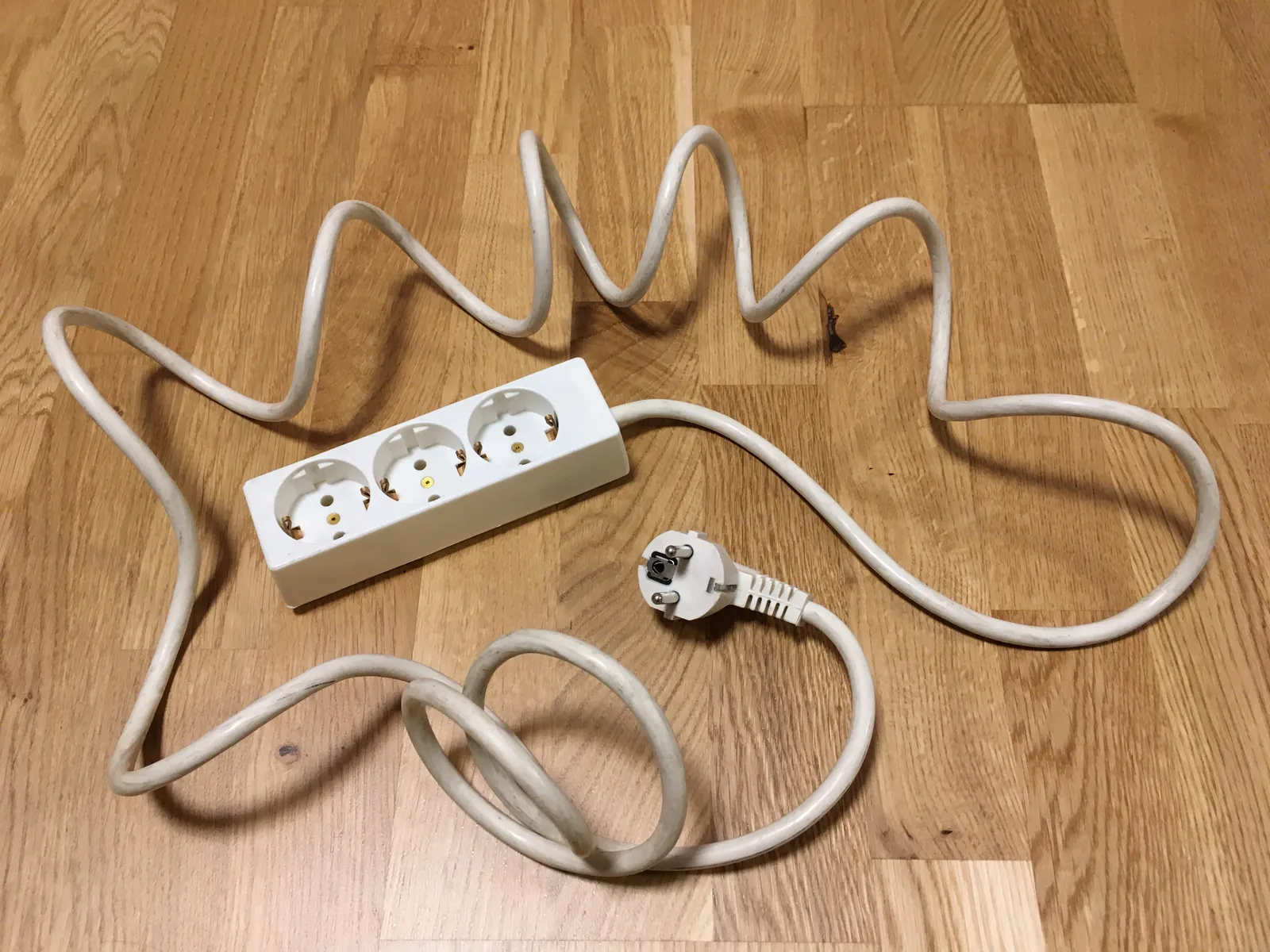
The power strip sitting behind your television or under your desk is not a neutral object. It has real limits, and those limits are being tested constantly in most homes. The gap between what people believe these devices can handle and what they actually can handle is where the danger lives.
The numbers from the U.S. Fire Administration, NFPA, and CPSC all point in the same direction: this is a common, preventable, and persistently underestimated source of harm. Treating a power strip like any other piece of safety equipment, one you check, respect the limits of, and replace when it shows wear, is a genuinely meaningful step.
Small habits tend to carry larger consequences than anyone expects. This one is worth taking seriously.
AI Disclaimer: This article was created with the assistance of AI tools and reviewed by a human editor.