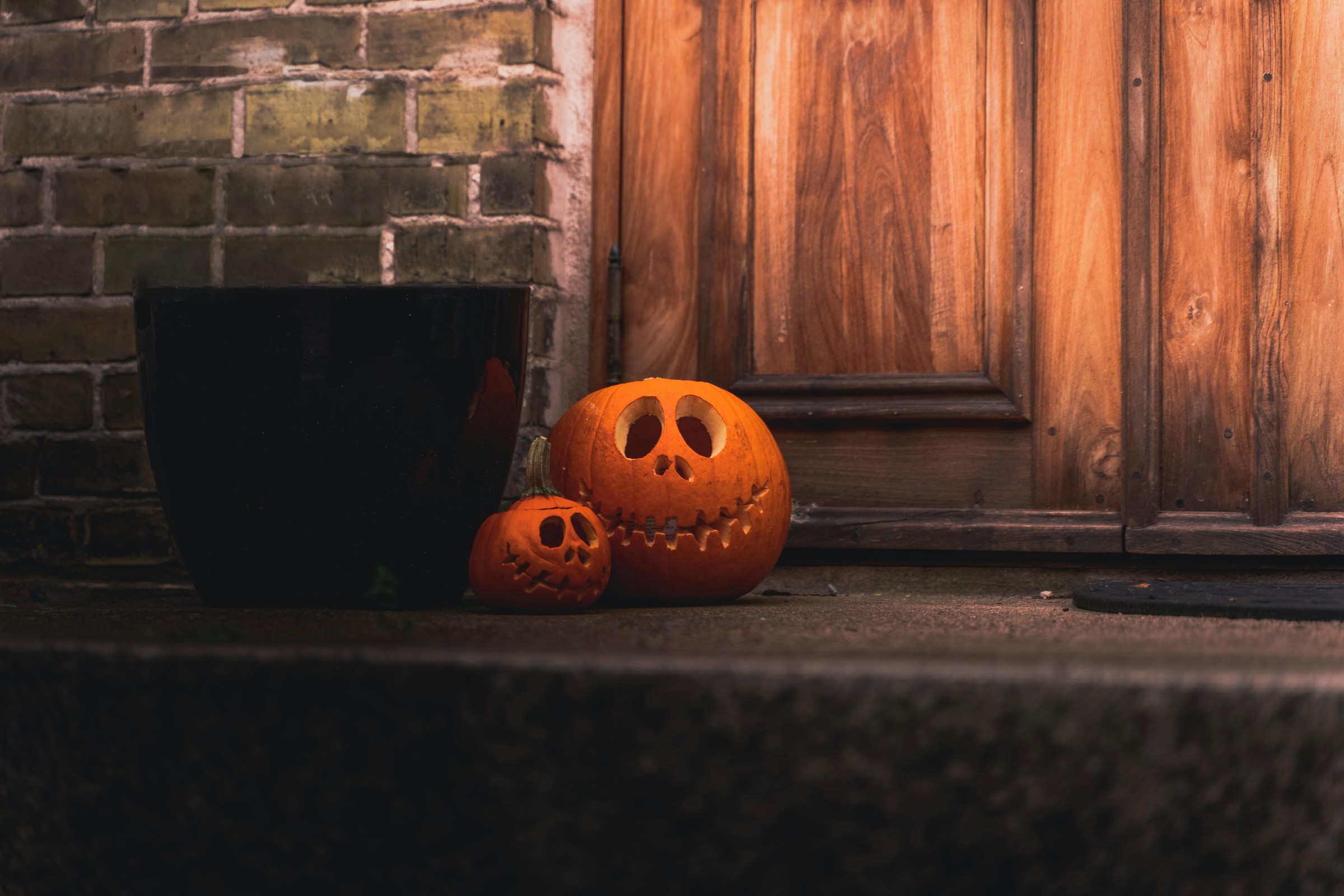

Every October, something shifts in the visual landscape. Store shelves fill with orange and black. Doorsteps sprout carved pumpkins, plastic skeletons, and paper bats. It happens so reliably that most people never stop to question it. Why these two colors? Why not red and gray, or gold and purple?
The answer stretches back more than two thousand years, through Celtic bonfires and Victorian mourning customs, through paper factories and postcard printers. The story of how orange and black came to own Halloween is both older and more deliberate than most people realize.
It All Started With Samhain
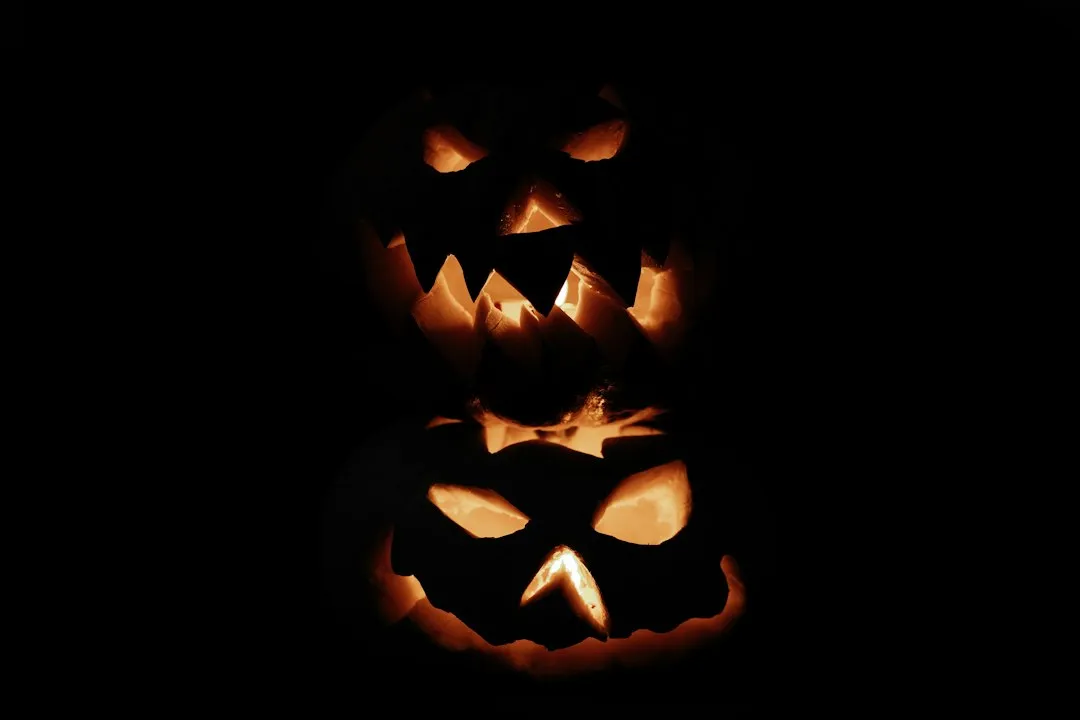
Halloween has come a long way from its origins in an ancient Celtic ritual known as Samhain, a festival that was held from the evening of October 31 to November 1. This wasn’t a celebration in the cheerful modern sense. It was a solemn marker of seasonal change, the moment when summer gave way to the cold dark half of the year.
This event marked the shift from a fruitful summer to a bleak winter, symbolizing life and death, light and darkness, translating naturally into the iconic orange and black color combination we associate with modern Halloween. The colors weren’t chosen for aesthetics. They were chosen because they described reality.
What Black Really Meant to the Celts
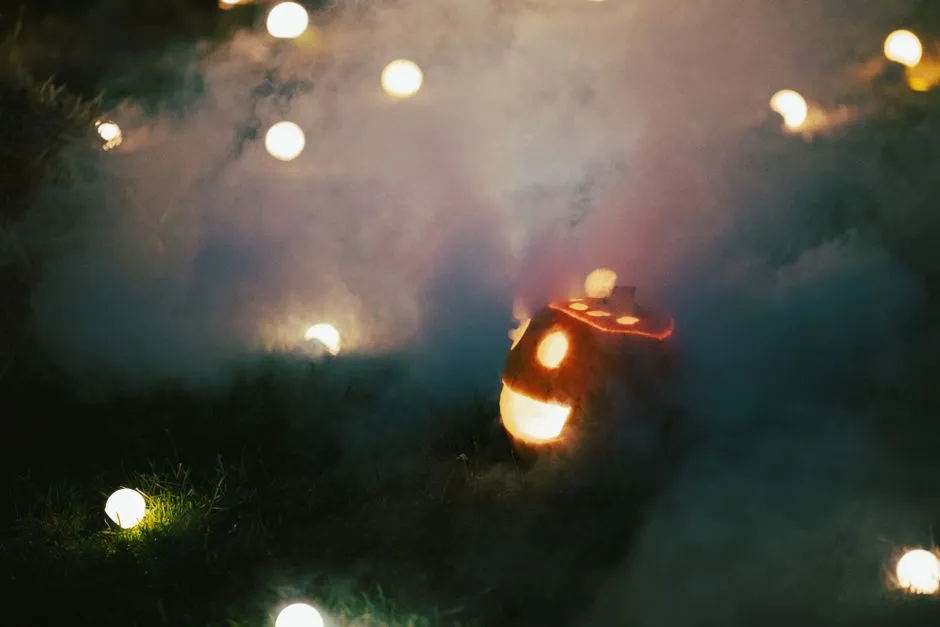
Samhain marked the seasonal shift from the lighter half of the year into winter, when the days grew shorter and the nights seemed to take over. For the Celts, black wasn’t a costume color. It was a description of what was coming: long nights, dying fields, a world going quiet.
Black wasn’t associated with Samhain because it’s the color of spookiness, but because it’s the color of death and mourning. Samhain was, after all, a celebration of death. The dead were honored during this period, and the spiritual atmosphere of the festival made darkness feel entirely appropriate.
The Thin Veil Between the Living and the Dead
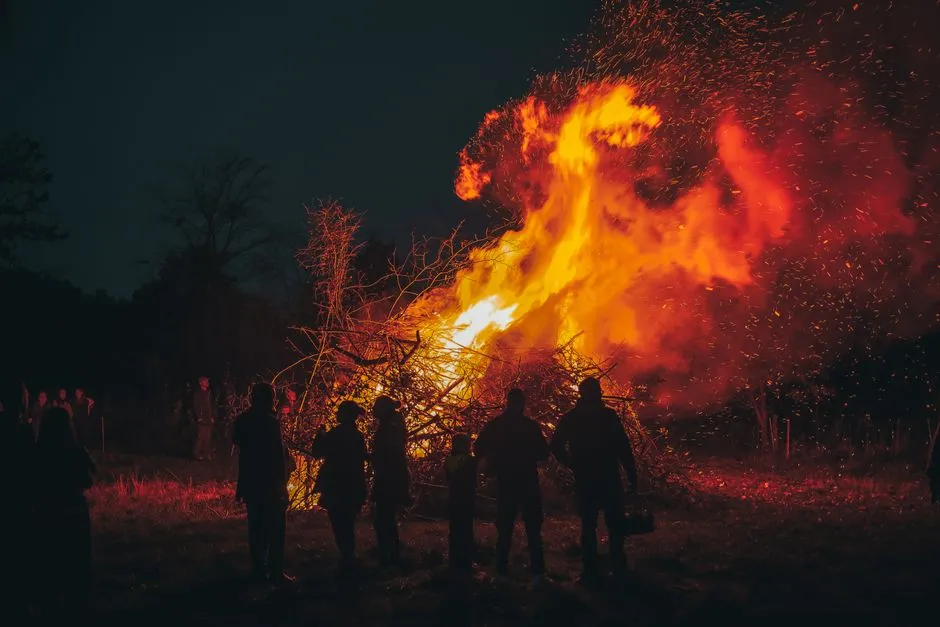
During Samhain, people believed the veil between the living and the spirit world was at its thinnest. Bonfires lit the night to keep darkness at bay, and that is why orange was associated with Halloween, not because of pumpkins. This is one of the more surprising truths behind Halloween’s palette. The pumpkin connection came much later.
The Celts believed that on October 31 the line that separates the living from the dead was blurred. Offerings were made, rituals were performed, and fire played a central role in everything. That fire is where orange enters the picture.
Fire and the Origins of Orange
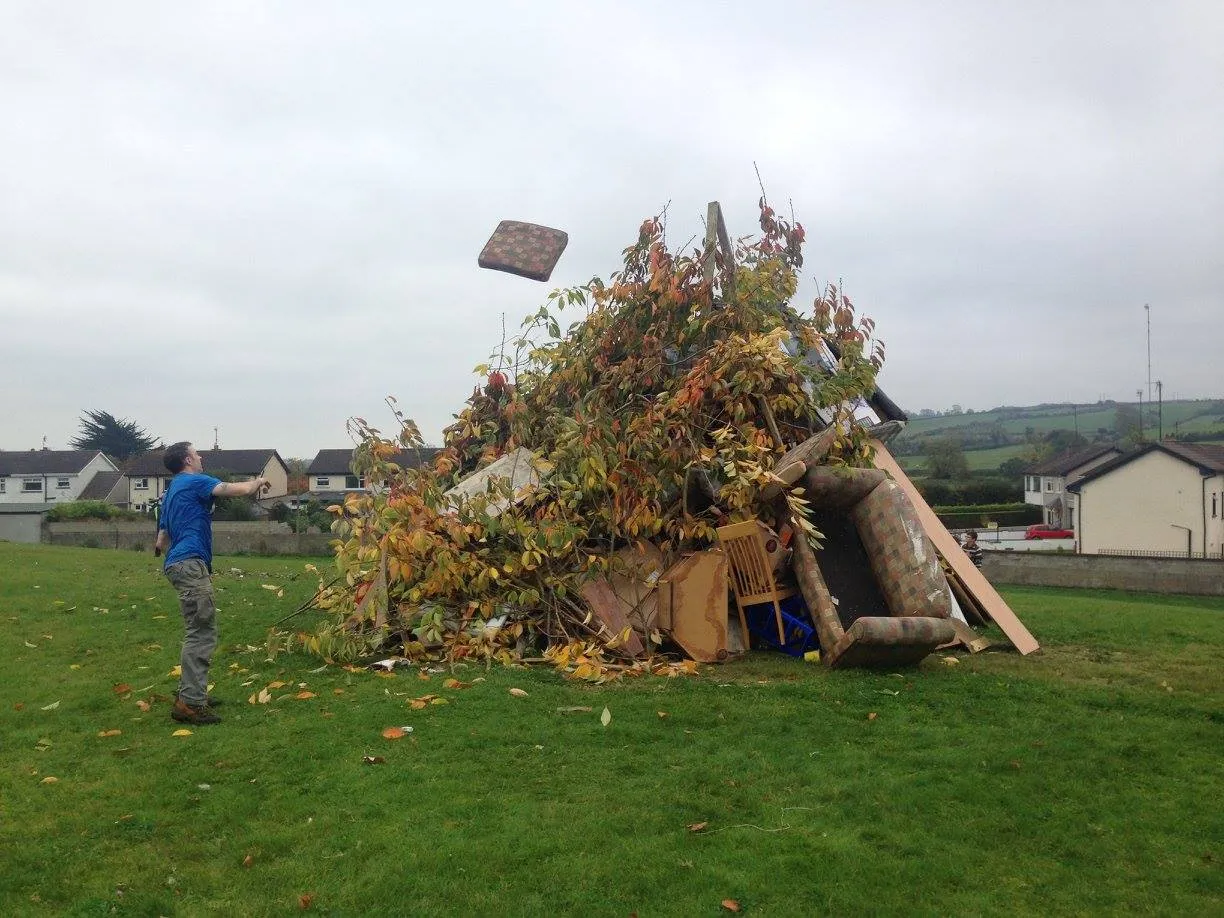
It is likely that orange represents the ceremonial Samhain fires lit by druids on the evening of October 31st. The coals from those community fires would be transported via jack-o’-lantern and used to reignite the hearths in people’s homes that had been left to burn out. Fire was survival. Keeping it alive through the night was a genuine act of community.
Orange is representative of the fire that burns during the festival of Samhain and during the winter months. It also corresponds to the leaves that have changed color and of the harvest itself. Autumn leaves and harvest abundance reinforced the color before a single pumpkin was ever involved.
Black and Mourning in Western Culture
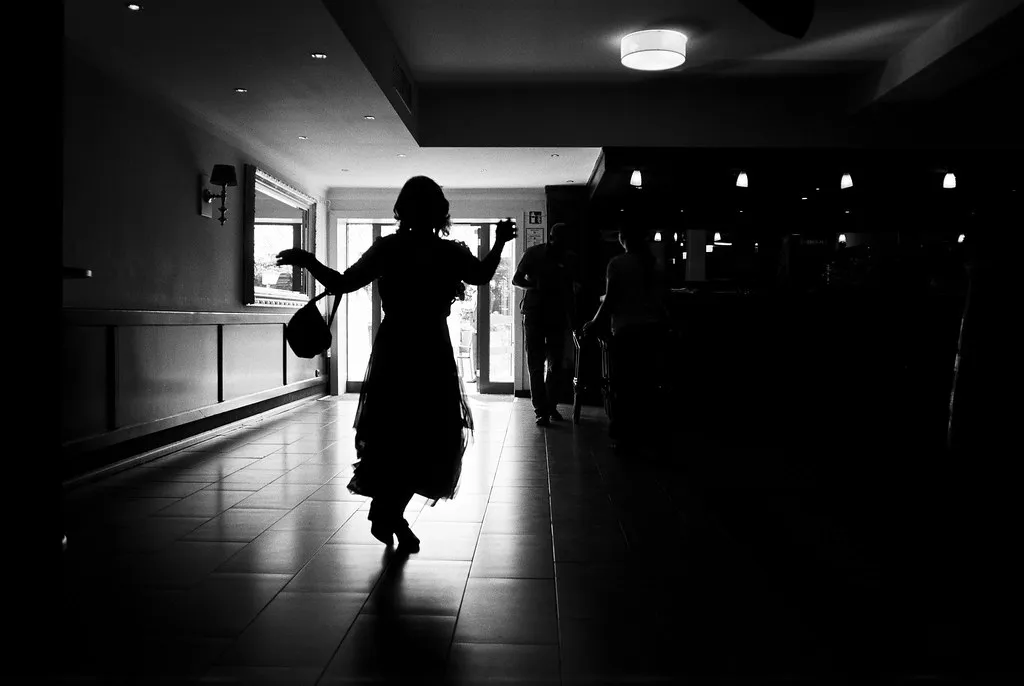
Black has long symbolized death, as early as the ancient Romans, darker colors were worn during mourning. During the Georgian and Victorian eras in England and the United States, black was the overwhelmingly popular choice for families who had experienced a death. This cultural thread ran independently from the Celtic tradition but arrived at the same conclusion.
The death of a loved one was honored with black. It told everyone else that someone was mourning. The color was worn for months or even one or two years after the passing of a loved one. When Halloween began absorbing more cultural influences in the 19th century, black’s role in grief made it a natural fit for a holiday centered on the boundary between the living and the dead.
The Harvest Connection That Cemented Orange
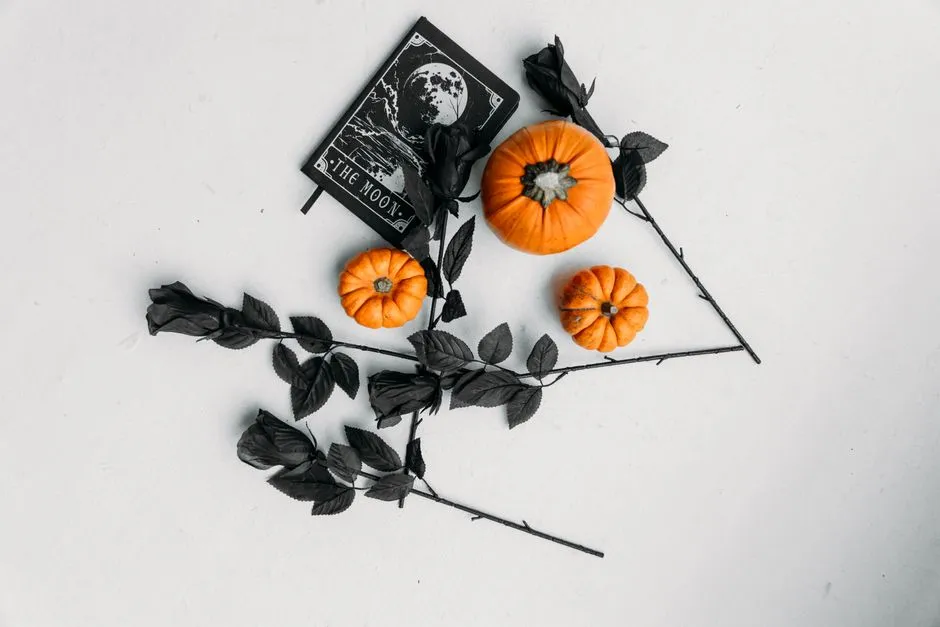
The warmth of orange represented the end of the summer season and its bountiful harvest, while black signified the beginning of a long, cold winter. These weren’t abstract ideas. They were practical realities for agricultural communities who had spent months bringing in food before the cold arrived.
The traditional Halloween colors of black and orange trace back to the Celtic festival of Samhain. For the Celts, black represented the “death” of summer while orange symbolized the autumn harvest season. Seen in that light, the color pairing is almost like a photograph of a single moment in the turning year.
The Pumpkin That Locked In Orange Forever
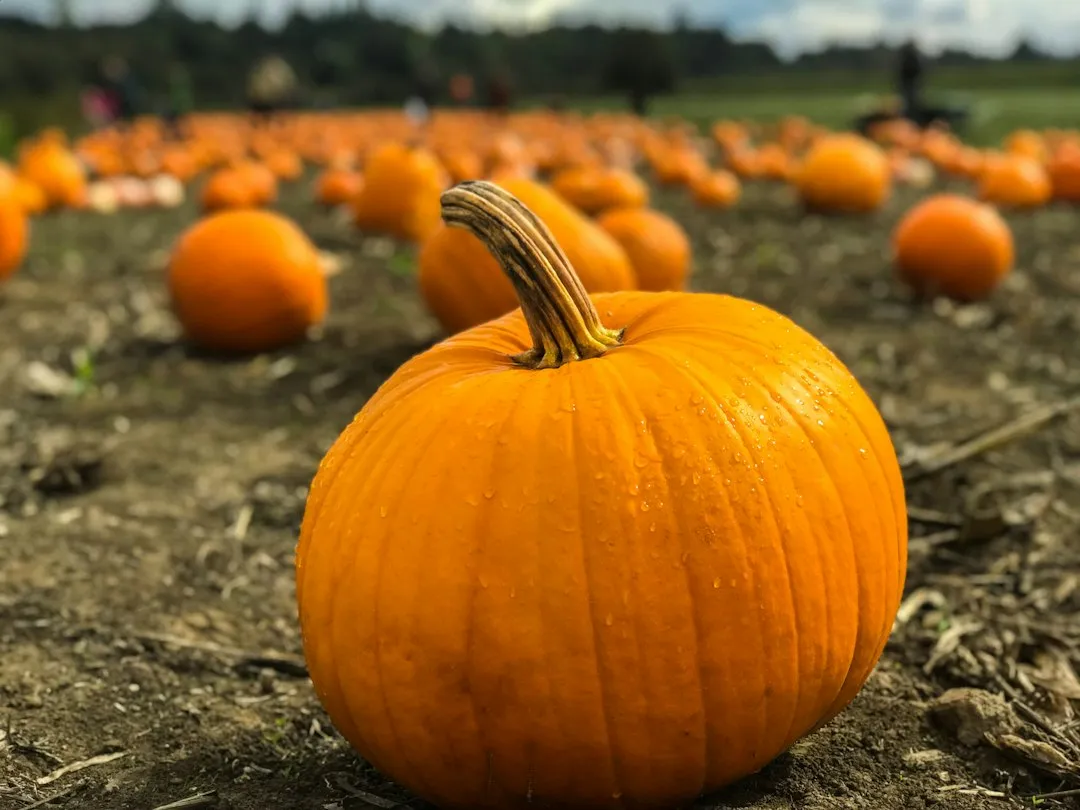
Orange is the other major color associated with Halloween, and with the way the holiday falls during peak foliage time in many geographical locations, it is not difficult to see why. Orange is also the color of ripe pumpkins, and while the original vegetable to receive the carving treatment in the UK was the turnip, in the U.S. people preferred pumpkins.
Orange is in honor of the jack-o’-lantern, which made its way into Halloween culture around 1910. It became “undisputed king of Halloween” because of the jack-o’-lantern’s prominence on postcards and in advertising. Once the carved pumpkin became the face of the holiday, orange had nowhere to go but deeper into the culture.
Paper Companies That Made the Colors Official
With the dawn of the 20th century, Halloween skyrocketed in popularity throughout the United States. The Dennison Manufacturing Company, which was renowned for its paper products, began selling Halloween-themed orange and black crepe paper decorations, quickly turning them into holiday essentials everyone craved. Noticing this growing trend, the company launched Dennison’s Bogie Book in 1909, a unique blend of magazine and how-to guide that continued for decades.
For its brand new Halloween crepe, the Dennison Manufacturing Company paired orange with black. In addition to solid colors, Dennison made crepe with printed patterns. Printing on bright crepe paper meant using black ink, perfect for grinning cat faces, wide-winged bats, and witch silhouettes. This black ink necessitated a brightly colored background, so most likely running with the long-established harvest colors, Dennison chose orange, red, and yellow.
The Beistle Company and the Golden Age of Halloween Décor
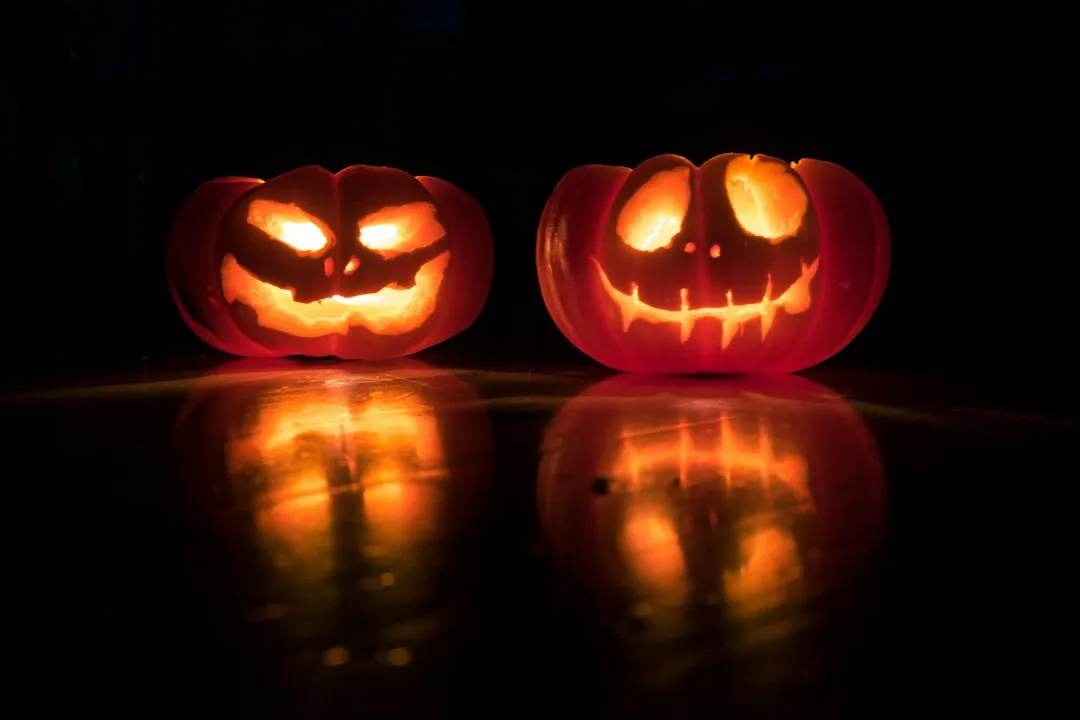
Beistle began producing Halloween stuff in about 1918, and their Golden Age was about from 1920 to 1935. Their die-cut paper decorations became a staple of American classrooms and homes, and they leaned heavily into the now-familiar palette.
The Beistle Company helped solidify black and orange as Halloween colors by using the hues on their images. However, there were some exceptions initially to these now-custom colors on Halloween. In the early 20th century, some Halloween postcards would have witches in red or purple dresses and jack-o’-lanterns in green colors. It took a few decades of commercial repetition before orange and black fully locked in as the default.
Once other businesses noticed the rising popularity of Halloween, candy manufacturers, costume-makers, and mass media followed along, creating and marketing their products with popular folkloric images and the now-recognizable colors. The feedback loop was self-reinforcing. The more products used orange and black, the more people associated those colors with Halloween.
The Psychology Behind the Pairing
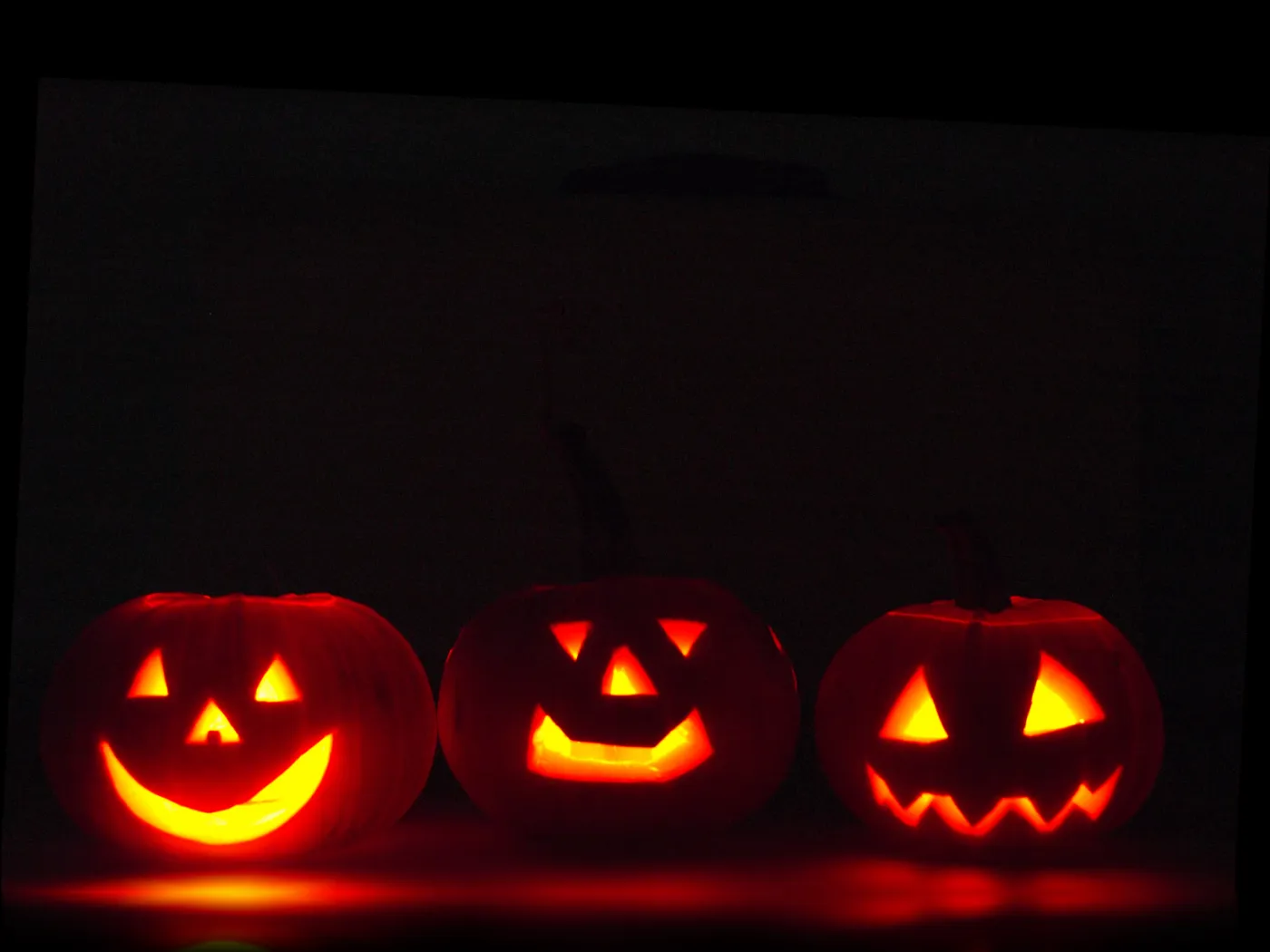
The color black inspires feelings of mystery, the unknown, sophistication symbolizing night, endings and protection. Orange inspires energy, excitement, warmth symbolizing firelight, autumn leaves and harvest. Put them side by side and you get something genuinely unusual: a color pairing that feels simultaneously festive and unsettling.
These colors make sense: Halloween sits at the cusp of winter and has always been about the transition from the light part of the year to the darker part. “Black and orange conjure bonfires in the night; they also conjure ripe pumpkins (life) in opposition to the lightless, barren winter (death).” Few color combinations in any culture carry that kind of built-in tension.
The Takeaway
Orange and black didn’t become Halloween’s colors by accident or by committee. They earned the association through centuries of layered meaning: Samhain fires, harvest fields, Celtic mourning traditions, Victorian funeral customs, and eventually the practical choices of paper manufacturers working in early 20th-century America.
Holiday colors likely began as symbols, representing things like holly berries, spring blossoms, and autumn harvest fires. Those themes were then reinforced by religion and folklore, before eventually becoming cemented in pop culture as “official” holiday looks. Orange and black followed exactly that path. What began as a description of the natural world became a cultural shorthand recognized across an entire hemisphere.
That’s a long journey for two colors. It turns out they were never really about Halloween. Halloween was always about them.
AI Disclaimer: This article was created with the assistance of AI tools and reviewed by a human editor.