

Most people have lain awake at some point, staring at the ceiling, breathing through one nostril like it’s the only one they were ever given. It’s oddly specific and oddly common. The blocked side feels complete, unmovable, while the other stays wide open. What’s going on in there?
The answer involves a surprisingly elegant piece of biology, a handful of structural quirks, and a few things your bedroom might be doing wrong. Understanding it won’t just explain the frustration. It might actually help you fix it.
Your Nose Has Its Own Internal Clock

Many people don’t realize that every four to six hours, one side of the nose becomes more congested while the other decongests. The nose has a natural cycle called the nasal cycle that causes the blood vessels in the turbinates to swell on one side of the nose, blocking airflow. This process runs quietly in the background, all day and all night, whether you notice it or not.
If you’ve noticed your nose is stuffy on one side then switches to the other, you’re experiencing the nasal cycle, a normal physiological process. Your autonomic nervous system alternates blood flow between nostrils every two to six hours, causing one side to be slightly more congested while the other is clearer.
The nasal cycle usually changes airflow between nostrils every few hours, although timing varies from person to person. Because the cycle happens gradually, many people never notice it until they develop a cold, allergy, or another condition that increases nasal swelling.
What Are Turbinates and Why Do They Matter?

Turbinates are small structures of bone and tissue inside your nose that warm and humidify the air you breathe. Your turbinates are lined with thousands of tiny blood vessels just under the surface. They’re a bit like a radiator for incoming air, conditioning it before it reaches your lungs.
When you lie down, more blood naturally flows to your head. Sometimes, the turbinates get too much blood, and they swell up, blocking your nasal passages. This is the core mechanism behind nighttime stuffiness, and it’s entirely normal physiology doing what it was designed to do.
The nasal cycle involves the spontaneous congestion and decongestion of the nasal mucosa, where one side of the nose becomes temporarily more restricted while the other side is freer. It is a normal physiological rhythm driven by changes in blood volume within the nasal mucosa, especially in the turbinates and nasal septum.
Why Lying Down Makes It So Much Worse

When you lie down, more blood flows into the tissues lining your nose, causing the turbinates to swell slightly. If one side of your nose is naturally in the more congested phase of the nasal cycle, lying down can make the blockage feel more noticeable.
When you lie on your side, the “down-side” nasal tissues often become more congested due to shifts in blood flow and pressure. This is position-dependent and very consistent. This phenomenon can even be side-specific: lie on your left side, and your left turbinate puffs up. Switch to your right, and the same thing happens on that side.
The Nighttime Awareness Effect

Many people don’t notice the nasal cycle much during the day because they’re upright, moving around, and distracted. At night, when you’re still, in a quiet room, and focused on breathing, it can suddenly feel like one nostril is blocked when lying down, even if it’s part of normal physiology.
With fewer daytime distractions, even small differences in airflow become easier to notice, making nighttime congestion seem more pronounced. This doesn’t necessarily mean anything has changed in your nose. It means your environment got quieter and your attention shifted inward. Still, perception of difficulty breathing is very real, even when the blockage is only partial.
The Surprising Purpose of One-Sided Congestion

It’s believed that this cycle helps round out your sense of smell. Some smells are better picked up by fast-moving air through your nose, while others take more time and are detected better with slow-moving air. If one side of your nose is wide open and the other is slightly closed, you get all of the smells.
The cycle ensures that one side of the nose is always moist, to facilitate humidification, which is one of the three functions of the nose, the other two being filtration and warming of inspired air prior to its entering the lungs. So when one side rests, it recovers. It’s a rotation system, not a malfunction.
The process also gives each side of your nose a break, since a constant stream of heavily flowing air can dry it out and kill off the small hairs that protect you from foreign contaminants.
When a Deviated Septum Is Behind It All

A deviated septum, where the wall between your nostrils is off-center, can make your nose stuffy on one side or cause one side to feel consistently more blocked than the other. Roughly four out of five people have some degree of septal deviation, though most cases are mild enough to go unnoticed.
A deviated septum, or crooked wall of cartilage in your nose, could be pushing up against a turbinate. When that septum is off-center, it can narrow your nasal passageway even more. At night, when turbinate swelling adds to an already narrowed passage, the combination can produce real discomfort.
If your congestion is always worse on the same side regardless of sleeping position or time of day, a structural issue may be involved. That’s a useful signal worth discussing with an ENT specialist.
Bedroom Allergens: The Hidden Trigger

Allergens like dust mites, pet dander, and pollen can trigger nasal congestion as you breathe them in throughout the night. These allergens irritate the lining of your nasal passages, causing them to swell and produce excess mucus.
The pillow, mattress, and bedding hold allergen near the face for hours. Year-round symptoms are worst in bed, on waking, or while changing sheets – and this kind of exposure is especially concentrated because your face stays pressed to those surfaces for seven or eight hours straight. Nighttime nasal itchiness often occurs due to increased exposure to bedroom allergens like dust mites, combined with your body’s natural increase in histamine production at night.
Dry Bedroom Air and Its Underrated Role
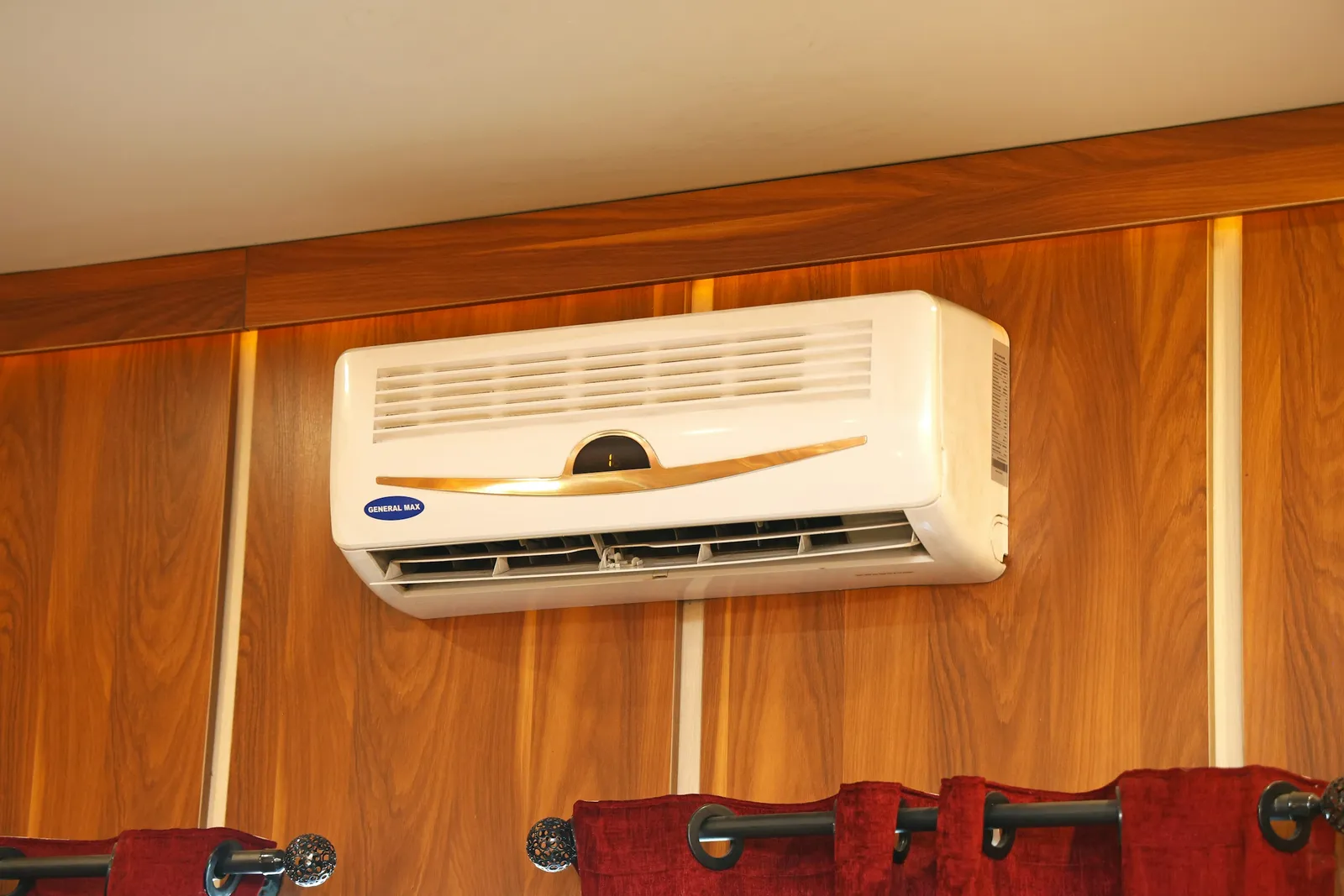
Low humidity irritates and dries out your nasal membranes, causing them to swell defensively. This is especially common in winter when heating systems strip moisture from indoor air, and it explains why your nose feels clogged when you wake up after breathing dry air all night.
Dry air in your bedroom can contribute to your discomfort. In environments with low humidity, your nasal passages can become dry and irritated, exacerbating your congestion. Maintaining indoor humidity between roughly thirty and fifty percent is a practical target worth aiming for, according to guidance from allergy specialists.
What Research Tells Us About the Nasal Cycle in 2025

A 2025 study published in Rhinology demonstrated that peak nasal inspiratory flow significantly correlates with nasal resistance measurements in evaluating the nasal cycle. Separately, research published in the American Journal of Rhinology and Allergy identified two predominant nasal cycle patterns in healthy volunteers: a parallel pattern where congestion and decongestion occur simultaneously in both nostrils, and a classic reciprocal pattern.
Normal human nasal mucosa is always in the alternating changes of congestion and decongestion. The cycle rotates roughly every two to seven hours, though due to the influence of body position, the nasal cycle may change in a shorter time.
Research using computational fluid dynamics found that airflow velocity, pressure, and nasal resistance were higher on the congested narrow side, while temperature regulation ability on that congested side was actually stronger than on the decongested wider side. The congested side isn’t simply shut down. It’s doing specific work.
Practical Things That Actually Help
Lying flat on your back may allow mucus to collect in the nasal passages and throat, worsening congestion and difficulty breathing. Sleeping with your head slightly elevated can help promote sinus drainage and reduce nasal congestion. Consider using an extra pillow or a wedge pillow to keep your head elevated.
Effective relief typically combines home strategies such as allergen-proof mattress and pillow encasements, weekly hot-water washing of bedding, and keeping indoor humidity below fifty percent, with medical options like daily intranasal steroid sprays and nonsedating antihistamines. For structural issues like a deviated septum, a conversation with an ENT physician is often the more direct route.
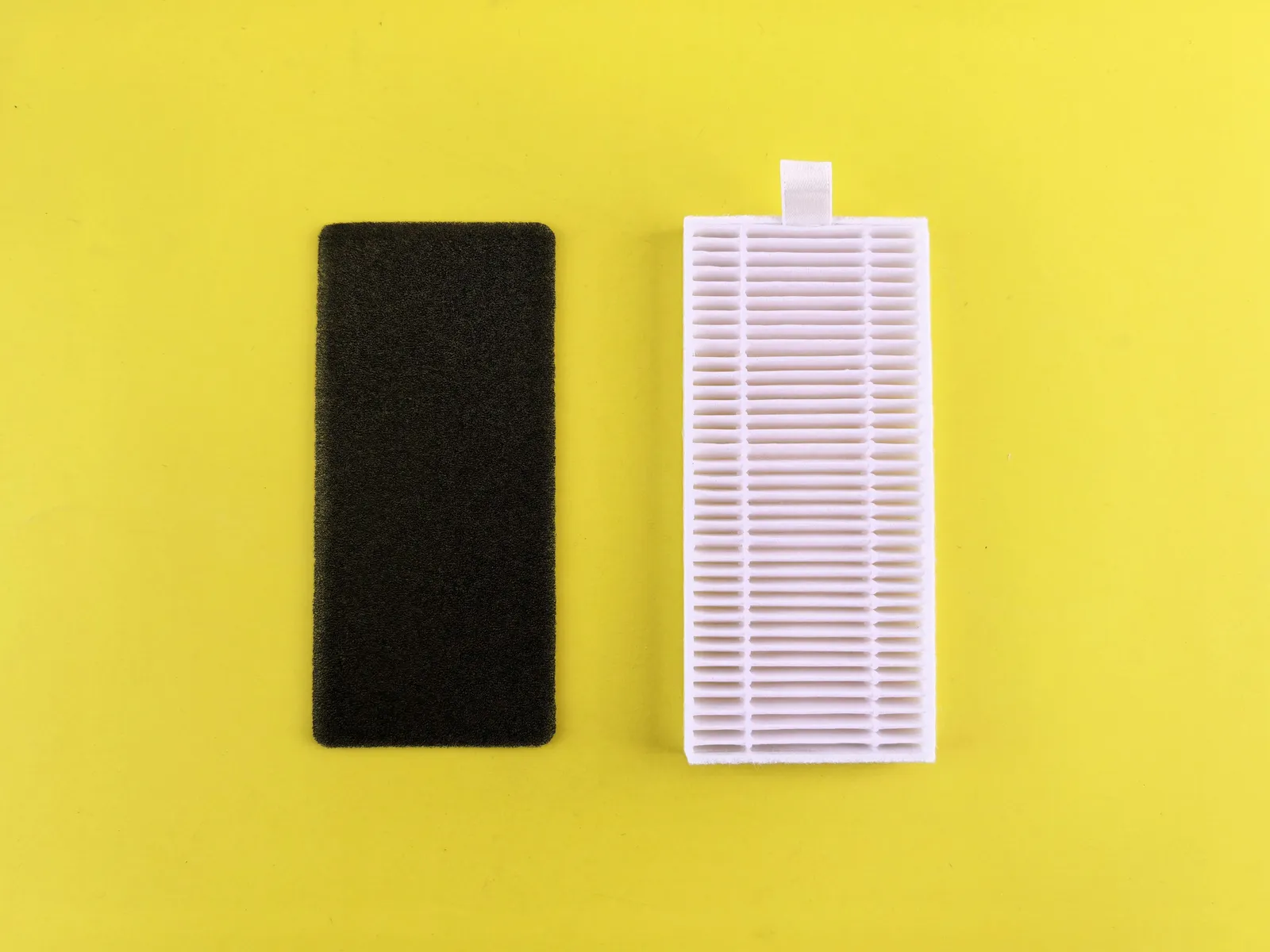
According to the EPA, an air purifier with a HEPA filter can remove up to 99.97 percent of dust, pollen, mold, and bacteria. Placing one in the bedroom can meaningfully reduce the allergen load you’re breathing through the night, especially if dust mites or pet dander are contributing to your symptoms.
Final Thoughts

Most of the time, a stuffy side at night is your body’s own biology at work, not a sign that something has gone wrong. The nasal cycle is real, it’s purposeful, and it affects nearly everyone. The trouble is that it becomes noticeable precisely when you most want it to be invisible, at two in the morning, in the dark, trying to sleep.
If it alternates sides, it’s likely normal physiology amplified by posture and quiet. If it stays fixed to one side every single night, that’s worth looking into. The line between quirky anatomy and a treatable problem is usually that simple.
AI Disclaimer: This article was created with the assistance of AI tools and reviewed by a human editor.