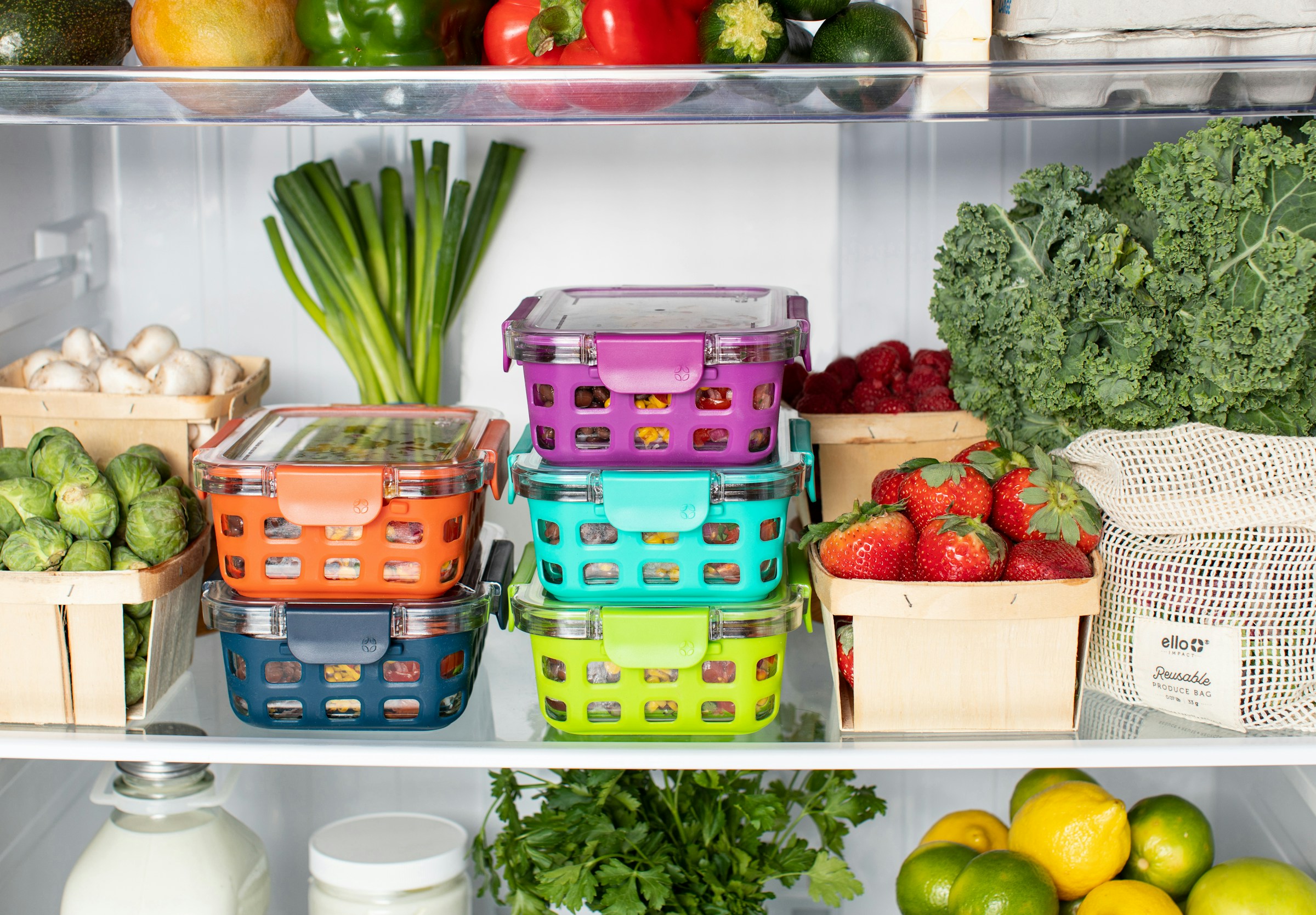

There is a common assumption that the refrigerator is always the safest place for food. Modern kitchens are built around cold storage, and most of us have been trained since childhood to put things in the fridge almost reflexively. What tends to get overlooked is that generations before widespread refrigeration managed food storage with real precision, relying on methods grounded in how food actually behaves at a chemical level.
As it turns out, science has gradually been catching up to what grandmothers already knew. Some foods genuinely fare worse in cold storage, losing flavor, texture, or nutritional value in ways that are now well documented. Here is a closer look at ten common foods that do not need refrigeration, and why leaving them out was never a mistake.
1. Tomatoes: The Cold Destroys What Makes Them Good
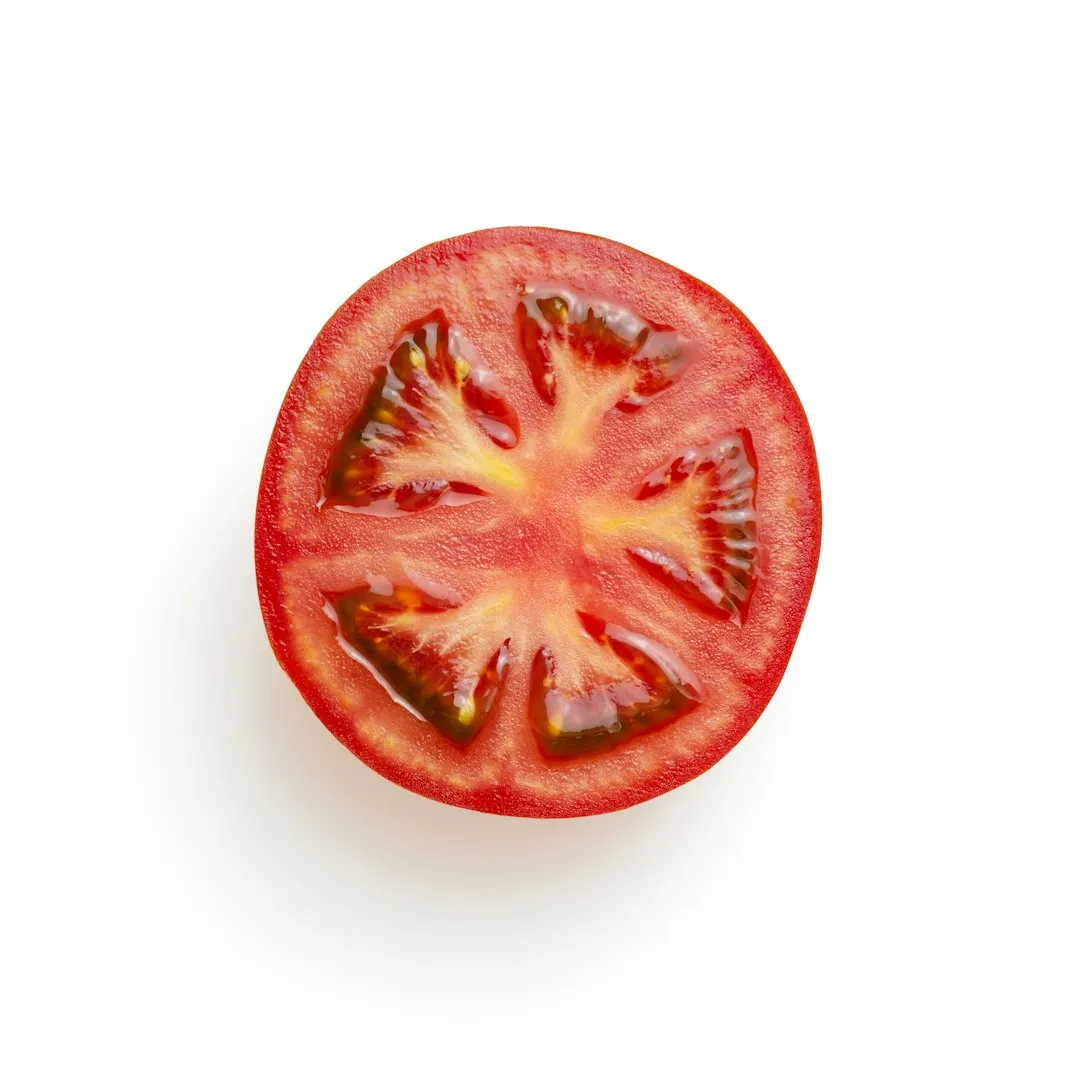
Research from the University of Florida and Cornell University found that cooling tomatoes below 54°F switches off genes responsible for producing volatile aroma compounds. That is not a minor detail. It is the reason a refrigerated tomato tastes flat and watery compared to one left on the counter.
After just seven days at 39°F, tomatoes lose their characteristic earthy, fresh-picked aroma, and sitting at room temperature for three days afterward does not restore these flavor compounds. The genetic shutdown is essentially permanent.
Cold temperatures cause what scientists call “chilling injury,” where the fruit’s cellular membranes break down, creating a mealy, grainy texture instead of the juicy snap you expect from a fresh tomato. The general rule of thumb for all tomatoes is they are best stored at room temperature. As Cornell University notes, tomatoes do best in temperatures above 60 degrees Fahrenheit, and they thrive especially well in temperatures between 65 and 85 degrees.
2. Honey: A Shelf Life Measured in Centuries
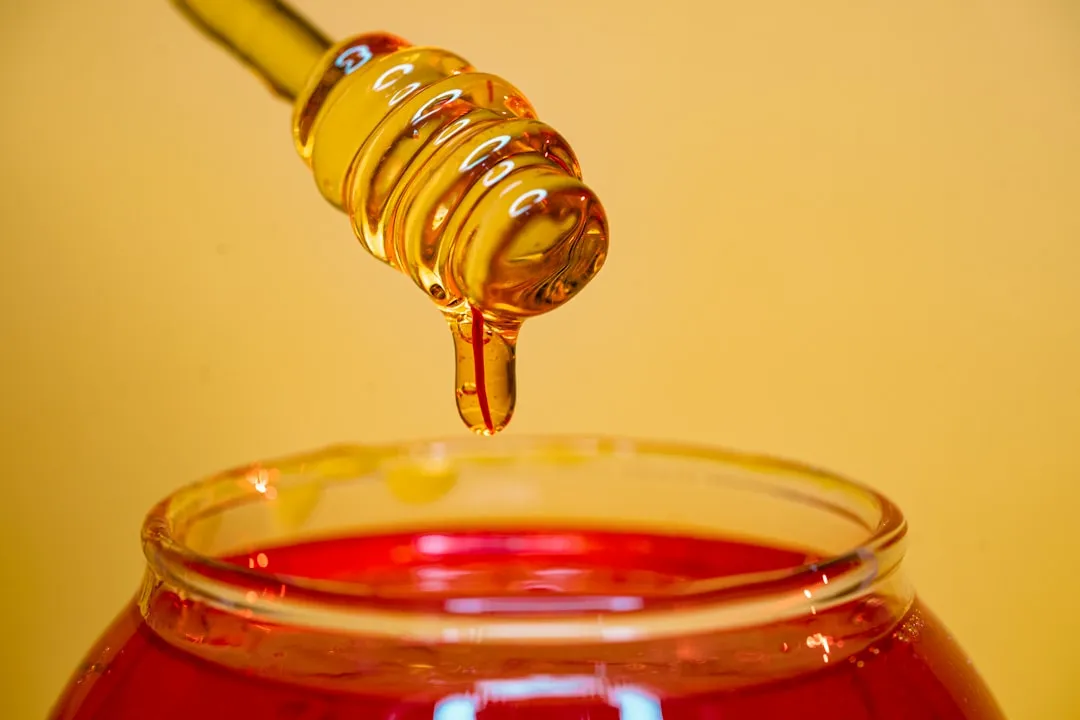
Honey does not spoil because of four combined properties: low moisture content of roughly 17 to 20 percent, high sugar concentration of around 80 percent, natural hydrogen peroxide from the glucose oxidase enzyme, and an acidic pH ranging from 3.2 to 4.5. Putting it in the refrigerator adds nothing useful and can cause it to crystallize faster than it otherwise would.
Most bacteria require a water activity of at least 0.91 to grow, while honey typically has a water activity of 0.56 to 0.62, far below what microbes can tolerate. Research published in the International Journal of Food Microbiology demonstrated that this osmotic effect contributes significantly to honey’s ability to inhibit bacterial growth, independent of other antimicrobial factors.
The FDA confirms that pure honey requires no expiration dating because it remains microbiologically stable indefinitely when stored properly. Store honey at room temperature in a sealed glass jar, away from direct sunlight. That is genuinely all it needs.
3. Bread: The Fridge Is the Worst Place for It

Refrigerated bread goes stale roughly six times faster than bread stored at room temperature. This surprises most people, because the logic of “cold preserves food” seems universal. With bread, it actively works in reverse.
The critical detail is that starch retrogradation happens fastest at temperatures just above freezing, between roughly 35°F and 40°F, which is almost exactly the temperature of a standard refrigerator. At room temperature, retrogradation happens, but more slowly.
The only time cold storage works in bread’s favor is when it is frozen. Freezing slows molecular movement to a crawl, effectively pausing the staling process altogether. For short-term storage, keeping bread at room temperature in a breathable container such as a paper bag or bread box balances moisture retention while preventing mold growth. Grandparents kept bread in a bread box for good reason.
4. Potatoes: Cold Temperatures Change Their Chemistry
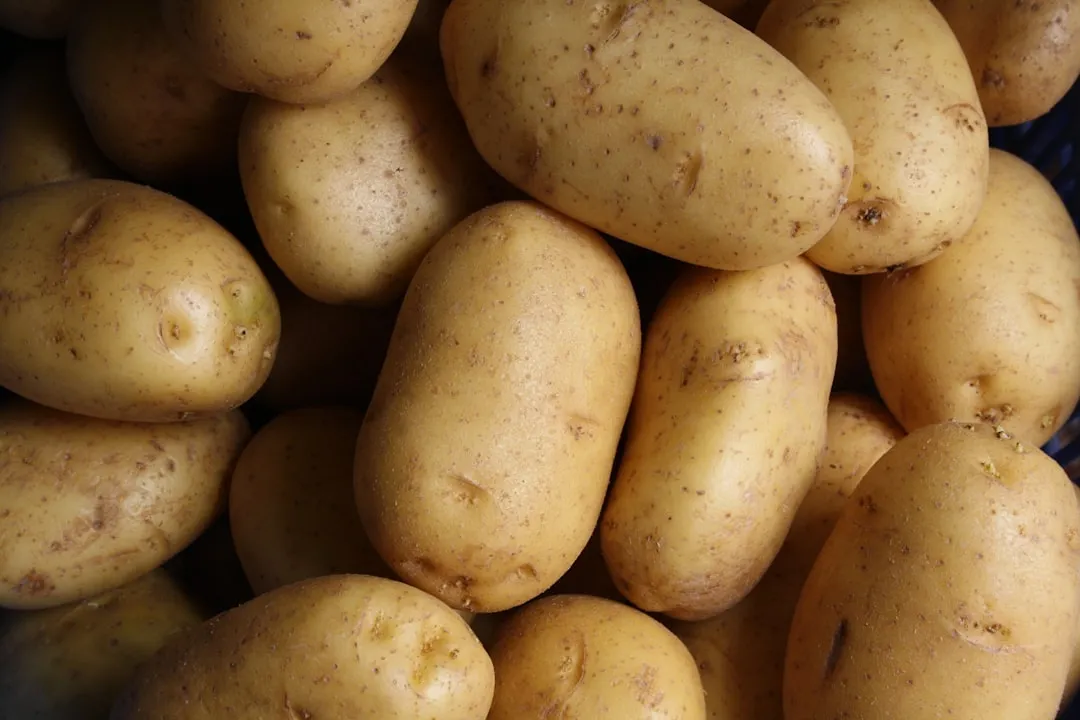
The fridge feels like a safe choice for potatoes, but it ruins them. Refrigeration triggers a process called cold-induced sweetening, where the potato converts its starch into reducing sugars below 40°F. Cook those sugary potatoes at high heat and they brown to a near-burnt color in minutes, plus produce more acrylamide, a compound the FDA recommends limiting.
Potatoes are best stored in cool, dark environments. The ideal temperature is about 45 to 50 degrees Fahrenheit. Potatoes thrive in cool, dark, and well-ventilated environments to prevent sprouting and spoilage. A pantry shelf or a cellar accomplishes that without the damaging cold of a refrigerator.
5. Garlic: Room Temperature Keeps It Potent
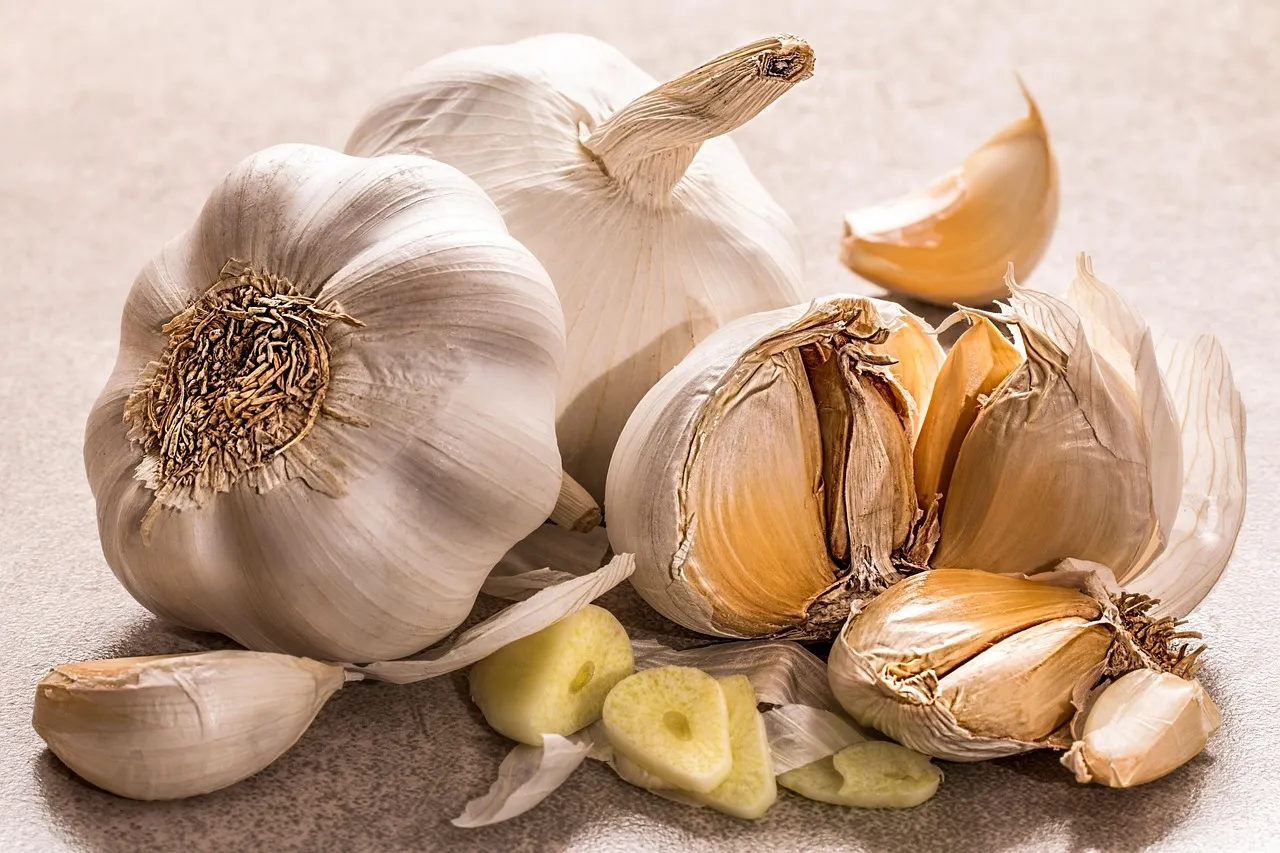
Store whole heads of garlic at 60 to 65°F on the counter in a mesh container and they will keep for three to five months. The fridge causes sprouting in as little as 30 days. Sprouting is not dangerous, but it does change the flavor and signals that the bulb is past its prime.
Garlic loves moderate temperatures, around 60 to 65 degrees, and dry, well-ventilated conditions. Stored correctly, it will last for months. Garlic comes naturally pre-packaged in a perfect, breathable papery skin. Left whole in a cool, dark, dry, and well-ventilated place, it will last and last.
One important exception: avoid storing fresh garlic submerged in oil at room temperature, as it creates an anaerobic environment that can cultivate Clostridium botulinum, the bacterium that causes botulism. The whole head on the counter is safe. Garlic submerged in oil at room temperature is not.
6. Onions: Moisture Is the Enemy
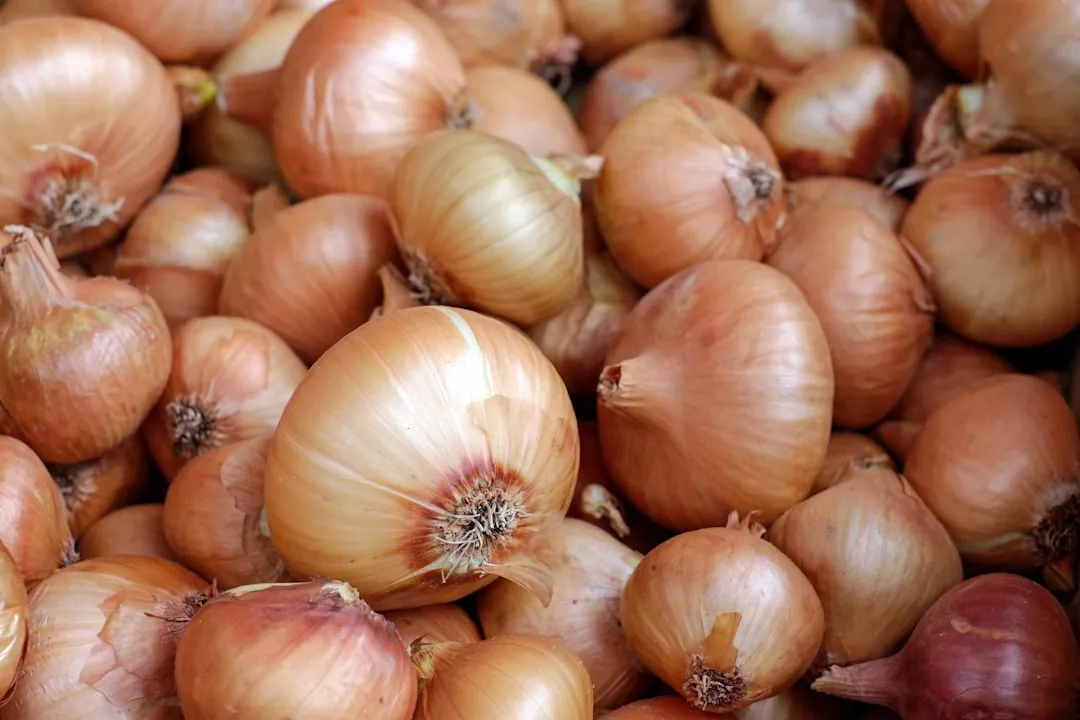
It is not necessary to store onions in the refrigerator, as the cold temperature will quickly soften their texture. A softened texture and moisture spots are signs the onions have spoiled. Refrigerators create exactly the humid environment that onions do not tolerate well.
Onions need cool, dark, and well-ventilated conditions but should be kept separate from potatoes to avoid moisture transfer and decay. Keeping them in the same bin accelerates spoilage in both. Onions prefer the milder climate of a warm, dry countertop. Once they are cut, refrigeration is appropriate. Whole onions, not so much.
7. Fermented Foods: They Carry Their Own Protection
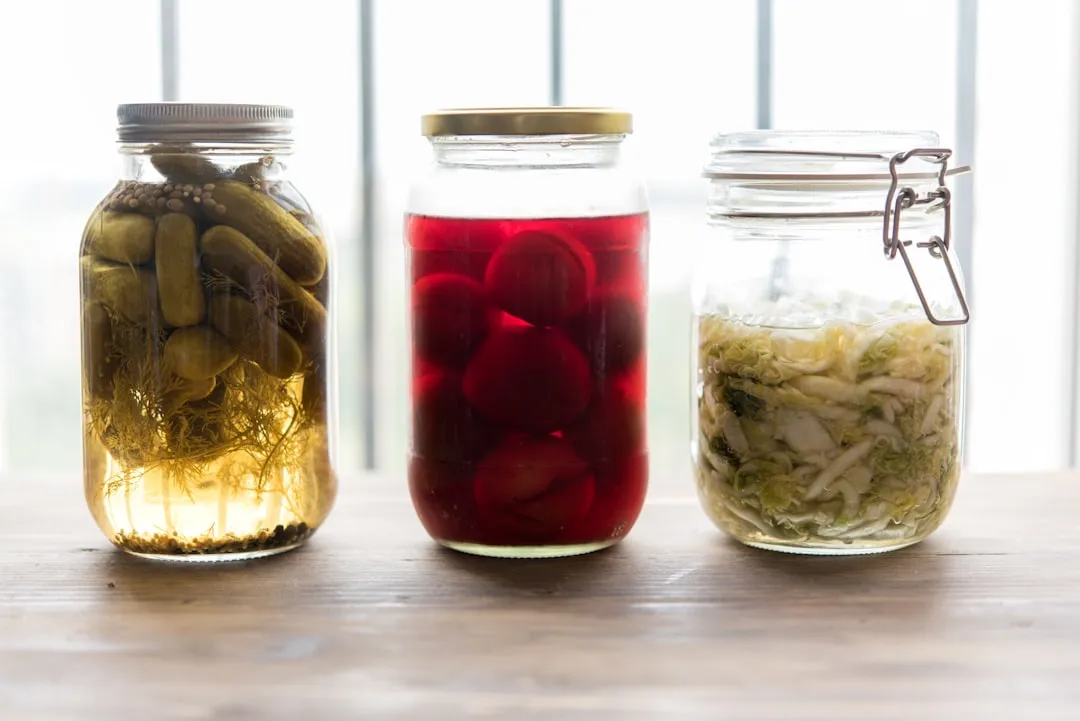
Sauerkraut, fermented and unpasteurized, has a pH of 3.2 to 3.5 and can last six months unrefrigerated if sealed and lacto-fermented. Pasteurized versions, however, require refrigeration because heat kills the protective lactic acid bacteria. Traditional fermented foods that grandparents stored in crocks were the real, unpasteurized variety.
Natural barriers such as skins and peels act as protective layers for produce, and fermentation or preservation means some foods, like pickles or fermented vegetables, contain ingredients or natural enzymes that inhibit spoilage. The acidity created during fermentation is itself a powerful preservative, one that humans have relied on for thousands of years without refrigeration.
8. Coffee and Tea: Cold Storage Destroys Flavor
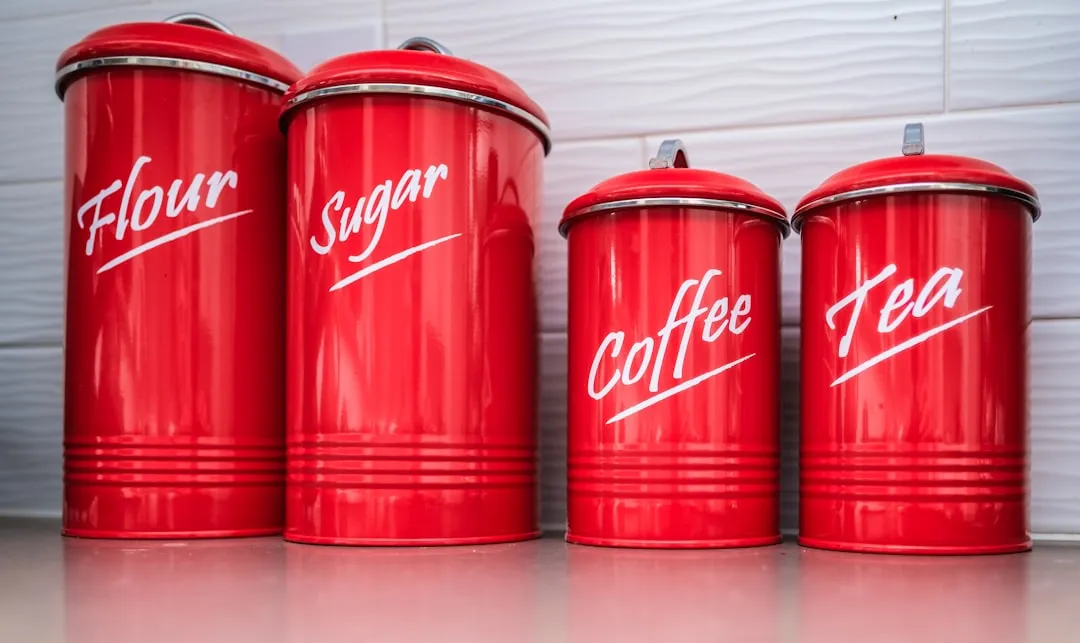
Both coffee and tea lose flavor when refrigerated due to condensation. Coffee beans or ground coffee should be kept in an opaque, airtight container in a cool, dry place, and tea should be stored in sealed tins away from humidity and sunlight. The refrigerator introduces exactly the moisture these two need to avoid.
Condensation cycles, where a jar is taken in and out of the cold repeatedly, introduce moisture each time. That moisture degrades volatile aromatic compounds in both coffee and tea at a much faster rate than simple room temperature storage. A sealed tin or canister in a pantry was the standard approach for generations, and the science fully supports it.
9. Canned and Jarred Goods: Built to Last Without Cold
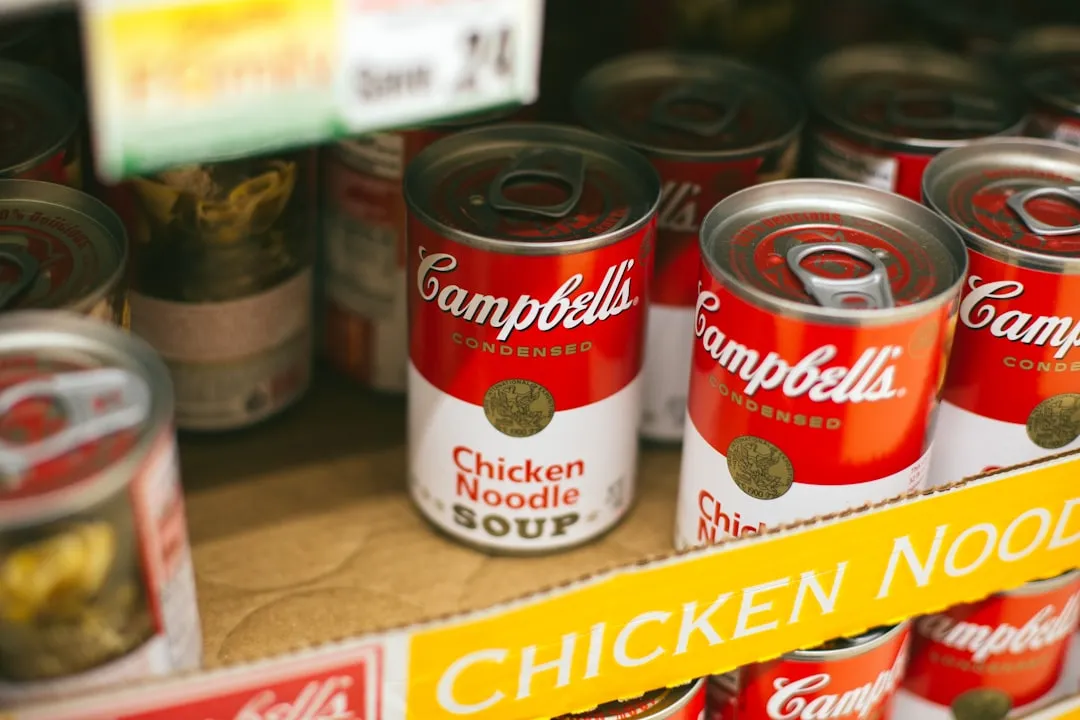
Unopened canned or jarred foods do not need refrigeration because they are vacuum-sealed and shelf-stable. Soups, beans, tuna, vegetables in cans, as well as jams and pickles when unopened, are all stable at room temperature. Once opened, these should be refrigerated to prevent bacterial growth.
The pantry shelves of earlier generations were lined with jars and tins for a reason. Canned goods are typically sealed in airtight containers, preventing the introduction of bacteria. The vacuum seal is doing the preservation work, and cold storage adds nothing to an unopened container beyond wasted fridge space.
10. Natural Peanut Butter and Nut Butters: Short-Term Stability at Room Temperature
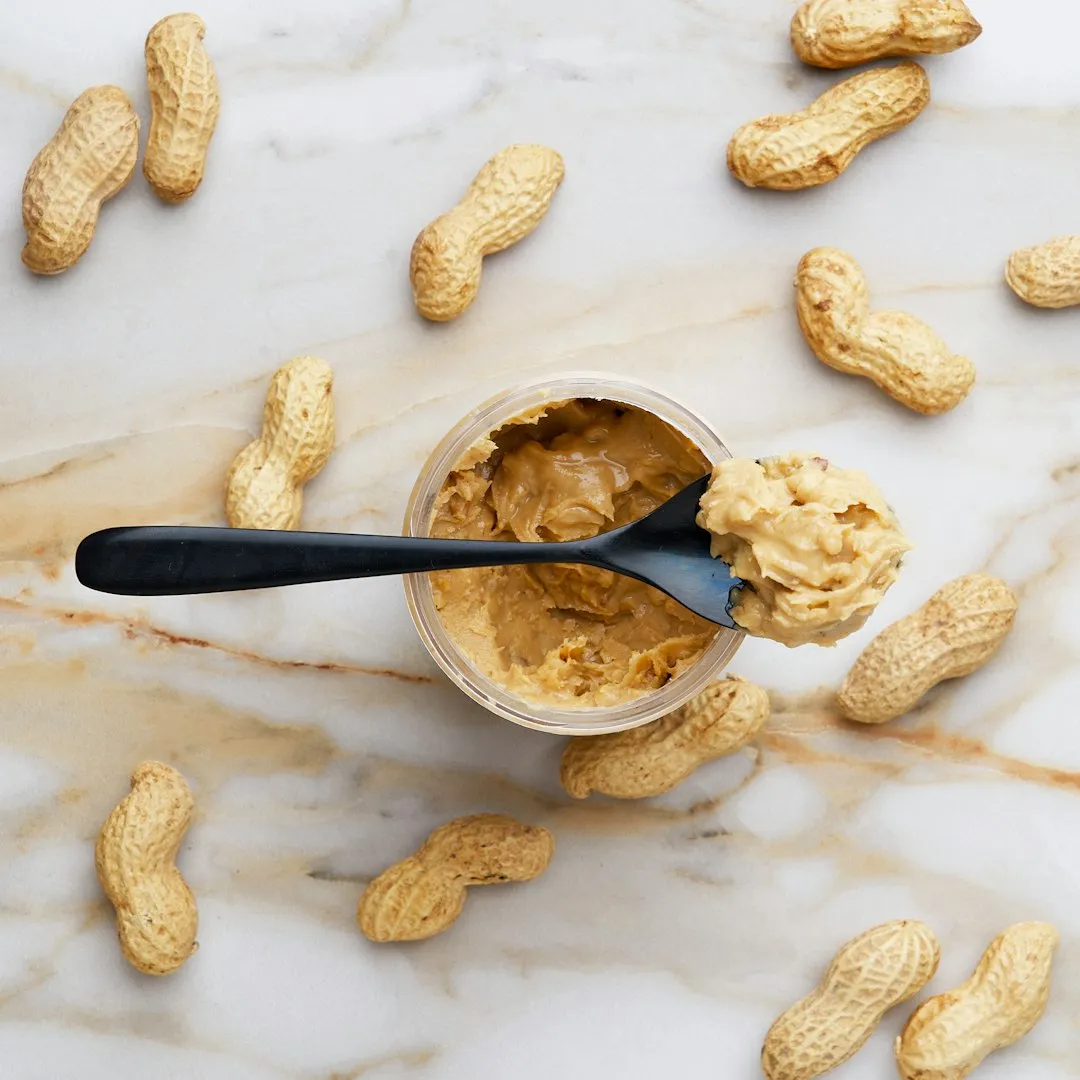
Natural peanut butter may separate over time but stays safe at room temperature for several weeks. Thick, sugary compositions make them self-preserving. The oil separation people sometimes worry about is entirely normal and does not indicate spoilage.
Water activity is the key metric in food science: it measures the unbound water available for microbial metabolism, not total moisture. Natural nut butters have a low enough water activity that bacteria struggle to establish themselves at room temperature over typical consumption timelines. Refrigeration extends shelf life further, but for a jar that will be used within a few weeks, the counter is perfectly adequate.
The Takeaway
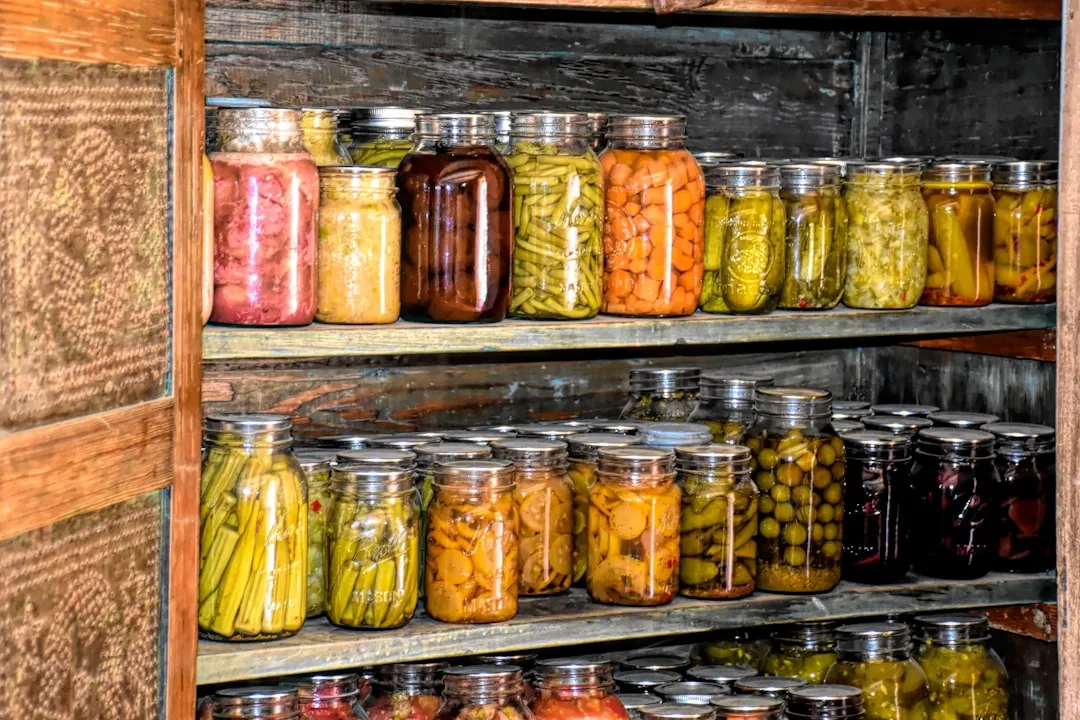
Older generations were not operating on ignorance. They had developed, over centuries of trial and observation, a working understanding of which foods were stable and which were not. The science of water activity, pH levels, starch retrogradation, and enzymatic preservation was not named yet, but the practical conclusions were often exactly right.
What modern kitchens sometimes get wrong is treating refrigeration as a universal solution. Refrigeration slows spoilage by reducing molecular kinetic energy, slowing enzymatic reactions, microbial replication, and lipid oxidation. Yet many foods never needed it because their inherent composition creates environments hostile to microbes.
Understanding the actual chemistry behind food storage saves money, reduces waste, and in several cases, simply produces better-tasting food. Sometimes the old way was not a workaround for the absence of technology. It was just the right way all along.
AI Disclaimer: This article was created with the assistance of AI tools and reviewed by a human editor.