

Senior Dogs Already Sleep More Than You Think
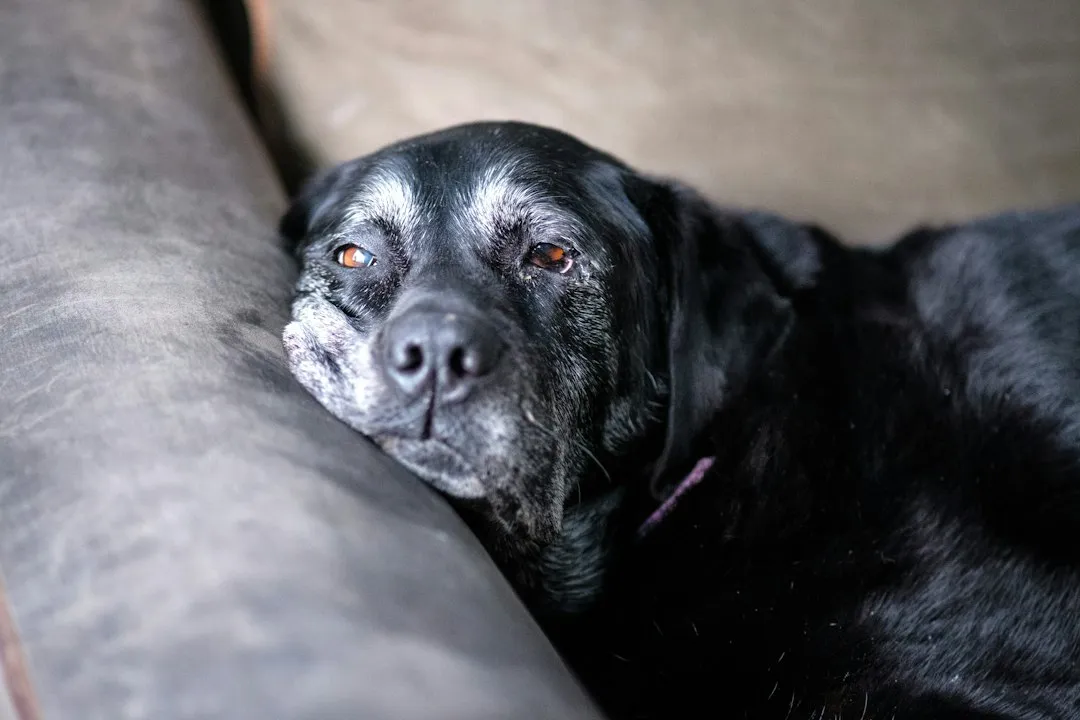
Before we even get to winter, it’s worth noting just how much older dogs sleep compared to their younger counterparts. Senior dogs commonly nap more than younger adult dogs, and many sleep about 16 to 18 hours a day. That’s a significant chunk of every single day spent at rest.
By comparison, the normal amount of sleep for adult dogs ranges from eight to 13 hours, with adult small- and medium-size dogs sleeping less compared to large dogs and puppies. So even before winter arrives, a senior dog is already operating on a very different schedule.
Aging bodies do more of their maintenance during sleep, including tissue repair, immune housekeeping, and brain processing, and they tire faster while awake. A senior dog also spends energy differently: the same walk costs more than it did at three years old, and the recovery takes longer.
Shorter Days Mean More Melatonin
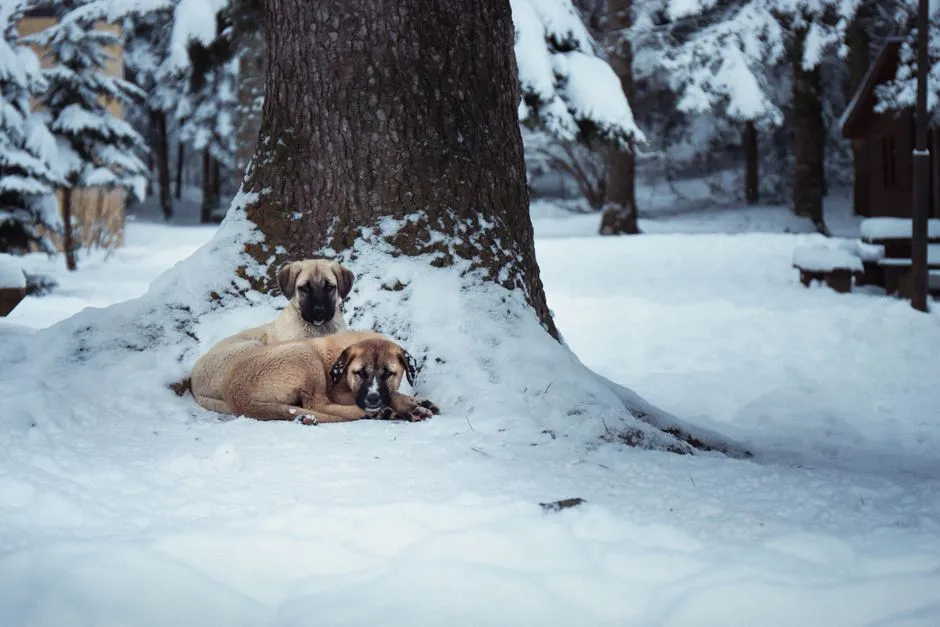
One of the most significant biological reasons behind winter sleepiness is the change in daylight. The single most significant driver of increased winter sleepiness in dogs is light exposure, and specifically the hormone melatonin. This isn’t folklore. It’s chemistry.
Melatonin is produced through the pineal gland. The pineal gland is light sensitive, so melatonin is usually secreted at night, in the dark. Melatonin production is inhibited when light hits the retina. So in the winter, when there is less light and sunshine, more melatonin is produced in the dog’s body.
Increased circulating melatonin genuinely promotes drowsiness and sleep onset, which means a dog experiencing more hours of darkness is, at a hormonal level, being nudged toward more sleep more of the time. For an older dog already predisposed to rest, this hormonal push makes the effect noticeably stronger.
Older Dogs Feel the Melatonin Shift More Intensely
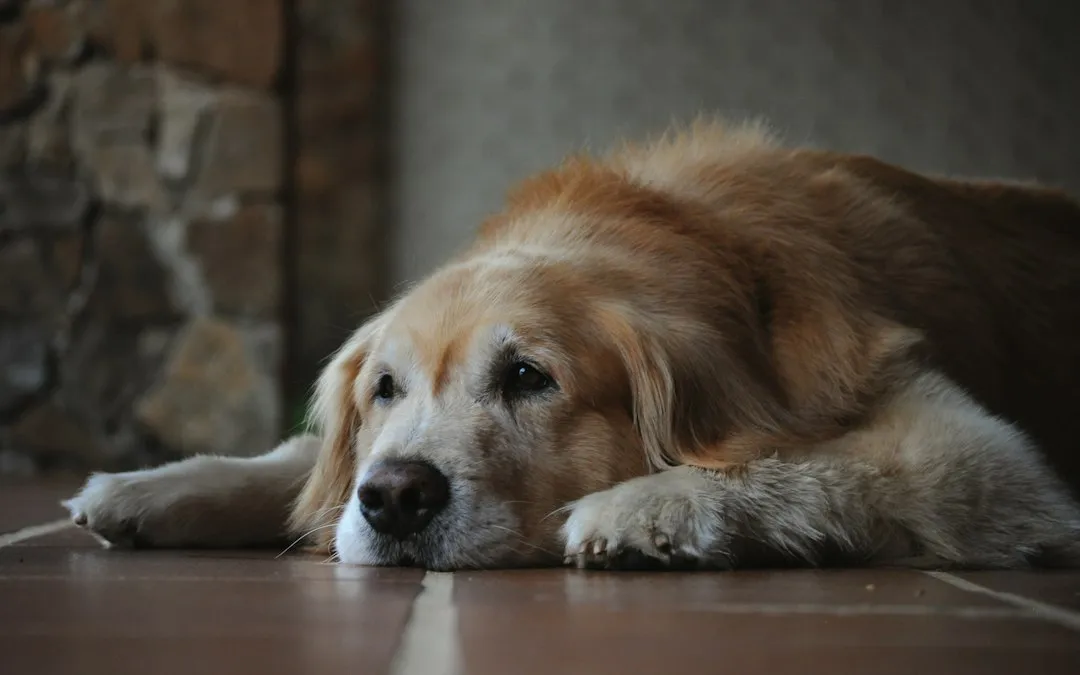
The melatonin effect isn’t equal across all ages. Younger adult dogs absorb the seasonal shift and still bounce back fairly quickly. Senior dogs don’t have that same buffer. Puppies and senior dogs, already sleeping more than dogs in their prime years, often show a more pronounced winter increase on top of an already elevated baseline, simply because both groups tend to be more sensitive to environmental and physiological stressors generally.
Senior dogs already sleep more due to age-related factors like joint discomfort and sensory decline, and winter’s melatonin, temperature, and barometric pressure effects layer on top of that baseline, often producing a more pronounced seasonal increase than you’d see in a younger dog. It’s essentially a compounding effect.
Cold Weather and the Body’s Energy Cost
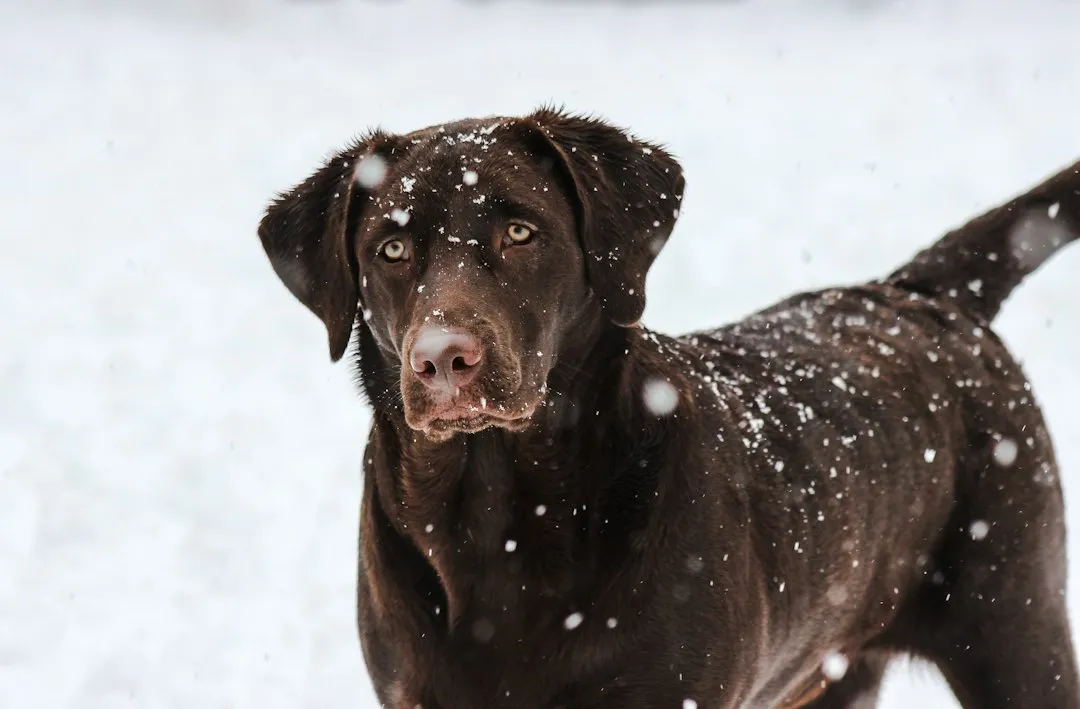
Staying warm takes real energy. During winter, a dog’s body works harder to maintain its internal temperature. That extra energy demand means more fatigue, especially in smaller breeds, short-haired dogs, or older pets. For a young, healthy dog this is manageable. For a senior dog, it’s genuinely tiring.
For thousands of years, winter meant scarcity. Less food, colder temperatures, fewer reasons to expend energy. Dogs who conserved calories during the lean months survived. That ancient instinct hasn’t gone anywhere, even if the food bowl is always full.
Colder weather may slow dogs down, as they conserve energy and protect their joints from stiffness and pain, which is particularly important for senior dogs or those with arthritis. The body is doing what it was designed to do.
Arthritis Gets Louder in Winter
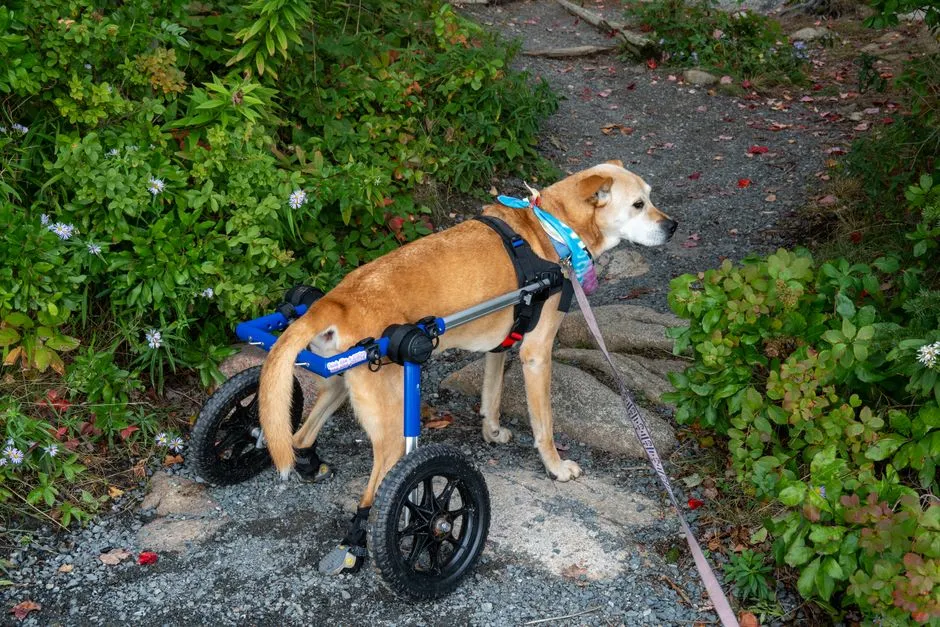
Joint pain is one of the most common reasons older dogs sleep more in winter, and it’s worth taking seriously. Arthritis in dogs becomes significantly more common as dogs age, particularly after the age of eight. Research shows that osteoarthritis affects multiple joints in older dogs, often at the same time. Elbow osteoarthritis is the most common form of joint involvement in older dogs, affecting 57.4% of dogs over the age of eight.
The American Veterinary Medical Association (AVMA) says cold weather may make some health problems worse, and arthritis is one of them. When joints hurt more, resting becomes not just preferable but necessary.
The dog spends more hours lying down. Each transition from rest to movement is more painful, which makes the dog more reluctant to move, which means more time lying still, which means more stiffness. This cycle quietly reinforces itself all winter long.
Barometric Pressure Changes Add to Discomfort
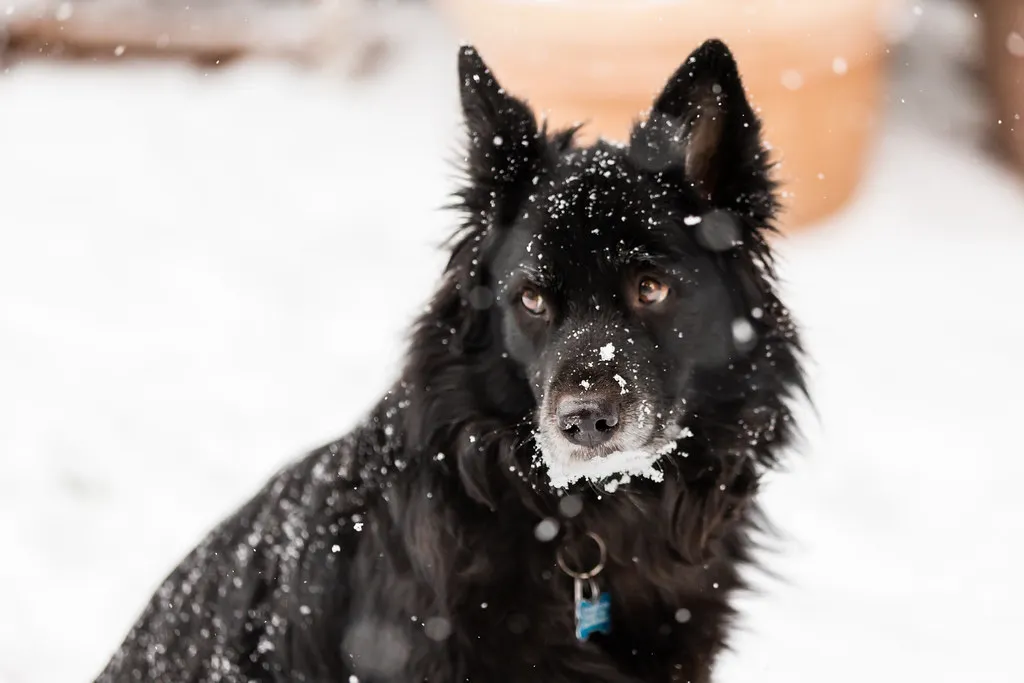
Weather pressure shifts are less obvious than temperature, but they affect older dogs in real ways. When a low-pressure system moves in, the slight drop in atmospheric pressure allows already-inflamed tissues in the joint to expand fractionally. That expansion presses on pain receptors. Dogs can feel this before a storm even arrives.
Changes in barometric pressure during winter can cause joint tissues to swell, intensifying pain in arthritic joints. This is particularly concerning for older dogs, as approximately 20% of canines over seven years old are affected by arthritis. For those dogs, a falling barometer is more than a weather forecast.
Reduced Exercise Creates a Snowball Effect
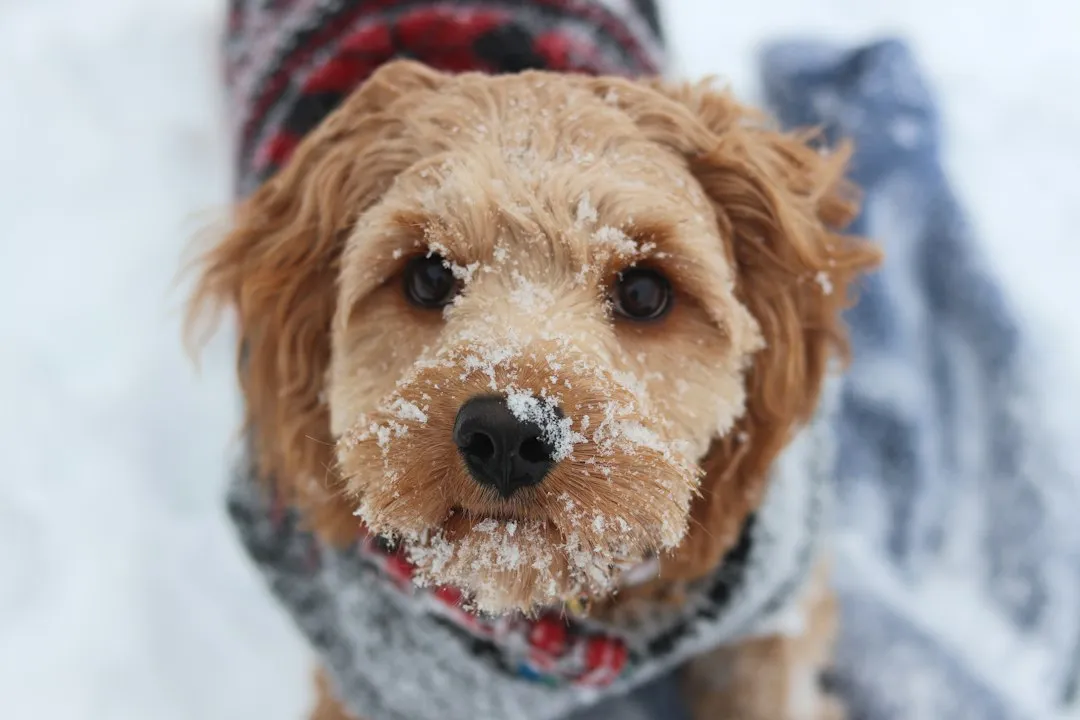
Winter naturally shortens walks. Cold mornings, wet pavements, and icy paths all make outdoor time shorter and less frequent. For older dogs, this reduced movement quickly compounds the problem. Less exercise during winter can contribute to weight gain, placing additional strain on already painful joints. Pets may spend more time sleeping, making stiffness after rest more obvious.
Older dogs may experience joint pain, decreased metabolism, and muscle weakness. This can lead to further inactivity during the winter, prompting them to sleep more than usual. Less activity leads to more rest, which leads to stiffer joints, which leads to even less activity. Winter makes this loop tighter and harder to break.
The Circadian Rhythm Weakens With Age
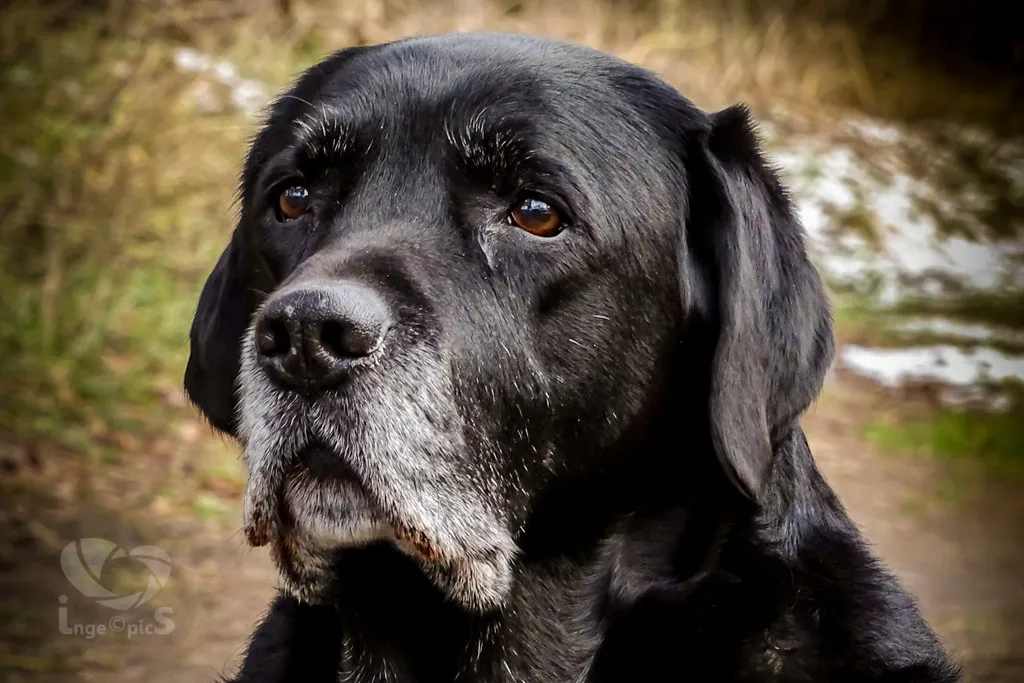
A young dog’s internal clock is fairly robust. It adjusts to routine, responds to light cues, and generally keeps the dog reasonably alert during the day. Older dogs lose some of that precision. Aging brains may struggle to maintain sharp circadian rhythms. As thermoregulation weakens, dogs may feel more tired, nap more, and show subtle cognitive changes.
Dogs’ circadian rhythms are influenced by natural light, with shorter daylight hours in winter prompting more sleep and sometimes mood changes similar to seasonal affective disorder in people. It’s a real parallel, not just a poetic one. The biology runs in a similar direction.
Although older dogs sleep longer overall, their sleep is more fragmented, meaning they sleep for shorter, interrupted periods, especially during the daytime. So the sleep looks heavy, but it may not always be as restorative as it appears.
When Extra Sleep Signals Something More Serious
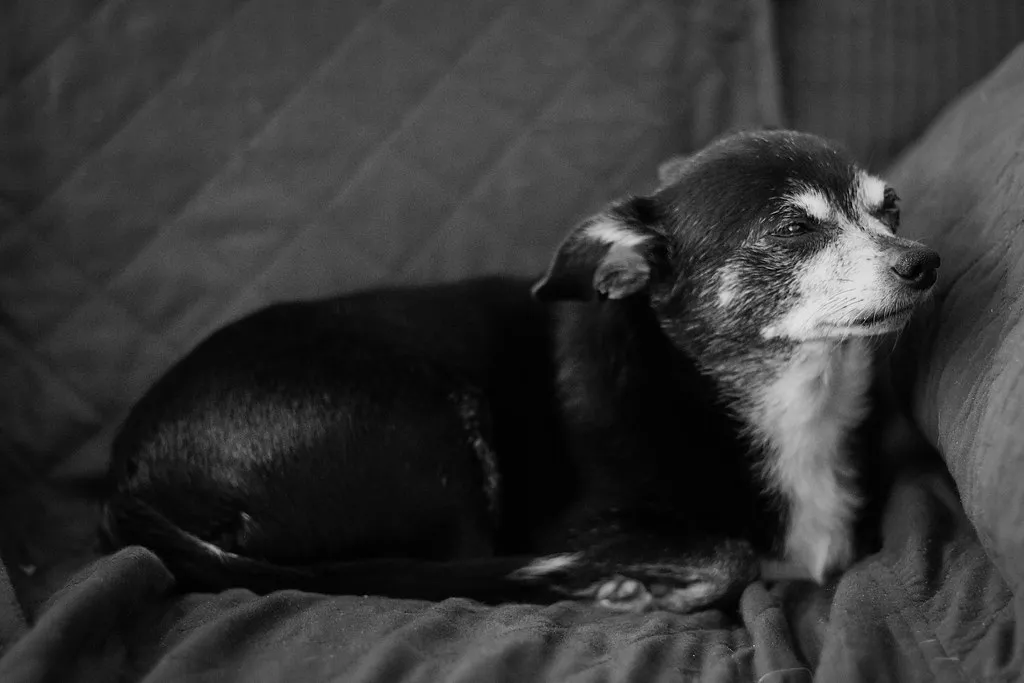
Most winter sleepiness in senior dogs is normal and expected. However, some signs go beyond seasonal fatigue. You should see your vet if your senior dog’s sleep patterns change suddenly or exceed 18 hours per day. A gradual increase over months is very different from a sudden overnight change.
Arthritis, dental pain, and internal discomfort can all present as sleeping more. Dogs can also get depressed. Changes in the household, loss of a companion, or major routine shifts can all trigger withdrawal and excessive sleep. These are not winter issues specifically, but winter conditions can obscure them or make them easier to overlook.
Around 16 to 18 hours including naps is normal for seniors. The number matters less than the trend and the waking hours: gradual and content is fine, sudden or withdrawn is not. That distinction is worth keeping in mind.
How to Support a Senior Dog Through Winter
There are straightforward things that genuinely help older dogs rest and move more comfortably during the colder months. Keeping your dog warm and cozy can help ease arthritis pain in their joints. Orthopedic beds are comforting for dogs with joint pain and arthritis. A well-supported resting surface reduces the strain on already tender joints.
When a dog rests on cold surfaces, their muscles work harder to stay warm, leading to stiffness or soreness, especially in older dogs or breeds with lean builds. A warm, insulated sleeping spot is one of the simplest and most effective tools available to any dog owner.
Shorter, more frequent walks are generally better than pushing a senior dog through a long winter outing. Keeping movement consistent, even in small amounts, helps prevent the stiffness cycle from fully taking hold. And if your dog seems to be sleeping significantly more than usual or struggling to get comfortable, a vet visit in winter is never a wasted trip.
A Final Thought
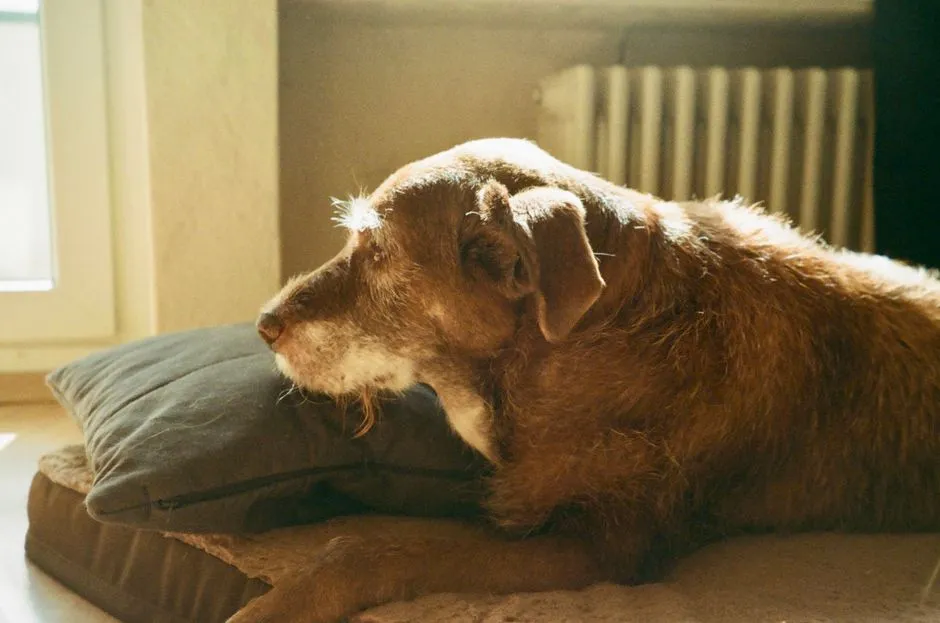
A senior dog curled up beside the heater on a cold afternoon isn’t simply being indolent. Their body is responding to shorter days, cooler temperatures, joint discomfort, and hormonal signals that have been part of canine biology for thousands of years. Age just turns the volume up on all of it.
The best thing an owner can do is watch the trend, provide comfort, keep movement alive in small doses, and know when the sleepiness crosses from natural to concerning. For most older dogs in winter, a long nap by the warm radiator is exactly where they’re supposed to be.
AI Disclaimer: This article was created with the assistance of AI tools and reviewed by a human editor.