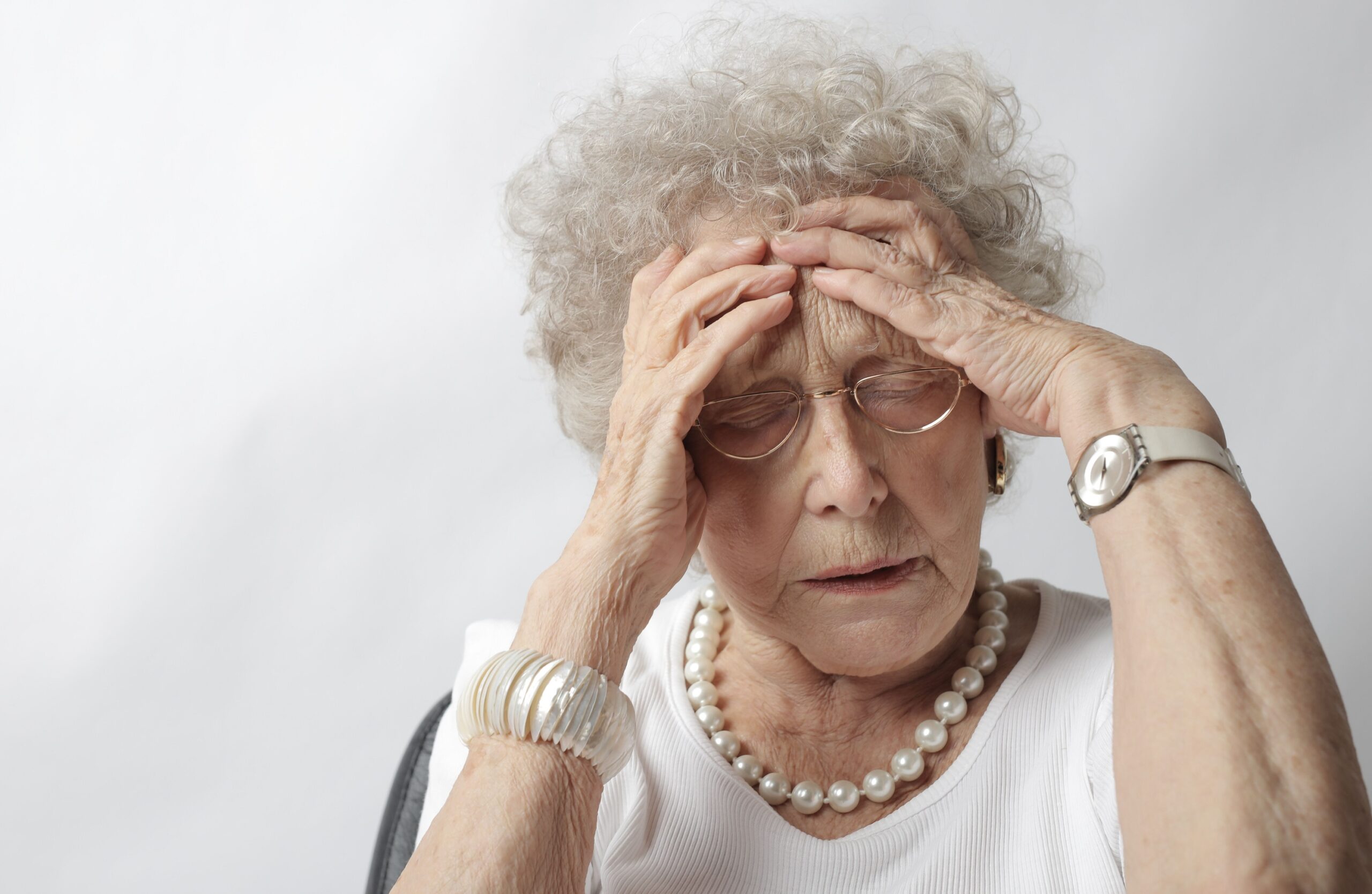

Chronic pain is remarkably common among people aged 65 and older, yet a striking number of them never fully disclose what they’re experiencing to their physicians. The gap between felt pain and reported pain in older adults is not just a quirk of personality or communication style. It reflects something much deeper, involving culture, fear, medical literacy, and the way aging itself is understood in society.
This gap has real consequences. When pain goes unreported, it goes untreated. Treatable conditions quietly worsen, quality of life declines, and what could have been managed early becomes much harder to address. Understanding exactly why this underreporting happens is the first step toward changing it.
The Scale of the Problem Is Larger Than Most People Realize

The National Center for Health Statistics reported that roughly 36 percent of adults aged 65 and older dealt with chronic pain in 2023, compared to just about 12 percent of adults aged 18 to 29. Additionally, nearly one in seven older adults experienced high-impact chronic pain, based on data from the 2023 National Health Interview Survey published in November 2024.
In older adults living in the community, chronic pain is commonly reported at around half of all individuals, though the true prevalence may be even higher due to underreporting, as many older adults consider pain a normal part of aging and may not report it or seek medical help. The gap between what people feel and what they tell their doctor is not small. It is, by most research accounts, substantial.
The “Pain Is Normal with Age” Myth Does Real Damage
A large proportion of older adults believe that pain is a natural consequence of aging, with research suggesting the vast majority expect more aches and pains as they get older. This prevents many from reporting chronic pain or seeking care at all.
Treating pain as an inevitable feature of aging has real consequences. It leads older adults to underreport pain to their clinicians. It leads clinicians to investigate less thoroughly. It means treatable conditions such as osteoarthritis, neuropathy, and spinal stenosis go unnamed and unmanaged.
Diagnosing and treating pain in older adults is often more complex, and pain tends to be underreported and undertreated, partly because providers, caregivers, and older adults themselves believe that pain is just a natural part of aging. Due to these attitudes and beliefs, many older adults often don’t recognize the need to address pain early on or to report its full extent.
Stoicism and Cultural Conditioning Keep People Silent

Cultural attitudes toward pain and aging can influence whether an elderly person reports it at all. In some cultures, stoicism and enduring pain without complaint are valued, which can directly lead to underreporting.
Many older adults grew up in an era when stoicism around pain was culturally expected, particularly among men. Some worry that reporting pain will lead to increased medication, reduced independence, or being seen as a burden to busy care staff.
This conditioning runs deep. For some older generations, mentioning physical discomfort at all feels like a form of weakness or complaint. It’s a mindset that is genuinely difficult to override, even with the best-intentioned healthcare provider sitting right across the table.
Fear of Diagnosis, Medication, and Loss of Independence
Elderly persons may be reluctant to report pain because of their fear that pain is indicative of severe pathology or even impending death, and because of their fear of the consequences of acknowledging pain, such as the need for hospitalization, diagnostic tests, or medications with undesirable side effects, additional expenses, or loss of independence or autonomy.
Some elderly patients may avoid reporting pain due to fear of a serious diagnosis or the potential consequences of treatment, such as surgery or long-term medication use. Others may fear becoming addicted to pain medication. These are not irrational fears, but they carry a steep cost when they prevent someone from getting help.
Cognitive Decline Makes Communication Harder
Pain is still under-recognized and undertreated in older adults, especially in frail individuals or those with cognitive impairment, in whom it may present atypically. Cognitive decline, dementia, and sensory impairments such as hearing or vision loss can make it difficult for elderly patients to effectively communicate their pain.
Cognitive decline, particularly related to memory and attention, can hinder accurate pain recognition and communication. Self-reporting remains the most common approach, where patients describe their pain verbally or through visual tools, but the accuracy of self-reporting may decrease in older patients, particularly in those with cognitive impairments.
Older adults with cognitive impairment frequently present to emergency departments and often experience poor pain management. Patients’ impaired self-reporting, limited clinician training, inconsistent use of behavioral tools, and environmental pressures have all been reported as challenges.
Not Wanting to Be a Burden
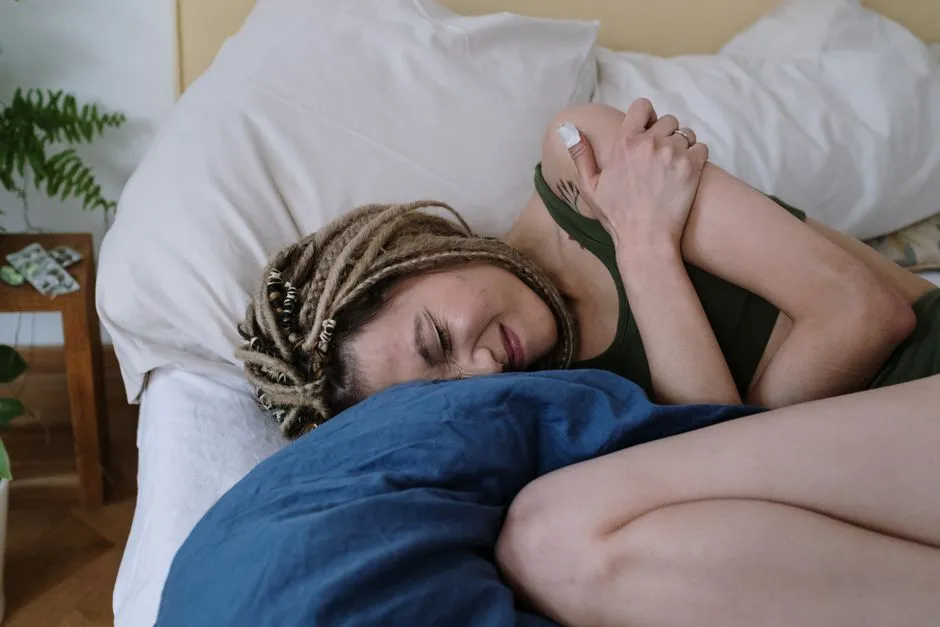
Patient-related barriers include the frequent underreporting of pain, often due to the belief that pain is a natural consequence of aging or the fear of being a burden. This particular barrier deserves its own chapter because it’s so emotionally layered.
Older adults may be reluctant to express their pain and simply live with it. In the case of cognitive impairment, they may be unable to communicate that they are in pain at all. Others may feel they are a burden and say nothing.
The unwillingness to inconvenience a physician, a family caregiver, or even a busy nurse is a form of self-silencing that is especially common in older generations. It’s quietly self-destructive and very difficult to address without active, compassionate questioning from care teams.
Inadequate Pain Assessment Tools on the Provider Side

Healthcare providers may rely on standard pain scales that are not well-suited to elderly patients, particularly those with cognitive impairments. The classic 0-to-10 numerical scale works reasonably well for younger adults with clear cognitive function, but it assumes a level of abstract self-assessment that is not always possible for older patients.
The top barrier for pain assessment identified by clinicians was patients’ inability to communicate, and practice was often inconsistent, frequently relying on self-report and subjective observation rather than systematic behavioral tools. Clinician-related barriers also involve under-recognition or misattribution of pain symptoms, therapeutic inertia, and insufficient training in geriatric pain assessment.
Racial, Ethnic, and Socioeconomic Disparities Compound the Problem

Discrimination, systemic racism, stigma, social marginalization, lower education, and Medicaid insurance status are all associated with higher reports of pain intensity, higher psychological distress, and disability among older adults with chronic pain. Yet paradoxically, these same groups are often the least likely to have their pain properly assessed and treated.
Older, hospitalized general medicine patients from minoritized groups and with geriatric-related conditions are uniquely vulnerable to inequitable pain assessment and management, which raises serious concerns for pain underassessment and undertreatment.
Older adults from underserved communities face the highest risks for negative outcomes due to chronic pain, often with disadvantaged backgrounds, low income, poor education, and tending to be racial and ethnic minorities or immigrants. Chronic pain is often poorly recognized, underestimated, and inadequately managed among these older adults.
Underrepresentation in Research Leaves Gaps in Care
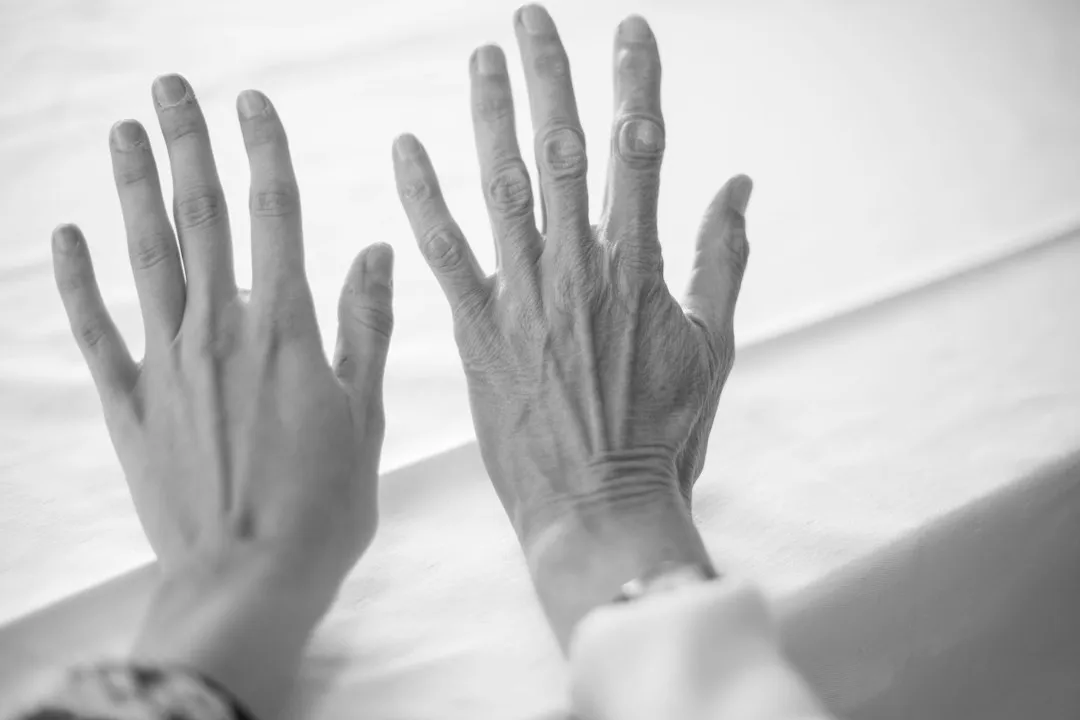
Chronic pain is common in older adults but often is not treated. One reason for this is that older adults are often under-represented in chronic pain research studies. When clinical trials and pain treatment guidelines are largely developed using younger populations, the resulting recommendations don’t always translate well to elderly patients who have multiple conditions and take multiple medications.
A major challenge to chronic pain management is that older adults are often left out of research on chronic pain treatment. Although there have been recent efforts to include more older adults in research, most studies still do not report how many older adults participated.
Chronic pain is the leading cause of disability and increases mortality risk in older adults. Even though pain is one of the most common reasons adults seek medical care, it is often inadequately managed in older adults due to a multitude of factors.
The Downstream Consequences of Silence
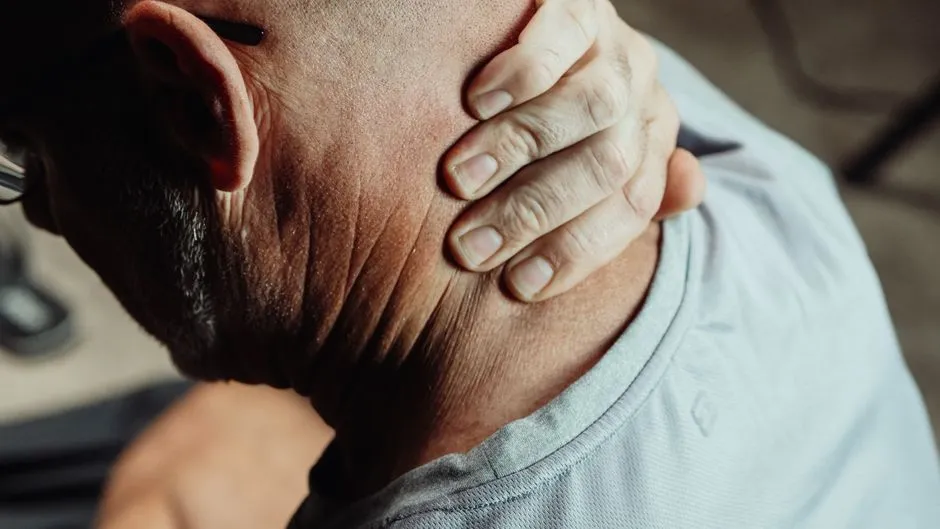
Older adults with chronic pain are more susceptible to becoming frail, characterized by an increased vulnerability to stressors and adverse health outcomes. Unmanaged pain is not simply uncomfortable. It drives a cascade of physical and psychological decline that is far harder to reverse once it takes hold.
Older adults with high pain interference experience distinctly more severe pain and demonstrate different help-seeking behaviors compared to those with lower interference. Many older adults tended to endure pain without medication until symptoms became severe. Waiting that long often means more complicated, more expensive, and less effective treatment.
Managing pain in older adults remains a major clinical and public health challenge, made more complex by cognitive, functional, and communicative barriers. The silence costs everyone something, most of all the person doing the suffering.
The Path Forward: What Needs to Change
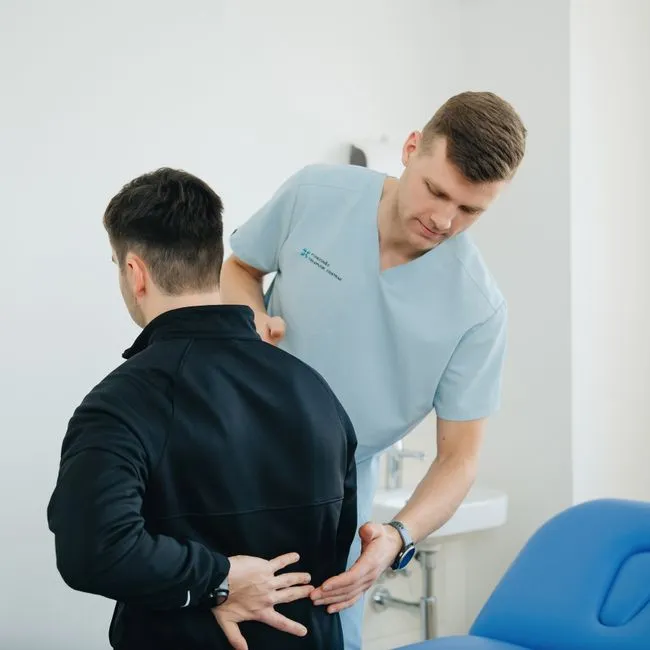
Underreporting and undertreatment of pain are often rooted in misconceptions, communication barriers, and systemic limitations. Overcoming these challenges involves improving pain assessment, enhancing provider education, ensuring better access to care, and empowering patients and their families.
Targeted training, accessible observational assessment tools, and clear guidelines are needed to improve pain assessment and management across care settings, from primary care offices to emergency departments to residential facilities. Routine, proactive pain screening that doesn’t rely solely on the patient volunteering information is a practical and meaningful step.
The high prevalence of chronic pain and pain underestimation in older adults underscores the necessity for comprehensive pain management strategies adopting a patient-centered medicine approach. That means listening differently, asking better questions, and not accepting silence as an answer.
A Quiet Closing Thought
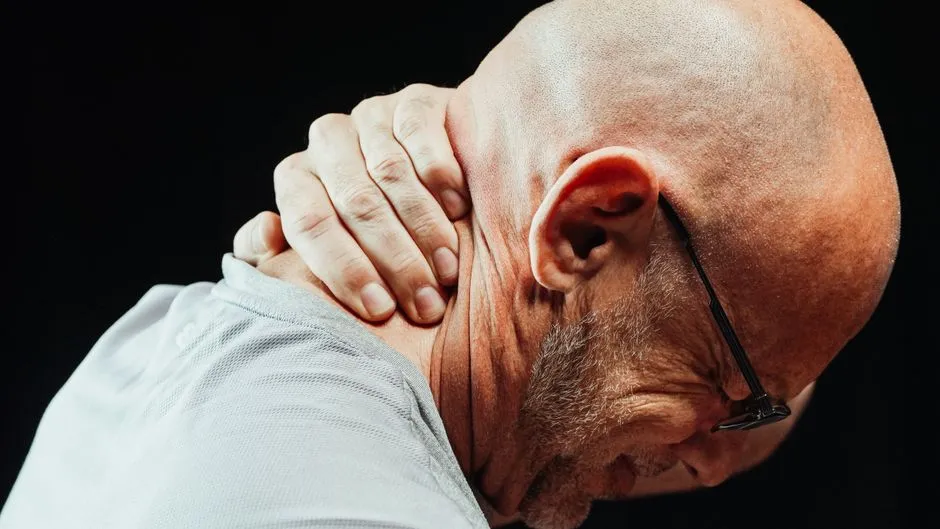
The reasons older adults underreport pain are not mysterious once you look at them closely. They involve deeply human things: a fear of being a burden, a lifetime of cultural conditioning, a dread of losing independence, and a system that hasn’t always made it easy to speak up. None of that is easy to untangle.
Yet the cost of staying silent is high, not just in physical suffering but in the loss of function, dignity, and the kind of daily life that makes aging meaningful. Pain that is named can be treated. What goes unspoken simply continues.
AI Disclaimer: This article was created with the assistance of AI tools and reviewed by a human editor.