

Walk into almost any home where an older adult lives and you’ll likely find the thermostat turned up a little higher than anyone else would choose. It’s not a quirk or a preference born of habit. The feeling of coldness that many older people experience, even in a perfectly heated room, is a real and physiologically grounded phenomenon that researchers have been studying for decades.
The causes are layered. Aging changes the body’s internal machinery in ways that touch on metabolism, circulation, muscle mass, nerve sensitivity, and even the brain itself. Understanding those changes makes the thermostat debate a lot less mysterious.
A Slowing Internal Furnace: The Metabolic Decline
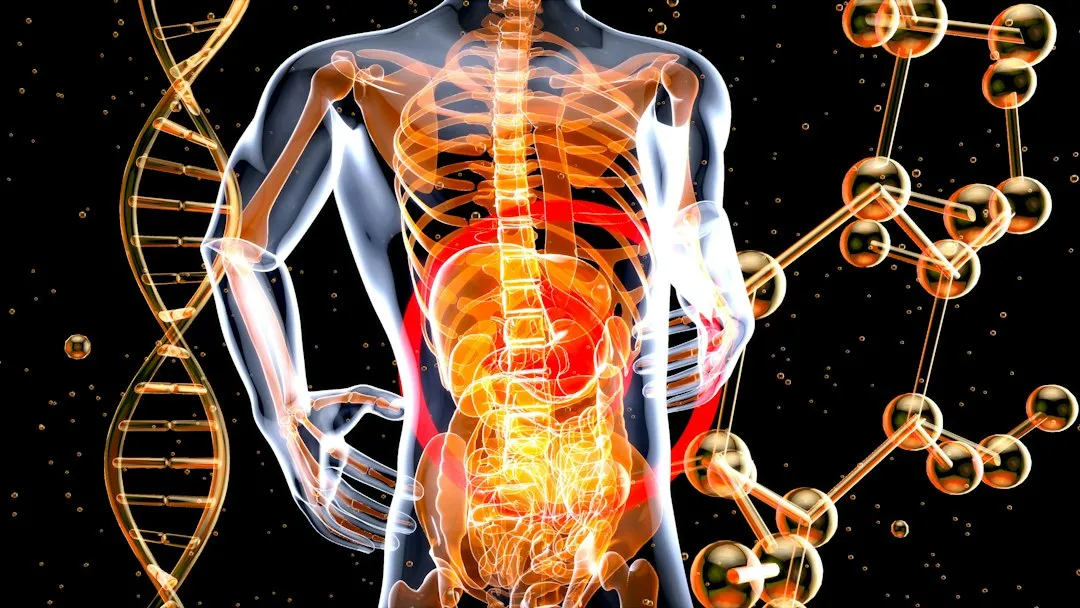
A significant change with age is a reduction in metabolic rate. Metabolism converts food into energy and generates heat, and as it decreases with age, less internal heat is produced. This matters enormously, because the body relies on that constant internal heat generation to stay warm regardless of what the air temperature outside the body is doing.
Basal and resting heat production decreases roughly twenty percent from age thirty to age seventy, primarily because of the loss of active muscle mass. That is a substantial shift over a lifetime, and it explains why an older person sitting quietly in a heated room can genuinely feel cold even when a younger person in the same chair feels perfectly comfortable.
Meal-induced thermogenesis is negatively correlated with age, and the resting metabolic rate gradually decreases from around the age of fifty. So even the small warming effect that a meal provides tends to diminish over time.
The Vanishing Insulation: Muscle and Fat Loss
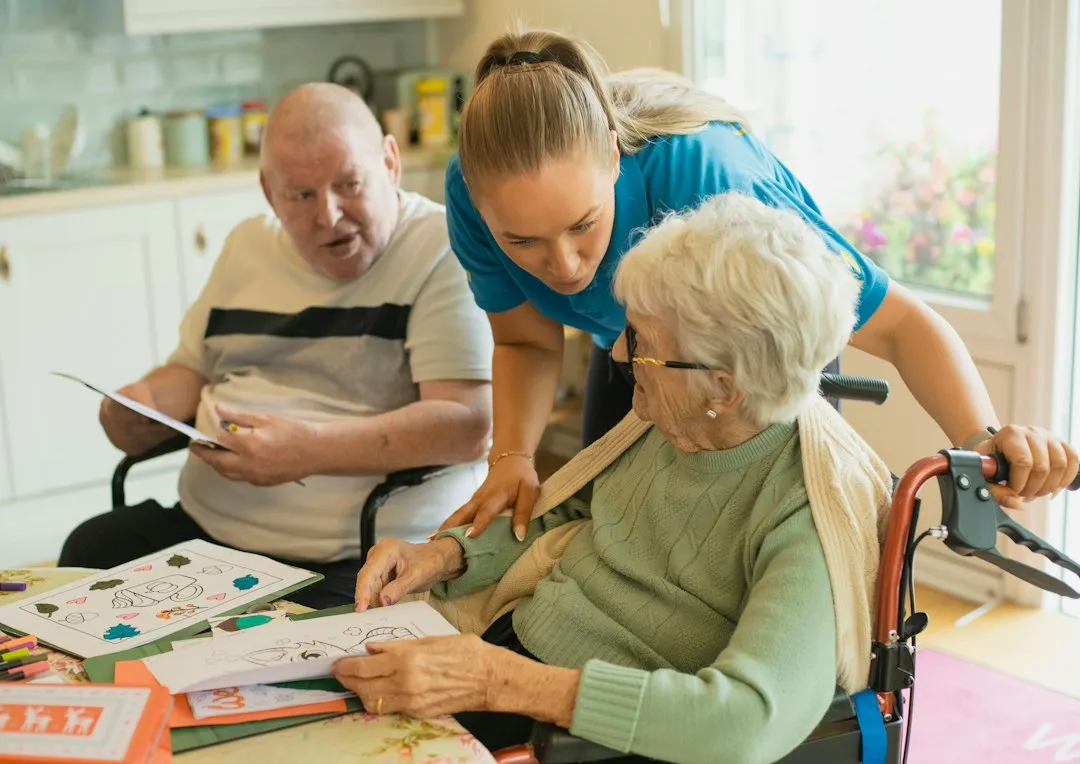
Changes in body composition also play a role. Older adults experience a decrease in subcutaneous fat, the layer directly beneath the skin. This fat acts as a natural insulator, and its reduction means the body has less protection to retain heat, making older individuals more susceptible to heat loss.
Muscle mass tends to decline with age, and muscle tissue generates more heat at rest than fat tissue, contributing to reduced heat production. So the body loses two things at once: its insulating layer and its heat-generating engine. Neither loss is dramatic on its own, but together they create a meaningful gap.
Sarcopenia, the gradual decline in muscle mass and quality noted with advancing age, has growing evidence linking it to decreased heat and cold tolerance in older adults. It’s a compounding problem, because less muscle means less shivering capacity too, which is the body’s emergency warming response.
Poor Circulation and Cold Extremities

Impaired circulation is another factor contributing to cold sensations, especially in the hands and feet. With age, blood vessels lose elasticity and become less efficient, leading to reduced blood flow. Conditions like atherosclerosis, characterized by plaque buildup, can further narrow blood vessels and diminish the body’s ability to distribute heat effectively.
Research indicates that baseline cutaneous blood flow decreases with aging, resulting in less capacity to change blood flow from baseline levels. In practical terms, this means older adults have less circulatory flexibility. When the room gets slightly cool, the body’s first-line response of redirecting warm blood is simply not as powerful as it once was.
Older adults have lower skin temperature in cold conditions, especially in the extremities. This is partly why cold hands and feet are such a common complaint in older age, even indoors.
A Blunted Vasoconstriction Response
Older persons’ skin vasoconstrictive response to cold is diminished compared to younger persons, which seems partly related to a reduced skin vasomotor sensitivity to sympathoneuronal stimuli. Vasoconstriction is the body’s way of pulling blood away from the skin surface to conserve core heat, and when that response weakens, heat bleeds away more easily.
In cold environments, older adults often cannot reduce heat loss by vasoconstriction the way younger people can, and their blood pressure increases more rapidly than in younger people. This creates a double burden: they lose heat faster and simultaneously face a cardiovascular strain that younger adults typically avoid.
Compared with young adults during cold stress, older individuals typically respond with a reduced peripheral vasoconstriction and decreased metabolic heat production. Both deficits work in the same unfortunate direction.
Nerve Sensitivity and Dulled Thermal Perception
Older persons have a reduced cutaneous thermal sensitivity and a reduced subjective thermal perception during cooling. This means older people may require a more intense stimulus to perform protective actions against cold stress. In other words, their nerves are slower to flag a problem, which makes it harder for the body to respond in time.
Older individuals have less sensitive thermoreceptors, and their recovery and stabilization time after temperature changes takes longer. A younger person stepping into a cool room will feel it quickly and adapt quickly. An older person’s system reacts more slowly at every stage of that process.
Research has noted that older individuals’ hands and feet respond slower to temperature changes than younger adults, where these areas are most sensitive to environmental changes. The slowdown is most pronounced precisely where it matters most.
The Hypothalamus and the Aging Thermostat
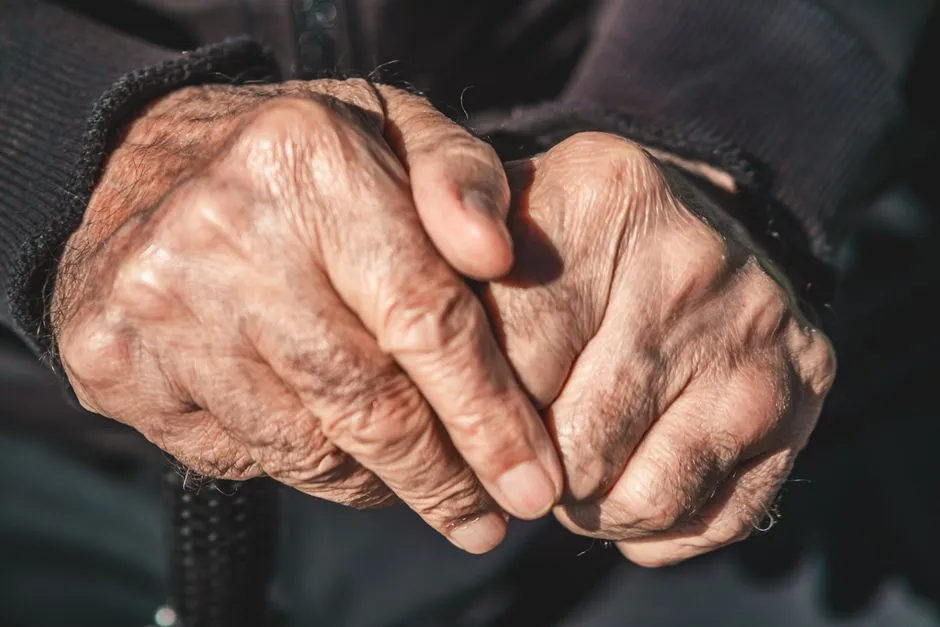
The hypothalamic set-point for heat dissipation becomes less responsive with age, while peripheral thermoreceptors show reduced sensitivity, delaying the onset of vasodilation and sweating. The hypothalamus is essentially the body’s internal thermostat, and like any aging mechanism, its calibration drifts over time.
Cognitive and perceptual changes associated with aging, such as impaired thermal awareness, slower decision-making, and medication-related effects on autonomic function, can compromise behavioral thermoregulation. This means the problem is not purely physical. The brain’s ability to notice, process, and respond to temperature signals also weakens.
Research has identified a gap between thermal sensation and actual body temperature in elderly individuals. They may feel fine even when their core temperature is subtly dropping, which carries real health implications.
Shivering: The Emergency Response That Weakens
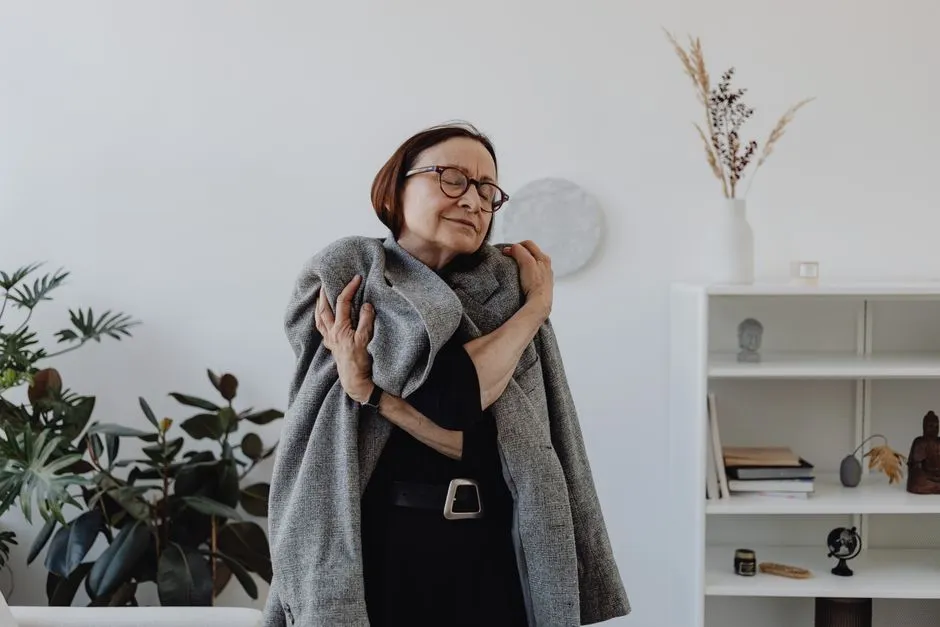
Age-related sarcopenia further reduces the resting metabolic rate and decreases shivering-induced heat production. Shivering is important for heat production in a severely cold environment, and both shivering and the associated increased metabolic heat production are impaired in older adults.
Research indicates that all the measured characteristics of the shivering response, including threshold, gain, and maximum response, are reduced with aging when thermal insulation is bypassed by direct core cooling. Shivering is not a comfortable experience, but it’s a genuinely important one. When it becomes less effective, the body’s last thermal defense is compromised.
The cold-induced rise in metabolic rate is attenuated in older persons, though the precise mechanism remains unclear. It is likely a combination of reduced nerve signaling, diminished muscle mass, and central nervous system changes all converging at once.
Medical Conditions That Make It Worse
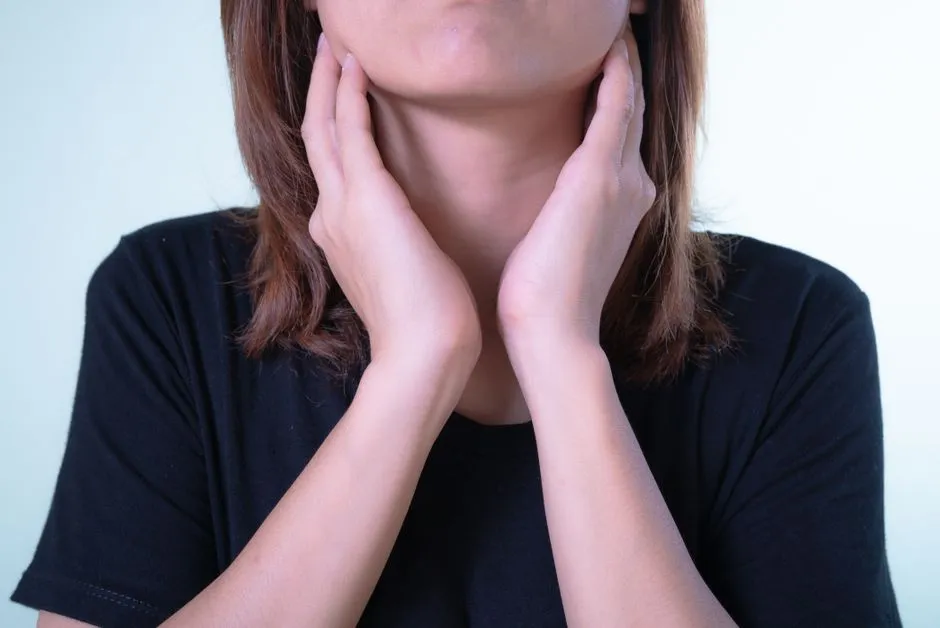
Beyond natural physiological changes, several health conditions and lifestyle choices can worsen cold sensitivity in older adults. Certain medical conditions significantly impact the body’s ability to regulate temperature or affect circulation. Hypothyroidism, anemia, diabetes, and peripheral artery disease are among the most commonly implicated conditions.
Thyroid hormone signaling is involved in skeletal muscle development, plasticity, and repair by regulating core genes related to skeletal muscle homeostasis and metabolism. Research has shown that declining thyroid hormone levels associated with aging can lead to decreased type II muscle fibers. Fewer of these fast-twitch fibers means less capacity for thermogenic activity.
Older adults are particularly vulnerable to indoor temperature changes because of their diminished ability to regulate body temperature and the extended time they spend indoors. Those extra hours spent inside do not protect them if the indoor environment itself is not properly managed.
The Blood Pressure Complication
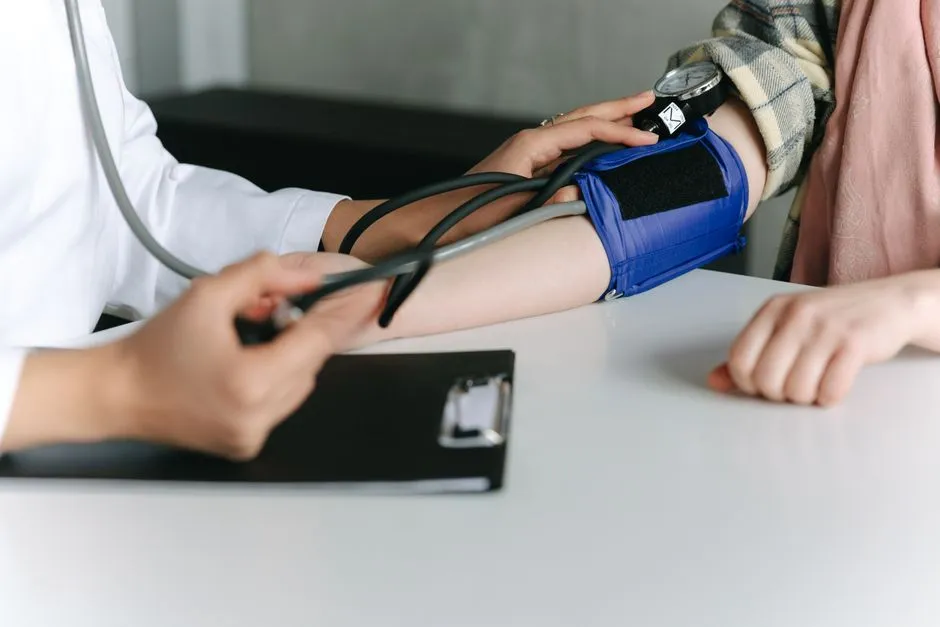
Even normotensive elderly participants have a greater and more persistent blood pressure response to cold than younger adults, suggesting that older adults might be at a higher risk of cardiac events during cooling and subsequent rewarming. This is a clinically important finding. The sensation of feeling cold is uncomfortable. The cardiovascular stress it causes can be dangerous.
Research has shown that even normotensive elderly individuals have a greater blood pressure response to cold than young adults, and that elevated blood pressure in cold conditions is more persistent in the elderly during rewarming. The body does not bounce back as quickly as it once did, and the stress lingers longer.
Epidemiological studies have shown excess winter mortality particularly in older age groups. Cold sensitivity is not just an inconvenience. In its most serious form, it reflects a genuine vulnerability that requires attention from caregivers, clinicians, and policymakers alike.
Physical Activity, Nutrition, and What Can Be Done
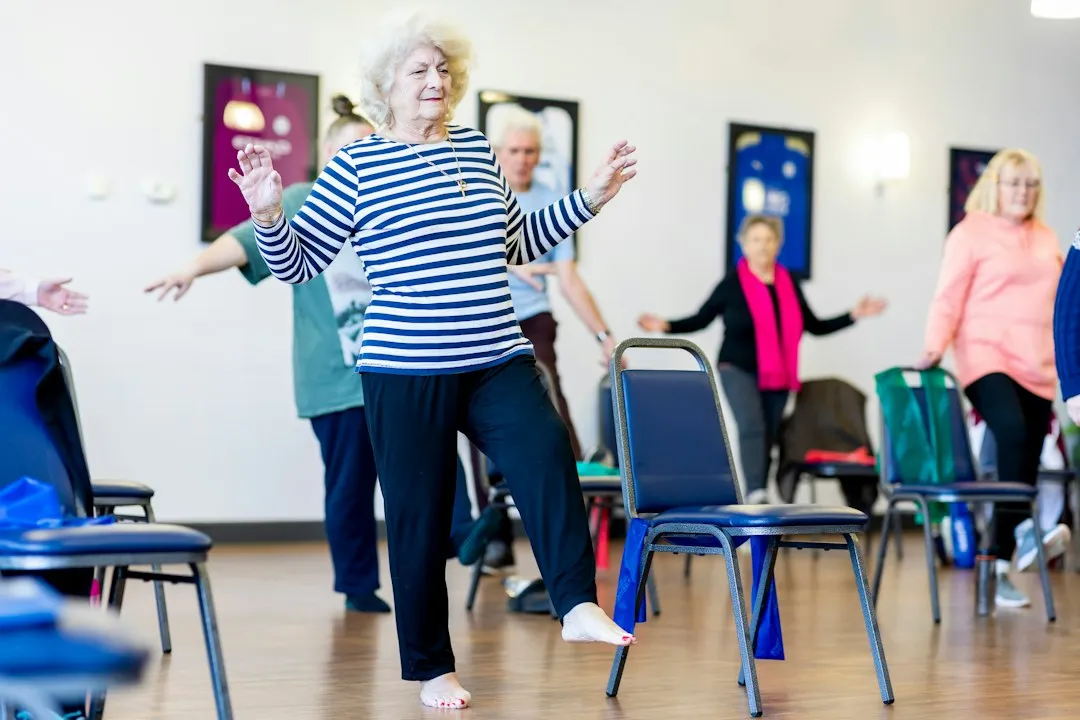
Lifestyle-related factors, such as physical activity and dietary habits, influence internal body temperature through alterations in metabolic thermogenesis. This is one of the more hopeful aspects of the whole picture: some of the contributing factors are modifiable, at least in part.
Preventable changes in body composition and physical fitness, rather than aging per se, may contribute to impaired thermoregulatory responses to cold observed in older adults. Regular resistance exercise, adequate protein intake, and staying active all help preserve muscle mass and, by extension, heat-generating capacity.
Research findings indicate that older adults consider it more important to heat their homes in winter than to cool them in summer, as their expenditure for heating is larger than their expenditure for cooling. That spending pattern reflects a genuine physiological need, not just comfort-seeking. Warmer indoor temperatures for older adults are not a luxury but a reasonable accommodation to how the aging body actually works.
A Body That Has Changed, Not Failed
The cold that older adults feel in a warm room is not imagined and it is not simply a matter of getting older in the vague, inevitable sense. It is the result of a series of specific, well-documented changes: metabolic slowdown, muscle loss, reduced circulation, dulled nerve sensitivity, a less responsive hypothalamus, and a weakened shivering reflex. Each one is meaningful on its own. Together they shift the entire thermal experience of daily life.
What this points to is a simple but important reframe. When an older adult reaches for a sweater in a room that feels perfectly warm to everyone else, they are not being fussy. They are responding accurately to what their body is telling them. The more clearly we understand the biology behind that signal, the better we can respond to it with practical support rather than polite puzzlement.
AI Disclaimer: This article was created with the assistance of AI tools and reviewed by a human editor.