

The Pupil Shrinks and Slows Down
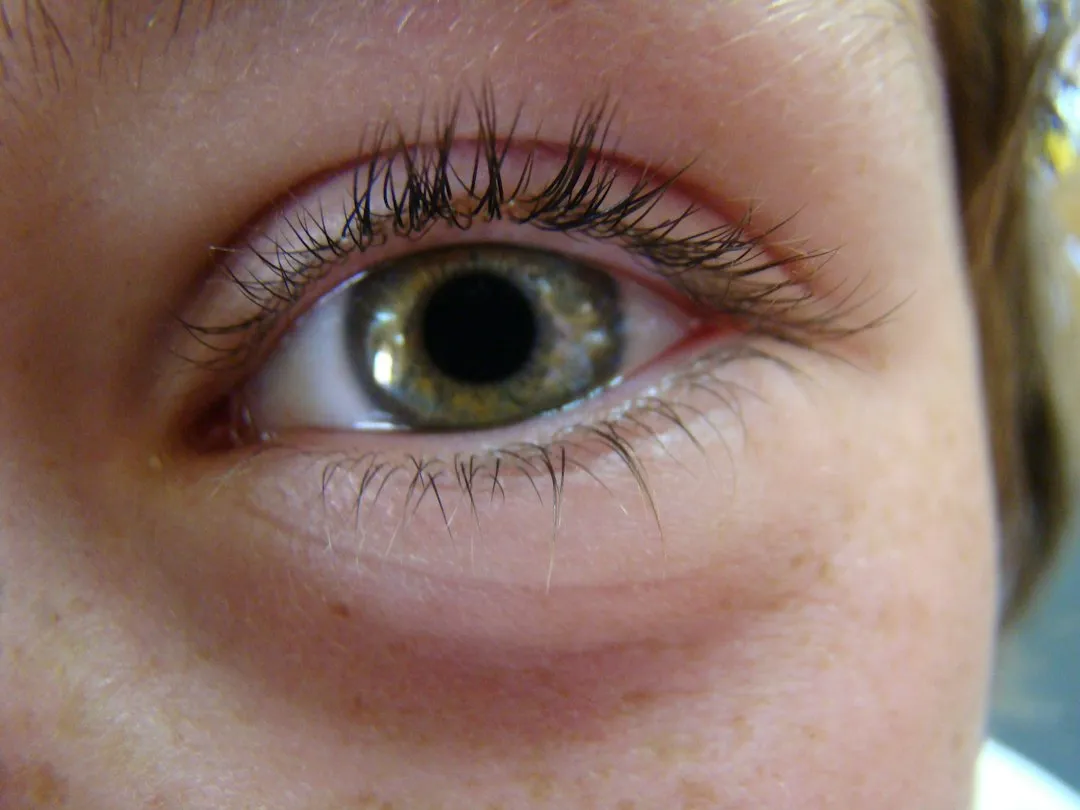
The muscles that control the size of the pupils weaken with age. The pupils become smaller, react more sluggishly to light, and dilate more slowly in the dark. This is significant because the pupil is the eye’s primary way of managing incoming light. A slower response means the eye is caught off guard when a bright source suddenly appears.
Research tracking pupil size across the lifespan has found that the average pupil shrinks by roughly 0.04 millimeters per year under moderate lighting, which adds up to a difference of close to 2 millimeters between a typical 20-year-old and a typical 60-year-old measured under the same light. That may sound modest, but the effect on night vision is substantial.
When adults reach their 60s, their resting pupil size shrinks, causing them to receive only about one third as much light as normal. This means it’s harder for them to see in dim lighting and their eyes become more sensitive to glare.
The Lens Yellows and Scatters Light
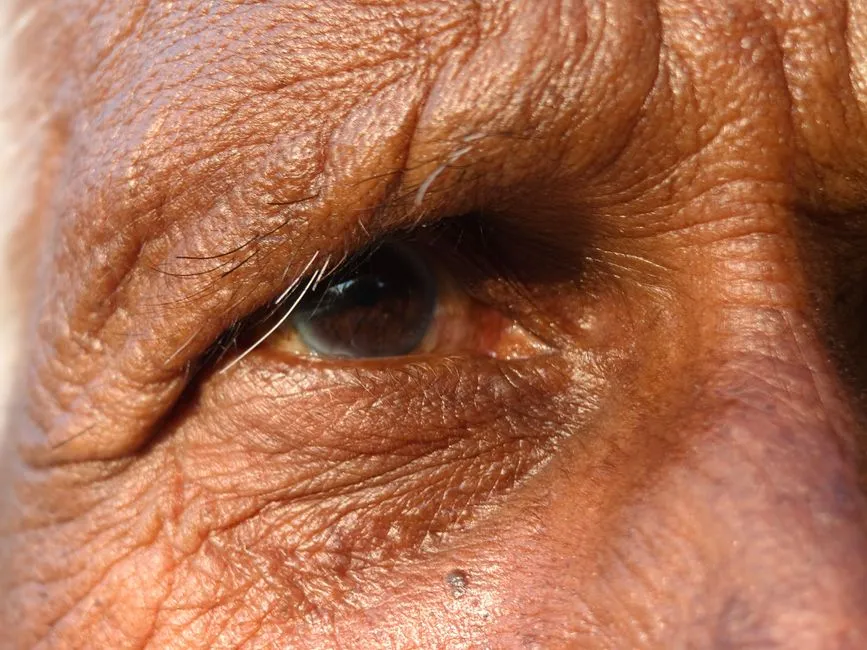
The aging lens yellows and gradually blocks short-wavelength light such as violet and blue light. This yellowing actually helps compensate for the loss of sensitivity to blue light that occurs in the retina, but because the lens keeps yellowing with age, there comes a point when it blocks too much light for accurate perception.
As the natural lens inside the eye stiffens and begins to yellow and cloud over time, it scatters incoming light more readily. Instead of light arriving at the retina as a clean, focused signal, it spreads across the visual field like a fog. This scattering is what creates those halos and starbursts around oncoming headlights that older drivers frequently describe.
Glare sensitivity in older eyes often increases because glare is driven mainly by light scattering within an aging, less optically clear lens rather than by pupil size itself. Both processes reinforce each other, making the problem worse than either would on its own.
Contrast Sensitivity Declines Steadily
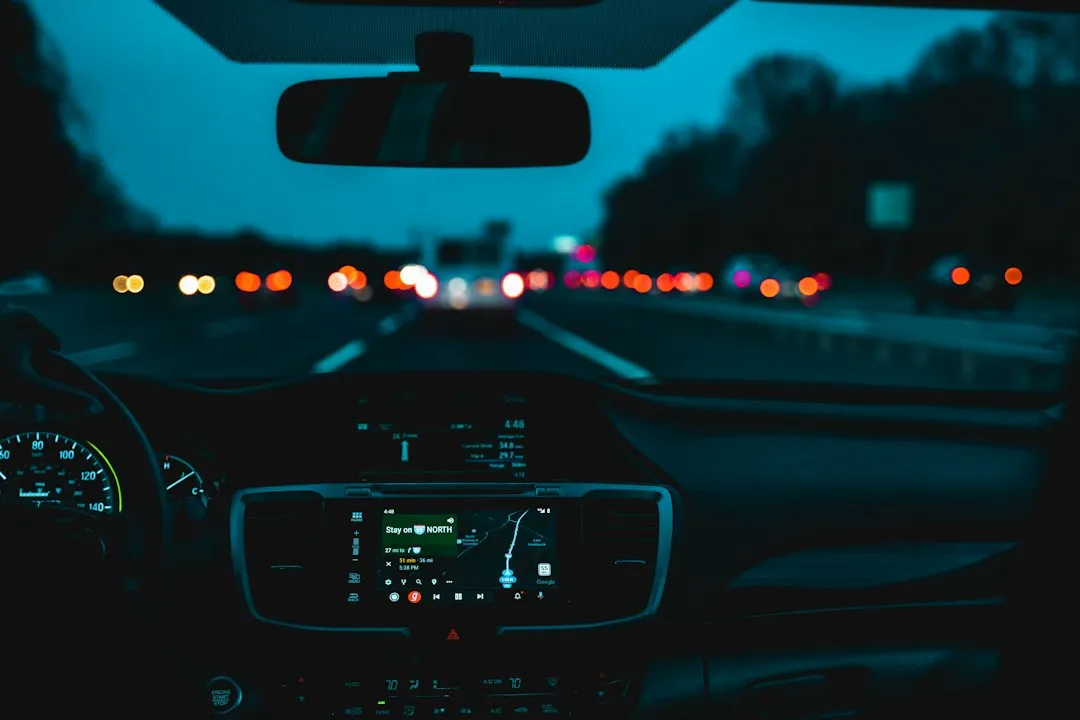
Age-related visual impairments, such as reduced contrast sensitivity and increased sensitivity to glare, likely contribute to the heightened risk older drivers face at night. Contrast sensitivity is the ability to distinguish an object from a similar background, and it’s arguably more important for safe driving than sharpness of vision alone.
Research using a night-driving simulator with a mobile LED headlight glare source found that contrast sensitivity declined roughly 0.45 logCS per decade across ages 50 to 80 in visually healthy older adults, and that lower contrast sensitivity predicted worse hazard detection in glare conditions. This is a meaningful, consistent decline, not an outlier result.
Oncoming headlight glare specifically degrades that already-reduced contrast sensitivity further, and older eyes take measurably longer to recover clear vision after a glare exposure than younger eyes do. The combination is what makes nighttime driving genuinely dangerous for many older adults, not just uncomfortable.
Recovery Time After Glare Gets Much Longer
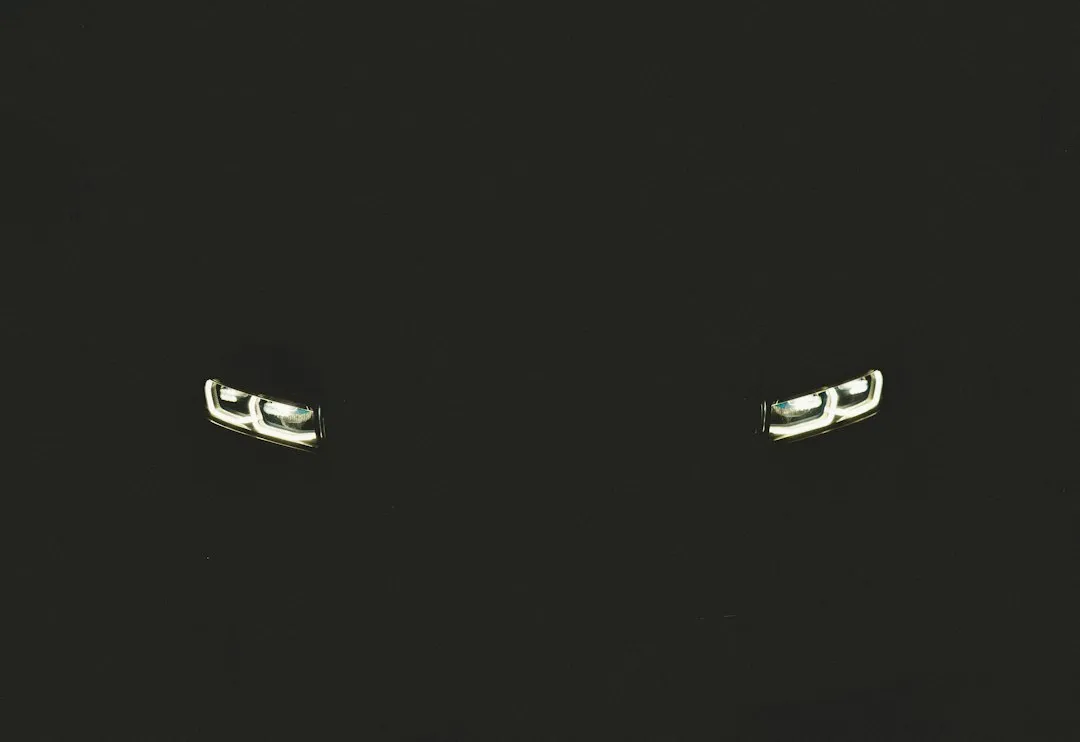
The problem is worse for older people, whose eyes take longer to recover from glare. Between the ages of 15 and 65, recovery time increases from two to nine seconds, said the Royal Society for the Prevention of Accidents. Nine seconds is far longer than it sounds when a vehicle is moving at highway speed.
Drivers over the age of 65 take nearly twice as long to regain their clear vision after being dazzled compared to drivers in their twenties. For an older driver, a single blast of high-intensity LED light can result in “white out” vision for up to ten seconds, which is a significant safety risk at highway speeds.
A report by road safety consultants highlighted that an older person’s eye can take around nine seconds to recover from glare, compared with about one second for a 16-year-old. That gap keeps widening as the population of older drivers continues to grow.
Dark Adaptation Weakens with Age
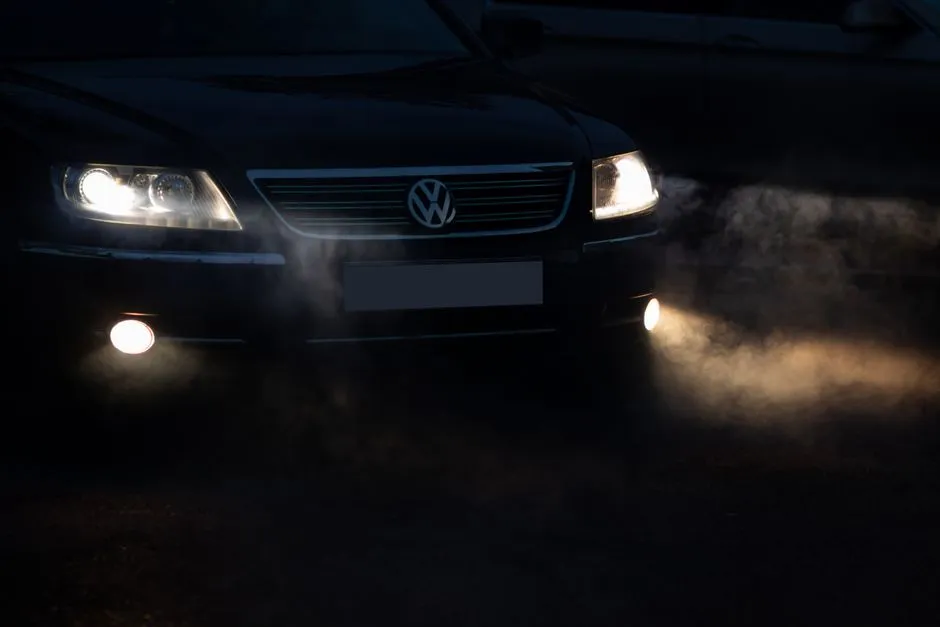
The eye’s ability to adapt to changes in ambient light levels is achieved by changes in the pupil size, and neural and biochemical changes in the retina. All of these are affected by age, making it increasingly difficult for people to recover from the glare of car headlights when driving at night.
The eye’s ability to adapt to sudden changes in light levels, known as light-dark adaptation, also diminishes with age, prolonging the recovery time after being hit by bright headlights. This is partly why the experience for older drivers is so disorienting. The eye simply can’t switch gears as fast as it used to.
As we age, the number of retinal photoreceptors, particularly rods, in our eyes decreases. This means that our eyes absorb less light than they used to, hence we experience lower light sensitivity and difficulty perceiving things at the edges of our visual field. Night driving relies heavily on those rod cells, so their gradual loss compounds the glare problem further.
Cataracts Make Glare Significantly Worse
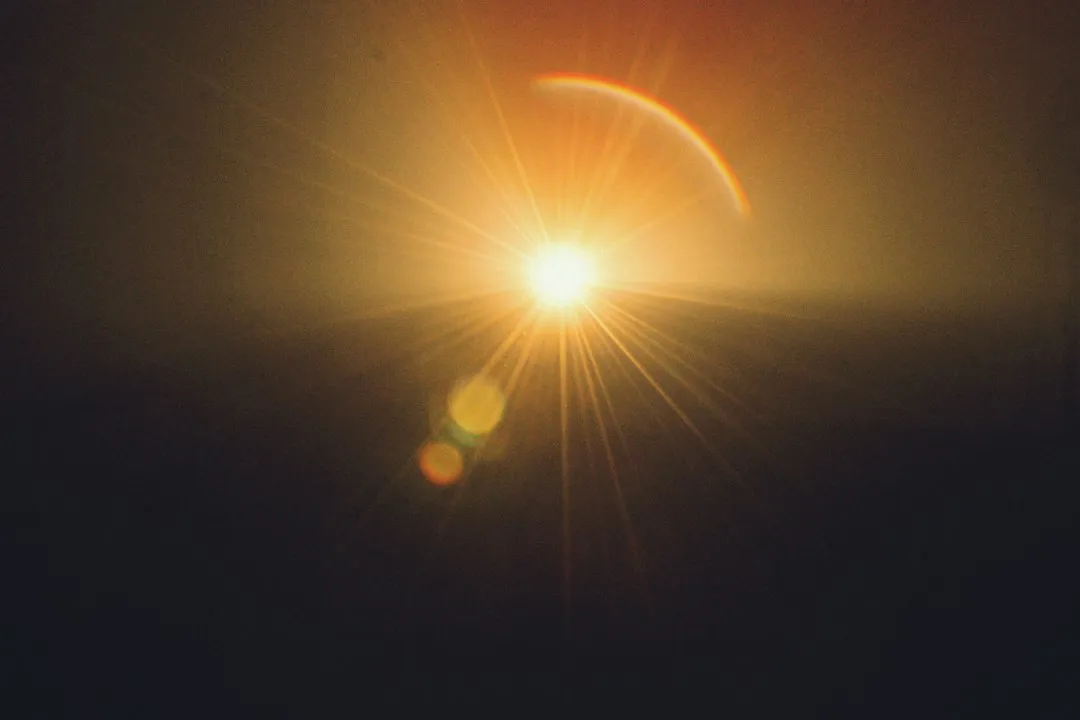
Due to the increased light scatter and reduced pupil size, glare sensitivity is a major problem for seniors. Cataracts are the most common cause of increased sensitivity to glare, due to the clouding of the lens of the eye. If these clumps are numerous, they will aggravate sensitivity to glare from direct lighting and cause blurry vision.
Cortical (peripheral) lens opacities give rise to glare when the pupil is dilated, for example when driving at night. This is a particularly cruel combination: the pupil dilates in low light, which normally helps with vision, but in a cataract-affected eye, that dilation actually exposes more of the clouded lens and worsens glare.
Even though there are many other effects of aging such as slower reaction time and cognitive decline that may affect the driving performance of older drivers, they are more susceptible to glare due to changes in their eye’s media, especially the crystalline lens. Cataracts accelerate a process that would occur even in healthy aging eyes.
Modern LED Headlights Have Made Things Worse
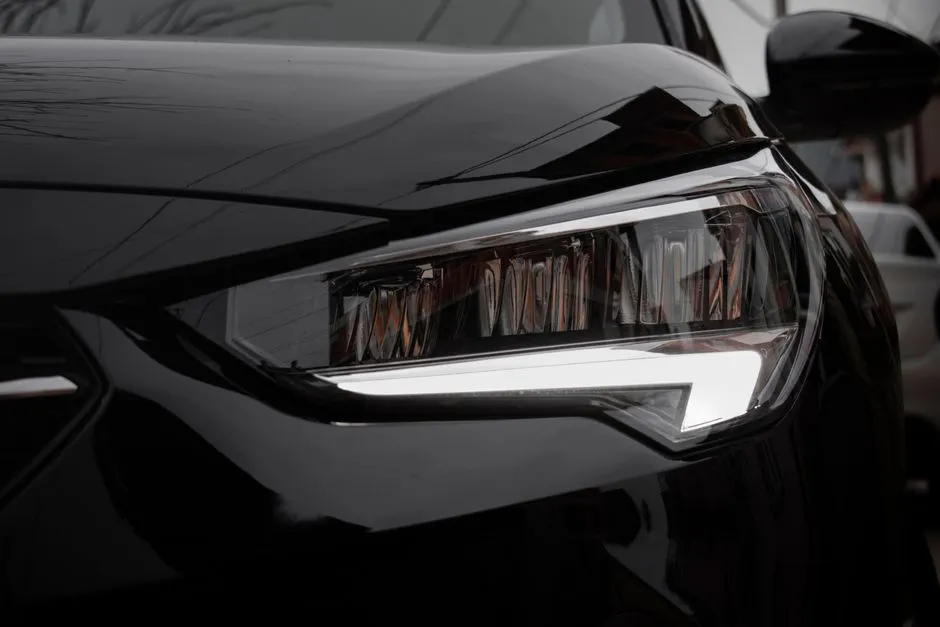
LED headlights, now standard on most new cars, are whiter, sharper and far brighter than older halogen lamps. While they help drivers see further ahead, the glare can temporarily blind oncoming motorists. For older eyes, the effect is dramatically more severe than for younger ones.
LED headlights emit a high concentration of short-wavelength blue light, which the human eye is more sensitive to at night. Blue light scatters more easily inside the eye, creating a “veil” of glare that obscures fine detail. This is why many drivers report that LED lights feel “piercing” compared to the warmer, yellow tone of older halogen bulbs.
Two colliding trends are emerging: older adults with increased sensitivity to glare from bright blue LED headlights are a growing share of all drivers, while headlights keep getting brighter, bluer, and higher. This convergence is what has pushed the headlight glare issue into serious public policy debate in several countries.
How Many People Are Affected
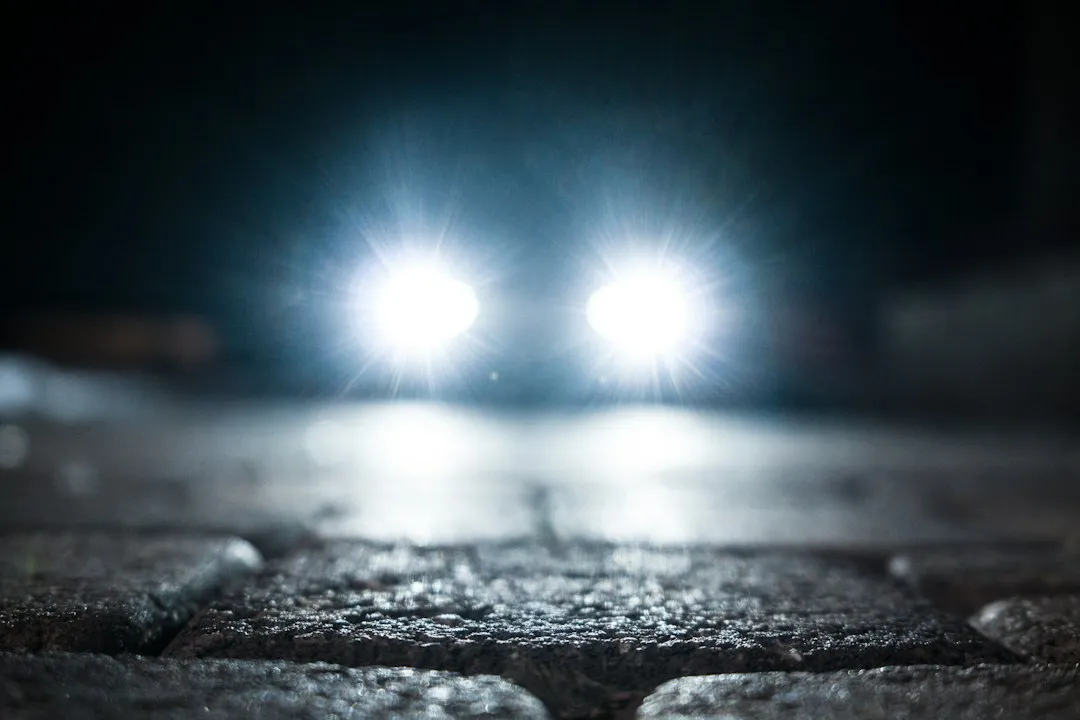
More than four out of five motorists have been blinded by strong headlight beams, with elderly drivers particularly affected by the growing problem that has prompted calls for legislative reform. The scale of the issue means it’s no longer a niche concern.
Research revealed that roughly 82 percent of drivers have concerns about headlight dazzle, while a quarter of those impacted by excessively bright lights have curtailed their night-time driving. For older adults, that curtailment often means real reductions in independence and mobility, not just minor inconvenience.
Glare presents a significant challenge for safe nighttime road use, given that susceptibility to disability glare increases with age. Nighttime glare crashes are disproportionately associated with older drivers, older vehicles, and undivided low-speed roads. This pattern is consistent across multiple data sources and national road safety bodies.
Age-Related Macular Degeneration Adds Another Layer
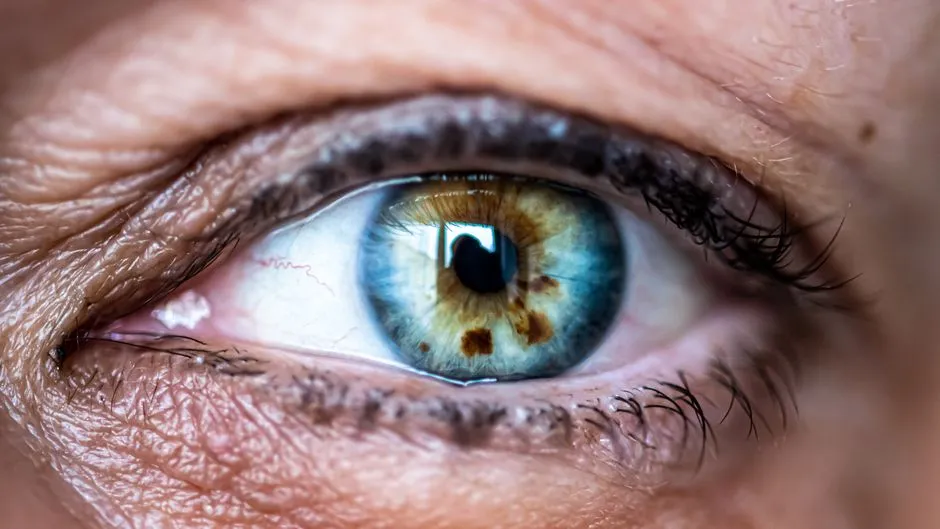
People with age-related macular degeneration (AMD) have impaired dark adaptation, meaning they may experience the glare or veiling effect for longer than the actual glare exposure duration and are likely to be more adversely affected by headlight glare. AMD is one of the most common eye conditions among people over 65, so its interaction with glare sensitivity matters enormously.
With the increase of both life expectancy and mobility in older age groups, the number of people with cataract and/or early AMD symptoms who are driving is expected to increase rapidly. Road safety planning in many countries has not yet caught up to this demographic reality.
Age-related visual impairments, such as reduced contrast sensitivity and increased sensitivity to glare, likely contribute to heightened risk for older drivers. When AMD is added on top of those baseline changes, the compounded effect on night driving safety is significant and warrants serious clinical attention.
What Can Actually Help
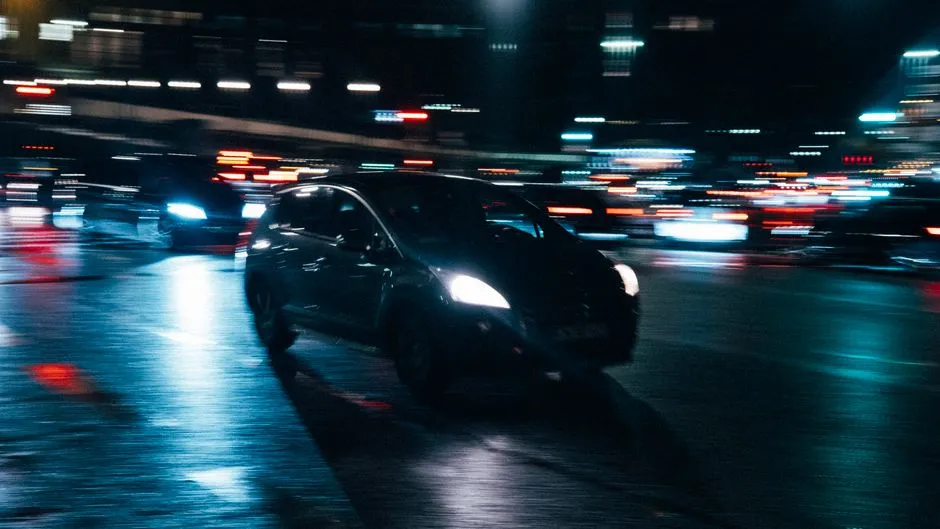
Research exploring older drivers’ views and experiences has highlighted the importance of adaptive strategies to ensure safe driving at night for drivers 65 or older. These strategies range from the practical to the technological, though none of them fully reverse the underlying changes in the eye.
A physiological change called senile miosis means older eyes receive less ambient light, making dimly lit roads even harder to see. Anti-reflective coatings on eyeglasses can reduce the scattering effect at the lens surface and are frequently recommended by optometrists for drivers experiencing glare sensitivity.
Glare will always exist to some extent, but it can be managed by regulating brightness, color, temperature, and headlight height and angle. In late 2025, the UK Parliament debated new vehicle headlight glare standards specifically in response to rising complaints, with older drivers central to the discussion. For those who drive at night, having up-to-date eyewear, scheduling annual eye exams, and avoiding night driving in heavy rain or fog remain the most immediately actionable steps.
The Bigger Picture
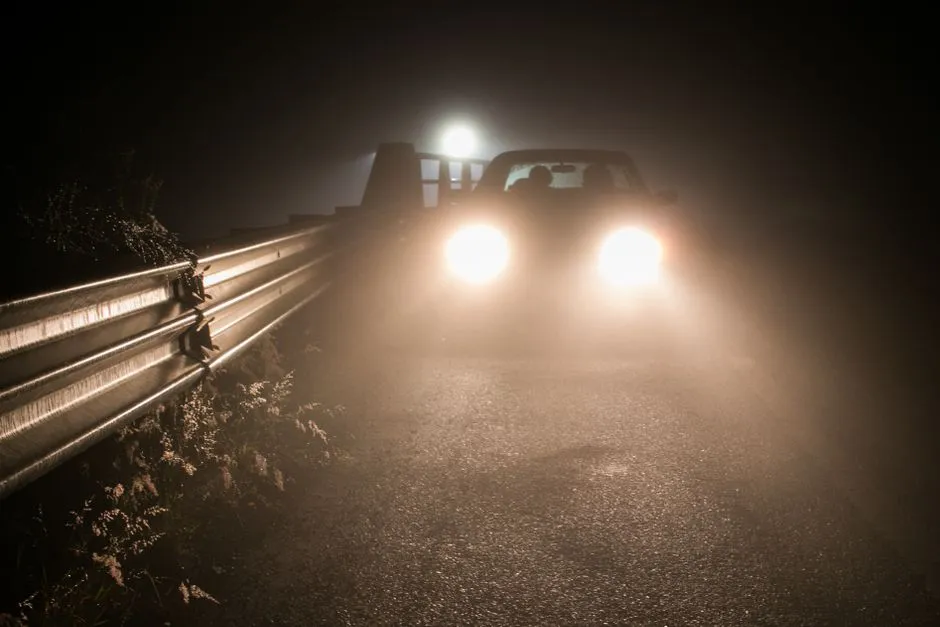
Headlight glare sensitivity in older adults isn’t a quirk or an overreaction. It follows predictably from several overlapping changes: a shrinking pupil, a yellowing and scattering lens, declining contrast sensitivity, slower dark adaptation, and the growing prevalence of cataracts and AMD. Each of these would be significant on its own. Together, they fundamentally change the experience of driving at night.
The timing matters too. With SUVs and light trucks dominating the North American market in 2026, headlights are now mounted much higher off the ground, sending bright beams directly into the eye level of drivers in lower vehicles. This mechanical shift intersects badly with aging biology.
The practical takeaway is straightforward: glare sensitivity is not something to push through or minimize. Regular eye exams, honest conversations with eye care providers about night driving, and awareness of how dramatically recovery time changes after 60 are all genuinely important. The road hasn’t gotten more dangerous. The eyes have just changed how they see it.
AI Disclaimer: This article was created with the assistance of AI tools and reviewed by a human editor.