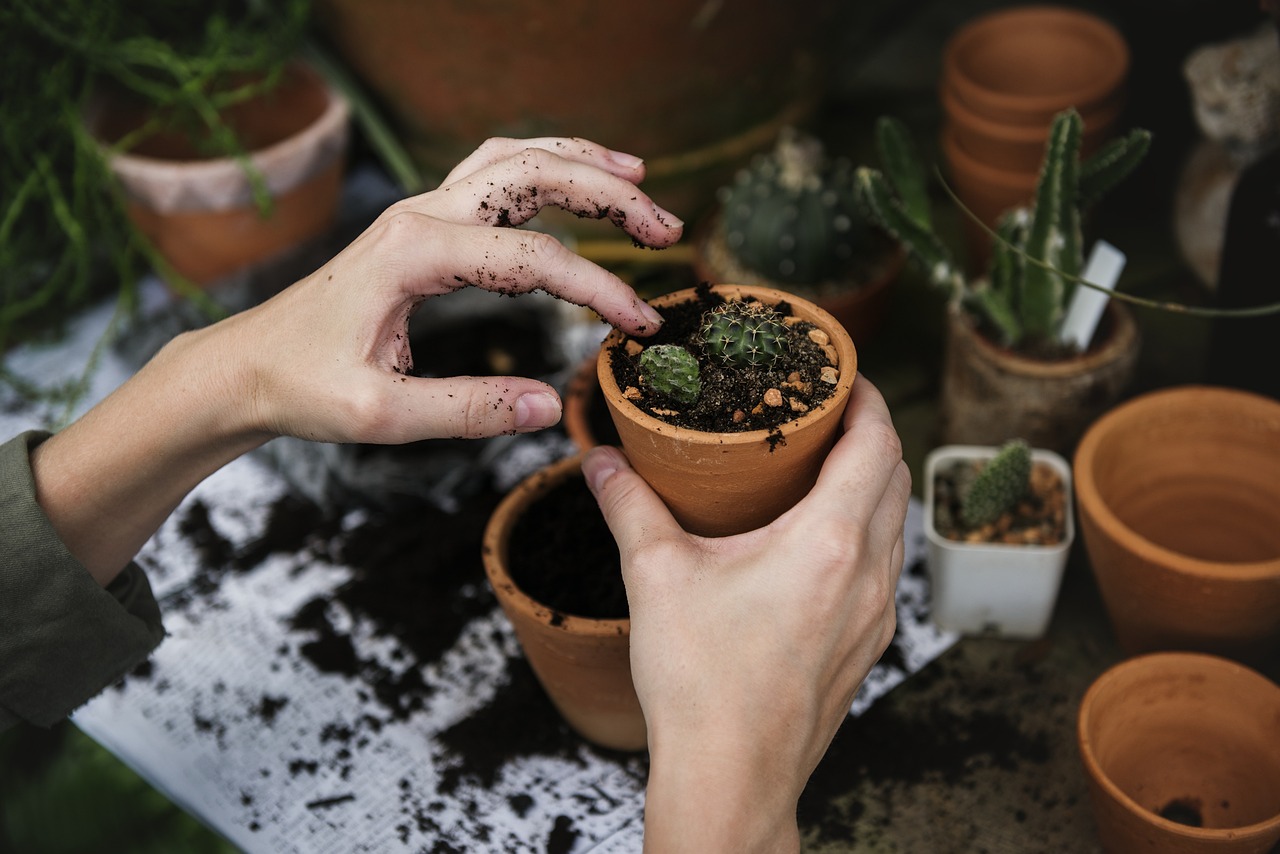

Most people see an old terracotta pot sitting in a garden or at the back of an estate sale and think nothing of it. A cracked rim, a coating of moss, a surface stained by years of water and soil. These things read as damage. To collectors and experienced dealers, they read as evidence.
The market for antique and vintage terracotta has been growing steadily, driven by interior design trends, the sustainability movement, and a genuine renewed interest in objects with a traceable past. What looks like a neglected garden relic can, in the right circumstances, be worth considerably more than the plastic pot sitting next to it at a garden center.
A Material With Thousands of Years Behind It
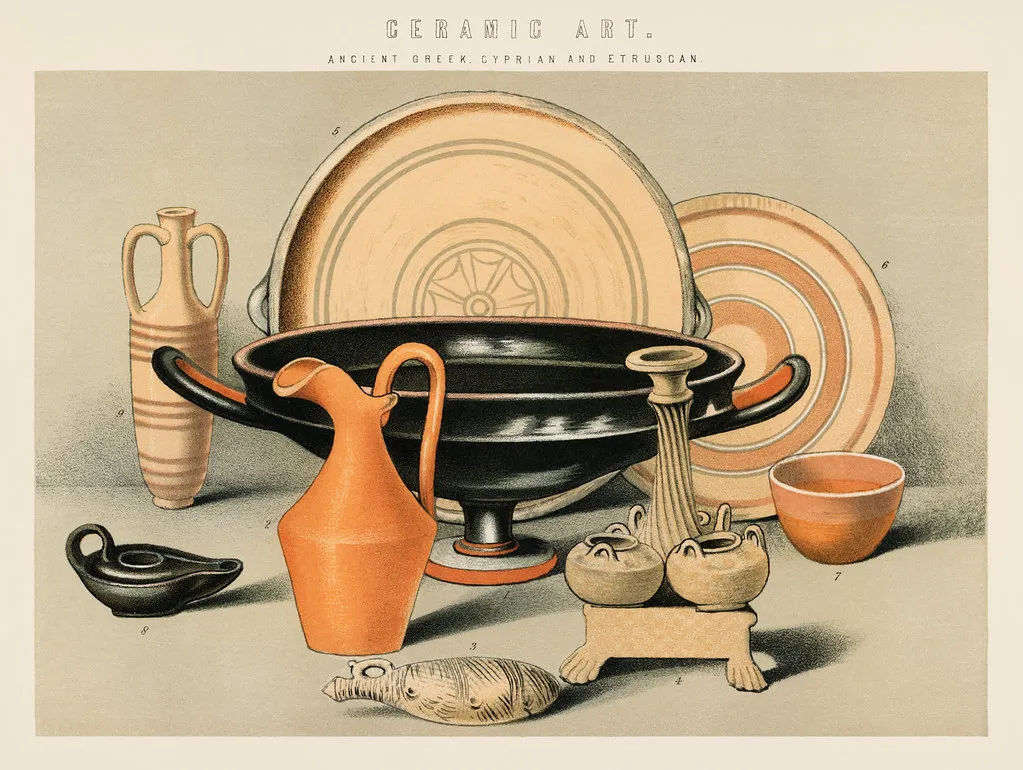
Antique terracotta pots are fired clay containers typically dating from pre-20th century periods, originally used for storage, transport, or horticulture in ancient Mediterranean, Roman, Greek, and South Asian civilizations. That history is not just a footnote. It is one of the key reasons collectors find them compelling in the first place.
Roman engineers built terracotta into aqueducts, hypocausts, and the great civic facades of a hundred cities. It was not a material anyone chose because it was beautiful, though it is. It was chosen because it was abundant, workable, and quietly brilliant at its job.
Understanding that depth of history is the starting point for understanding value. When you hold a genuine pre-industrial terracotta pot, you are holding something that no factory line will ever produce again in quite the same way.
A Growing Collector Market
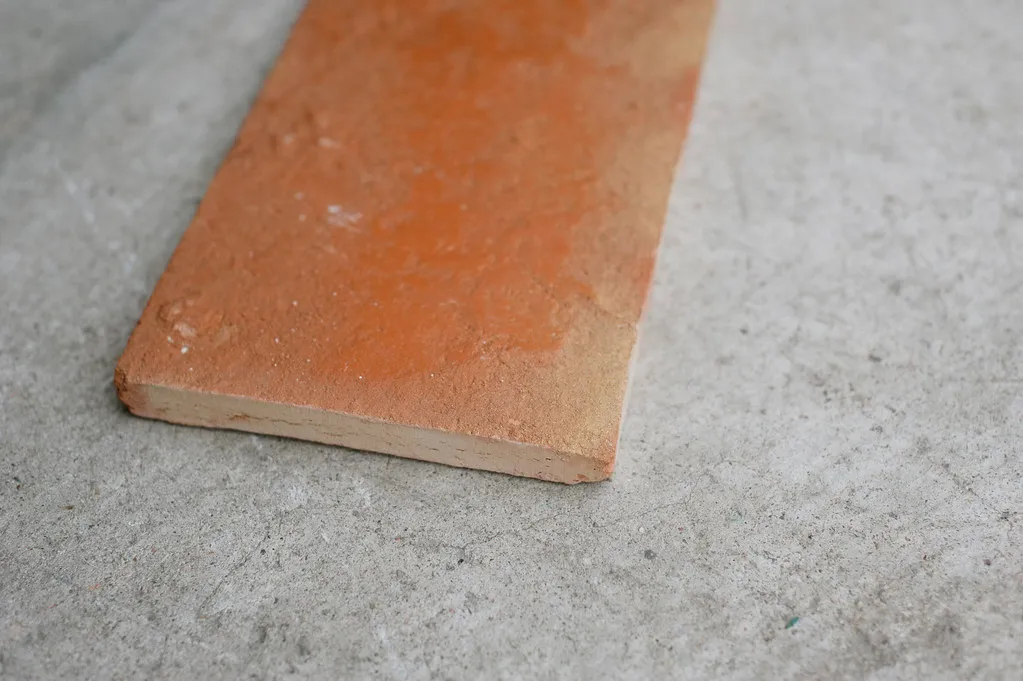
Interest in antique terracotta pots has grown significantly among garden enthusiasts, interior designers, and heritage collectors. This resurgence is driven by a broader trend toward sustainable, timeless design elements that blend rustic charm with ecological functionality.
As of 2024 to 2025, the broader decorative pottery and ceramics sector is projected to reach USD 17.9 billion, expanding toward USD 28.5 billion by 2032. Within this vast ecosystem, antique pottery constitutes a relatively small share by transaction volume, yet it consistently commands higher per-object price density than modern ceramics. Fewer objects generate disproportionately higher monetary value, a hallmark of scarcity-driven markets.
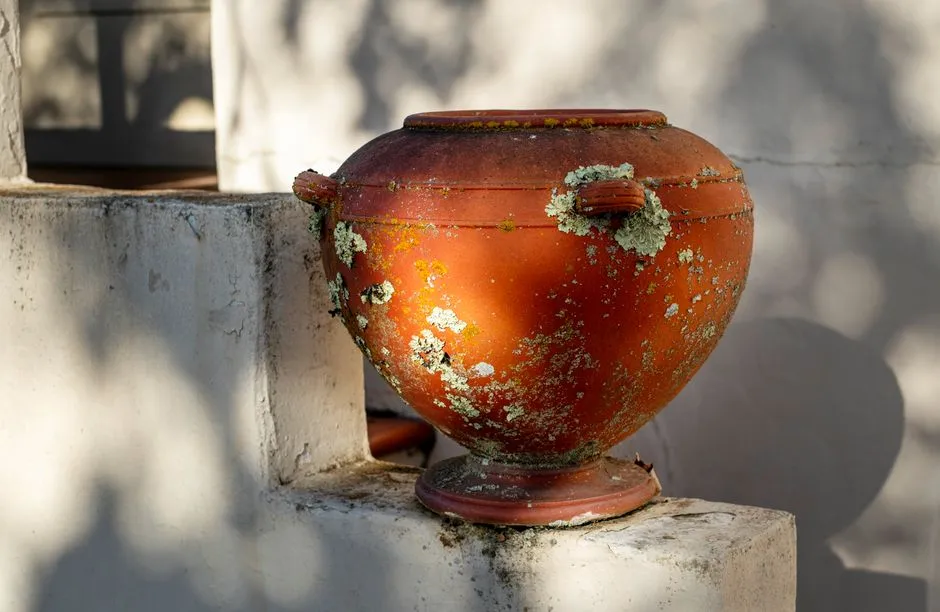
Unlike plastic or glazed ceramics, authentic aged terracotta develops a unique patina over time, enhancing visual appeal through natural lichen growth and mineral staining. Additionally, urban gardening and biophilic design movements have increased demand for organic-looking planters that support healthy root systems.
What Patina Actually Means for Value
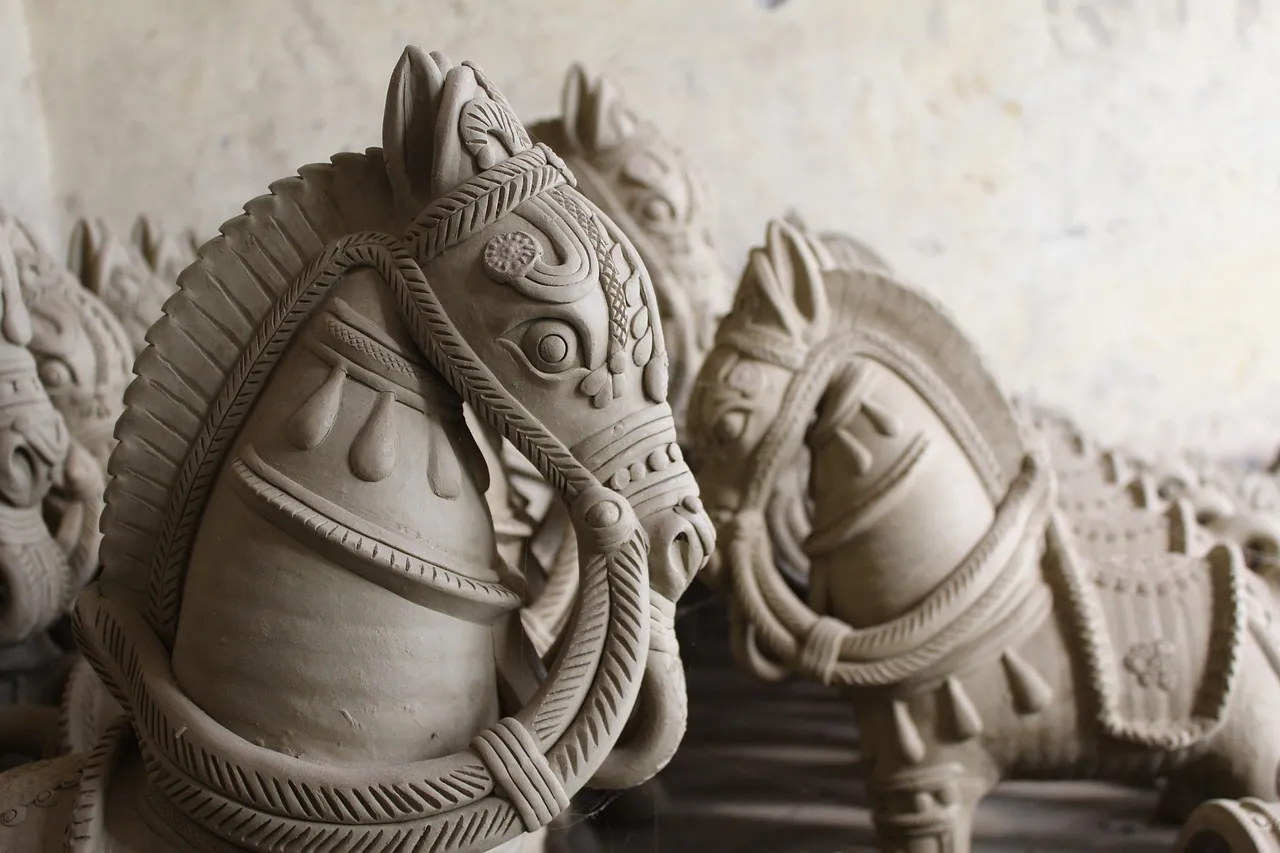
The allure of antique terracotta is often encapsulated not just in its form or craftsmanship, but profoundly in the very surface that bears the indelible marks of time. This first, most accessible sign of genuine antiquity lies in the captivating presence of authentic patina and natural weathering, elements that tell a silent yet profound story of enduring outdoor life. In the context of terracotta, patina is far more than just surface grime; it is a rich, organic tapestry woven by decades, often centuries, of exposure to the elements.
This coveted characteristic manifests as a natural accumulation of mineral deposits leached from soil and water, subtle growths of moss and lichen, and ingrained traces of dirt, dust, and even the remnants of past plantings. It is a slow, organic process, patiently developing as the porous clay interacts with its environment, creating a unique signature of age that no modern technique can truly replicate.
How Condition Shapes the Final Price
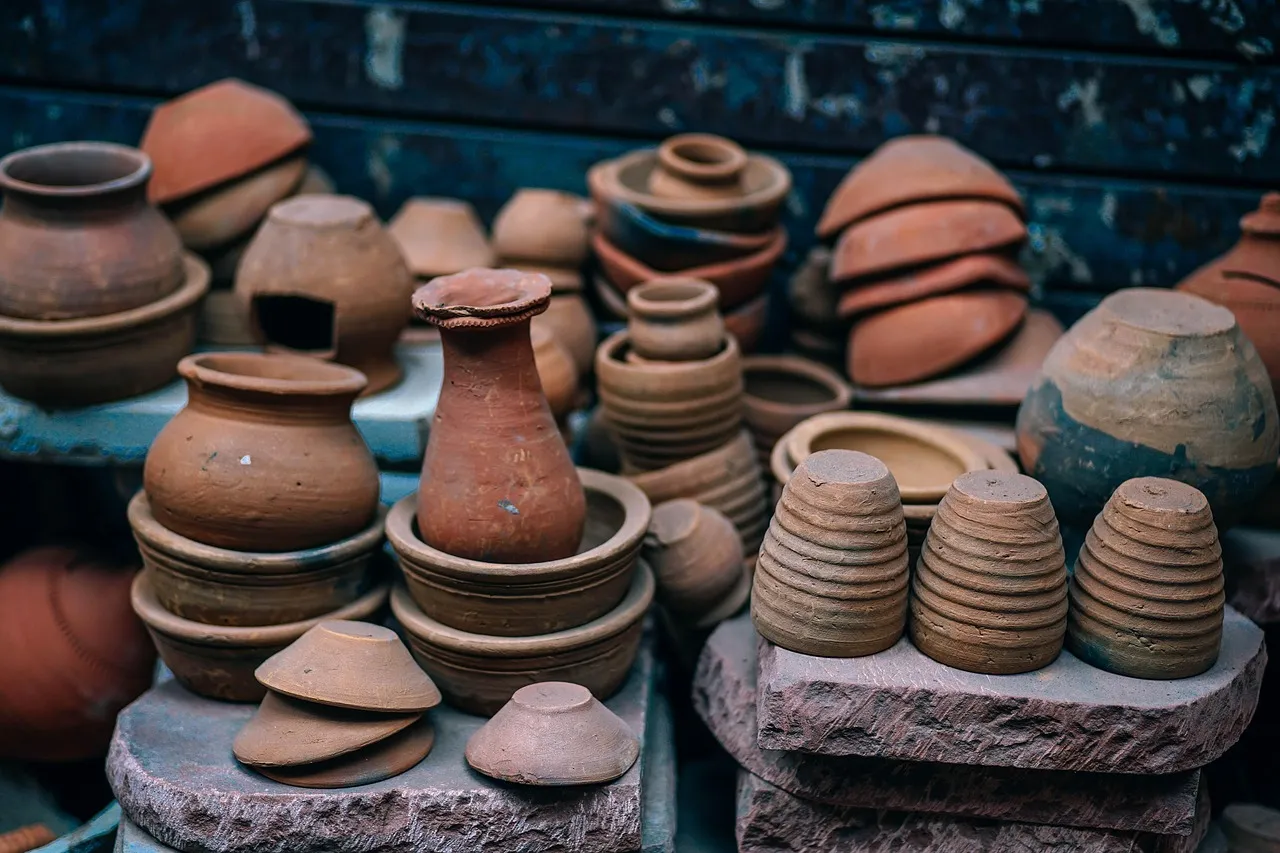
Determining what your antique pottery is worth in 2025 depends on several factors: condition, maker, rarity, craftsmanship, and current market demand. These are not equal factors, though. Condition carries outsized weight in any valuation conversation.
Professional appraisers now use the 4-Cs method, which covers Condition, Color, Craftsmanship, and Collectibility, to assign value, with Condition alone contributing around 35% to the final estimate. That is a striking number. Roughly a third of a pot’s entire value can rest on how well it has survived the decades.
Age alone does not establish value. A utilitarian storage jar produced in 1820 but mass-produced and heavily restored may command far less than a rarer object from a later decade. Age qualifies an object for evaluation; it does not guarantee desirability.
The Role of Provenance
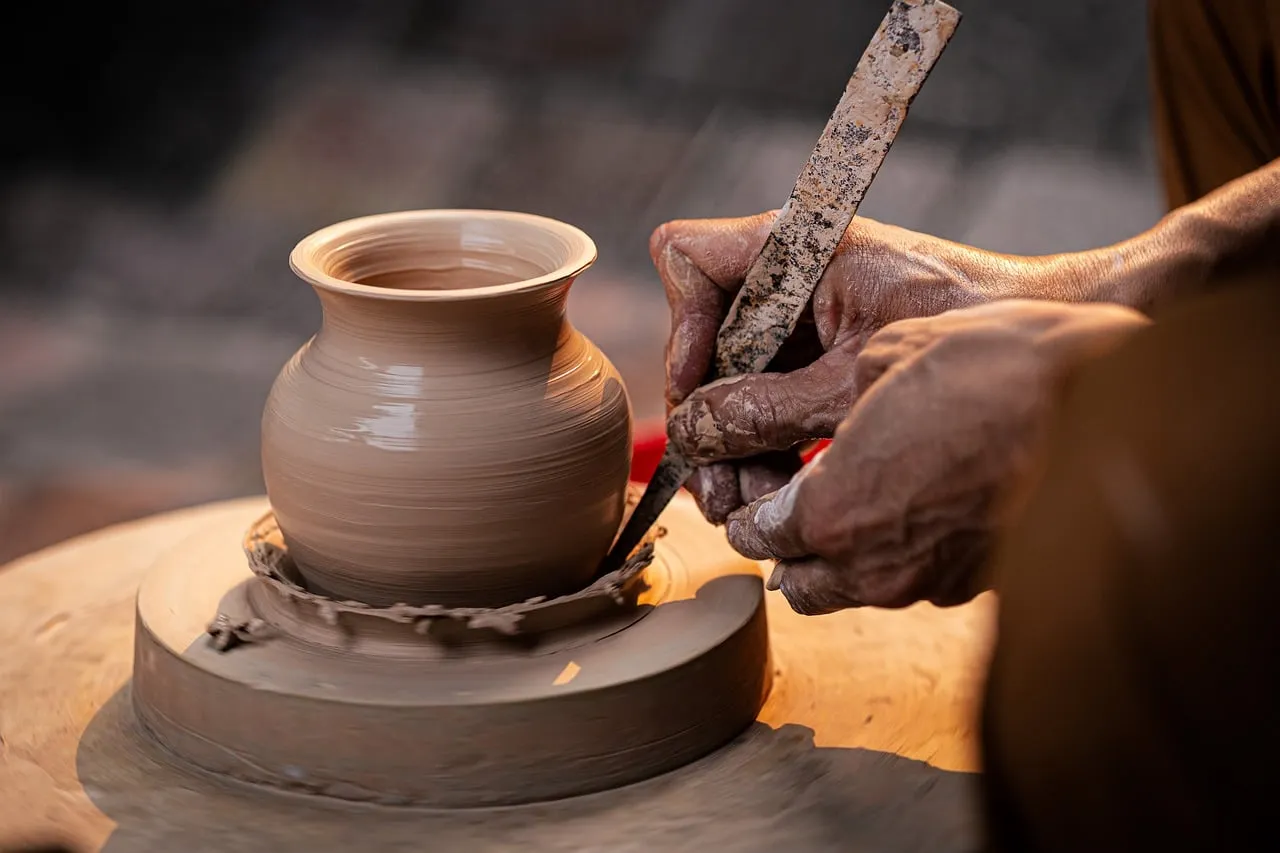
A pot with clear, documented provenance from a famous estate, a renowned designer, or a significant collection commands considerably higher value and respect among collectors. It transforms the object from merely old into a piece with a compelling, traceable narrative.
Value appreciation is most notable in documented pieces from known excavation sites or museum deaccessions. A paper trail, even a partial one, changes everything. An unlabeled pot and an identical pot with a letter linking it to a specific estate are not the same object in any collector’s eyes.
Whenever possible, buyers should obtain documentation or seller history about the item’s origin. Items from archaeological contexts may require legal verification. This is worth taking seriously before any purchase at the higher end of the market.
Regional Origins and Why They Matter
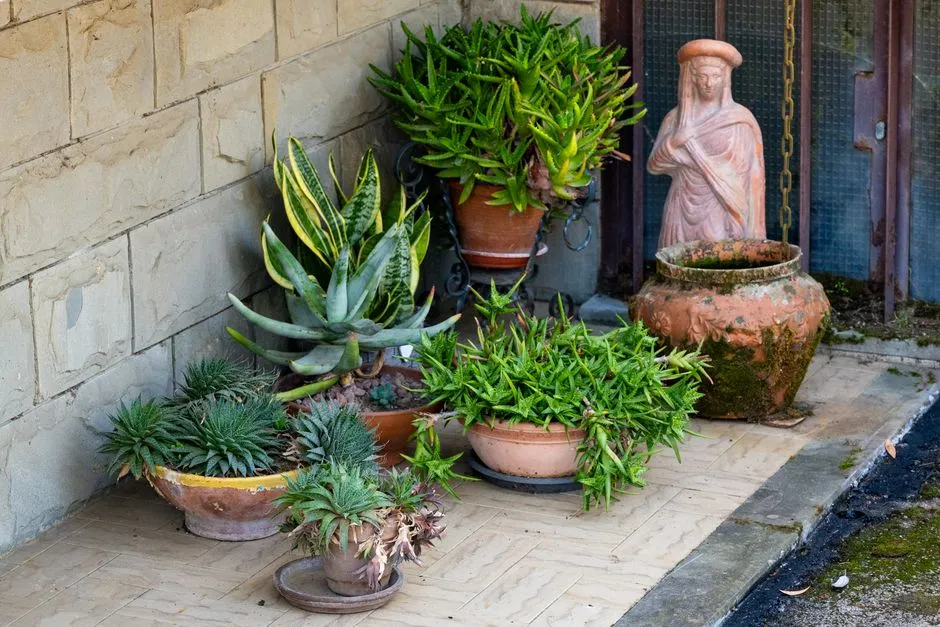
The standard against which all garden terracotta is measured comes from Impruneta, a small hilltop comune ten kilometres south of Florence. The clay there is threaded through with alberese, a local limestone that fuses into the body of the pot during firing and gives it a density and frost resistance that no other clay source has been able to replicate.
Elsewhere, strong traditions persist, at Whichford in Warwickshire, at workshops across the Alentejo in Portugal, in the studios of Vallauris in Provence, and in the Tuscan-trained hands behind Bergs Potter in Denmark, and these too are pots worth owning deliberately, knowing their provenance and the hands that made them.
French, Italian, English, and Moroccan pieces each carry their own regional character and collector base. Where a pot comes from can shift its price considerably, even when two pieces appear superficially similar.
Spotting a Genuine Antique Versus a Reproduction
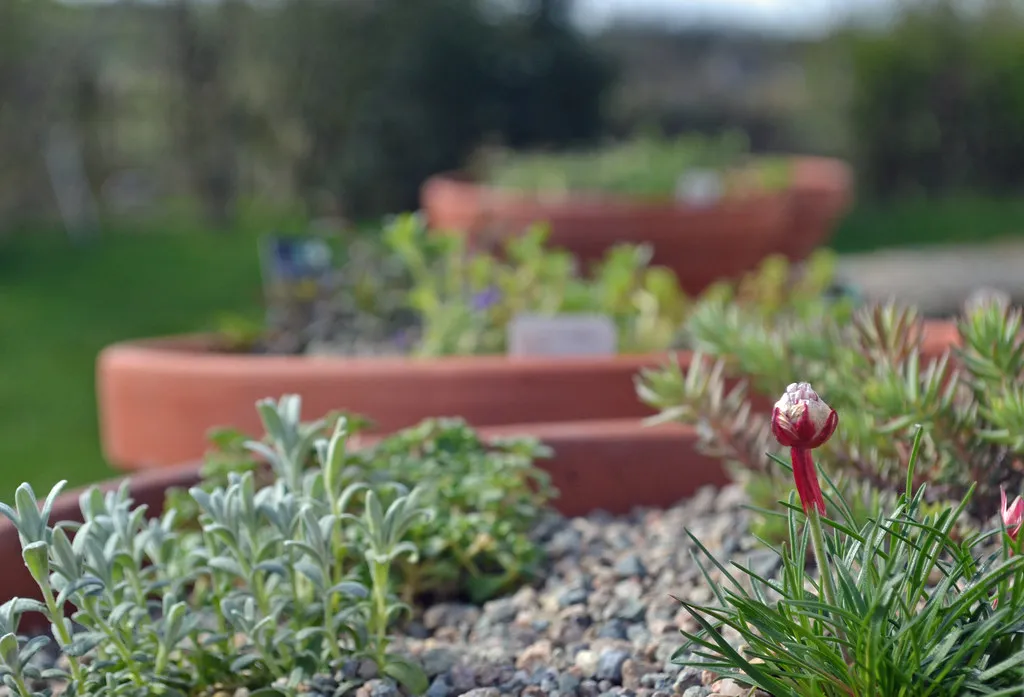
Antique pieces are often heavier due to denser clay and thicker walls, while modern reproductions are usually lighter with thinner walls. Weight is often the first thing an experienced dealer checks. A genuine pre-industrial piece will feel substantive in a way that a cast reproduction rarely does.
Buyers should be cautious of perfectly symmetrical shapes, bright uniform color, or labels indicating mass production. These often point to modern reproductions sold as antiques. The irregularity of a hand-thrown pot is not a flaw. It is one of the clearest markers of authenticity.
It is crucial to note that while a clear maker’s mark is a strong indicator of an antique pot’s authenticity, its absence does not automatically disqualify a piece from being genuinely old. Many early, especially rustic or village-produced, terracotta pieces were never marked. Potters often worked locally, supplying immediate communities, and formal branding was not a common practice.
What Prices Look Like in the Current Market
Pricing for antique terracotta pots varies widely based on age, condition, rarity, and geographic origin. The range is genuinely broad. A simple early 20th-century English garden pot might sell for a few hundred dollars, while exceptional documented examples can reach several times that.
On 1stDibs, a vetted antique marketplace, a single old terracotta pot dated to 1890 and sourced from France was listed at over $450, while a rare French pale green glazed terracotta pot with antique patina carried a listing price of $1,400. These are not outliers. They reflect a market that treats the right kind of old clay very seriously.
Reproductions and restored items typically fall below $150. The gap between a genuine antique and a convincing copy is not subtle when viewed in dollar terms. Authenticity is the deciding factor at every price point.
The Scarcity Argument Is Simple but Powerful
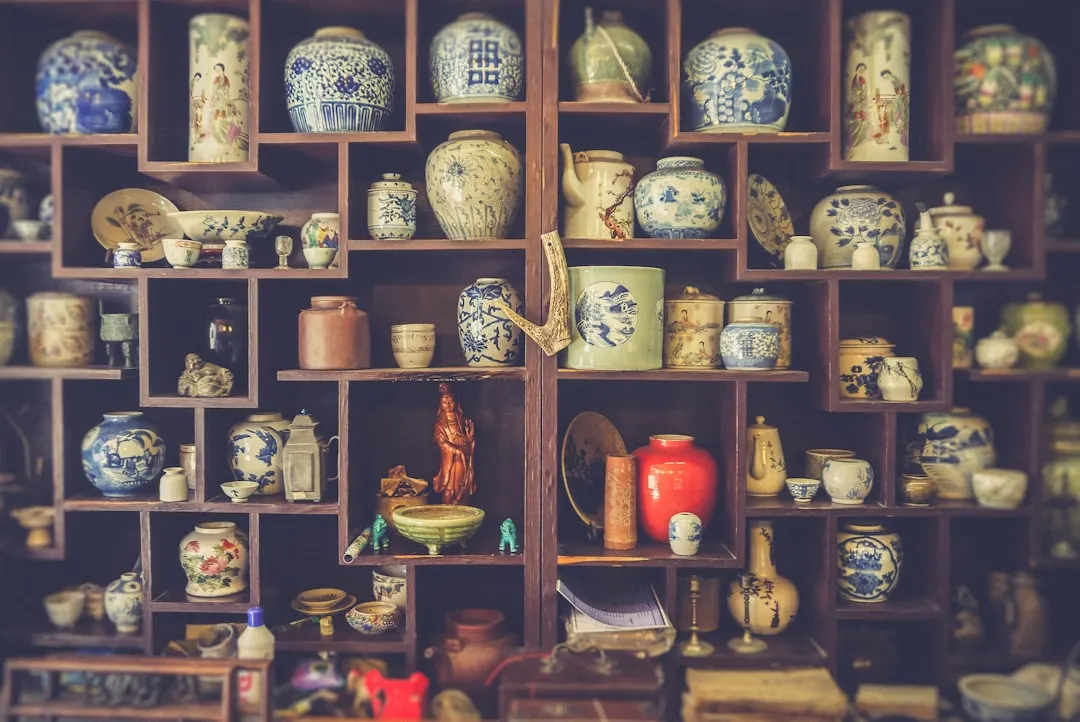
Unlike modern decorative ceramics, where aesthetic novelty or trend-driven design often dictates value, antique pottery derives its worth from documented age, ceramic provenance research, technical authenticity, and measurable scarcity. Each surviving object represents a fixed supply; no additional authentic examples can ever be produced. That simple reality underpins the entire valuation structure of the antique ceramics market.
There is no factory that can produce a genuinely aged 19th-century Anduze pot. The supply is closed. Every piece that breaks or gets discarded reduces the pool permanently. Collectors who understand this tend to hold their pieces, which keeps the available market lean and prices relatively firm.
With the market growing at a 6.8% CAGR, online valuations are now faster and more accurate than ever, especially through platforms offering free digital assessments. For anyone sitting on an inherited collection of old garden pots, that kind of accessibility to valuation is genuinely useful.
Buying, Shipping, and Legal Considerations
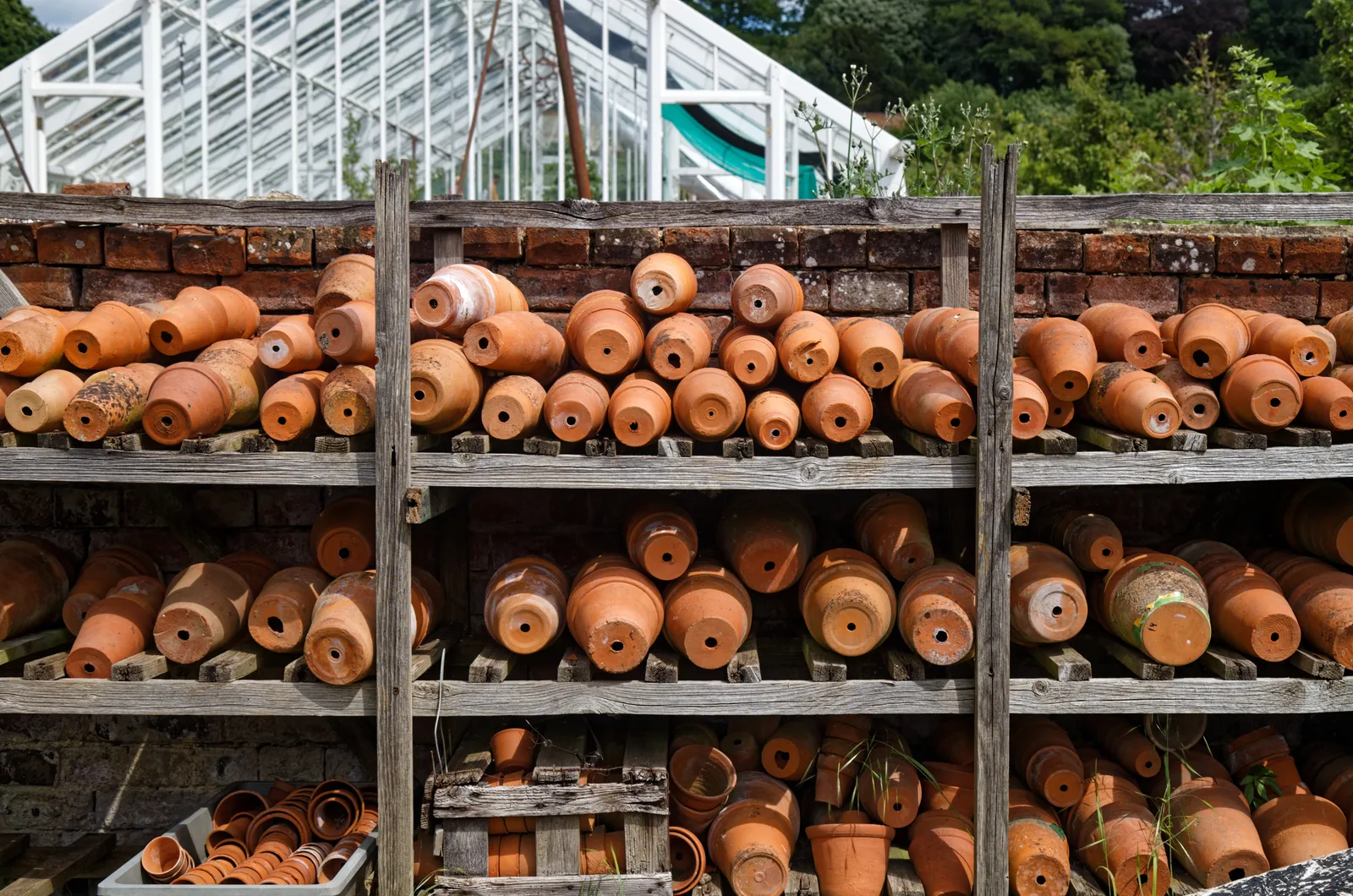
Buyers should compare prices across auction houses, specialty dealers, and trusted online marketplaces while factoring in shipping and insurance costs, which can add 20 to 40 percent to total expense. Fragile, heavy, and often large, terracotta pots are not cheap to move safely. That cost is real and should factor into any purchase decision.
In some countries, exporting or selling excavated antiquities is restricted. Verifying that the seller complies with cultural heritage laws is a necessary step, particularly for pieces of Mediterranean or Middle Eastern origin. The legal landscape around antiquities varies considerably by country and can affect both legality and resale value.
When selecting antique terracotta pots, prioritize pieces with clear signs of age such as weathered surfaces, mineral deposits, and uneven patina, and avoid those with modern markings or overly uniform coloring that suggest reproduction. Look for thick walls, hand-formed textures, and evidence of long-term outdoor exposure, which are strong indicators of genuine age and durability. Focusing on provenance, structural soundness, and regional origin will ensure both aesthetic value and longevity in use.
The Takeaway
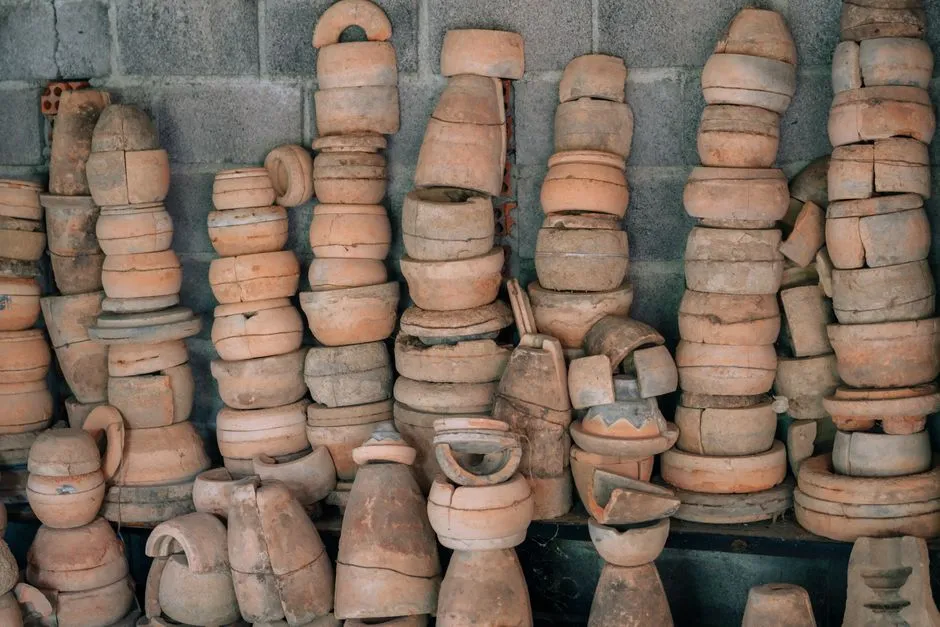
Old terracotta pots are easy to overlook. They sit quietly at garden sales, in barn clearances, in the back corners of antique shops. They don’t announce themselves. That is, in part, what makes them interesting to the people who know how to read them.
The combination of genuine scarcity, growing collector demand, and a market that rewards provenance and authenticity means the floor on these objects is rising. A cracked old pot from a French farmhouse is not necessarily a casualty of time. It might be one of its survivors.
Whether you’re a collector, a decorator, or simply someone who inherited a box of old garden ceramics, it pays to look twice before you let them go.
AI Disclaimer: This article was created with the assistance of AI tools and reviewed by a human editor.