

Walk into almost any house built before World War II and you’ll notice something immediately: the closets are shockingly small. We’re talking about narrow, shallow spaces that barely fit a week’s worth of clothes, let alone the sprawling wardrobes most people maintain today. It feels like a design flaw, but the truth is far more interesting than that.
The real story behind those cramped little storage spaces touches on history, economics, consumer culture, and the way our relationship with stuff has changed dramatically over the past century. The closet, it turns out, is a surprisingly honest mirror of how society has evolved.
People Simply Owned Far Less Clothing

At the time most historical homes were built, most individuals didn’t own more than a few articles of clothing, greatly reducing the need for closet storage. This wasn’t a matter of poverty in every case. It was just the norm across most of society. Clothing didn’t aspire to a designated room in the home until textiles became more readily available and cheaper to produce for the masses. Designated storage for clothing wasn’t considered desirable until the majority of people began owning more than roughly two sets of clothing: an outfit worn daily, and an outfit considered “Sunday Best.”
It’s a world that’s genuinely hard to picture now, but that reality shaped every architectural decision made in those homes.
The Original Closet Wasn’t for Clothes at All
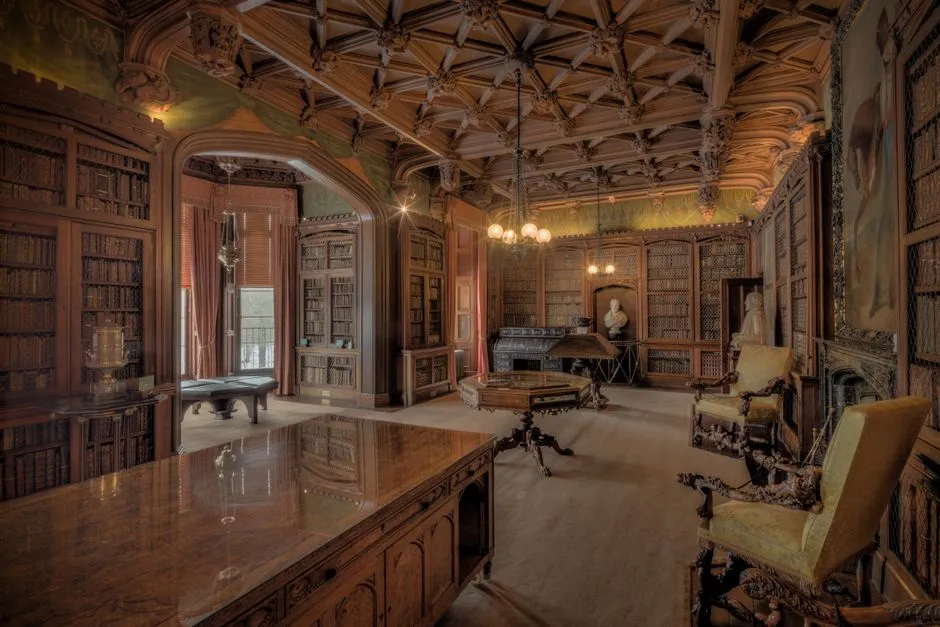
In Elizabethan and Middle English usage, “closet” referred to a small private room, an inner sanctum within a far larger house, used for prayer, reading, or study. The function was deeply personal, almost spiritual, but it had nothing to do with hanging shirts. Closets were small rooms built adjacent to bedrooms for the wealthy to study, pray, and rest. The closets as we know them now didn’t evolve until the 1800s.
These rooms also stored treasured possessions, like books, maps, art, and musical instruments, but rarely garments. The idea of a dedicated clothing closet was simply not part of the original vision.
Colonial Americans Stored Clothes in Furniture, Not Rooms

In America’s early history, clothes were simply folded and placed in drawers, or hung on hooks. When homes were built in colonial America, most individuals didn’t own more than a few articles of clothing, greatly reducing the need for closet storage. Later, as people needed more space to store their clothing, they began using the freestanding pieces of furniture we call wardrobes, armoires, or chifforobes.
The American armoire, or wardrobe, was a functional adaptation by Pennsylvania colonists who lacked closets and light interior partition framing because their houses were made of stone. Furniture did the job that walls and built-ins do today.
The “Closet Tax” Myth
You may have heard the popular story that colonists avoided closets to dodge a British tax imposed on rooms. Though some sources claim that colonial American houses often lacked closets because of a “closet tax” imposed by the British crown, others argue that closets were absent in most houses simply because their residents had few possessions. Historians have largely leaned toward the latter explanation.
The American colonists may have fought “taxation without representation,” but there is no hard evidence of a “closet tax,” a tax on colonial houses “by the room” which would have made the inclusion of closets an expensive proposition. It’s a compelling myth, but the simpler answer holds up better under scrutiny.
Colonial Closets Had a Different Purpose
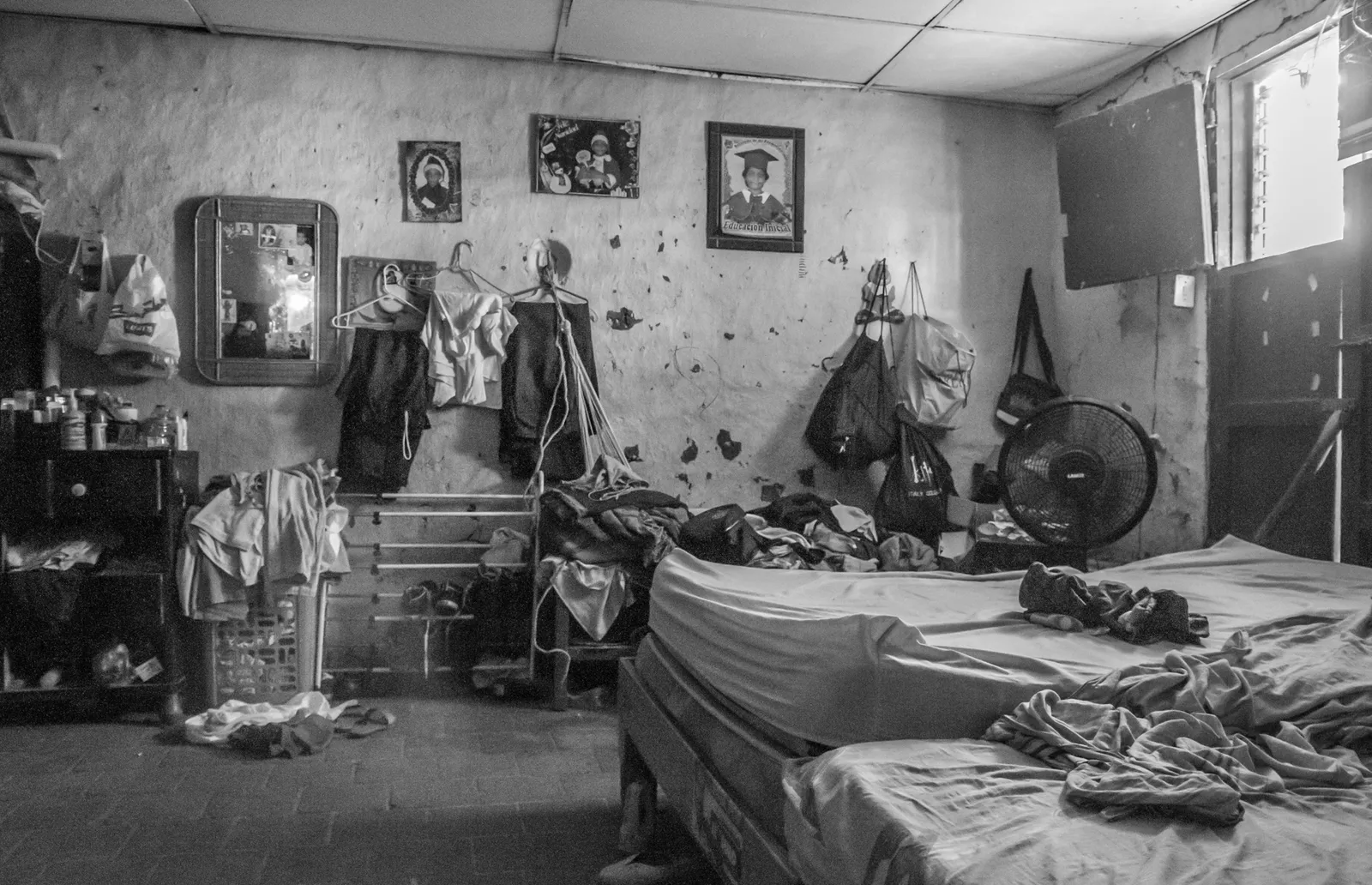
In our ancestors’ homes, closets were much more commonly used for general storage, which is why we find them in entertaining rooms like parlors and dining rooms. These weren’t spaces for clothing. 18th-century Americans used the word “closet” to describe a small withdrawing room opening off a larger room and used for private functions. These closets are sometimes called “dressing rooms” in historic house museums because that is one type of private activity that would have been carried out in them, but that is not the only way they functioned.
Colonial closets were usually built on either side of a fireplace in bedrooms and dining rooms, but they were used for general storage purposes, not for clothing. The distinction matters because it explains why these spaces were designed small from the start.
The First “Modern” Closets Were Considered a Luxury

In the late 1800s and early 1900s, closets became the preferred clothing solution in early American culture. The first closets built and advertised date back to The Dakota apartment building in New York City. In the 1870s, The Dakota used closets to appeal to wealthy tenants. According to a piece published in the New York Times, the closets in the Dakota were two-and-a-half feet deep and six feet wide.
Those closets measured two-and-a-half feet deep by six feet wide. These are tiny by today’s standards but were considered a luxury to the wealthy tenants of the day. Even those early built-ins would look laughably small next to what gets installed in new construction today.
World War II Changed Everything

Closets stayed relatively small until after World War II. People were buying cars, moving to the suburbs to new, larger houses, and filling those houses with more stuff like new electronics, appliances, and clothes, which of course needed to be stored in larger closets. The postwar economic boom didn’t just reshape the American family, it reshaped the American home from the inside out.
Around the 1930s to 1950s, the need for larger storage space rose. As homes grew bigger, people started buying more belongings, and closets also became larger. The two things fed each other in a cycle that’s never really stopped.
American Homes and the Stuff Problem
There are roughly 300,000 items in the average American home, according to the LA Times. That number is almost incomprehensible when you hold it next to the colonial-era reality of a few sets of clothes and some kitchen tools. Still, one out of every ten Americans rents offsite storage, which has become the fastest-growing segment of the commercial real estate industry over the past four decades, according to the New York Times Magazine.
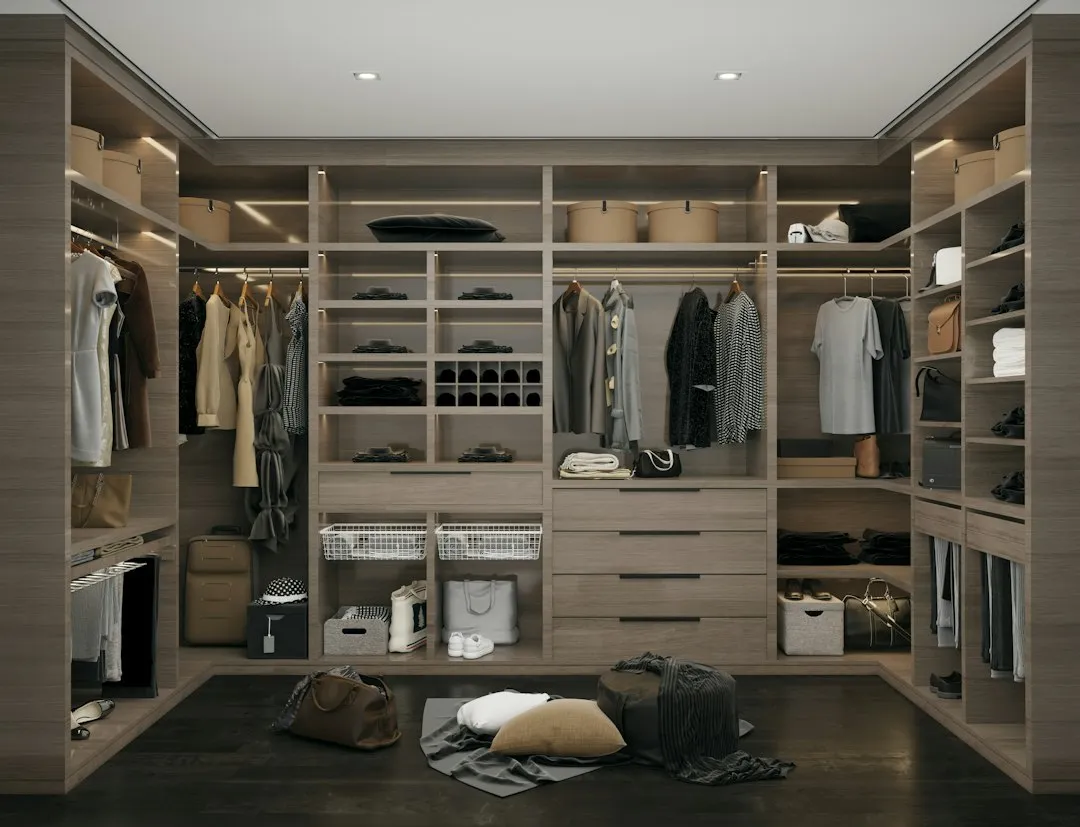
The closet of the average American woman today contains roughly 103 items. That figure alone explains why the two-foot-deep colonial closet never stood a chance.
How Modern Homes Responded to the Demand for Space
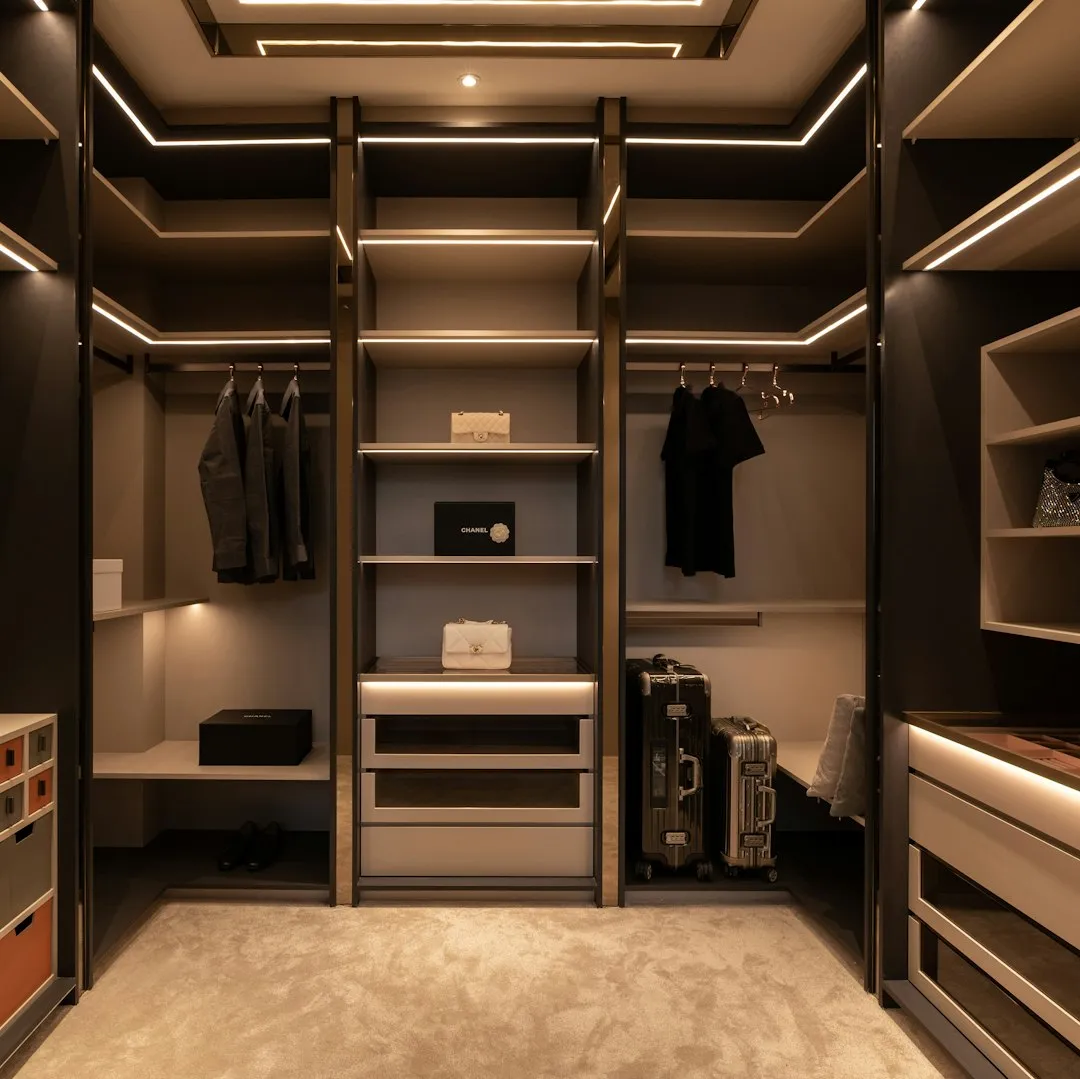
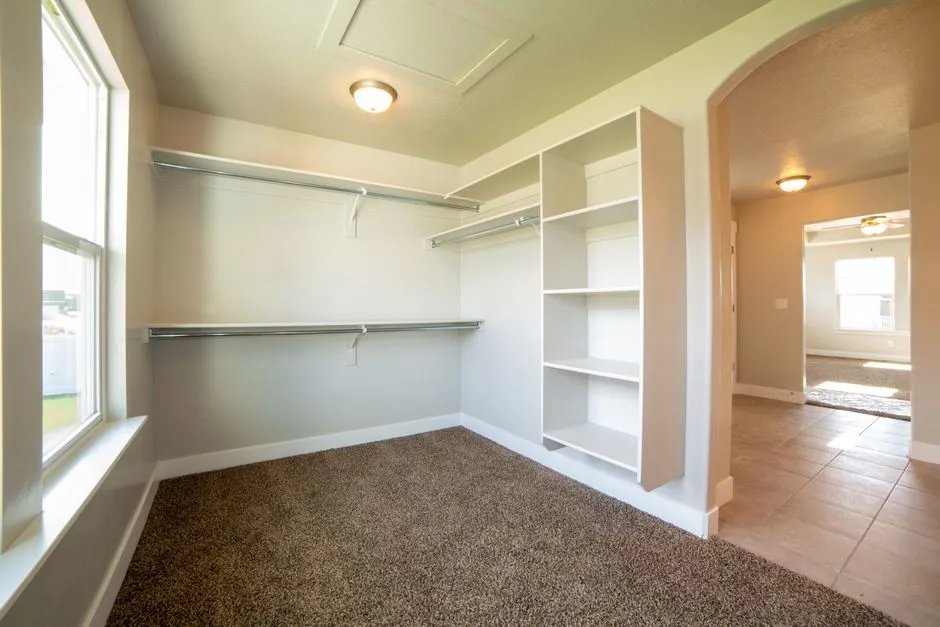
In 1970, the median size of new single-family homes was just 1,500 square feet, according to the US Census Bureau. By 2010, it had grown to 2,169 square feet. By 2020, the median size of a new home sold had reached 2,333 square feet. Homes grew, and closets grew with them.
The average home now has around 146 square feet of closet space. Small homes average closer to 106 square feet, and even medium-sized homes only manage about 125 square feet, according to National Association of Home Builders data. Compare that to the single narrow wardrobe nook in a Victorian-era bedroom and the contrast is stark.
What Happens When You Buy an Old House Today
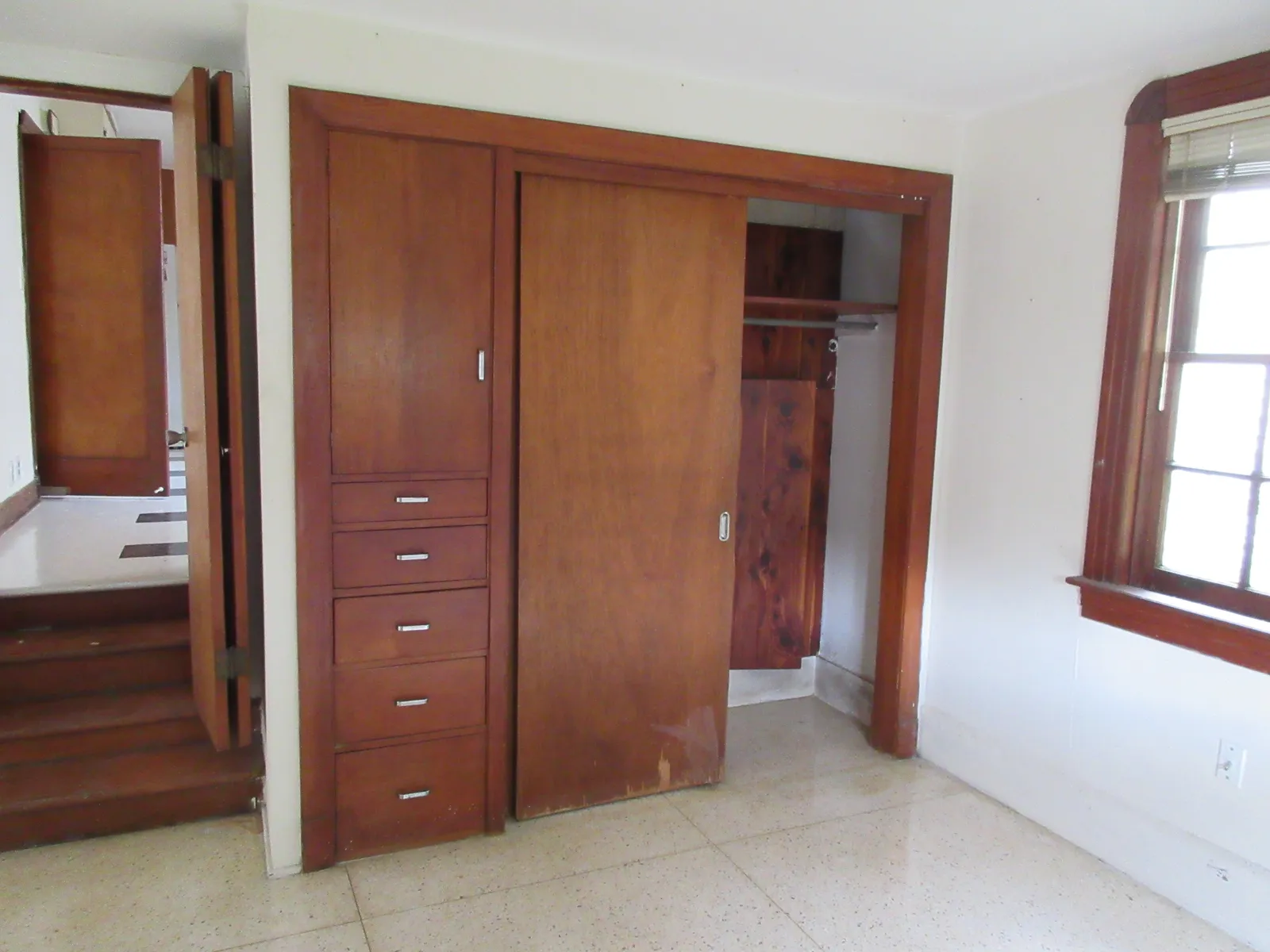
In an older home, you can expect to see smaller closets. Historically, residents often used wardrobes, chests, and dresser drawers to maximize storage, which is the same suggestion made to modern homeowners buying older homes with smaller closets. It’s practical advice, but it does require a shift in mindset about what storage looks like.
Built-in closets are less common in Europe than in North America, and there is thus greater use of freestanding wardrobes or armoires in Europe. In a way, buyers of old American homes are simply returning to the European model that existed here before the mid-20th century building boom. Today, the trend moves toward ever-larger closets, often as large as rooms, reflecting current attitudes regarding the importance of possessions and the care of them.
The Takeaway
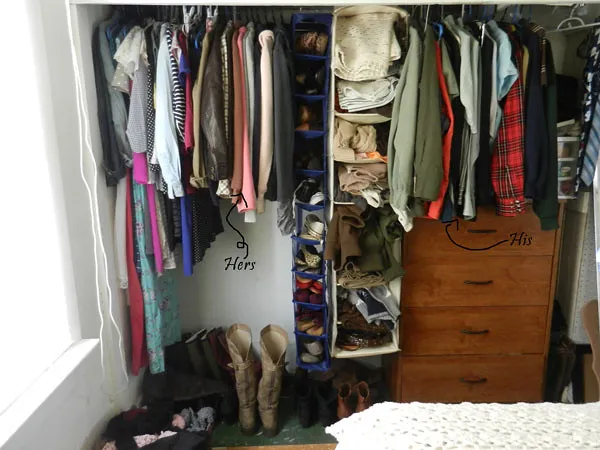
Those tiny closets in old houses aren’t a mistake or an oversight. They’re a perfect record of how people actually lived, what they owned, and what they considered worth storing. The closet grew as consumption grew, and that parallel is worth sitting with for a moment.
If anything, those old narrow spaces serve as a quiet reminder that our relationship with stuff is a relatively recent development, and one that continues to escalate in ways that even postwar architects couldn’t have predicted. The house stayed the same. We changed.
AI Disclaimer: This article was created with the assistance of AI tools and reviewed by a human editor.