
Single-Glazed Windows Were Basically Thermal Holes
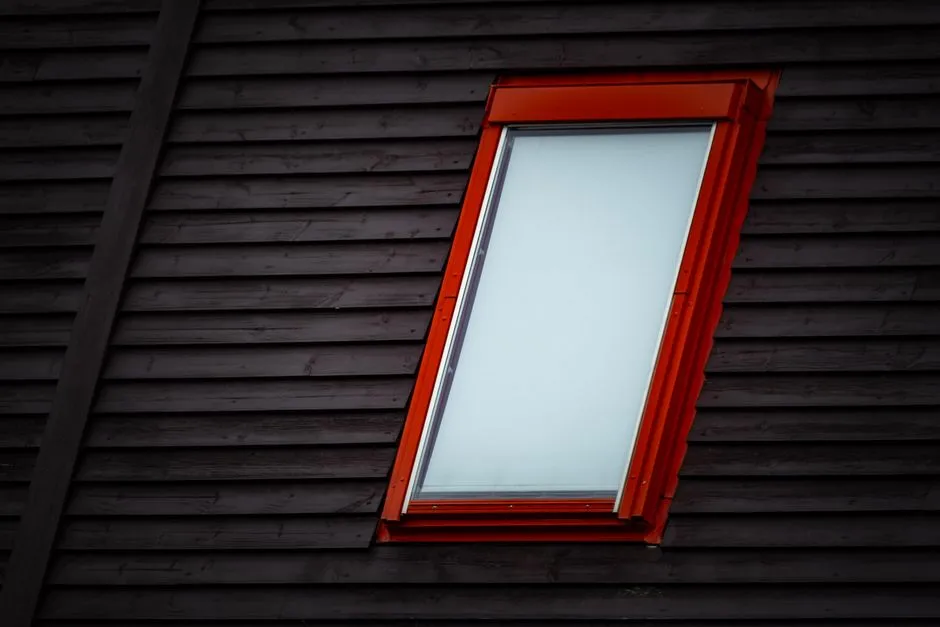
In the past, the position of a radiator had everything to do with insulation – or the lack of it. Windows were traditionally the worst insulated surfaces in a building shell. While a brick wall still provides some protection even without an insulation layer, the insulation value of single glazing is negligible.
Glass is a poor insulator. The R-value of a single-glazed window is approximately 1, while a double-glazed window reaches approximately 2. Compared to a typical adjacent wall with an R-value ranging from 11 to 20, the window is simply cold.
Modern double-glazed windows lose roughly 2 to 3 watts per square metre per degree of temperature difference. Single-glazed windows lose about 5 watts – nearly double. Triple glazing reduces that further to around 1.5 watts. That gap in performance shaped an entire era of heating design.
The Cold Air Downdraft Problem

Cold glass cools the air directly adjacent to it. That cold air becomes denser and heavier, sinking downward along the window surface in a process called convection. Without intervention, this cold air descends to floor level and spreads across the room, creating uncomfortable draughts and cold zones.
Research published in peer-reviewed literature confirms that a high surface temperature on a radiator can provide a thermal plume with enough momentum intensity to counteract the downdraft caused by a cold window. This is not folklore – it’s measurable fluid dynamics.
In fact, one study found that during a whole heating season, hours that did not meet cold draught requirements occupied over three quarters of the time when window heat transfer coefficients failed to satisfy the energy-saving design standard. That gives a sense of how persistent and serious the cold draught problem actually was.
The Thermal Curtain Effect
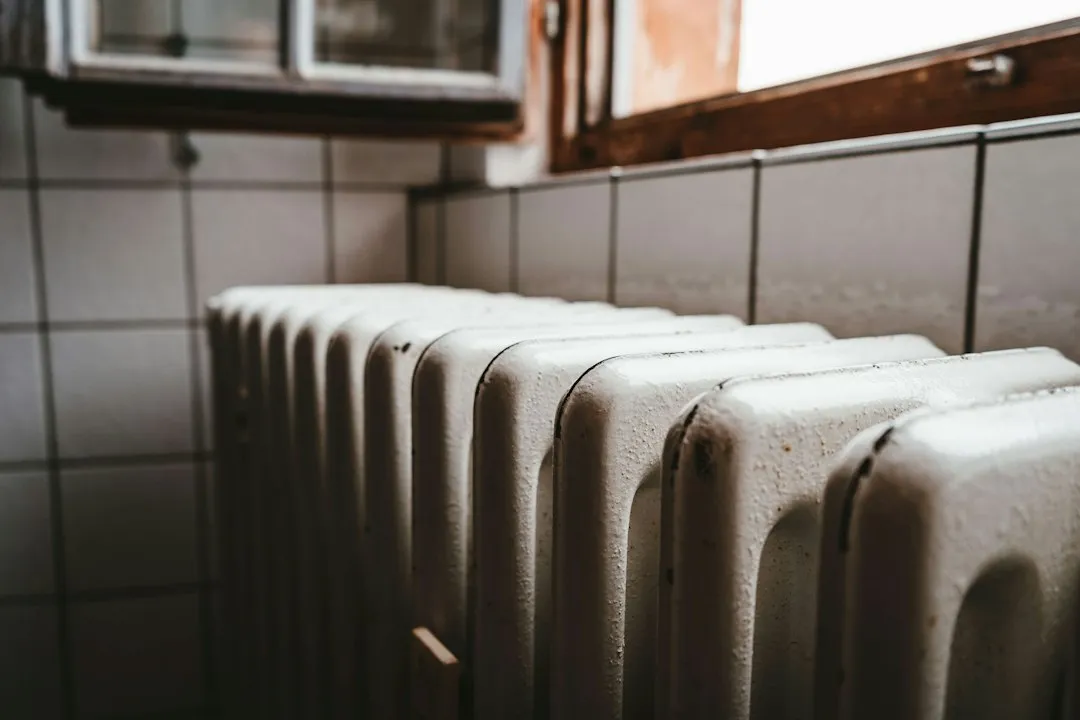
By placing a radiator directly underneath the window, hot air is produced and released, which then rises to hit the cold air from the window. This creates a warm curtain of air over the window surface.
Positioning a radiator directly beneath the window intercepts this descending cold air before it reaches floor level. The rising warm air from the radiator meets the falling cold air, creating a thermal curtain that prevents cold draughts from spreading into the room.
Warm air from the radiator rises in front of the window, forms a curtain of rising warm air, then moves across the ceiling and down the opposite wall, producing a steady circulation that distributes heat more evenly than a radiator placed mid-wall. It’s a surprisingly elegant loop for something that looks so simple.
Where the Practice Came From Historically
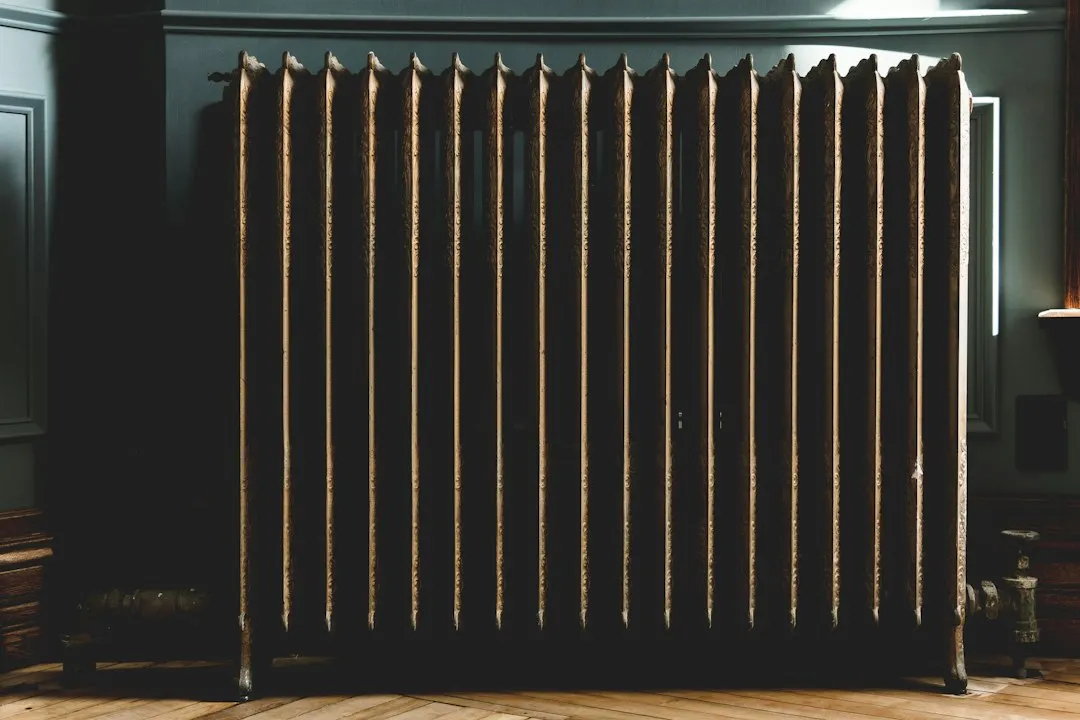
The practice of placing radiators under windows dates back to the 19th century, when central heating systems became more common. During this period, homes often had single-pane glass windows that did little to insulate against the cold. Heating engineers needed a solution to prevent the cold air seeping through these poorly insulated windows.
Victorian homes, with their single-glazed windows, often experienced draughts near windows. Placing radiators under windows in these older homes was a strategic move to combat this chill.
Central heating systems evolved during this era, so under-window placement became standard practice that persisted even as window technology improved dramatically. Builders and plumbers continued positioning radiators there because that was simply how it was done.
Why People Still Felt Cold Even With the Heating On
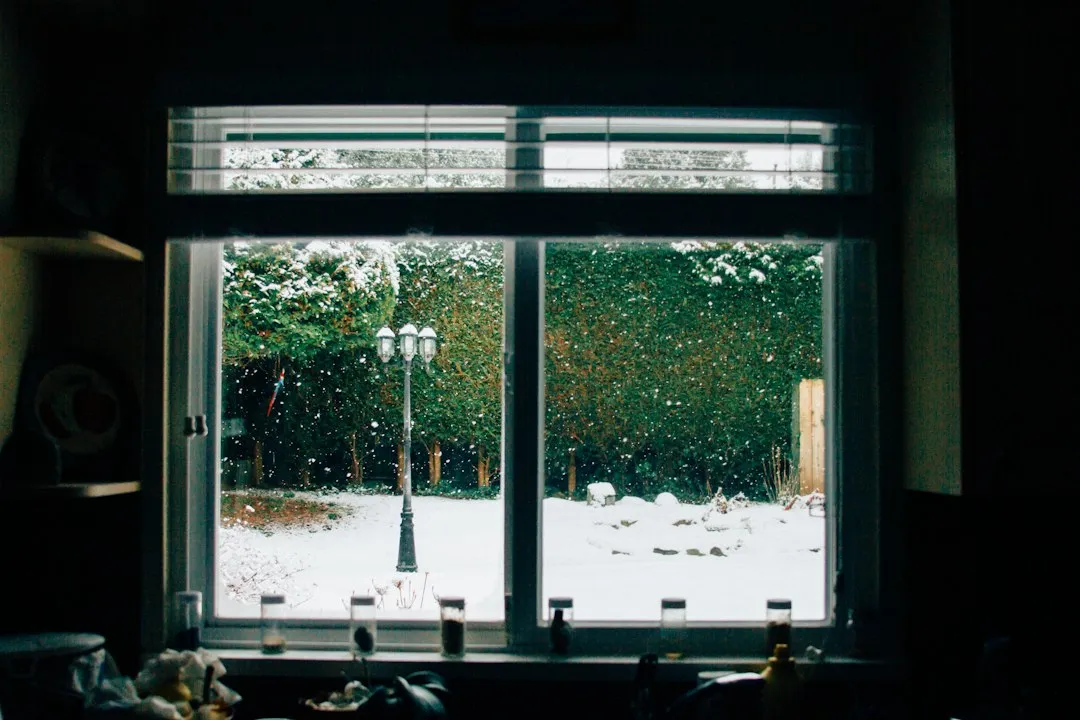
Research published in academic literature describes how single large glass window panes in institutional rooms could measure up to 3.0 meters by 2.5 meters. Even when both local air and wall temperature registered at 22°C, human subjects beside the windows in winter felt cold because body heat was radiated to the glass, which acts as a heat sink.
These cold air slides gave the impression of a draught in the room, and hence the room temperature needed to be raised in order to be comfortable. The effect of such cold air slides was often counteracted by installing radiators beneath windows.
This also explains why old homes sometimes felt perpetually drafty even when fully heated. The glass wasn’t just losing warmth – it was actively pulling heat away from people sitting nearby.
Condensation Control Was a Secondary Benefit
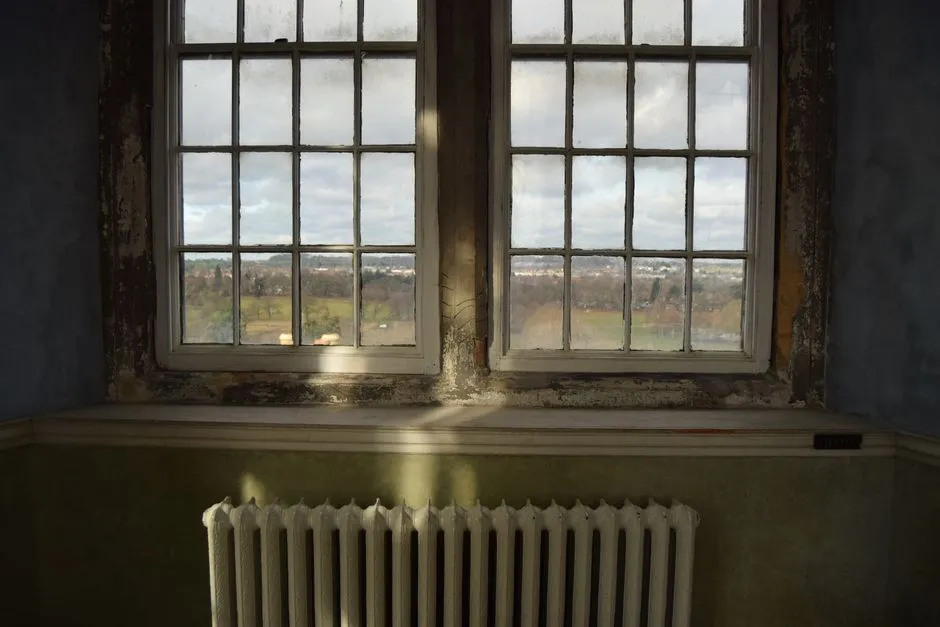
The warm air rising from the radiator keeps window glass temperatures higher, reducing the temperature differential that causes moisture in room air to condense on cold glass. This matters particularly in bathrooms and kitchens where humidity levels run high.
Indoor air passing by the window is cooled, and if the dew point temperature occurs, the water vapor condenses on the glass. In older homes without consistent heating near the glass, this was a persistent and damaging problem.
Radiators under windows prevent condensation. The amount of moisture air can hold is relative to temperature. Warmer air holds more moisture, so by keeping the air directly adjacent to the window warmer, it prevents the condensation that would otherwise form on cold surfaces. Less condensation meant less rot, less mould, and less damage to window frames over time.
The Space Under the Window Was Practically Ideal
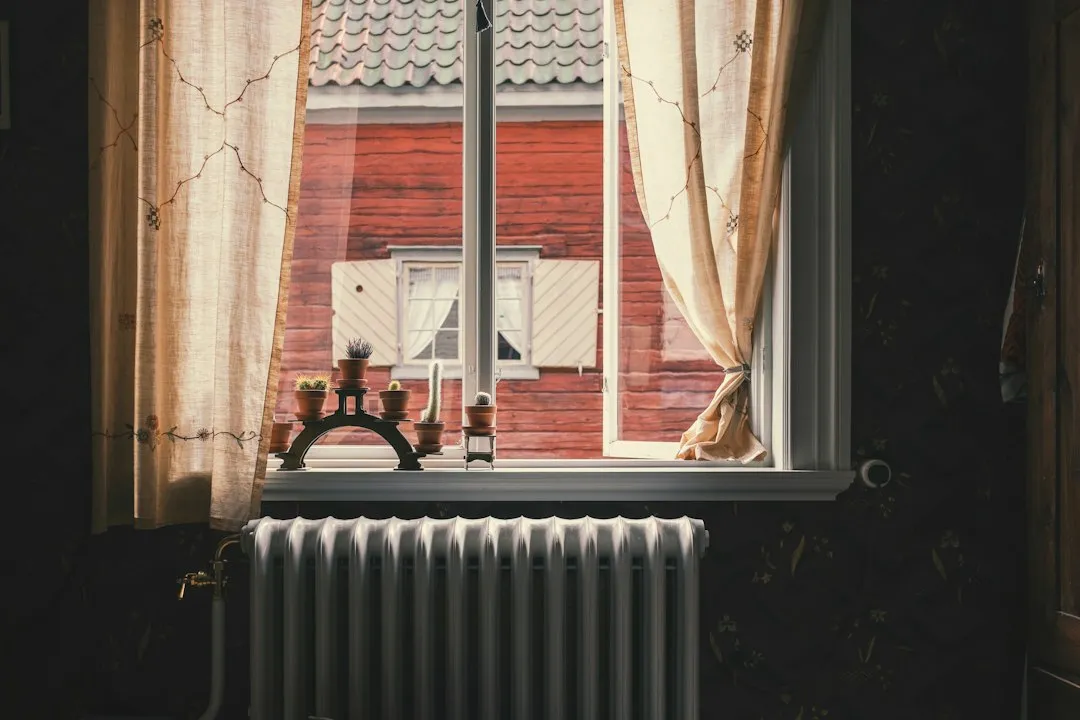
Another reason radiators found their home under windows is simple practicality. The space beneath a window is often clear of furniture. This provides an ideal spot for installation without obstructing views or the usability of the room.
Many people still choose to put the radiator under the window as it’s a “dead” space that isn’t in use for anything else. It is a much better idea to have the radiator under the window than behind the sofa, for example. Blocking a radiator with furniture significantly reduces its ability to circulate warm air.
There’s a practical logic to it that goes beyond heating: the wall space on either side of a window tends to be more valuable for furniture, shelving, or decoration. The wall beneath the window is almost always left empty anyway.
How Double Glazing Changed the Equation
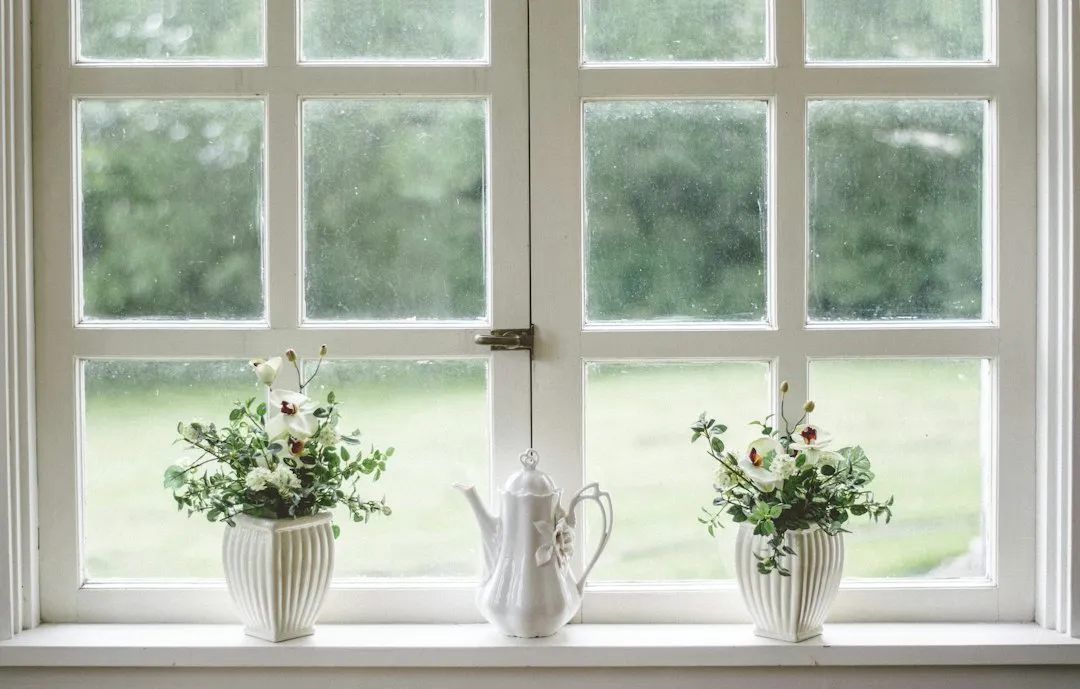
These days, most windows are double or triple glazed, and heat isn’t lost as quickly through these types of windows. The area close to the window surface stays much warmer, so it’s not as common to see radiators under windows in new builds or modern homes.
Double glazing significantly reduces heat loss through windows compared to single-pane glass. The cold air descending effect still occurs but is substantially less dramatic with quality modern windows properly fitted. Triple glazing reduces it even further, to the point where the descending cold air barely creates noticeable draughts at all.
In well-insulated houses – those built in the last twenty years or so – radiators can in fact be placed anywhere. Thanks to insulating glazing, the hot air curtain is no longer strictly necessary. That flexibility simply didn’t exist for most of the 20th century.
Old Homes With Radiators Still in Place: Should You Move Them?
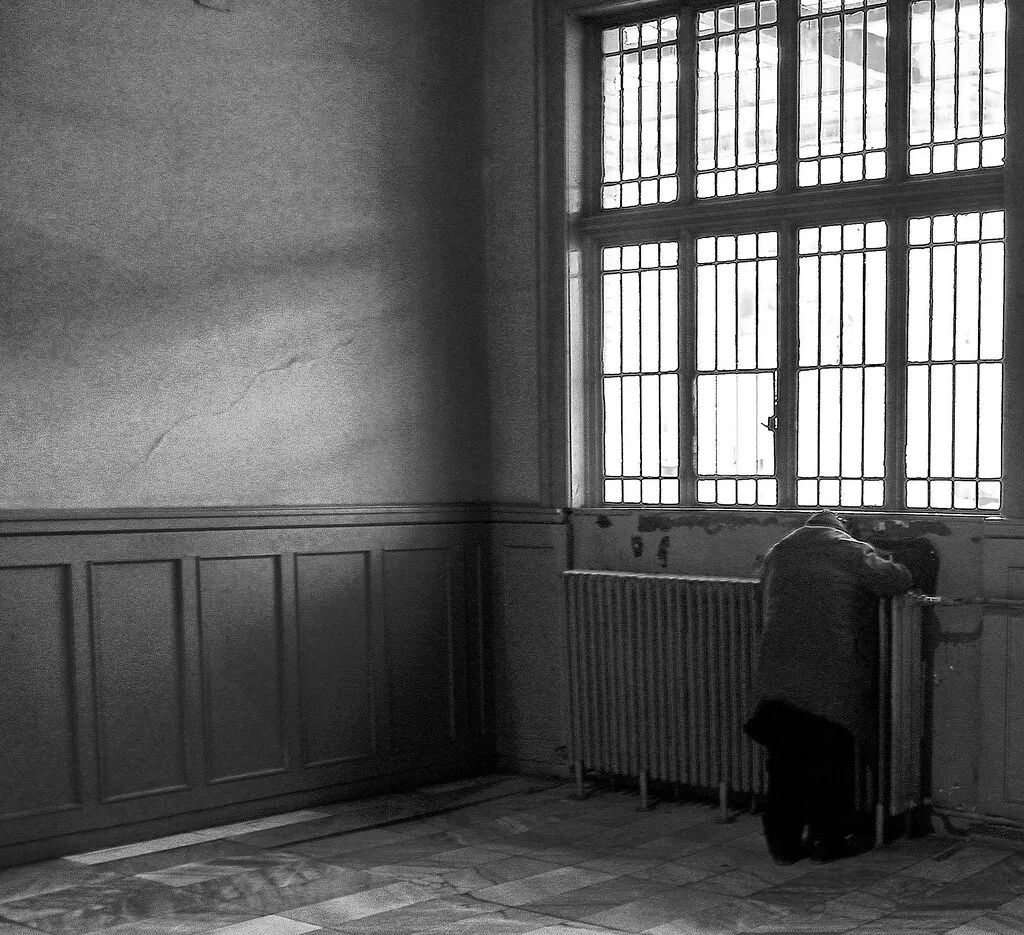
In old and poorly insulated houses, a radiator under the window is still necessary to combat the penetrating cold. However, that is an energy-intensive solution. It is better to insulate the house thoroughly and to install double or triple glazing.
Most newly installed windows are double or triple glazed. Single-glazed windows found in older homes permit more heat to escape and require special precautions. Large expanses of glass can counter the radiator’s efforts to heat the room.
As window insulation has improved, the need for radiators under windows is far less than it once was, and placing them under windows can even limit their output somewhat. Still, for genuinely old homes that haven’t been upgraded, moving the radiator away from the window without improving the glazing first can make rooms noticeably colder and more uncomfortable.
The Lasting Logic of Placing Heat at the Source of Cold
The placement of radiators under windows is not just a historical practice – it’s backed by science. The hot air rising from the radiator forms a curtain of warm air, which heats the cold air as it enters the room.
The falling cooler air from the window and the rising warmer air from the radiator help the formation of a convection current around the room, which assists in heating the room quickly and uniformly. That circulation effect is real and measurable, not simply tradition dressed up in technical language.
The radiator can be just as effective on the other side of the room in a well-insulated modern home. That’s why more and more people let the placement of their radiators depend on practical and aesthetic considerations. The old logic hasn’t disappeared – it’s just become optional rather than essential.
The Takeaway
The radiator under the window is one of those design solutions that looks like an accident until you understand what it was solving. It was never about tradition for its own sake. It was about physics: cold air falls, warm air rises, and placing heat at the source of the cold is the most direct way to stop discomfort before it spreads across the room.
Old homes with single-glazed windows had no better option. The glass bled warmth, chilled the air beside it, and pushed cold draughts across the floor. The radiator beneath it was the logical answer. As glazing improved, the necessity eased – but the logic never stopped being sound.
If you live in an older home and ever wondered why that radiator sits exactly where it does, now you know. It wasn’t a quirk of the builder. It was a solution that worked, repeated across decades until it became the default way of keeping a cold house warm.
AI Disclaimer: This article was created with the assistance of AI tools and reviewed by a human editor.