

A Feature Born from Physical Labor
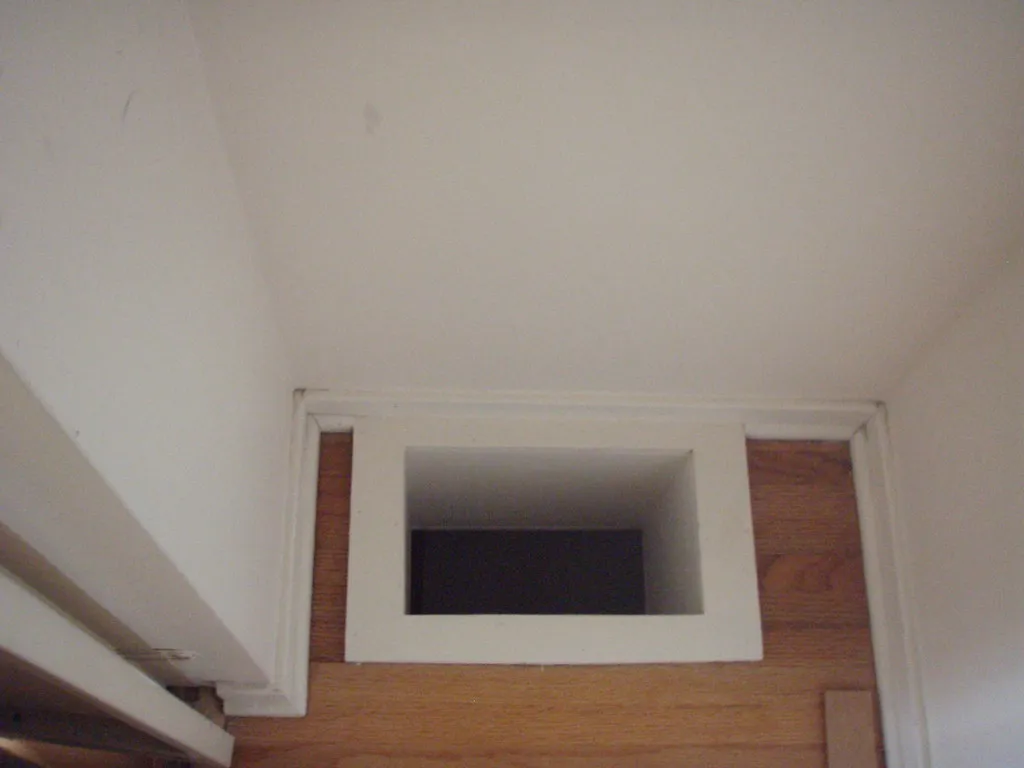
Laundry chutes were vertical passages that allowed residents to drop dirty clothes directly into the laundry area, usually in the basement, minimizing the need to carry heavy laundry baskets down flights of stairs. Before electric washing machines became common household appliances, doing laundry was a genuinely exhausting physical task that consumed hours.
In the days when manual labor was the norm for laundry, having a chute meant you didn’t have to lug heavy baskets up and down stairs. Even bundling clothes into a basket and walking them down two flights would have been a daily burden in a large household. The chute turned that trip into a simple drop.
Where the Idea Actually Came From

Laundry chutes first appeared in the United States sometime around the late 1800s, inspired by similar systems in wealthy Victorian-era homes in England, which were an evolution of industrial chutes used for mail and coal. The concept of a gravity-fed shaft for moving materials between floors had practical roots long before anyone applied it to household laundry.
While the exact origin of the laundry chute is a little hazy, they probably evolved from other types of industrial chutes dating back well before the 1800s. Chutes for coal and rubbish were common, and as homemakers started catching on to the communicable nature of germs, the predecessors were adapted for soiled linens. It was a logical adaptation, moving something unpleasant out of living spaces quickly and cleanly.
Hospitals and Hotels Led the Way
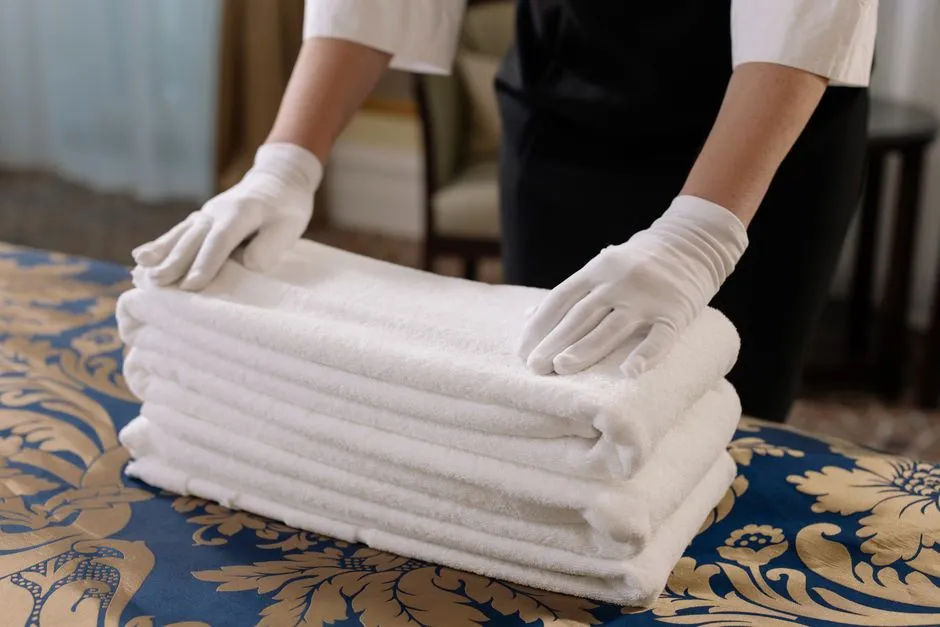
Laundry chutes were likely first introduced in hotels, hospitals, and other institutions that housed many people and required a large amount of linens, like bedsheets and towels. These buildings needed efficient systems for handling laundry at scale, and the chute was an obvious engineering solution.
Even Florence Nightingale, founder of modern nursing, established guidelines for the construction of chutes for maintaining sterile hospital laundry. That connection to public health and hygiene gave the chute a kind of institutional credibility that helped it cross over into residential construction. Architectural historian Thomas Hubka estimates that laundry chutes made it stateside around 1900, first installed in multistory upper-class houses with servants, then made their way into middle-class homes.
The Sanitation Era Gave Them a Big Push
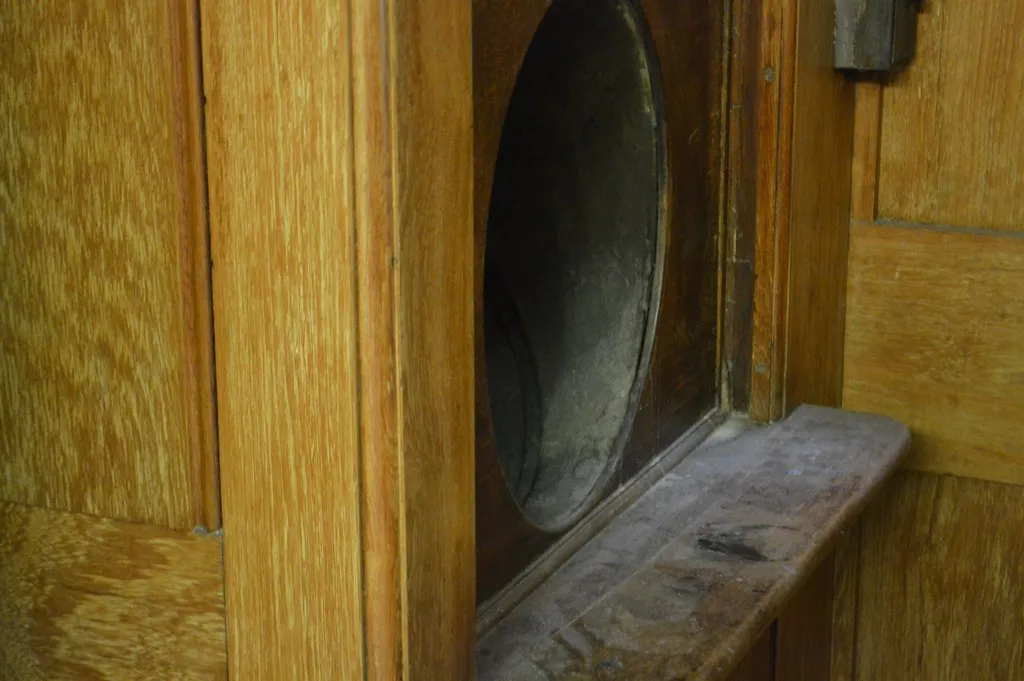
During the “sanitation craze” of the early 20th century, wooden laundry chutes were seen as unsanitary, as the material’s grains and cracks could harbor dirt, dust, and germs. By the 1920s, trade journals typically recommended installing laundry chutes made of aluminum sheeting or glass. Aluminum became the material of choice for laundry chutes, as it was practical, affordable, and, when used with a fireproof door, less prone to spreading fires.
The sanitation movement of that era reshaped domestic life in many ways, pushing cleanliness and germ avoidance to the center of household management. The laundry chute fit neatly into that worldview. Keeping soiled clothing out of bedrooms and hallways, moving it swiftly to a contained basement area, was considered a genuinely hygienic choice at the time.
How the Federal Housing Act Spread Them Everywhere

Countless laundry chutes were introduced into existing American homes in the 1930s and 1940s thanks to an amendment to the Federal Housing Act of 1934 that introduced a plan through which homeowners could get insured loans of up to $2,000 to make specific upgrades to their homes, including installing built-in laundry and coal chutes, cupboards, broom closets, and garbage receptacles. This federal policy effectively subsidized the spread of chutes far beyond wealthy homes.
Laundry chutes weren’t limited to new builds: in existing homes, they were described in a 1931 article in American Builder as “so easily built into the walls, between studs.” That ease of retrofit made them accessible even for modest households. By the 1910s, 1920s, and 1930s, laundry chutes, along with other built-in conveniences, were incorporated into cottages, bungalows, and other compact houses for the middle and working classes.
The Basement Laundry Connection
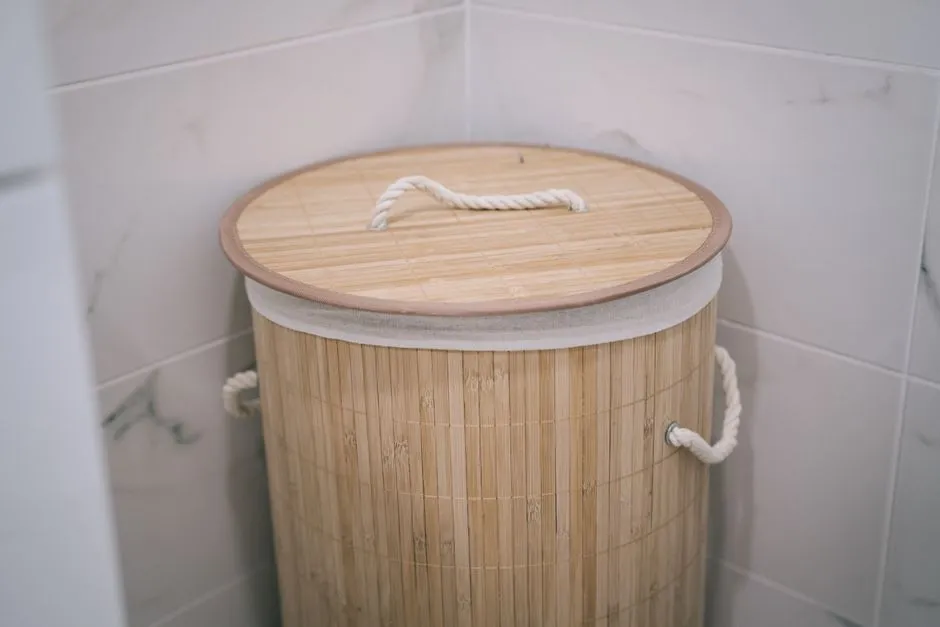
Servants or no servants, most upper and middle-class homes had a laundry area in the basement, as did some working-class houses. The basement was simply where the work got done: it was cool, contained utility connections, and kept the mess out of sight. That standard layout made a chute almost architecturally obvious.
Home laundry chutes are typically found in homes with basement laundry to allow the collection of all household members’ dirty laundry, conveniently near the bedrooms and laundry facilities, without the constant transport of laundry bins from floor to floor, room to room, or up and down stairs. The whole system only made sense if the laundry destination was below the living floors, which it reliably was for most of the early and mid-20th century.
Built Into the Walls, Out of the Way

Architect Harris of Denver noted that most laundry chutes are framed into a home when it’s built, and are often drywalled or lined with ductwork, with a door at the top or on each floor. The whole structure was hidden within the home’s framing, invisible except for that small hinged door. It took up almost no usable space.
Laundry chutes were space-efficient. Old houses often lacked the spacious walk-in closets we’re accustomed to today, making laundry chutes a clever solution. Rather than needing a hamper in every room, one shaft served the whole house. It was a tidy, almost invisible system in a time when homes tended to be more compact and storage was at a premium.
Fire Safety Changed the Conversation

Some people are concerned that laundry chutes might be a fire hazard, helping spread flames upward. Karen Harris of the American Institute of Architects noted that “they can have a chimney effect; you can get smoke and fire up through all the floors.” That concern, while debated, became a persistent obstacle to new installations.
The decline in the use of laundry chutes is primarily due to concerns over fire safety. Modern construction standards and building codes often require the implementation of fire-rated laundry chute doors to prevent fire spread between floors, leading many to forego traditional laundry chutes in favor of safer alternatives. Building codes now require dedicated sprinklers for laundry chutes. Those added requirements made installation more expensive and complicated than it once was.
Why Modern Builders Stopped Including Them
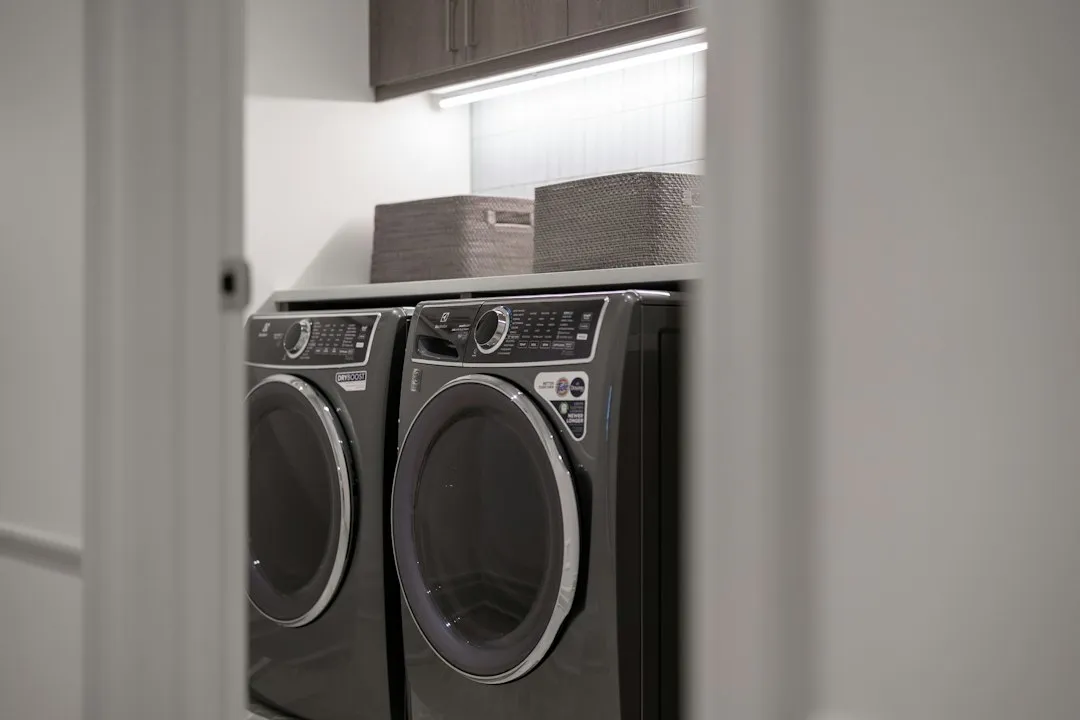
The 1970s saw a new trend in residential architecture: cutting costs wherever possible. Rising construction costs in the 1970s further pushed builders to cut out extras, and as modern washers and dryers migrated upstairs into their own rooms, the need for basement-bound chutes all but disappeared.
Many houses built during this period opted for ostentatious amenities, like a pool, two-story foyer, or rec room, over more practical and less-flashy features, like laundry chutes, which are literally hidden within the ductwork. The chute had no visual appeal and nothing to show off to guests. In an era when home status was increasingly tied to visible upgrades, invisible conveniences lost the argument.
In contemporary homes, laundry chutes have become less common, primarily due to advances in laundry technology and design. Modern laundry rooms are often conveniently located on the same floor as bedrooms, reducing the need for chutes. Once the washer moved upstairs, the whole rationale dissolved.
Are They Making a Quiet Comeback?
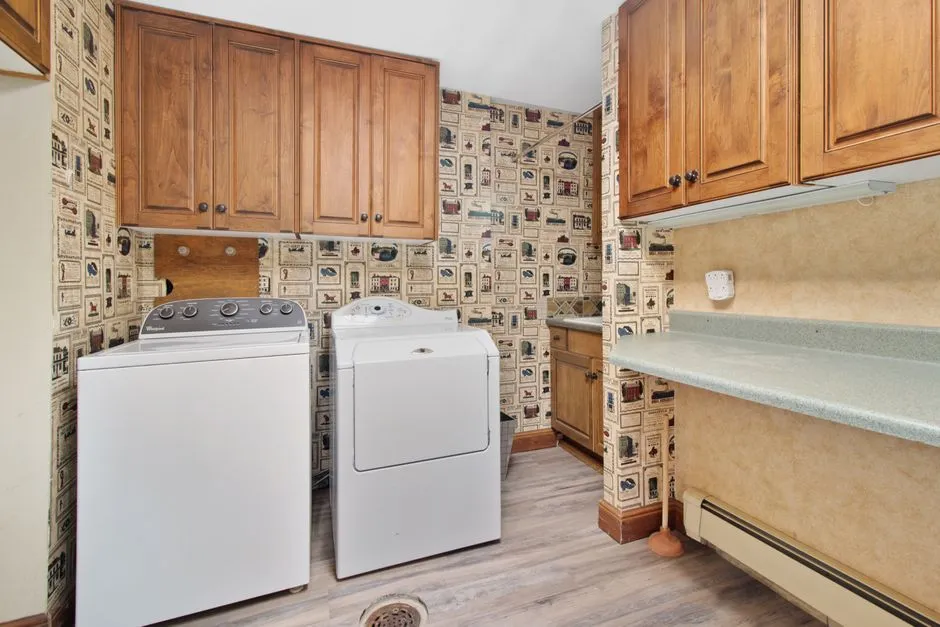
Writing for Apartment Therapy, Sarah Magnuson makes a case for their return, suggesting that a chute connecting an upstairs hallway to a ground-floor laundry room could still be a genuinely practical addition to modern homes. The idea hasn’t gone entirely cold. Among homeowners renovating older properties, the chute often surfaces as a feature worth preserving or restoring.
Real estate agent Ebonee Johnikin says she’s seen a handful of old homes with laundry chutes, and that buyers seeking historic homes “love the character and originality that features like laundry chutes bring.” Modern alternatives to traditional laundry chutes, such as vacuum-powered systems like the Laundry Jet, offer convenience but come with a high cost and limitations on the types of items that can be sent through. The original gravity-fed design remains elegantly simple by comparison.
A Small Door That Tells a Bigger Story

The laundry chute is, in a quiet way, a document of how domestic life has shifted over the past century. Laundry chutes are a delightful relic of old houses, a reminder of a time when convenience and ingenuity were key in making daily chores more manageable. They’re not just pieces of architectural history but a testament to human innovation in making life a little bit easier.
These old home features, though often forgotten or misunderstood, offer a window into the daily lives and innovations of past generations. While modern conveniences have rendered many of these elements obsolete, they remain integral to the character and history of older homes. That small hinged door in the hallway wall holds a surprising amount of social history behind it, more than most people expect when they first open it and peer down into the dark.
AI Disclaimer: This article was created with the assistance of AI tools and reviewed by a human editor.