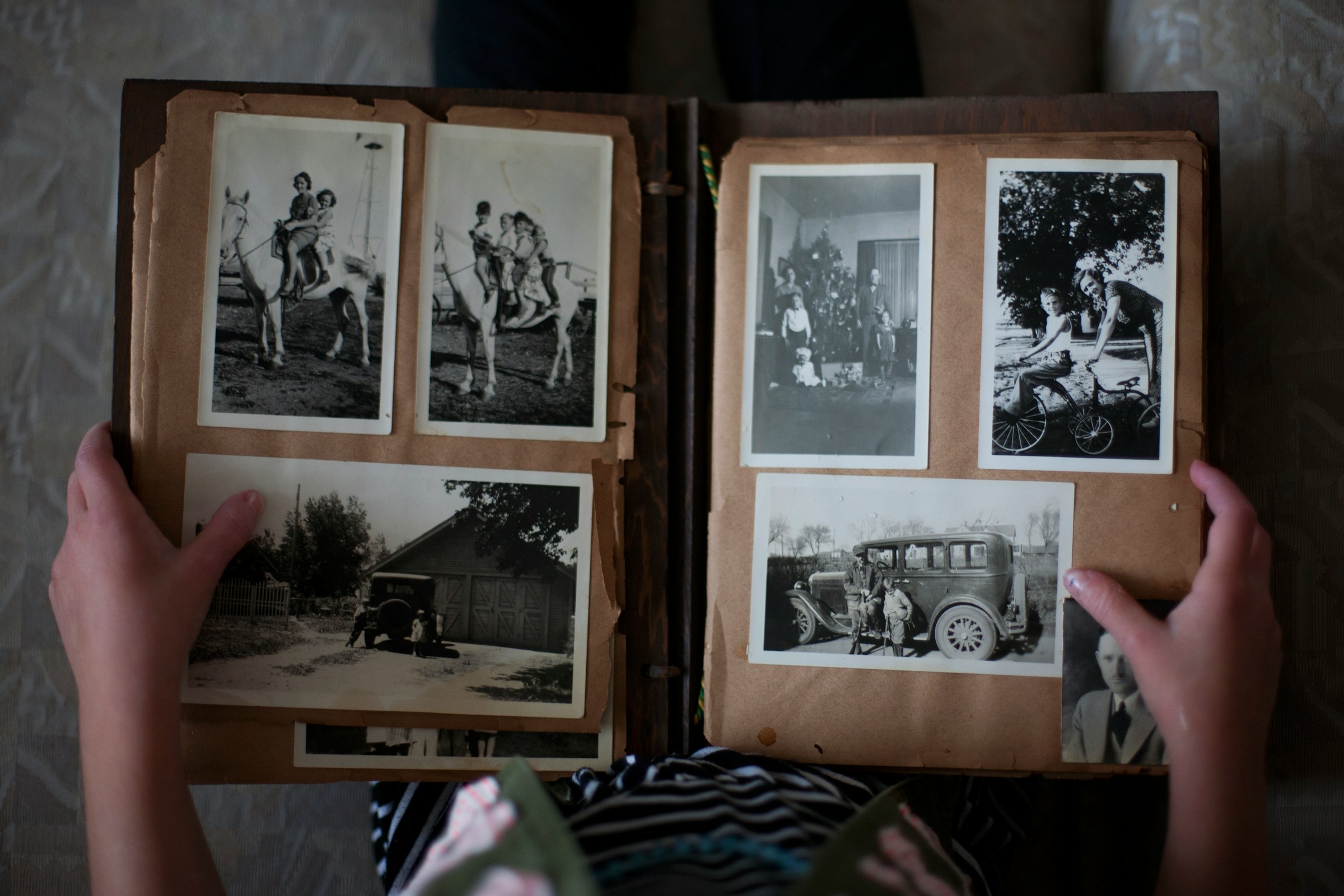

Most people glance at an old family photo and see a face staring back. Maybe they recognize the chin, or the way someone is standing. What they rarely notice is everything else: the chair, the light, the shoes, the studio backdrop, the faded inscription on the reverse. Those details are not decoration. They are evidence.
Pictures should be treated as records in genealogical research. They are documents that add value, not only as visuals, but also as clues and building blocks to better understanding the lives and communities of our ancestors. The gap between what most people see in an old photograph and what a trained eye can extract is surprisingly wide.
The Photo Format Itself Is a Date Stamp
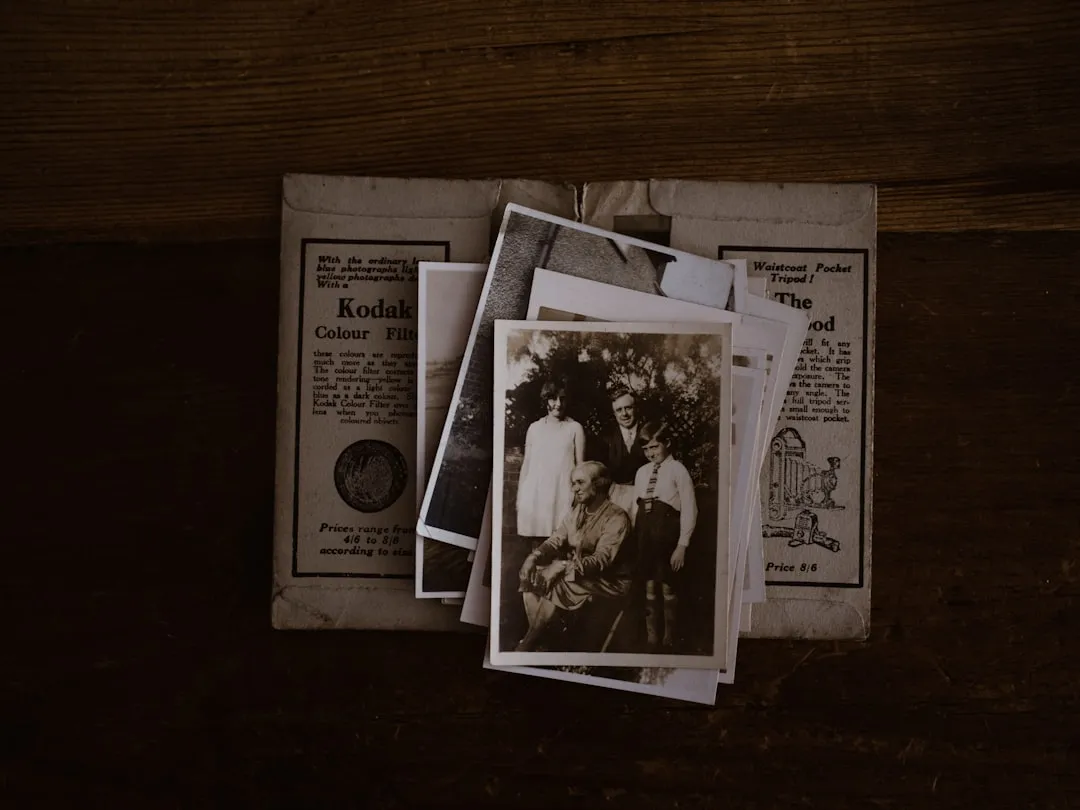
Before you even look at a face or a piece of furniture, the physical format of an old photograph tells you a great deal. The format of a photograph, its physical case, the paper stock, the mount style, and even the clothing in the image all tell a story. Each clue you read narrows the date range by a decade, sometimes even by a few years.
The major photographic formats each had their own era: the Daguerreotype from roughly 1839 to 1864, the Ambrotype from about 1854 into the 1880s, the Tintype from 1853 through the 1930s, the Carte de Visite from 1860 to 1890, and Cabinet Cards through the late 19th century. Knowing which one you are holding immediately rules out decades of possibilities.
The first step is to identify what type of photograph it is, as photography and photo processing underwent several changes over the years. You may have a paper print or a historical image such as a daguerreotype, ambrotype, tintype, or cabinet card. Each type has its own distinct physical texture, weight, and surface finish that makes identification possible even without specialist training.
Clothing Speaks Louder Than Any Caption

A picture paints a thousand words, and at no time is that more true than when analyzing old family photos for clues. Clothing, photograph style, and even the way your ancestors pose are just some of the valuable clues that can help you learn more about your forebears.
Studying the clothes people wore can be remarkably precise. Notice the neckline, sleeve length, waistline, fabric type and color, hats, and accessories. Keep in mind that wealthier families would have been more likely to have the latest season’s fashions, while poorer families made do with someone else’s hand-me-downs or the last decade’s styles. That distinction alone can suggest something about economic standing.
When using women’s fashion to date old family photographs, remember that older women often tended to wear the same style of clothing they wore in their 20s and 30s. It was what they already knew how to sew, what they were most comfortable wearing, and what they had hanging in their closet. When dating photographs of middle-aged or older women, it is important to pay attention to other clues in the picture such as hairstyles, furniture, buildings, and toys.
Shoes, Glasses, and Small Accessories Narrow the Window Further
It sounds like a minor detail, but footwear can sharpen a date estimate considerably. When visible in photographs, shoes provide dating information. Button boots dominated women’s footwear from the 1860s through the early 1900s. T-strap and Mary Jane styles characterized the 1920s and 1930s. Platform shoes appeared in the 1940s.
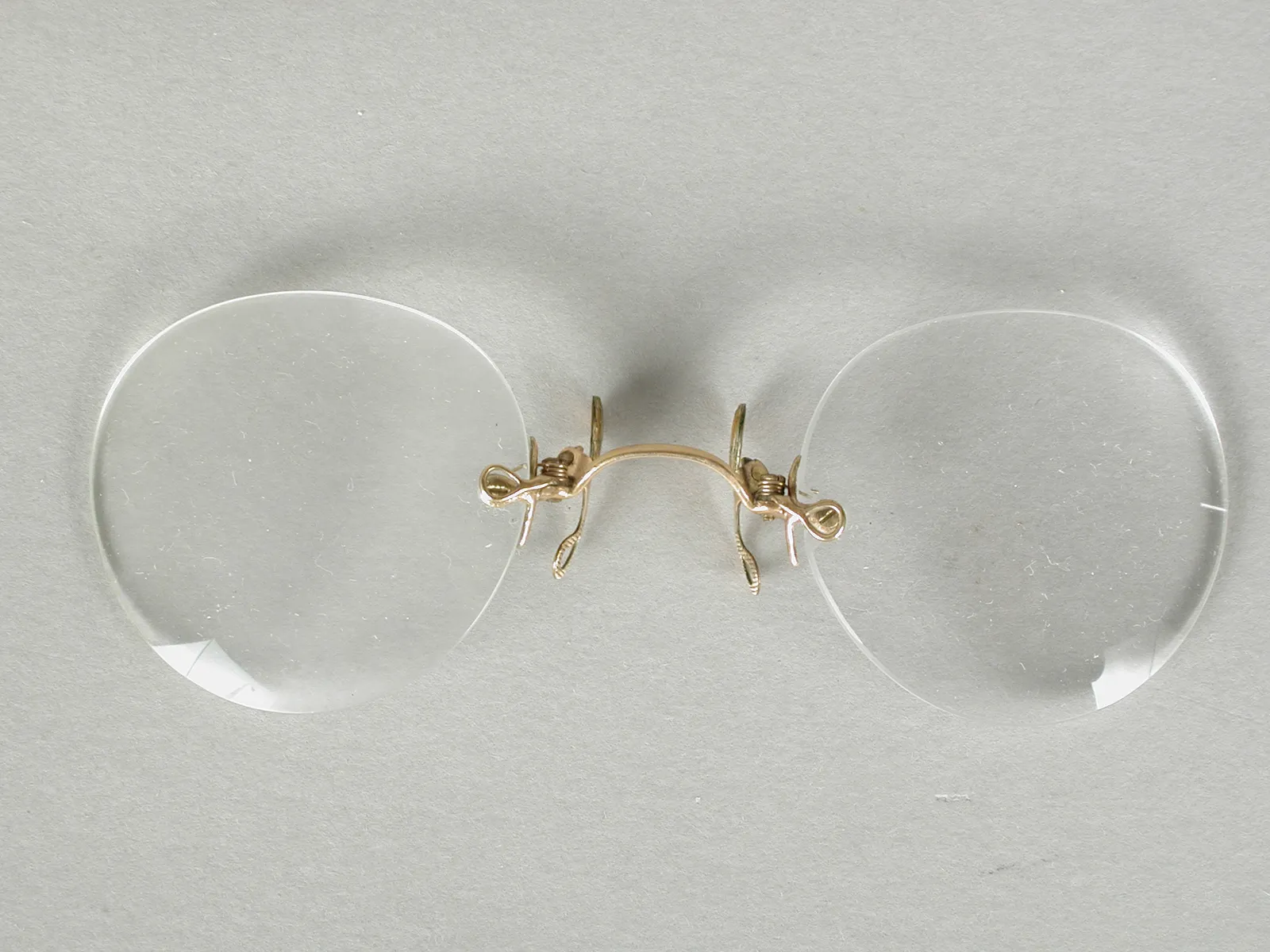
If your ancestor wore glasses, the frame style helps date the photo. Pince-nez glasses, which pinch the nose without temples, were popular from the 1840s through the 1920s. Round, wire-rimmed glasses dominated the late 19th and early 20th centuries. More angular and decorative frames emerged in the 1920s and 1930s. These are not guesses. They are documented shifts in design that historians and curators have tracked carefully.
Studio Backdrops Are Not Just Decoration
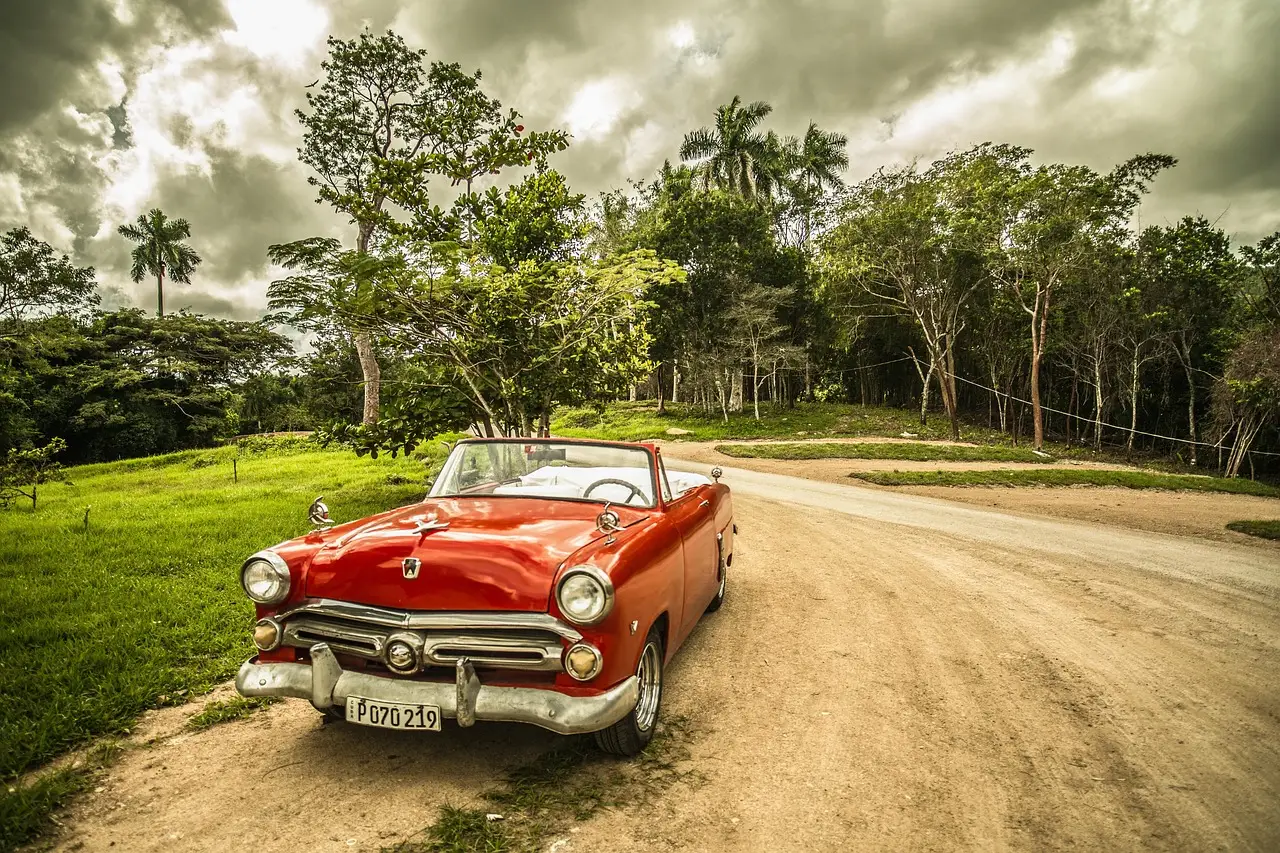
The setting and background of a photograph can reveal much about the time and place it was taken, as well as the socioeconomic status of its subjects. By examining everything from the location to the props used, genealogists can gather clues about the environment in which their ancestors lived. The backdrop of a photograph often holds key information that can be as revealing as the subjects themselves.
Studio backdrops, furniture styles, visible vehicles, wallpaper, and signage all carry date signals. A painted scenic backdrop suggests a 19th-century studio, while a casual outdoor setting points to the post-1888 snapshot era. That shift happened when portable cameras became widely available and changed the entire grammar of family photography.
Studio photographers used specific props, painted backgrounds, and furniture styles that changed over time. Rustic fences, columns, balustrades, and painted scenic backdrops can all help. You can date old photos by cross-referencing with known studio practices from specific periods and locations. Many studios also stamped their name and address on the back of the card, which can be cross-referenced with local business directories.
The Background Reveals Social and Economic Life
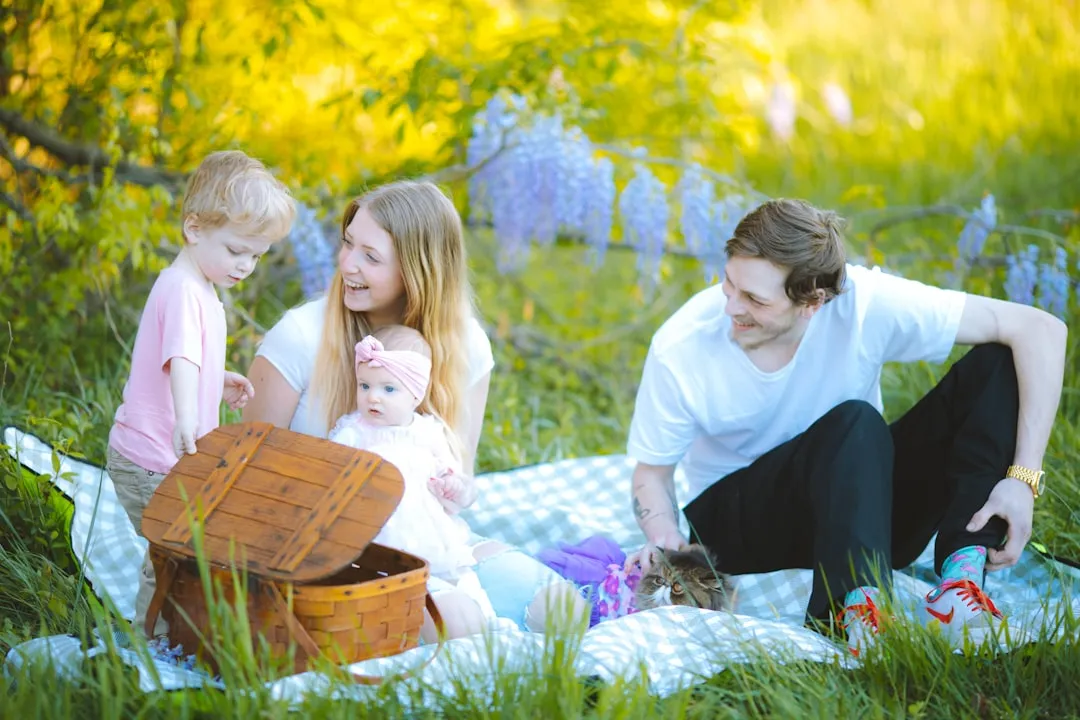
Natural settings became more common with the advent of portable cameras and might suggest a casual family outing or an event like a picnic or a wedding, offering insights into the leisure activities of the era. Props such as furniture, books, or even bicycles can provide context about the period and the subjects’ lifestyles.
If people in the photo appear to have fancy furniture, homes, or cars in the background, this can help determine if they were a family of means. A bare room with a simple wooden chair tells a different story than velvet drapes and an ornate parlor table. Neither is better, but both are historically informative.
Studying fashion, hairstyles, and objects in the frame such as furniture, televisions, and phones adds layers of context. If it is a street photo, studying the buildings or businesses may even reveal street names. Architectural styles in outdoor photos have been used to pinpoint specific neighborhoods and even specific decades of construction.
What a Photo Can Tell You About Your Ancestors’ Lives
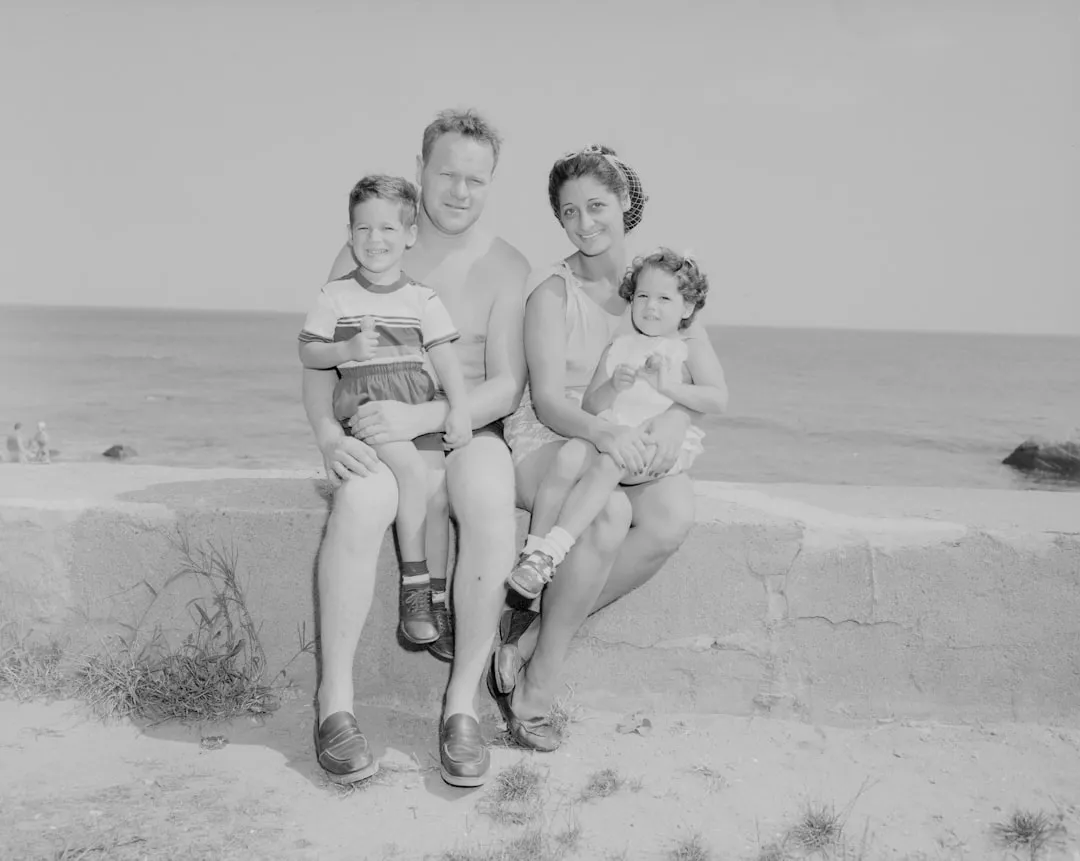
Old family photos can tell you far more about your ancestors than just what they looked like. They can tell a very interesting genealogical tale of that person’s life, times, and family. The objects people chose to include in a portrait, the arrangement of siblings, who sits and who stands, all reflect the social codes of the time.
Old photos tell a story of physical characteristics passed down from generation to generation. They tell the stories of special occasions and of everyday life. We can learn what ancestors liked and what their jobs were. Military uniforms, working clothes, and formal dress each narrow the professional or social context of the person depicted.
Looking at the setting of the photograph, the clothes and jewelry the people wore, and even how they were posing can tell you a lot of interesting details about their lives. This fleshes them out as people who have a real story to tell.
Inscriptions, Stamps, and the Back of the Photo
Most people look only at the front. Flipping a photograph over is one of the simplest and most overlooked moves in photo research. Look for the photographer’s stamp at the bottom or on the back of the photograph. Studio names printed on the mount can be matched against historical business directories that pinpoint dates of operation, often to within a few years.
Even errant inscriptions are valuable clues for consideration, since there is likely some association between the person named and the subject. A name written in faded pencil, a date scrawled in an unfamiliar hand, or a caption that seems to contradict what you know about a person can all open entirely new lines of research.
If you are lucky, photos are in albums with dates, names, and places. For those stashed in no particular order in boxes or drawers, you have to read the photo. On the back, the processor may print the date of development. That processor date, often overlooked, is one of the most reliable timestamps an old photo can carry.
AI Tools Are Changing What Is Possible

At RootsTech 2025, the world’s largest family history conference, experts delved into the latest advancements in photograph digitization and the integration of artificial intelligence for facial recognition by major genealogical websites. These developments are revolutionizing the way genealogists and family historians preserve memories and uncover ancestral connections.
Ancestry showcased its AI capabilities at RootsTech 2025, demonstrating how the technology can transcribe documents and analyze photographs to recognize faces, even suggesting possible matches within a user’s family tree. FamilySearch highlighted its use of AI for facial recognition, colorization, and other enhancements, assisting users in solving genealogical and photo mysteries.
Tools like Google Lens, MyHeritage Photo Enhancer, and Photomyne can surface detail invisible to the naked eye. Architectural styles, vehicle models, and fashion elements in degraded originals respond well to AI enhancement before analysis. That said, AI suggestions should be considered starting points, with traditional research methods employed to verify connections.
Where Hidden Photos Are Still Waiting to Be Found
The most surprising clues sometimes come not from photos you already own, but from photos you did not know existed. Searching in attics, basements, and boxes kept stashed at the back of closets and in forgotten drawers is a logical first step. If cleaning out the home of a deceased older relative, pay special attention to wallets, luggage, and jewelry boxes. People often tucked their favorite and most treasured family memories in there.
There are many hidden clues that can spark new opportunities in old pictures. Expanding the search to local sources like libraries, historical societies, and genealogical groups both online and offline often yields results. Schools undoubtedly have yearbooks to explore. Churches and other religious groups keep history on hand.
A basic Google search for an ancestor’s name can surface photographs shared on personal websites, local historical society pages, or family blogs that never appear in genealogy-specific databases. Reverse image search tools can also identify whether the same photograph has been uploaded elsewhere online, sometimes with additional context or identification already attached.
Treating Every Photo Like a Document
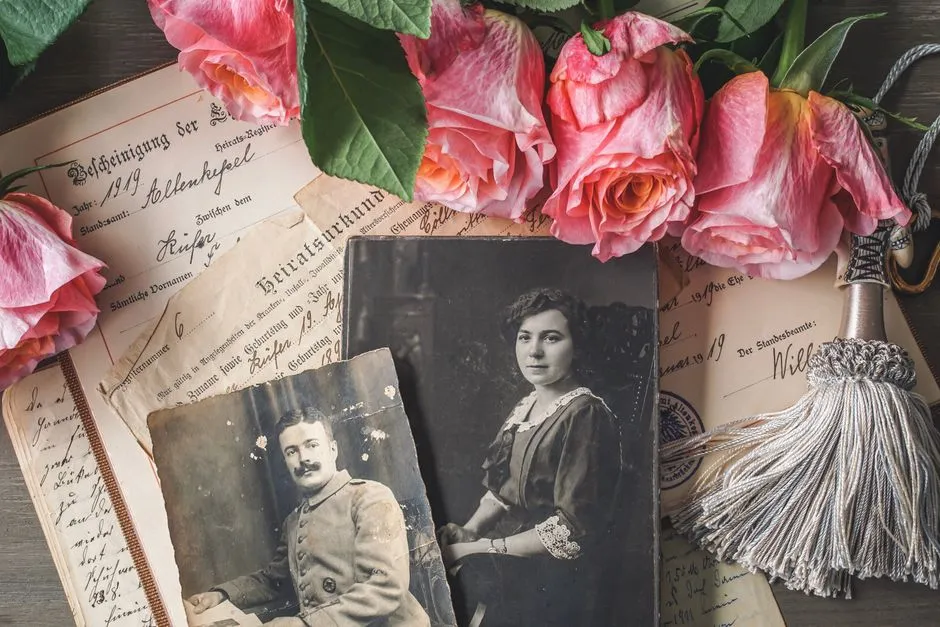
Identifying old family photographs is an art. The subtle clues hidden in the images, from clothing and poses to backdrops, can reveal eras and relationships. Learning to decipher the visual language of the past can uncover the identities of ancestors. This is not a passive skill. It rewards patience and systematic attention.
Every photograph and caption must be assessed and evaluated just as you would textual documents in your genealogical research. Tracking every clue and accounting for each in a research log for the picture is essential. As research continues, you can return to this log to evaluate new information as it surfaces.
When traditional genealogy records have been exhausted and failed to give answers, taking a second look at old family photographs for clues can move research forward. The photograph you dismissed as a blurry portrait of an unknown relative may, on closer examination, hold the one detail that unlocks a years-long mystery.
The Quiet Power of a Second Look
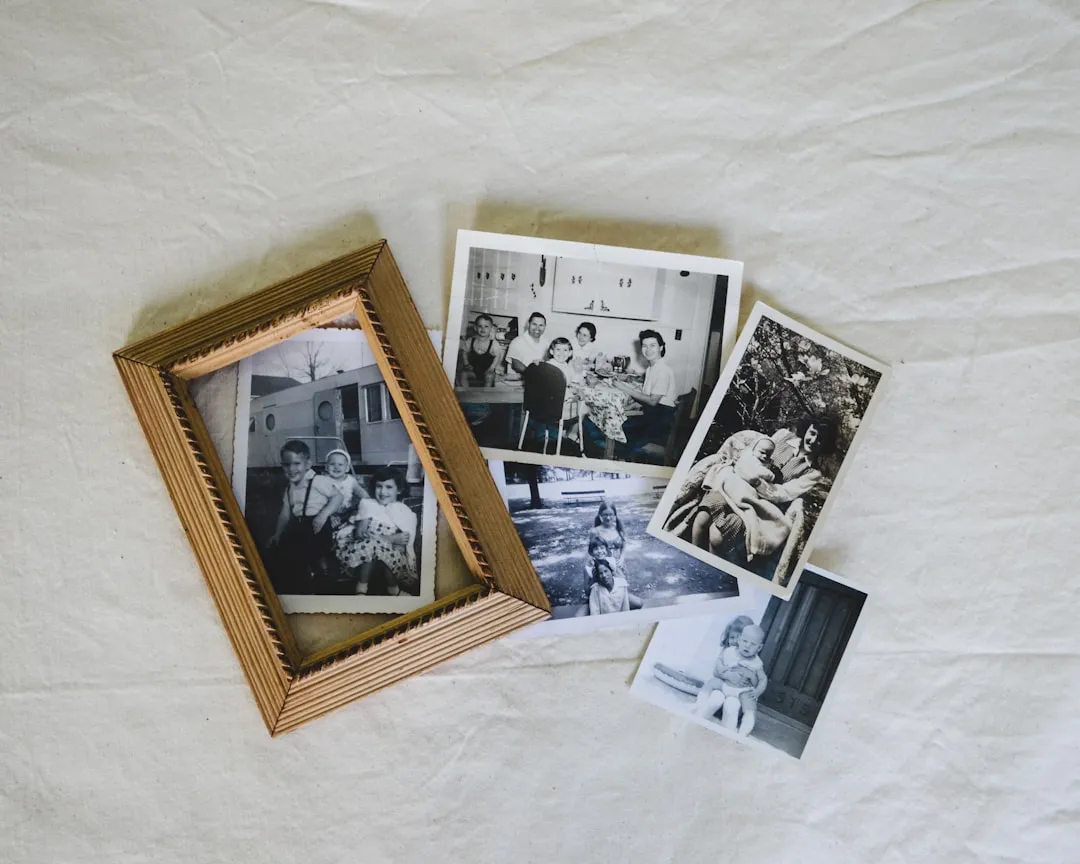
There is something quietly remarkable about the fact that a photograph taken a hundred and fifty years ago still contains recoverable information. The studio, the dress, the shoes, the stamp on the back, the car parked just at the edge of the frame: all of it speaks if you know how to listen.
A single snapshot from a long-ago birthday party or an obscure online document can enrich your whole understanding of family history. Most people pass through old photographs quickly. The ones who slow down almost always find something worth knowing.
Old photos are not relics sitting in silence. They are primary sources with layers still unread. The question worth asking is not just who is in the picture, but what the picture knows that nobody thought to write down.
AI Disclaimer: This article was created with the assistance of AI tools and reviewed by a human editor.