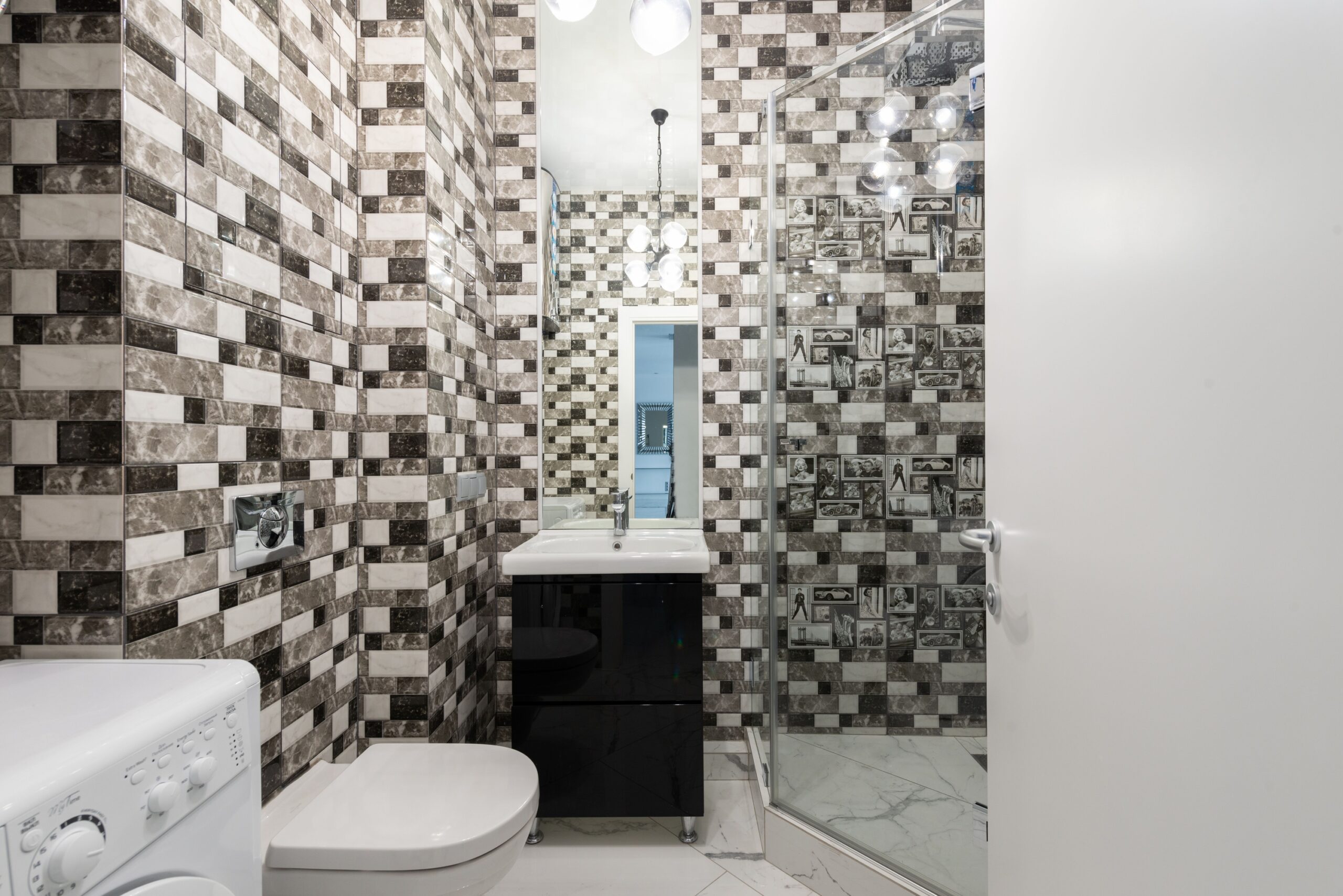

Bathrooms Weren’t Always a Thing
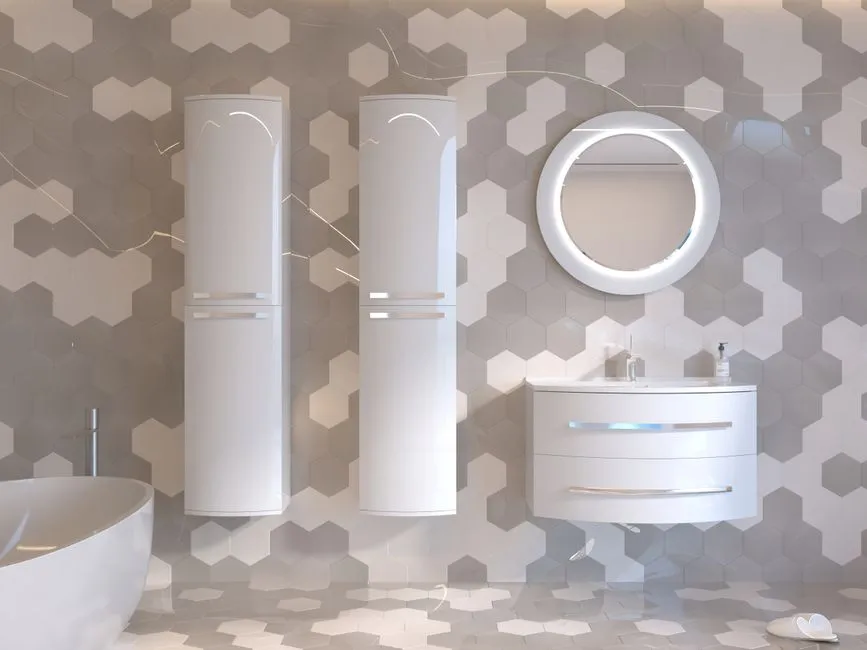
Bathrooms weren’t a common house feature for most of the 19th century. When dedicated bathing rooms did begin to appear in wealthier homes, they looked nothing like what we’d recognize today. At first, most bathrooms were designed with luxurious wooden wainscoting, lacquered wooden floors, and ornate wooden cabinets that enclosed sinks and tubs.
In the late 19th century, as bathrooms grew more common and sophisticated, the shortcomings of wood and varnish for floors, wainscots, and tub enclosures prompted a search for materials that were not only more water-resistant, but also more sanitary. That search is precisely what opened the door for tile, and eventually for the hexagon.
Germ Theory Changed Everything
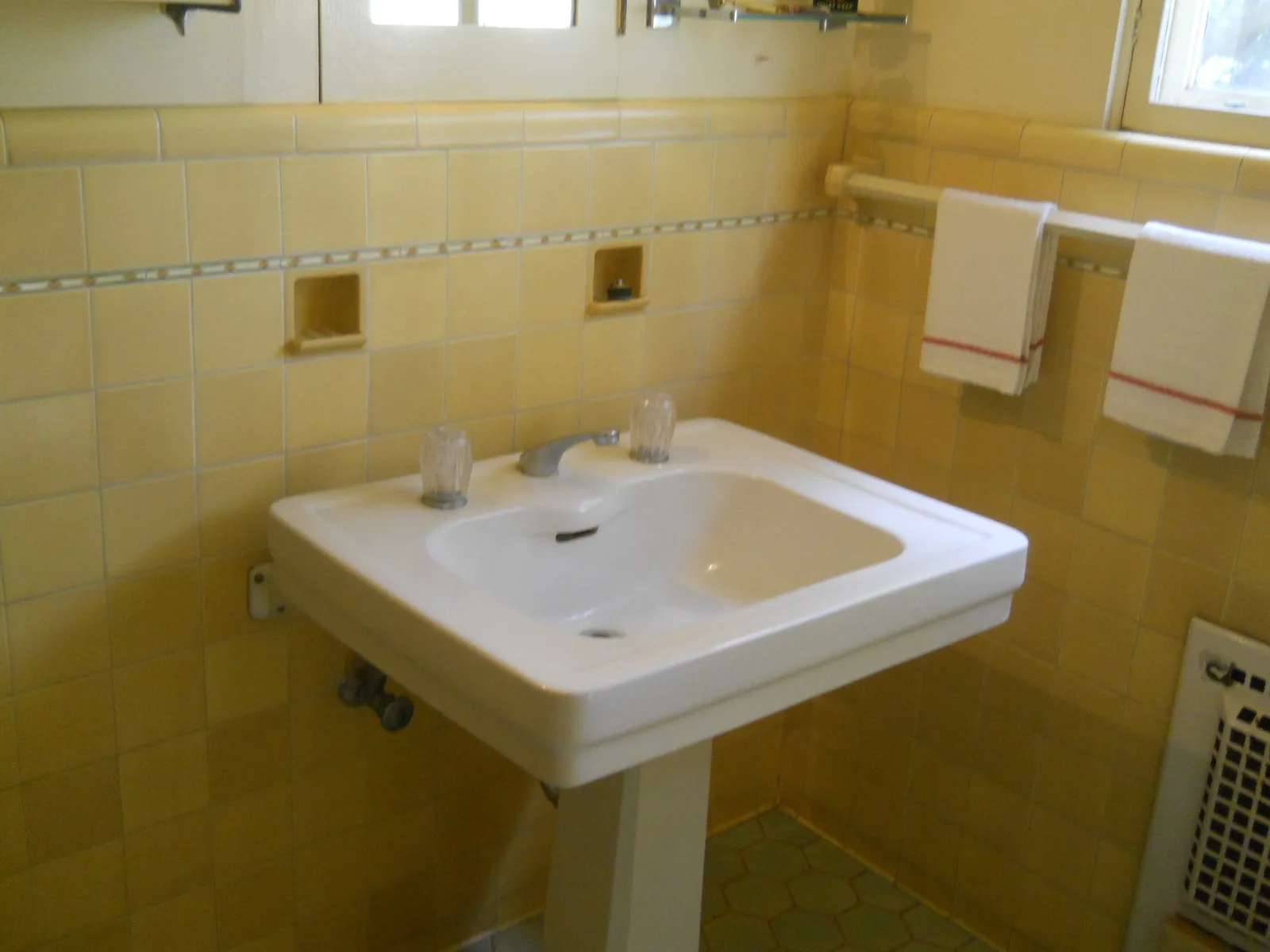
By 1900, the impact of germ theory advanced by scientists Lister and Pasteur in the 1860s was percolating down to the popular level. People suddenly understood that invisible organisms caused disease, and that realization had a direct effect on how homes were designed, especially bathrooms.
By the turn of the century, most homeowners had begun to tile their bathrooms not only for convenience and looks, but also in response to germ theory. As one Knoxville-based publication reported in 1907, a tiled bathroom could “quite safely be flushed out with a hose, and with little effort it is possible to keep the tile floor as clean as a dinner plate.”
The earliest modern American bathrooms were built around the idea of visible cleanliness. Germ theory was becoming widely accepted, and designers believed that white surfaces made dirt easier to spot and remove. White tile wasn’t just aesthetic. It was practically a public health statement.
The Hexagon Shape Had Ancient Roots
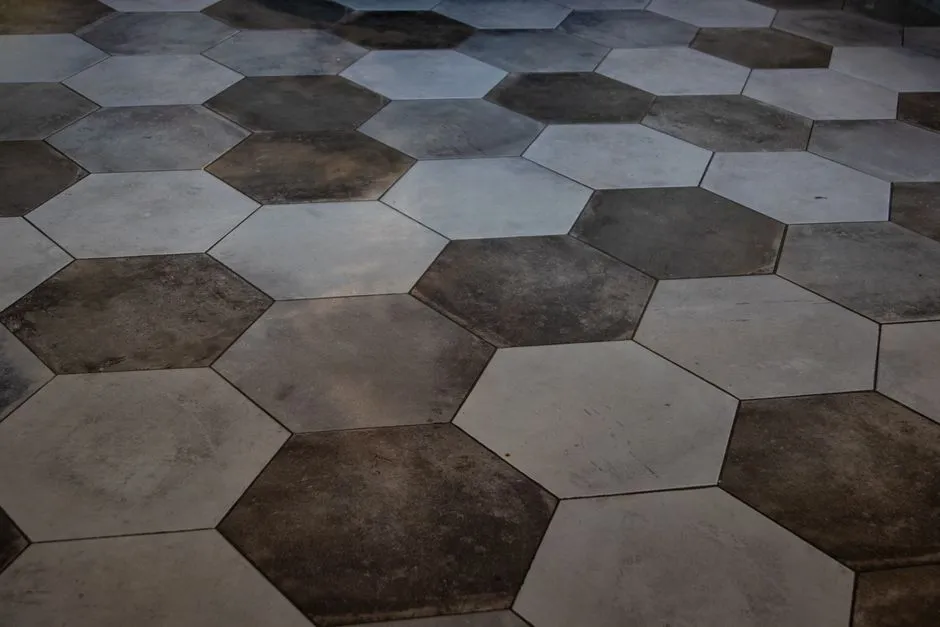
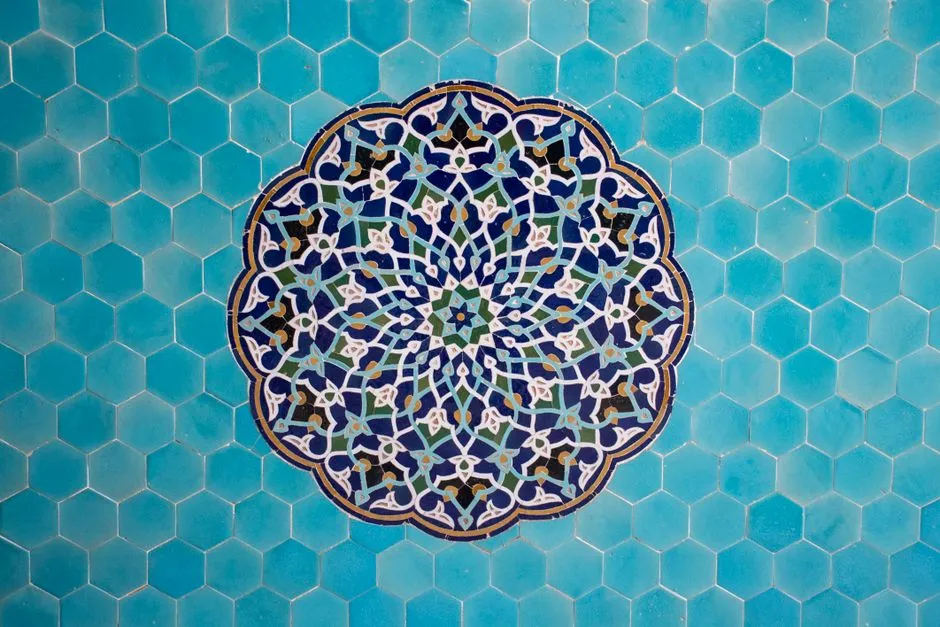
Hexagon tiles have a rich history dating back to ancient civilizations, where they were commonly used in mosaic artworks and architectural designs. Roman and Turkish baths often featured hexagon tiles, and they grace historic buildings and religious structures in countries around the world, with notable examples found in Spain, Italy, eastern Europe, Morocco, Egypt, the Middle East, Japan, and China.
Their geometric charm and balanced shape first gained popularity during the Victorian era, when tiled foyers and bathrooms became symbols of refined taste. Because of advances in manufacturing during that time, patterned floors with ornate mosaics became more widely accessible, allowing the hexagon tile to move from upper-class estates into everyday homes.
Industrial Manufacturing Made It Possible for Everyone
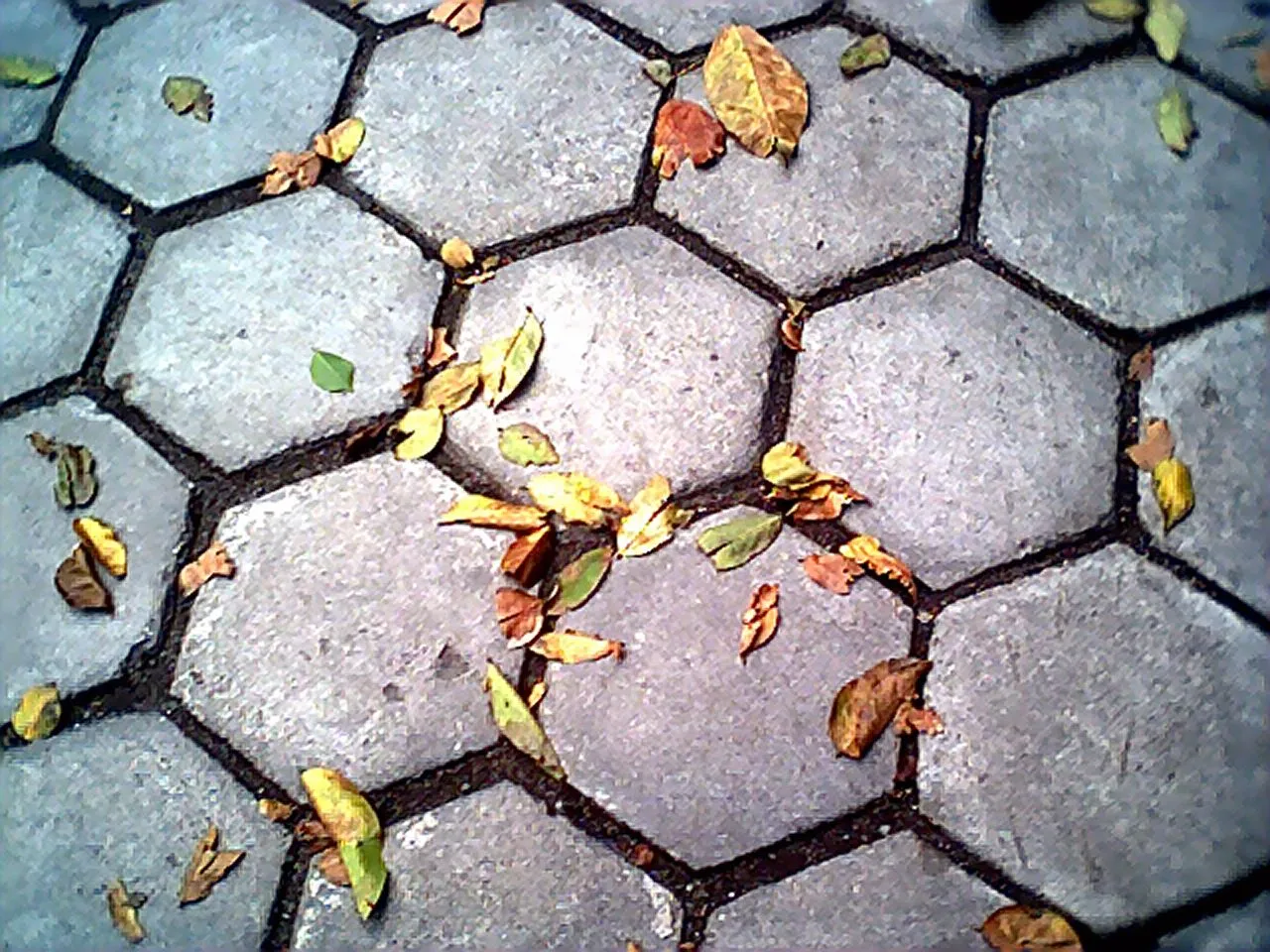
The six-sided shape experienced its first major modern resurgence during the Victorian Era in the 19th century. During this time, industrial manufacturing made mass-produced ceramic geometric flooring, including triangles, diamonds, and hexagons, affordable for middle-class homes, particularly in entryways and the newly developed tiled bathrooms.
Tile manufacturers made very small square and hexagonal tiles which could be fitted close together, almost mosaic-like, with no gaps in between, creating decorative, hard-wearing, and hygienic surfaces, according to Hans Van Lemmen, president of the Tiles and Architectural Ceramics Society in the United Kingdom. The ability to produce these tiles cheaply and consistently at scale was what truly brought them into ordinary homes.
The Shape Itself Was a Practical Genius
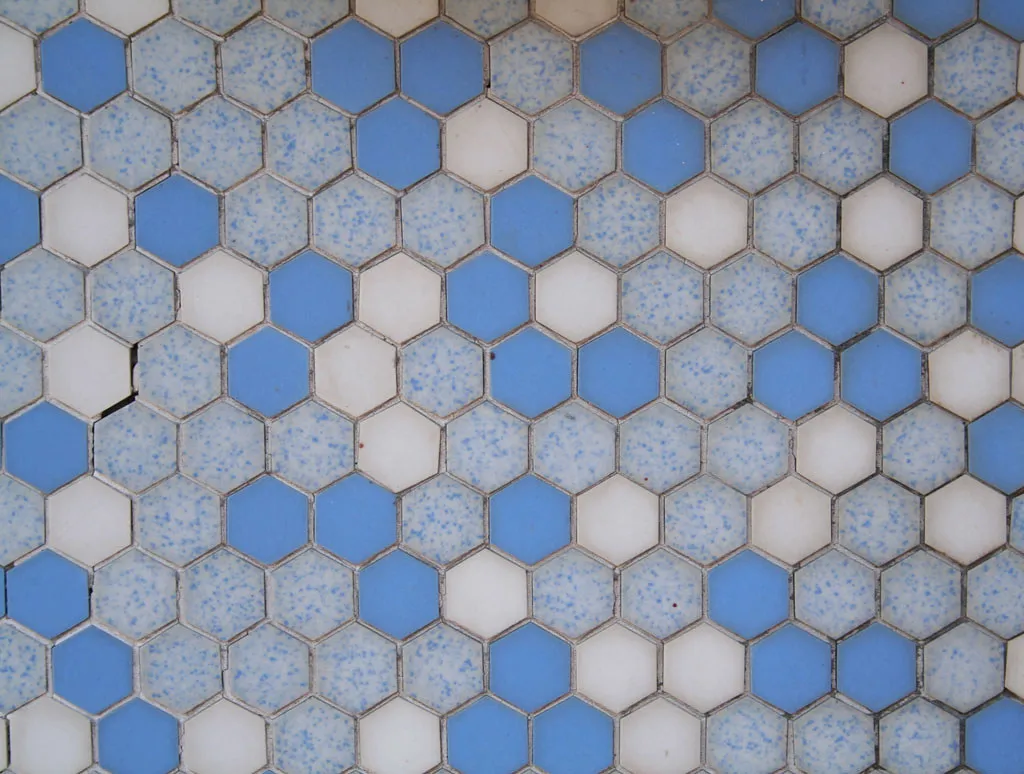
Hexagon tiles fit together with mathematical precision, creating a flow that feels organic yet structured. This inherent harmony appeals to our sense of order and beauty, which is why even as design trends change, the hexagon remains an aesthetic constant.
In the early 20th century, small 1-inch hexagon tiles became a staple in home decor, especially in bathroom floors. Their uniform shape and grout lines not only provided a non-slip surface but also conveyed a hygienic ambiance. More grout lines meant more friction underfoot, which mattered in a wet room. Function and form arrived at the same answer simultaneously.
Sales literature from that time pointed out not only the sanitary qualities of this choice but also that “small hexagonal floor tiles permit sections to be taken up with little difficulty and replaced at small expense.” Repairability was a real selling point in an era before disposable consumerism took hold.
White Was a Deliberate Choice, Not Just a Default
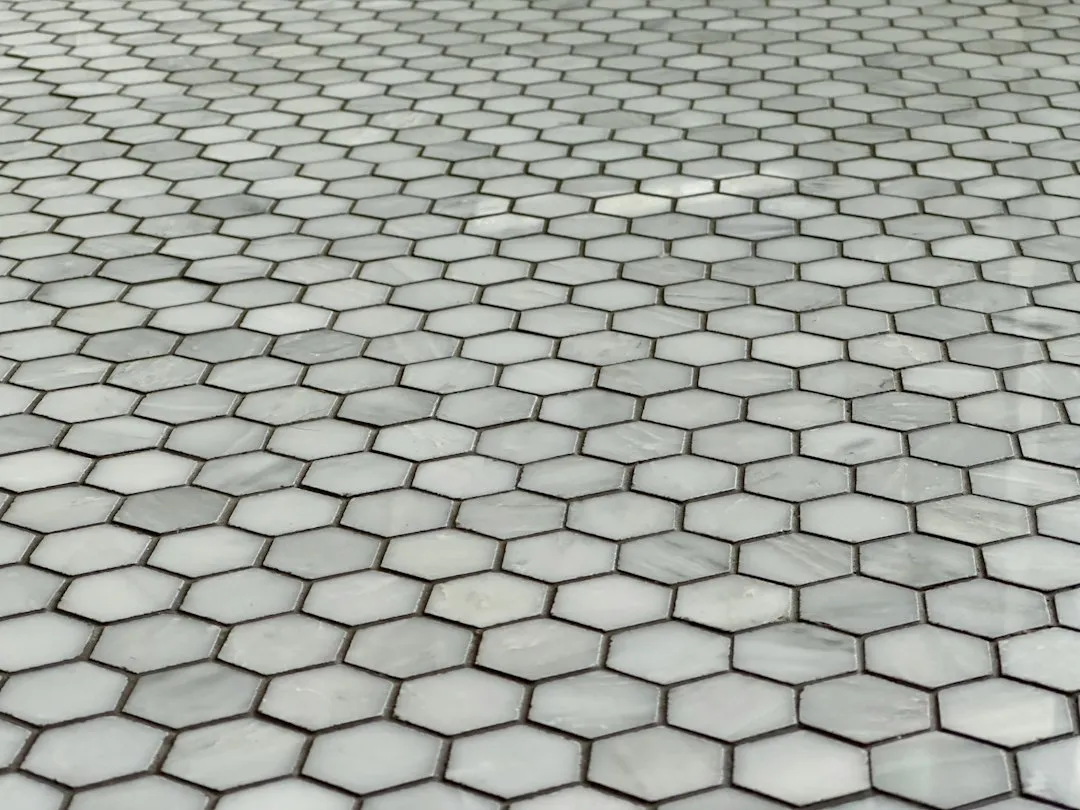
Hexagon tiles made a big entrance into home decorating in the early 1900s. In the 1-inch size, small tiles were mainly used for bathroom floors. White hexagon tiles were used to promote the feeling of a space being sanitized and clean.
The classic white hexagon tile was particularly favored for its association with purity and cleanliness. At a time when indoor plumbing was still relatively new, that association carried genuine social weight. A white bathroom signaled that a household was modern, responsible, and civilized.
Black and white hexagon mosaic tile carries the oldest bathroom reference still in regular use. The pattern dates to the 19th century, when indoor plumbing was new and the sanitary craze meant most bathrooms stayed obsessively white.
The Spanish Flu Supercharged the Trend
The arrival of the 1918 Spanish Flu was an especially powerful driving force behind the trend: one-inch hex tiles on the floors and three-by-six-inch subway tiles on the walls were less about the aesthetic and more about the functionality of cleanliness. Public health fear translated directly into interior design choices in ways that are easy to underestimate from a modern vantage point.
As a carryover of the Victorian interest in sanitary surfaces after the revelations of germ theory, hexagon tile offered a surface that lent itself to vigorous scrubbing and sanitation. Small pieces stood up to hard scrubbing, and if one cracked you could pop in a single replacement instead of tearing out a whole slab. These were real, meaningful advantages to the people living through repeated epidemic cycles.
Color Crept In During the 1920s and 1930s
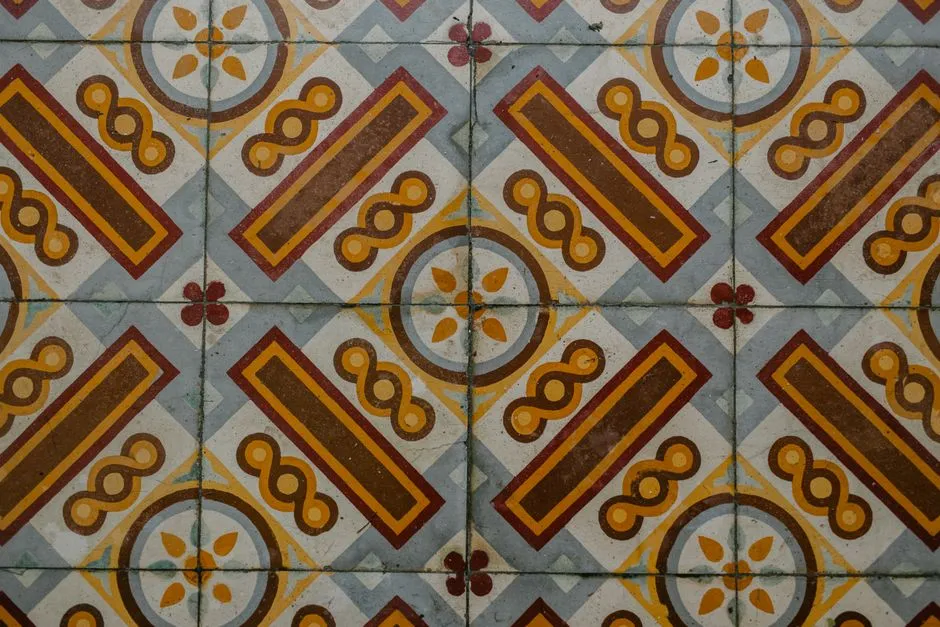
The 1920s marked a turning point in interior design, with hexagon floor tiles becoming a signature element of Art Deco and early Modernist aesthetics. The hexagon shape offered a perfect balance between geometric precision and visual texture, enabling intricate patterns while maintaining a sense of order. Common color stories included black, white, cream, and charcoal, often accented by bold primary colors.
By 1925, yellows, olive, and pink began to emerge, and by 1940 the full spectrum of colors was appearing in bathrooms, foyers, and courthouses. The tiles themselves, as well as the practice of tile installation, also became more hygienic in the 1920s and 1930s. What began as a purely sanitary choice had evolved into genuine design expression.
When Hex Tiles Fell Out of Fashion
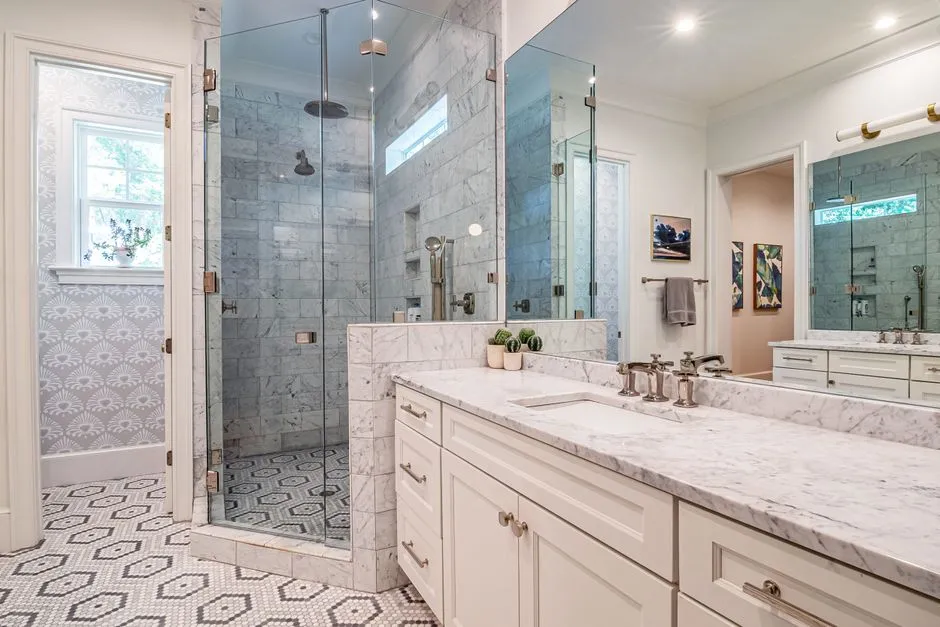
Over the years, classic penny and hexagon tiles began to take a backseat to more modern silhouettes and materials. Bathrooms of the 1950s and 1960s tended to favor colorful ceramic square tiles, and shapes and sizes continued to shift and evolve from there.
In the mid-20th century, these tiles experienced a resurgence with a shift toward minimalism. The intricate flourishes of the Victorian period gave way to small, white, penny-style hex tiles that emphasized cleanliness and efficiency. Then even those faded as postwar modernism pushed toward larger, bolder, simpler surfaces. The tiny hexagon felt fussy by comparison to a generation raised on clean lines and new materials.
The Modern Revival: Why They’re Back
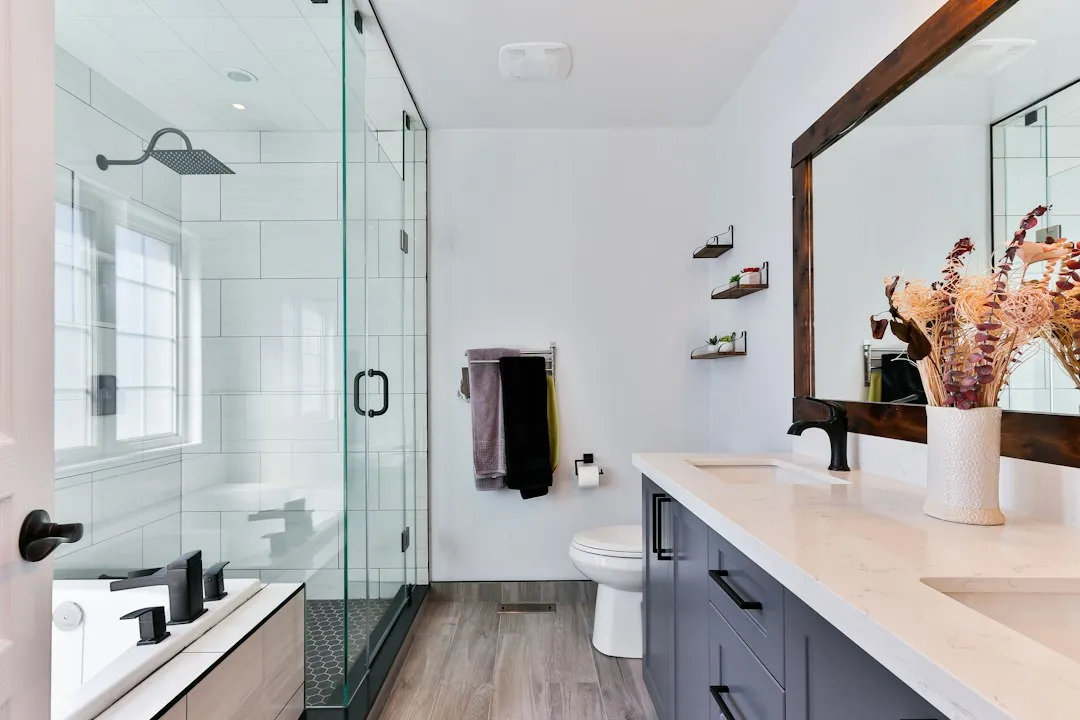
The years since 2024 have witnessed a renewed interest in hexagon tiles, with designers and homeowners embracing their geometric elegance to create contemporary yet classic aesthetics. Mosaic hex tiles have resurfaced as a popular bathroom trend notably in vintage-inspired bathroom designs.
Today, designers are bringing this classic shape back with natural stones like marble and travertine, giving hex tile a fresh, luxurious update. Some of the most creative modern takes on these classic tiles include custom patterns and even messages spelled out in tiles, more colorful variations, and installations moving up the walls to create entire hex tile showers and rooms.
Hexagon tiles have been used in homes for over a century, yet they feel just as modern today as they did in early 1900s design. From vintage bathrooms to contemporary kitchens, this geometric pattern continues to prove that great design never goes out of style.
A Shape That Survived Its Own Story
AI Disclaimer: This article was created with the assistance of AI tools and reviewed by a human editor.