

Something is shifting quietly in backyards across the country. Gardeners who once dutifully ran a tiller through their beds every spring are now putting that machine away for good. The idea is simple on the surface: stop turning the soil. The reasoning behind it, though, runs much deeper than that.
No-till gardening has been rapidly gaining popularity among growers for the last few decades, and its benefits and drawbacks are now more widely known and researched than ever before. What started as a practice on large commercial farms is finding its way into plots that measure ten feet by twenty. Here’s why that matters.
From the Farm Field to the Backyard
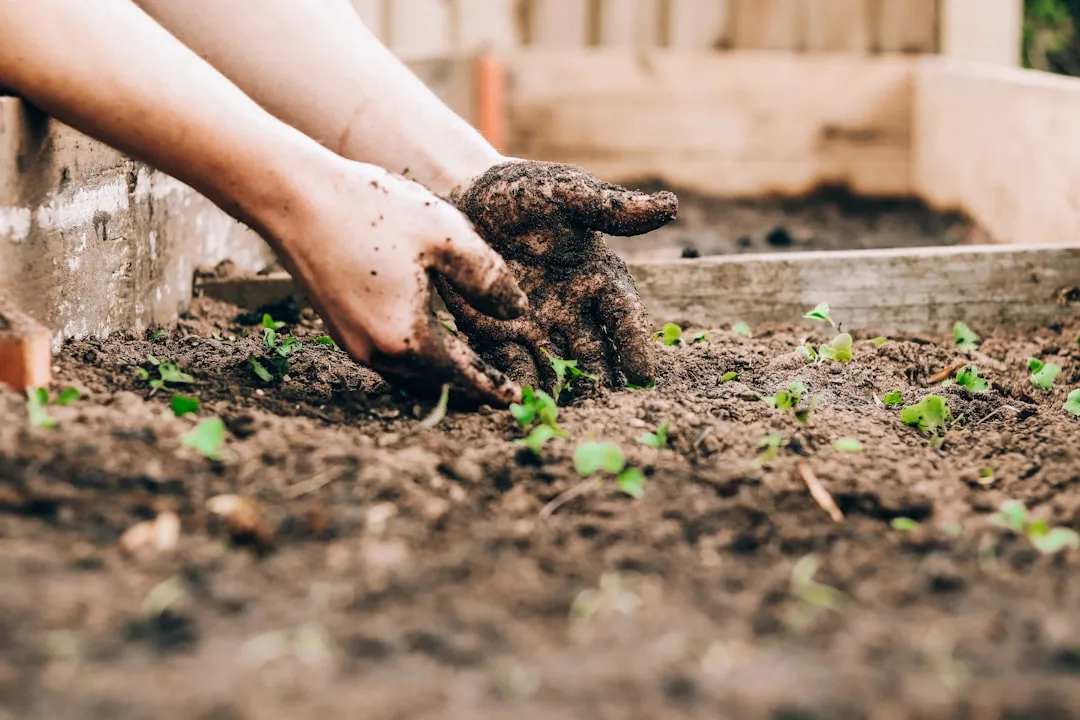
In the past, no-till or regenerative farming had been mostly associated with large tracts of farmland. Years later, no-till gardening has been making its way into our backyards. The transition happened gradually, driven partly by social media communities, partly by books, and partly by growers who were simply tired of backbreaking soil prep that seemed to undo itself each season.
Regenerative gardening focuses on restoring and revitalizing ecosystems, and gardeners are adopting practices such as no-till gardening, incorporating cover crops, and creating wildlife-friendly habitats. The goal is to not only grow beautiful plants but also contribute positively to the surrounding environment.
Regenerative agriculture is extending its influence into backyard gardens, with this approach focusing on restoring soil health, increasing biodiversity, and sequestering carbon. Techniques such as no-till gardening, cover cropping, and companion planting are key components of this growing trend.
What “No-Till” Actually Means
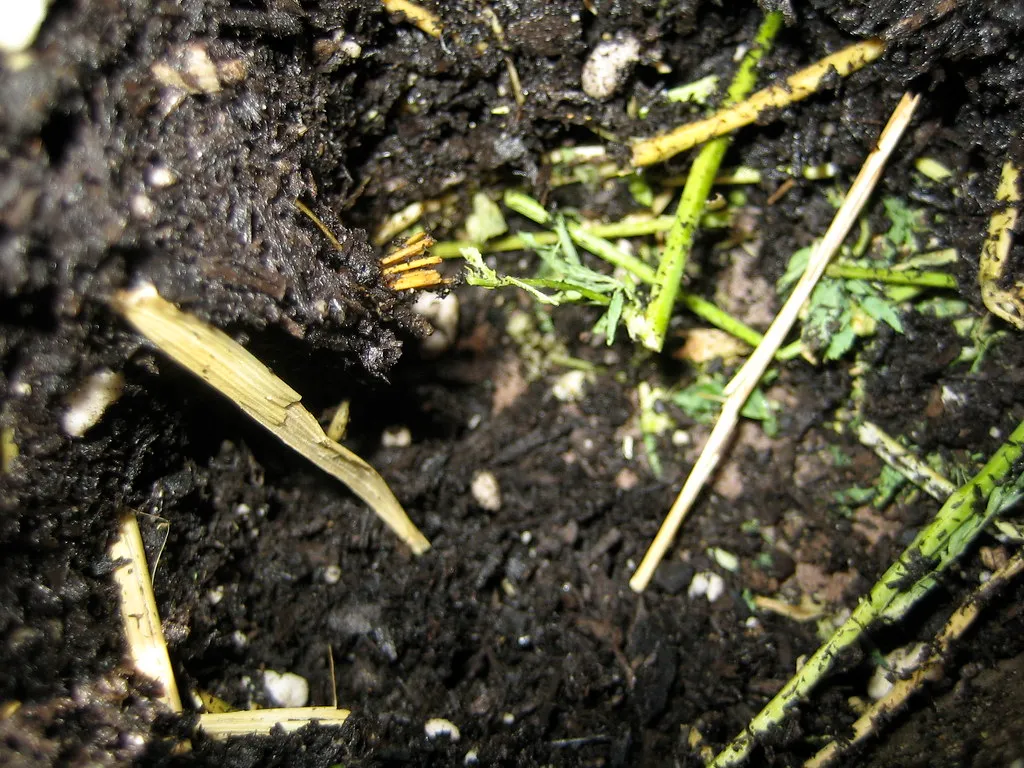
No-till gardening, also known as no-dig gardening, is the practice of avoiding the intentional disruption of soil. That definition sounds almost too simple, but the implications are significant. Keeping the soil intact means preserving everything living inside it.
No-till gardening centers on disturbing the soil as little as possible, with the goal of increasing soil life and biology, and improving overall soil health. In practical terms, this means no rototillers, no spading forks driven deep into the earth, and no annual bed prep that leaves soil exposed and bare.
In conservation agriculture, there are three core principles for maintaining living soil: keep it covered as much as possible, keep it planted as much as possible, and disturb it as little as possible. For a home grower, those three rules translate into mulching, succession planting, and resisting the urge to dig.
What Tilling Actually Does to Soil
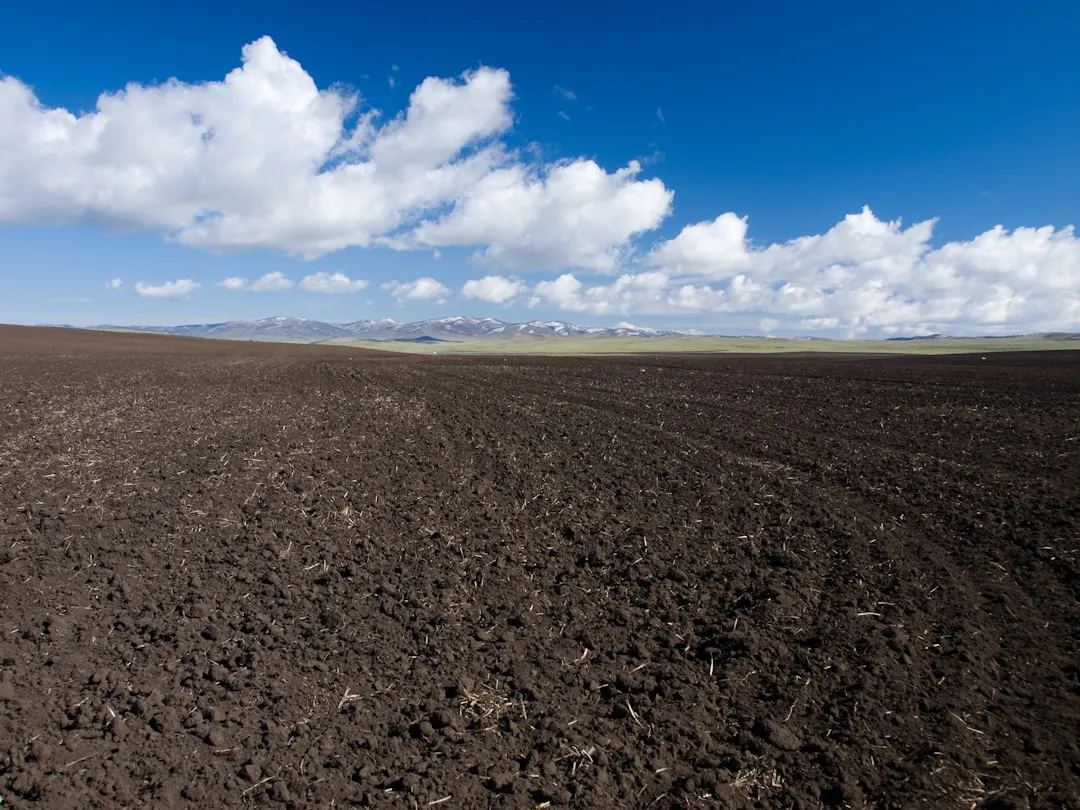
Tilling compacts soil, destroys air-and-water pores, and can increase runoff, erosion, and surface crusting. It also disrupts microorganisms and other soil life that cluster around roots and drive soil health. These aren’t minor inconveniences. They’re fundamental breakdowns in the system that feeds plants.
Tilling buries surface weeds but brings buried seeds to the surface where they can germinate. It loosens the soil temporarily but upsets the soil food web, destroys soil particle aggregation, and releases carbon into the atmosphere. After a couple of rains, the soil re-compacts and erosion issues return.
Tilling is still practiced by many gardeners, but it has many downsides. It can degrade the structure of the soil, resulting in compaction, and encourage the practice of leaving soil bare, which exposes it to erosion. Essentially, every till cycle creates a problem that demands another intervention to fix.
The Science of Soil Biology
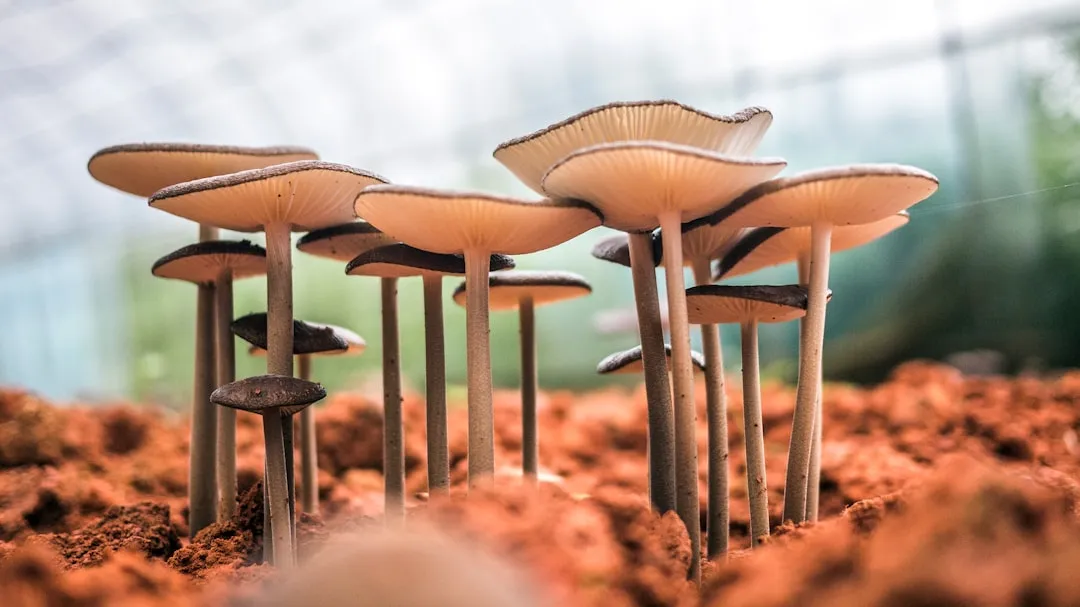
As microbes feed on organic matter and on each other, they release plant nutrients and produce substances that bind soil particles into larger aggregates that keep pores open. That process, quiet and invisible, is the engine of a healthy garden. Tilling shatters it.
Bacteria, the most numerous soil organisms, play a primary role in breaking down organic compounds, fixing atmospheric nitrogen, and storing nutrients. Fungi complement bacteria by decomposing tougher materials, while mycorrhizal fungi form symbiotic networks with plant roots to extend nutrient and water absorption.
Mycorrhizal fungi form symbiotic relationships with plant roots, extending root systems and improving access to water and nutrients. Tilling breaks up these fungal networks, while no-till gardening allows them to thrive, creating extensive networks that connect multiple plants and signal stress responses. According to the Smithsonian Environmental Research Center, over 80 percent of land plants rely on mycorrhizal fungi to obtain nutrients and water.
Better Water Retention, Especially When It Matters Most
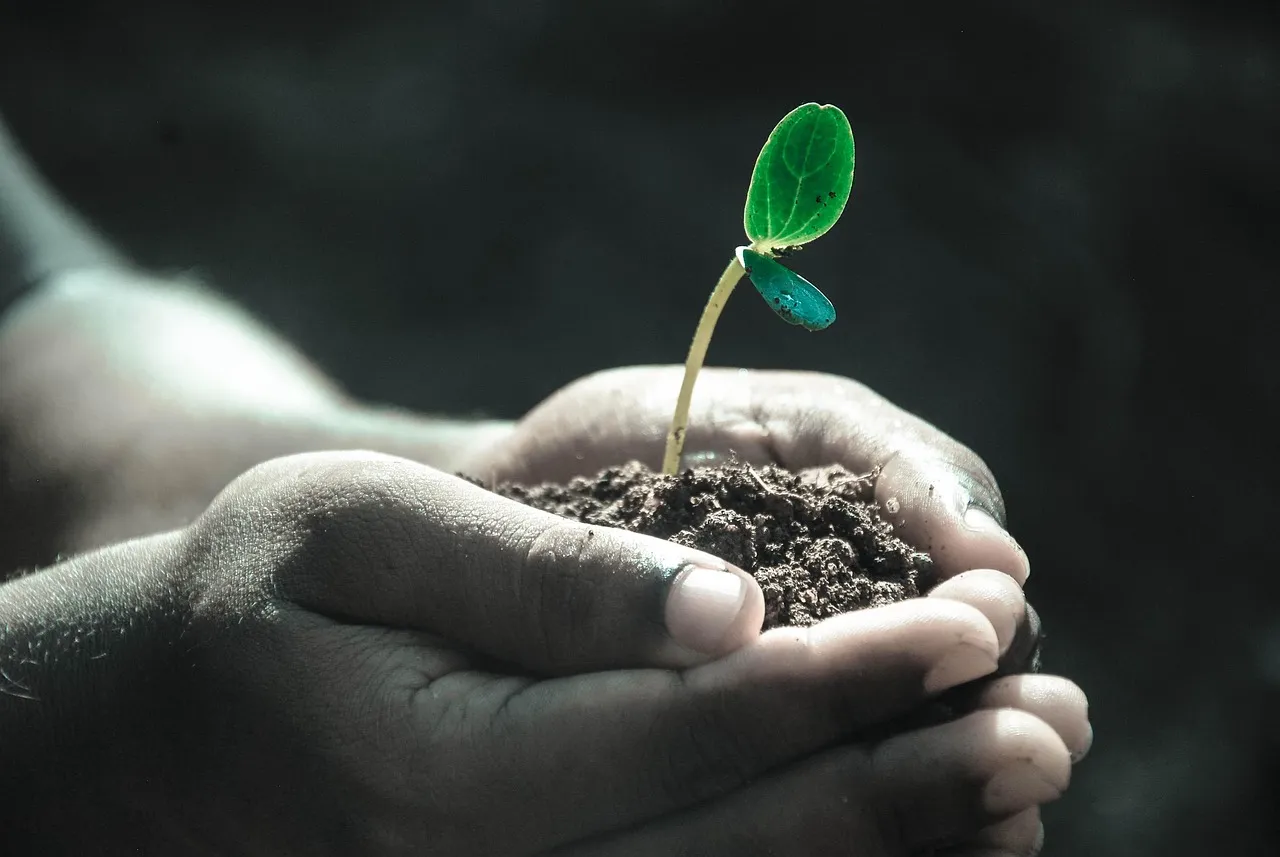
No-till farming can build climate resilience by enhancing soil health. Healthy soil has a higher water-holding capacity, meaning it can better absorb and hold on to water during periods of heavy precipitation and drought, making gardens more resilient to extreme weather.
Research from the University of Nebraska Lincoln found that more water can infiltrate no-till soil versus conventionally tilled soil. During a 90-minute period, almost 4 inches of water were applied to no-till land before any runoff started. It took only 1 inch before runoff began on tilled land. That’s a striking gap for any gardener dealing with summer dry spells.
A global review of tillage practices found that conventional tillage increases CO2 emissions through soil disturbance and oxidation of organic matter, while reduced-till and no-till systems reduce CO2 and help mitigate other greenhouse gas emissions. No-till also enhances water retention, reducing drought stress.
Carbon Storage and Climate Connection
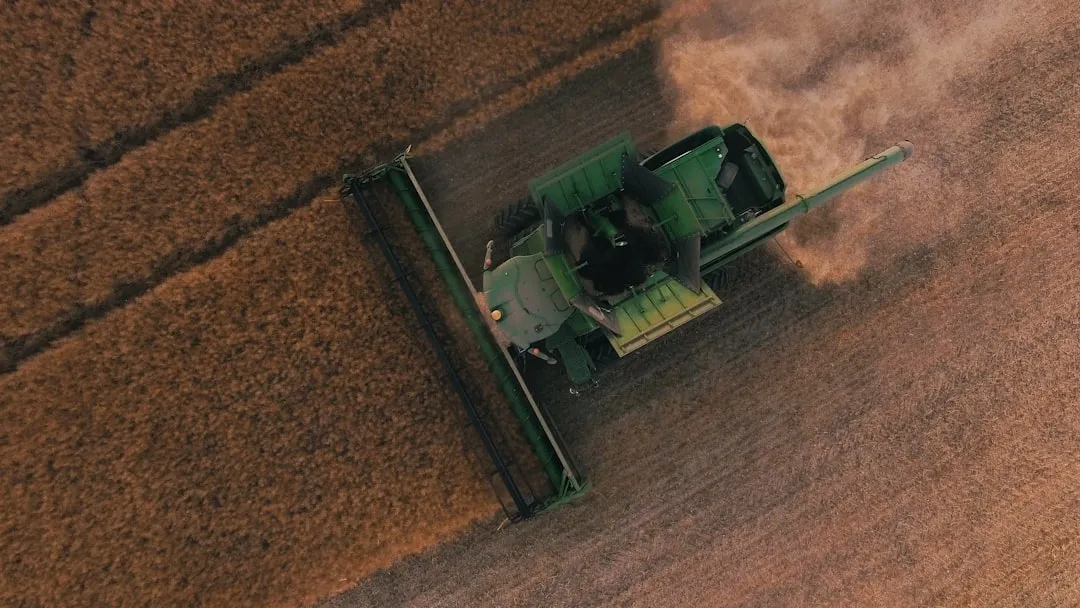
No-till farming promotes carbon sequestration primarily by minimizing soil disturbance, which reduces microbial oxidation of organic matter and enhances residue incorporation into the soil surface, potentially increasing soil organic carbon stocks. For backyard growers, this connects a small personal decision to a much larger environmental picture.
Meta-analyses of paired experiments indicate that no-till typically elevates soil organic carbon concentrations in the top soil layer by approximately 38 percent compared to conventional tillage, though gains diminish with depth.
No-till farming mitigates climate change in two ways: it reduces the use of fossil fuel-powered machinery and it helps soil hold on to carbon, preventing the release of greenhouse gas emissions during tillage. For a home gardener, removing a gas-powered tiller from the equation matters on both counts.
The Weed Problem, Reconsidered
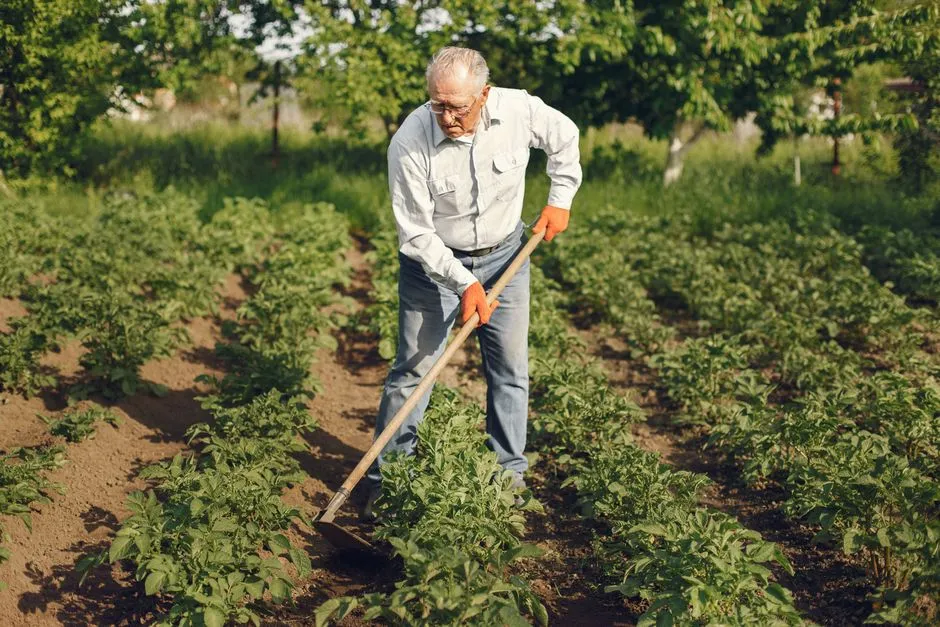
Weed seeds, some of which can remain dormant in the soil for several years, come to the surface under the blades of a tiller, then germinate and become a problem. A big part of no-till gardening is keeping the soil protected with a mulch layer, leaving the seeds in place and suppressing any weeds that pop up.
Among the key advantages of no-till gardening are fewer weeds over time, more stable soil temperatures on hot and cold days, and increased moisture retention. That fewer-weeds claim often surprises new converts, since it runs counter to the old idea that a freshly turned bed is a clean bed.
Over time, no-till beds show less weed pressure, better water retention, and healthier plants overall because of the soil life being maintained rather than disrupted. It takes a season or two to see the full effect, but most growers who stick with it report noticeably lighter weeding workloads by year two.
Erosion Control That Actually Works
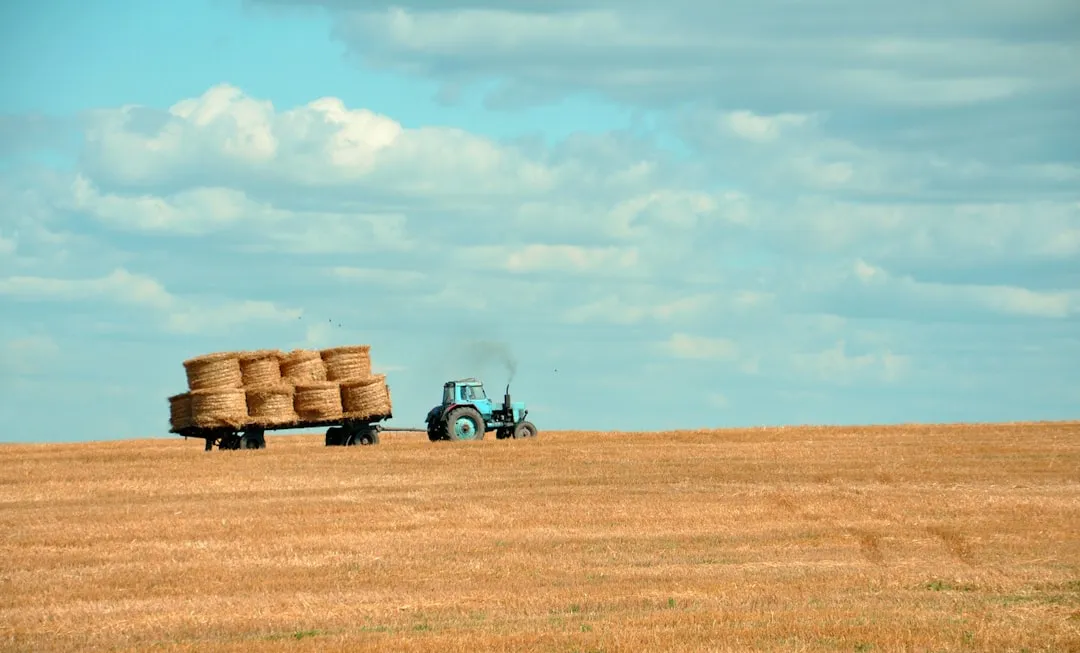
No-till farming can reduce soil erosion by more than 80 percent, which has the added benefit of protecting water quality by keeping sediments on the land and out of bodies of water. In a backyard context, that translates to less topsoil washing into drains and more fertile ground staying exactly where it’s needed.
In a no-till system, the remains of previous crops remain on the soil instead of being plowed under. This adds organic matter to the soil and prevents wind and water erosion, which is especially important as storms become more frequent and intense.
Without organic matter additions and under conventional tillage, growers tend to rely on chemical fertilizers, insecticides, and herbicides to feed and protect plants. The combination of runoff and chemicals is a well-documented cause of pollution in surface water and waterways, and a major cause of pollinator death. No-till quietly reduces that whole chain of dependency.
Practical Methods for the Home Grower
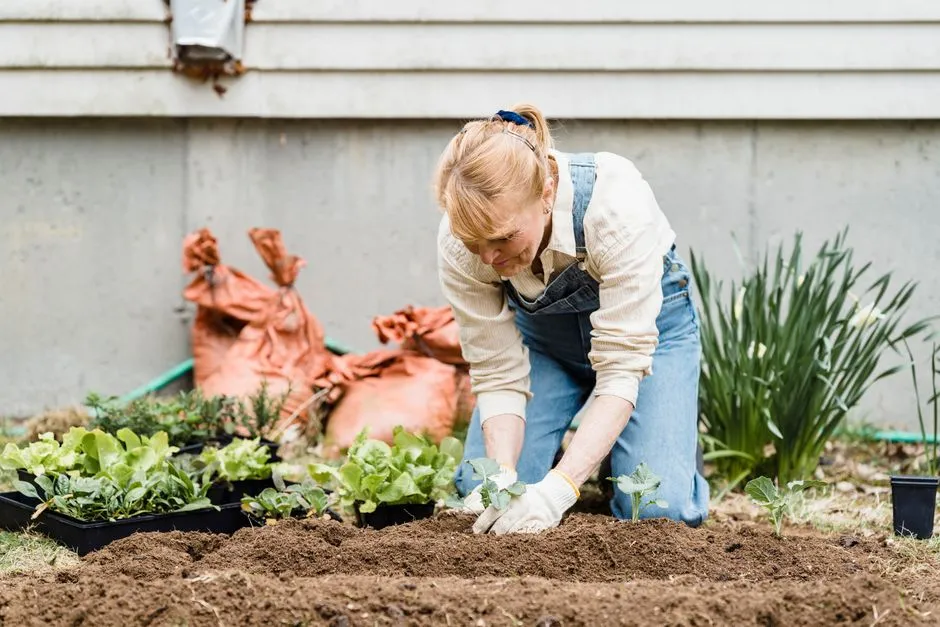
Using transplants is easier in no-till gardening systems because the mulch layer is easier to plant directly into rather than direct seeding, especially for small-seeded crops like lettuce and broccoli. To transplant, a trowel or other tool is used to make holes large enough to plant into.
Creating beds only wide enough to reach into the middle and lining paths with straw prevents foot traffic from compacting the soil. Lasagna beds will shrink as materials decompose and may need refreshed layers each year. These are adjustments any backyard grower can make without special equipment.
Without tilling, soil maintains its natural structure, including air pockets and channels created by earthworms and roots, which improve water infiltration and root penetration. Layers of decomposing mulch and compost build a fertile topsoil rich in organic matter, boosting plant growth and resilience.
Honest Limitations Worth Knowing
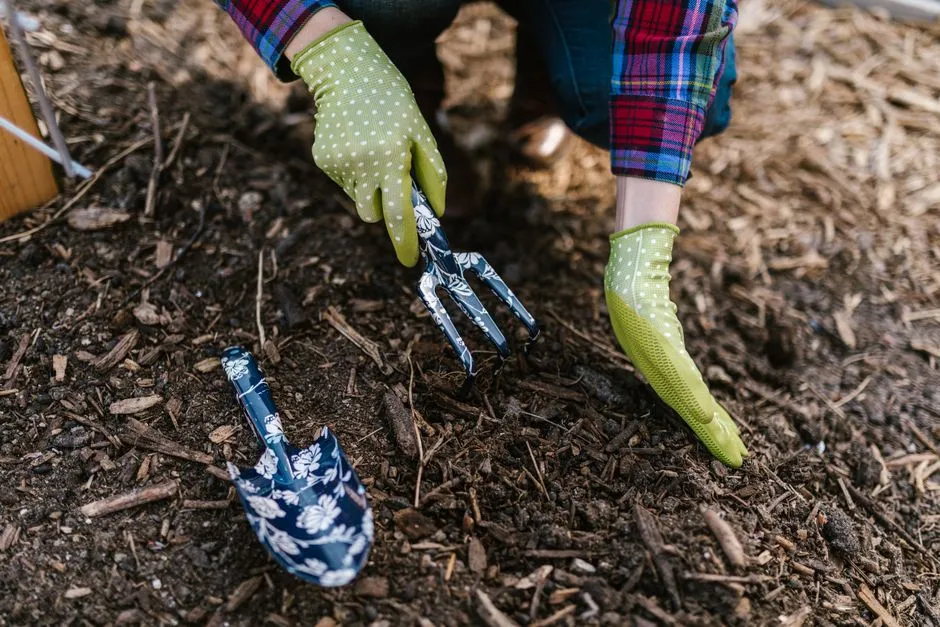
Covering the soil makes it more difficult to direct seed into the bed, especially for home gardeners who don’t have large seed drills. Mulch also keeps the soil from warming up as quickly in spring as un-mulched beds. However, according to Oregon State University Extension horticulturist Erica Chernoh, the benefits far outweigh those drawbacks.
Mechanical tillage does have its place, especially in the formation of new garden beds with high compaction and low organic matter. Most no-till advocates acknowledge this. A single initial dig to break up compacted ground before transitioning to permanent no-till beds is generally considered reasonable.
While the percentage of US farmers, growers, and home gardeners using no-till practices is still small, it is growing. The data supporting no-till is strong. Growing interest, paired with ongoing research and a wider community of practitioners sharing results, means the knowledge base keeps improving year by year.
Conclusion: A Quiet Shift With Lasting Roots
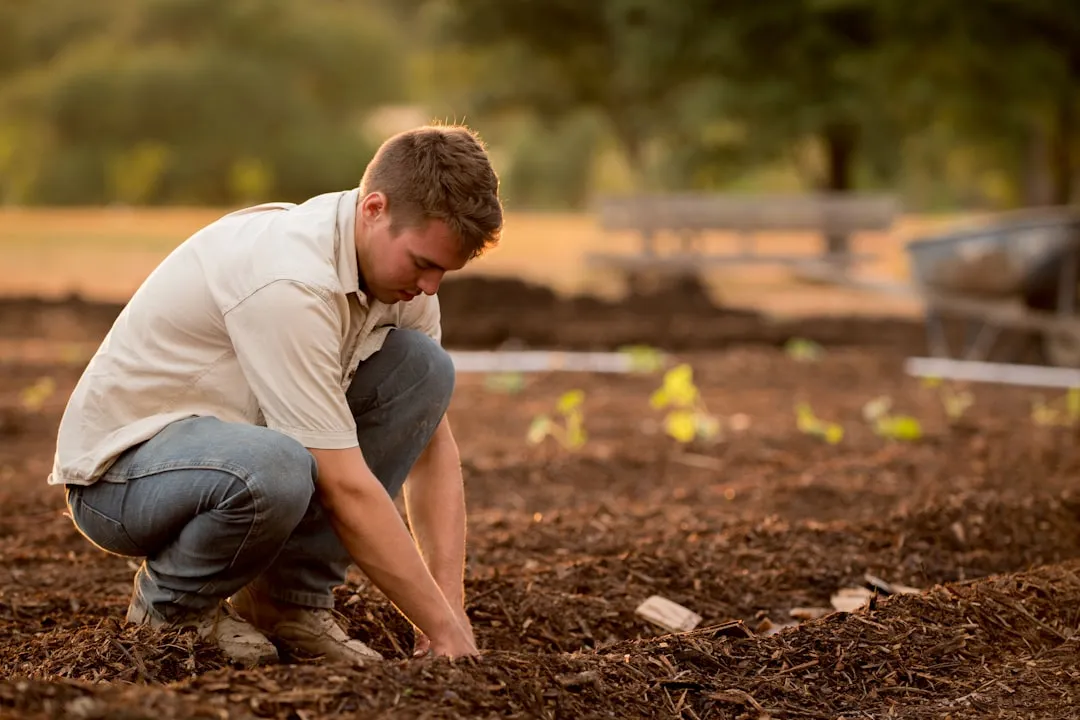
No-till gardening doesn’t promise instant results. The soil takes time to recover, fungi take time to rebuild networks, and earthworm populations take time to establish. What it offers is a fundamentally different relationship with the ground beneath the garden.
In a no-tillage system, carbon dioxide is sequestered in the soil where it supports microbial life that helps feed plants. It’s one way no-till growers can contribute to combating climate change, even at the scale of a small backyard plot.
The real draw may be simpler than any scientific argument. When gardeners stop fighting their soil and start working with it, they often find they’re doing less work, spending less money on fertilizers, and pulling fewer weeds. That’s a trade most people are willing to make. The shovel stays in the shed. The soil takes it from there.
AI Disclaimer: This article was created with the assistance of AI tools and reviewed by a human editor.