
The Science of Thermal Expansion in Building Materials
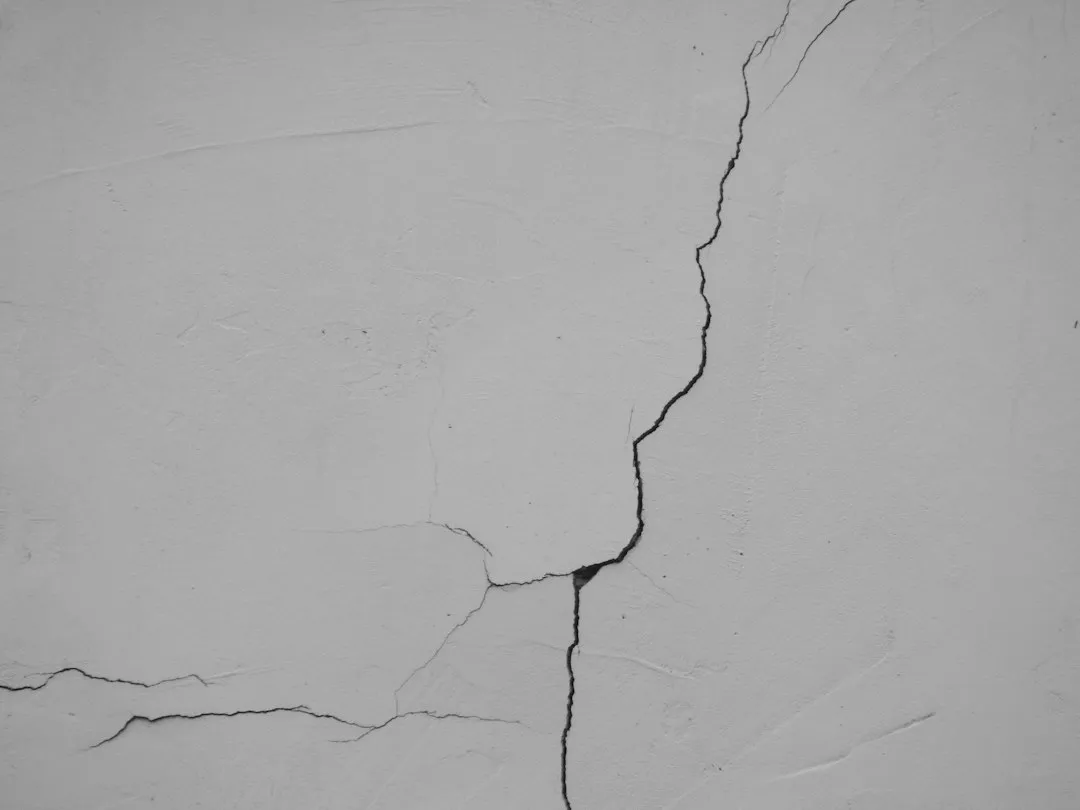
Temperature changes cause building materials to expand and contract, and your drywall, joists, and other ceiling components move slightly with every seasonal temperature shift. The problem is that different materials expand and contract at different rates. When they’re all fastened together, those differences create internal stress.
Seasonally, as temperatures and humidity vary, the width of a ceiling crack also changes, from close to hairline in warm humid summer months to nearly one eighth of an inch in cold, dry winter months. That gap is not random. It’s the ceiling telling you exactly how much it moved.
Using coefficients of thermal and moisture expansion for drywall, with a ballpark estimate of seasonal temperature variation of 20 degrees and relative humidity variation of 30 percent, the total expansion or contraction range over a 744-inch ceiling is about 0.28 inches, more than a quarter inch, which is more than enough to cause a significant ceiling crack.
How Truss Uplift Quietly Pulls Your Ceiling Apart
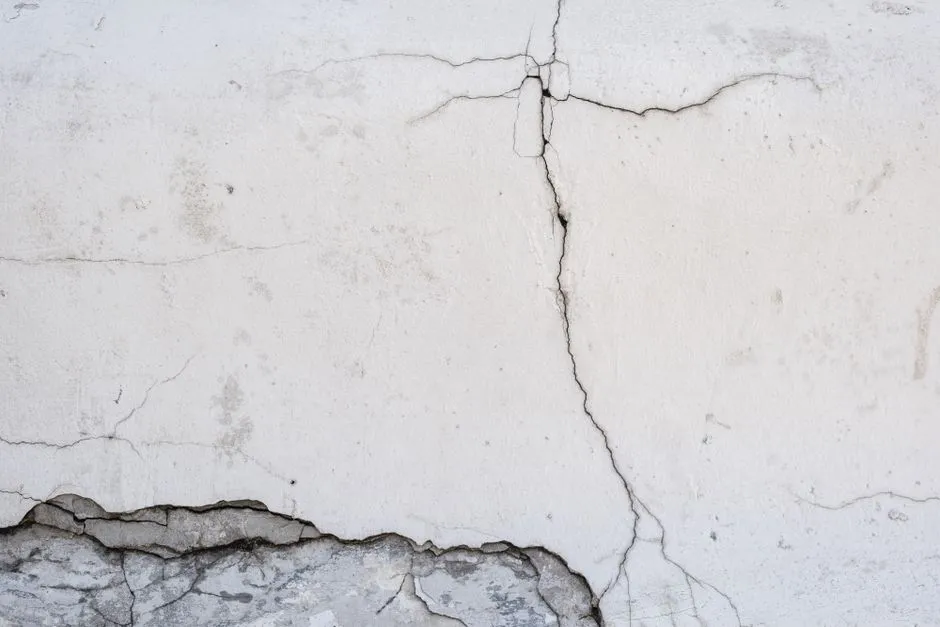
When a home shows interior ceiling corner cracking at the top floor in winter, this can normally be associated with truss uplift, a phenomenon that occurs when the truss bottom chord is exposed to significantly different moisture and temperature conditions than the rest of the roof truss.
In winter, the warm temperature from the ceiling below and the insulation thickness keeps the bottom chord dry, causing it to shrink, while the truss top chords above the insulation absorb moisture from the attic’s higher humidity and expand. This differential movement in the truss top and bottom chords causes them to arch upward in the center.
The web members connected to the top chords near the apex pull the bottom chord upward, resulting in roof truss uplift that can cause cracks of up to approximately 20 millimeters in width between ceilings and partitioning walls. That’s a visible gap, not just a cosmetic smudge. Truss uplift causes approximately 20 percent of ceiling crack problems in homes with this type of roof framing.
The Hidden Role of Indoor Humidity Swings
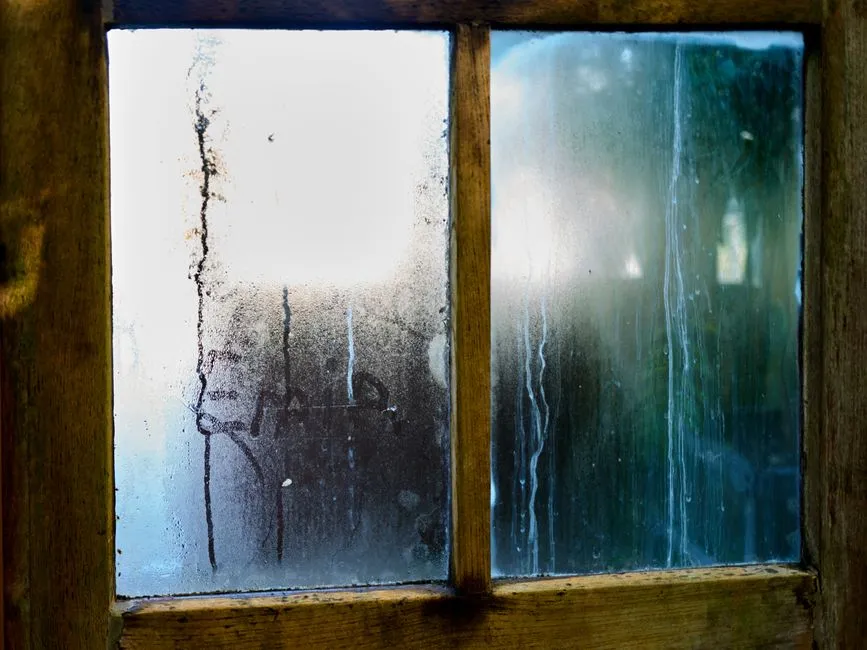
Drywall’s sensitivity to moisture can lead to joint cracking. During periods of high humidity, drywall absorbs vapor from the surrounding air and expands, and once the humidity decreases, the drywall dries and shrinks. Winter heating does exactly that: it drives indoor humidity down rapidly.
Drywall expands about half an inch per 100 feet with a relative humidity change from 13 to 90 percent unless control joints are present. Most homes lack adequate control joints in their ceiling drywall, so the stress has nowhere to go except into cracks.
Your home’s relative humidity fluctuates based on the seasons and weather conditions, and a relative humidity of 50 percent or less is considered ideal. In winter, you may want the interior humidity to be on the lower end, around 40 percent, while 50 percent is more appropriate in summer. That seasonal adjustment matters more to your ceiling than most homeowners realize.
Why Your Heating System Is Part of the Problem
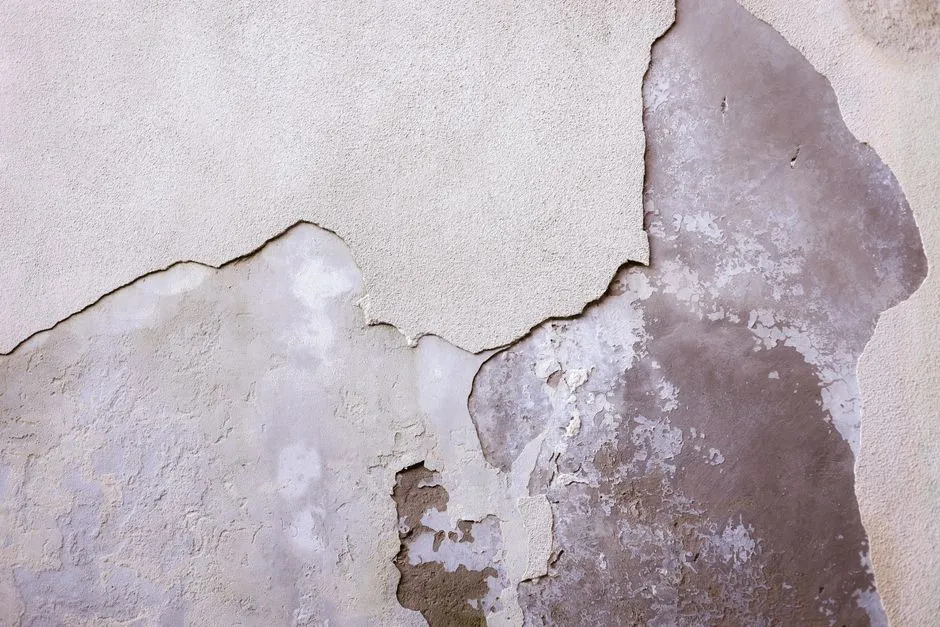
In winter, your home is heated, causing materials to expand, and over years of these cycles, stress builds up and cracks can form. Forced-air heating is especially aggressive. It pushes hot, dry air through the house quickly, which means ceiling materials experience rapid temperature and moisture changes within the same day.
Your target indoor humidity needs to shift downward as outdoor temperatures drop. When outdoor temperatures fall below freezing, even moderately humid indoor air at 40 to 45 percent relative humidity can reach its dew point when it contacts cold surfaces like exterior walls, window frames, and rim joists.
Cycling your thermostat up at night and down during the day compounds this effect. The ceiling drywall expands with every burst of heat and contracts as the house cools, essentially bending back and forth along its weakest points: the joints between panels.
Cold Attic Air Creates a Damaging Temperature Gradient
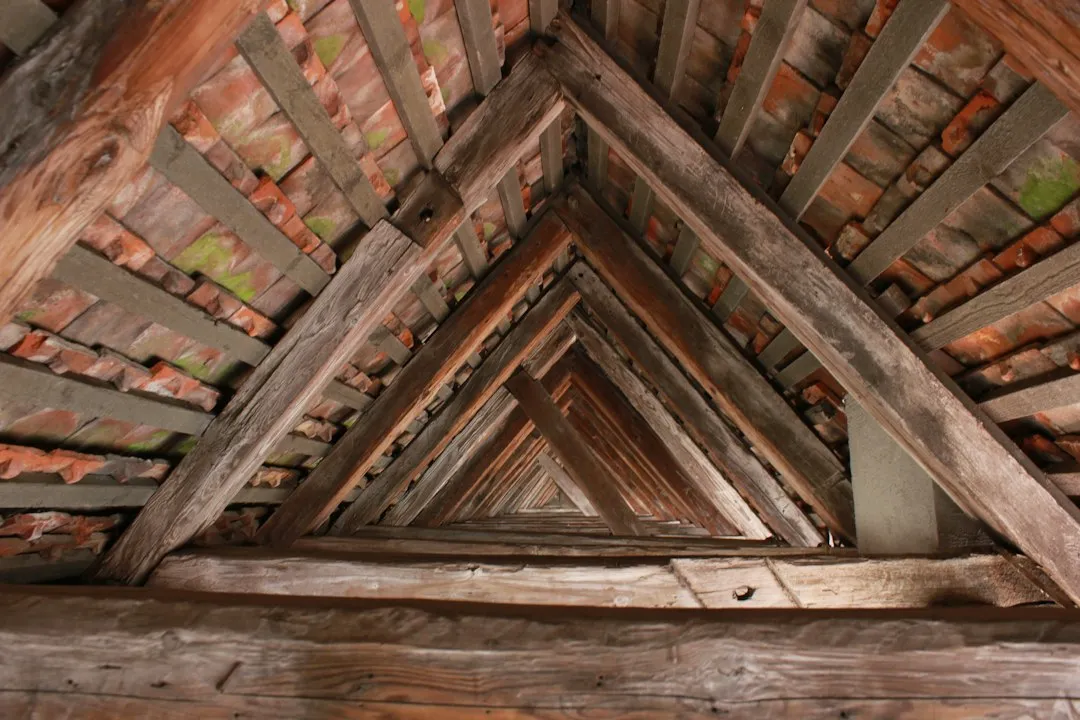
The bottom chord in many homes is buried in insulation, and because the truss is touching the warm ceiling drywall below, the temperature of the insulation close to the ceiling is far warmer than the attic air temperature. Meanwhile, the upper portion of the truss is exposed to cool and drier attic air. This temperature difference is the core engine of truss uplift.
During the winter months, the bottom chord of the truss is buried in ceiling insulation, warm and dry, while the top chord and web members in a ventilated attic are exposed to the high relative humidity of cold air and possibly occasional condensation. They have high moisture content and expand, while the dry bottom chord contracts, and because the bottom chord is secured at both ends to the bearing walls and cannot move laterally, the result is that the expanding top chord and web members pull the bottom chord upward.
This upward bow happens gradually over the course of the heating season. In many homes there is a seasonal problem where in the winter the ceiling actually lifts itself right off the wall in the center of the house, and then settles down again after the heating season.
Nail Pops: When Fasteners Fight the Movement
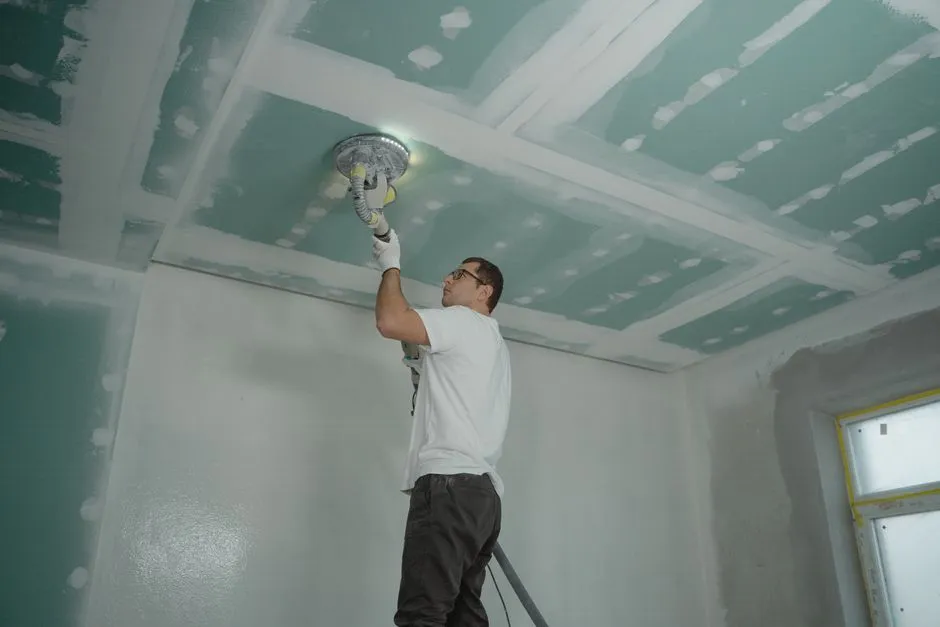
When the ceiling moves and the fasteners holding it in place don’t, something has to give. The result is what builders call nail pops: small circular bumps or craters that form around drywall screws or nails. They’re most common on ceilings because that’s where thermal and moisture forces are greatest.
Arched roof trusses, moving in response to moisture and temperature variations across the truss, can lift the building ceiling sufficiently to cause nail pops or actual tears at the ceiling-wall juncture. Nail pops often appear before a full crack does, serving as an early warning sign of movement.
Repairing them temporarily by hammering them back in without addressing the underlying movement is a common mistake. Without fixing the source of the displacement, they’ll simply pop out again the following winter.
Where Joint Compound Is the Weakest Link

Joint cracking occurs where adjacent drywall panels meet. If such a crack is repaired with tape and finished with joint compound, it may rupture again if it undergoes further stress, which could indicate that losses are a result of long-term damage or pre-existing conditions.
High moisture exposure can degrade the joint compound, allowing the seams to show through. Joint compound is essentially a hardened paste, and it simply lacks the flexibility to absorb the seasonal movement that modern building materials go through. It’s rigid by design, which works fine in stable conditions but fails repeatedly in unstable ones.
Many homeowners patch the same crack every spring, only to watch it reopen by December. That cycle will continue until either the movement is controlled at the structural level or a flexible filler material is used in its place.
Poor Attic Insulation and Ventilation Make It Worse
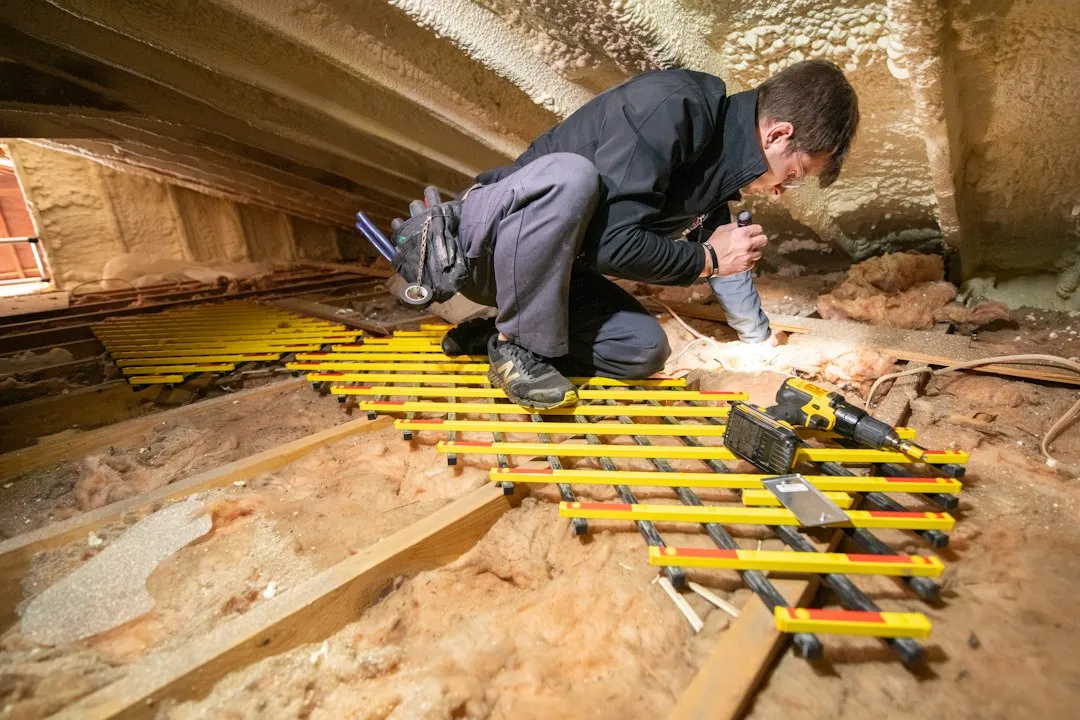
Condensation and moisture-related ceiling problems happen most often when there is no insulation in a particular section of the ceiling due to poor workmanship or rodent activity, combined with a lifestyle that generates high moisture with inadequate ventilation during winter. The uninsulated ceiling is closer to the cold outdoor temperature.
By preventing a buildup of moisture in the attic, you effectively control expansion of the wood framing members and lessen their movement during cold weather. Adequate attic ventilation is one of the most practical tools for reducing winter ceiling cracks, yet it’s frequently overlooked during home renovations.
An attic that’s too warm in winter also defeats its own insulation. Heat escaping through a poorly insulated attic floor warms the top chords of the trusses unevenly, which intensifies the moisture differential that drives truss uplift in the first place.
When Cracks Signal Something More Serious

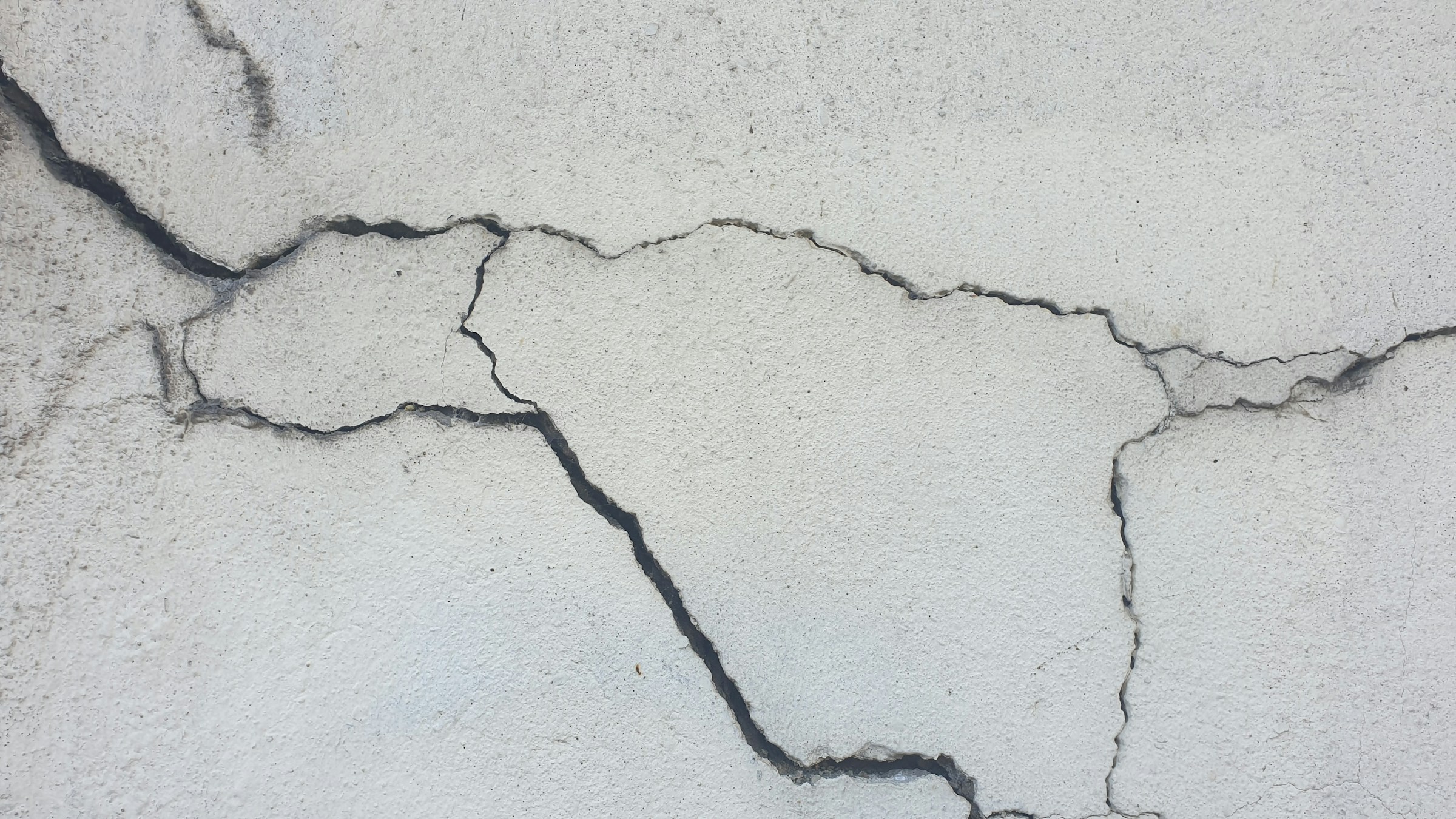
Hairline cracks less than one eighth of an inch wide running straight along joints are generally caused by age and normal movement, while cracks wider than one quarter of an inch that run diagonally or branch outward may indicate foundation issues or water damage and require professional inspection.
The formation of cracks, even minor ones, can compromise the wall’s water tightness or impermeability, allowing increased rainwater penetration, which might lead to further damage. That’s the real danger of ignoring seasonal cracks: water eventually finds its way in, and water damage escalates quickly.
Stair-step cracking, diagonal lines running from corners of windows or doors, or cracks that get steadily wider across multiple winters are signals worth taking seriously. A structural engineer can distinguish between cosmetic seasonal movement and genuine foundation or framing failure in a single inspection.
What You Can Actually Do About It
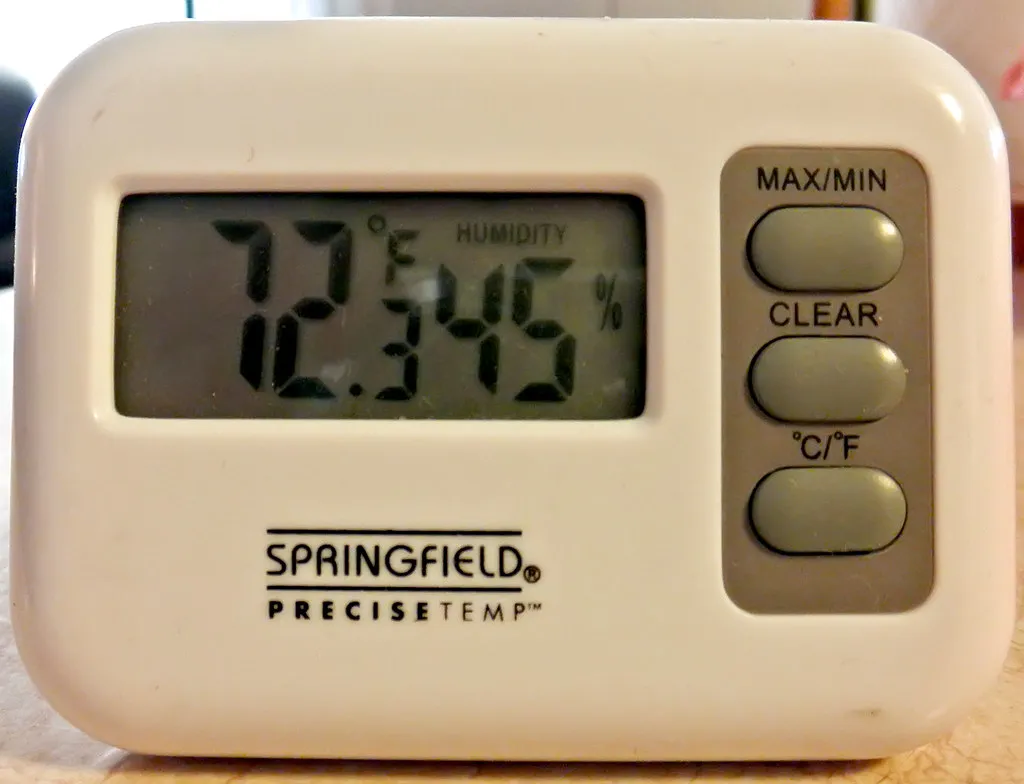
Keeping indoor humidity between 40 and 50 percent helps protect wood, drywall, and paint from the stress of seasonal moisture swings. A simple digital hygrometer costs very little and takes the guesswork out of monitoring your indoor air. Maintaining consistent humidity is one of the most effective preventive measures available.
Truss uplift is not a structural problem. The movement, whether just a simple hairline crack or at worst large gaps along corners, is a cosmetic problem mostly affecting homes in cold climates. That distinction matters. It means you can prioritize and respond calmly rather than panic.
For recurring seasonal cracks, flexible caulk rather than rigid joint compound is a practical fix that accommodates movement. For persistent truss uplift, builder-grade ceiling clips that allow the truss to move without dragging the drywall along with it are a recognized solution, and they can be installed in existing homes without major renovation work.
The Takeaway
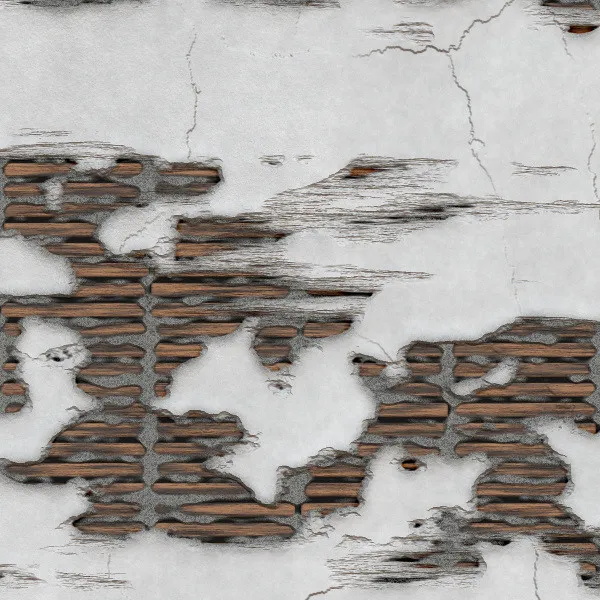
Winter ceiling cracks are rarely a crisis. Most of them are the predictable result of physics: materials expanding and contracting, moisture shifting across different parts of the same structure, and heating systems doing their job in ways that stress the building’s envelope. The ceiling is simply the most visible place where all of those forces converge.
Knowing which type of crack you’re looking at, and understanding what’s driving it, is what separates a homeowner who patches the same spot every year from one who actually solves the problem. Pay attention to where the cracks appear, how wide they get, and whether they return in exactly the same place. That pattern tells you more than the crack itself.
The good news is that the vast majority of winter ceiling cracks are manageable, correctable, and not signs of imminent collapse. What they are is a reminder that your home is a dynamic system, quietly flexing with every season.
AI Disclaimer: This article was created with the assistance of AI tools and reviewed by a human editor.