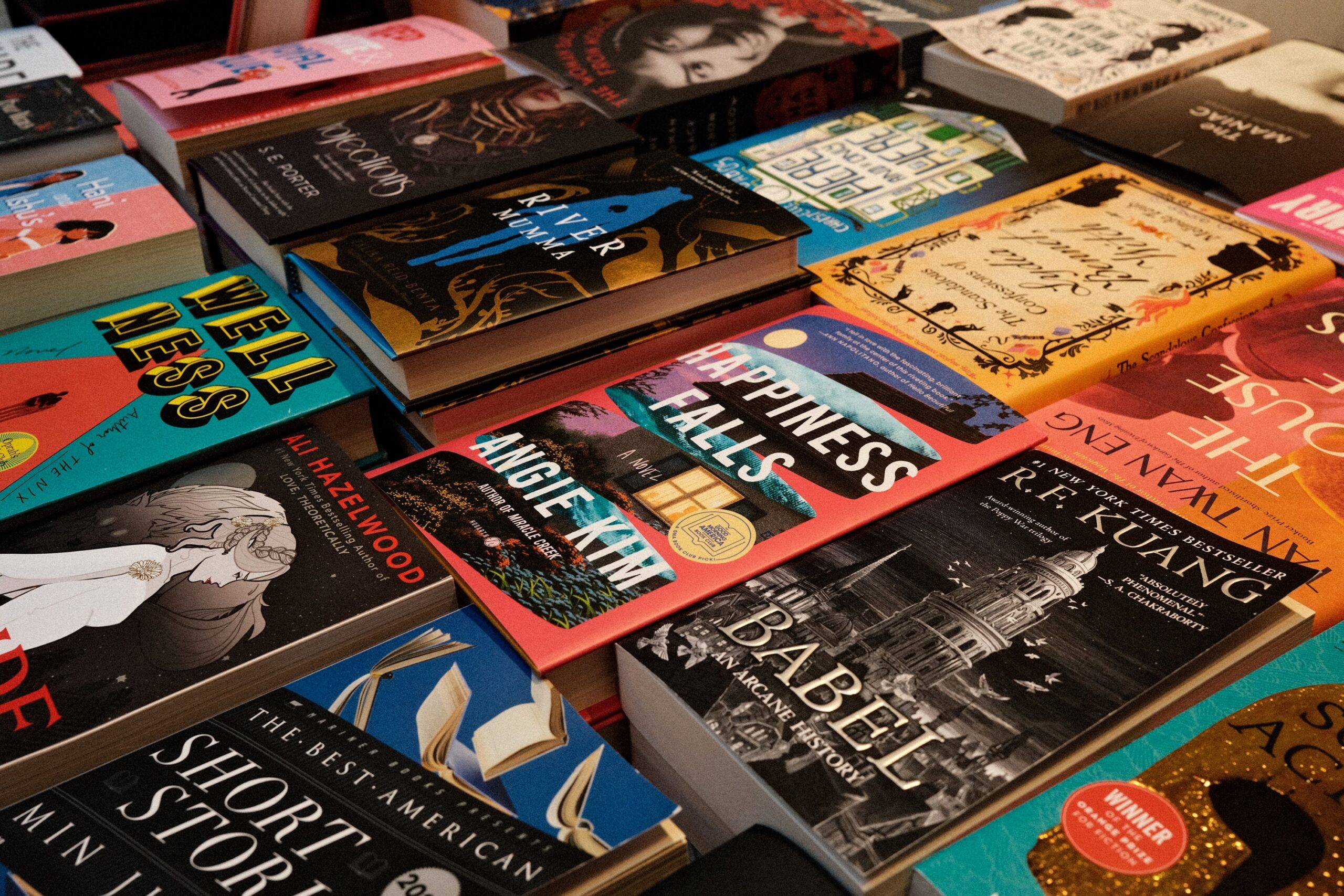

There’s something almost ceremonial about cracking open a new book. Before you read a single word, you smell it. That sharp, clean, faintly chemical scent hits you the moment you peel back the cover, and for many people, it’s genuinely satisfying. It feels specific, familiar, and oddly comforting.
It turns out that the experience is not imaginary, and it’s not random. Scientists have a precise, chemical explanation for exactly what you’re smelling, where it comes from, and why it registers so strongly in your brain.
It All Starts with Volatile Organic Compounds

The characteristic scent emanating from recently manufactured books is a complex mixture of volatile organic compounds, commonly abbreviated as VOCs. These are small carbon-based molecules that evaporate easily at room temperature, traveling from a surface directly into the air around you. Odors are caused by the presence of volatile organic compounds in the air.
The paper, inks, and adhesives that make up a book contain hundreds of volatile organic compounds. As these components break down, VOCs are released into the air, and we detect them in the form of that distinctive odor. The concentration is highest in a freshly manufactured book because its materials haven’t had time to off-gas and settle.
Paper Manufacturing Is the First Culprit

The smell of new books can be attributed to three factors: the paper itself, the ink used to print the book, and the adhesives used in the process of bookbinding. A lot of chemicals are used to manufacture paper, although it is largely manufactured from wood pulp.
The manufacture of paper requires the use of chemicals at several stages. Large amounts of paper are made from wood pulp – chemicals such as sodium hydroxide, often referred to as caustic soda, can be added to increase pH and cause fibres in the pulp to swell. The fibres are then bleached with a number of other chemicals, including hydrogen peroxide.
Water in the manufacturing process will contain additives to modify the properties of the paper – for example, AKD (alkyl ketene dimer) is commonly used as a sizing agent to improve the water-resistance of the paper. Each of those chemicals leaves a trace, and some of those traces are aromatic.
Printing Ink Adds Its Own Chemical Signature
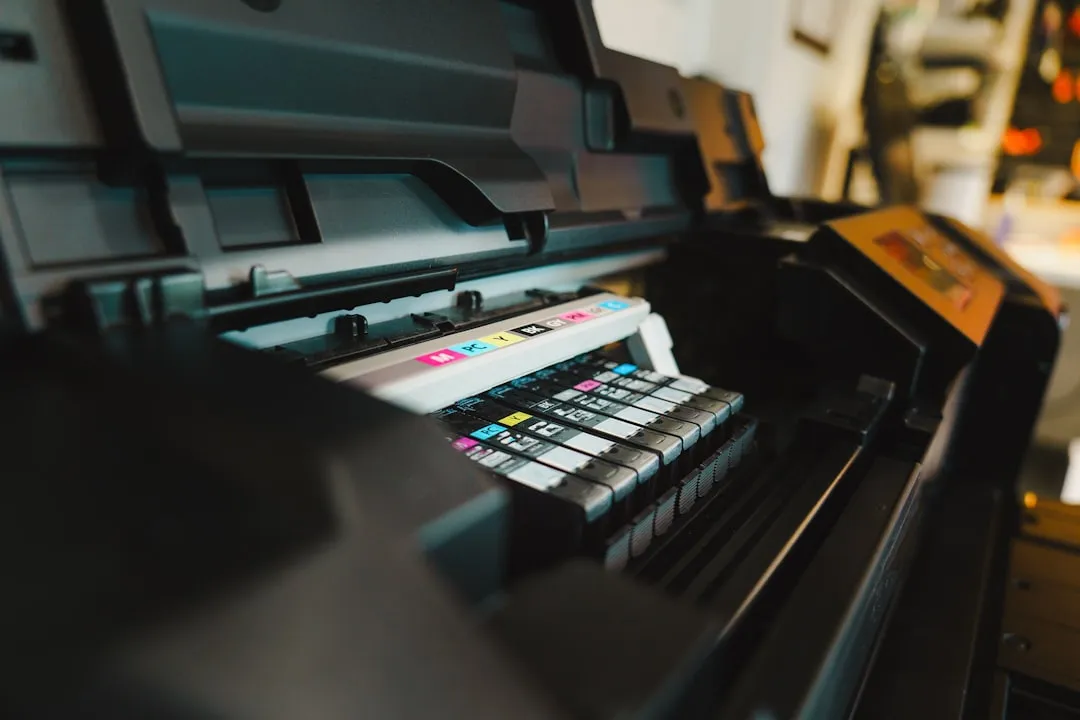
Modern printing inks contain solvents and drying agents that contribute to the fresh, slightly chemical scent of new books. The specific formulation differs widely across publishers and printing technologies, which partly explains why one new book can smell noticeably different from another.
The smell of printing ink is not a single, uniform scent, but a complex cocktail of chemicals. This fragrance changes depending on the ink’s base, whether petroleum, vegetable, or water-based, as well as the pigments used for color and the printing process itself.
A study published in the journal Analytical Chemistry found that freshly printed books release dozens of VOCs, including toluene and ethylbenzene, which are commonly associated with print materials. These are the molecules largely responsible for that sharp, industrial note you notice first.
Binding Glue Completes the Scent Profile
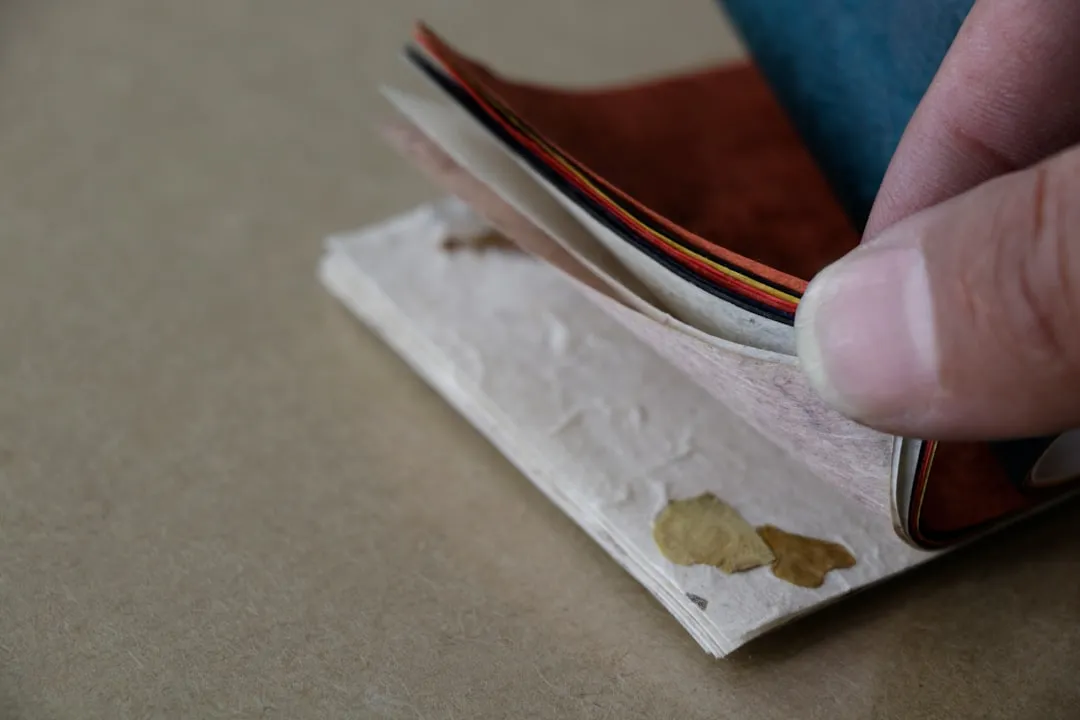
The glue used in bookbinding emits compounds that add to the overall smell. This is easy to overlook, but binding adhesives make up a meaningful portion of a book’s total surface chemistry. A number of different adhesives are used for book-binding, many of which are based on organic co-polymers, meaning large numbers of smaller molecules chemically chained together.
The specific composition of the odor varies depending on the paper type, the ink formulation, and the adhesive chemistry. A cheap mass-market paperback uses different materials than a premium hardcover edition, which is why their smells are not the same. Not all books smell the same; their scent depends on the paper, ink, glue, and cover materials. A cheap paperback, a glossy art book, and a century-old leather-bound novel will all have very different aromas.
New Books vs. Old Books: Very Different Chemistry
If old book smell is the scent of decay, new book smell is the scent of manufacturing. The distinction is not just poetic. It reflects two entirely different sets of chemical processes happening in the paper at different stages of a book’s life.
Old book degradomics revealed mostly alcohols and ethers, whereas new books resulted mainly in ketones and aldehydes. These compound classes have different odor characteristics, which is why a fresh paperback smells crisp and slightly sharp while an old library book smells earthy and sweet.
New books have their own scent profile, though usually subtler or “crisper.” The fresh smell arises from newer inks, sizing, glues, and less degraded paper. Some of the same VOCs appear, though in different proportions, and lignin content is often lower in high-quality modern papers.
Lignin Is the Source of That Vanilla Note
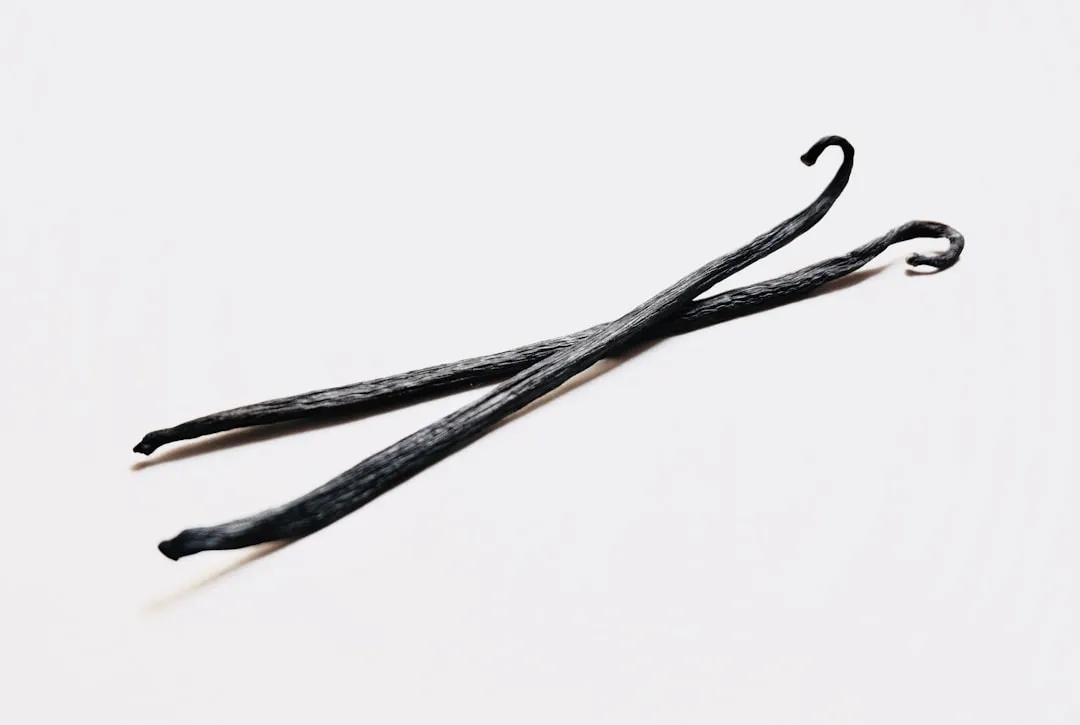
Lignin, present in the cell walls of trees and therefore in all wood-based paper, emits benzaldehyde and vanillin, which impart a faint vanilla aroma. Vanillin is the same compound responsible for the smell of vanilla extract, so finding it in paper is not entirely surprising once you understand the chemistry.
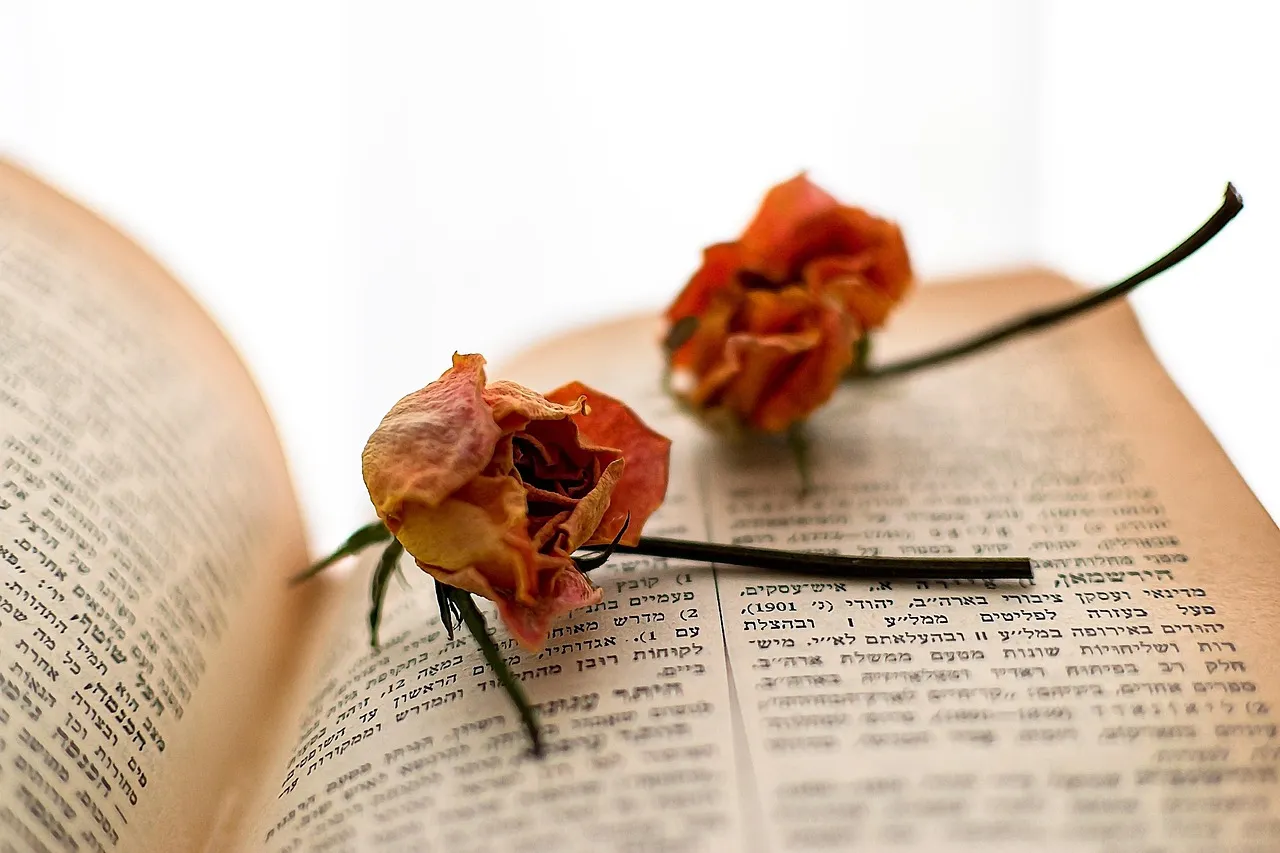
Old books have a sweeter, vanilla-like or musky smell caused by the slow breakdown of paper components, especially lignin, into compounds like vanillin. In newer books, this process has barely started, so the vanilla note is faint. It becomes more pronounced as the paper ages over years and decades.
Cellulose Degradation Adds Earthy, Almond Tones
Paper contains cellulose, which degrades over time, producing compounds like furfural, which gives off an almond-like aroma. Furfural is a product of hemicellulose hydrolysis, and the acidic compounds in wood pulp catalyze the breakdown of cellulose fibers, producing byproducts like furfural, a marker of cellulose and hemicellulose hydrolysis. This degradation is associated with a significant decline in paper quality.
Hexanal, also from the disintegration of cellulose and lignin in paper, can give books an earthy, musty, “old room” smell, which could be exacerbated by mold from environmental exposure. New books have very little hexanal, which is one reason their smell feels cleaner and more uniform than their aged counterparts.
Scientists Use These Smells to Assess Book Condition

A distinctive musty odor in old books is the product of volatile and semivolatile organic compounds from paper seeping into the air. Researchers look for clues to an old book’s condition in the chemical makeup of its odors. This means the smell of a book is not incidental. It’s diagnostic.
The development of sensitive, non-invasive methods is essential for the preservation and study of heritage books, allowing insights into their historical production processes and conservation needs. Volatile organic compound analysis provides a valuable, non-destructive approach to assess paper composition and degradation in historical volumes.
Using headspace solid-phase microextraction and gas chromatography-mass spectrometry, VOCs were sampled after 24 hours of storage at room temperature. The results revealed distinct degradation markers: straight-chain aldehydes, indicative of lipid oxidation, were more prevalent in a 16th-century book, reflecting the higher quality and durability of its rag-based paper. In contrast, elevated furfural levels in a 19th-century book suggest accelerated cellulose hydrolysis typical of wood pulp paper.
Your Brain Is Wired to Remember This Smell
Smell is the only sense that bypasses the thalamic relay and has primary access to regions of the brain typically found to be active during emotional processing, namely the amygdala, long-term memory formation in the hippocampus, and higher-order cognitive reasoning in the orbitofrontal cortex. No other sense takes such a direct route.
We now know that odors are better cues in triggering autobiographical memories than other stimuli. This is because of the direct connections olfaction has with parts of the limbic system involved in generating emotion and memory. So when a new book smell transports you back to a classroom or a childhood bedroom, that reaction is deeply rooted in neuroscience.
The perception of this distinctive aroma is often associated with positive emotional responses, evoking feelings of nostalgia, comfort, and intellectual stimulation. For many, it represents the anticipation of acquiring new knowledge or embarking on a literary journey. The association may stem from childhood experiences or learned cultural associations linking books with learning and personal enrichment.
Is Breathing in That Smell Actually Safe?

Because the word VOC shows up so often in warnings about paint, carpet, and new-car interiors, it is fair to ask whether that lovely new-book whiff is actually doing any harm. For everyday readers, the reassuring answer is no. VOCs are everywhere indoors, off-gassing from furniture, cleaning products, and cosmetics, and as health agencies stress, the risk from any chemical depends on how much you breathe in and for how long.
A book sitting open on your lap simply does not deliver the concentrations or the years of exposure that trigger the headaches, irritation, or longer-term effects associated with heavy VOC exposure. The amounts released by a single book are minimal by any standard measurement of indoor air quality concern.
The Takeaway

The smell of a new book is not mysterious once you know the chemistry behind it. It’s paper pulp, printing ink, and binding glue all off-gassing their manufacturing residues into the air the moment you open the cover. The fact that it feels pleasant, familiar, and almost nostalgic before you’ve read a single word says as much about the brain as it does about the book.
What’s striking is how much scientific inquiry a seemingly trivial sensory detail has generated. Researchers now use VOC analysis to date and preserve rare manuscripts, libraries use it to monitor collection health, and neuroscientists have traced exactly why these smells embed themselves so deeply in memory. A new book smell is, in the most literal sense, chemistry you can feel.
AI Disclaimer: This article was created with the assistance of AI tools and reviewed by a human editor.