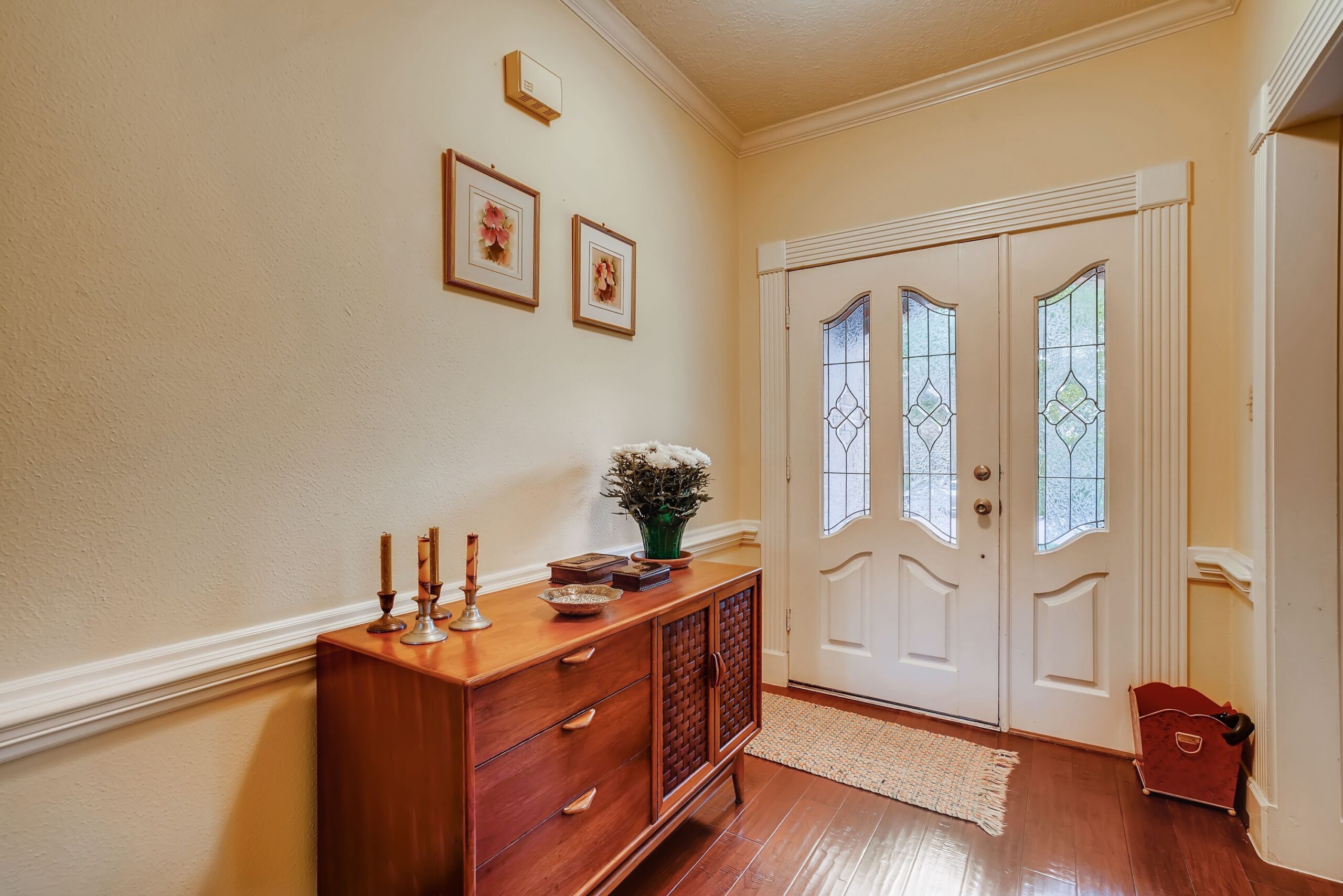

There was a time when a mudroom was just the place where wet boots went to die, tucked behind the back door and ignored by everyone except whoever got stuck mopping it. That era is over. Across American homes in 2025 and 2026, the mudroom has quietly evolved into one of the most talked-about spaces in residential design – not with fanfare, but with the steady momentum of something genuinely useful finally getting its due.
What’s driving this isn’t a single trend or a viral moment. It’s a convergence of practical realities: homeowners staying put longer, pets becoming full household members, and storage climbing the list of features people actually care about when buying or renovating a home.
From Utility Closet to Design Statement
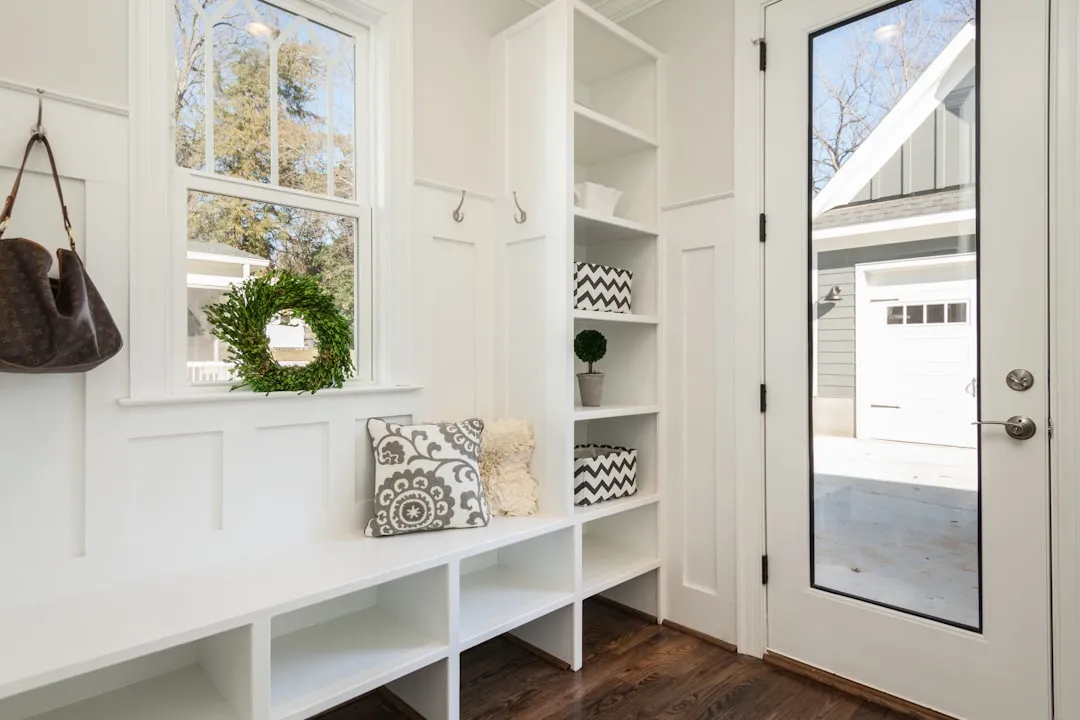
The mudroom’s reputation for years was purely functional: hooks, a bench, and maybe some battered tile. That image has changed considerably. Designers now note that the often-overlooked mudroom is shifting to a space that feels more integrated with the rest of the home, and less like a utility space.
No longer an overlooked space, mudrooms and laundry rooms are transforming into warm, welcoming areas filled with bold colors, patterns, and textures. The shift is visible in the details: patterned tile floors, rich cabinetry colors, and statement lighting that would have felt out of place in a mudroom just a decade ago.
While functionality remains key, mudrooms are now being designed with aesthetics in mind, with designers integrating stylish elements like patterned tiles, bold wall colors, and decorative lighting to make the space both practical and visually appealing.
Storage Is the New Square Footage
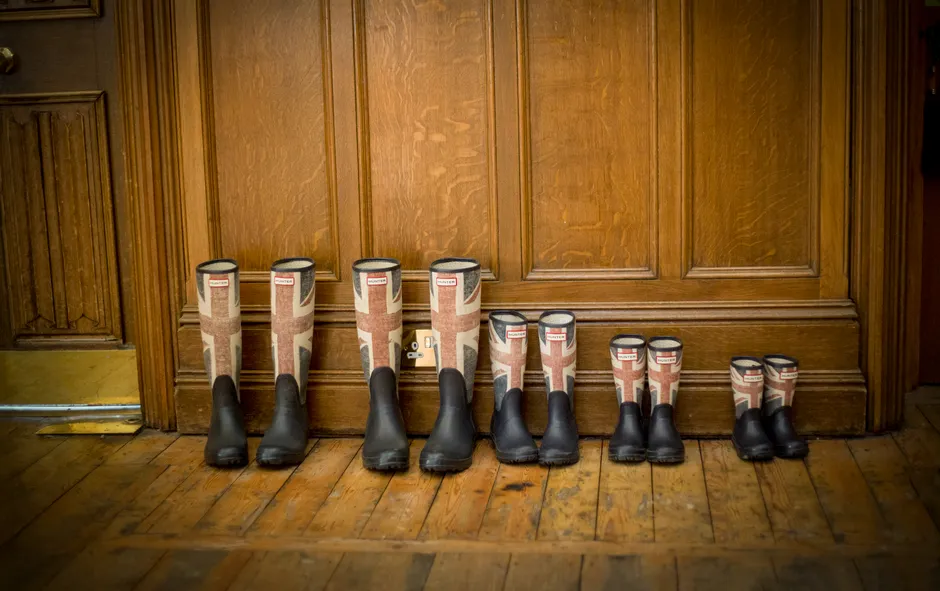
One reason mudrooms are climbing in popularity comes down to a simple priority: storage. Mudrooms are growing in popularity because they add extra storage, and storage is one of the top requests among homebuyers. Fixr’s annual study revealed that extra storage was ranked number 8 out of 16 top homeowner priorities, with roughly four in five homeowners saying it was important to very important.
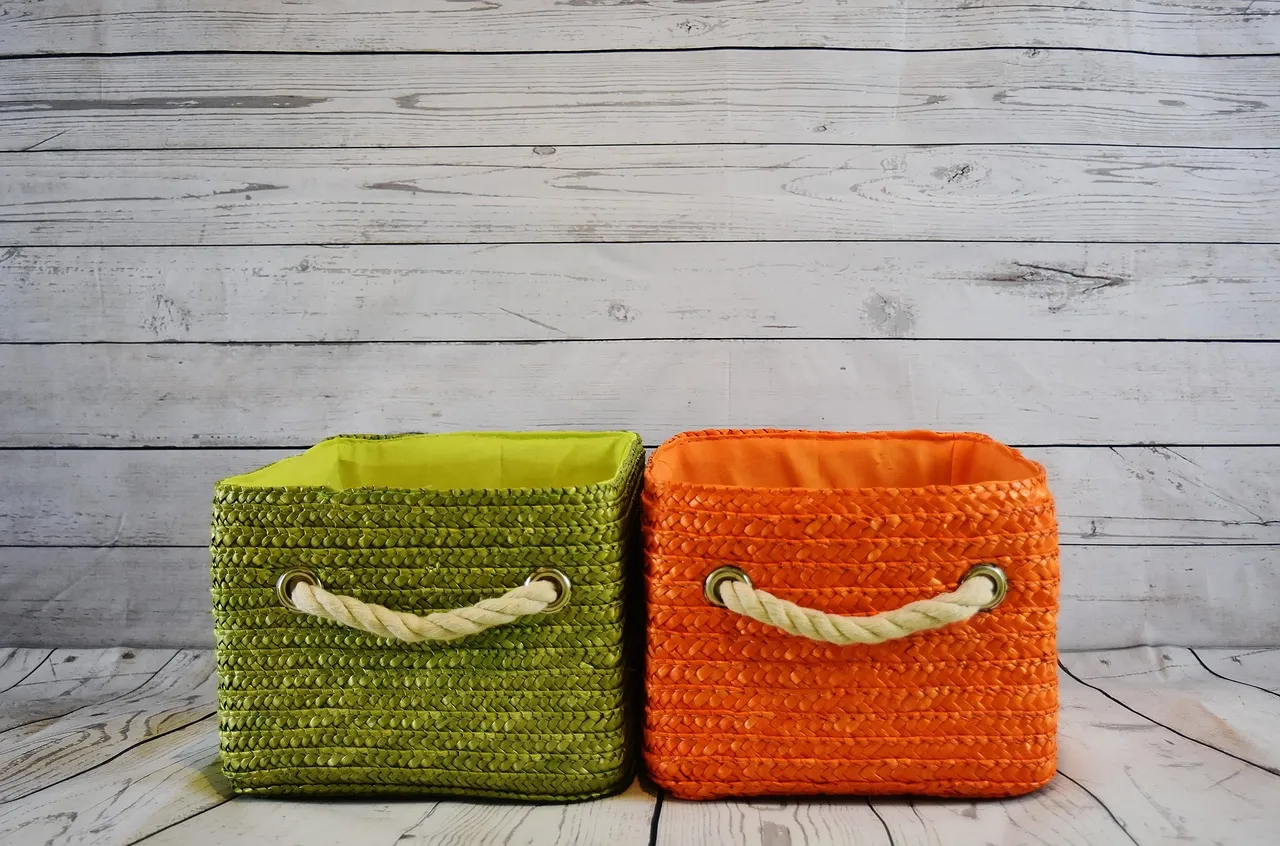
As homeowners become increasingly focused on keeping mudrooms organized, clutter-free, and highly efficient, 2025 is seeing innovative storage solutions that maximize every inch of space in these areas. Custom cabinetry, open shelving, and built-in storage benches for shoes, bags, and sports gear have become must-have features, adding both functionality and style.
According to the National Association of Home Builders (NAHB), storage ranks among the most requested home features, and a mudroom delivers organized, built-in storage without taking away from the main living areas. That’s a compelling case for a room many homeowners once dismissed entirely.
The Pandemic Effect That Stuck Around
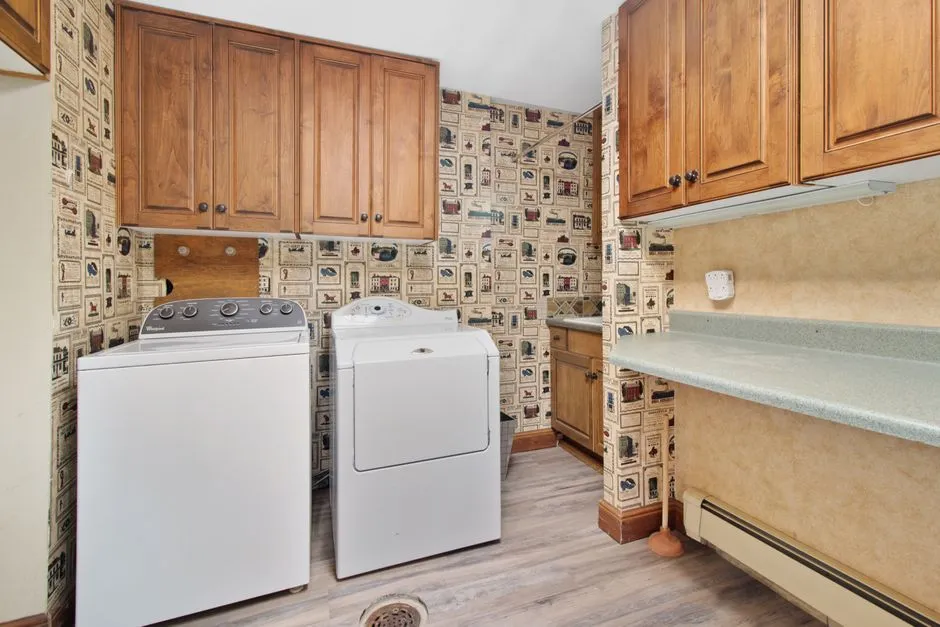
The connection between mudrooms and the pandemic years is well documented. Combining the mudroom and laundry room became very popular when COVID struck, because when you would come into the home, you’d want to rid yourself of your outer layers to keep from bringing germs inside. This renovation trend was born out of necessity.
This setup proved such a convenient arrangement that homeowners kept it around. Mudrooms are now commonly placed near the laundry room, if not in the same space entirely. The hygiene-minded thinking that once felt urgent became, simply, a better way to manage a household.
Mudrooms are transitional spaces between the outdoors and the interior of a home, typically located near an entrance, often the back or side door from the garage. They serve as a buffer zone, designed to keep dirt, mud, and other debris from being tracked into the living areas. That basic idea turned out to resonate far beyond the pandemic context.
Houzz Data Confirms the Interest Is Real
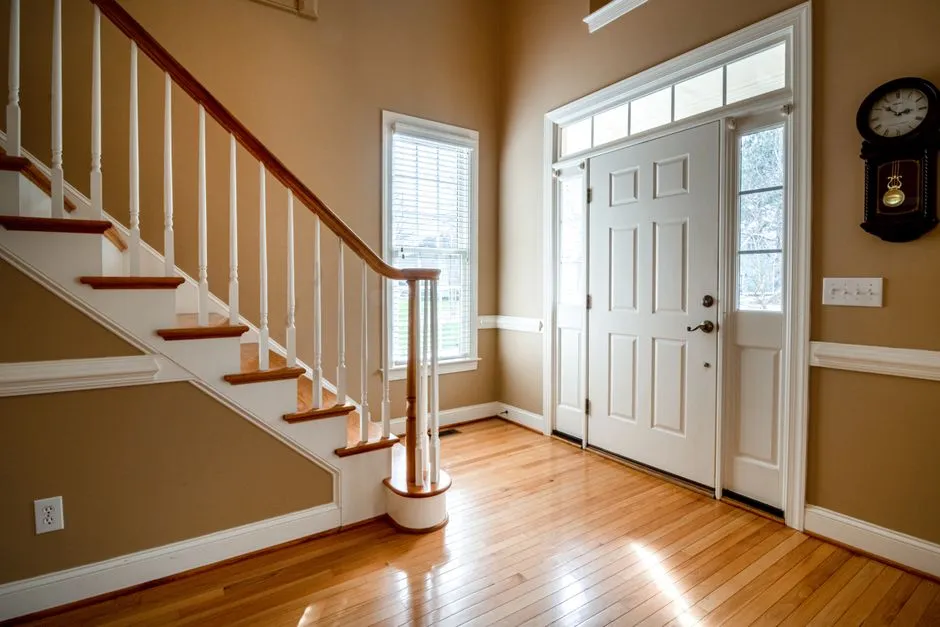
The engagement numbers from design platforms back up what interior designers have been observing anecdotally. Houzz’s Trending Now feature for early 2025 specifically tracked the most-saved entry and mudroom photos uploaded between December 2024 and March 2025, highlighting a clear concentration of user interest in this category.
Storage and style are consistently the two must-haves homeowners cite when setting up a welcoming and efficient entryway, with Houzz users actively seeking solutions for storing coats, boots, and other gear alongside fresh design ideas.
Meanwhile, in 2024, roughly two in five homeowners purchased large furniture, and about a third invested specifically in storage and organization, the latter figure increasing from the prior year. That uptick in storage investment is exactly the category mudrooms speak to most directly.
The Pet-Owner Boom Is Reshaping the Space

Few forces have done more to accelerate mudroom design than the rise of pet ownership. Designers have started adding dog wash stations to mudrooms, addressing both the mess of washing pets and the problem of muddy paws tracking through the home. The mudroom is now being used to move the task of washing dogs from the bathroom into a dedicated area.
Pets are part of many households, but they also bring dirt, allergens, and odors inside. The mudroom of 2026 increasingly includes a dedicated pet-washing station designed for ease and efficiency. These stations often feature non-slip flooring, adjustable water controls, and built-in storage for grooming supplies.
Houzz’s most-saved laundry room of early 2026 was a multifunctional entryway in Sacramento, California, that served simultaneously as a mudroom, laundry room, and pet-grooming zone, incorporating a dedicated pet-washing station alongside a farmhouse-inspired brick floor designed to stand up to wet paws and everyday use. That combination proved more popular than any purely decorative laundry room in the same period.
Bold Colors and Dark Palettes Are Replacing White
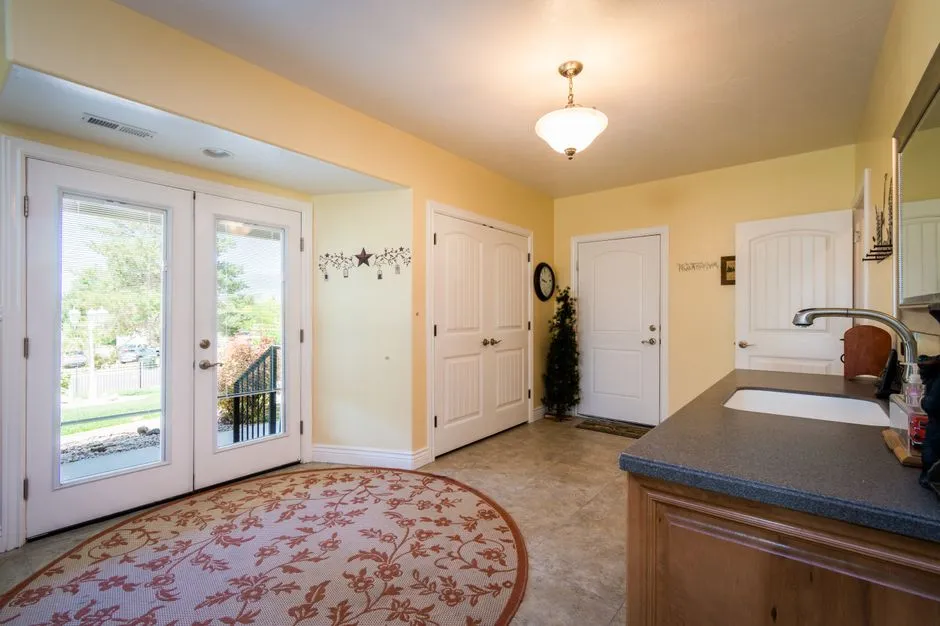
The default all-white mudroom with neutral accents is giving way to something with more character. One of the most anticipated trends for 2025 is the rise of bold, dark mudrooms. This style offers a dramatic and sophisticated look, with dark moody colors like deep blue, deep green, and dark brown elevating a mudroom from a functional space to a design-forward room.
Beyond the retro style that is definitively on the rise, designers are seeing more bold colors and textures that bring personality and warmth, achievable through bold-hued cabinets, colorful rugs, or an accent wall. These aren’t daring choices for daring people – they’re increasingly mainstream.
By far the most frequently cited word from designers when describing interior trends lately is warmth – warm tones, warm woods, and warm spaces. This manifests in a visible shift away from cool whites and grays toward warm off-whites, tans, beiges, and creams, with earthy and organic colors growing in popularity alongside. Mudrooms are absorbing this shift directly.
Smart Technology Is Moving In
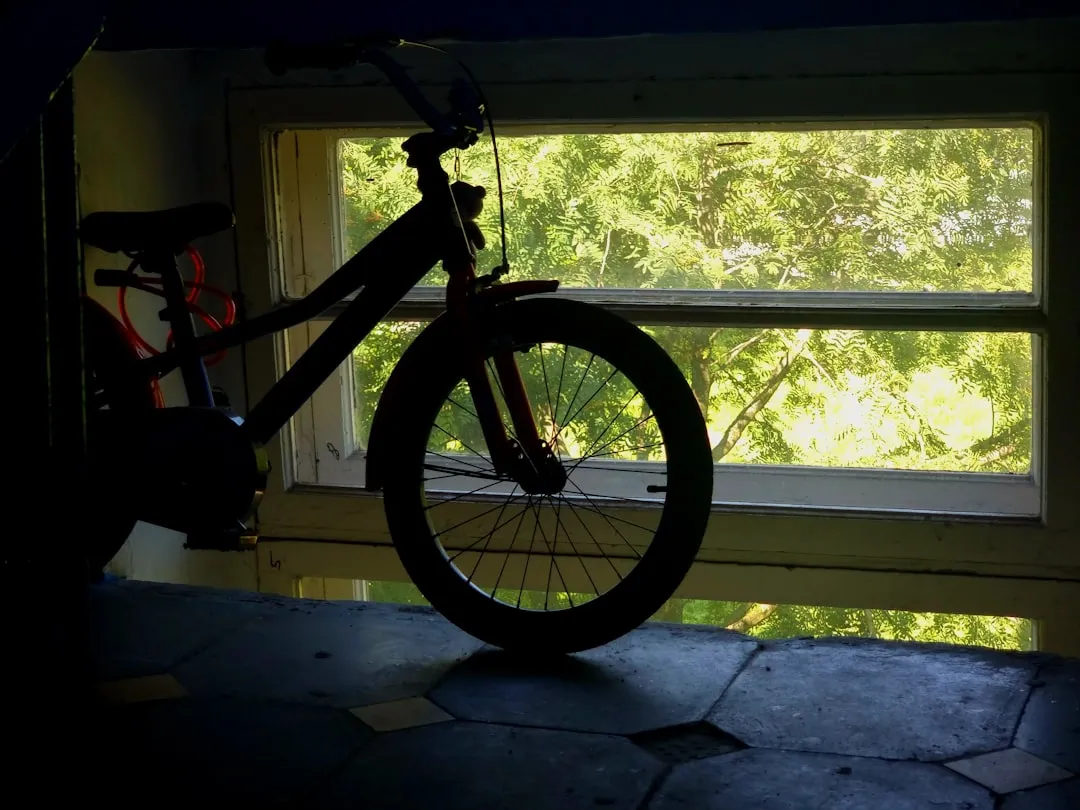
The mudroom is no longer just a passive storage zone. Some homeowners are now incorporating smart home technology into their mudrooms, including keyless entry systems, smart lighting, and climate control to ensure the space is comfortable year-round.
Motion-activated lighting and air quality sensors are among the features that design planning resources in 2026 highlight as emerging additions to the modern mudroom. For homes that treat the mudroom as a genuine decompression zone between outdoors and indoors, these features make genuine sense.
Features such as HEPA air scrubbing, pet-washing stations, and integrated charging for electric micro-mobility devices like e-bikes reflect the changing lifestyles driving mudroom design, along with growing demand for spaces that support health, technology, and comfort. The humble entryway is quietly becoming one of the smartest rooms in the house.
Sustainability Is Part of the Design Brief
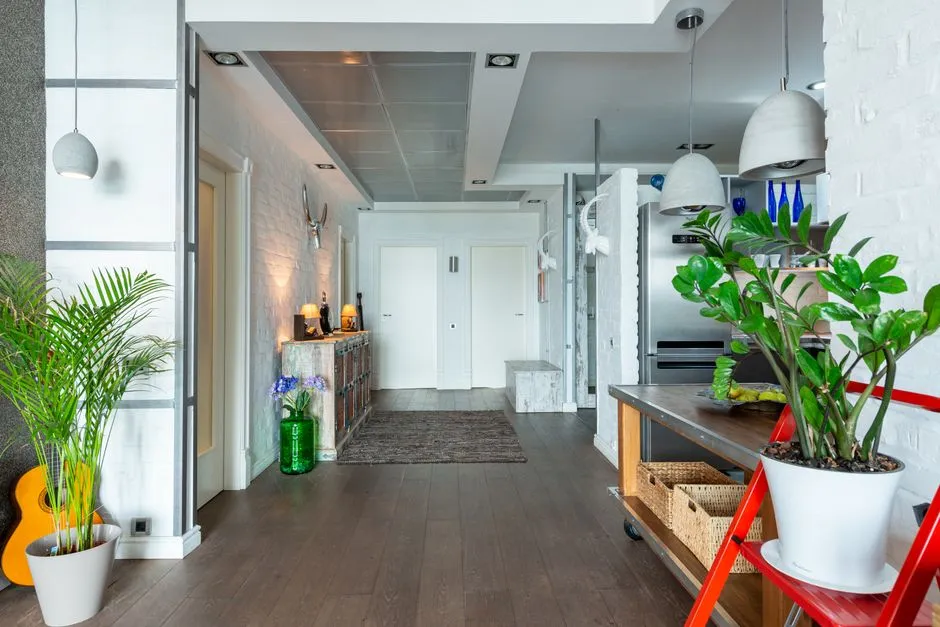
There is a growing trend toward using eco-friendly materials in mudroom designs. Reclaimed wood, recycled tiles, and low-VOC paints are popular choices, aligning with broader trends in sustainable home design.
In 2025, sustainability is a driving force in home design, particularly in high-use spaces like mudrooms. Homeowners are increasingly opting for energy-efficient appliances and eco-friendly materials that reduce environmental impact without compromising functionality.
Water-saving faucets and motion-sensor lighting help reduce resource consumption, while features like sliding drying racks and built-in air-drying cabinets allow for a more sustainable approach by minimizing reliance on traditional dryer use. In a room that handles the dirtiest work, the most sustainable choices are also often the most practical ones.
Mudrooms and Laundry Rooms Are Merging
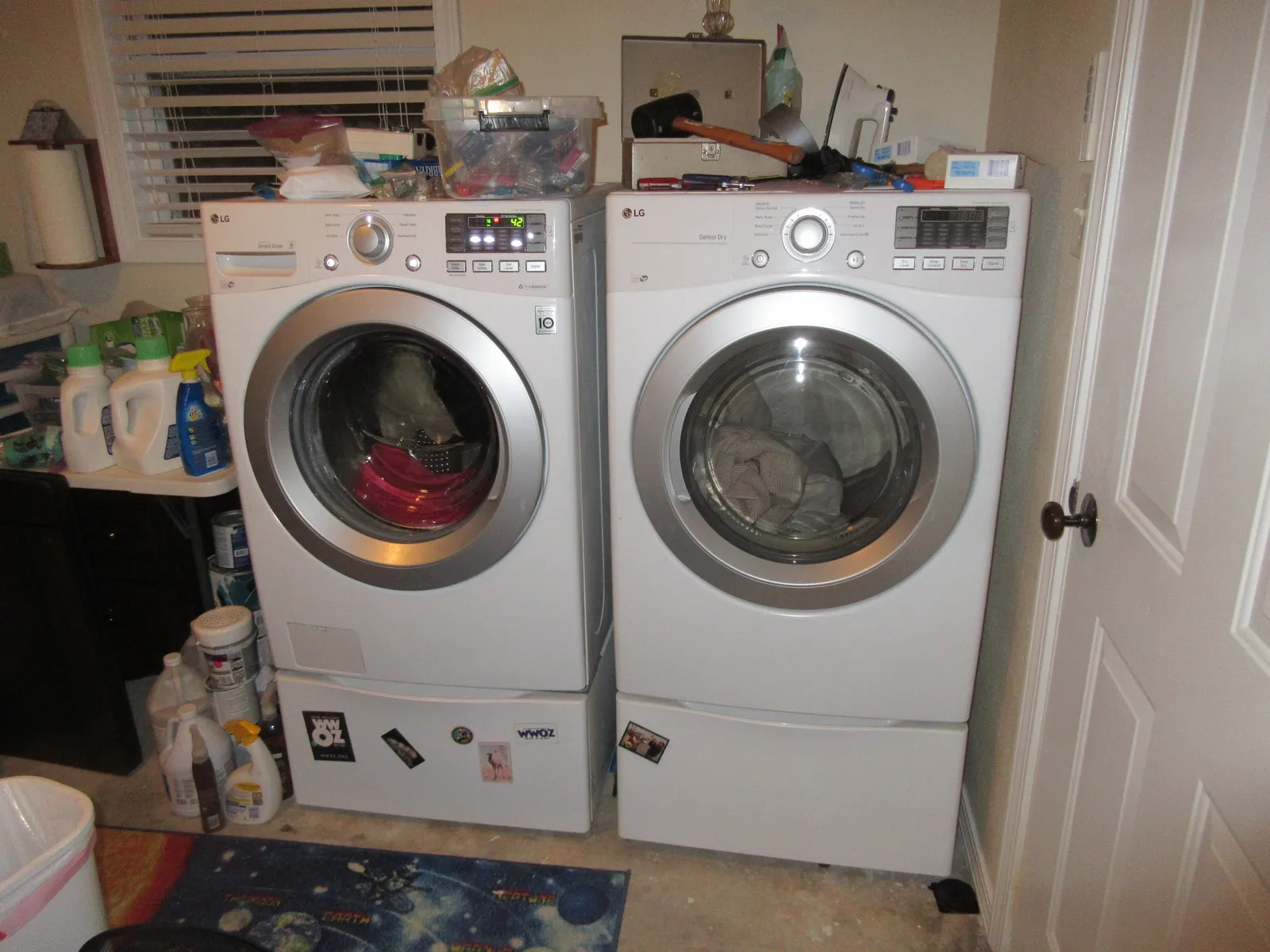
One of the cleaner shifts in residential design is the increasing overlap between mudrooms and laundry rooms. Modern mudrooms are often designed to serve multiple purposes. They can double as laundry rooms, pet washing stations, or home offices, with the trend centering on maximizing the utility of the space by incorporating these additional functions.
Merging the mudroom with the laundry space creates a hardworking zone for managing clothes, gear, and daily household chaos. By incorporating mudroom storage alongside the washer and dryer, homeowners can better organize coats, backpacks, and all the other items that come through the door.
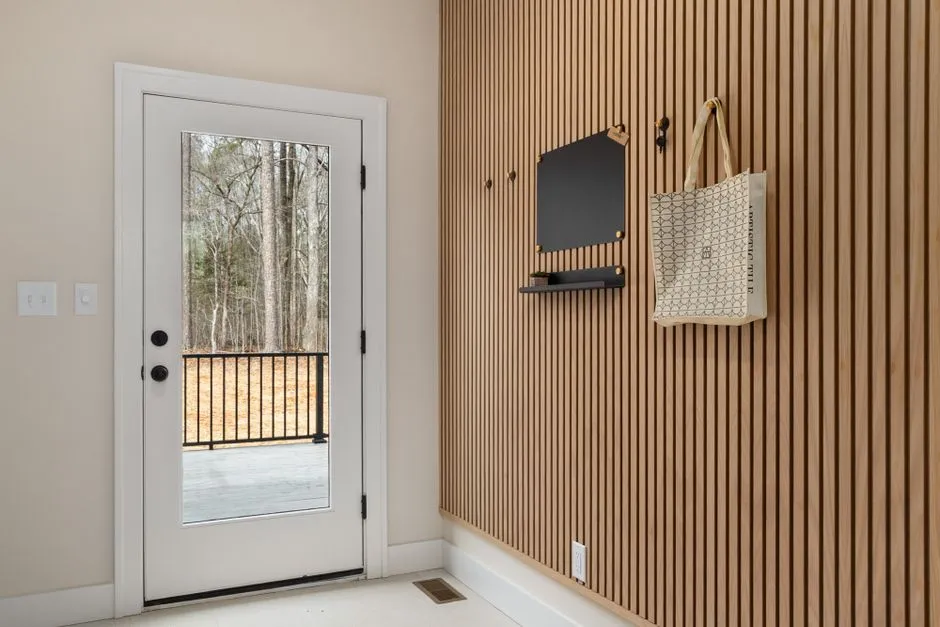
Maintaining a natural flow between rooms is enhanced by incorporating similar elements, colors, and materials designed to blend seamlessly with adjacent spaces. Matching cabinetry finishes, consistent flooring, and coordinated hardware give the mudroom a polished, integrated feel, which is especially effective in open-concept homes.
Mudrooms Add Measurable Value at Resale
The case for a mudroom isn’t just about daily convenience. A well-designed mudroom can recoup a significant portion of its cost at resale, making a home more attractive to buyers by providing extra storage and organization.
Realtor.com advises that homeowners who invest money in mudrooms will recoup it due to the mudroom’s popularity, with industry sources noting that a mudroom will usually increase a home’s value, especially if it uses previously wasted space in a garage, porch, or closet.
Buyers increasingly look for practical features like ample storage, and mudrooms or laundry rooms that make daily life easier rank as genuine selling points. In markets where buyers are comparing similar homes, the presence of a mudroom can be a deciding factor, particularly for families and pet owners who instantly see themselves using the space.
The Takeaway
The mudroom’s comeback isn’t really a comeback at all. It’s more of a long-overdue recognition. The space was always useful – it just wasn’t getting credit for it. What’s changed is that homeowners, designers, and real estate data are all pointing at the same conclusion: rooms that do genuine work earn their place.
The mudroom has quietly become one of the hardest-working spaces in modern American homes, and in 2026 it’s finally getting the design attention it deserves. Homeowners are no longer treating this area as just a pass-through – it’s becoming a curated zone that sets the tone for the home while keeping daily life organized.
In a housing market where many people are staying put and investing in what they already own, that kind of purposeful, practical upgrade carries real weight. The mudroom doesn’t need to make noise. It just needs to work.
AI Disclaimer: This article was created with the assistance of AI tools and reviewed by a human editor.