
The English Roots That Started It All
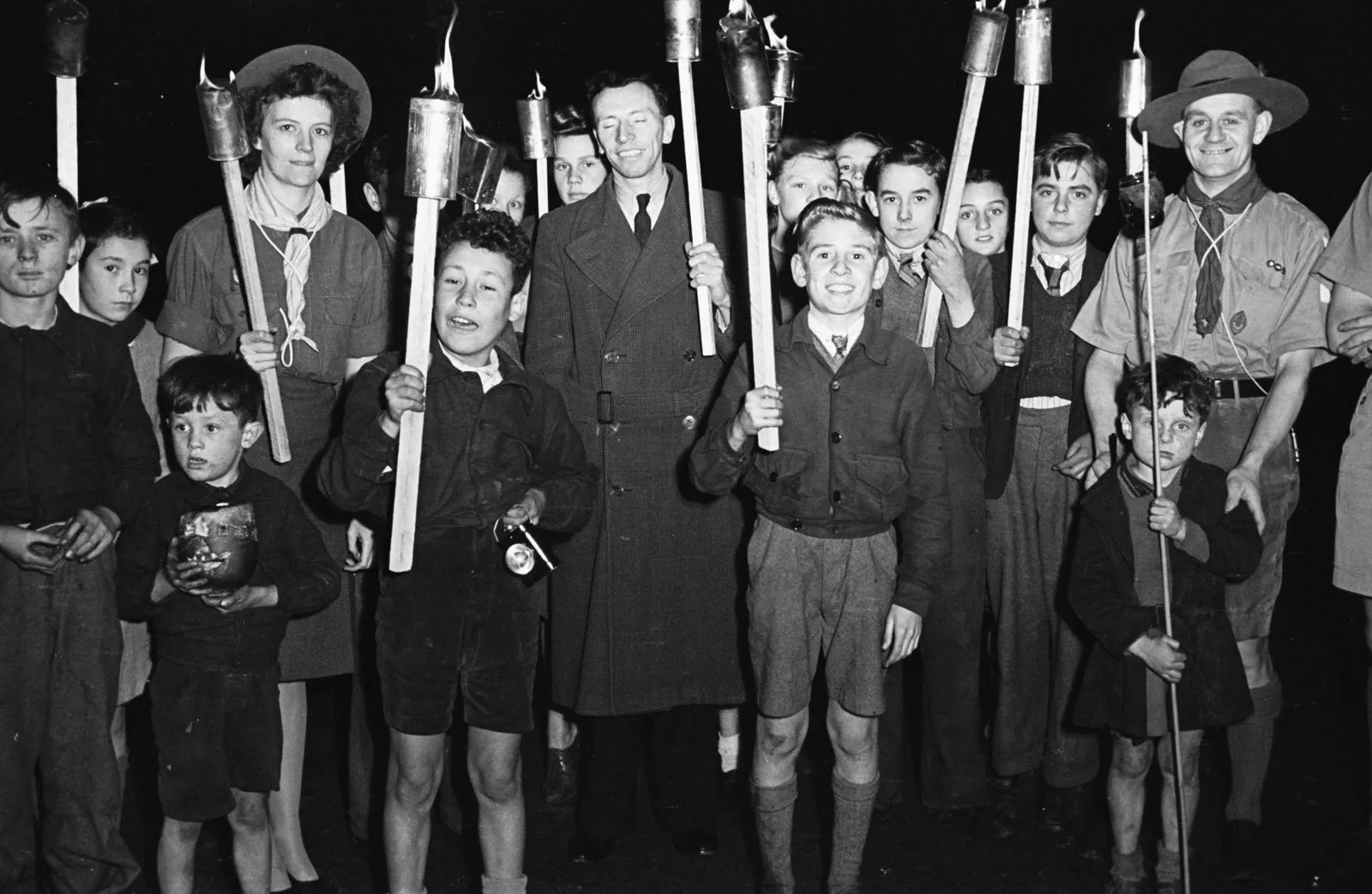
Mischief Night has its roots in British customs dating back to the 18th century, where it was linked to various festival eves involving youthful pranks and seasonal celebrations. Initially, it was associated with the eve of May Day, with young people using the night as an opportunity for harmless disruption. Over time, that association drifted toward autumn, pulled closer to Halloween and Guy Fawkes Night.
The earliest known reference to “Mischief Night” was recorded in 1790, when a school play mentioned it in connection with seasonal festivities. Guy Fawkes Day, observed on November 5 each year, also contributed to the tradition, with people lighting massive bonfires the night before in a nod to Fawkes’ failed plot to blow up Parliament.
How the Tradition Crossed the Atlantic
The origins of Mischief Night in America trace back to Britain, where it was introduced by immigrants who carried the custom with them as they settled into new communities. Mischief Night as we know it today began to take shape in the United States during the early 20th century. Those immigrant communities weren’t evenly distributed across the country, which is one of the earliest reasons the tradition landed where it did.
Some historical perspective suggests that Mischief Night may have first appeared in the United States in the 1930s and 1940s, possibly connected to the social pressures of the Great Depression and the anxieties surrounding World War II. The tensions of the Great Depression further spawned a need to decompress, and many people, particularly children, found the lighthearted fun of causing minor annoyances once a year to be cathartic.
Why New Jersey Became Ground Zero
According to a map created by Joshua Katz during his time at North Carolina State University, more than three-quarters of the United States don’t celebrate October 30th at all. While Michigan holds strong to the term “Devil’s Night,” “Mischief Night” is almost entirely a New Jersey term. That concentration is striking when you look at the data.
Out of more than 10,000 people surveyed, only about ten percent identified using the term “Mischief Night,” with roughly eleven percent listing “Devil’s Night” and just two percent using “Cabbage Night.” The remainder had no term for the date at all. New Jersey’s hold on the tradition comes down partly to the state’s strong regional identity and its relatively stable, homegrown population.
One theory for Mischief Night’s limited reach is the provincial nature of the Philadelphia area. Other major American cities have more of an even mix of new versus born-and-raised residents, which means customs spread more easily and dilute over time. In New Jersey and the Philadelphia region, local traditions simply stuck.
The Patchwork of Regional Names
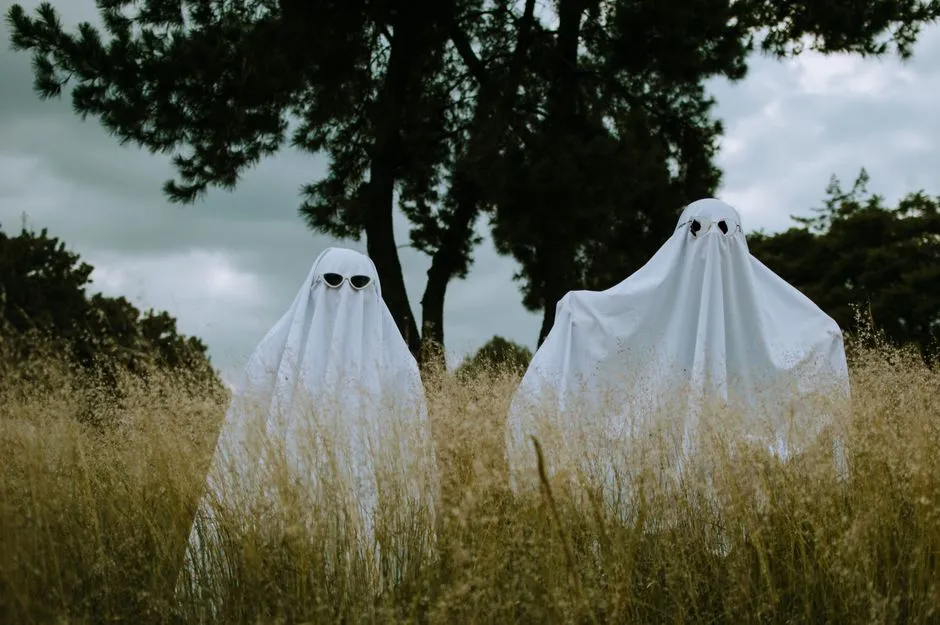
One of the most notable qualities about this informal holiday is the many names it goes by, which are favored in distinct geographic areas but often overlap. The names are sometimes even reflective of the specific pranks practiced in a certain region. This naming patchwork is one of the clearest signs that no central authority ever organized or spread the tradition. It grew organically, neighborhood by neighborhood.
The term “Mischief Night” is prominently used in places such as northern New Jersey, Eastern Pennsylvania, the area around Philadelphia, New Orleans, Delaware, and parts of New York State. In some other parts of New Jersey, the night is sometimes known as “Cabbage Night.” “Cabbage Night” is also used in Vermont, Connecticut, Upstate New York, the area around Boston, Western Massachusetts, Newport, Rhode Island, Ontario, Canada, Northern Kentucky, and parts of Ohio.
Beyond Detroit, “Devil’s Night” is commonly used around Michigan and the Great Lakes region, as well as in some parts of Canada. “Gate Night” is used in New Hampshire, the Dakotas, and parts of Michigan and New York State. People in New York State are also known to call it “Goosey Night,” as do some residents of New Jersey.
Detroit’s Devil’s Night: A Story of Its Own
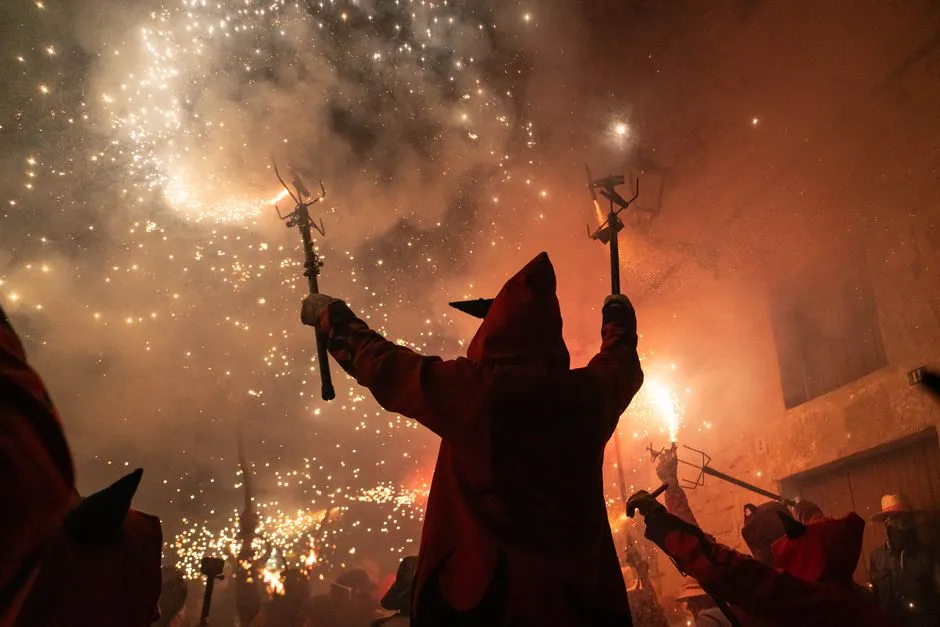
Every October 30, hundreds of fires were started in Detroit, a tradition wholly unique to the city. It was neither trick nor treat, but a fiery demonstration the night before Halloween that anxious locals came to refer to as Devil’s Night. What began as minor mischief grew into something far more serious during the 1970s and 1980s.
Normally, Detroit might have seen 50 to 60 fires reported over a 24-hour period. Yet in 1983, an astounding 553 fires were recorded during a 72-hour period around Halloween. In 1984, Devil’s Night saw a record 810 fires. The scale was shocking enough that news coverage reached as far as Japan.
Detroit’s hundreds of abandoned houses, warehouses, and commercial properties became easy fuel for the flames. In a city already struggling with economic decline and community decay, the destruction only deepened the sense of disorder. Devil’s Night in Detroit was inseparable from the city’s broader struggles during that era.
How Detroit Fought Back with Angels’ Night

In response, city officials and community leaders launched “Angels’ Night,” in which 50,000 volunteers patrolled the streets on the days before Halloween. In 1997, then-Detroit Mayor Dennis Archer turned the page, calling October 30 “Angel’s Night” and asking Detroiters to volunteer to patrol their city. That year, some 35,000 volunteers answered the call, and there were 142 fires over the three-day period including Halloween.
Thanks to volunteer efforts, Detroit largely abolished the arson epidemic by the 2000s, a community response that drew almost as much attention as the problem that provoked it. With the tradition largely under control, the city officially retired Angels’ Night in 2017. Today, October 30 in Detroit looks very different from those chaotic 1980s nights.
The Role of Immigrant Communities in Spreading the Custom
Over time, Mischief Night shifted to align with autumn festivals like Halloween, especially as British immigrants settled in concentrated clusters along the northeastern seaboard. Those communities maintained their customs internally rather than broadcasting them outward, which is why the tradition never planted roots in the American South or West.
Mischief Night is not universally known or recognized across the United States. The holiday is largely popular in northeast sections of the country, including New Jersey, Pennsylvania, New York, Connecticut, Vermont, New Hampshire, Western Massachusetts, and Delaware. It is also known in areas like New Orleans, parts of Michigan such as Detroit, Baltimore, North and South Dakota, and Rhode Island. The common thread is almost always a port city or an industrial hub with deep roots in European immigration.
What the Pranks Actually Look Like
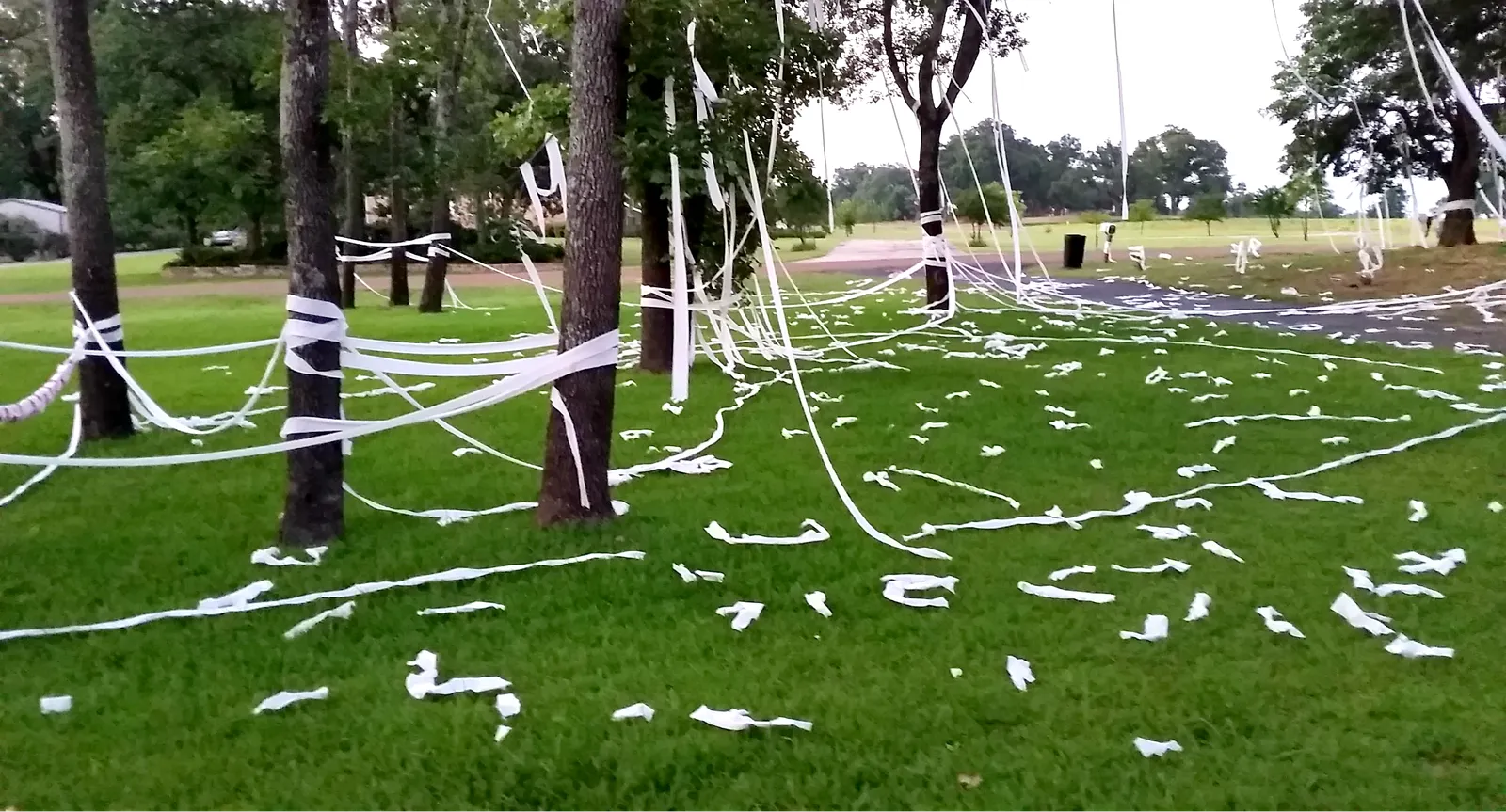
Mischief Night in Pennsylvania suburbs and New Jersey towns involved mild pranks committed on October 30. Participants, typically those who had just aged out of trick-or-treating so early teenagers, would throw rolls of toilet paper over houses and trees, ring a neighbor’s doorbell and sprint away before the door opened, or throw eggs at a window. Harmless in the grand scheme, but memorable enough to become a rite of passage.
Today, Mischief Night remains a blend of historical customs, local folklore, and modern prankster traditions in the United States. For the communities that still observe it, the night carries a genuine sense of identity. It marks a clear line between where you grew up and where you didn’t.
Why the South and West Never Picked It Up
The South doesn’t celebrate Mischief Night, and neither does most of the West, and that gap is largely explained by settlement patterns. The tradition never had a foothold in those regions because the immigrant communities that carried it from Britain largely settled elsewhere. Without a founding generation to pass it down, the custom simply never took root.
There’s also the question of how traditions survive. Local customs don’t spread through advertising or official proclamations. They spread through families, neighborhoods, and shared memories. Where those networks didn’t include Mischief Night, the night before Halloween remained just that: the night before Halloween, with nothing special attached to it.
New Jersey’s Surprisingly Stubborn Loyalty to the Night
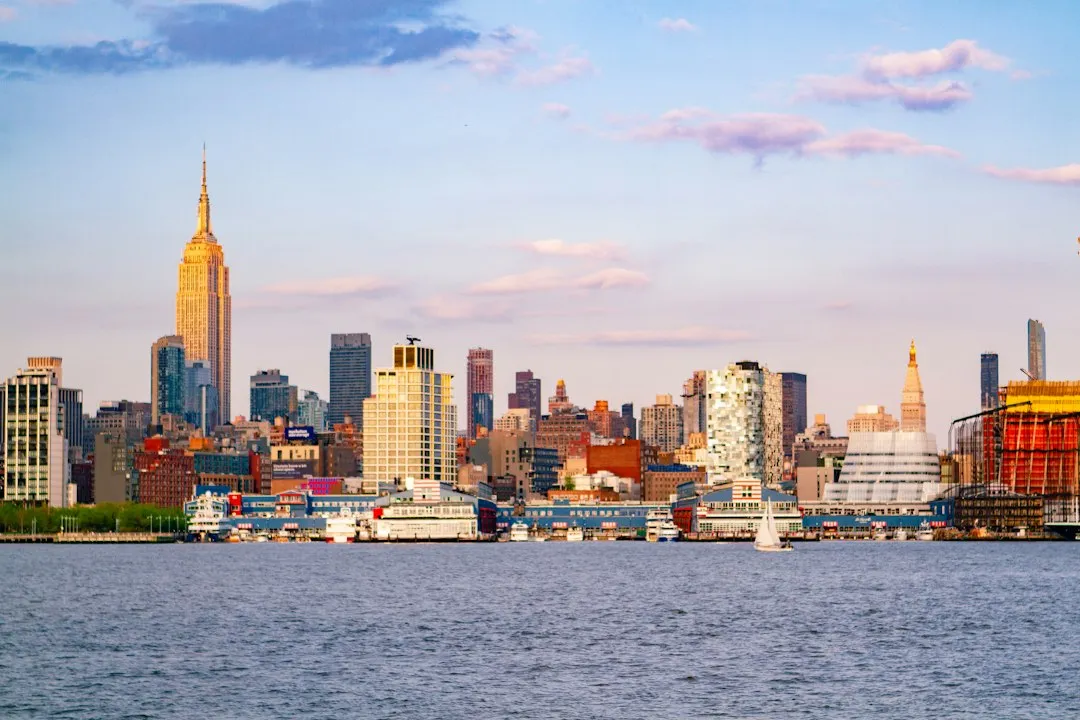
Despite the chaos that the holiday produced in some eras, it persisted, with many communities in the United States practicing the tradition of Mischief Night on October 30. While it has largely fizzled out elsewhere, the Garden State still celebrates it today. New Jersey’s relationship with Mischief Night is almost a point of cultural pride at this stage.
Despite the reputation of Mischief Night’s annoyances, many community members in New Jersey value the holiday. For longtime residents, it’s one of those things you either grew up with or you didn’t, and that difference alone carries a lot of weight. Explaining it to someone from Texas or California often produces genuine disbelief that such a thing exists.
The Takeaway
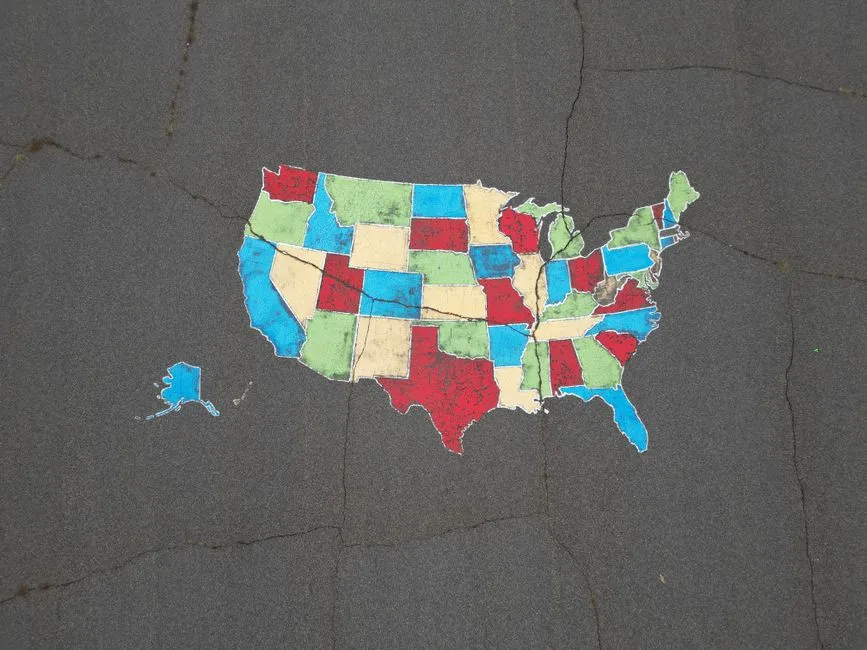
Mischief Night’s uneven map across the United States isn’t really a mystery when you trace it back to its origins. Immigrant communities brought a tradition from Northern England, planted it in specific cities, and those cities held onto it across generations. The rest of the country simply never received the custom in the first place.
What makes the story genuinely interesting is how durable these local customs are. Despite living in an age of rapid information sharing, Mischief Night has not become a nationwide phenomenon. It remains stubbornly local, which in its own way, is exactly what a neighborhood prank tradition should be. Some things are more meaningful precisely because not everyone has them.
AI Disclaimer: This article was created with the assistance of AI tools and reviewed by a human editor.