
Most drivers have done it at least once. The pump clicks off, you squeeze the handle again just to round up the dollar amount, and nothing seems to happen. The car starts fine, you drive away, and life goes on. It’s one of those small habits that feels harmless in the moment, but mechanics across the country have been warning drivers about it for years, and the reasons go deeper than most people realize.
The issue isn’t about a single extra squeeze of the trigger. It’s about what happens inside your car’s fuel system when you push past the point the pump was engineered to stop at. The damage can be invisible at first, slow to develop, and surprisingly expensive to fix later.
The Automatic Shutoff Is Not a Suggestion
The refueling system includes an automatic shutoff mechanism that activates when the tank reaches its intended fill level. This isn’t an arbitrary cutoff. This point accounts for several key engineering considerations, including thermal expansion of fuel due to temperature changes. Continuing to pump after the first click effectively eliminates this built-in safety margin.
While it’s tempting to squeeze in as much gas as possible when you fill your tank, filling it past the pump’s first automatic shutoff can damage your car to the tune of hundreds of dollars. It can also adversely affect the environment and even risk your safety. The click exists for a reason, and the engineering behind it is deliberate.
Your EVAP System Is Built for Vapor, Not Liquid
What can get damaged by overfilling your tank is the vehicle’s evaporative emissions control system. These systems have been in use for decades to control harmful emissions that occur when gasoline vaporizes. The critical point that most drivers miss is that the EVAP system was never designed to handle liquid fuel at all.
As technical documentation from suppliers like Bosch confirms, the EVAP system is engineered to handle vapors, not liquid fuel. That distinction is critical: overfilling past the nozzle’s click risks forcing liquid gasoline into vapor lines and filters never meant to carry it. Think of it as water going into a system designed only for steam. It doesn’t belong there, and it causes real damage.
The Charcoal Canister Takes the Hit
The fuel system in a car has a fixed capacity that’s limited by the size of the tank and related components like fuel lines, pumps, and something called an evaporative canister. This is a plastic housing with an activated charcoal filter element inside; dedicated lines carry gasoline vapors from the tank to the canister and then to the engine where they’re combusted.
The charcoal canister can flood when you top off your tank, as you’re actually forcing gas into the filler neck and canister. You might be able to get away with this once or twice, but fuel will saturate the charcoal element after repeated top-offs. Not only will this reduce the canister’s ability to capture and shed gasoline vapors, but your car might start to display a few symptoms that mimic other issues like bad spark plugs or a faulty catalytic converter.
Canister Failures Are Almost Always Caused by Overfilling
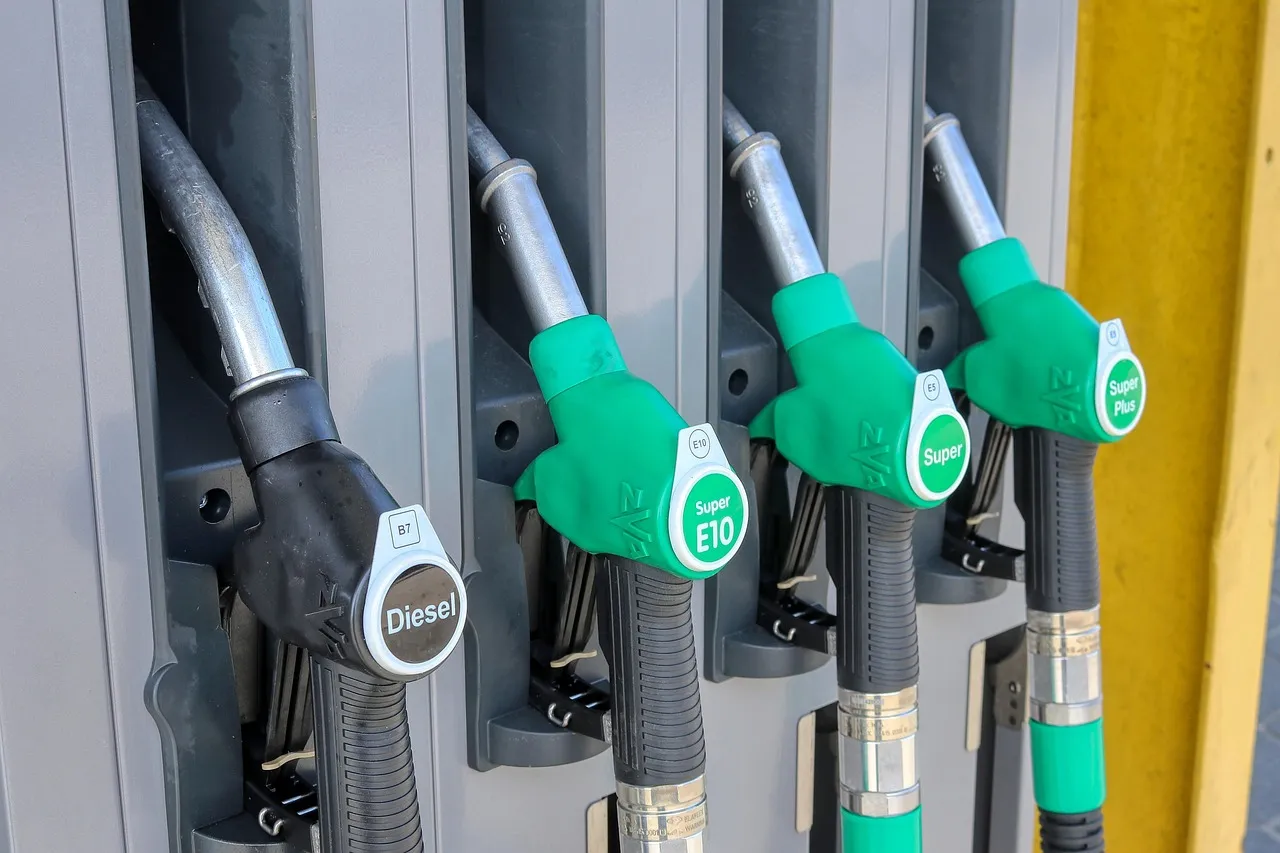
The canister has no moving parts and doesn’t wear out from normal use. Most failures happen because of overfilling the gas tank, which accounts for the vast majority of failures. That’s a striking number. A part that should last the lifetime of the vehicle is routinely destroyed by a habit most drivers don’t even think twice about.
Under normal conditions, the canister often lasts the entire life of your vehicle, covering 150,000 miles or more over 10 to 15 years. The canister has no moving parts and doesn’t wear out from normal use. Most failures happen because of overfilling the gas tank, where liquid fuel contaminates the charcoal. If you stop refueling at the first pump click and avoid physical damage, your canister will likely outlast your ownership of the vehicle.
The Purge Valve Suffers Too
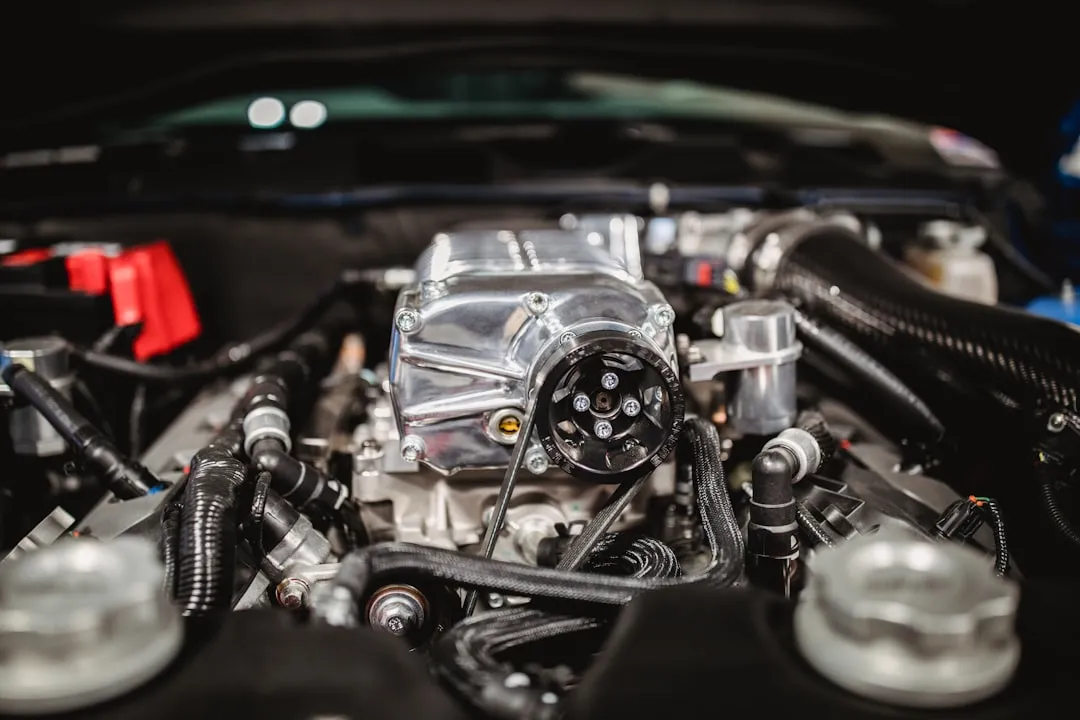
The purge valve comes after the charcoal canister, usually comprising an electric solenoid that releases the vapors into the engine. For some makes and models, these purge valves can have issues at the best of times, so adding the issue of a damaged charcoal canister will increase pressure on the purge valve, and it could fail prematurely. A failed purge valve can cause rough idling, sluggish performance, and usually a check engine light.
The vent valve and purge valve are also vulnerable. They are built to manage vapor flow, not to process a surge of raw liquid gasoline caused by overfilling the tank. Once contaminated, these components can stick, fail to seal correctly, or operate inconsistently. That may not happen after one small overfill event, but repeated topping off absolutely increases the risk.
Your Check Engine Light Will Eventually Come On
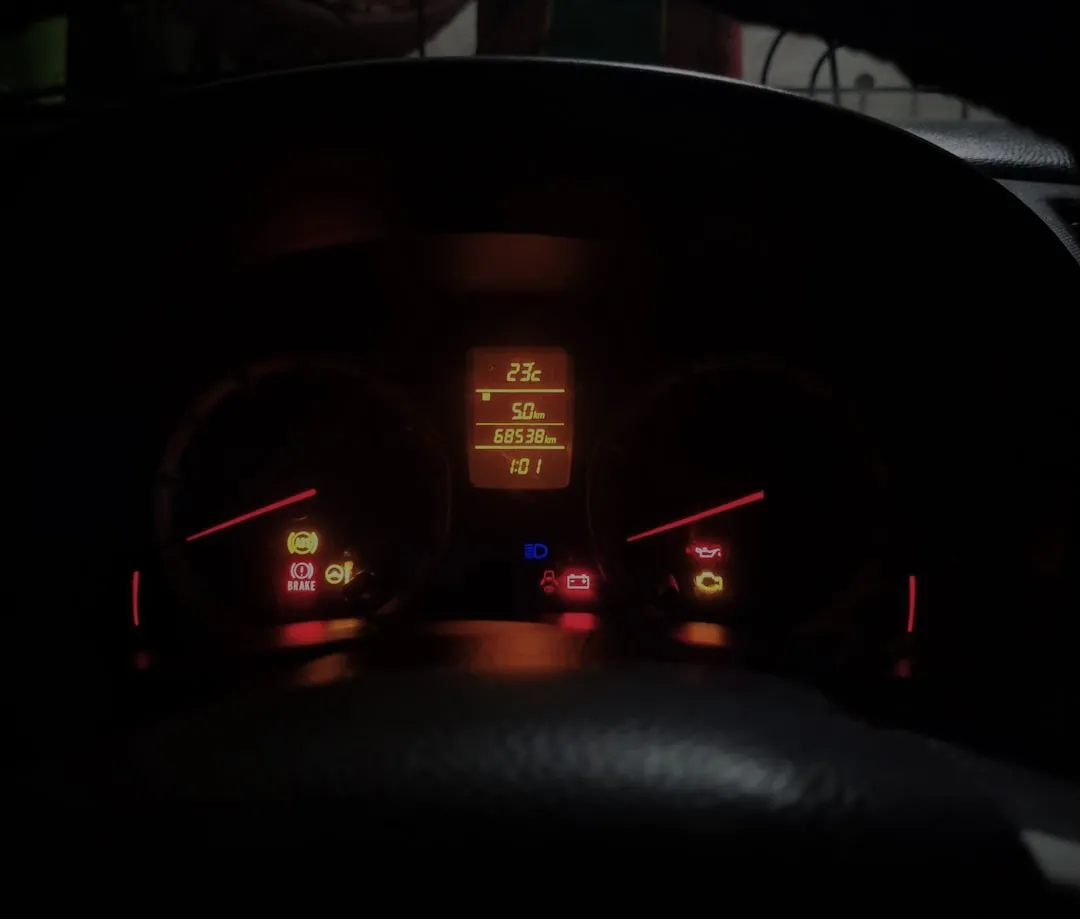
Overfilling the gas tank can flood the EVAP system, causing pressure buildup and triggering the check engine light. Symptoms include rough running and poor engine performance. For many drivers, this is how the problem finally reveals itself. The light comes on, they head to a shop, and they’re surprised to learn the cause traces back to a fueling habit at the pump.
A saturated charcoal canister can also result in an overly rich air-fuel mixture, which can cause the check engine light to illuminate. That can cause your vehicle to fail its emissions test, reduce fuel economy, and damage the catalytic converter. One small habit at the gas station can set off a chain of expensive problems that takes weeks to fully diagnose and repair.
Engine Sensors Get Pulled Into the Problem
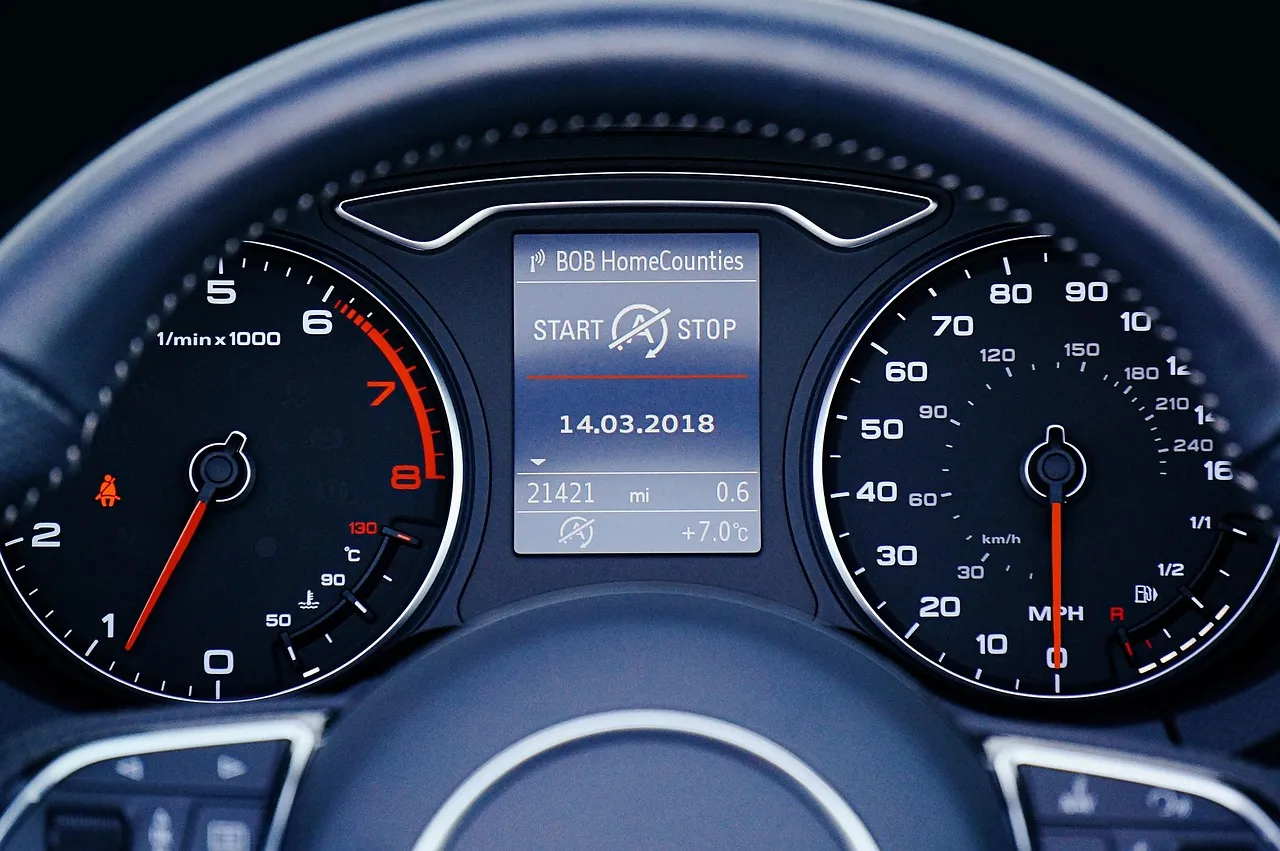
Fuel-injected engines rely on multiple sensors to adjust combustion, including the mass airflow sensor, oxygen sensors, and fuel pressure sensors. Overfilling the tank can cause fuel to enter areas that produce vapors or mist, which may lead to incorrect readings by these sensors.
Incorrect sensor data makes the engine run inefficiently, often resulting in reduced mileage, rough performance, and even warning lights that confuse the situation further. Persistent exposure to flooding conditions might eventually necessitate costly sensor replacement or more extensive fuel system repairs. At that stage, a diagnostic visit alone can quickly become a significant expense.
The Environmental Consequences Are Real
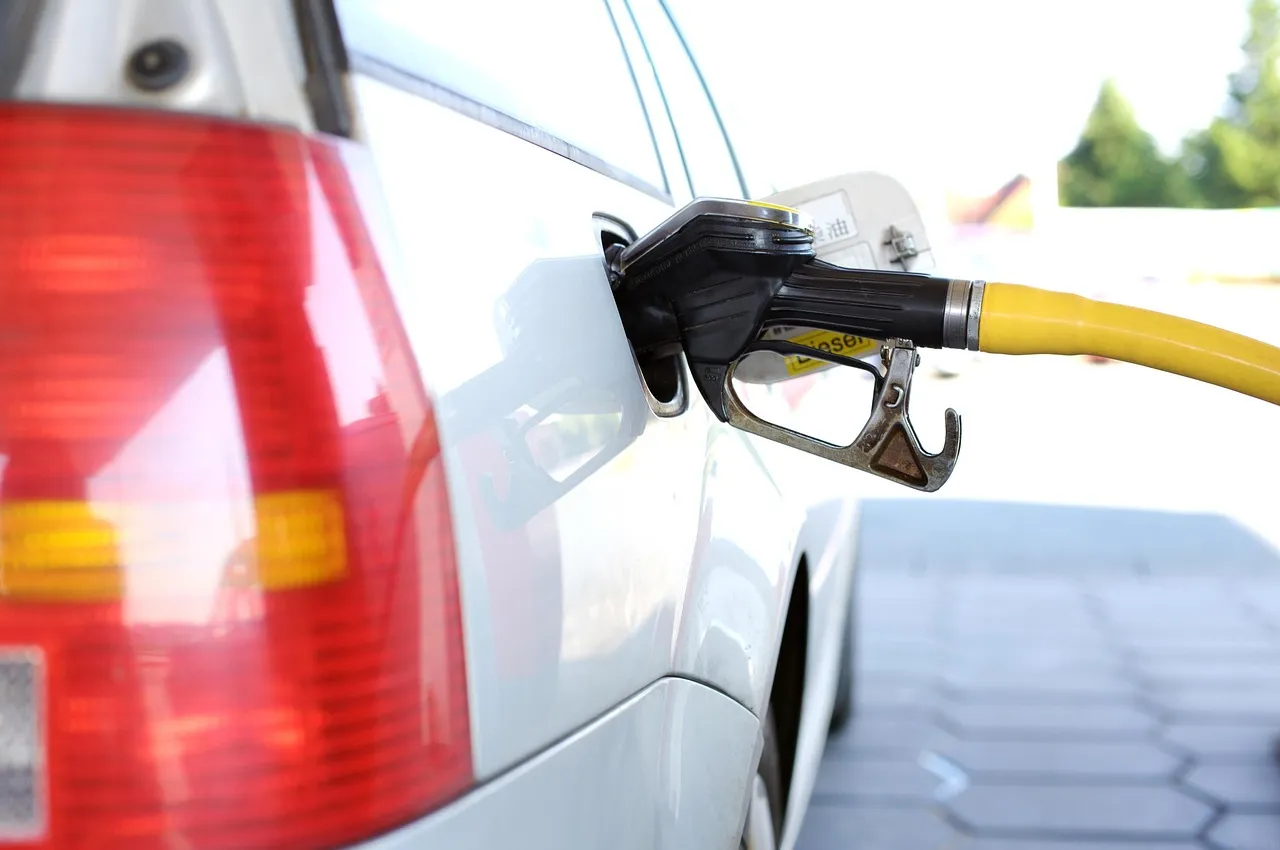
Beyond your vehicle, topping off contributes to environmental hazards. Gasoline spills at the pump and evaporative emissions from overfilled tanks release volatile organic compounds into the air. These compounds are a primary contributor to smog and pose health risks to anyone nearby.
Gasoline that spills onto the ground can seep into the soil and pollute water resources. Accidental spillage of gasoline from overfilling is both a waste of a valuable resource and, as it consequently evaporates, contributes to the formation of smog. This isn’t just a car problem. It’s a broader issue that plays out at thousands of gas stations every day.
The Safety Risk Most Drivers Overlook
In some very extreme cases, a crack in the purge line, mixed with the excess vapors caused by an overfilled tank, can create a fire hazard as the vapors leak into the hot engine bay. This is a rare outcome but worth knowing about, especially for older vehicles with aging fuel system components.
If overfilling is taken to the extreme, fuel may even spray out onto the person operating the pump, or in the case of one recently destroyed luxury car, spilled fuel may hit a hot exhaust component and ignite. Overfill too far and fuel may drip onto the body of the car, onto your hands or shoes, or directly onto the ground. Gasoline is highly flammable, bad for painted surfaces, unhealthy to breathe, and harmful to the environment.
Topping Off Doesn’t Even Save You Money
The habit of topping off usually stems from the idea that every extra drop stretches mileage. The marginal gain, often just a few milliliters, is negligible in real-world driving. In other words, the logic that drives the behavior doesn’t hold up under any real scrutiny.
Gas station fuel pumps have a vapor recovery system that can actually suck gas from your tank if you overfill it. The system has a thick rubber collar or accordion-like tube on the pump that covers the opening of the fuel filler neck. So squeezing every ounce of gasoline you can into your vehicle’s tank actually results in fuel waste, which also means you’re burning money. You’re not gaining anything extra. You may in fact be giving some back.
What the Repair Bill Can Look Like
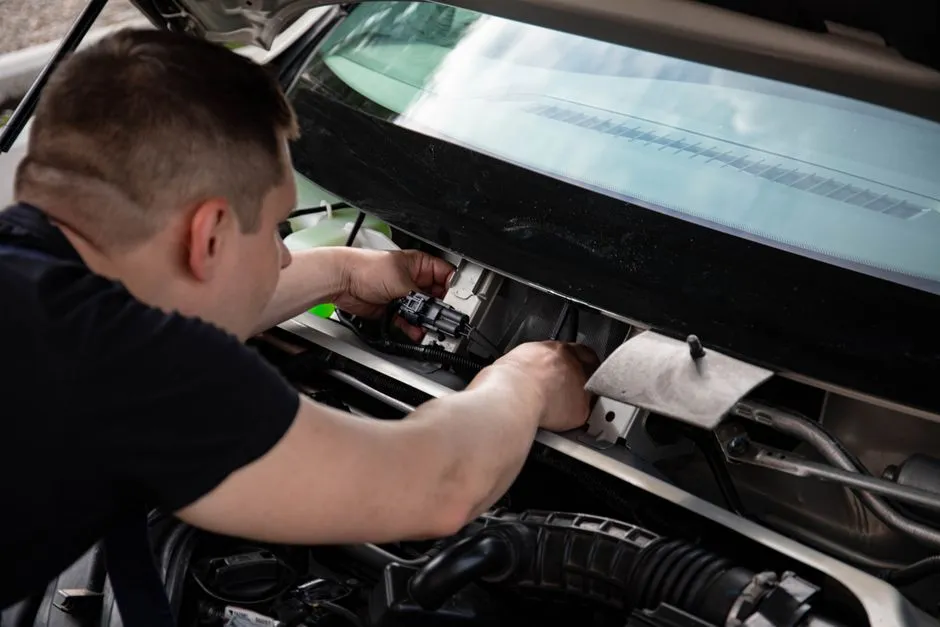
A saturated charcoal canister causes a variety of problems: poor fuel economy, rough idling, failed emissions tests, and even engine stalling. The repair involves replacing the canister and sometimes other connected EVAP components, a bill that can cost thousands depending on the vehicle. What started as a tiny habit at the pump escalates into an expensive repair because the system cannot differentiate between vapor and liquid.
Replacing the evaporative emissions purge control valve alone carries an average repair cost of around $144. EVAP issues range from loose gas caps to failed purge valves or damaged charcoal canisters. While a gas cap replacement is minimal cost, accessing and replacing EVAP components hidden in fender wells or above fuel tanks requires significant labor. When multiple components fail at once, the total bill climbs quickly.
The Right Habit Costs Nothing
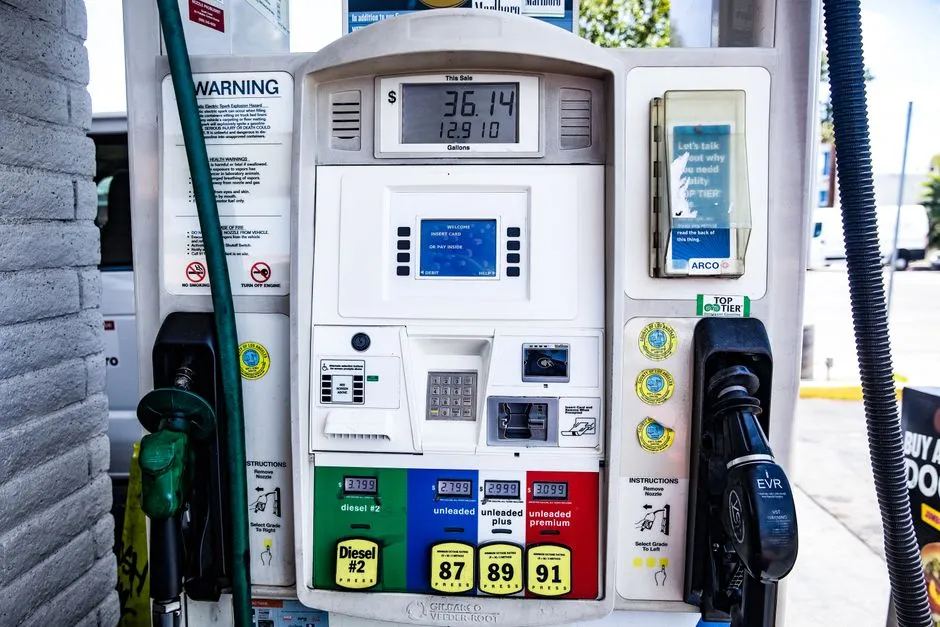
Stopping at the first click requires no special knowledge, no extra time, and no extra money. It’s simply the way the system was designed to be used. Car manufacturers including Toyota and Volkswagen intentionally design fuel tanks to remain partially unfilled with liquid. This safety air space is part of the vehicle’s mechanical balance, not wasted capacity.
If the pump shuts off and then immediately shuts off again when you try again, it’s likely full. Continuing beyond that isn’t advised since overfilling can flood the charcoal vapor canister with liquid gasoline, not to mention that fuel expands with temperature and might likewise flood the canister if a vehicle is overfilled and immediately parked. The pump is giving you clear information. It just requires a driver who’s willing to listen to it.
The Takeaway
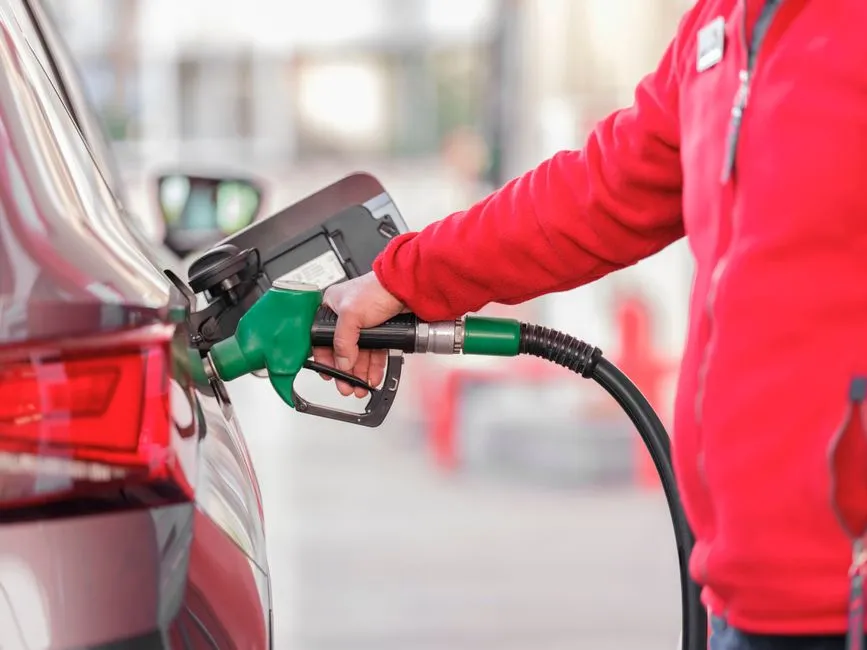
Mechanics aren’t being overly cautious when they warn against topping off. The advice is grounded in how these systems are actually engineered. Mechanics don’t warn about immediate, catastrophic failure from a single overfill, but repeated topping off can cause cumulative issues. The EVAP system relies on a charcoal canister to absorb and store fuel vapors, and liquid fuel entering this component can saturate or degrade it prematurely, reducing efficiency and lifespan.
The second click at the pump is tempting precisely because nothing seems to go wrong in the moment. The damage is quiet, cumulative, and invisible until it isn’t. Stopping when the pump tells you to stop is one of the simplest and most cost-effective maintenance habits any driver can build, and it protects a part that, under normal conditions, should last the lifetime of the vehicle.
AI Disclaimer: This article was created with the assistance of AI tools and reviewed by a human editor.