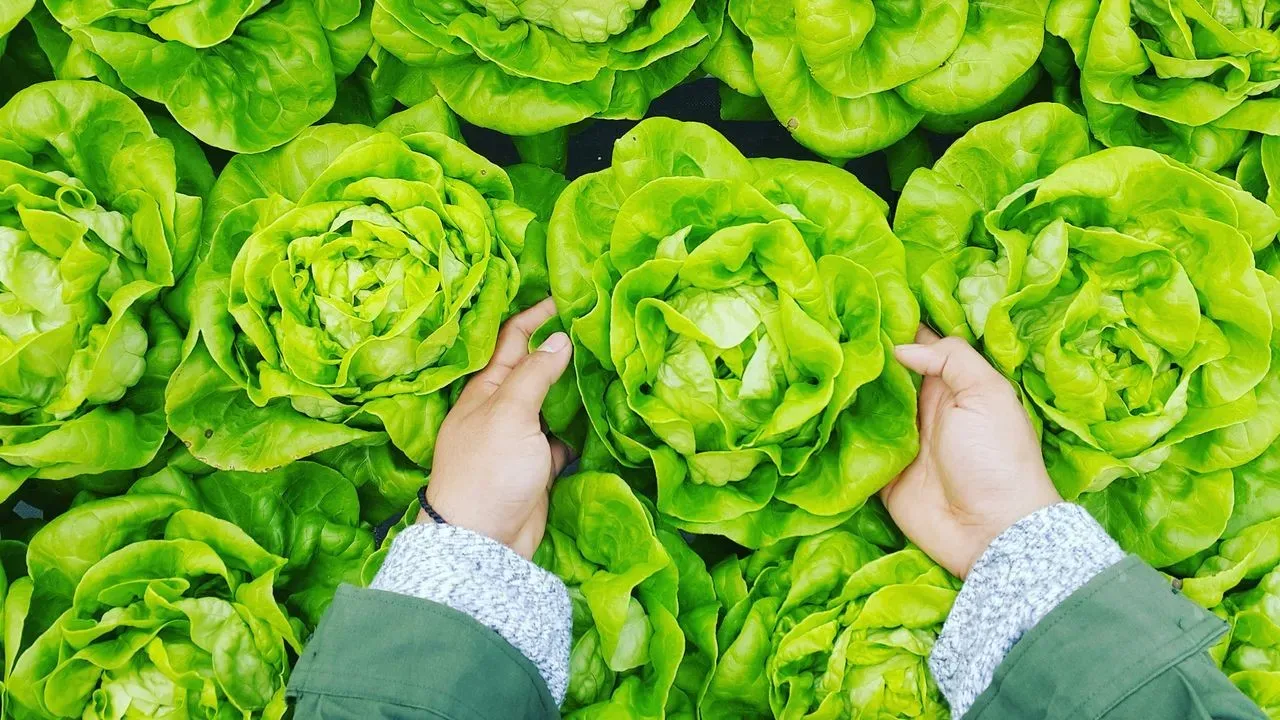

Many gardeners assume the growing season winds down once summer heat subsides, yet the transition to cooler weather opens a distinct window for certain crops. Lettuce, a cool-season vegetable, responds particularly well to these conditions and can deliver larger, more flavorful heads than spring plantings in many regions. This timing also helps extend the home harvest without requiring extensive new infrastructure or resources.
The Practical Edge of Cooler Temperatures
Lettuce tends to bolt and turn bitter when exposed to prolonged warmth and lengthening days. Fall planting sidesteps that stress because shorter days and dropping temperatures encourage steady leaf growth rather than premature flowering. The result is often denser heads with improved texture and taste, as the plant focuses energy on foliage instead of reproduction. Gardeners who have tried both seasons frequently note that fall crops require less frequent watering and show fewer pest issues once established.
Selecting the Right Window for Sowing
Success depends on matching planting dates to local frost patterns. In most temperate areas, seeds or seedlings go into the ground six to eight weeks before the first expected hard freeze. This schedule allows young plants to develop strong roots while daytime highs remain mild enough to avoid heat shock. Successive sowings every two weeks can stretch the harvest across several additional weeks, providing a steady supply rather than a single large cut.
Soil Preparation and Site Choices
Well-drained soil enriched with compost supports rapid root development before colder weather arrives. A location that receives at least four to six hours of sun remains important, though afternoon shade becomes an advantage in regions where early fall days can still warm up. Raised beds or containers work effectively because they warm slightly faster in the morning and drain excess moisture that might otherwise lead to rot during damp autumn periods.
Ongoing Care Through Changing Conditions
Consistent moisture helps seedlings establish before temperatures drop sharply. Light row covers or cloches offer protection on nights when frost threatens, yet they can be removed during milder stretches to prevent overheating. Monitoring for slugs and aphids remains useful, though populations often decline naturally as nights cool. Fertilizer applications should stay light, since excessive nitrogen can produce soft growth vulnerable to early cold snaps.
Reaping and Extending the Rewards
Leaves can be harvested as soon as they reach usable size, with outer leaves taken first to encourage continued production. Many varieties tolerate light frosts and continue growing slowly into early winter under protection. The extended window often yields more total volume than a spring crop limited by summer heat, giving gardeners a tangible return on the modest extra effort of late-season planting. This approach demonstrates how shifting focus to fall can turn the end of one season into the start of another productive period.
AI Disclaimer: This article was created with the assistance of AI tools and reviewed by a human editor.