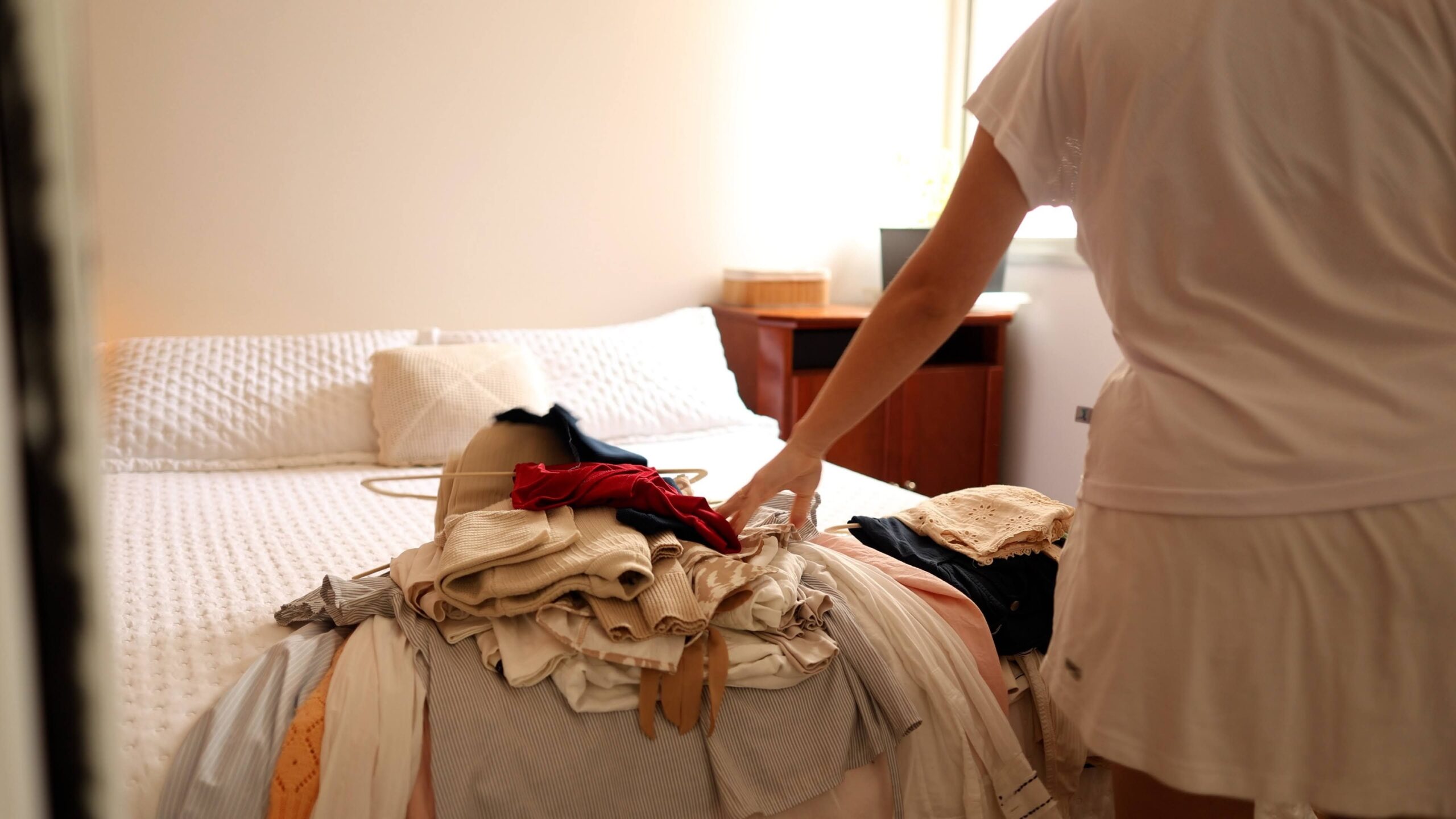

1. Time Perspective Quietly Reshapes What Matters

Socioemotional selectivity theory, developed by Stanford psychologist Laura L. Carstensen, is a lifespan theory of motivation. It maintains that as time horizons shrink, as they typically do with age, people become increasingly selective, investing greater resources in emotionally meaningful goals and activities. This shift has real consequences for how older adults relate to physical possessions.
The main assertion of socioemotional selectivity theory is that when boundaries on time are perceived, present-oriented goals related to emotional meaning are prioritized over future-oriented goals aimed at acquiring information and expanding horizons. In short, what used to feel important starts to look different when you sense that time is finite.
Carstensen’s seminal studies demonstrate that when younger adults are prompted to imagine limited time horizons, they show preference patterns nearly identical to older adults, choosing familiar social partners over novel ones and prioritizing emotional meaning over information acquisition. It’s not purely about age. It’s about how we perceive the time we have left.
2. The Endowment Effect Is Real, but It Can Soften
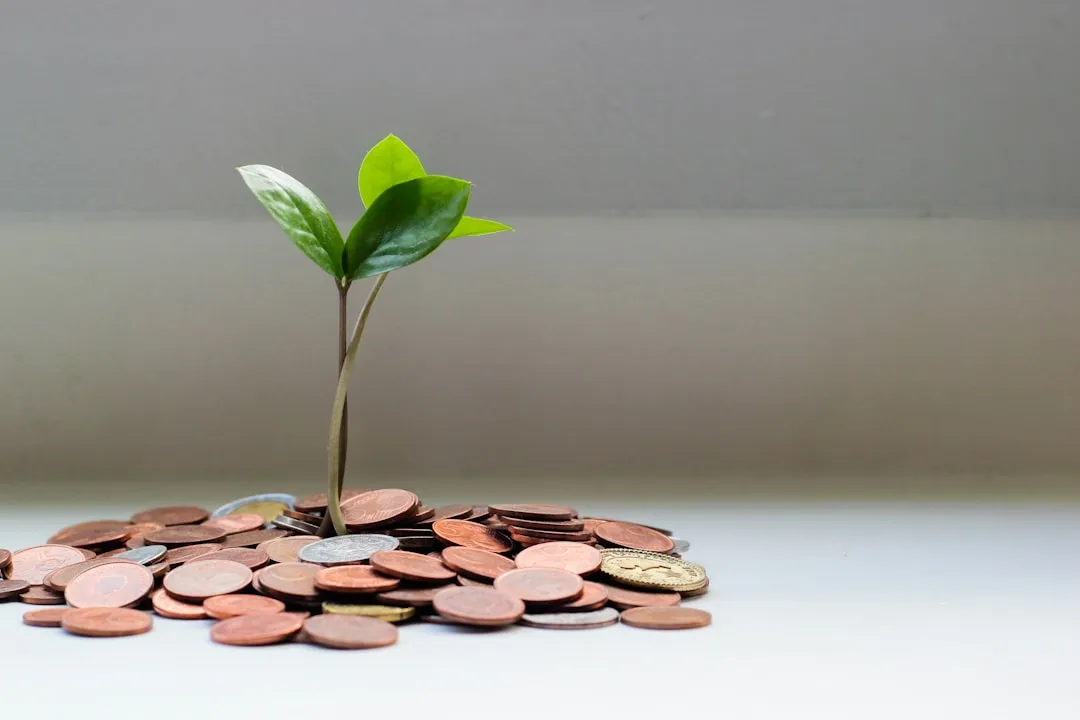
Daniel Kahneman, Jack Knetsch, and Richard Thaler published their seminal research on the endowment effect in 1991. Their finding: people value objects they own at approximately twice what they would pay to acquire the same objects. For sentimental items, this bias is far more pronounced.
For sentimental items, the endowment effect is dramatically amplified. The item isn’t just owned; it is psychologically fused with a relationship, an identity period, or an irreversible life event. This is why releasing a worn-out sweater from a deceased parent can feel far harder than discarding an expensive appliance.
However, as people age and gain more experience with loss and transition, the sting of the endowment effect tends to lose some of its grip. The perspective that comes from having already weathered major life changes can make it easier to recognize that an object is not the same thing as the memory it represents.
3. Memory and Objects Are Not the Same Thing
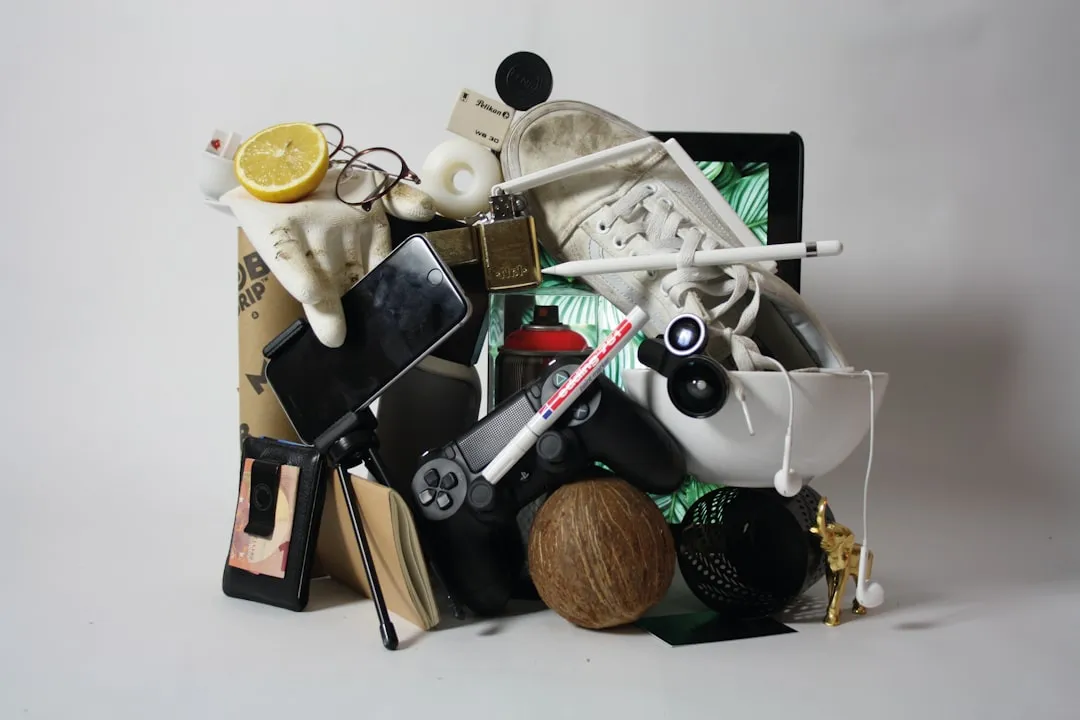
People are not wrong to fear that releasing sentimental objects will damage access to the associated memories. The research suggests this fear, while understandable, is empirically unfounded. The memory lives in the mind, not in the box in the attic.
Sentimental items work as physical anchors for memory and identity, activating the same brain circuits that process emotion and personal meaning, which is why losing one can feel less like tidying up and more like losing a piece of your own history. The feeling is powerful. But the feeling is not the fact.
For objects with sentimental value, creating a digital or physical memory book can be a way to preserve the memories without keeping the physical items. Photographing these objects along with written descriptions of their significance can help in letting go of the physical item while preserving its emotional value. Many older adults find this approach genuinely freeing once they try it.
4. Loneliness Complicates the Picture

Research published in Psychology and Marketing in 2025 demonstrates that lonely consumers are less willing to let go of their used possessions because they form stronger self-product attachments. This is a meaningful caveat worth understanding before assuming that aging always makes releasing possessions easier.
A recent survey showed that nearly a quarter of the global population feels very lonely, and that young adults aged 19 to 29 report even higher levels of loneliness than older adults aged 65 and above, according to the Gallup/Meta Report of 2023. So while older adults as a group are not the loneliest demographic, those who do experience isolation may hold on tighter to objects for comfort.
The relational meanings of a product, whether the item was a gift from someone else or acquired by the owner themselves, moderates this effect. A gift from a deceased loved one, for instance, carries a different emotional weight than something a person bought for themselves, and this distinction matters during decluttering.
5. Values, Not Just Emotions, Drive Older Adults to Keep Things
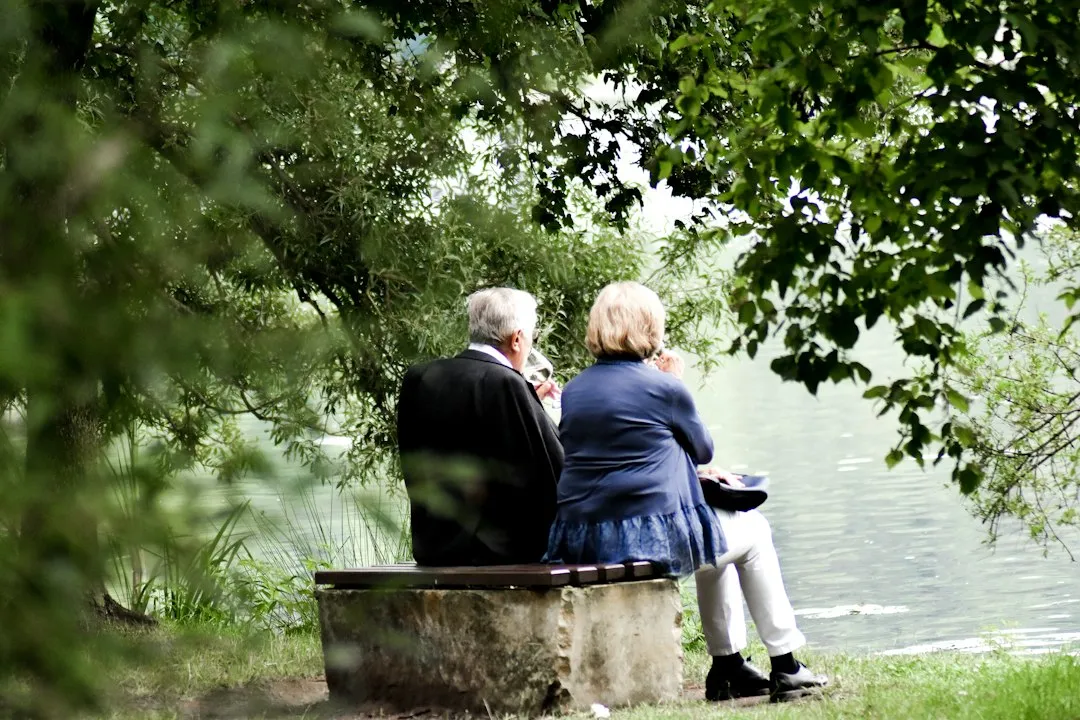
A study published in August 2024 with adults over 50 with hoarding disorder suggests that altruism, a personality trait of wanting to help others, may explain why some people keep items that others might discard. This is a subtle but important finding. Not all holding on is about fear or grief.
Compared with the general population, participants with hoarding disorder scored almost universally high on altruism. Altruism also comes up frequently in clinical work with older adults who struggle with clutter. People in these studies often report that they have held onto something out of a sense of responsibility, either for the item itself or to the environment.
Understanding this distinction matters. When older adults recognize that releasing possessions can itself be an altruistic act, whether by donating, gifting to family, or passing things to people who need them, the act of letting go stops feeling like abandonment.
6. Sorting Through Belongings Can Feel More Positive Than Expected

Research involving older adults found that most participants reported feeling positive emotions before, during, and following a sorting and discarding task, with the most commonly reported emotion being joy. This study supports prior research suggesting that not all hoarding is fear based and that older adults may be more motivated by increasing positive associations with sorting and discarding.
This is a genuinely surprising finding that cuts against common assumptions. Many people expect the process of releasing belongings to feel like grief. For a significant portion of older adults, it actually produces something closer to relief and lightness.
Beginning with less-emotional, everyday items makes the process easier, creating confidence and trust. That confidence, once built, tends to carry over into harder decisions about more meaningful possessions.
7. Life Events Reshape How We View Our Possessions
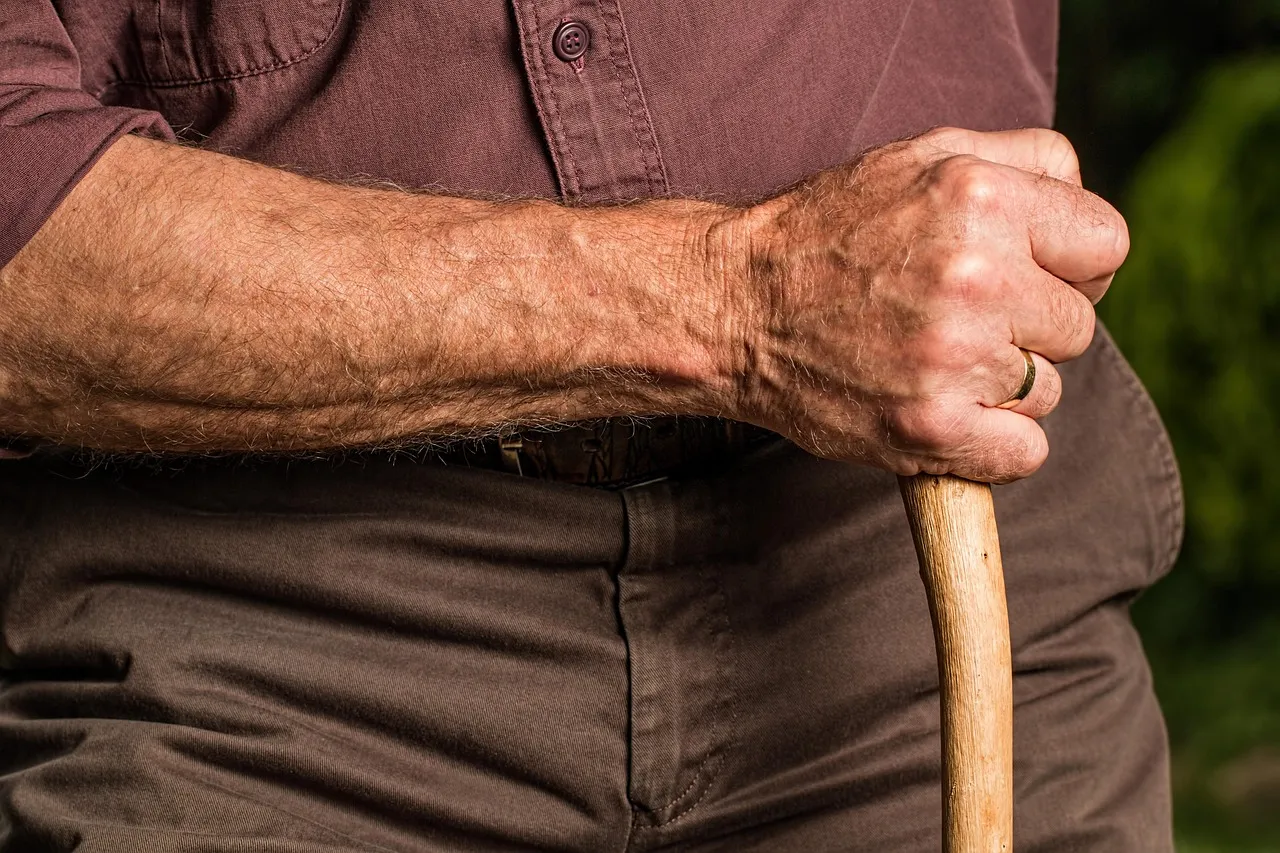
As individuals age, they inevitably experience a series of cognitive, emotional, and physical changes that may influence their attachment to objects. Life events may impact the way that we view our possessions, particularly over time. Retirement, widowhood, relocation, and loss all tend to prompt a quiet reappraisal of what is worth keeping.
You are not simply deciding what to do with old belongings. You are handling physical reminders of people, relationships, achievements, losses, places, and earlier versions of yourself. Each major life transition offers a natural moment to revisit that relationship to things.
Older adults who have already moved through several of these transitions often find they have developed a clearer internal compass for what genuinely matters. The collection that once felt essential can start to look like accumulated weight rather than cherished history.
8. Giving Possessions Away Carries Its Own Emotional Reward

Socioemotional selectivity theory posits that as future time horizons shorten, older adults increasingly prioritize emotional meaning. Reflecting this shift, prosocial behavior such as charitable giving tends to rise with age. Releasing possessions into the hands of someone who needs them aligns directly with this prosocial turn.
Recognizing that donated possessions can help others, continuing their usefulness, is a meaningful motivator. Framing decisions as a gift to family, sparing them from tough choices in the future, also provides a sense of purpose. This reframing converts the act of letting go from a loss into a kind of legacy.
There’s something genuinely satisfying about watching a meaningful object move into a new life rather than disappear into a landfill. Many older adults report that this perspective made the hardest decisions feel far less heavy.
9. Identity Becomes Less Dependent on Objects Over Time
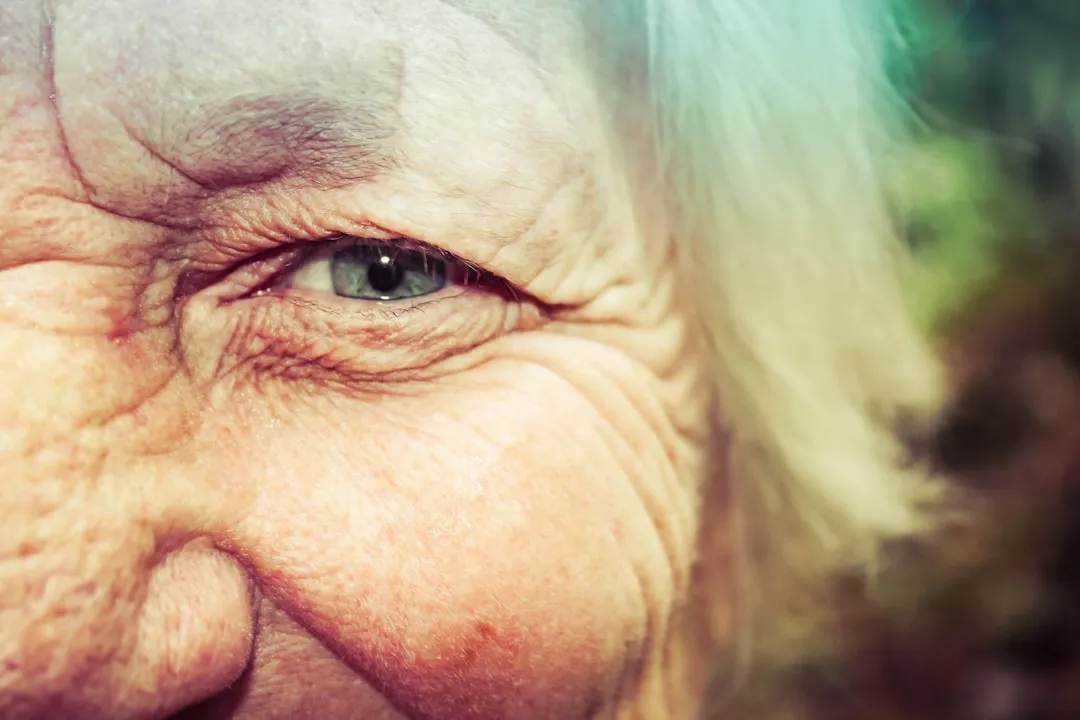
Researchers who study consumer behavior describe possessions as part of the “extended self,” the idea that our possessions become woven into how we understand our own identity. In earlier life, when identity is still forming and being confirmed, objects carry a disproportionate role in that process.
Sentimental clutter often serves as a tangible connection to our past, providing a sense of continuity and identity. That function is real and serves a genuine psychological purpose. However, as people age and their sense of identity becomes more internally rooted, the need for physical confirmation of who they are tends to ease.
People who are clear on who they are do not need objects to prove it to themselves. That quiet internal consolidation is one of the less-celebrated gifts that comes with accumulated years of self-knowledge.
10. Practical Necessity Often Becomes the Final Permission
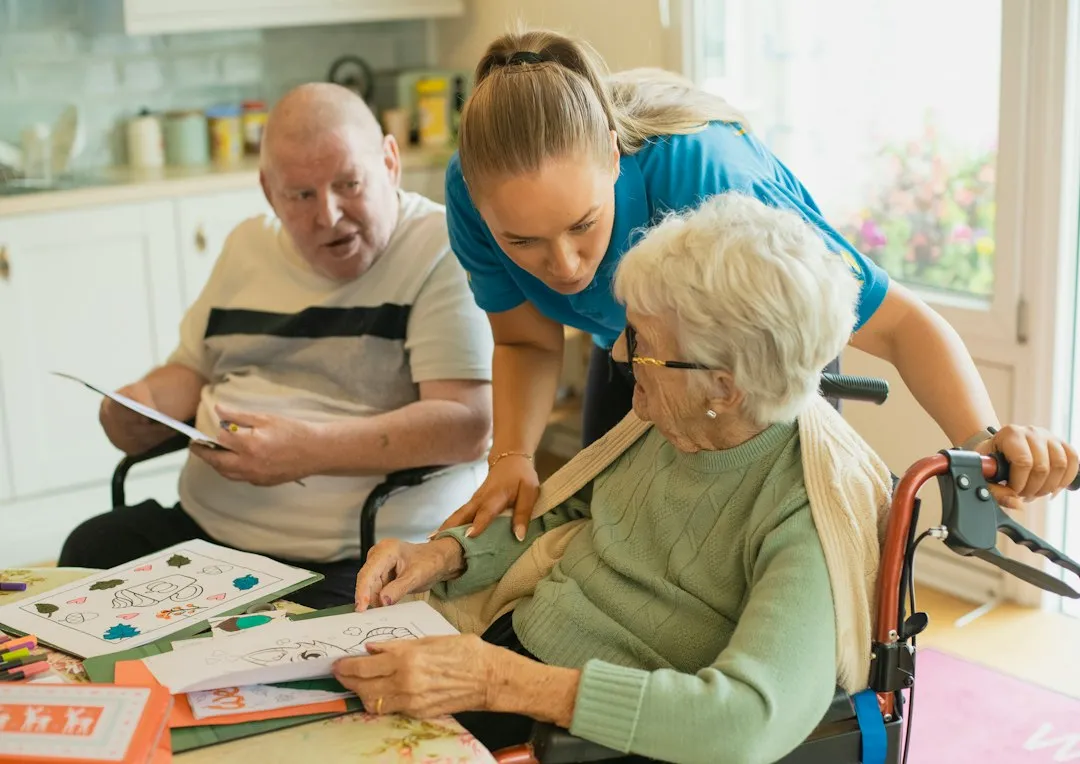
Decluttering involves three distinct dimensions: emotional attachment, physical safety, and health-related anxiety. For many older adults, the practical dimension eventually becomes impossible to ignore. A smaller living space, reduced mobility, or a desire to make things manageable for family members all create concrete reasons to let go.
Connecting decluttering with personal values like family, freedom, safety, or peace helps to make it a mission, not just a chore. When the practical need and the personal value align, resistance tends to drop considerably.
The goal is to keep sentimental things intentionally so they remain meaningful instead of becoming buried in boxes and forgotten. That is perhaps the most practical insight of all: keeping everything can ultimately drain objects of the very meaning you were trying to preserve.
The Takeaway
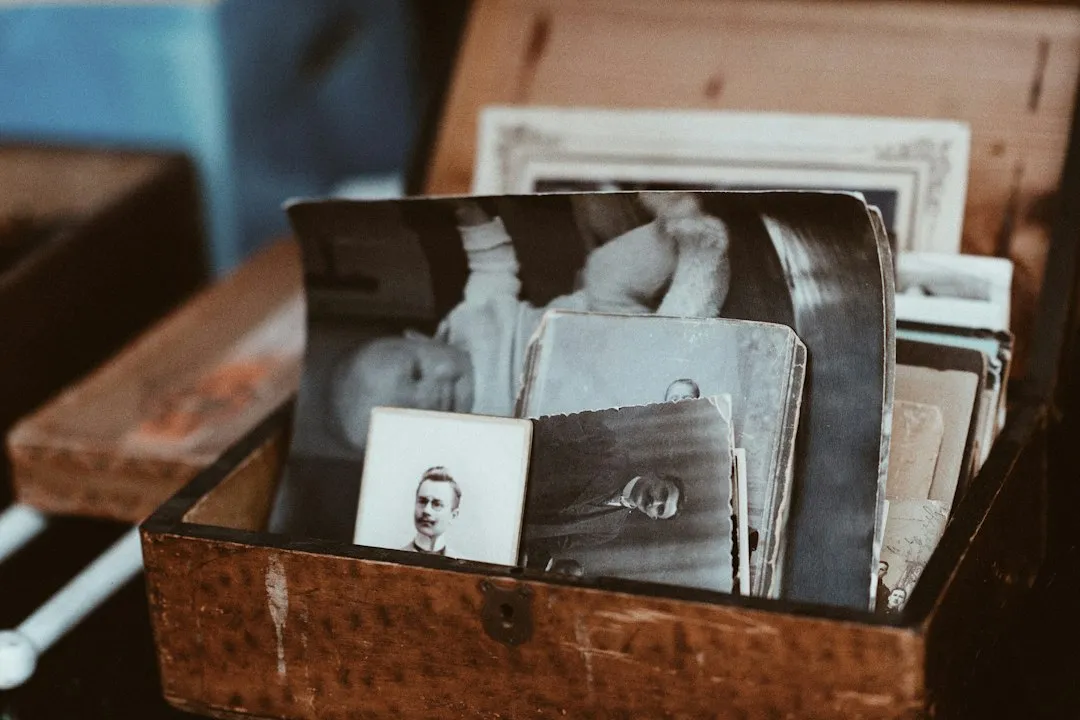
Letting go of sentimental items was never purely a physical act. It’s a negotiation between the person you were, the person you are now, and what you actually need to carry forward. What research consistently shows is that this negotiation tends to get quieter and more honest with age.
The fear of losing memories by releasing objects is understandable. It just doesn’t hold up under scrutiny. Attachments to objects are a natural extension of human emotional and cognitive processes. While these attachments can enrich our lives, providing comfort and a sense of identity, they can also contribute to clutter and emotional distress.
The shift that happens with age is not indifference. It’s clarity. The things that genuinely matter start to stand out more sharply, and everything else quietly recedes into the background where it belonged all along.
AI Disclaimer: This article was created with the assistance of AI tools and reviewed by a human editor.