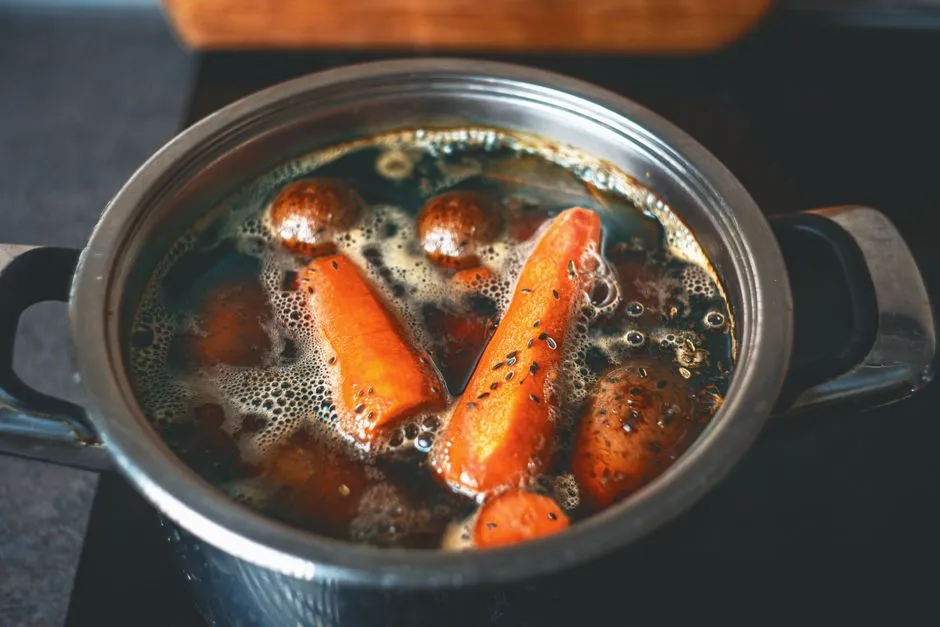

Every evening, millions of people drain a pot of vegetable water straight into the sink without a second thought. It smells earthy, looks cloudy, and seems like kitchen waste. It isn’t. That murky liquid is a quiet reservoir of nutrients, minerals, and organic compounds that most indoor gardeners spend real money trying to replicate with store-bought fertilizers.
The science is clearer than you’d expect, and the practice couldn’t be simpler. Here’s everything worth knowing before you reach for that pot handle again.
What Actually Happens When You Boil Vegetables
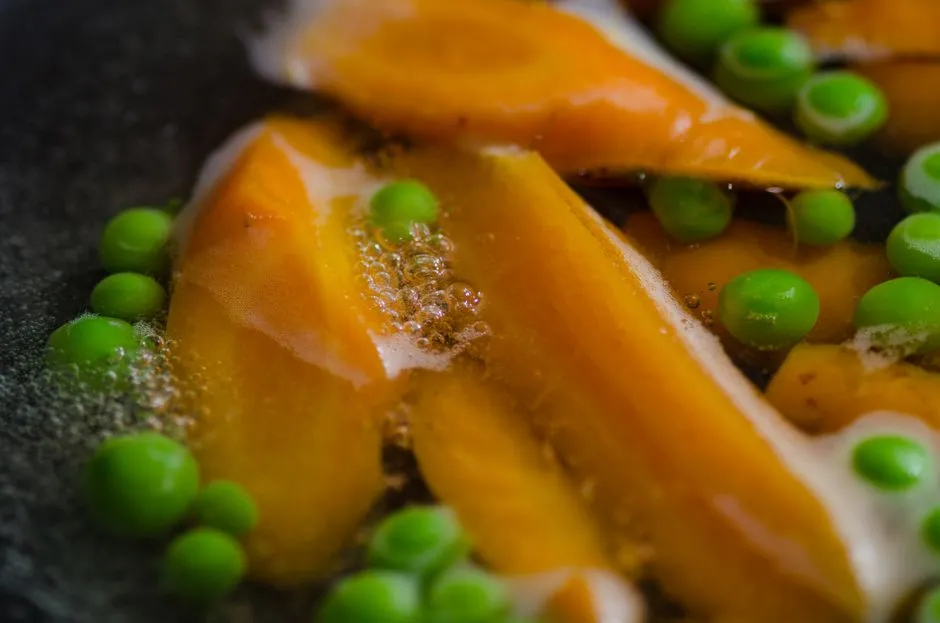
The moment vegetables hit boiling water, something interesting starts happening beneath the surface. Boiling vegetables causes water-soluble vitamins like vitamin C, B1, and folate to leach into the water. Minerals follow the same path.
Boiling affects the nutritional composition of plants, mainly soluble compounds such as carbohydrates, sugars, soluble fiber, ash, ascorbic acid, and phenolic compounds. What leaves the vegetable ends up suspended in the cooking liquid, turning it into a diluted but genuinely nutrient-rich solution.
When you boil food such as pasta, vegetables, eggs, or potatoes, many of the micronutrients such as phosphorus, nitrogen, and calcium are boiled off into the water. So the water you’ve been discarding is, in a very real sense, the nutritional byproduct of your dinner.
The Nitrogen Cycle Connection
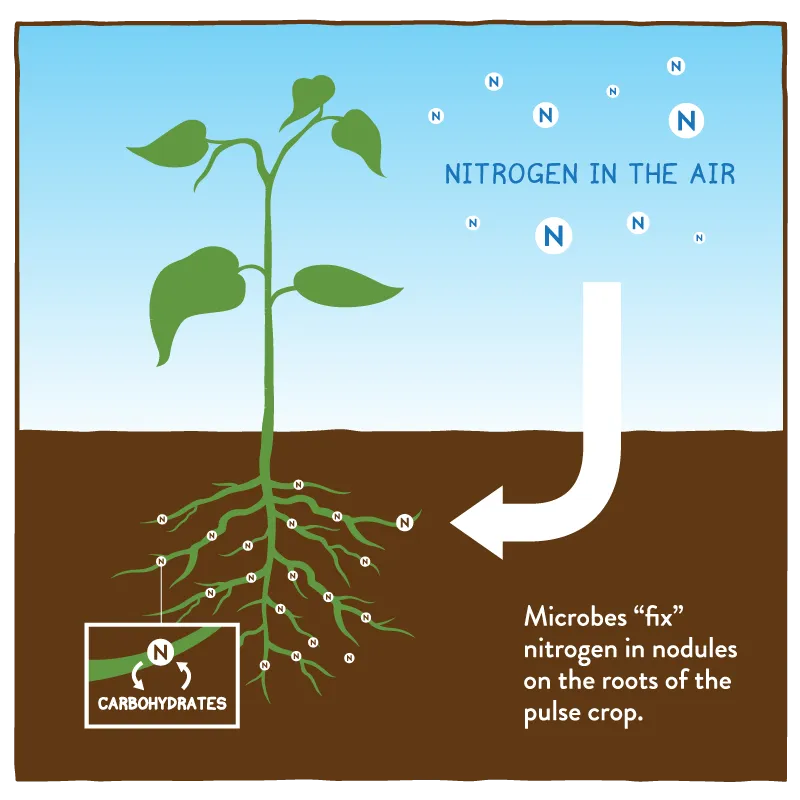
One of the main requirements of a plant is nitrogen. Ensuring that there’s a good amount of nitrogen in the soil will help your plants avoid yellowing leaves and stems, stunted growth, and malnourished plants. Vegetable cooking water can contribute to this cycle in a modest but meaningful way.
When you boil or steam vegetables, nitrates are dissolved into the water. If you water your plants with vegetable water, the nitrates are broken down into nitrogen and oxygen, which can then be utilized by your garden or house plants. It’s a closed loop that costs you nothing extra.
Calcium, Iron, and the Other Minerals That Matter
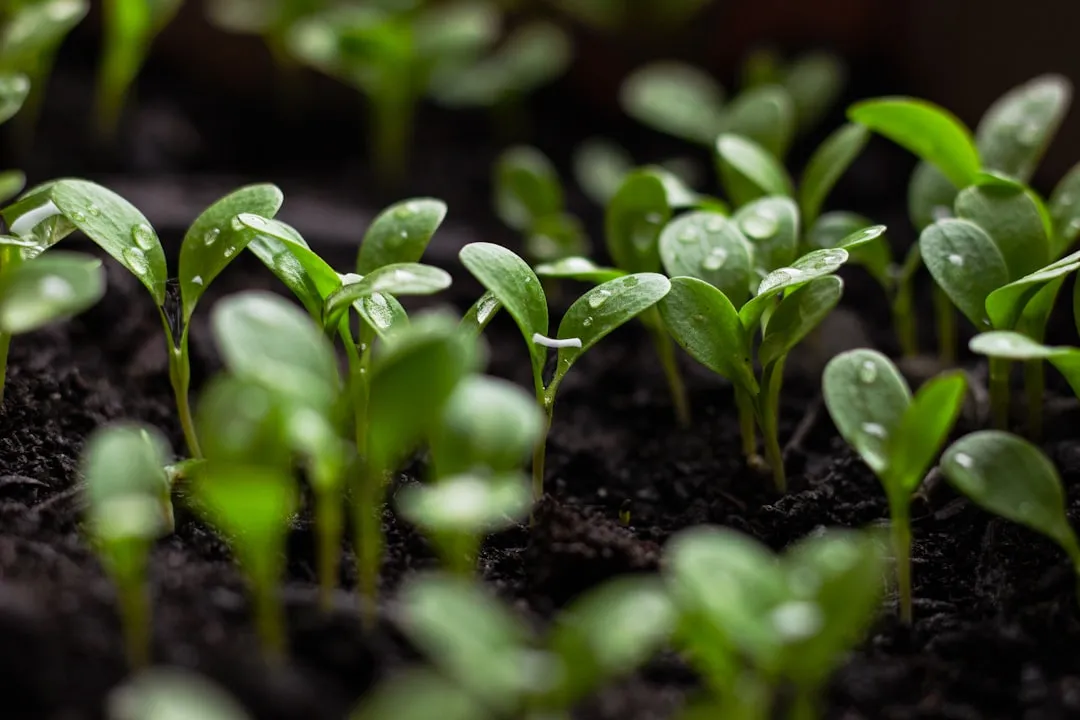
The main reason that adding your cooled leftover cooking water to plants is beneficial is that it contains many of the nutrients that plants need to grow, such as nitrogen, calcium, and iron. Each of these plays a distinct role in plant health.
Calcium helps the plant manufacture cells and grow. The Sunset Western Garden Book states that calcium plays a fundamental part in cell manufacture and growth, and most roots must have some calcium right at the growing tips. Without calcium, plants can have issues with plant health and fruiting. For example, if a tomato plant lacks calcium, it can develop blossom end rot.
When boiled, vegetables release vitamins and mineral salts, including iron and magnesium, into the water. These trace minerals are genuinely useful, especially for potted plants living in soil that hasn’t been refreshed in a while.
Why Potted Plants Benefit the Most
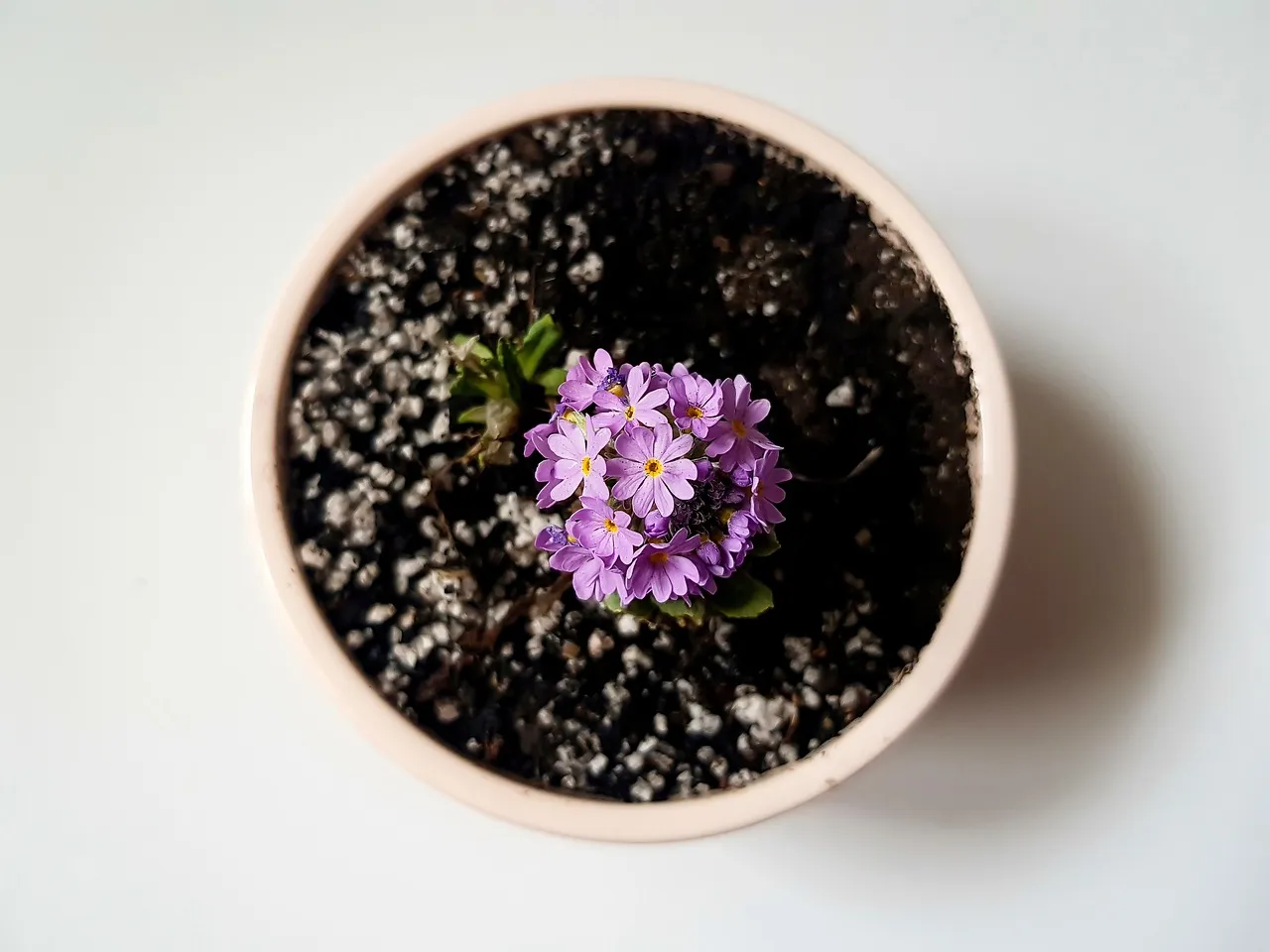
Garden beds have ongoing access to decomposing organic matter, rainfall, and biological activity. A pot doesn’t. The soil inside a container gets depleted much faster, and most people water their houseplants with nothing more nutritional than tap water for months on end.
This method is especially great for potted house plants that tend to live in nutrient-depleted soil, but it can also be beneficial for garden flowers and vegetables. Think of vegetable water as a gentle, recurring top-up rather than a dramatic fix.
Not only is cooking water cost-effective and resourceful, the fertilizer it provides for plants gives them a more stable and steady growth period. The water will help promote natural nutrient storage within the soil. This means you will not have to fertilize your plants or garden as often, providing longevity for your soil.
The Starch Factor: Good News for Soil Life
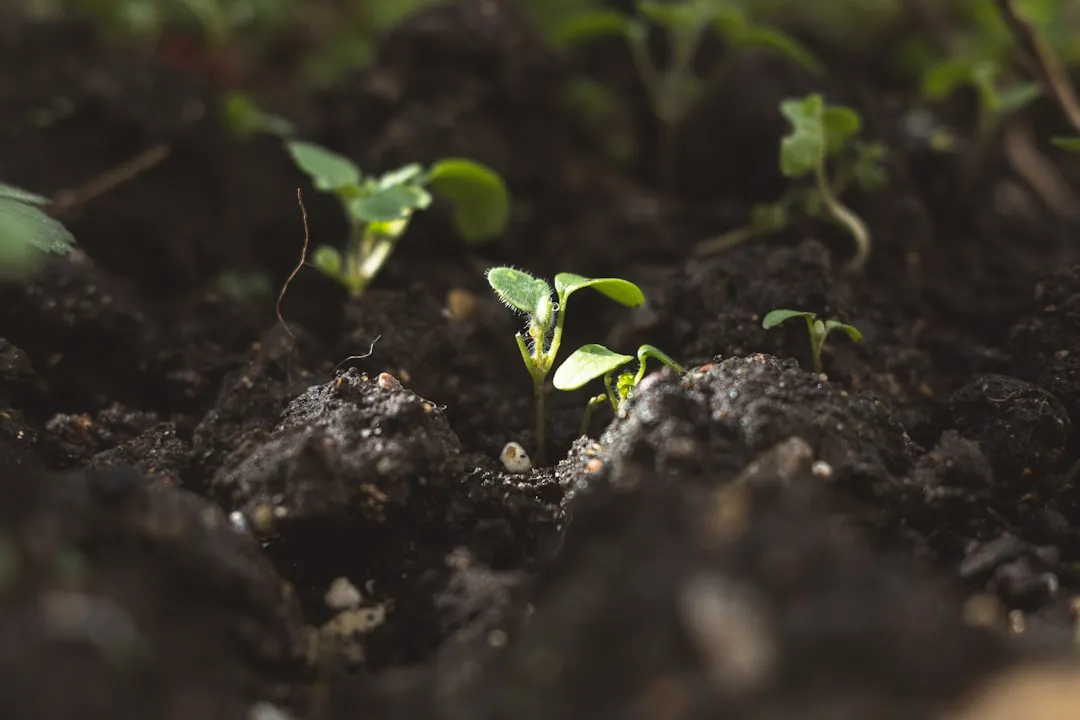
Vegetable cooking water isn’t just about direct plant nutrition. Some of what ends up in the water feeds the microscopic community living in your soil, and that community matters enormously. Soil microbes, including bacteria and fungi, play a pivotal role in nutrient cycling, enhancing soil structure, and promoting plant growth.
Pasta, rice, or potato water is cloudy because of starch. This starch is excellent for stimulating bacterial life in the soil, specifically the good bacteria that nourish the plant. Starchy cooking water therefore does double duty: it feeds plants and feeds the microbial ecosystem the plants depend on.
Science Backs the Practice
This isn’t just folk wisdom passed down from frugal grandparents. Peer-reviewed research supports reusing vegetable cooking water rather than discarding it. It is recommended that these plants be consumed raw or with short boiling times and that the cooking water be included in other preparations to take advantage of the nutrients released in the food matrix.
Boiling affects the nutritional composition of plants mainly through soluble compounds including carbohydrates, ash, ascorbic acid, and phenolic compounds. Therefore, it is recommended to include the cooking water in other preparations to take advantage of the nutrients released in the food matrix. Using it in your pots is one of the most practical ways to follow that recommendation.
The One Rule You Cannot Ignore: No Salt
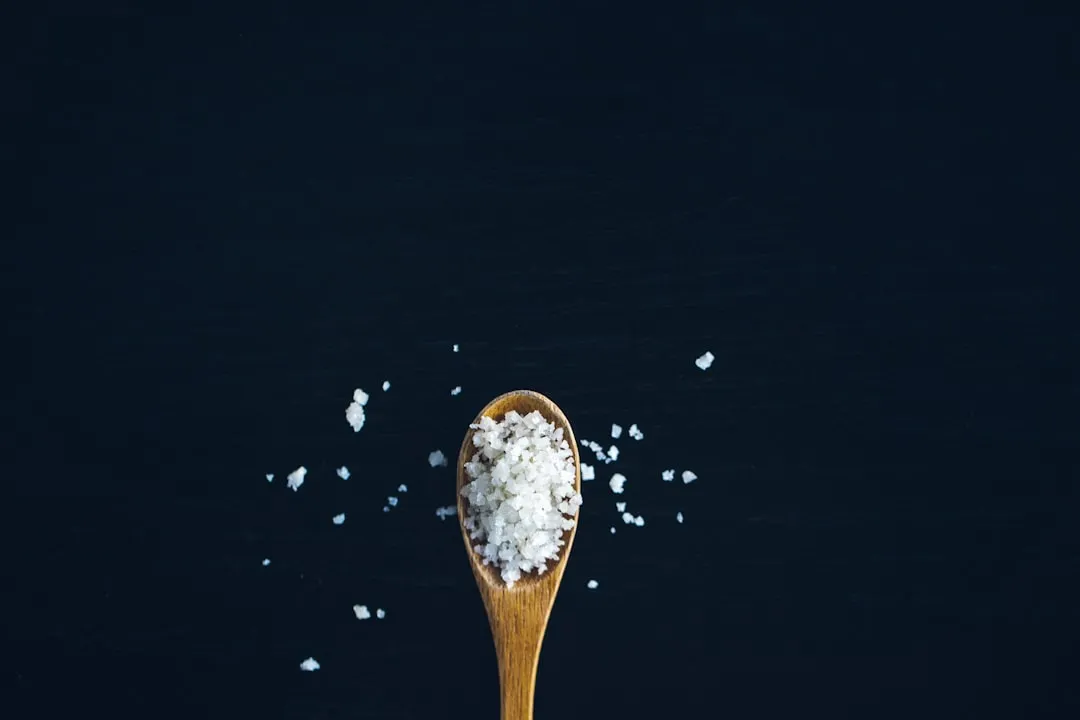
Here is where things get serious. Salt is toxic to all types of plant life and will kill it. Furthermore, adding salt to soil may prevent other plants from growing in the same location for years. The benefits of vegetable cooking water disappear entirely the moment salt enters the equation.
Excessive salt levels in the soil or in irrigation water can stress plants. The high salinity can disrupt the balance of water and nutrients within the plant, making it more difficult for plants to absorb water and nutrients. This can decrease growth, reduce flower and fruit production, and have negative effects on the overall health of the plant. Excessive salt can inhibit root growth and development because the salt-stressed roots become less efficient at absorbing water and nutrients.
If you know you will be adding a pot of veggie water to your plants, refrain from seasoning your vegetables with salt until after you’ve strained the water and set it aside to cool. That simple habit is the single most important step in making this practice safe.
How to Use It Correctly
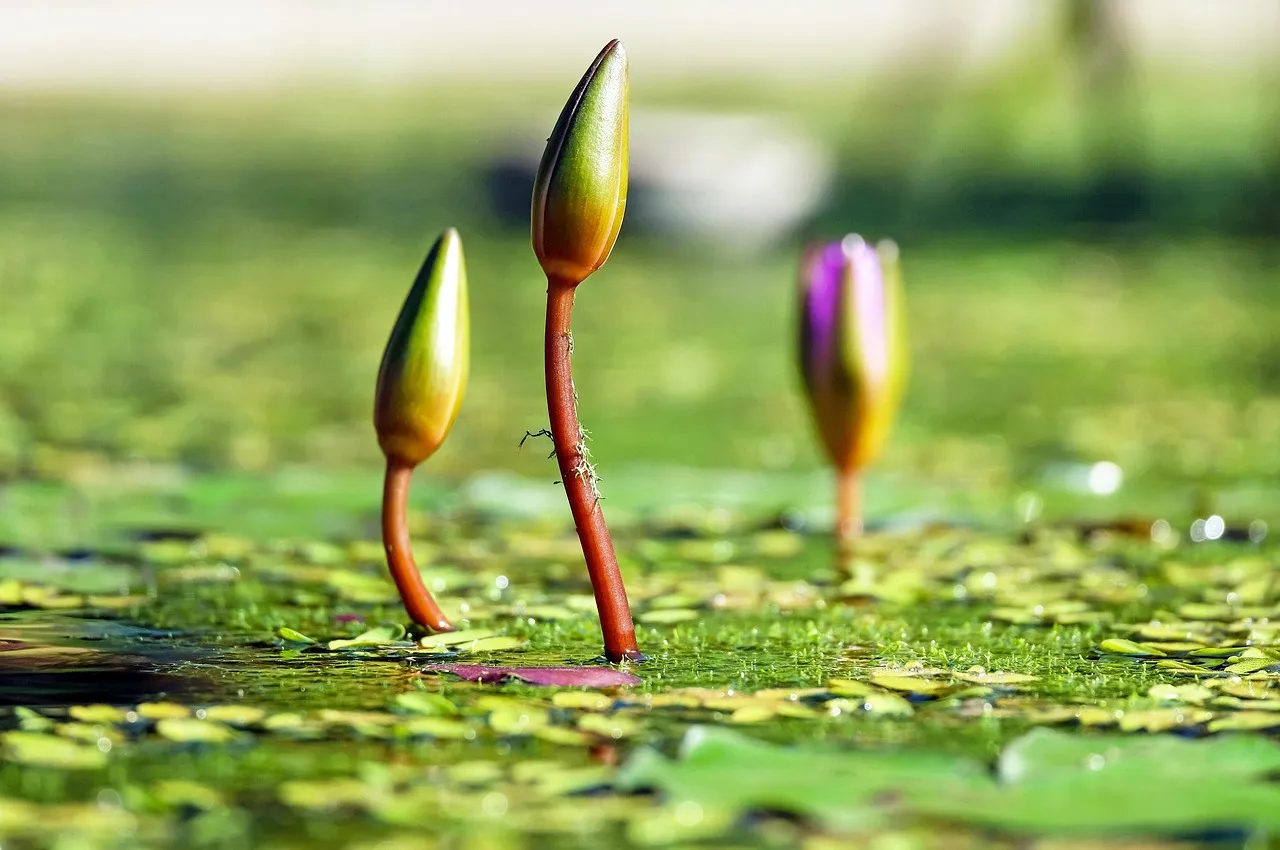
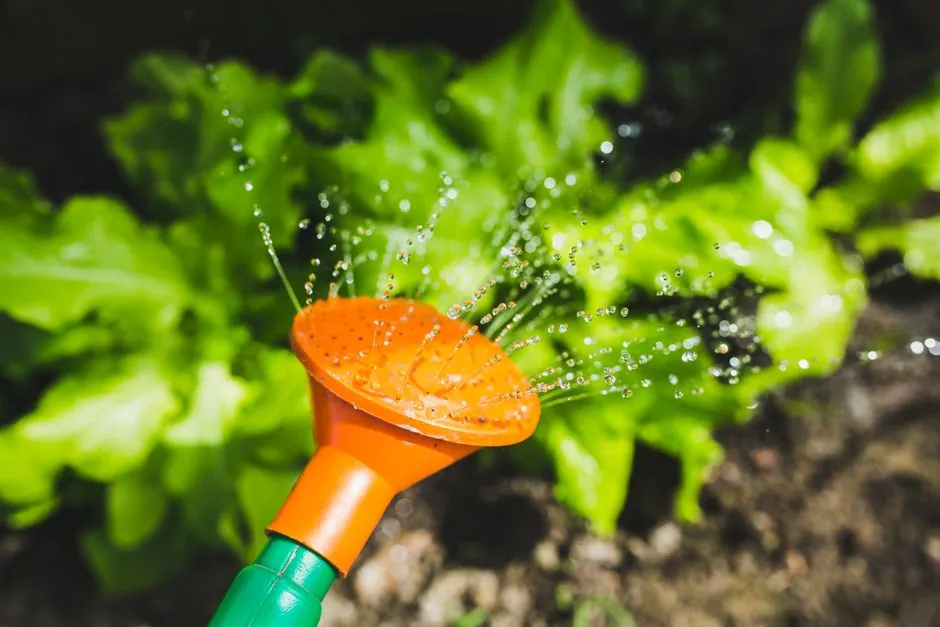
The method is low-effort. You should first allow your vegetable water to cool completely, then add it to your plants in the same amount that you would add regular water. Pouring hot or even warm water directly onto roots can damage them, so patience matters here.
Vegetable water is good for plants because it contains a lot of nutrients released after boiling vegetables. You can directly pour this water into the soil or spray it on the foliage to give a boost of nutrients. Both methods work, though root application is generally more consistent for indoor pots.
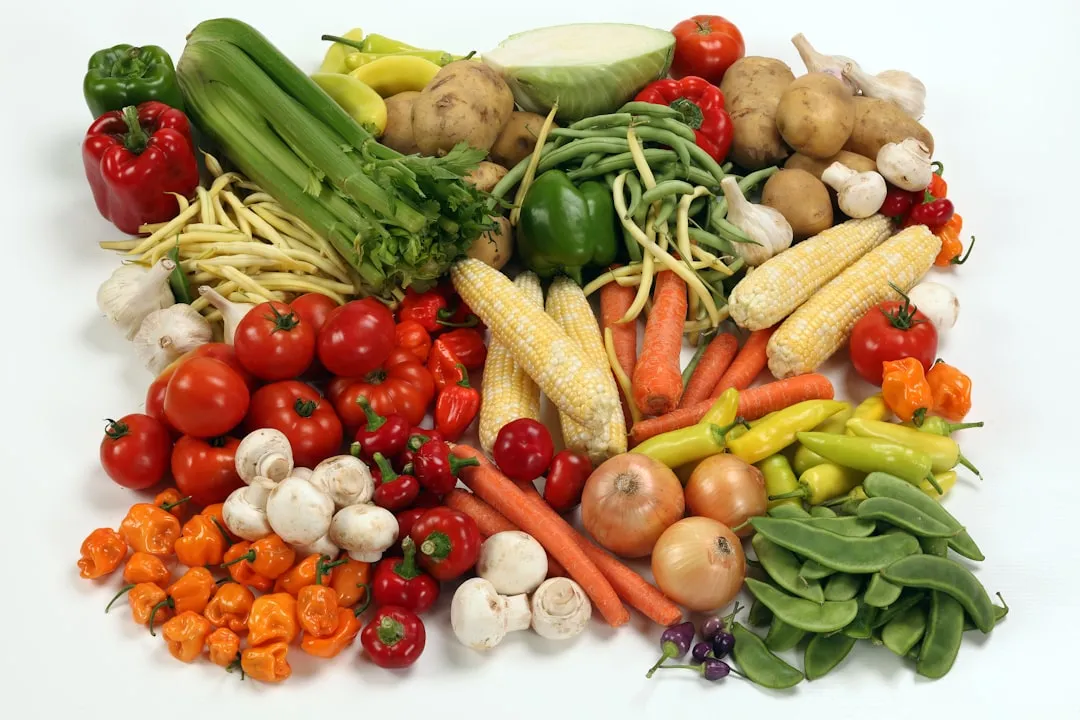
Prioritize organic vegetables to avoid concentrating pesticides in your watering can. If you cook conventionally grown produce, the residual water may carry trace pesticide residue, so organic is the safer bet when you plan to redirect the water to plants.
Organic Vegetables Make a Difference
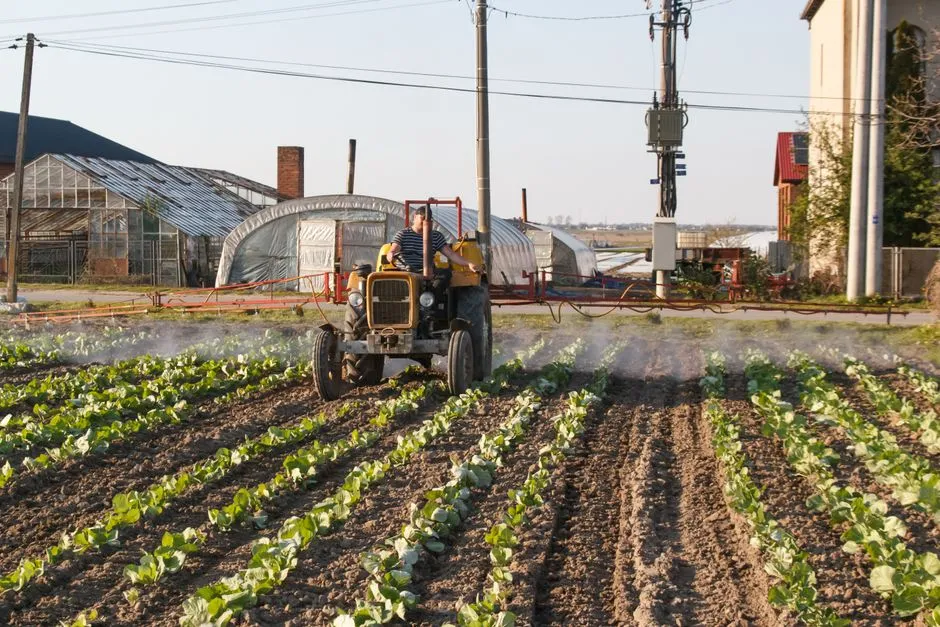
When pesticides are applied during conventional farming, some residues can remain on vegetable surfaces. Boiling draws not just nutrients but surface compounds into the water. The concern isn’t dramatic, but it’s worth noting if you’re watering edible herbs or food crops indoors.
Vegetable water serves as a natural and nutrient-rich alternative to chemical fertilizers, helping to lessen the reliance on synthetic products that can harm the environment. That value is maximized when the source vegetables are themselves grown without synthetic chemicals.
For herb pots, vegetable seedlings, or any edible plant growing on a windowsill, organic vegetable water is the clearly preferable choice. It keeps the chain clean from kitchen to pot.
The Sustainability Angle Worth Taking Seriously
Whether you’re cooking pasta, rice, or vegetables, this cooking water is not waste: it’s a natural liquid fertilizer, and it’s free. At a time when water conservation and reducing household waste matter more than ever, this habit sits at a useful intersection of both.
By utilizing vegetable water, you can reduce the dependence on store-bought fertilizers and chemicals, promoting a more sustainable approach to plant care. Less plastic packaging, fewer synthetic inputs, and one less trip down the gardening aisle.
The overall result of using vegetable peel water on your plants is healthy growth and increased fruit and crop production. The habit costs nothing, takes seconds, and compounds quietly over time into noticeably healthier plants.
A Simple Habit With Real Returns
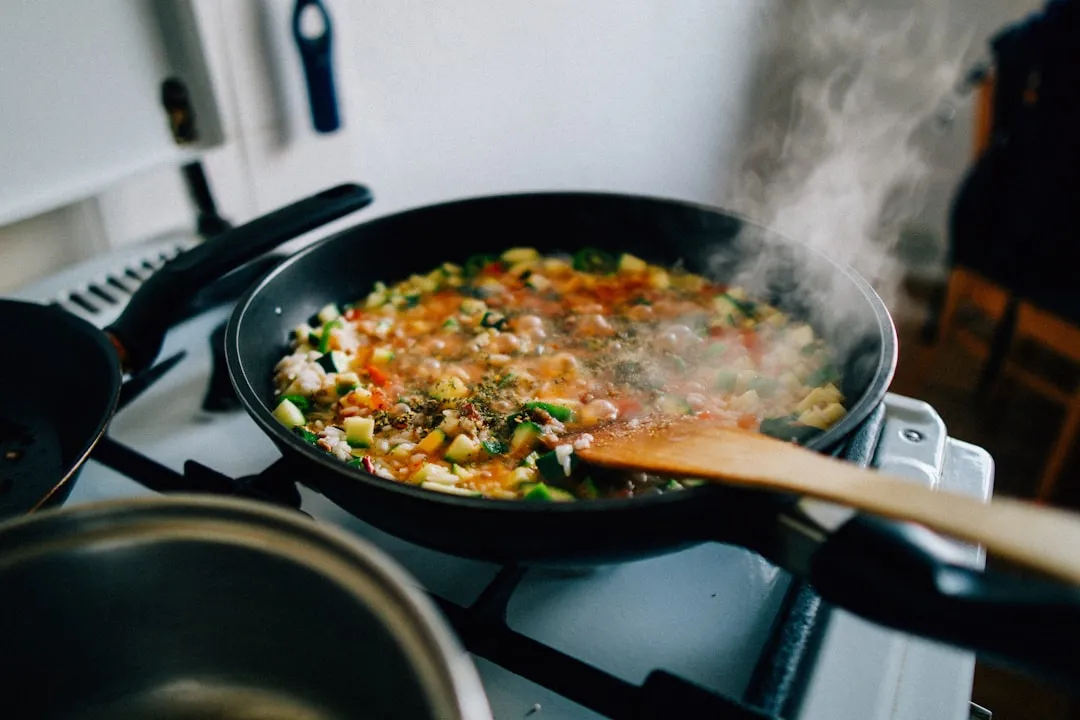
Most sustainable habits ask you to do something extra. This one asks you to stop doing something: stop pouring that vegetable water away. The nutrients are already there, produced as a natural byproduct of cooking food you were going to make anyway.
For those individuals who are looking to save money and do not have the space to compost, cooking water is a practical option. It’s hassle-free, environmentally friendly, sustainable, and it provides your garden with all the nutrients it needs to thrive.
The real takeaway here is one of proportion. Vegetable cooking water won’t replace a proper fertilizing routine, and it won’t rescue a severely depleted plant overnight. What it will do, used consistently and without salt, is gradually enrich the soil your plants live in, support the microbial life beneath the surface, and return something useful to the cycle that cooking started. That’s a quiet kind of value, and it’s been sitting in your pot this whole time.
AI Disclaimer: This article was created with the assistance of AI tools and reviewed by a human editor.