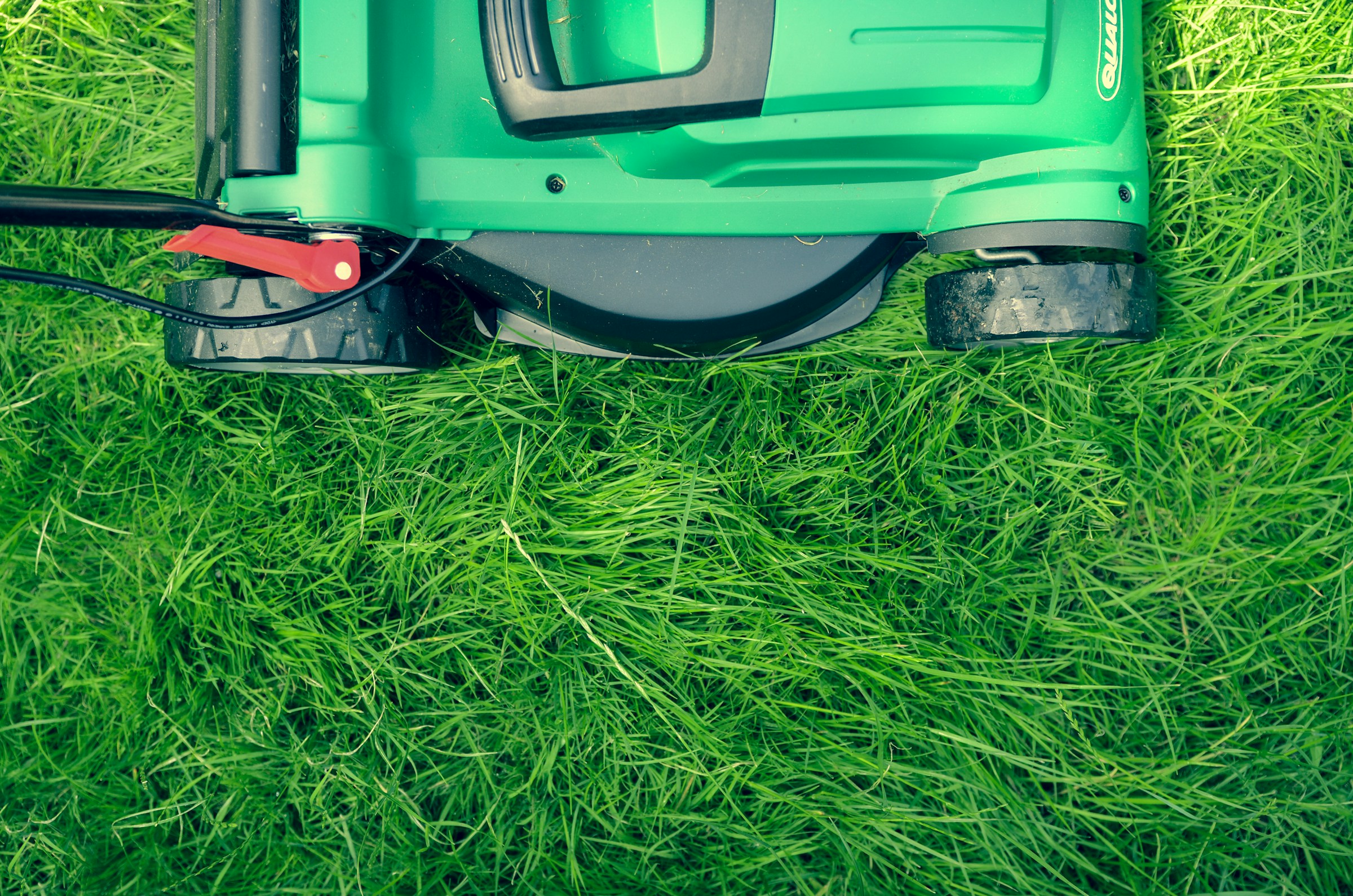

Most homeowners mow their lawn, glance at the leftover clippings, and think nothing of them. They’re just grass, right? The reality is a bit more complicated. Where those clippings land, and how long they sit there, can quietly reshape your yard into a habitat for animals you’d rather not encounter.
This isn’t about panic. It’s about understanding a chain reaction that starts with something as mundane as yard waste and ends with snakes, rats, coyotes, and disease-carrying insects at your doorstep.
The Moist Environment That Pests Can’t Resist
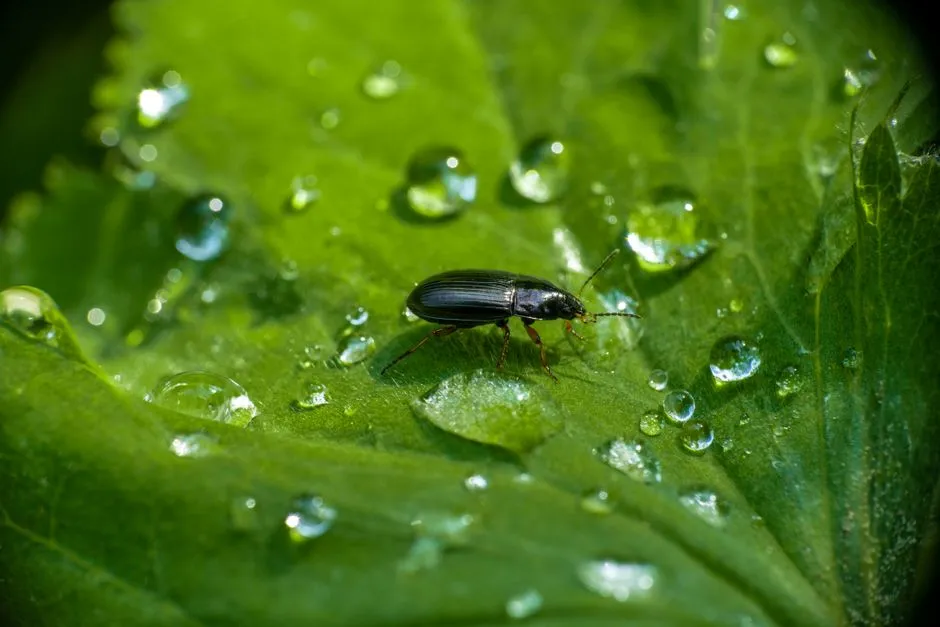
Grass clippings can attract pests if not managed properly. When left on your lawn after mowing, they create a moist, nutrient-rich environment that insects like ants, flies, and rodents love to inhabit. That combination of moisture and organic material is essentially an open invitation.
Proper lawn care matters here: long grass can trap moisture and create ideal conditions for pests. Clipping piles only amplify this effect, especially in shaded corners of your yard. Wet clipping mats can hold moisture close to the soil surface and create sheltered, humid pockets.
Rodents Move in Fast
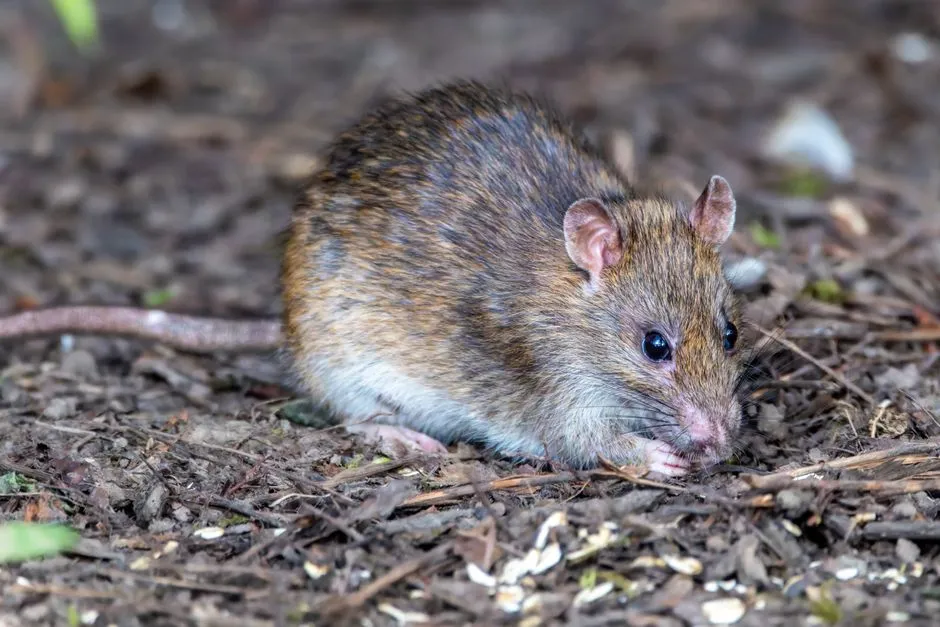
Grass clippings can attract rats if left in piles for an extended period of time. Rats are attracted to areas where they can find food, shelter, and water, and piles of clippings in your yard can provide a source of food for them. This happens faster than most people expect.
Rats are attracted to the nutrients and moisture found in decomposing grass clippings. Once a rodent population establishes itself in a yard, the problems multiply quickly. Overgrown grass can attract rodents like rats, so it’s important to keep your lawn trimmed, and removing grass clippings promptly after mowing can also help prevent pest infestations.
Snakes Follow the Rodents
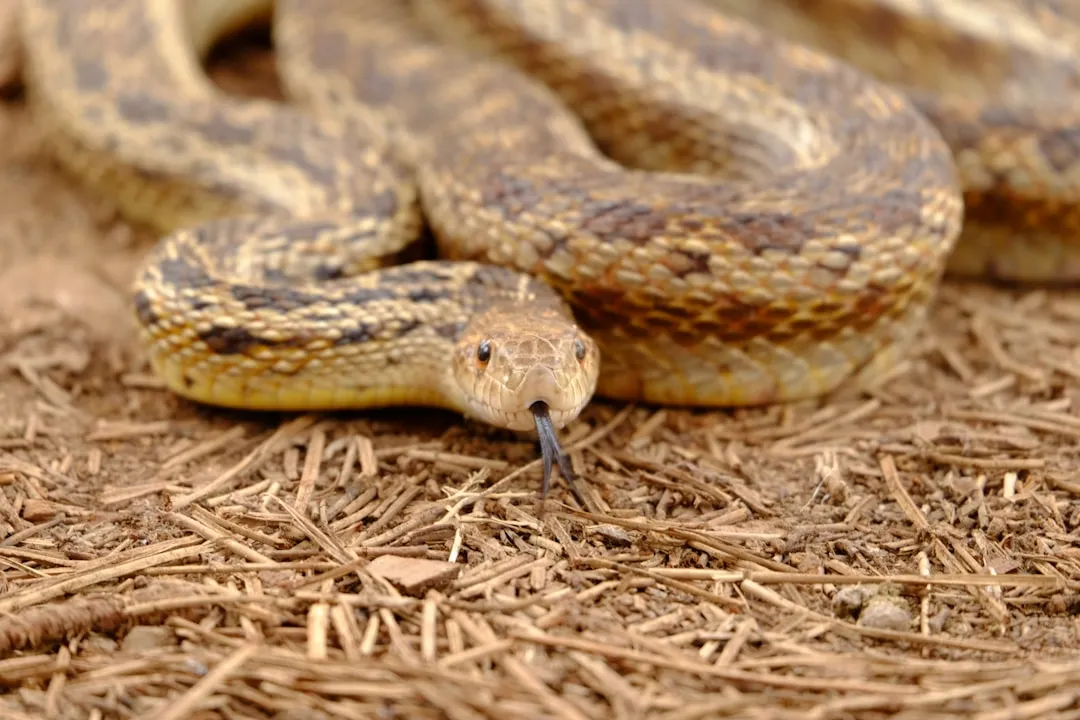
Snakes prefer thick and soft mulch, such as straw, grass clippings, pine straw, or shredded leaves, because it provides a good hiding place. Snakes are attracted to your yard because there are lots of hiding places. Grass clipping piles tick every box on their list.
Rodents on the ground attract snakes seeking a meal. That’s the straightforward chain: clippings feed rodents, rodents draw snakes. There are some venomous varieties such as rattlesnakes, copperheads, and coral snakes that you really want to keep away. Their presence in a yard with children or pets is a serious safety concern.
Yard waste piles offer a suitable home for snakes to live. Even a modest mound of dried clippings near a fence or shed can serve as cover for days or weeks.
Ticks Use Clipping Piles as Staging Grounds
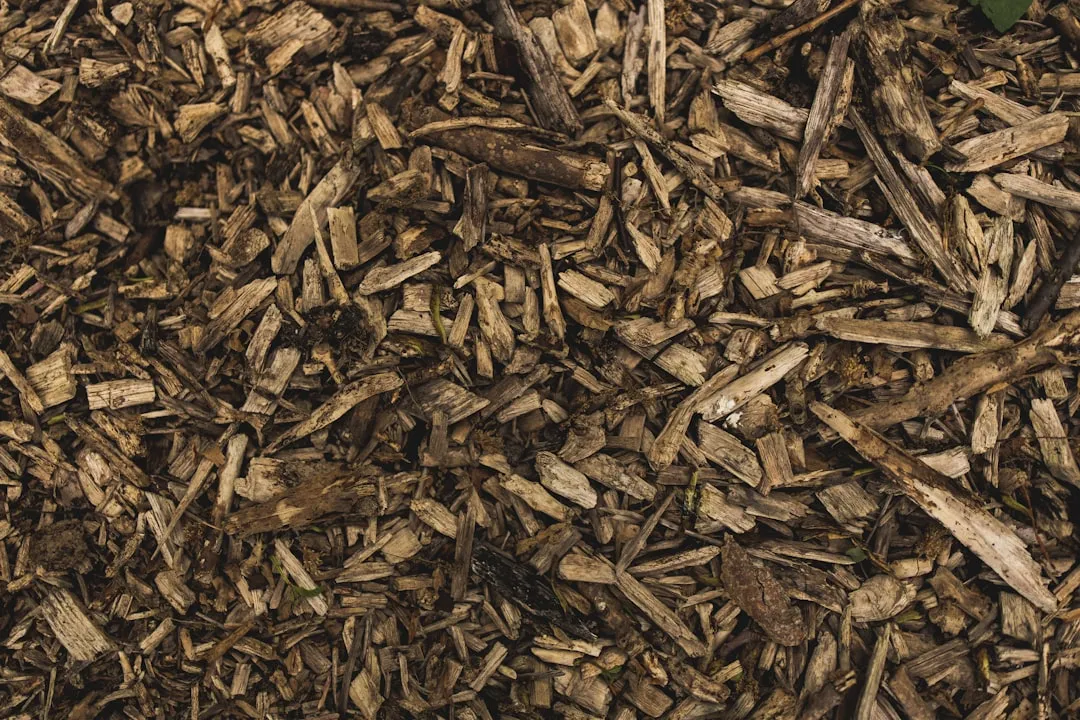
Ticks like to seek out moist, dark, sheltered areas to hide, and yard waste like grass clippings, leaf piles, and even mulch piles are common places where you can find ticks. This is one of the less obvious but genuinely consequential risks of leaving clippings in thick mats.
Damp organic matter does support the cool, moist conditions that ticks prefer for survival, and small animals that move through yards, and that can carry ticks, may also use these piles for temporary cover. Ticks hitch rides on those animals directly into areas where you walk and play. After mowing, check for thick clumps and spread them out with a rake or leaf blower so they dry and break down faster; in shaded corners or areas that stay wet, consider bagging clippings from those zones specifically.
Mosquitoes Find Shelter and Stay Close
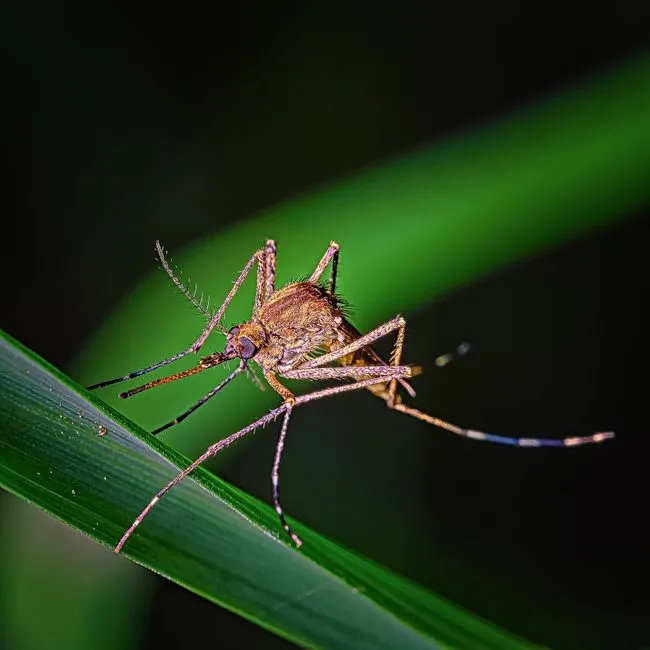
Debris such as grass clippings and compost can trap moisture near your lawn. Keeping the yard free of biological waste removes shelter where adult mosquitoes rest and helps reduce standing water that supports breeding.
Mosquitoes can transmit serious illnesses like West Nile virus and Zika. These aren’t minor inconveniences. According to the Mississippi State Department of Health, mosquitoes seek out damp, shaded hiding spots, and a pile of decomposing clippings in a shaded corner of your yard fits that description well. Removing leaf litter, yard debris, and grass clippings, and raking under decks and around fences where moisture collects, directly reduces that risk.
Coyotes Arrive When the Prey Does
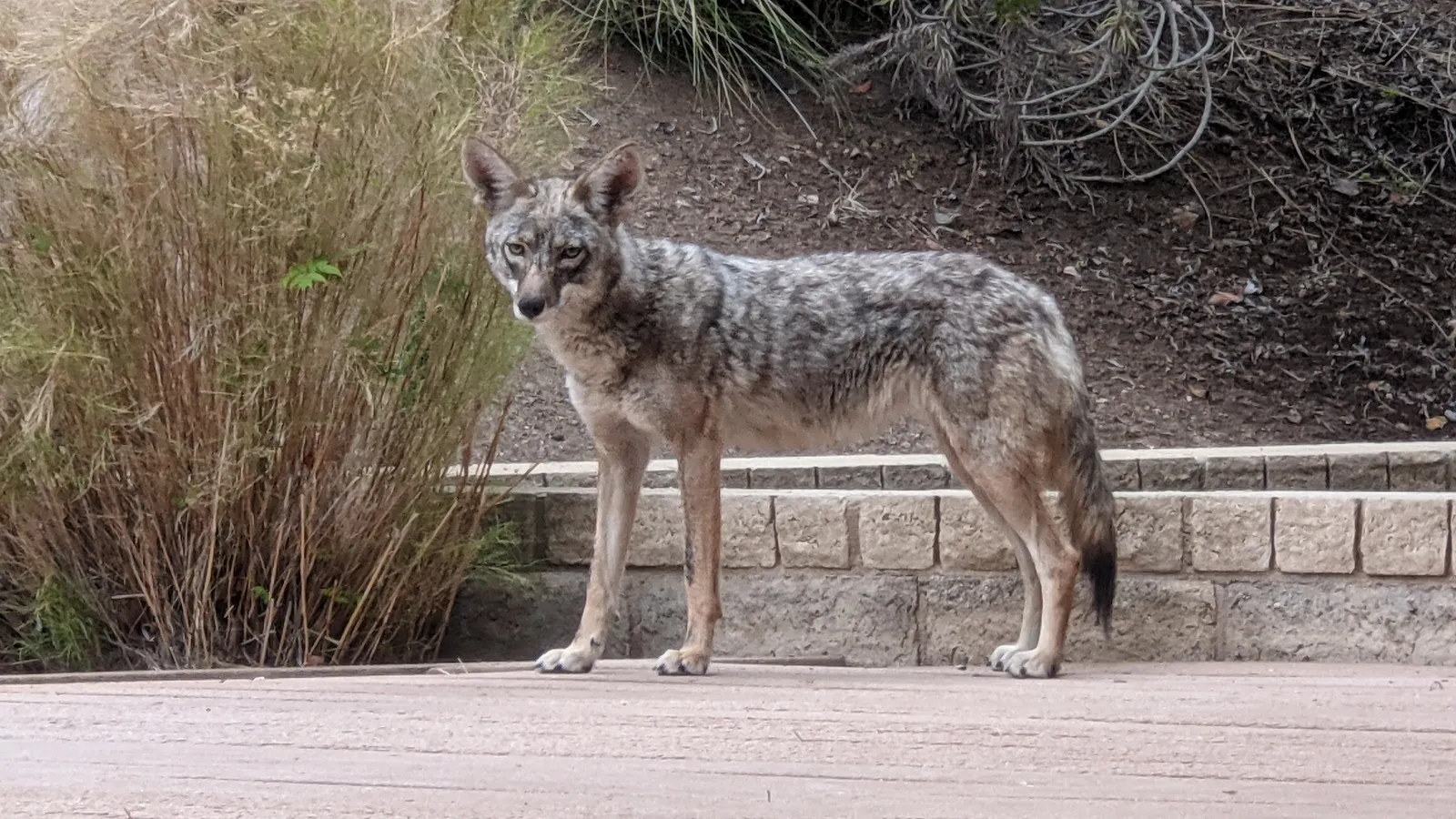
Prey animals such as rabbits, rats, mice, gophers, and squirrels in your yard can be an attractant for predator animals such as bobcats, raccoons, snakes, and coyotes. It’s a predictable ecological ladder. Grass clippings sit at the bottom rung, but the wildlife at the top is far more alarming.
Coyotes are increasingly common in suburban areas, drawn by the resources our yards provide. Property owners should be sure to clear excess brush and leaves from front and rear yards, as these can be appealing sites for coyotes. A yard cluttered with organic debris is effectively advertising shelter and a nearby food chain.
Composting Gone Wrong Makes Things Worse
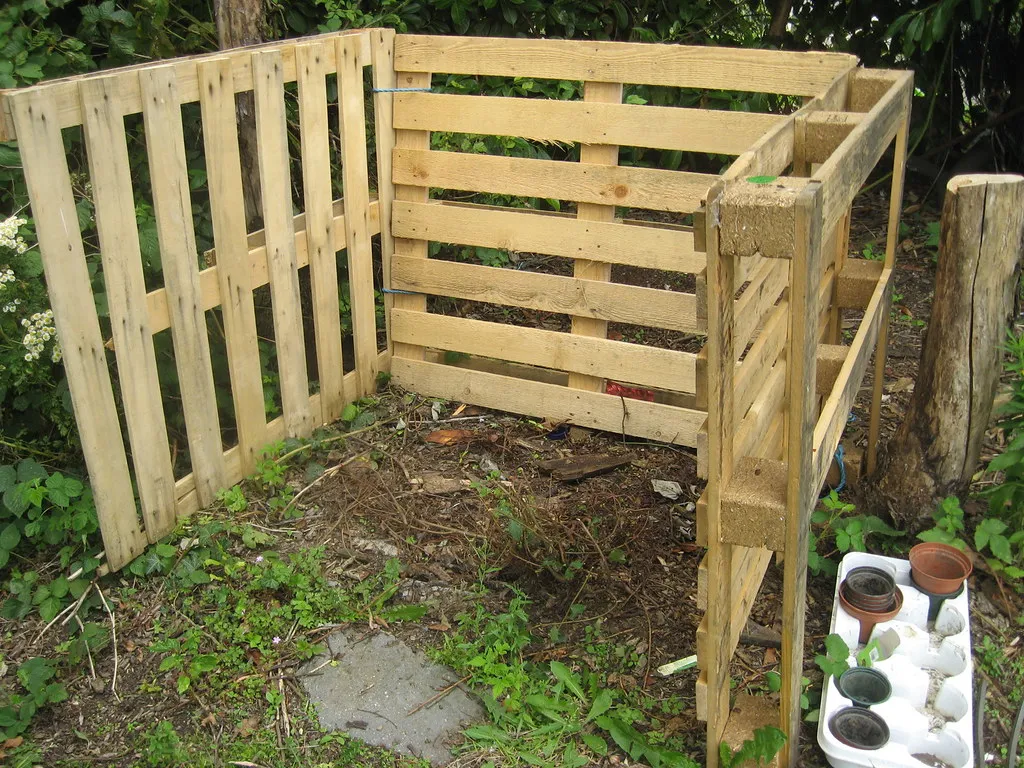
If composting is not done correctly, compost piles can attract a variety of wildlife species from opossum to coyotes to bears. Grass clippings are a common addition to compost heaps, and an open, poorly managed pile is one of the most effective wildlife attractants a homeowner can accidentally create.
Compost piles and organic debris, like fallen leaves and grass clippings, create a warm, moist environment that snakes find irresistible, and these materials also attract the insects and rodents that snakes love to snack on. The fix is straightforward. Keep your compost pile enclosed and turn it regularly to discourage snake inhabitants, and dispose of yard waste promptly, avoiding leaving piles of organic debris lying around.
The Predator Chain Escalates Quietly
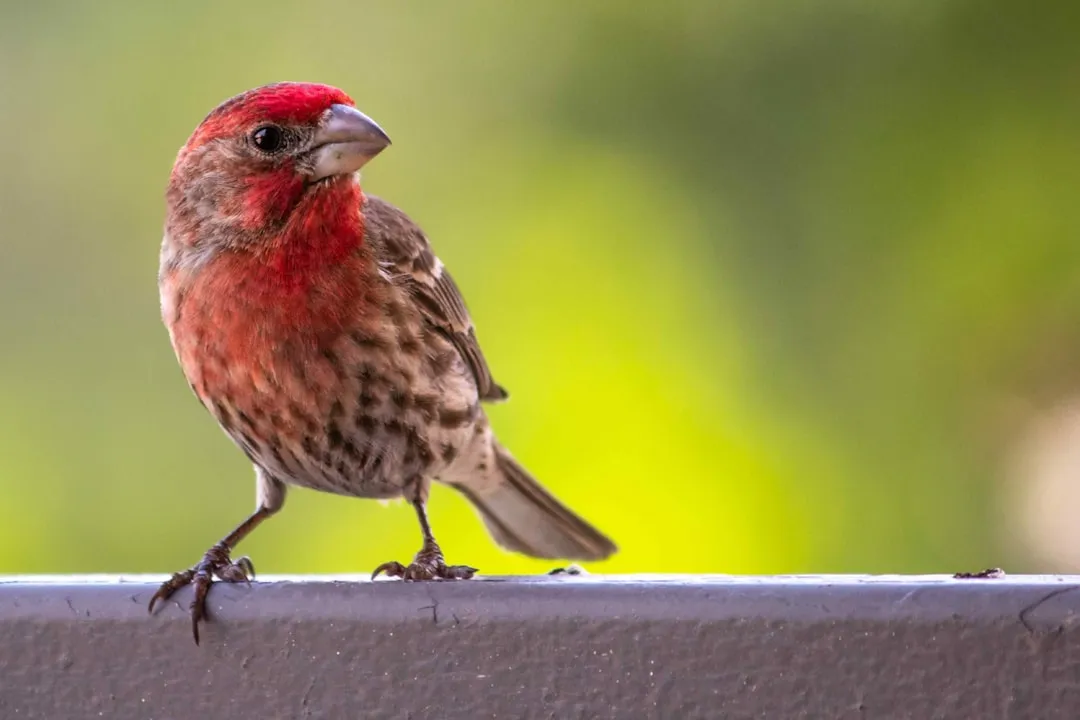
Pests attracted to grass clippings can also attract predators like birds and other wildlife, further disrupting the natural balance of your outdoor space. This can lead to an increase in wildlife activity, which may pose a danger to pets, children, and even adults who spend time in the area.
Allowing pests to be attracted to grass clippings can result in a larger infestation around your home, as these pests may eventually seek shelter indoors during colder months. What begins as a small rodent problem in the yard can become a structural issue inside the home. This can lead to costly pest control measures and potential damage to your property.
Insects Multiply and Draw Even More Wildlife
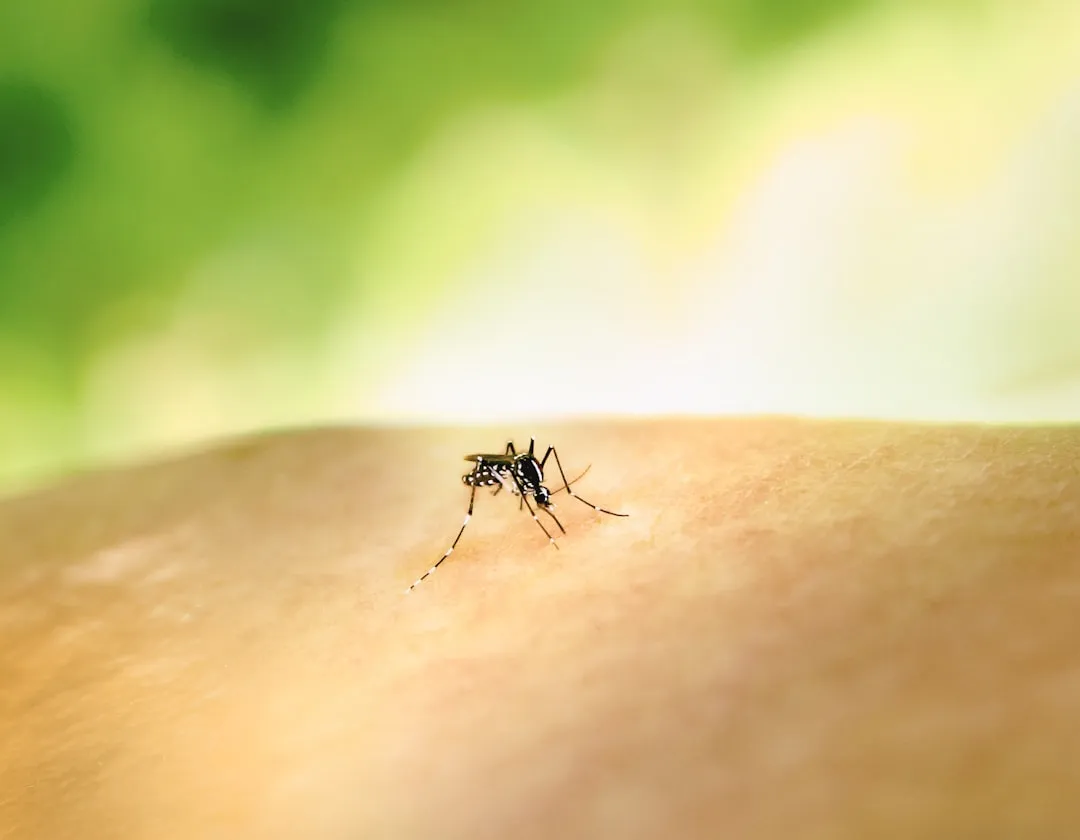
Decaying yard debris, such as leaf piles and shrub clippings, can provide shelter and nesting sites for ticks, termites, spiders, and beetles. Tall grass doesn’t allow the sun to evaporate moisture, and thick thatch holds moisture at the surface. Clipping piles behave the same way.
Predators such as fox, coyote, and hawks are attracted to the lower trophic levels of animals, including insects, which are attracted to typical weedy turf grass. That’s an often-overlooked reality: even birds of prey may begin circling a yard that has grown insect-rich from unmanaged clippings. Mosquitoes, flies, and ticks spread fast and often hide in common outdoor areas like tall grass, shrubs, shaded corners, damp spots, and standing water.
What You Should Actually Do With Your Clippings
To prevent these risks, it is recommended to properly dispose of grass clippings by incorporating them into a compost pile, using them as mulch, or bagging them for curbside collection. There’s no need to skip the environmental benefits of grass recycling entirely; it’s mostly about how and where you manage them.
A light covering of clippings will fertilize the soil, but heavy deposits of dead grass, known as thatch, hold in moisture and should be cleared annually. Thin is fine. Piled is problematic. Spreading clippings out thinly over your lawn or composting them reduces the likelihood of rats being drawn to your property.
Keeping grass trimmed below four inches can help reduce tick populations, and removing clipping buildup from shaded or damp zones is one of the simplest preventive steps available to any homeowner.
The Takeaway
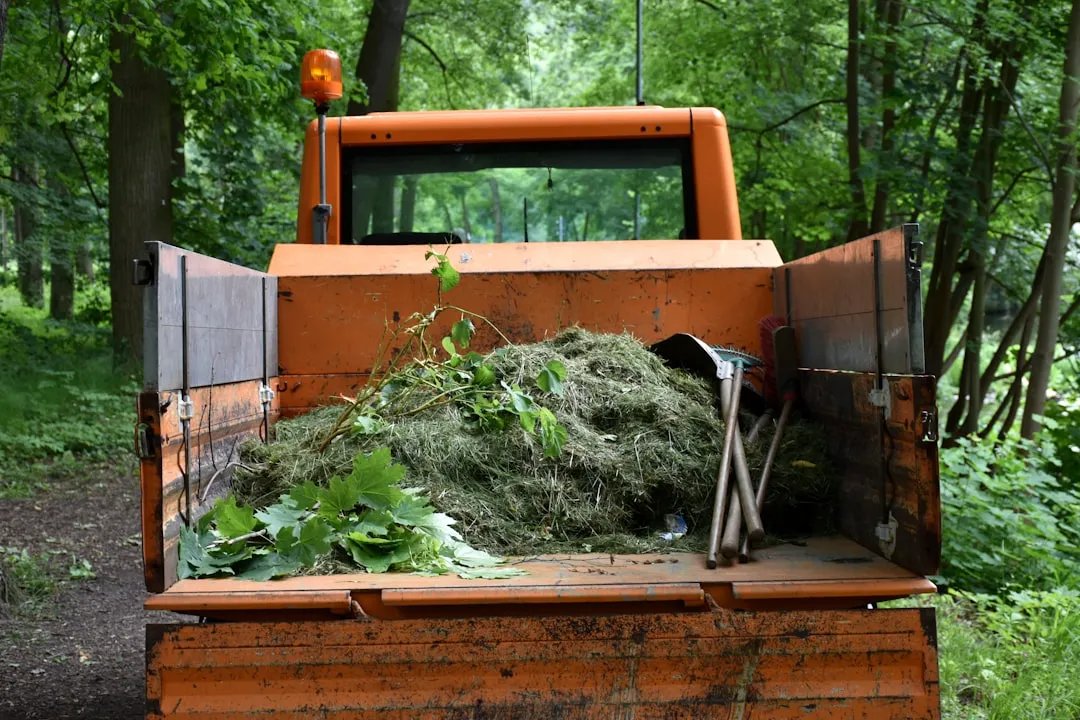
Grass clippings are not inherently dangerous. What they become, when left in thick damp piles in the wrong spots, is a slow-building welcome mat for a cast of animals most people would rather not share their yard with. The rodents come first, then the snakes, then the predators that hunt them.
Yard hygiene doesn’t require obsessive effort. It requires consistency. Spreading clippings thin, bagging heavy deposits, managing compost correctly, and clearing debris from shaded corners are all it takes to break the chain before it forms. Small habits in lawn care translate directly into a safer outdoor space for everyone who uses it.
AI Disclaimer: This article was created with the assistance of AI tools and reviewed by a human editor.