

Dormancy Does the Heavy Lifting
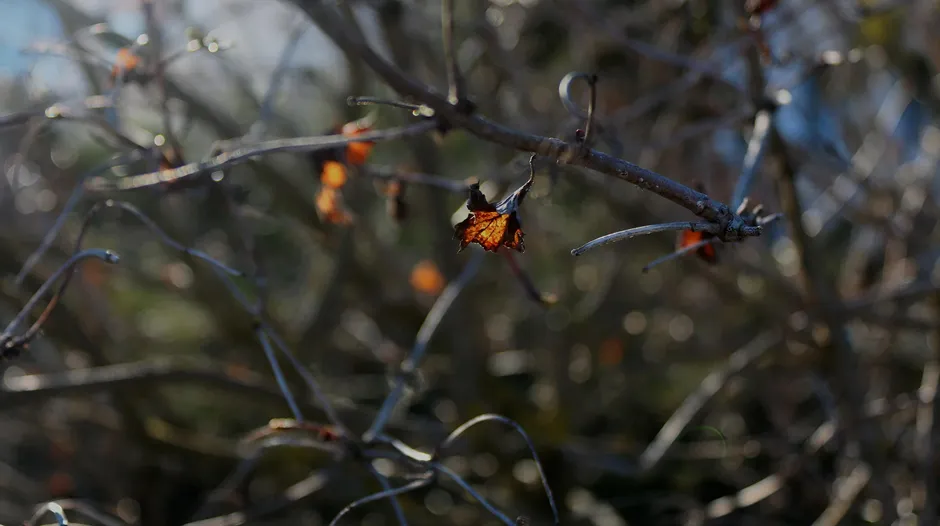
When a shrub goes dormant, it stops putting energy into leaves, flowers, and new shoot growth. Many plants and trees are entering a period of dormancy in fall, and instead of needing to push energy into creating new foliage and above ground growth, they transfer that energy into their roots, storing nutrients and resources for the colder months ahead. That internal shift is exactly what makes transplanting so much less stressful at this time of year.
In fall, top growth declines or enters dormancy, allowing the plant to redirect energy into root growth and cellular repair, which is exactly what transplants need. You’re essentially working with the plant rather than against it. Moving a shrub during active summer growth is like asking someone to run a marathon right after surgery.
Soil Temperatures Stay Warmer Than You Think
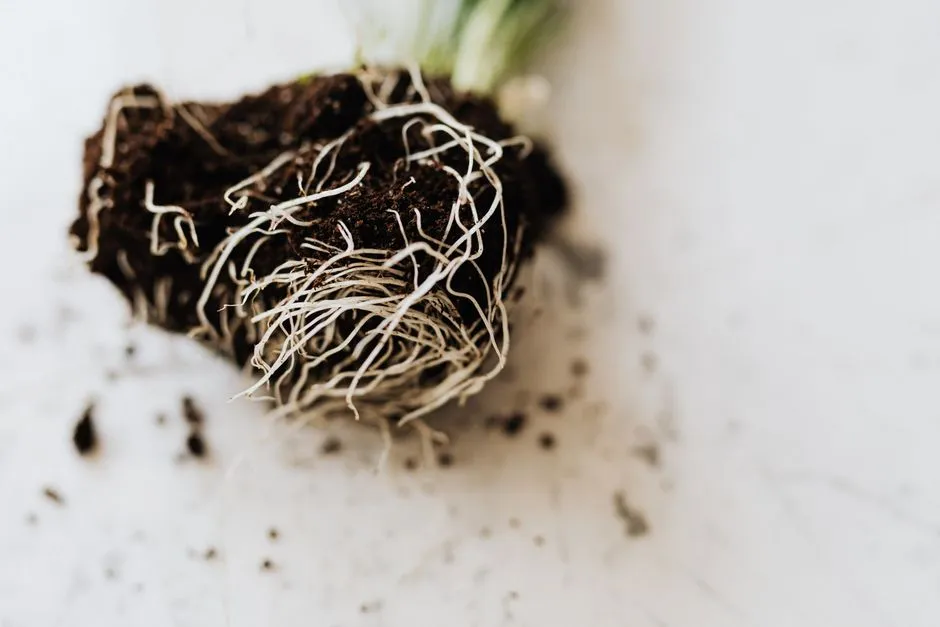
The old saying “fall is for planting” is not marketing, it is soil science. In autumn the top growth slows and goes dormant, but the ground stays warm for weeks after the air turns cool. Roots keep growing in warm soil right up until it freezes, so a plant moved in fall spends all of its energy rebuilding roots instead of pushing leaves and flowers.
Root growth continues as long as the soil temperature remains above 45°F. In many USDA Hardiness Zones, particularly zones 5 through 8, soil temperatures stay in this optimal range well into November. That gives a newly moved shrub weeks of productive underground activity before winter fully arrives.
Reduced Transplant Shock
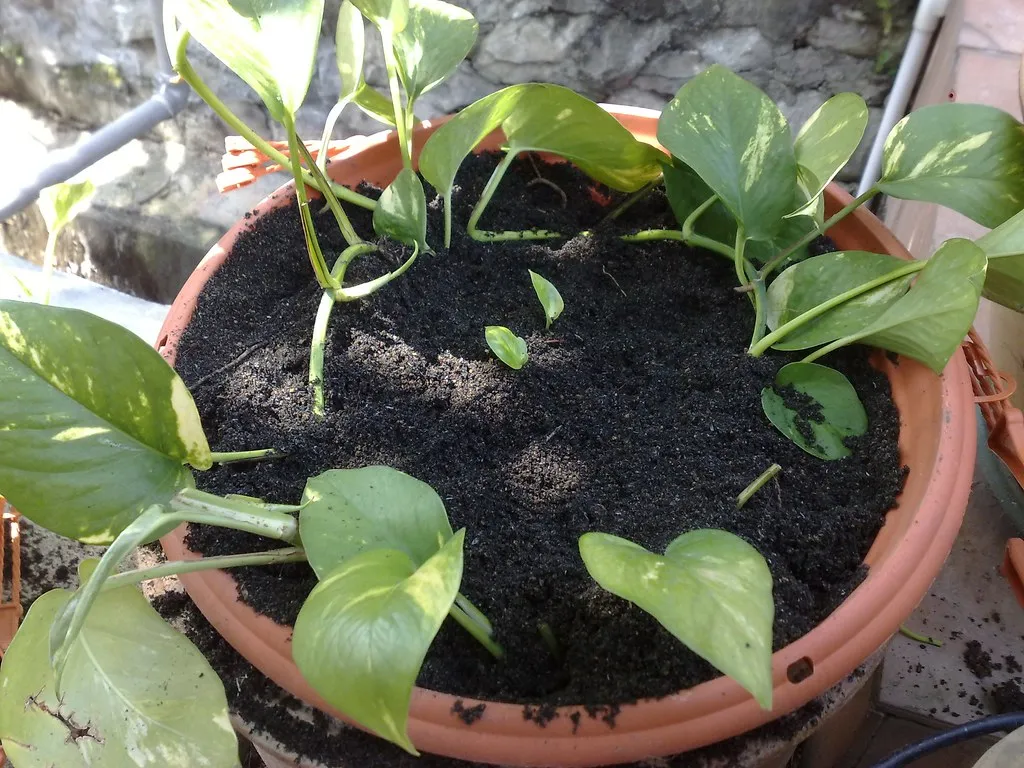
The cool air and warm soil temperatures are the perfect combination for establishment. The cooler air is kind to plants, especially to ones that have just lost a major portion of their roots from being dug up. In addition, soil temperatures are still warm, creating an excellent environment for the production of new root growth.
Even using the best practices to transplant trees and shrubs, a good portion of the root system is lost, especially the small feeder roots that absorb most of the water a plant uses. In late fall, the demand on those feeder roots is minimal because the plant isn’t trying to sustain a full canopy of leaves. That reduced load dramatically improves survival odds.
The Six-Week Rule You Need to Know
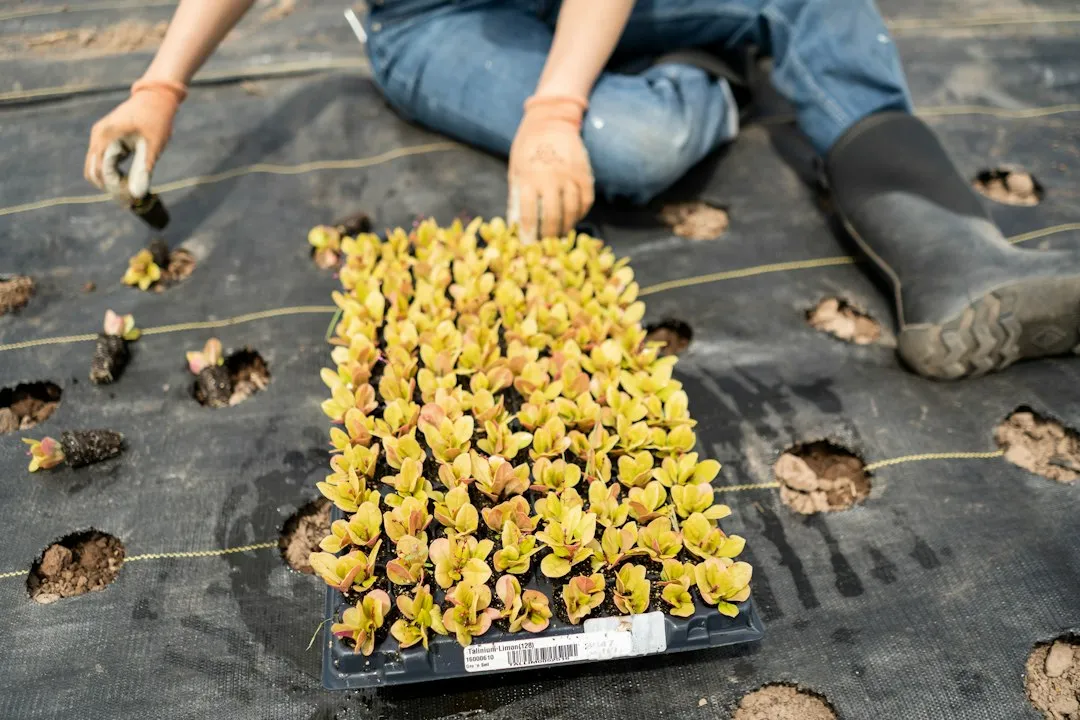
The single most useful guideline for fall transplanting comes from UMass Extension: plants need at least six weeks of growing time in their new location before the ground freezes. This is the number one thing gardeners get wrong. They wait too long, miss the window, and wonder why the shrub didn’t make it through winter.
Six weeks gives roots enough time in warm soil to push new growth and establish a connection with the surrounding earth before the soil temperature drops below 45°F and root growth stalls. Plants need time to establish their root systems before winter dormancy sets in, so aim to complete fall transplanting at least 6 to 8 weeks before your area’s average first hard frost date.
Timing by Hardiness Zone

Not every region has the same window, and knowing your USDA zone matters. As a rule, the best transplanting window for zones 3 to 4 runs from late August through mid-September, while zone 6 gardeners can safely work from mid-September through early October, and zone 7 gardeners have until late October in many cases.
October and November are generally considered the best time for moving woody shrubs and trees in the landscape. A reliable rule of thumb is to transplant deciduous trees and shrubs after they become dormant, usually after the first or second hard frost. Watching for leaf drop is one of the most practical cues you can use.
Which Shrubs Move Best in Late Fall

Conifers move best earlier in fall, from late August through September, while hardwoods move better after they are dormant. For most gardeners, that means common deciduous shrubs, roses, viburnums, and similar woody plants are excellent candidates for a late-fall move.
Roses respond well to a late October move, provided the shrub has begun entering semi-dormancy following its final bloom flush. Relocating a rose in fall allows cut root ends to callus over and sprout fine feeder roots in warm soil, giving the plant a jump start over bare-root roses planted in spring. There are exceptions, though. Fleshy-rooted trees and shrubs like magnolia, dogwood, and tulip poplar present a different problem, and University of Maryland Extension flags these species for spring-only transplanting because fleshy roots severed in fall have less time to callus over before cold, wet conditions set in.
How the Months Ahead Benefit a Newly Moved Shrub

Fall often provides better conditions with four to five months of cooler weather for root establishment before summer stress arrives. That extended settling period is something a spring transplant simply cannot offer. A spring-moved shrub has perhaps a few weeks of mild weather before summer heat begins pressing on a root system that’s still finding its footing.
Come September, October, and November, plants are either dormant or going to sleep, so there is less concern for root disturbance. Plants perform better when planted after the tops have stopped active growth or died back. With proper soil preparation and mulching, they hardly know they have been transplanted, simply awakening in their new home the following spring.
Mulching Is Not Optional
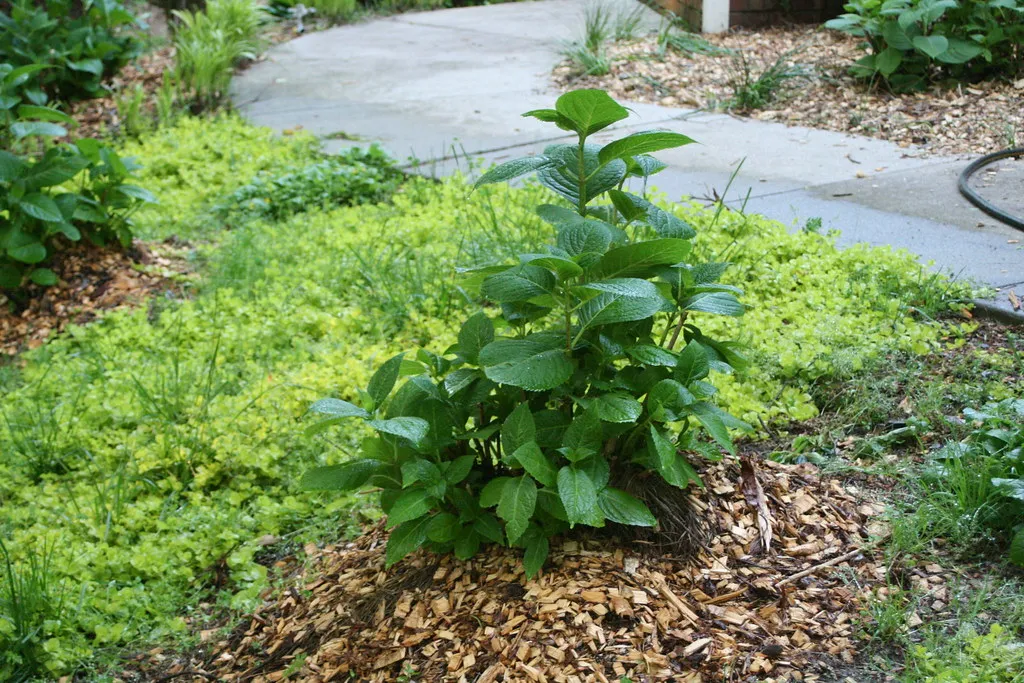
One step that separates a successful fall transplant from a failed one is mulching, and it matters more in late fall than at any other time of year. Mulch helps insulate the root zone from freeze-thaw cycles, retains soil moisture, and gives newly established roots a buffer as they settle in before winter. This is especially important in zones 4 through 6, where temperature swings can be severe.
Adding a two to three inch layer of mulch around the base of each shrub helps regulate soil temperature and retain moisture. Keep mulch a few inches away from the shrub’s stem to prevent moisture buildup and potential rot. Piling mulch against the stem, often called volcano mulching, is a common mistake that invites disease and should always be avoided.
Watering After the Move
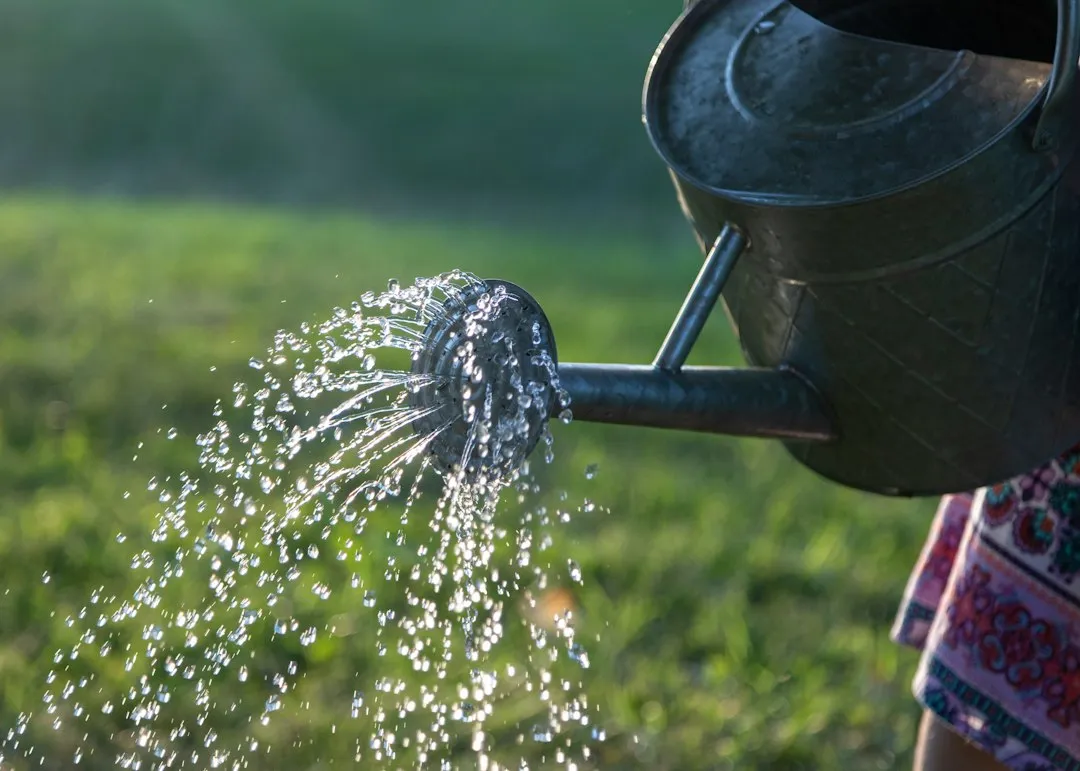
Cooler temperatures can create a false sense of security when it comes to watering. Many gardeners assume a newly transplanted shrub doesn’t need much water once fall sets in, but that assumption costs plants their lives. The biggest fall planting mistake is assuming that cooler weather means the plant does not need water. Roots grow actively in fall as long as soil temperature is above 45°F.
Inadequate moisture during dry periods is the primary threat to transplant survival. Although fall’s cooler temperatures mean less watering than summer, newly planted shrubs still need consistent moisture for root establishment. After planting, water deeply, saturating the entire root zone. Throughout the fall, water weekly if rainfall is insufficient, but avoid waterlogging the soil, as this can lead to root rot.
What to Avoid When You Make the Move
Fertilizing in fall can stimulate new tender growth that won’t have time to harden off before winter, leaving your plant vulnerable to frost damage. This is a mistake well-meaning gardeners make regularly. The goal after a fall transplant is calm establishment, not stimulated growth.
Place transplants in their new environment at or slightly above the surrounding soil level. Newly disturbed soil has a tendency to settle, and plants growing below grade can easily succumb to root rot or disease. It is better to plant a tree or shrub slightly high and allow the area to drain than for a plant to sit in a bowl and collect excess water. Getting the depth right is one of the simplest and most consequential things you can do.
The Takeaway

Late fall transplanting works because it aligns with what a shrub is already trying to do: slow down above ground and build strength below. The window is real, the science is solid, and the results speak for themselves when the approach is timed correctly and followed through with proper care.
If a shrub in your yard has been in the wrong spot for a season or two, this is the moment. Count back six to eight weeks from your expected first hard frost, dig wide, mulch well, and water consistently until the ground freezes. Come spring, you’ll have a plant that settled in quietly over winter and is ready to grow exactly where you want it.
AI Disclaimer: This article was created with the assistance of AI tools and reviewed by a human editor.