

Most parents hear “I’m bored” and immediately reach for a solution. A screen, an activity, a scheduled class. It feels like the responsible move. But a growing body of developmental research is quietly pushing back on that instinct, suggesting that the discomfort of boredom is not something to fix but something to protect.
The connection between childhood boredom and adult creativity is more concrete than it might seem. Neuroscientists, child psychologists, and educators have all been circling the same conclusion from different directions: children who sit with empty time tend to grow up better equipped to think independently, solve problems, and make things. Here’s why the science says that matters.
Boredom Is a Brain State, Not a Problem

Boredom happens when the brain lacks stimulation and meaningful engagement. Importantly, though, the brain doesn’t shut down during boredom. Instead, it activates a different system, one that supports imagination, reflection, emotional development, and learning.
When the brain isn’t focused on a specific task, a set of regions known as the default mode network becomes more active. This network is involved in daydreaming, memory consolidation, self-reflection, and creative thinking. In other words, the brain keeps working. It just works differently.
Brain imaging studies show that the default mode network is especially important for brain development in children, but it continues to play an important role throughout adulthood. Giving kids empty time is, in a real neurological sense, giving their developing brains room to grow.
The Default Mode Network and the Creative Spark

The default mode network, a collection of brain regions including the medial prefrontal cortex and posterior cingulate, springs into action during boredom, facilitating the kind of divergent thinking that leads to breakthrough solutions. This neurological shift explains why brilliant ideas often emerge during mundane activities like showering or walking.
Boredom triggers the activation of the brain’s default mode network, including the medial prefrontal cortex and posterior cingulate cortex. The DMN is associated with self-referential thinking, daydreaming, and creative problem-solving. When children are bored, the DMN facilitates imaginative thinking and the generation of novel ideas, contributing to cognitive flexibility and innovation.
A 2014 study by Sandi Mann found that participants who completed a boring task beforehand performed better on creative divergent thinking tests. When both groups were asked to come up with as many uses for a pair of plastic cups as they could think of, the bored group generated significantly more creative answers. The implication for children’s development is hard to ignore.
Divergent Thinking Starts Early and Has Lasting Effects

Boredom fosters divergent thinking, a cognitive process essential for creativity. When children are not provided with external stimuli, they are compelled to generate their own activities, leading to innovative solutions. This isn’t abstract. It shows up in how children play, what they build, and the stories they tell.
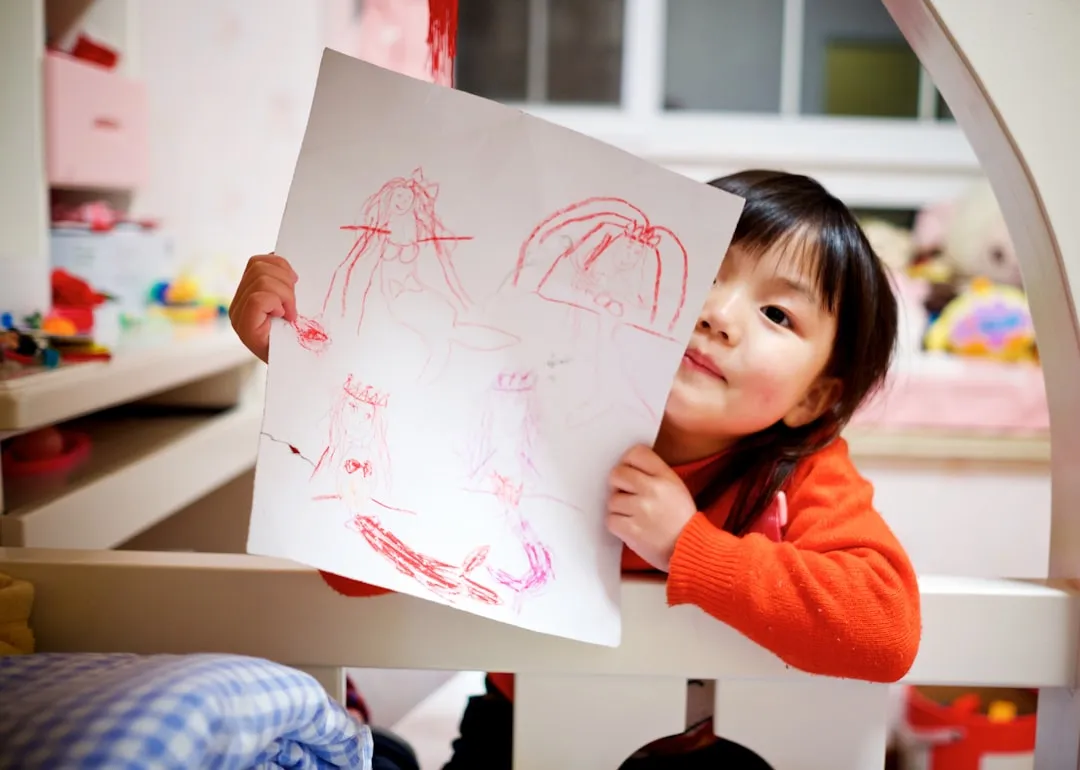
Research has shown that children who experience boredom are more likely to engage in creative endeavors, such as storytelling, art, and unstructured play. These are precisely the kinds of activities that build the mental flexibility associated with adult creative achievement.
A longitudinal study of divergent thinking ability in school-aged children found that top performers eventually lead highly successful careers in the arts and sciences. That finding suggests the creative habits formed during childhood don’t fade. They compound.
Boredom Builds Self-Regulation Too
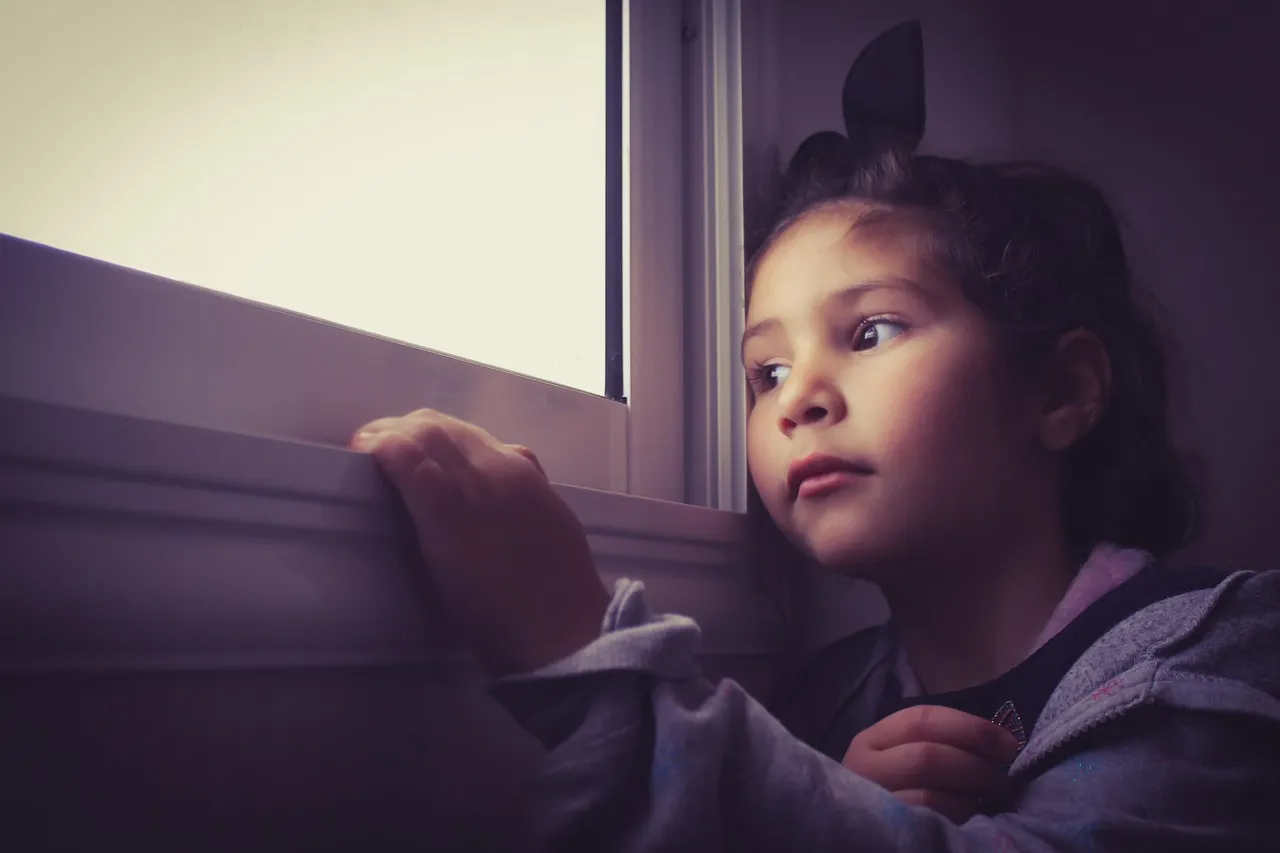
A 2024 study published in the Journal of Experimental Child Psychology found that boredom can be measured even in children as young as four years old and is closely linked to self-regulation. This is significant because self-regulation sits at the heart of nearly every skill we associate with successful adults.
Boredom helps kids develop valuable skills. For starters, it helps kids build tolerance of less-than-ideal experiences. Boredom also helps children develop planning strategies, problem-solving skills, flexibility, and organizational skills, key abilities that children whose lives are usually highly structured may lack.
Moments of boredom give the brain an opportunity to reset. When children aren’t being told exactly what to do, they begin finding things to do themselves. That process, humble as it sounds, is where real self-direction begins.
The Problem with Overscheduled Childhoods

In a world where screens and packed schedules dominate childhood, boredom has quietly lost its place, and with it, a powerful driver of creativity and independence. Parents often mean well, filling their children’s time with enriching activities. The trouble is that too much of even a good thing can crowd out something essential.
Overscheduling children can actually do more harm than good, including causing too much stress, reducing opportunities to engage in creative thinking, and having detrimental effects on attention span and mental health. Constant exposure to structured activities can create children who constantly seek sensory input and cannot handle boredom or time alone.
Since the mid-twentieth century, there has been a decline in the time allowed children for free play. During this same period, psychiatrists have tracked in children a rise in narcissism, depression, anxiety, and feelings of helplessness. The move from free-ranging childhoods to more structured environments and a greater number of organized extracurricular activities may also be stunting the rising generation’s ability to think creatively and solve problems.
What Happens When Boredom Meets Underchallenge

A study published in early 2025 examined the boredom-creativity link by including students’ levels of over- and underchallenge. Based on established cognitive models, the researchers proposed that boredom combined with being underchallenged might actually enhance creativity. This nuance is worth holding onto.
Boredom is one of the most frequently reported emotions in the classroom, with numerous reported detrimental effects on learning and achievement. However, theoretical considerations exist that view boredom as being positively related to performance in creative tasks due to students’ attempts to seek stimulation in boring situations.
The upshot is that not all boredom is the same. A child who is bored because they’re understimulated and left to their own devices is in a very different situation from a child who is bored because a task is beyond their reach. The first type, the quiet, low-demand, self-directed kind, is where creativity tends to flourish.
Free Play Is Declining, and Creativity May Be Paying the Price

Research across 35 studies consistently found that children today engage in significantly less unstructured free play than previous generations. Unstructured free play, meaning child-led, open-ended, screen-free activity, is in significant decline, while digital engagement is rising.
Over the past 50 years, kids have missed out on play. Evolutionary psychologist Dr. Peter Gray points to a decline in free play as the reason for an increase in anxiety and depression, a decline in empathy and rise in narcissism, and a decline in creativity. Kids today spend more of the year in school, five weeks more on average than 50 years ago, and more of that day is spent on academics.
Researchers noted that free play was consistently linked with positive developmental outcomes, including creativity, imagination, emotional regulation, and stronger social interactions with peers. When children have opportunities to invent games, negotiate rules, and experiment with ideas, they practice the kinds of real-life skills that help them adapt to challenges later on.
Unstructured Time Teaches Kids to Motivate Themselves

As a pair of University of Tokyo researchers noted in a 2024 perspective, “Boredom can drive one to seek fulfilling activities and the acquisition of skills to better enjoy life.” In other words, the absence of structured activity encourages children to explore their surroundings more creatively and develop problem-solving skills that may not emerge as readily in parent-directed settings.
While often viewed negatively, boredom can serve as a catalyst for creative thinking and problem-solving in young children. Research highlights how periods of boredom encourage children to engage in imaginative play, explore their surroundings, and develop self-directed learning skills.
When bored, kids who have time to think about being bored and discover by themselves how not to be, develop skills to reframe the experience. This quiet act of reframing is, at its core, what creative people do throughout their lives.
The Role of Parents in Making Boredom Work
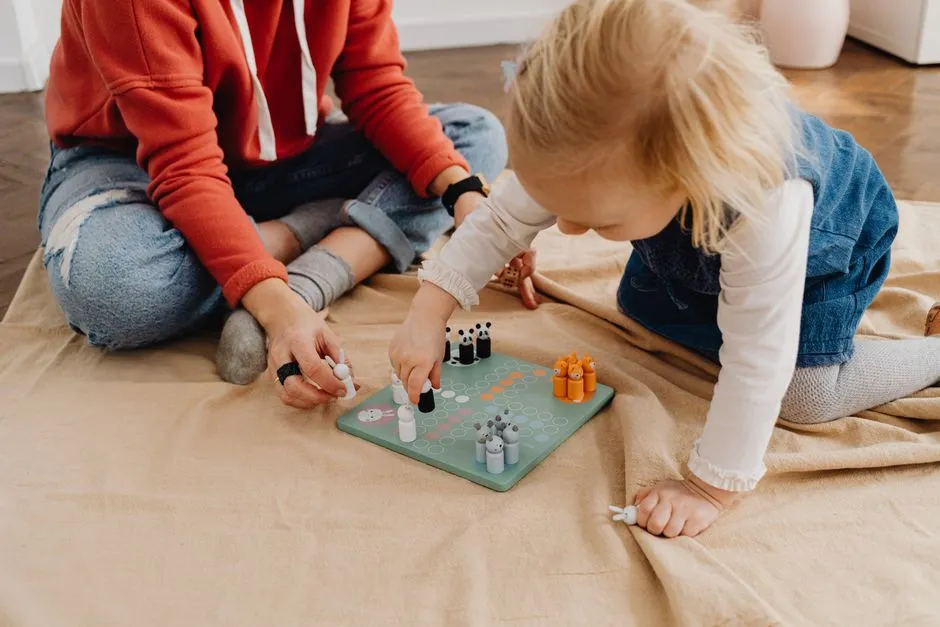
Research shows that boredom plays an important role in helping kids develop creativity, resilience, and emotional regulation. For parents, that means resisting the reflex to intervene the moment a child sighs and says they have nothing to do.
Constructively bored kids eventually turn to a book, build a fort, or pull out the paints and create. Psychologists and child development experts suggest that over-scheduling children is unnecessary and could ultimately keep kids from discovering what truly interests them.
Child development experts suggest that organized activities before age 6 or 7 are not developmentally appropriate. Prior to this age, children should be encouraged to discover their own interests through self-directed play and exploration, rather than relying on adults or planned activities to make those determinations for them. This doesn’t mean doing nothing. It means leaving space.
Screens, Passivity, and the Creative Gap
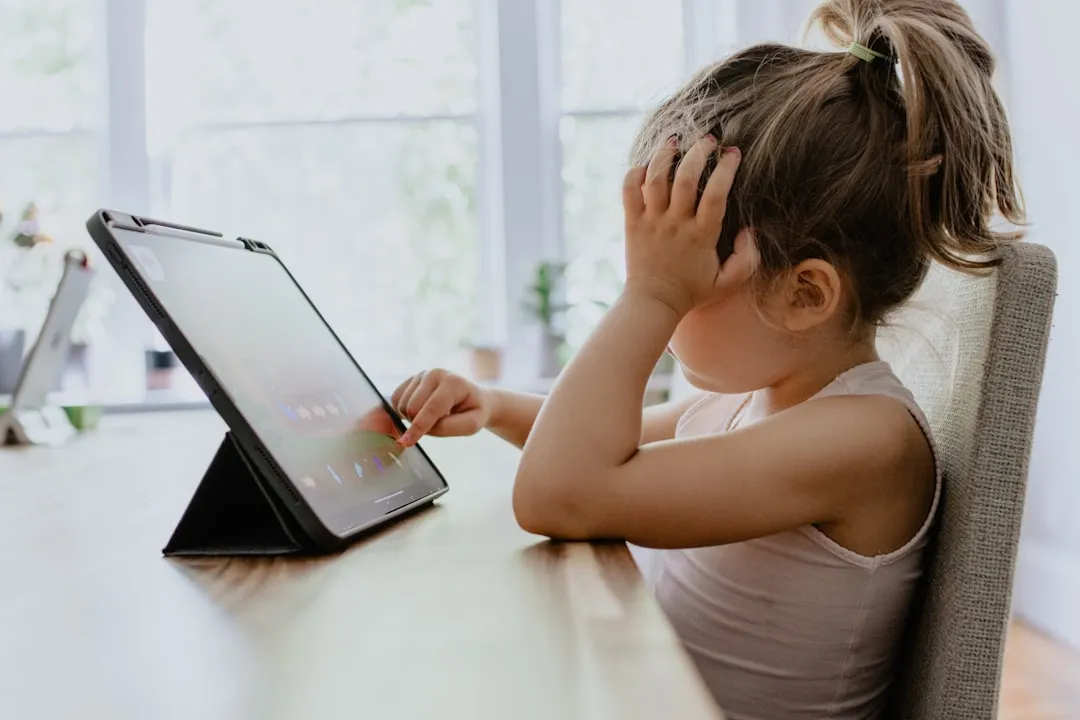
Many children are spending increasing amounts of time engaged with screens, and often prefer to spend time with digital media as opposed to other activities. Research has shown that child creativity and imagination have decreased significantly over time when compared to previous generations.
Research shows that boredom can be a powerful catalyst for creativity and imagination. When children experience boredom, their minds are free to wander, daydream, and generate new ideas. Passive screen time, by contrast, fills that same mental space without leaving room for anything to emerge on its own.
It is not screens themselves that harm creativity. It is the replacement of creative, physical, and imaginative activity with passive digital consumption. The distinction matters. A child building something in a game is different from one simply watching videos for hours at a stretch.
What the Research Actually Recommends
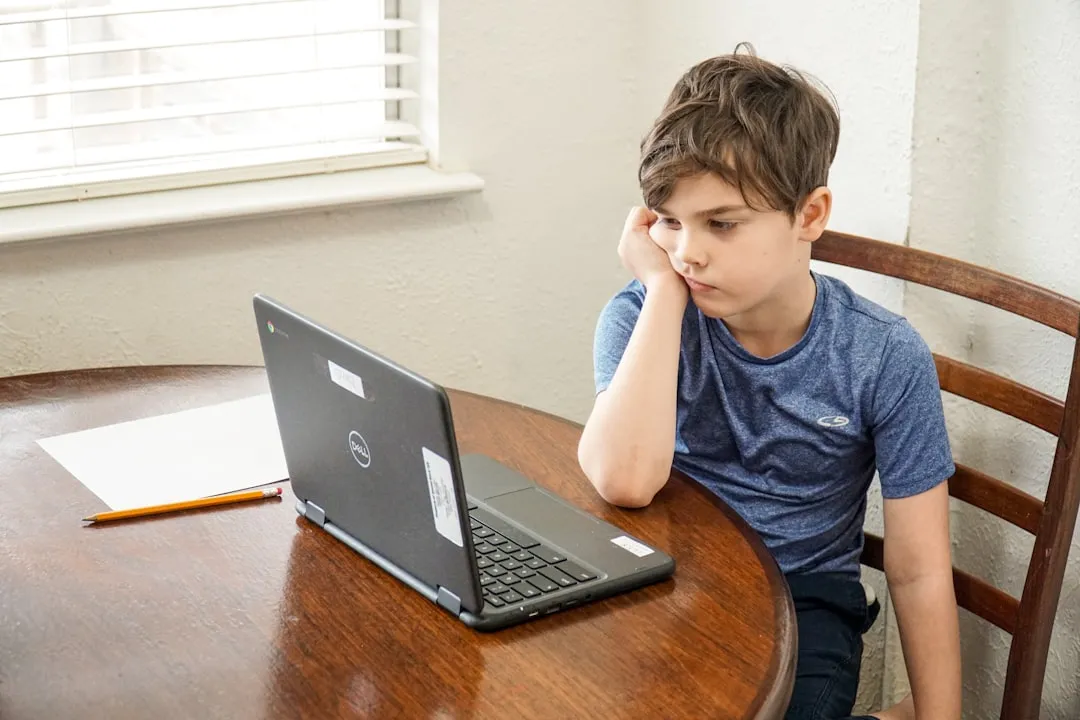
Research shows that boredom fuels creativity, problem-solving, and self-directed skill-building by encouraging children to explore and innovate without adult scaffolding. Occasional boredom is a low-risk feature of healthy development, not a bug to be fixed.
Educators can harness boredom as a valuable tool, fostering an environment that promotes exploration, innovation, and resilience. Ultimately, research advocates for integrating structured periods of unstructured time in early childhood curricula to enhance creative potential. Unstructured time isn’t laziness. It’s a curriculum of its own.
Hearing “I’m bored” from a child doesn’t necessarily mean something is wrong. On the contrary, it’s an important part of cognitive development in children and means that their brain is ready to engage in self-directed exploration. Reframing that single phrase changes how parents and teachers respond, and that response shapes what the child builds next.
The Takeaway
The evidence, gathered across neuroscience labs, developmental psychology studies, and classroom research, points toward a clear conclusion. Boredom, when it’s the quiet, undirected, low-stimulation kind, is one of the most reliable conditions for nurturing creative thinking in children. It’s not comfortable, and it’s not supposed to be.
What children do with that discomfort, how they push through it, fill it, or transform it into something entirely their own, is exactly the process that builds the cognitive and emotional foundation for a creative adult life. The challenge for parents and educators is not to manufacture more boredom artificially, but simply to stop being quite so quick to make it disappear.
Sometimes the best thing you can offer a child is nothing at all.
AI Disclaimer: This article was created with the assistance of AI tools and reviewed by a human editor.