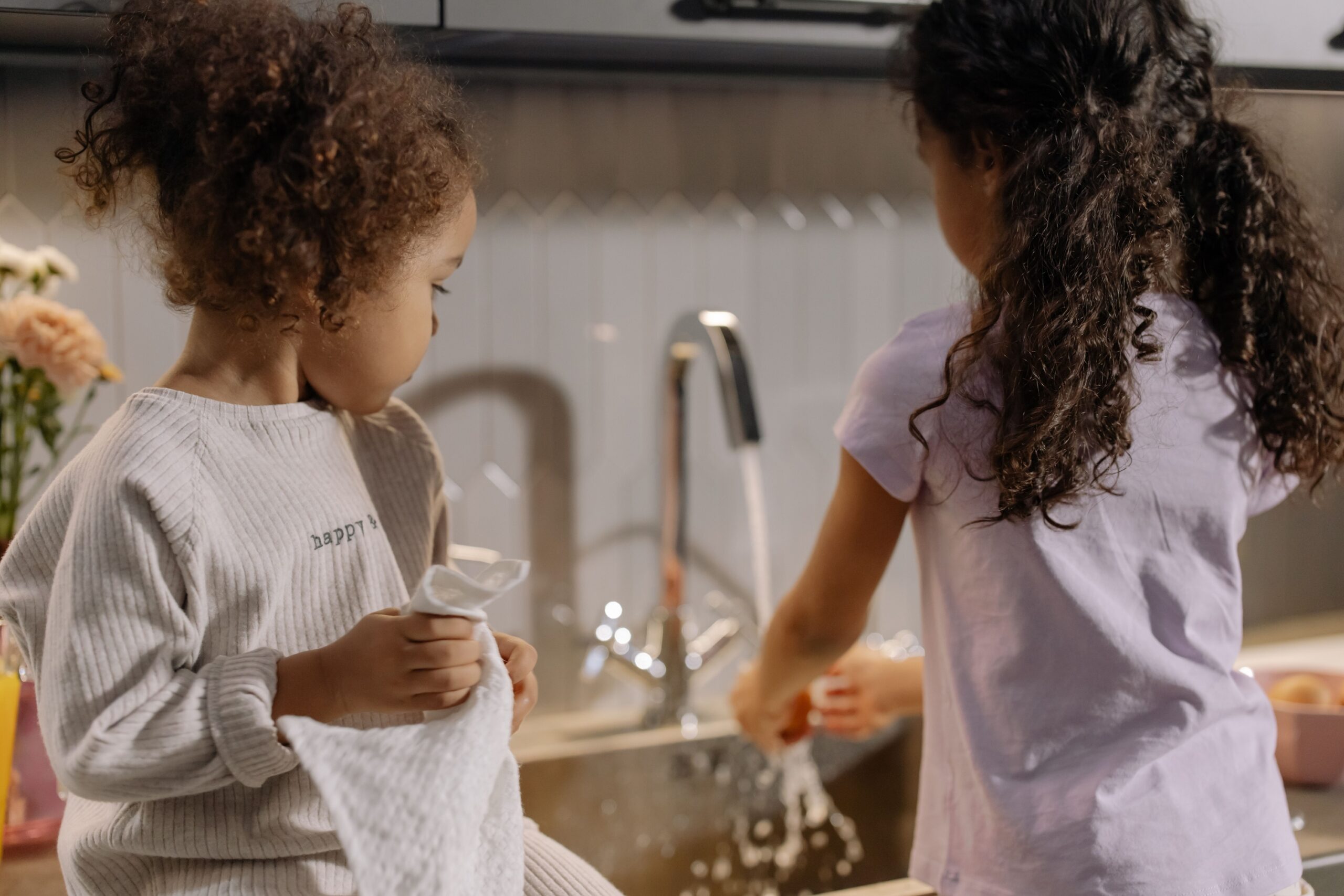

Most parents have wrestled with the question at some point: do you hand your kid a few dollars after they vacuum the living room, or do you expect them to do it just because they’re part of the family? It seems like a small domestic choice, but a growing body of research suggests the answer carries real consequences that stretch well into adulthood.
The difference between paid and unpaid chores isn’t just about money. It shapes how children understand contribution, motivation, and belonging – and those lessons turn out to be surprisingly durable.
The Harvard Study That Started the Conversation

An 85-year ongoing study conducted by Harvard researchers found a strong connection between doing chores and later professional success and happiness. That’s not a minor footnote in the literature. That’s decades of following people across their lives and watching the pattern hold.
The findings showed that shared responsibilities help children develop greater self-worth, confidence, work ethic, and empathy for others. Crucially, the chores in question weren’t tied to payment. They were simply expected as part of life at home. The distinction matters more than it might first appear.
The Age at Which You Start Matters More Than You Think
University of Minnesota’s Marty Rossmann determined that the best predictor of young adults’ success in their mid-20s was that they participated in household tasks when they were 3 or 4. Starting early wasn’t just beneficial – it was the single strongest indicator of adult success measured in the study.
Research suggests there are benefits to including chores in a child’s routine as early as age 3. Children who do chores may exhibit higher self-esteem, be more responsible, and be better equipped to deal with frustration, adversity, and delayed gratification. These aren’t traits that arrive in adulthood on their own. They’re built, slowly, through repetition and expectation.
Unpaid Chores Build a Sense of Family Belonging
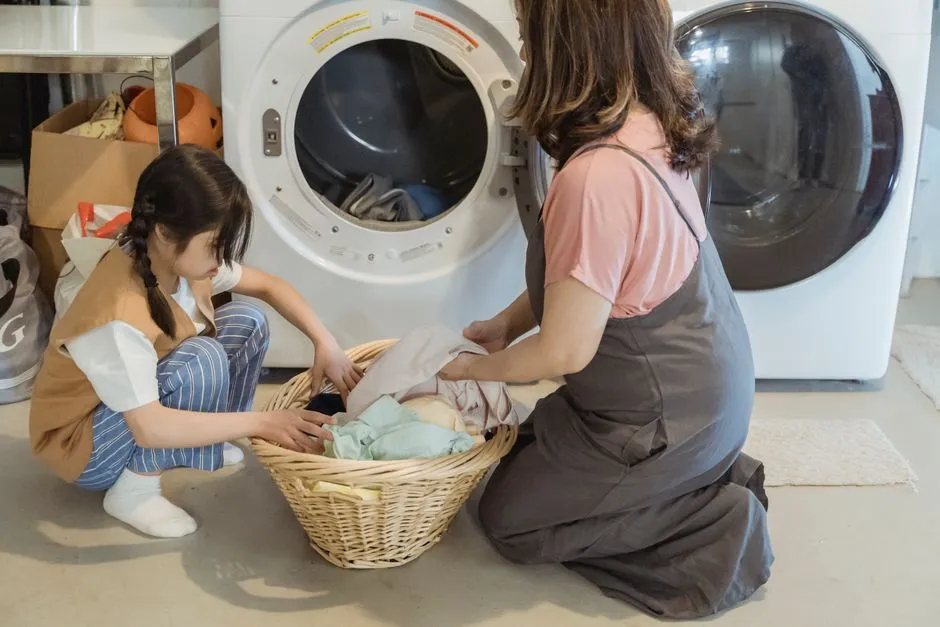
Experts say that unpaid chores can foster a sense of family responsibility, as children learn the importance of contributing to the household without expecting immediate rewards. This helps instill values of cooperation and selflessness. Kids who vacuum or set the table without a financial transaction aren’t just completing tasks. They’re learning what it means to be part of something larger than themselves.
They start to develop a mindset of contributing to the common good, which helps reinforce the idea that family members should work together and support each other, promoting a sense of unity and teamwork. That internal sense of responsibility – rooted in community rather than compensation – tends to travel with them into adult relationships and workplaces.
The Overjustification Effect: When Pay Backfires
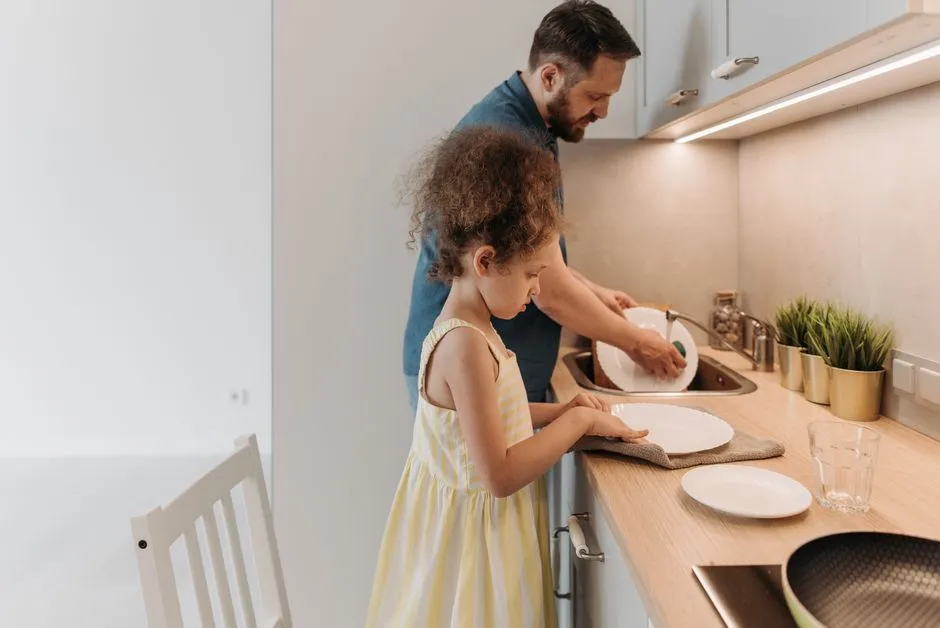
The overjustification effect is a psychological phenomenon in which external rewards, such as money or praise, reduce a person’s intrinsic motivation to engage in an activity they previously enjoyed for its own sake. Applied to household chores, this means that paying a child consistently can actually make them less willing to help when the money isn’t there.
Research on the overjustification effect shows that once you start paying for an activity, removing payment makes people less likely to do it than if they had never been paid. Your child might stop doing chores entirely if the money stops. This is a concrete risk, and it’s one that parents who rely entirely on payment-based systems sometimes discover the hard way.
Intrinsic Motivation Is More Durable Long-Term

Research suggests that self-motivation is a more sustainable driver for long-term behaviour change than external motivation, such as expecting a reward. Children who help because they feel ownership over their home and family environment tend to carry that drive forward in ways that paid-chore children sometimes don’t.
The overjustification effect happens when external rewards reduce a learner’s natural desire to complete a task they already enjoy. This drop in motivation often occurs if the reward is expected or physical. What starts as a helpful incentive can quietly erode the very motivation it was meant to support.
Executive Function and School Performance
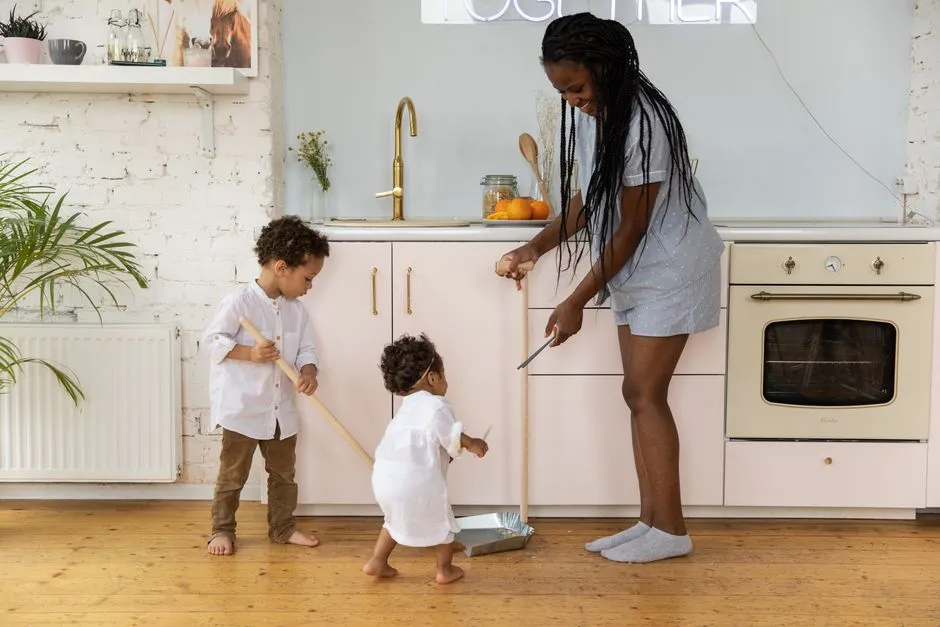
Research demonstrates that kids who have regular chores do better in school, have higher life satisfaction, and better know how to care for themselves. The connection to school performance isn’t coincidental – chores engage the same cognitive systems that academic tasks rely on.
Children who did more chores in kindergarten scored significantly higher in their academic abilities, peer relationships, and overall life satisfaction. Children who participated in more household chores had better working memory and better inhibitory control, which is the ability to stop an impulse and make a more appropriate choice. These cognitive advantages appear regardless of whether chores were paid or not, but they seem most pronounced in children who see the work as their natural contribution to the household.
Paid Chores Do Teach Real Financial Skills

It’s worth being fair here: the research isn’t entirely one-sided. Research conducted by the University of Minnesota supports the finding that children who receive payment for chores tend to have better budgeting and saving skills in adulthood. Learning to manage earned money is genuinely valuable, and some families use paid chores specifically for that purpose.
In the adult world, labor equals income. Paying for chores gives children a realistic preview of the economic system they will eventually enter. That’s a legitimate lesson – the question is whether it’s the only lesson being taught, and whether it crowds out the equally important lesson of contributing simply because it’s your responsibility.
The Risk of the Negotiation Trap
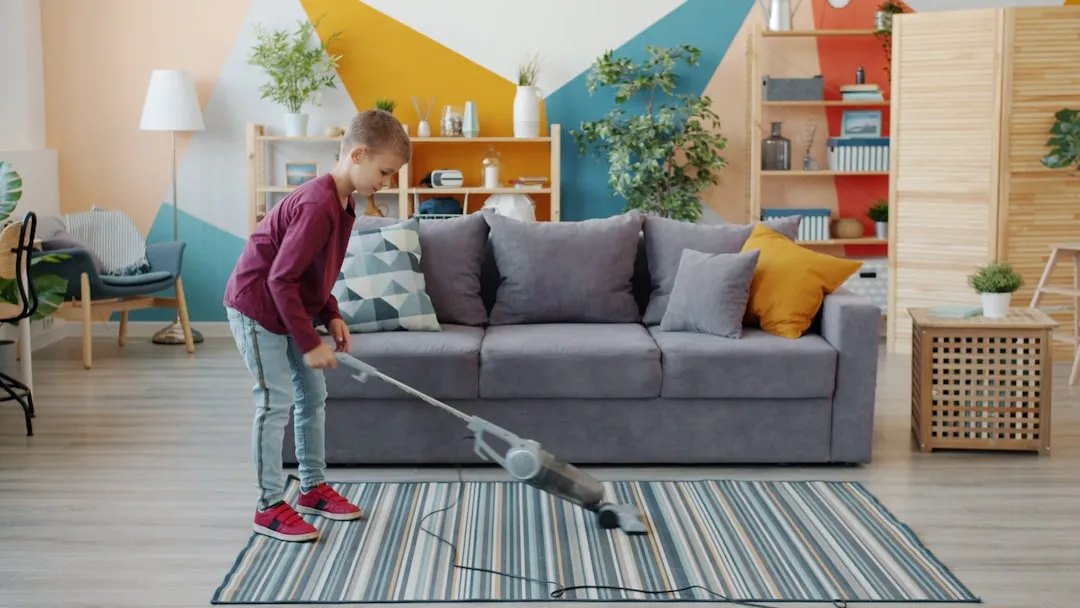
If you pay kids for every task, they may start refusing to help unless there is a financial incentive. This can turn a simple request to “pick up that toy” into a contract negotiation. Parents who have lived through this recognize it immediately. What began as a motivation strategy quietly transforms the relationship between parent and child into something more transactional.
Once a child has learned to frame every request for help as a potential negotiation, that mental habit doesn’t always disappear at adulthood. Workplaces, relationships, and communities all require people to contribute without a paycheck attached to every specific act. Kids raised exclusively in a paid-chore environment can find that shift genuinely disorienting.
What the Research Agrees On: Just Do Chores
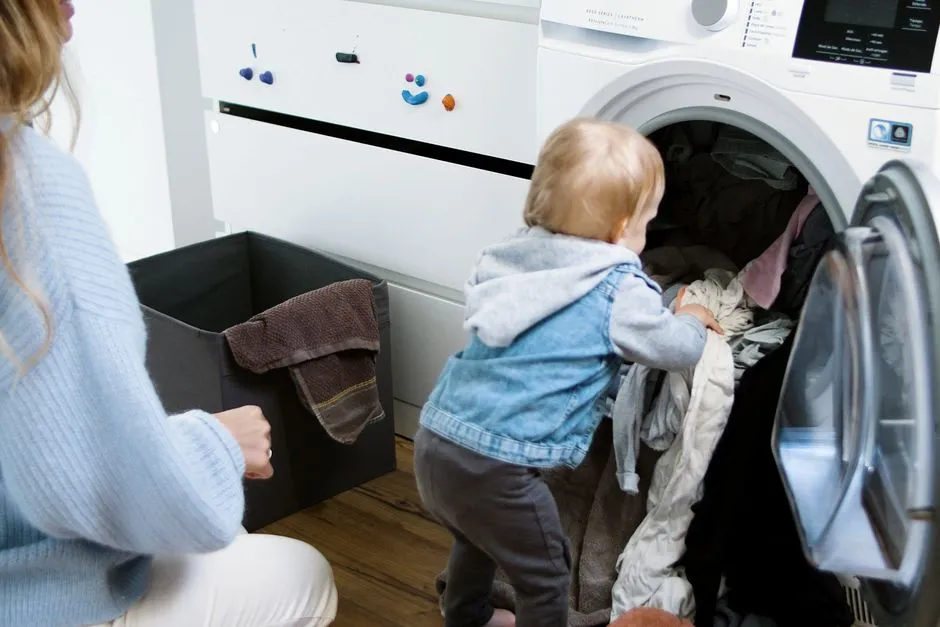
A study from the University of Minnesota found that children who did chores starting at age 3 to 4 were more likely to be successful adults, but the study did not distinguish between paid and unpaid chores. What mattered was the habit of contributing, not the payment model. That’s a useful anchor point when the debate gets heated.
When children and their contributions are valued, they are more likely to develop a sense of responsibility and a sense of self-efficacy and self-worth. Children who take the initiative to help at home are more likely to show a sophisticated, fluid collaboration when they work in school-like tasks, and are more likely to recognize when someone needs help and to help without being asked. The invitation to contribute, it turns out, matters as much as the chore itself.
How These Habits Show Up in Adult Life
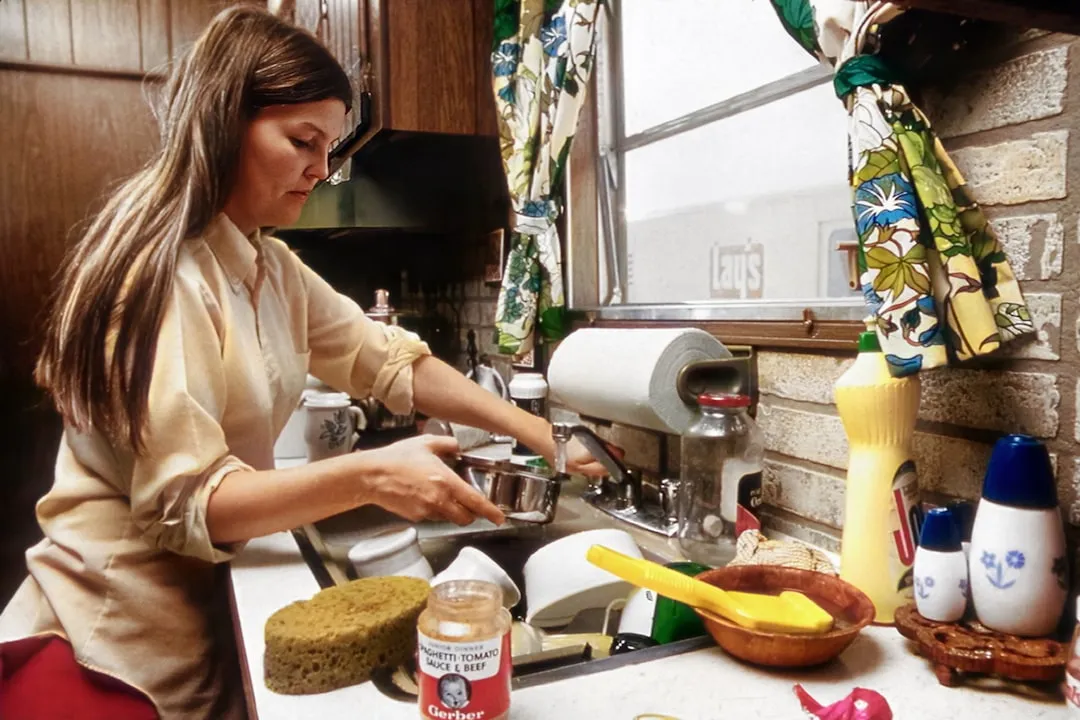
Research by Marty Rossman shows that involving children in household tasks at an early age can have a positive impact later in life. The best predictor of young adults’ success in their mid-20s was that they participated in household tasks when they were three or four. By the time the child is in a first job, first apartment, or first serious relationship, the foundation has already been poured – one load of laundry at a time.
Adults who grew up doing unpaid chores tend to frame contribution differently. They’re more likely to help a colleague without expecting something in return, to maintain a shared living space without being asked, and to find satisfaction in doing a job well for its own sake. Adults who grew up only in paid-chore households aren’t necessarily worse people – but their instinct is often to ask “what’s in it for me?” before acting. Both patterns are learned. Neither is accidental.
The Takeaway
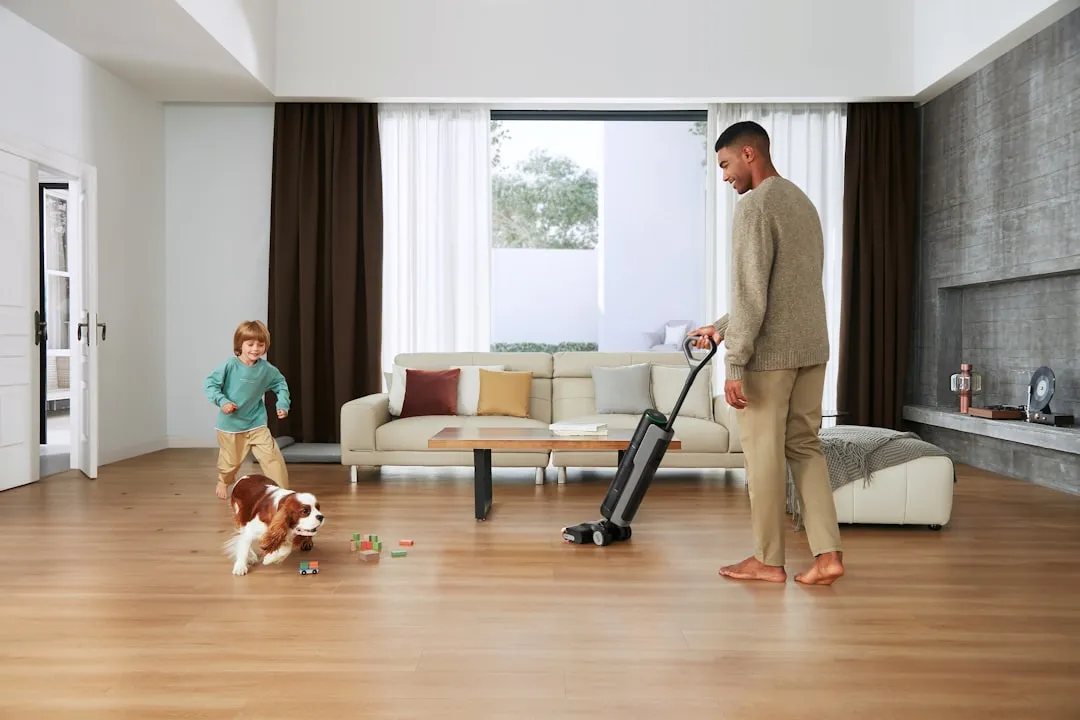
The paid versus unpaid chores debate probably doesn’t have a single correct answer for every family. But the research is clear that when payment becomes the only reason a child helps at home, something important gets missed. Domestic responsibilities serve as a training ground for adult life. When kids do chores, they are practicing executive functions: planning, organization, and task initiation.
The most useful thing a chore can teach is that you pitch in because it needs doing and because you belong to something worth maintaining. That’s a lesson money can’t really buy – and the adults who learned it early tend to carry it quietly but powerfully through everything they do.
AI Disclaimer: This article was created with the assistance of AI tools and reviewed by a human editor.