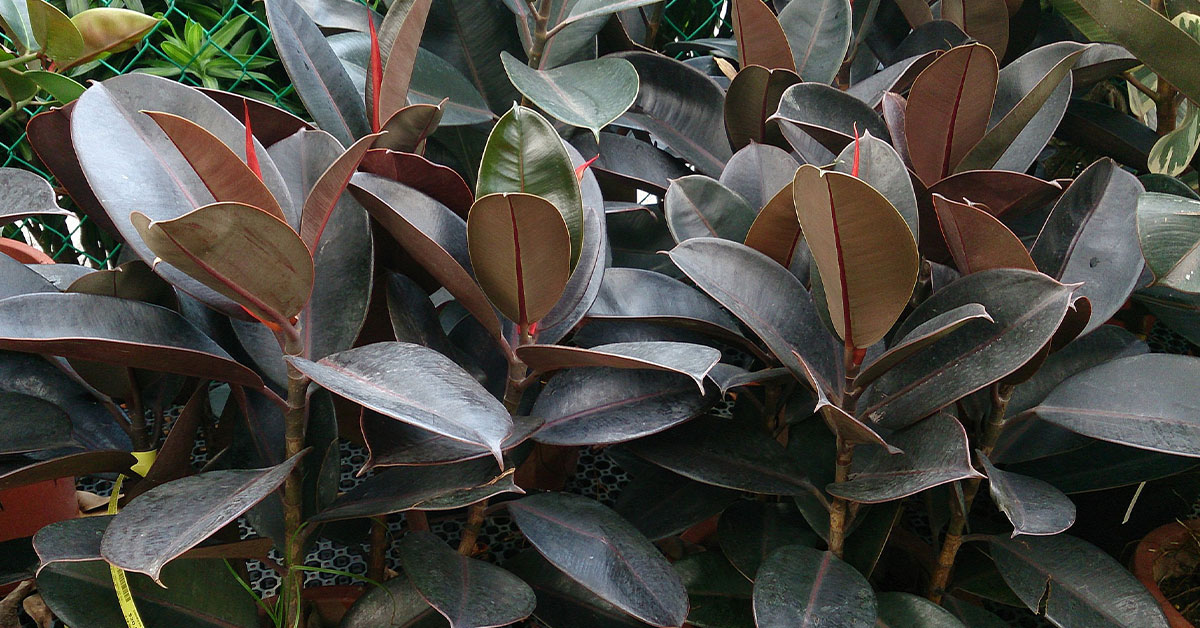

Rubber plants are a popular choice for houseplants due to their striking appearance and easy care requirements. Unfortunately, one common issue many rubber plant owners face is the dropping of their leaves. Thankfully, there are a few simple steps you can take to prevent your rubber plant leaves from dropping. In this article, we’ll provide you with some practical tips to help you keep your rubber plant healthy and thriving.
What Are Rubber Plants?
Rubber plants are becoming increasingly popular in both outdoor and indoor gardens. This is due to their ease of care, impressive size, and air-purifying qualities. They are also interesting and attractive plants that bring a unique beauty to gardens and living spaces. Rubber plants are fast-growing and low-maintenance, making them ideal for busy gardeners and those with limited space.
Additionally, the plant is known for its ability to absorb and filter toxins from the air. This makes it a great choice for those interested in improving their indoor air quality. The rubber plant’s long, glossy leaves and attractive form make it a popular choice for any garden. Furthermore, its hardiness and low-maintenance nature make it a great choice for gardeners of any skill level.
Reasons Why Your Rubber Plant Is Dropping Leaves
Rubber plants are popular houseplants that grow well in most homes. However, it is not uncommon for rubber plants to suffer from a number of issues that lead to the leaves dropping off. Although rubber plants are relatively hardy, they can experience leaf drop due to environmental factors such as too much sunlight or not enough water. If the plant is exposed to extreme temperatures, its leaves will start to drop off as the plant attempts to conserve energy. Additionally, pests such as mealybugs or aphids can also cause rubber plant leaves to drop, as they feed on the sap and weaken the plant.
How To Prevent Rubber Plant Leaves From Dropping
One of the most effective ways to prevent your rubber plant’s leaves from dropping is to keep the soil moist but not soggy. To do this, water your plant deeply when the topsoil is dry, and keep an eye on the drainage tray or saucer to make sure it isn’t holding water. It’s also important to make sure your rubber plant isn’t in a spot that gets too much direct sunlight, as this can cause the leaves to burn.
If possible, try to keep your rubber plant in an east or west-facing window. If your rubber plant is indoors, you should also be sure to use a humidifier to keep the air around the plant moist. Finally, it’s important to fertilize your rubber plant on a regular basis to ensure it’s getting the nutrients it needs to stay healthy.
Overwatering And Underwatering
Overwatering and underwatering are both common issues for rubber plants. If you are overwatering, this can cause the roots to rot, resulting in yellowing and wilting of the leaves. The soil should be allowed to dry out between waterings. Underwatering can cause the leaves to turn yellow and drop off. The soil should be kept evenly moist, but not waterlogged. If the leaves become dry, wilted, or discolored, it is a sign that the plant needs more water. In either case, care should be taken to ensure the rubber plant is receiving the right amount of water.
Monitor For Pests And Diseases
Rubber plants are vulnerable to pests and diseases. However, there are steps you can take to help prevent the leaves from dropping. Start by inspecting the plants regularly for signs of damage or disease, such as discolored or wilting leaves. If you notice any, remove the affected leaves immediately. Regularly prune the plant to maintain its shape and promote healthy growth.
To keep pests away, use insecticidal soap to treat the plant and its soil. Make sure the plant is receiving proper sunlight and water, as too much or too little of either can lead to leaf drop. Finally, repot the plant in fresh soil at least once a year to ensure that it is receiving the necessary nutrients.
How To Prune Rubber Plants
Rubber plants are known for their beautiful, glossy leaves. However, if the leaves start to drop, it’s time to prune them. Start by removing any dry, brown, or damaged leaves. Then, use sharp pruning shears to cut off any old or overgrown stems. Be sure to cut back the stems to the desired length. Additionally, make sure to leave at least two leaf nodes on each stem. Finally, clean up any excess debris and water your plant thoroughly. With a little bit of pruning, your rubber plant will look as good as new!