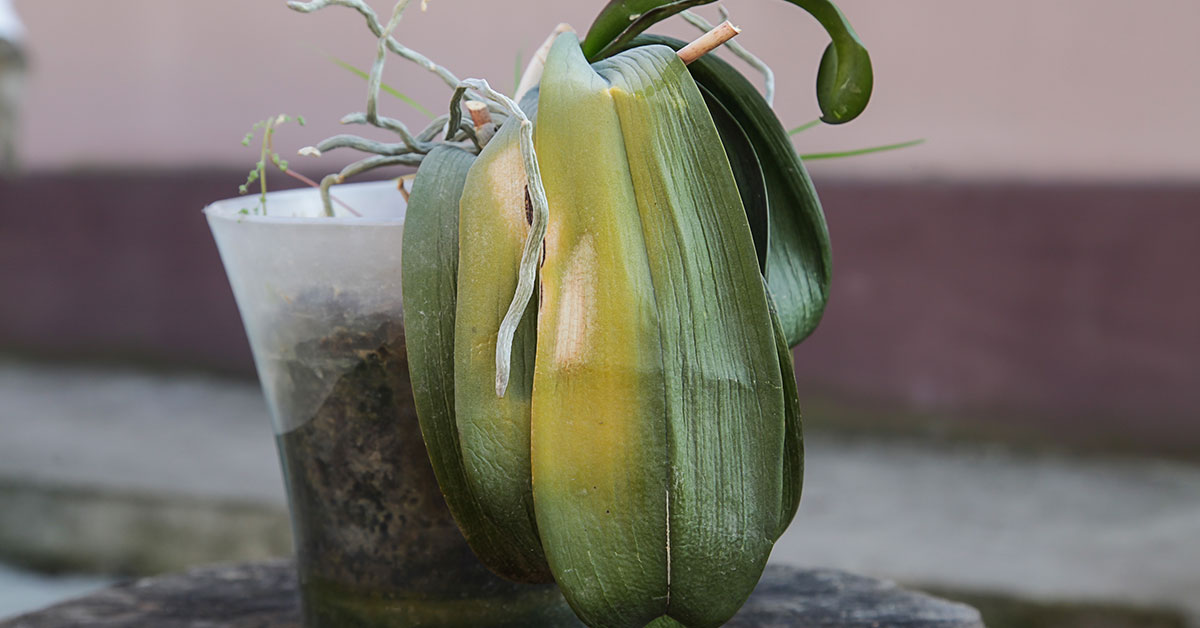

Growing orchids is a beautiful and rewarding experience. With over 28,000 species of orchid, there are endless varieties to choose from. Each species is unique and offers its own unique beauty. The lush foliage and vibrant blooms make orchids a popular choice among gardeners. However, when your orchid suddenly begins wilting, it can be a troubling and heartbreaking experience. In this article, we will explore why your orchid is wilting and what steps you can take to fix the problem.
What causes orchid wilting?
Wilting can be caused by a number of things, including too much water, too little water, or disease. It is important to act quickly and take the necessary steps to save your orchid. This can include adjusting the amount of water, using a fungicide, and repotting the orchid. Despite the occasional setback, growing orchids is a rewarding experience that is sure to bring joy and beauty to your home. With proper care and attention, your orchid will soon be back to its beautiful self.
Low humidity
When the humidity levels in an environment drop below 40%, an orchid can start to wilt. Low humidity can cause the plant to lose moisture, which can quickly cause the orchid to become dehydrated and malnourished. Without the moisture in the air, the orchid is unable to absorb the water and nutrients it needs to stay healthy and it will start to wilt and droop. To prevent an orchid from wilting due to low humidity, it’s important to make sure the environment is kept as humid as possible. This can be done by placing a humidifier in the area, misting the orchid daily, and/or placing the pot in a tray filled with pebbles and water. Be mindful not to submerge the substrate in water.
High heat
High heat can cause an orchid to wilt. When temperatures rise too high for an orchid, the plant may become stressed and the leaves will start to droop. The plant’s cells become unable to take in enough water and nutrients to stay healthy, leaving the plant weak and vulnerable. In order to prevent an orchid from wilting due to high heat, it should be kept in a warm, shaded area with plenty of air circulation. Additionally, orchids should be watered regularly, but not excessively, and should be given plenty of humidity. Taking these steps can help ensure that your orchid stays happy and healthy during periods of high heat.
Cold exposure
Cold exposure can cause an orchid to wilt and become weakened. Orchid plants are sensitive and do not thrive in temperatures below 50 degrees Fahrenheit. In fact, the minimum temperature for orchids is 40 degrees Fahrenheit, though they can sometimes handle brief cold snaps into the 30s. If an orchid is exposed to temperatures below 40 degrees, it can suffer serious damage and may not be able to recover. Cold exposure can cause an orchid to drop its petals, stems, or even its entire blooms. In extreme cases, the orchid may die.
Overwatering
Overwatering can cause an orchid to wilt because it leads to root rot. When an orchid’s roots are submerged in water for too long, they can become saturated and unable to absorb the oxygen they need to stay healthy. This leads to root rot, which prevents the orchid from receiving the necessary water and nutrients it needs to stay healthy.
As a result, the orchid will eventually wilt and become weak, as it is unable to get the vital resources it needs. It is also important to note that overwatering can cause the soil to become too waterlogged and can cause the orchid to become root-bound, which can lead to further health issues. To fix root rot, follow these steps:
- Prune away the affected orchid roots. Start by cutting away all the wilted, mushy, or rotten parts, leaving only healthy white or greenish roots. Discard the pruned material.
- Sanitize your pruning tools. Use rubbing alcohol or a household disinfectant to clean the blades of your pruners or scissors.
- Repot the orchid in fresh potting mix. Make sure to use an orchid-specific potting mix, which is composed of fir bark, sphagnum moss, and other materials.
- Water the orchid less frequently. Water the orchid about once every two weeks, allowing the potting mix to dry out between waterings.
- Increase the humidity around the orchid. Place a humidifier near the orchid or use a pebble tray.
- Move the orchid to a brighter location. Make sure the orchid is still receiving indirect sunlight, as direct sunlight can cause leaf burn.
Underwatering
Orchids are very sensitive plants that require precise care and attention. They need moist, but not soggy, soil, and can be easily damaged by exposure to too much or too little water. When an orchid is not given the proper amount of water, it will begin to wilt. The reason why an orchid wilts when it is too dry is because it needs to maintain a certain level of hydration to remain healthy.
When the soil is too dry, the plant cannot absorb enough moisture to keep itself hydrated. As a result, the orchid wilts in an attempt to conserve energy and water. This is why it is important to water orchids regularly in order to maintain the proper moisture levels in the soil.
Orchids should be watered once a week, allowing the orchid mix to dry out between waterings. Avoid over-watering and underwatering, as this can cause the plant to die or become diseased.
In need of repotting
An orchid wilts when it needs to be repotted because it is no longer able to remain healthy in the soil it is currently in. Over time, the medium in the pot can become compacted, making it difficult for the orchid’s roots to take up the nutrients and water it needs to survive. Additionally, the orchid’s roots can become root-bound, meaning they can no longer expand and grow as the plant does. When this happens, the orchid’s leaves will start to yellow, curl, and eventually wilt. Repotting an orchid in fresh orchid medium and a new pot will give the orchid the fresh start it needs, enabling it to take up the nutrients it needs and to continue to thrive.
Shock
When an orchid is abruptly moved or transplanted, it can be shocked and begin to wilt. This is because the orchid is sensitive to sudden changes in its environment and requires a gentle transition to its new home. When transplanting an orchid, it’s important to be gentle and take care not to damage the roots. The orchid should be placed in a pot with well-draining soil and watered regularly.
It’s also important to make sure that the new location receives the same amount of light that the orchid was originally accustomed to. If the orchid was originally growing in a shady spot, it shouldn’t be suddenly placed in direct sunlight. If an orchid has wilted due to shock or transplanting, it may take a few weeks to recover. You can help the orchid recover by providing it with the right care, including watering, fertilizing, and pruning as needed.
Sunburn
Orchid sunburn, or sunscald, is caused by too much exposure to the sun, resulting in the orchid leaves turning from green to yellow or brown. This discoloration is a sign of the orchid’s distress and can eventually lead to the orchid wilting and dying. To prevent sunburn, it is best to keep the orchid in a shady area and avoid direct exposure to the sun. If the orchid is exposed to the sun, it is important to regularly check the leaves for discoloration, as this is a sign that the orchid is stressed or burned. By taking these precautions and providing the orchid with the proper care, it is possible to avoid sunburn and help the orchid stay healthy and vibrant.