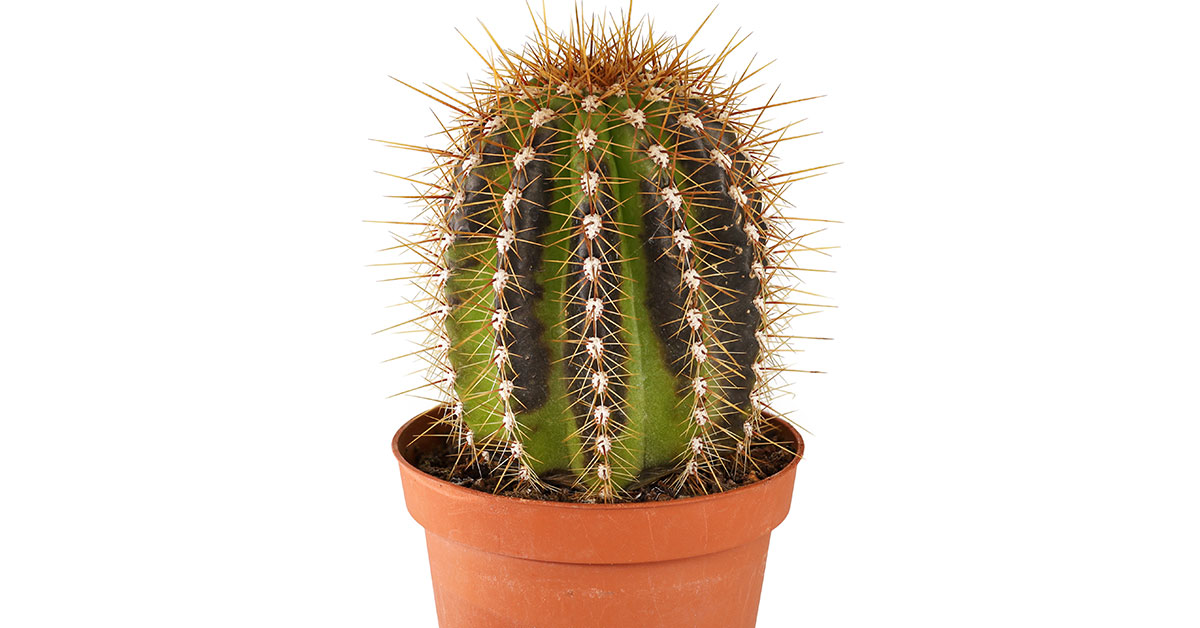

Cacti are a unique and beautiful addition to any home, but they require special care if you want them to remain healthy and vibrant. If your cactus is turning yellow, it could be a sign of a few different issues. The yellowing of a cactus is a sign that something is wrong. Whether it’s a lack of water, too much sun, or a nutrient deficiency, cacti are highly susceptible to environmental changes. Additionally, they require careful care to remain healthy. In this article, we will explore the causes of yellowing in cacti and how to help prevent it. We’ll also discuss what to do if your cactus is already turning yellow, and the steps you can take to bring it back to health.
How To Care For A Cactus Turning Yellow
If a cactus is turning yellow, it’s likely due to a lack of sunlight, over-watering, or a nutrient deficiency. To treat a cactus that is turning yellow, it’s important to assess the care it is receiving and make necessary adjustments. Start by making sure the cactus is receiving enough sunlight, usually at least 4 hours a day. It’s also important to check the soil to make sure it is draining properly. Over-watering can cause yellowing, so make sure the soil is dry between waterings. Finally, check to see if the cactus is receiving enough nutrients; cacti generally need to be fertilized once a month. By adjusting the cactus’ care and giving it the sunlight, water, and nutrients it needs, you can help revive a yellowing cactus.
Fertilizing A Cactus To Prevent Turning Yellow
Fertilizing a cactus that is turning yellow is a great way to restore its health and vibrancy. First, it is important to identify the type of cactus and the type of fertilizer needed to help it thrive. Next, mix a small amount of the fertilizer with water to create a diluted solution. For most cacti, a solution of one part fertilizer to ten parts water is ideal. Once the fertilizer is mixed, gently pour it into the soil around the base of the cactus, avoiding direct contact with the plant. Finally, water the surrounding soil to ensure the fertilizer is absorbed. Every few weeks, re-apply the fertilizer solution to help your cactus maintain its vibrant color.
Monitor For Pests And Diseases
Pests can cause cacti to turn yellow, and there are a few common culprits to look out for. Aphids, mealybugs, and mites are all tiny insects that can cause yellowing in cacti, as they feed on the plant’s sap. These pests often congregate in the root system, stems, or leaves of the cactus, which can cause the plant to become yellow as it loses sap. If you see any of these pests on your cactus, it’s important to act quickly to remove them before they cause any further damage. A thorough inspection and treatment of the cactus with an appropriate insecticide should help to get rid of the pests and restore the cactus to its original green hue.
Cacti can turn yellow due to certain diseases. Bacterial blight, caused by Xanthomonas, is one of the most common diseases that can turn a cactus yellow. Symptoms of this disease include yellow lesions on the stems and yellowing of the plant overall. Another common disease is fungal rot, which is caused by a variety of fungi, including Phytophthora, Pythium, and Fusarium. This disease usually presents as yellowing of the plant, followed by wilting and browning of the stem. If left untreated, fungal rot can cause the entire cactus to die. Proper hygiene and careful watering can help prevent these diseases from affecting your cactus.
Consider Repotting Your Cactus
Repotting a cactus can help with yellowing by allowing the cactus to draw in more moisture and nutrients from the soil. When a cactus is in a pot for too long, the soil can become compacted, and difficult for the roots to absorb nutrients. Repotting a cactus can help refresh the soil, providing a new and nutrient-rich environment for the cactus to draw in more moisture and nutrients. This will help the cactus to stay healthy and reduce yellowing by providing the necessary nutrients for healthy growth. Additionally, when repotting a cactus, it is important to use a pot with drainage holes to ensure proper drainage of excess water and prevent root rot.