

Wildflowers Are Winning the Competition
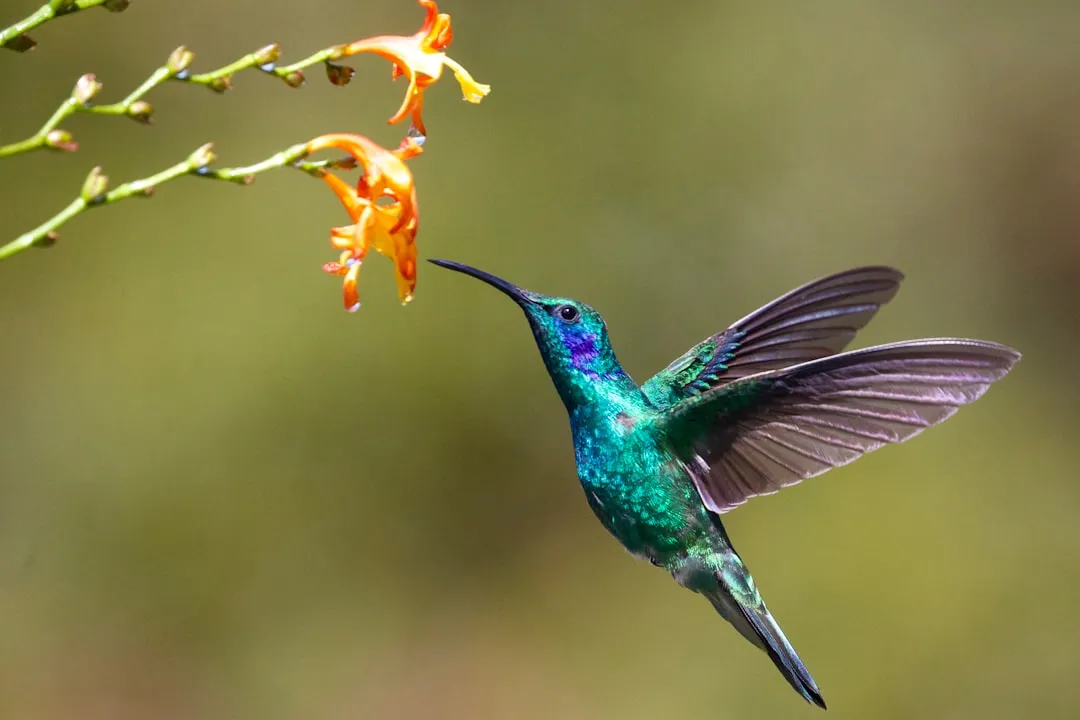
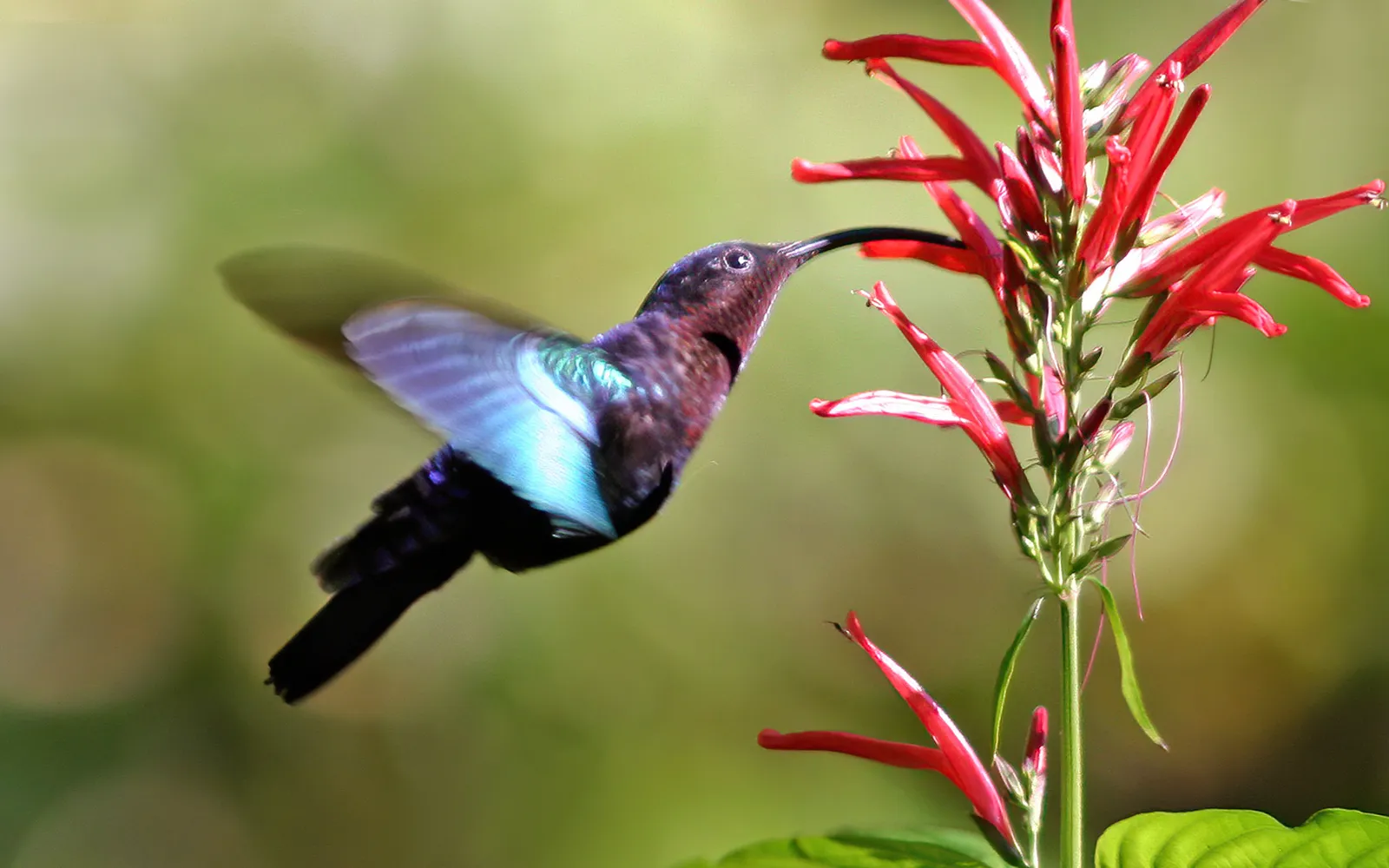
By midsummer, gardens and meadows are usually bursting with color, and that changes everything for a hungry hummingbird. If a nearby garden, park, or natural area suddenly bursts into bloom with nectar-rich flowers, especially native ones, hummingbirds will naturally gravitate towards these abundant food sources, making the feeder less necessary when there’s a buffet of natural nectar available. Researchers have actually documented this shift directly. Some studies have found that a good wildflower crop reduces the number of hummingbird visits to feeders, and when garden flowers are in full bloom, feeder traffic diminishes noticeably. The birds have not disappeared, they have simply found a better menu for a few weeks.
Nesting Season Keeps Them Close to Home
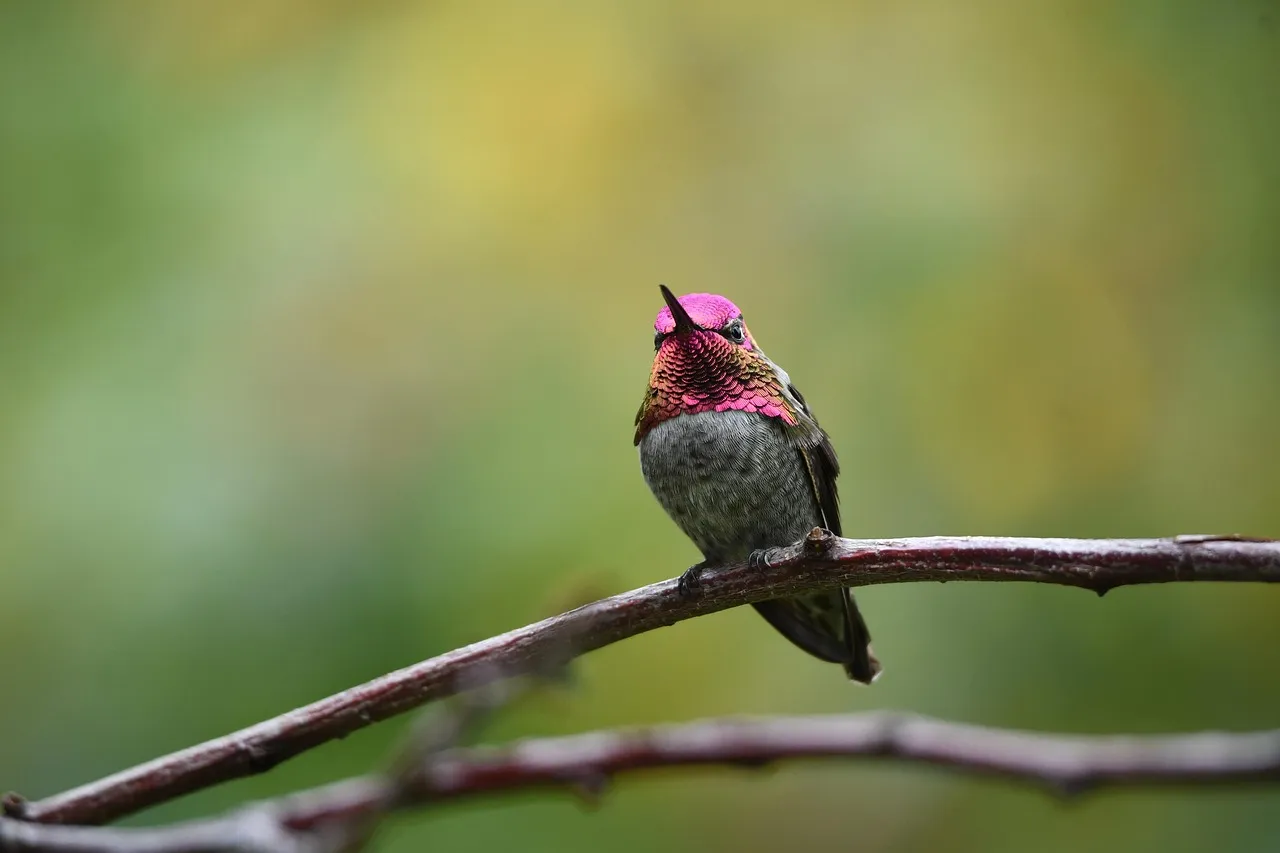
July is peak breeding season across most of the United States, and that changes a hummingbird’s priorities entirely. Through June, July, and August, ruby-throats are busy nesting, feeding young, and visiting feeders and flowers across the state. During this stretch, adults are focused on staying near the nest rather than wandering the neighborhood for a feeder visit. During breeding season, birds often stay near nests and natural food sources, and feeder visits seem to pick up again after chicks fledge. It is less about avoidance and more about a temporary shift in routine driven by parenting demands.
The Southbound Journey Starts Earlier Than Most People Think
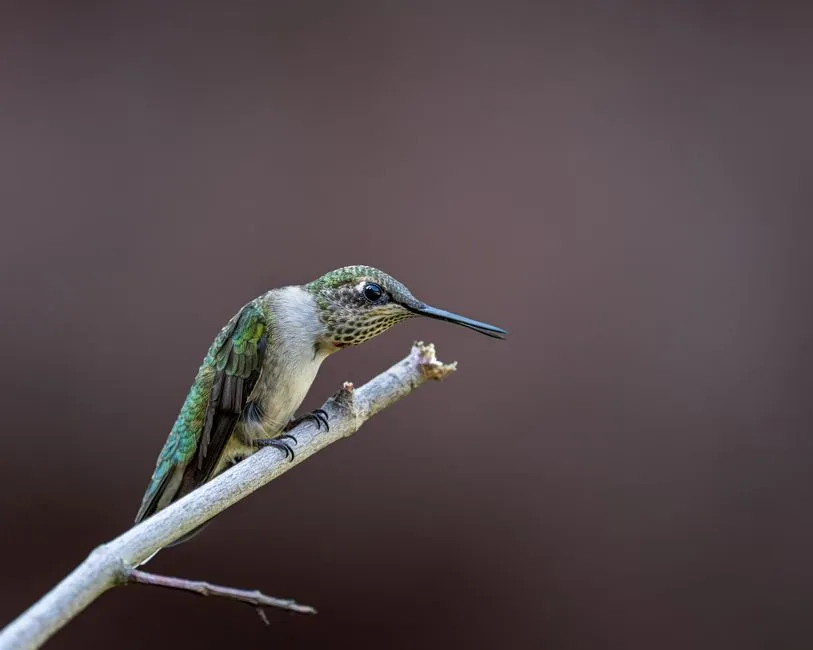
Many backyard birders assume migration is a fall event, but it actually begins in the heart of summer. The migration period for the trip south to wintering grounds begins in late July or early August, and mature male hummingbirds are the first to leave, since they aren’t involved in raising offspring and depart before the females and young birds. This means the population in a given yard can thin out gradually, port by port, well before anyone notices a dramatic drop. By the time you notice the feeder going untouched, the whole local population may already be several hundred miles south.
Daylight, Not the Feeder, Controls the Clock
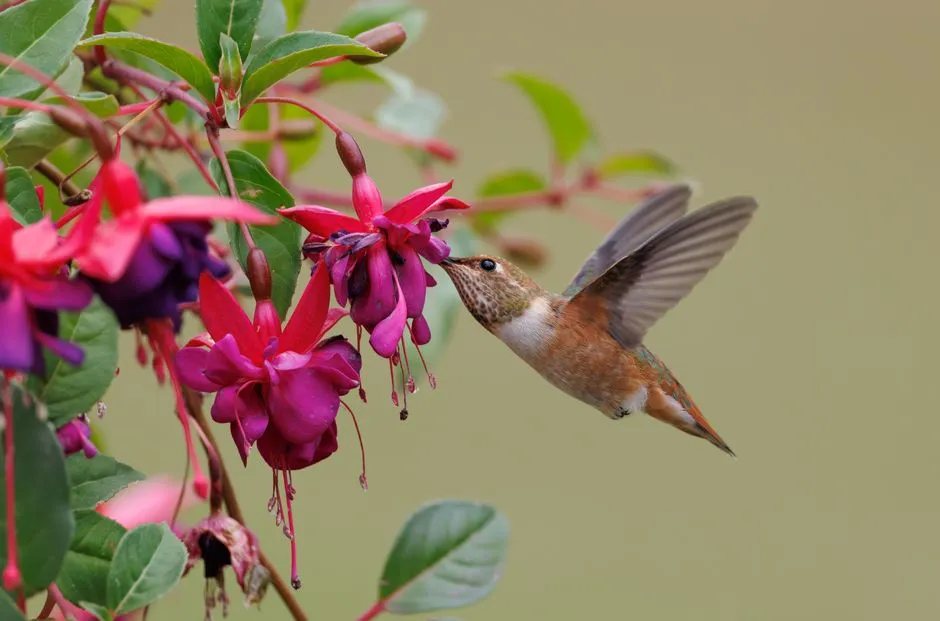
A common worry is that a full feeder might somehow delay migration or confuse a bird’s internal schedule. The science says otherwise. Keeping feeders up will not delay their migration, since their internal clocks are driven by daylight length, and the birds are not waiting for an excuse to stay; their biology simply overrides everything else. Cornell’s ornithology lab backs this up as well, noting that as days grow shorter in late summer, hummingbirds get restless and start to head south, regardless of whether there are feeders around. In short, the calendar decides, not the sugar water.
Heat Turns Perfect Nectar Into a Health Hazard
Ironically, the same warm weather that brings hummingbirds out in force is also working against feeder owners behind the scenes. The same nectar recipe that works perfectly at 70°F can ferment within 24 hours at 90°F, and mold that takes a week to grow in spring can appear in 48 hours during a heat wave. Hummingbirds notice this almost immediately, and they remember. Nectar ferments in heat and can make birds sick, and once a bird gets sick from a feeder, it won’t forget, since hummingbirds are very sensitive to spoiled food. A single bad batch can quietly cost a feeder its regular visitors for the rest of the season.
A Real Disease Risk Hides in Warm Sugar Water
This is not just a matter of taste or freshness. Fermented nectar can carry genuine pathogens. Warm nectar is a perfect breeding ground for bacteria and yeast, and once the sugar water begins to ferment, it can harbor Avian Trichomonosis, a protozoan infection that causes lesions in a hummingbird’s mouth and throat, with infected birds drooling, struggling to swallow, and eventually starving because they cannot feed. That is a serious consequence for what looks like a minor lapse in cleaning. It is also the single biggest reason experts push for aggressive summer maintenance schedules, sometimes changing nectar every one to two days in the hottest regions.
Nectar Alone Was Never the Whole Diet
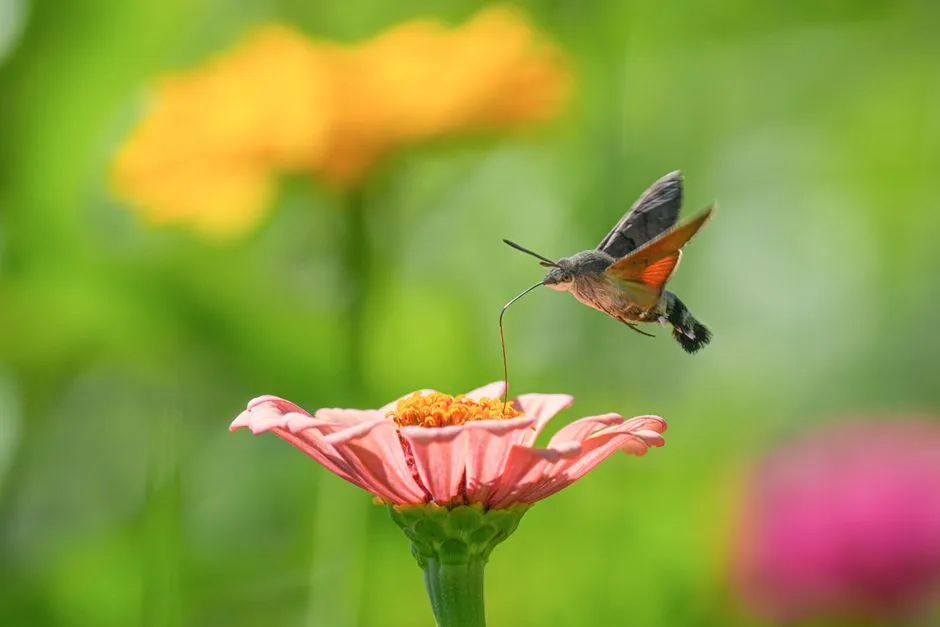
Even with flawless feeder hygiene, sugar water only covers part of what a hummingbird actually needs. With little in reserve, hummingbirds must constantly eat to survive, and while feeders offer a nice supplement, their main nutrition comes from nectar-rich flowers and protein-packed bugs. Chicks in particular depend on this protein source. Small insects and spiders are crucial protein sources for hummingbirds and their chicks, so fewer chemicals in a yard mean more natural food. A feeder stocked only with sugar water simply cannot replace that part of the equation, especially during nesting season.
Territorial Males Skew the Picture
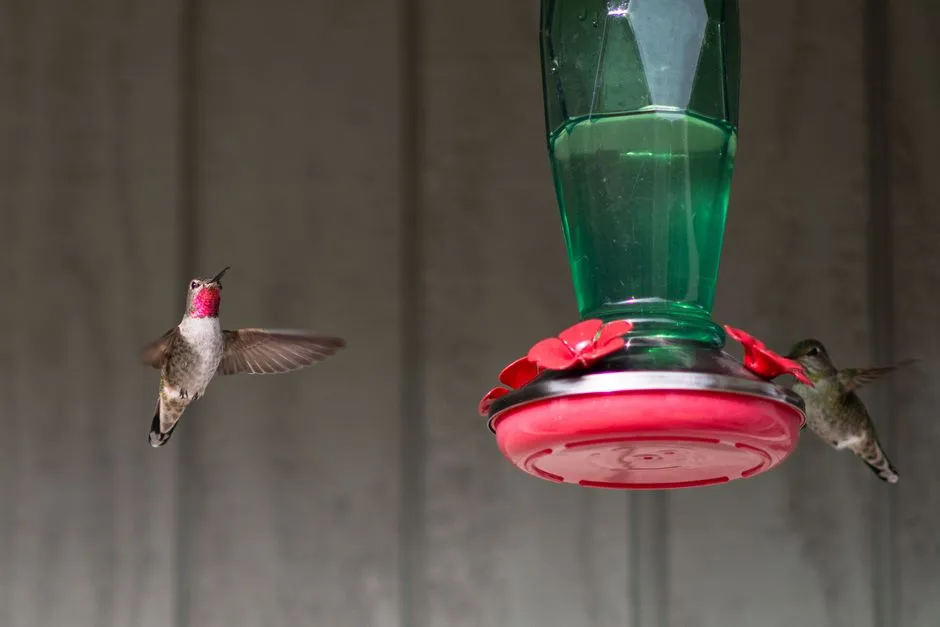
Sometimes the perceived drop in visitors is not about total numbers at all, but about who is controlling access. Adult male hummingbirds are fiercely territorial and may drive all other male hummingbirds away during the spring nesting season. That dominance can make a feeder look quiet even when several birds are actually nearby, simply avoiding a guarded post. Spreading out the food supply helps break this pattern, since providing multiple feeding stations can help reduce conflicts among males by offering alternative feeding spots, and placing feeders out of each other’s line of sight removes the temptation for any one bird to claim the whole yard.
Weather Disruptions Add Another Layer
Beyond biology, ordinary summer weather can throw feeder activity off for days at a stretch. Storms, cold snaps, heat waves, and drought can really disrupt life in the garden, and it can take days or weeks for normal bird activity to resume after extreme weather. A heat dome or a string of thunderstorms can push birds toward sheltered natural feeding grounds temporarily, even if the feeder itself is in perfect condition. This is one more reason a quiet feeder in July does not automatically signal a problem.
What Feeder Owners Can Actually Do
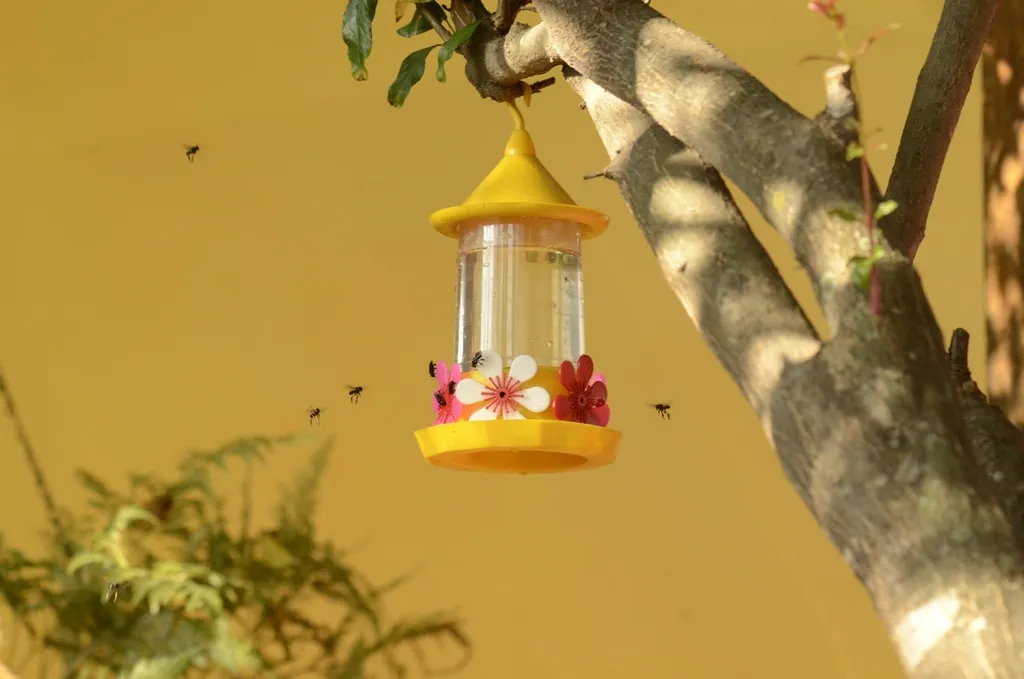
The good news is that most of this cycle is normal, predictable, and temporary. Most of the reasons hummingbirds abandon feeders are fixable, since a missing feeder crowd is most often just part of the natural seasonal cycle, and the best approach is to keep feeders out with fresh nectar, because in almost all cases the birds return. For anyone genuinely concerned about a long-term decline rather than a seasonal lull, there is a way to check. One way to double-check whether others are noticing the same thing is to explore the data at eBird, checking figures for your county over the past few years to see if there has been a real change in reported hummingbird numbers.
A quiet feeder in July usually means the yard is doing exactly what it should. The flowers are blooming, the chicks are being raised, and the first travelers are already several states closer to their wintering grounds. The best move for anyone watching an empty feeder this month is simply patience: keep the nectar fresh, keep it clean, and let the birds decide when the buffet swings back their way.AI Disclaimer: This article was created with the assistance of AI tools and reviewed by a human editor.